Michelin Bib Gourmand · Tabelog 100 #10
Our verdict
A Michelin Bib Gourmand soba shop in Nishiazabu, Soba Tajima works through an extensive menu of seasonal vegetable dishes and small plates before anchoring the meal with hand-cut soba. The format rewards unhurried eating: graze through the vegetable offerings, then choose your soba to close. Lunch brings rice-set alternatives, and the practiced staff make the wide menu feel approachable rather than overwhelming.

Pearl is the En Primeur Club membership app, where members save venues, book tables and use the concierge.
The menu
What to order
- Chicken soboro rice bowl
- Cold soba
- Soba dumplings
Soba in Nishiazabu: What the Bib Gourmand Tier Looks Like in 2024
Tokyo's soba culture spans everything from standing-bar bowls near station exits to counter-only rooms where the noodles arrive once and the meal is done. The middle ground, where a full spread of seasonal vegetables precedes a considered soba finish, is a smaller and more specific category. Soba Tajima, on a quiet Nishiazabu block inside Epoch Arisugawa, sits in that tier: a full-menu soba shop with Michelin Bib Gourmand recognition in 2024 and a price point that stays well within the single-¥ bracket. That combination, serious intent at accessible cost, is what the Bib Gourmand designation is meant to flag, and Tajima earns it through format depth rather than minimalism.
The Menu as Performance: Working Through the Options
The editorial angle most relevant to Soba Tajima is not the noodles themselves but the architecture of the meal that precedes them. This is not the stripped-back, single-course soba experience that defines places like Edosoba Hosokawa or the more austere counters in the Edo tradition. Instead, the meal here is built in layers: a broad selection of small items, a rotation of seasonal vegetable dishes, and then the soba as a closing course chosen from a list that can itself feel extensive.
That structure has its own logic. In traditional honzen and kaiseki formats, a composed procession of small dishes before a starch course is normal practice. Soba Tajima applies a version of that thinking to an everyday price point, which is what separates it from both the standing-bar end of the category and the high-end soba rooms where the noodle is the only subject. The result is a meal with real length and seasonal variation, not a quick bowl and a bill.
The vegetable focus is the distinctive move. At many Tokyo soba shops, vegetables are supporting players: a side of pickles, perhaps a seasonal tempura. Here, they occupy a structurally central position. The menu shifts with what is in season, which means the experience in autumn, when root vegetables and mushrooms dominate, reads differently from a spring visit built around mountain vegetables and early greens. For comparison, Ayamedo in Osaka takes a similarly vegetable-forward approach to soba, though the Kansai register differs; in Kyoto, Chikuyuan Taro no Atsumori represents the older temple-adjacent tradition that shaped the vegetable-soba connection in the first place.
Ordering Strategy: Managing the Menu
The Michelin note is direct about this: the surfeit of options can be bewildering. That is honest, and worth taking seriously as practical intelligence rather than a warning to avoid. The menu depth is the point, not a flaw, but it rewards a particular approach. The intended logic is to build a spread from the small-item and vegetable sections, then choose soba to close. Ordering one plate at a time is explicitly possible, which matters for solo diners and for anyone who wants to pace the meal according to appetite rather than the full menu's implied ambition.
At lunch, the format shifts: rice-based set menus become available alongside the standard offerings. That makes lunchtime visits genuinely different from dinner, not just cheaper. Diners who want the full vegetable-plus-soba format will find it at both services; those who want a faster, more structured meal are better served by the lunch sets.
This kind of menu flexibility across services is a characteristic of Tokyo's mid-tier soba establishments rather than its high-end rooms. At Akasaka Sunaba and Azabukawakamian, the format is comparably approachable, though each carries its own historical weight and neighbourhood context. Hamacho Kaneko occupies a slightly different register, oriented more toward a refined soba-only experience.
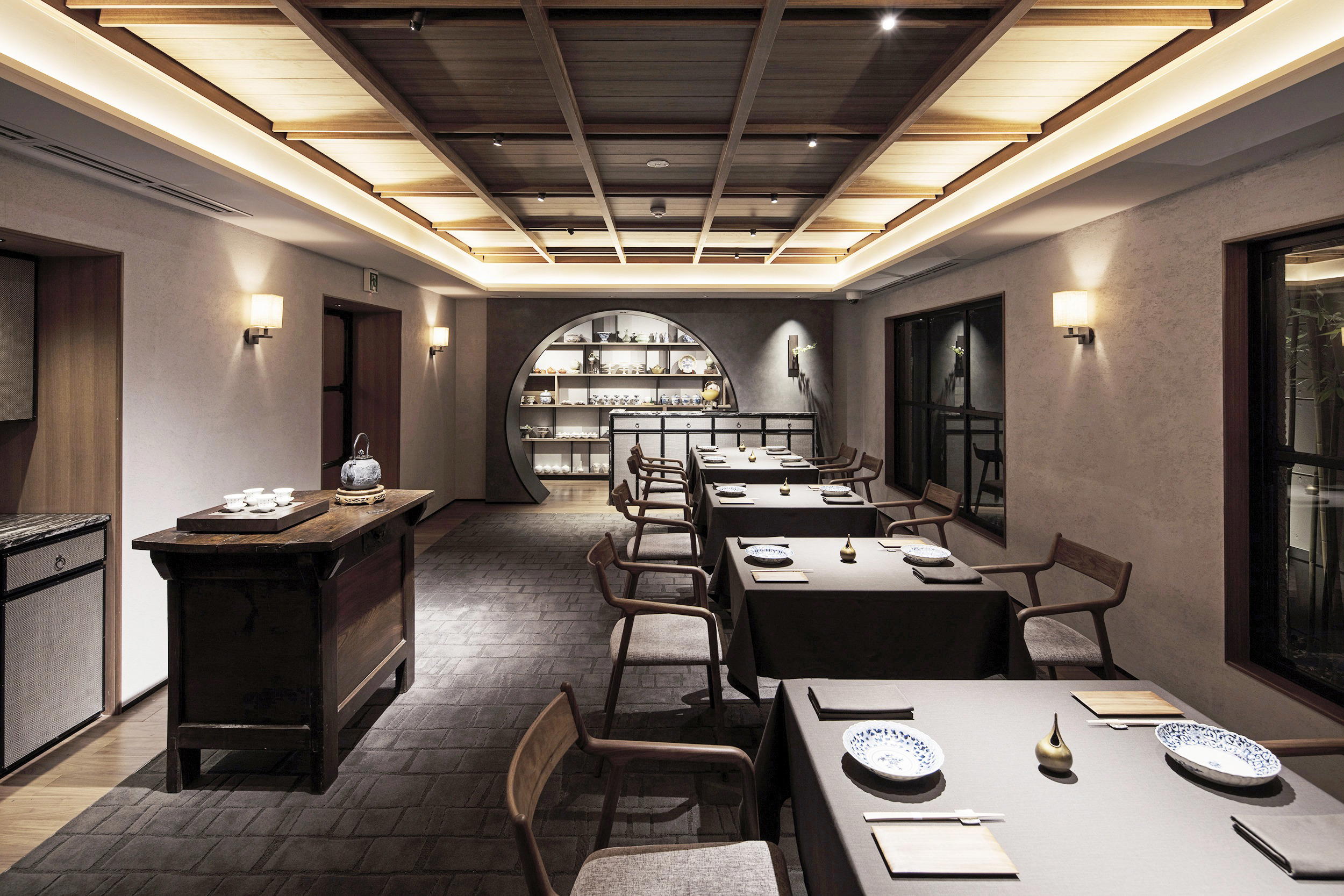
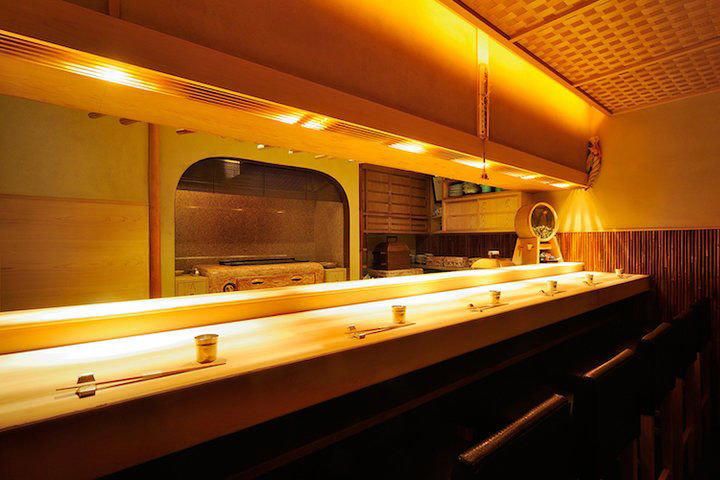
The Room and the Staff: What the Bib Gourmand Implies
Bib Gourmand recognition in Tokyo's soba category is a signal about consistent execution and value at scale, not about theatrical refinement. The Michelin notes for Soba Tajima specifically cite the practiced skill of the staff and a welcome that reads as genuinely local rather than tourist-facing. That framing matters: in a neighbourhood like Nishiazabu, where the dining room is surrounded by high-end French and Japanese rooms charging multiples of this price point, a soba shop that operates with the same service discipline as its pricier neighbours is doing something deliberate.
The address, Epoch Arisugawa in 3-chome Nishiazabu, places the restaurant in a residential and boutique-commercial pocket of Minato City, away from the Roppongi-adjacent volume dining that dominates the area's more visible streets. For context on what else operates in that price register nearby, Hamadaya is in the same general district at a considerably higher price point, representing the kaiseki end of the Minato dining spectrum. Soba Tajima is the other end of the same neighbourhood's seriousness.
Where This Sits in Tokyo's Broader Table
Tokyo's most-discussed restaurant pages are dominated by omakase counters, kaiseki rooms, and French-Japanese hybrids in the ¥¥¥¥ range. Places like RyuGin and L'Effervescence occupy that tier and set the international conversation about Tokyo dining. Below them, in terms of price, is where a large portion of the city's genuine eating culture operates, and the Bib Gourmand list is one of the more reliable maps to that layer.
For readers planning a broader Tokyo trip, the full picture is in our full Tokyo restaurants guide. Dining in Tokyo also pairs naturally with the rest of the city's offer, covered in our full Tokyo hotels guide, our full Tokyo bars guide, our full Tokyo wineries guide, and our full Tokyo experiences guide. Those planning a multi-city Japan trip might also consider HAJIME in Osaka, Gion Sasaki in Kyoto, akordu in Nara, Goh in Fukuoka, 1000 in Yokohama, and 6 in Okinawa for reference points across the country's dining range.
Planning Your Visit
Address: Epoch Arisugawa, 3 Chome-8-6 Nishiazabu, Minato City, Tokyo 106-0031. Budget: Single-¥ price range; consistent with the Bib Gourmand value tier. Reservations: Ideal time to visit: Seasonal vegetable menus make spring and autumn visits particularly rewarding in terms of menu variation. Ratings:
What should I eat at Soba Tajima?
The intended approach is to order across the small-item and seasonal vegetable sections before choosing your soba to close the meal. The Michelin notes suggest building an assortment rather than defaulting straight to noodles, since the vegetable dishes are the element that distinguishes this kitchen from a direct bowl-and-go format. If the menu feels large, note that soba can be ordered one plate at a time, and that lunch-service set menus offer a more structured path through the options. The seasonal vegetable selection is the strongest editorial reason to visit, so let it anchor your order.
Frequently asked questions
What cuisine category does Soba Tajima fall under?
What's the price range at Soba Tajima?
Pricing at Soba Tajima is listed as ¥.
What awards or recognition does Soba Tajima have?
Soba Tajima has received recognition including: A soba shop well stocked with vegetable cuisine in season. From the varied and extensive menu, choose an assortment of small items as well as vegetable dishes, and cap the meal with the soba of your choice. The surfeit of options can be bew….
What should I eat at Soba Tajima?
The intended approach follows the Michelin note directly: begin by ordering across the small-item and seasonal vegetable sections, then close the meal with a plate of soba. The menu runs extensive enough that the Bib Gourmand citation flags the range of options as potentially bewildering, so choosing a selection of smaller dishes first and treating the soba as a finale is the practical path through it. Single plates of soba can be ordered individually, which allows for more than one variety if appetite allows.
Peers in This Market
| Venue | Cuisine | Price | Awards | Notes |
|---|---|---|---|---|
| Soba TajimaThis venue (the venue you are viewing) | Handmade Soba Noodles | $10–20 | Michelin Bib Gourmand · Tabelog 100 #10 | Not listed |
| Harutaka | Edo-Style Omakase Sushi | $200–300 | 3 Michelin Stars · World's 50 Best #76 | Sushi |
| RyuGin | Modern Kaiseki | $500+ | 3 Michelin Stars · World's 50 Best #41 | Kaiseki, Japanese |
| L'Effervescence | Modern French with Japanese Influences | $200–300 | 3 Michelin Stars · World's 50 Best #69 | French |
| HOMMAGE | Modern French with Japanese Influences | $150–200 | 2 Michelin Stars · World's 50 Best #78 | Innovtive French, French |
| MAZ | Innovative Peruvian-Japanese Fusion | $150–200 | 2 Michelin Stars · World's 50 Best #28 | Innovative |
Recognition history
Dated appearances from independent guides and award organizations, with the underlying list record or original source where available.
Michelin Bib Gourmand
Michelin
Tabelog 100 #10 · No. 10
Tabelog · Tabelog 100 - Soba - EAST - 2025
Full recognition history (3 entries)
Michelin Bib Gourmand
Michelin