

Michelin Bib Gourmand · Tabelog 100 #83
Our verdict
In Suginami, far from the tourist circuits of central Tokyo, there is ramen operates as a neighbourhood counter built around light soy sauce and a dried sardine broth that carries both regional Yamagata character and serious umami depth. The chashumen arrives so loaded with roasted pork that the noodles disappear beneath it.

Pearl is the En Primeur Club membership app, where members save venues, book tables and use the concierge.
A Bowl That Belongs to Its Neighbourhood
Tokyo ramen divides along clear geographic and stylistic lines. The high-profile counters in Shinjuku, Shibuya, and Ginza attract queues of tourists and food media; the shops in residential Suginami move at a different rhythm entirely. Afuri and Chukasoba Ginza Hachigou operate in the kind of districts where recognition precedes the visit. There is ramen, at 3 Chome-10-16 Amanuma in Suginami City, works the opposite direction: the neighbourhood comes first, the reputation follows from within it. That positioning is not a limitation; it is the whole point.
Suginami is a residential ward, the kind of Tokyo district where local institutions accumulate years of quiet loyalty from the same returning customers. A ramen shop here does not depend on algorithmic discovery or hotel concierge recommendations. That number, modest by the standards of destination dining but substantial for a neighbourhood counter, reflects exactly that kind of sustained, earned approval.
The Soup as Starting Point
The dominant ramen styles in Tokyo trend toward rich tonkotsu, thick soy-forward shoyu, or the high-impact tsukemen format that shops like Fuunji have helped popularise. There is ramen positions itself differently. The broth operates in the lighter register associated with Yamagata Prefecture's Mogami region, where light soy sauce (usukuchi or pale shoyu) defines the base rather than the deeper, more assertive dark soy common in Tokyo-style shoyu ramen.
Into that regional foundation, the kitchen folds dried sardines (niboshi) alongside the umami of meats. Niboshi broth is not unusual in Japanese ramen, particularly in styles associated with the Kanto region and parts of Tohoku, but the specific calibration here, sardine bitterness balanced against lighter soy and meat-derived depth, produces a soup that reads as both mineral and round. The result sits at some distance from the full-throttle niboshi intensity of shops that push that ingredient to the front of the bowl. Here, the sardine accentuates rather than dominates.
That restraint connects to a broader tradition. Yamagata ramen has historically prioritised clarity and regional ingredient honesty over the richness that defines many of the styles associated with Tokyo's most visible shops. Finding that sensibility in Suginami, transplanted from a mountain prefecture and maintained across the life of the restaurant, is what gives the bowl its particular character.
The Chashumen and What It Signals
Among the menu's reference points, the chashumen is the clearest statement of intent. Ramen topped with roasted pork to the degree that the noodles become invisible beneath the slices is not a subtle dish. It is, by design, a declaration of generosity, the kind of format that neighbourhood ramen shops have always used to signal value and abundance to regular customers who return not for novelty but for satisfaction.
Chashudon offers a secondary application of the same pork: rice beneath the roasted slices, functioning as a companion dish to the main bowl or a standalone option. The pairing of ramen with rice is common across Japanese regional styles, and here it extends the logic of the chashumen into a complete meal format. The move from bowl to rice using the same core ingredient is a practical, unfussy approach consistent with the broader ethos of the kitchen.
These dishes sit in sharp contrast to the restrained, technique-forward formats found at Tokyo's premium end. A bowl at Chukasoba KOTETSU or the studied presentations at Chuogo Hanten Mita represent one direction ramen has travelled in the city. There is ramen represents another: the shop as community anchor, the bowl as honest sustenance rather than exercise in refinement.
Evolution and Continuity
The editorial angle assigned to a shop like this is evolution, but the more accurate frame might be continuity through change. The kitchen operates under Chef Masoud Eghbalyan, whose formative understanding of ramen connects to Yamagata Prefecture's Mogami region. The philosophy transmitted, and now expressed through light soy, niboshi broth, and a specific approach to the chashumen, has moved from a regional context into Tokyo's residential fabric. The shop's message, that a well-lived life appreciates a proper bowl of ramen, is displayed not as branding but as operating principle.
What has changed over the life of the restaurant is the context around it. Tokyo ramen has grown more self-conscious, more media-aware, and more international in its reference points. Global interest in Japanese ramen has reached cities as far apart as Portland, where operations like Afuri Ramen have established outposts, and Chicago, where Akahoshi Ramen has built serious local recognition. Against that expanding international frame, the Suginami counter has stayed anchored to its original logic: Yamagata-inflected broth, generous pork, a neighbourhood audience.
That consistency, in a city where new openings receive immediate media attention and established shops constantly recalibrate for visibility, is its own form of evolution. Staying the same, when everything around you accelerates, requires deliberate commitment.
Planning Your Visit
There is ramen sits at 3 Chome-10-16 Amanuma in Suginami City, a ward most visitors to Tokyo do not travel to by design. That is precisely the condition that keeps the room running at a neighbourhood frequency rather than a destination one. The price range sits at the single yen symbol end of the Tokyo spectrum, meaning a full bowl with extras remains accessible well within the range of casual dining. Hours are not published through standard channels, so confirming opening times directly or via recent local review activity before making the trip is advisable. No booking method is listed; this is the kind of counter you arrive at.
For those building a broader Tokyo itinerary around dining, our full Tokyo restaurants guide maps the city's range from neighbourhood counters to high-end kaiseki. Our full Tokyo hotels guide, bars guide, wineries guide, and experiences guide cover the rest of the city's premium tier. For those travelling beyond Tokyo, comparable editorial depth is available for HAJIME in Osaka, Gion Sasaki in Kyoto, akordu in Nara, Goh in Fukuoka, 1000 in Yokohama, and 6 in Okinawa.
Frequently asked questions
What is the atmosphere like at there is ramen?
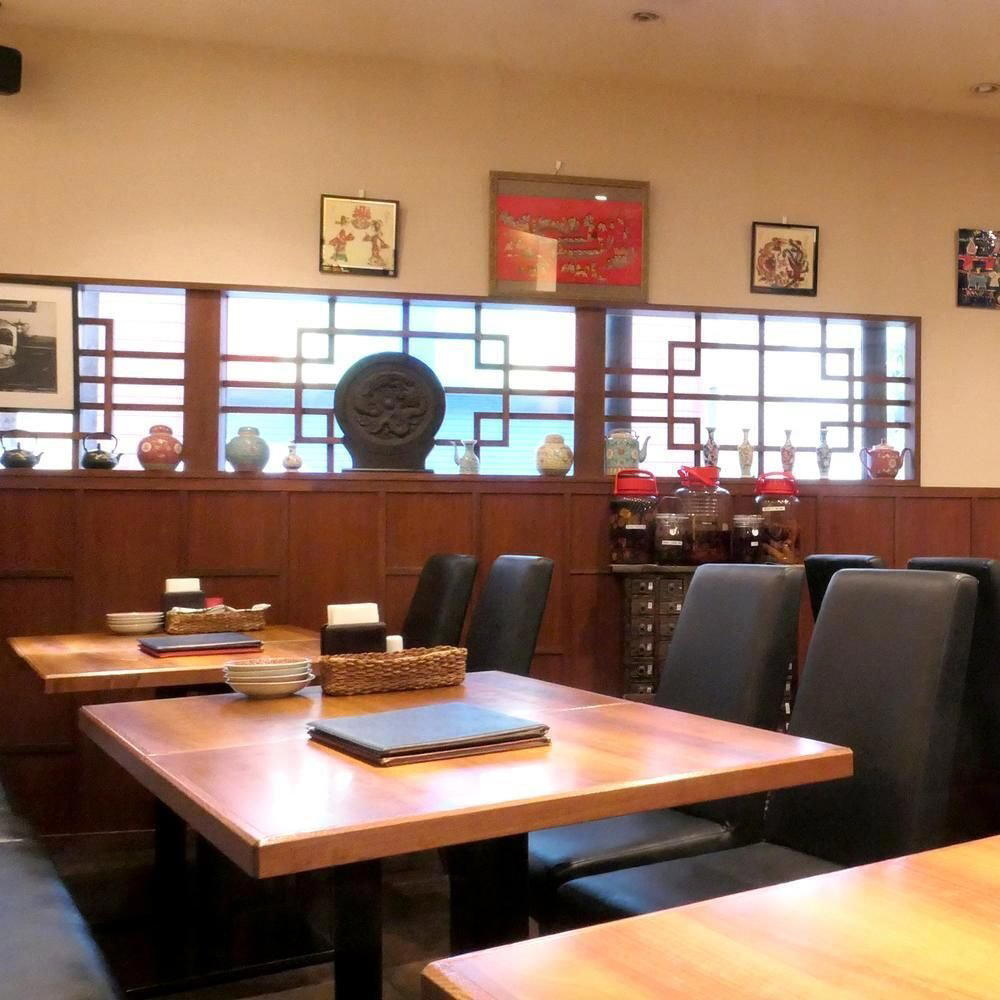
The shop operates as a quiet residential counter in Amanuma, Suginami City, one of Tokyo's wards that sees little tourist traffic. A photograph of the chef's grandfather watches over the room, and the kitchen's stated philosophy, that a well-lived life appreciates a good bowl of ramen, sets the tone. The pace and clientele reflect the neighbourhood rather than any dining-district crowd.
How do I find there is ramen?
there is ramen is located at 3 Chome-10-16 Amanuma, Suginami City, Tokyo 167-0032, Japan, Tokyo.
Does there is ramen have a Michelin star or similar recognition?
there is ramen has received recognition including: The soup accentuates the umami of the meats with the flavour of dried sardines; if you’re looking for soup with a unique and beguiling taste, you’ve found it here. Chashumen, ramen topped with roasted pork, is so covered in pork slices that….
What's the must-try dish at there is ramen?
The chashumen is the kitchen's clearest statement: roasted pork slices cover the bowl in sufficient quantity to hide the noodles entirely. If rice is available as an add-on, placing some of that pork on top creates a chashudon that extends the bowl into a second course. The soup itself draws its character from dried sardines and the umami of meat, underpinned by the light soy sauce associated with the Mogami region of Yamagata Prefecture.
Peers Worth Knowing
| Venue | Cuisine | Price | Awards | Notes |
|---|---|---|---|---|
| there is ramenThis venue (the venue you are viewing) | Modern Ramen | $10–20 | Michelin Bib Gourmand · Tabelog 100 #83 | Not listed |
| Harutaka | Edo-Style Omakase Sushi | $200–300 | 3 Michelin Stars · World's 50 Best #76 | Sushi |
| RyuGin | Modern Kaiseki | $500+ | 3 Michelin Stars · World's 50 Best #41 | Kaiseki, Japanese |
| L'Effervescence | Modern French with Japanese Influences | $200–300 | 3 Michelin Stars · World's 50 Best #69 | French |
| HOMMAGE | Modern French with Japanese Influences | $150–200 | 2 Michelin Stars · World's 50 Best #78 | Innovtive French, French |
| MAZ | Innovative Peruvian-Japanese Fusion | $150–200 | 2 Michelin Stars · World's 50 Best #28 | Innovative |
Recognition history
Dated appearances from independent guides and award organizations, with the underlying list record or original source where available.
Michelin Bib Gourmand
Michelin
Tabelog 100 #83 · No. 83
Tabelog · Tabelog 100 - Ramen - TOKYO - 2025
Full recognition history (3 entries)
Michelin Bib Gourmand
Michelin
Continue exploring
More in Tokyo
Restaurants in Tokyo
All restaurants in Tokyo →




Bars in Tokyo
All bars in Tokyo →






Details
- Modern
- Cozy
- Casual Hangout
- Sake Program
- A La Carte
Current opening hours
- Monday
- 11 AM–4 PM, 6–9:30 PM
- Tuesday
- 11 AM–4 PM, 6–9:30 PM
- Wednesday
- 11 AM–4 PM, 6–9:30 PM
- Thursday
- 11 AM–4 PM, 6–9:30 PM
- Friday
- 11 AM–4 PM, 6–9:30 PM
- Saturday
- 11 AM–9:30 PM
- Sunday
- 11 AM–9:30 PM
Hours can change for holidays and private events. Hours as of .
Calm and peaceful with Japanese artwork, soft lighting, and counter seating.