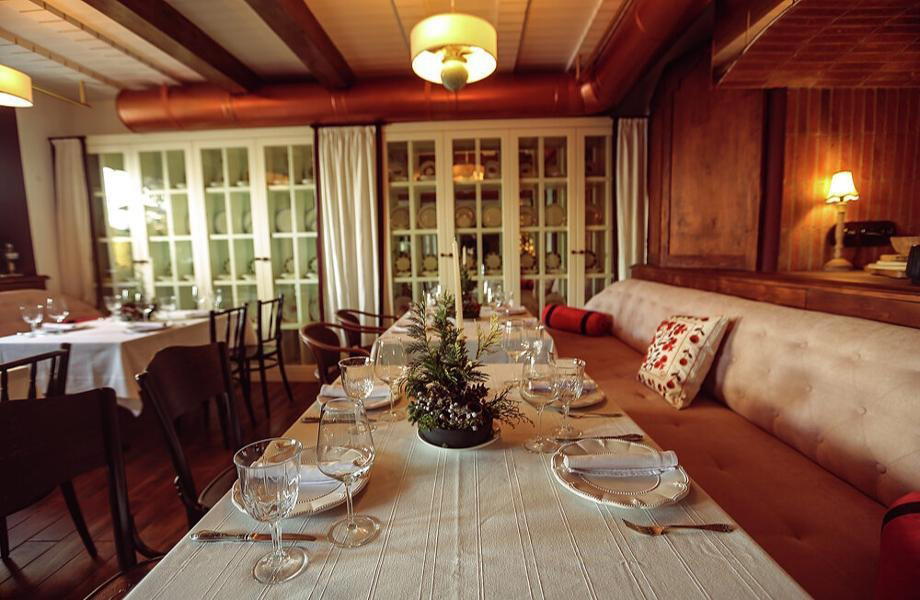
Shushabandi serves Modern Georgian food in Tbilisi with craft cocktails, upscale casual service, and a conversational pace; private dining supports group plans.
Pearl is the En Primeur Club membership app — saves, bookings, and concierge access live there. Same editors, same standards.
- Address
- á¦ááááá¡ á¥áá á®ááá, 1 Vasil Petriashvili Street, Wine Factory N 1, 1 ááá¡áá ááá¢á ááá¨ááááá¡ á¥, Tbilisi 0179, Georgia
- Phone
- +995558231050
- Website
- shushabandi.resos.com
- Directions
- Get directions
 Saves & bookings on Pearl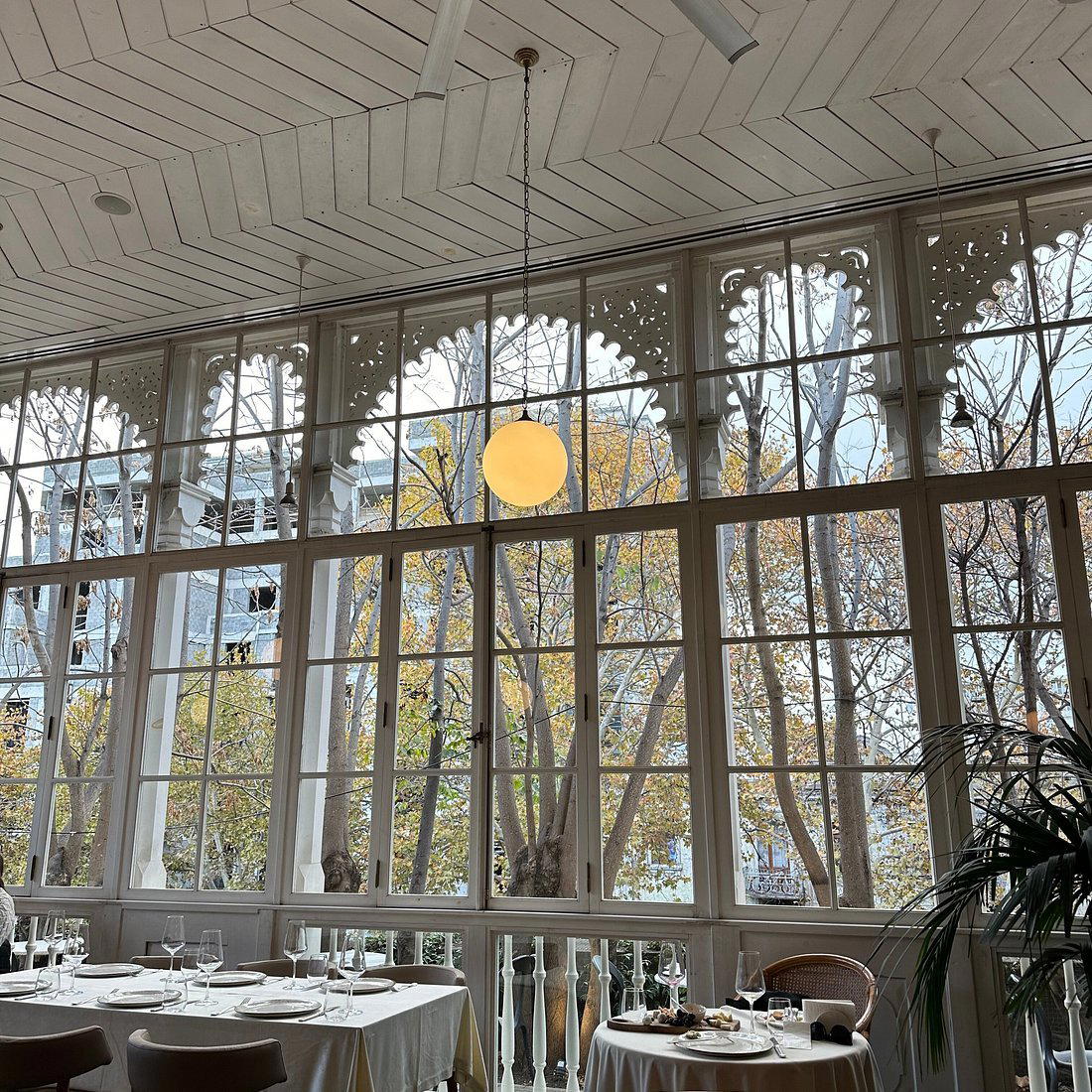
Wine Factory N1 and the Restaurants Rewriting What Georgian Dining Looks Like
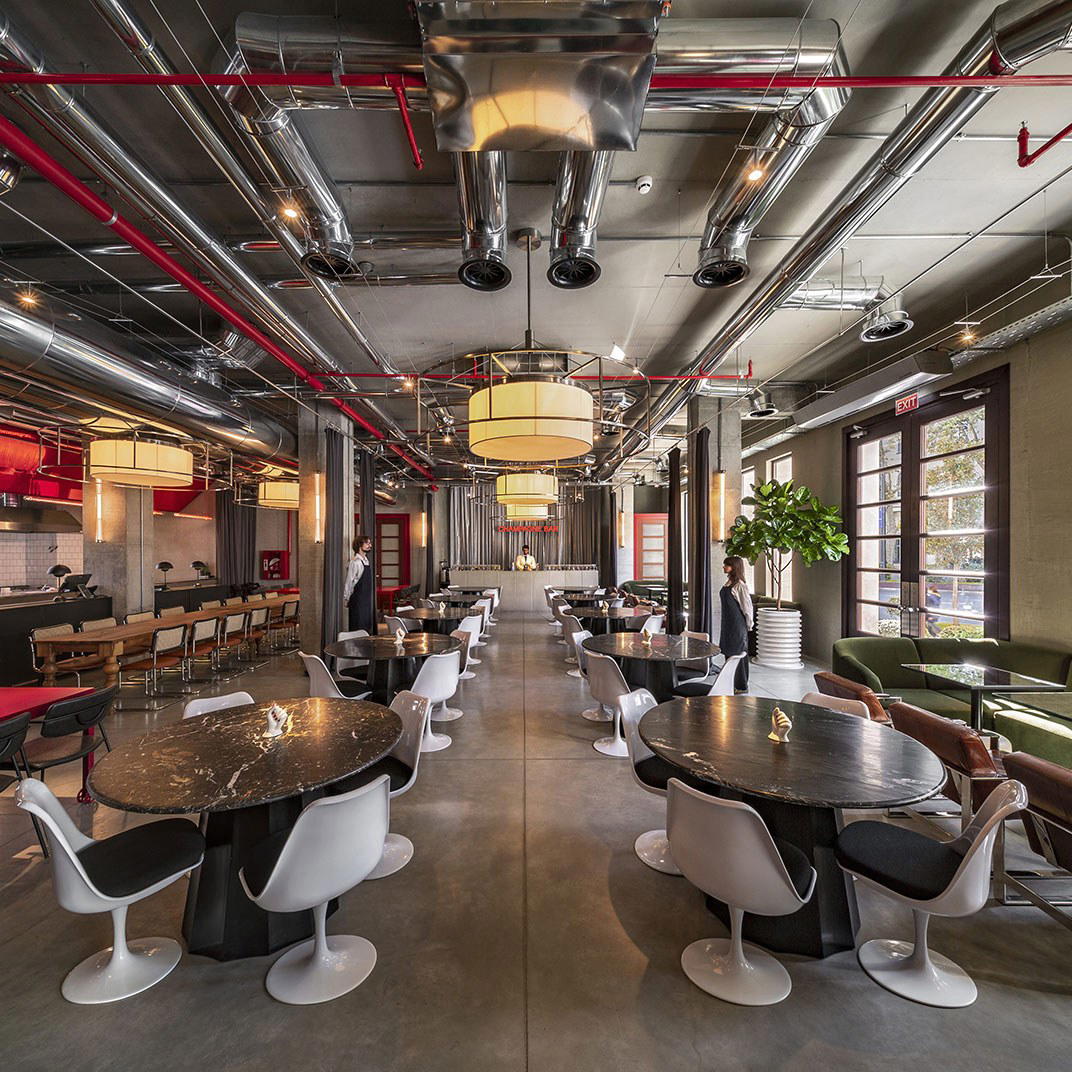
The approach to Wine Factory N1 on Vasil Petriashvili Street tells you something before you step inside. The complex occupies a repurposed Soviet-era wine production facility on the western edge of Tbilisi, and the architecture does not pretend to be anything other than what it was: a working industrial building given a second purpose. That honesty of form sets the register for what follows. In a city where restaurants increasingly compete on decor spectacle, the Wine Factory complex positions itself through substance rather than surface, and Shushabandi sits within that broader orientation.
Tbilisi's restaurant scene has bifurcated sharply over the past decade. One stream runs toward the international-facing tasting menu format, white-tablecloth presentation, and a translated Georgian canon designed to read legibly to visiting Europeans and Americans. The other runs toward venues that treat Georgian culinary tradition as a living thing, rooted in place and season, where the sourcing relationship and the producer chain matter as much as the finished plate. Shushabandi belongs to the second current, operating inside one of the city's most referenced food-and-drink destinations, where proximity to the Wine Factory's own production history is not incidental but structural.
Sustainability as Default, Not Differentiator
Across Georgia, the conversation about food ethics tends to begin and end with qvevri wine, because the amber wine tradition already carries an implicit ecological argument: minimal intervention, native varieties, clay vessels rather than industrial tanks. But a parallel, less publicised shift is happening in how Tbilisi kitchens handle procurement. The city's more considered restaurants have moved toward direct relationships with small-scale regional producers, which in Georgia means accessing a supply network that was largely smallholder to begin with. This is not farm-to-table as a marketing positioning; it is the re-formalisation of how Georgian households have always eaten, brought into a restaurant context.
Shushabandi operates within this framework at the Wine Factory N1 complex, a location that was itself an exercise in adaptive reuse: preserving industrial infrastructure rather than demolishing it. That sensibility, of working with what exists rather than replacing it, carries through in how venues at this address approach their role in the city's food conversation. For restaurants in Tbilisi that frame sustainability as a serious concern, peer references include Barbarestan, which built its identity around a 19th-century Georgian cookbook as a way of recovering near-lost culinary knowledge, and Azarphesha, which approaches traditional recipes with a similar archival seriousness. The common thread is a resistance to erasure, whether of produce varieties, cooking techniques, or the built environment itself.
The Georgian Table in Context
Georgian cuisine is one of the few traditions in the post-Soviet space that has developed serious international critical attention without losing its local grounding. The fermented, herb-forward, walnut-intensive cooking of the Caucasus resists the flattening that afflicts cuisines once they reach mass-market export. Supra culture, the tradition of the extended feast presided over by a tamada, encodes hospitality as a structured social practice rather than a service transaction. Restaurants that tap into that tradition seriously, rather than theatrically, operate at a different register from venues that simply plate khinkali in a photogenic setting.
What positions Shushabandi within the more considered tier of Tbilisi dining is its address: Wine Factory N1 draws operators who have thought about their presence there. The complex functions as something of an editorial statement about what Tbilisi's food and drink culture can be, and venues that chose it as a home have in effect aligned themselves with that argument. Comparison venues in the city worth understanding as a peer group include ATI, which approaches Georgian ingredients with a precise contemporary lens, and Alubali, which has built a strong following in a city that rewards venues with a clear point of view. For Japanese-inflected work in the same city, Akura San demonstrates how Tbilisi has absorbed global dining languages without becoming derivative.
Georgia Beyond Tbilisi: The Producer Supply Chain
To understand what a venue like Shushabandi draws on, it helps to trace where Georgian produce comes from. The wine regions of Kakheti, anchored by towns like Signagi and Telavi, supply not just wine but a broader agricultural ecosystem. Pheasant's Tears Winery in Signagi represents the kind of estate operation that has helped codify natural wine production in the region, while Doli in Telavi and Schuchman Wines Chateau anchor the eastern wine country that supplies much of what Tbilisi's serious wine lists pour. Further west, Palaty in Kutaisi and Gazaphkhuli in Chiatura are part of an emerging dining conversation that extends well beyond the capital. Even Chiko in Aspindza and Crowne Plaza Borjomi speak to the range of food-and-drink infrastructure that now exists across the country. For international benchmarks on how a restaurant can build an ethical sourcing identity, Lazy Bear in San Francisco offers a useful parallel in its communal format and regional-produce commitment, while Emeril's in New Orleans demonstrates how a venue can anchor itself in local culinary identity over the long term. The precision end of ingredient-led dining is represented internationally by venues like Le Bernardin in New York City and Atomix, which show what deep sourcing commitment looks like when combined with technical discipline. Umami at Clouds in Batumi extends the Georgia dining conversation to the Black Sea coast.
Planning a Visit
Shushabandi is located at 1 Vasil Petriashvili Street within the Wine Factory N1 complex in Tbilisi, at postal code 0179. The complex is a known destination in the city and the address is well-established with local drivers and navigation services. Shushabandi is open daily from 12 PM to 12 AM, and reservations are recommended. The Wine Factory N1 site hosts multiple operators, and visiting the complex as a destination in its own right, rather than targeting a single venue within it, is a sensible approach that gives flexibility.
The Minimal Set
Comparable venues nearby, for context on price, style, and recognition.
| Venue | Cuisine | Price | Notes |
|---|---|---|---|
| ShushabandiThis venue — the venue you are viewing | Tbilisi, Modern Georgian | $$$ | Not listed |
| Chveni | Tbilisi, Modern Georgian Fusion | $$ | Not listed |
| Shio Ramen | Vera, Japanese Ramen | $$$ | Not listed |
| The Kitchen | Tbilisi, Modern Georgian & Italian | $$ | Not listed |
| Brasserie Buvette | Not listed | $$$ | Tbilisi, French Brasserie with European Influences |
| Organique Josper | Not listed | $$$ | Tbilisi, Georgian Josper Grill Steakhouse |
Continue exploring
More in Tbilisi
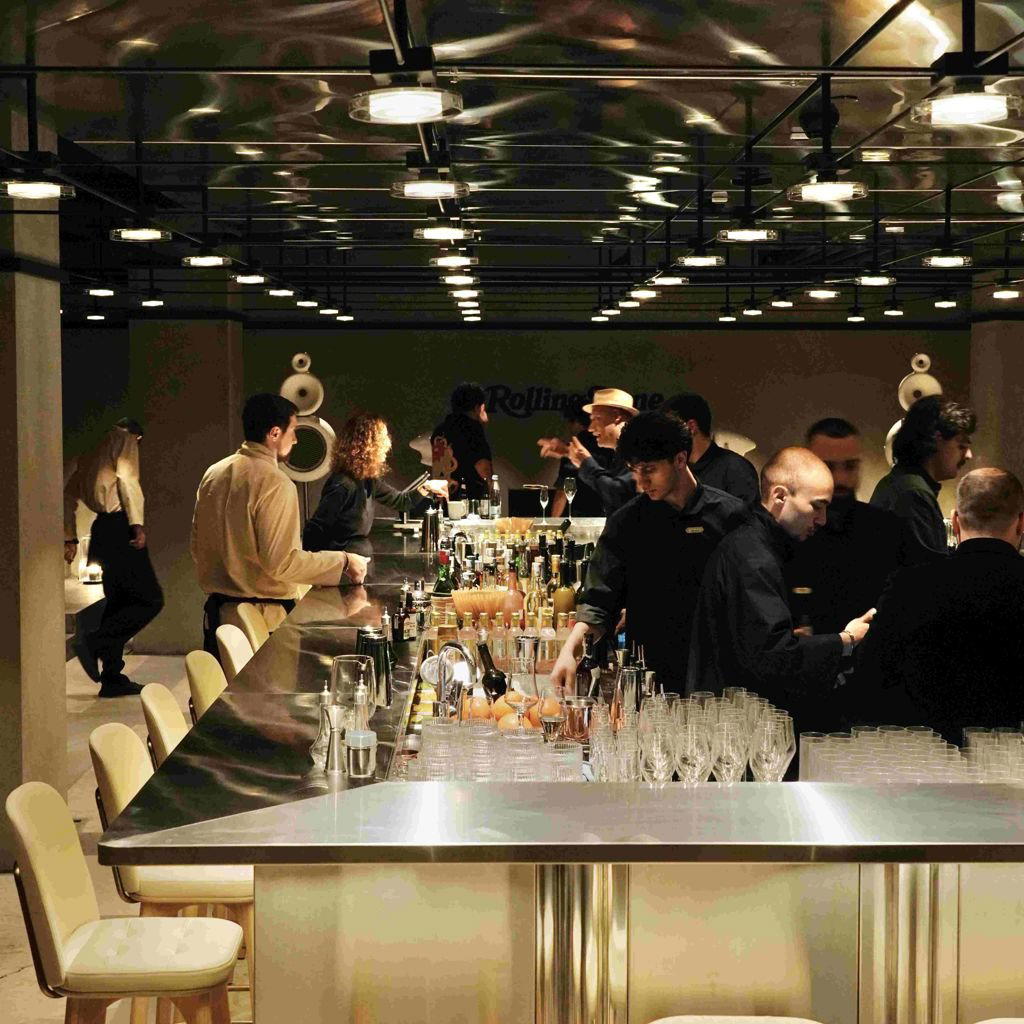
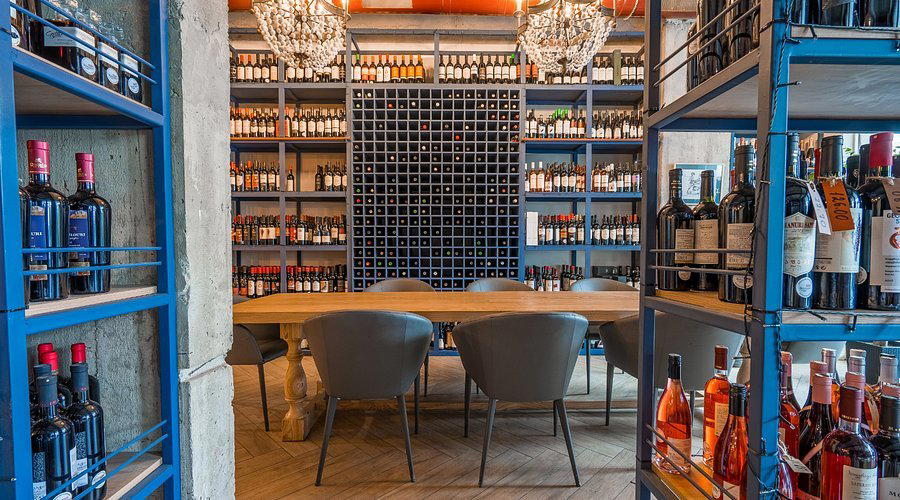
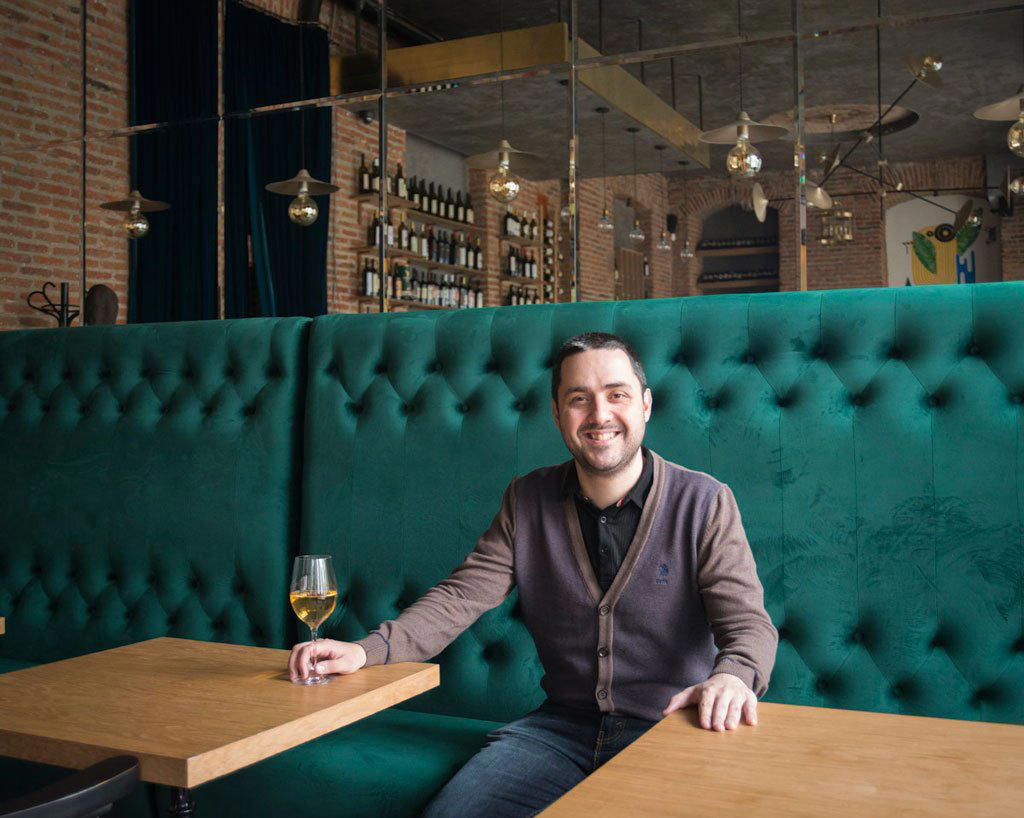
Restaurants in Tbilisi
Browse all →
Bars in Tbilisi
Browse all →
Hotels in Tbilisi
Browse all →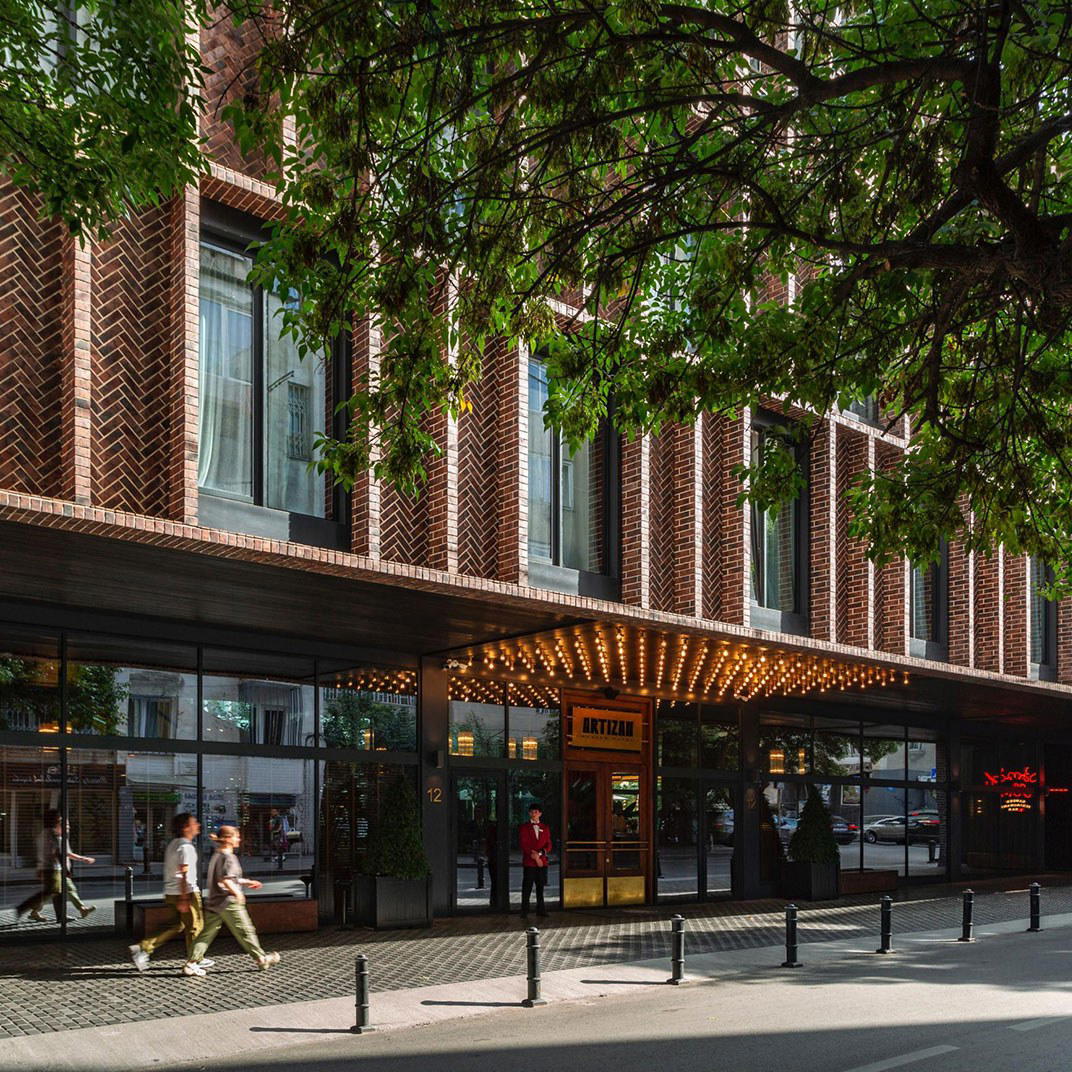




At a Glance
- Cozy
- Elegant
- Modern
- Date Night
- Group Dining
- Family
- Private Dining
- Craft Cocktails
Current opening hours
- Monday
- 12 PM–12 AM
- Tuesday
- 12 PM–12 AM
- Wednesday
- 12 PM–12 AM
- Thursday
- 12 PM–12 AM
- Friday
- 12 PM–12 AM
- Saturday
- 12 PM–12 AM
- Sunday
- 12 PM–12 AM
Hours can change for holidays and private events. Last verified .
Cozy and homelike with elegant high-end decor, white tablecloths, and warm atmosphere.