


1 Michelin Star · La Liste Top Restaurants
Our verdict
A Michelin-starred kaiseki counter in Shinjuku's Wakamiyacho district, Kaiseki Komuro operates tight service windows, two seatings across lunch and dinner, and has held La Liste recognition at 81.5 points in 2025 alongside consecutive Opinionated About Dining placements. Chef Mitsuhiro Komuro's kitchen produces classical Japanese multi-course cooking in a format that rewards forward planning and rewards repeat visits.

Pearl is the En Primeur Club membership app, where members save venues, book tables and use the concierge.
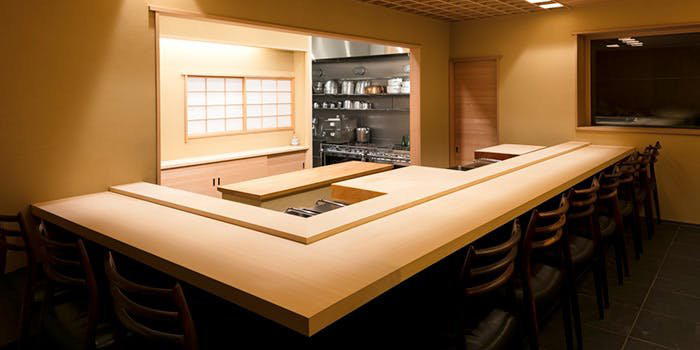
A Kaiseki Room in the Quieter Reaches of Shinjuku
Shinjuku reads, to most visitors, as density and noise: the station grid, the Kabukicho neon, the crush of Takashimaya's basement floors. The ward's western and residential edges tell a different story. Wakamiyacho, where Kaiseki Komuro occupies a ground-floor address at 35-4, sits in the quieter residential northern pocket of Shinjuku City, the kind of block where the street narrows, foot traffic drops, and a single entrance panel is all the signage a restaurant needs. That restraint in address mirrors what happens inside: a room configured around stillness rather than spectacle.
In Tokyo's kaiseki tier, the physical container matters as much as what arrives in it. The city's premium Japanese multi-course restaurants have, over the past decade, consolidated around two dominant spatial models: the townhouse or machiya conversion, which prioritises engawa corridors and garden sightlines, and the purpose-built counter room, which focuses attention on the pass and the kitchen's choreography. Komuro belongs to the second model. The format concentrates the meal around a shared axis between cook and diner, collapsing the distance that private tatami rooms create. It is a design choice with an editorial consequence: everything the kitchen produces arrives in plain view of how it was made.
The Hours and What They Signal
Service runs Monday through Saturday, with a lunch seating from noon to 1 pm and a dinner seating from 6 to 8 pm. Sunday is closed entirely. Those windows are narrow by any standard, the lunch seating in particular runs sixty minutes, which in kaiseki terms is a compressed format. The implication is a fixed-tempo sequence rather than a leisurely open-ended progression. Dinner's two-hour frame is more conventional for multi-course kaiseki, allowing the kitchen to move through cold preparations, soup, grilled courses, rice, and sweets without compressing any single stage.
Running six lunch and six dinner services per week, with no Sunday cover, also means that cumulative seat capacity across the week is lower than restaurants operating seven-day schedules. For diners, that signals limited availability and a need for advance planning. See our full Tokyo restaurants guide for context on how reservations function across comparable counters in the city.
Where Komuro Sits in the Award Tier
Tokyo's kaiseki field is deep enough that a single Michelin star occupies a meaningfully different competitive bracket from the three-star rooms. Venues like RyuGin operate at the three-star level, carrying both the pricing and the international profile that come with that designation. Kaiseki Komuro's one Michelin star, held in 2024, places it in a larger peer group that includes both well-established counters and newer kaiseki rooms that have entered the guide more recently. The star is a floor, not a ceiling: it confirms technical competence and consistency without mapping directly to scale or price positioning.
The Opinionated About Dining rankings add a more granular picture. OAD draws its scores from a network of frequent, self-reporting diners rather than anonymous inspectors, which means its rankings capture accumulated repeat-visit consensus over time. Komuro appeared as Recommended in 2023, moved to #422 in Japan for 2024, and reached #514 in the 2025 list. The 2025 placement represents a change in absolute rank number, though OAD lists expand year on year as new restaurants enter, so a higher number does not automatically indicate a decline in relative standing. The La Liste score of 81.5 points in 2025, a system that aggregates multiple international guides, provides a third data source that broadly corroborates the Michelin and OAD signals: a restaurant operating at a consistent, recognised level within the one-star kaiseki cohort.
For comparison across the kaiseki and high-end Japanese category, Kagurazaka Ishikawa and Azabu Kadowaki represent the multi-star tier of Tokyo kaiseki, while Myojaku and Jingumae Higuchi illustrate how the form extends across different Tokyo neighbourhoods and seating formats. Ginza Fukuju offers a further reference point for understanding how Ginza's premium restaurant density differs from Shinjuku's quieter register.
The Cuisine Format and What Kaiseki Demands
Kaiseki is not a single dish or a signature plate. It is a sequenced argument about season, technique, and proportion, assembled from anywhere between eight and fourteen courses depending on the kitchen's chosen format. The structure is largely fixed across the tradition: sakizuke (amuse), hassun (seasonal platter establishing the meal's theme), soup, a series of prepared and grilled dishes, a rice course, and sweets. What varies between kitchens is the intensity of seasonal reference, the sourcing of key proteins and produce, and the degree to which the chef allows contemporary technique to inflect the classical architecture.
What the award record does confirm is sustained recognition from sources that evaluate kaiseki on technical grounds.
Beyond Tokyo, kaiseki in the classical Kyoto tradition is examined at venues like Gion Sasaki and Isshisoden Nakamura, while the Osaka variant is represented by Kashiwaya Osaka Senriyama. Each city inflects the form differently, and Tokyo's kaiseki rooms tend to carry more latitude for ingredient sourcing from across Japan's coastal and mountain prefectures, given the capital's market access.
Planning a Visit
The ¥¥¥¥ price designation places Komuro in the upper tier of Tokyo restaurant pricing, broadly consistent with the multi-course kaiseki format and the one-star designation. Precise course prices and per-head spend are not in the public record, so treat that tier marker as a budget-range guide rather than a fixed figure. Reservations: advance booking required; direct contact or concierge recommended given the limited weekly service windows. Hours: Monday to Saturday, lunch 12–1 pm and dinner 6–8 pm; closed Sunday. Budget: ¥¥¥¥ tier; kaiseki counters at this award level typically require budgeting for a full tasting sequence including beverage pairings. Location: 35-4 Wakamiyacho, Shinjuku City, Tokyo 162-0827. Dress: no code is documented, but the kaiseki counter format and price tier suggest smart casual at minimum.
For those building a broader Tokyo itinerary, EP Club maintains guides across all categories: hotels, bars, wineries, and experiences. For those extending into other Japanese cities, HAJIME in Osaka, akordu in Nara, Goh in Fukuoka, 1000 in Yokohama, and 6 in Okinawa represent the range of high-end Japanese dining across the country's regions.
Frequently asked questions
What dish is Kaiseki Komuro famous for?
Kaiseki Komuro's award recognition, one Michelin star, consecutive Opinionated About Dining placements, and a La Liste score of 81.5 in 2025, is attached to the kaiseki format as a whole rather than to any documented signature dish. In the kaiseki tradition, the meal is a sequence, and acclaim typically reflects the consistency of the sequence across seasonal changes rather than a single recurring plate. The safest expectation is a full multi-course progression that follows the seasonal and structural conventions of the form.
Reputation Context
| Venue | Cuisine | Price | Awards | Notes |
|---|---|---|---|---|
| Kaiseki KomuroThis venue (the venue you are viewing) | Traditional Cha-Kaiseki | $200–300 | 1 Michelin Star · La Liste Top Restaurants | Not listed |
| Harutaka | Edo-Style Omakase Sushi | $200–300 | 3 Michelin Stars · World's 50 Best #76 | Sushi |
| RyuGin | Modern Kaiseki | $500+ | 3 Michelin Stars · World's 50 Best #41 | Kaiseki, Japanese |
| L'Effervescence | Modern French with Japanese Influences | $200–300 | 3 Michelin Stars · World's 50 Best #69 | French |
| HOMMAGE | Modern French with Japanese Influences | $150–200 | 2 Michelin Stars · World's 50 Best #78 | Innovtive French, French |
| MAZ | Innovative Peruvian-Japanese Fusion | $150–200 | 2 Michelin Stars · World's 50 Best #28 | Innovative |
Recognition history
Dated appearances from independent guides and award organizations, with the underlying list record or original source where available.
Michelin 1 Star
Michelin
La Liste Top Restaurants
La Liste
Opinionated About Dining Top Restaurants in Japan Recommended
Opinionated About Dining
Full recognition history (6 entries)
Opinionated About Dining Top Restaurants in Japan Ranked #514
Opinionated About Dining
Opinionated About Dining Top Restaurants in Japan Ranked #422
Opinionated About Dining
Opinionated About Dining Top Restaurants in Japan Recommended
Opinionated About Dining
Continue exploring
More in Tokyo
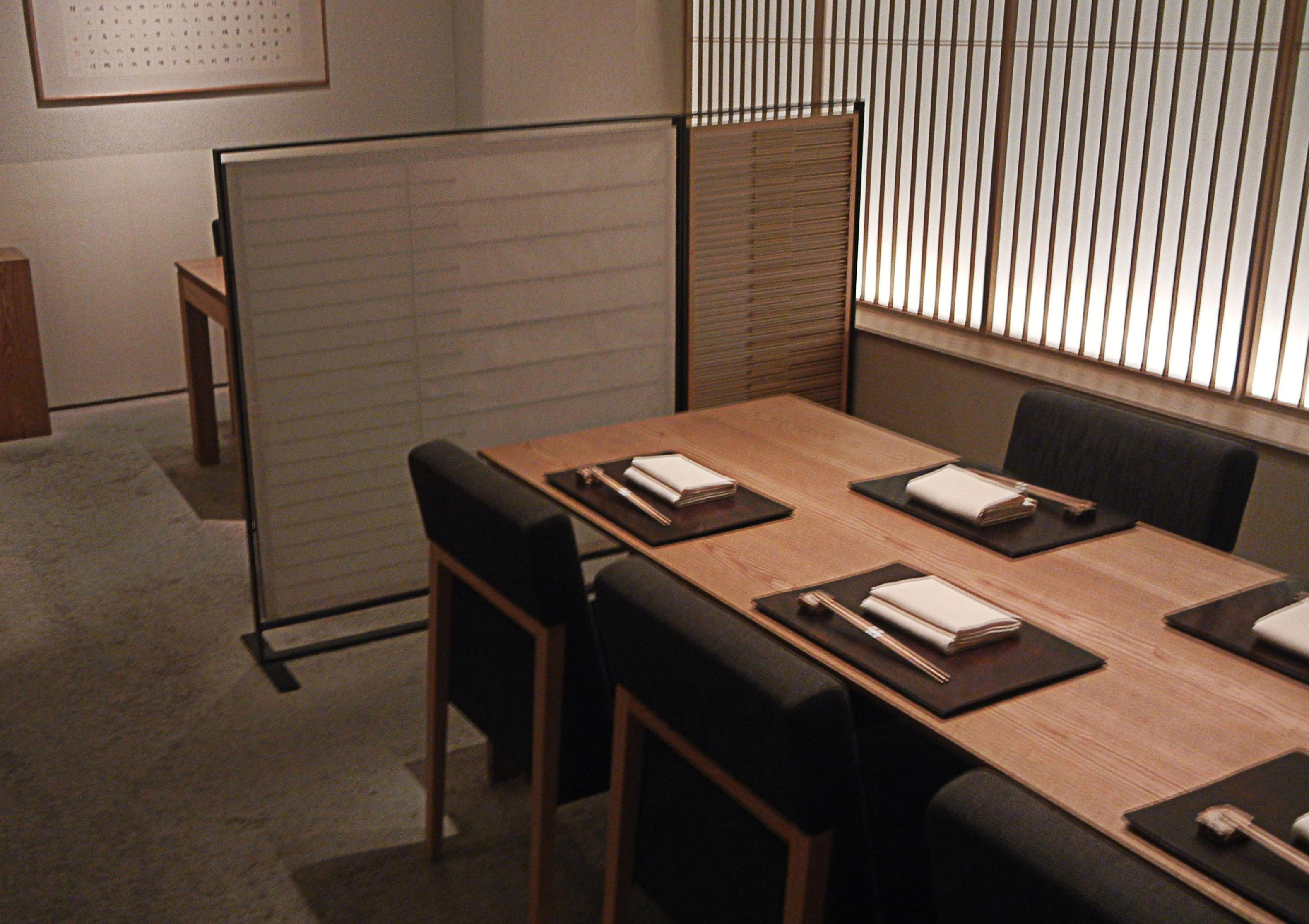
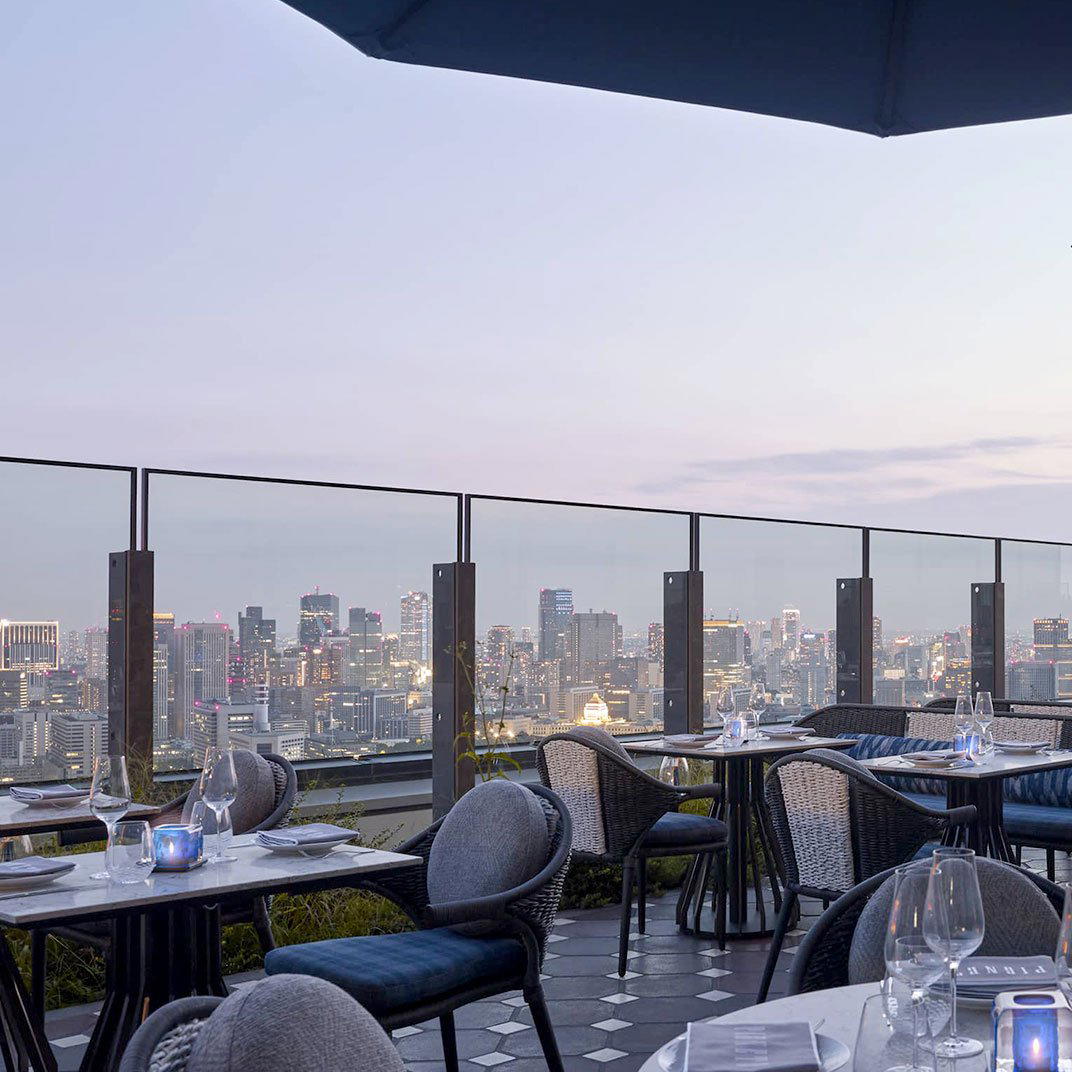
Restaurants in Tokyo
All restaurants in Tokyo →


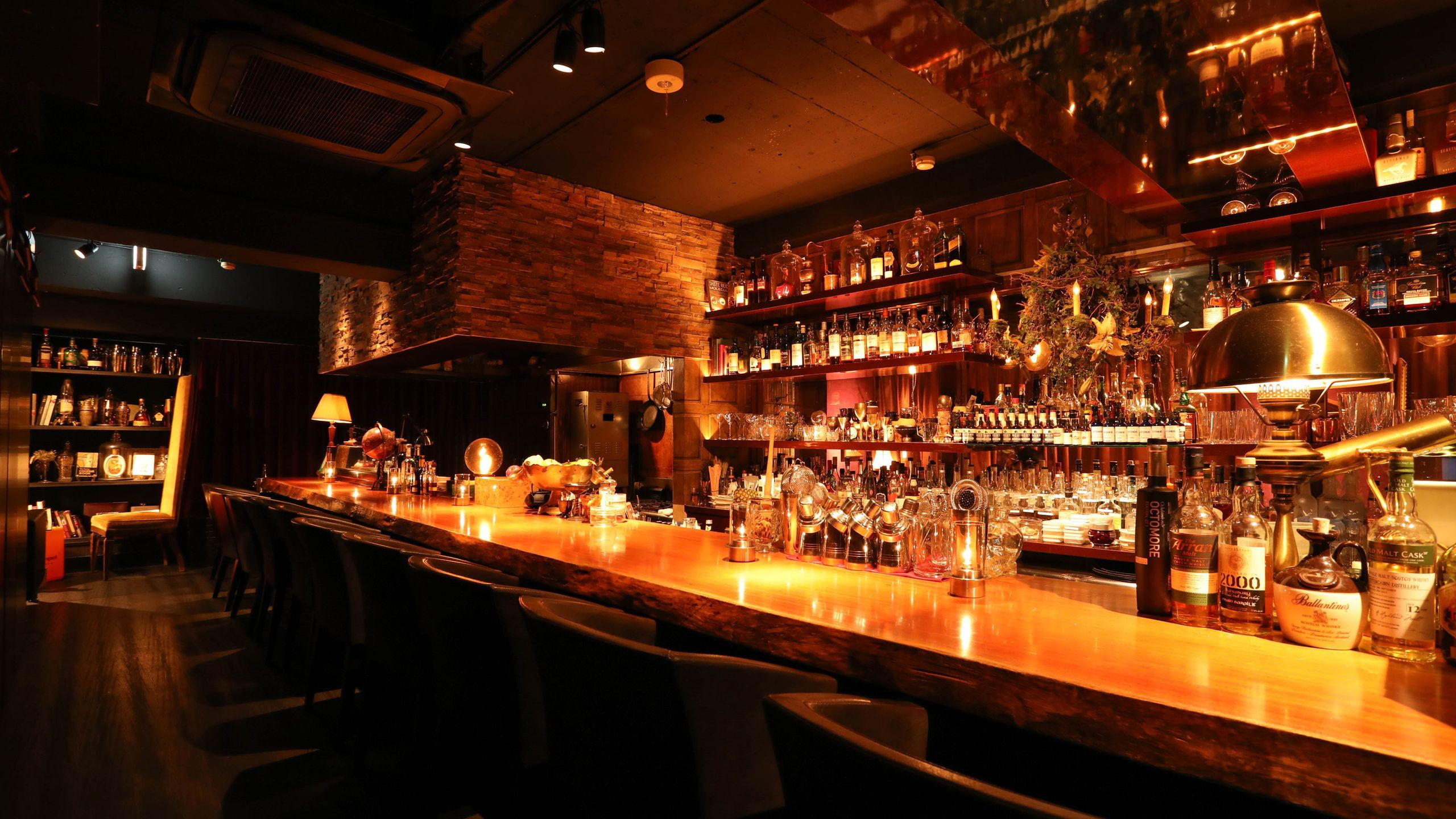
Bars in Tokyo
All bars in Tokyo →


Details
- Elegant
- Intimate
- Sophisticated
- Minimalist
- Special Occasion
- Chefs Counter
- Garden
- Private Dining
- Sake Program
- Local Sourcing
- Garden
- Tasting Menu
- Counter Dining
- Sake
Current opening hours
- Monday
- 12–1 PM, 6–8 PM
- Tuesday
- 12–1 PM, 6–8 PM
- Wednesday
- 12–1 PM, 6–8 PM
- Thursday
- 12–1 PM, 6–8 PM
- Friday
- 12–1 PM, 6–8 PM
- Saturday
- 12–1 PM, 6–8 PM
- Sunday
- Closed
Hours can change for holidays and private events. Hours as of .
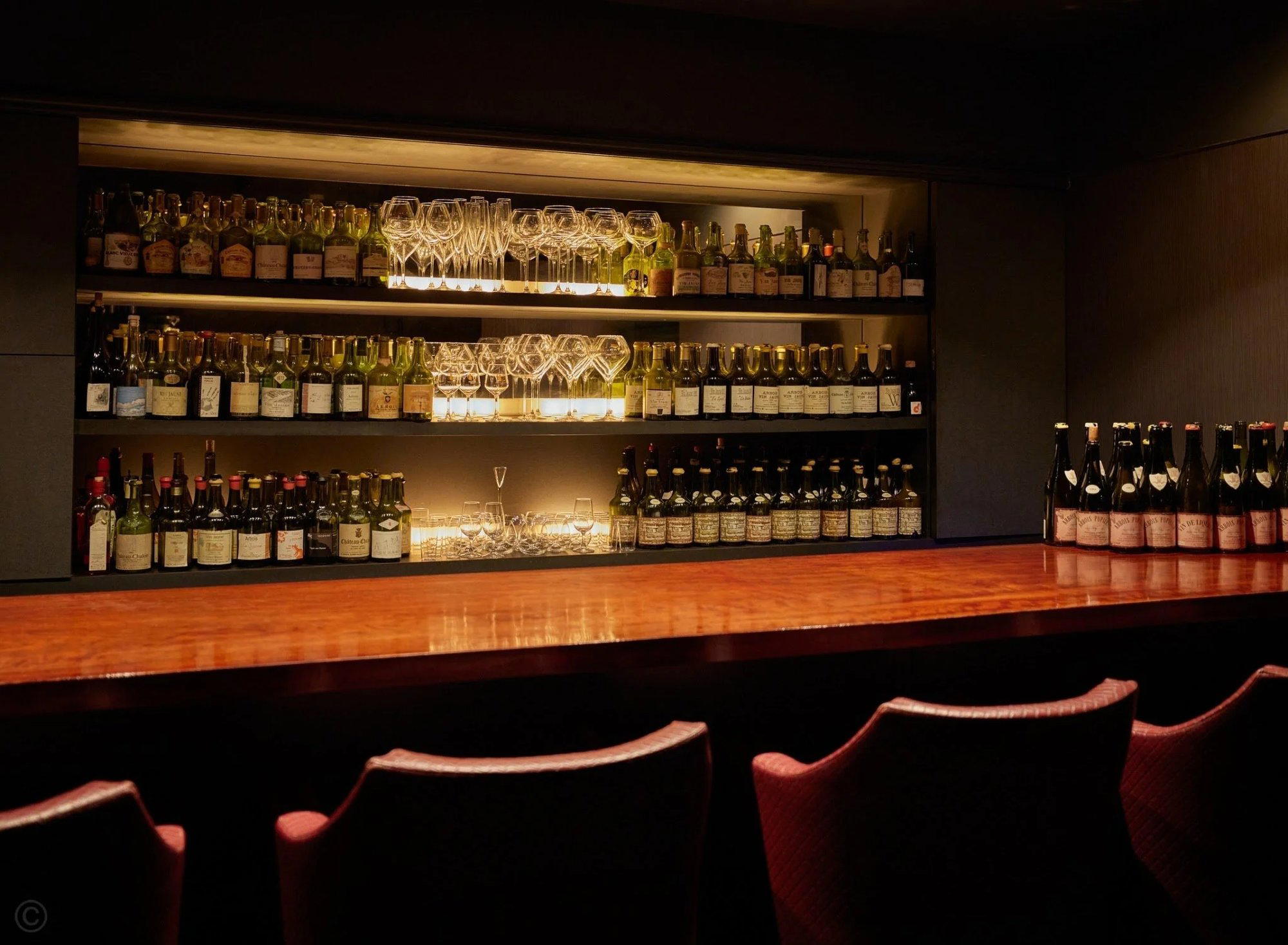
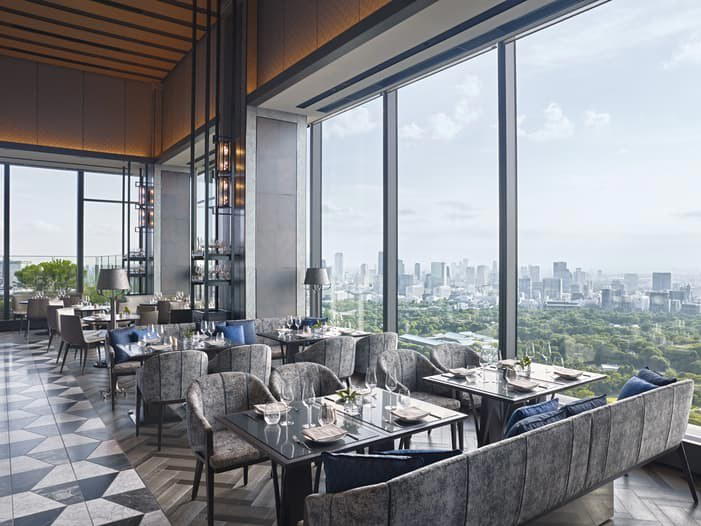
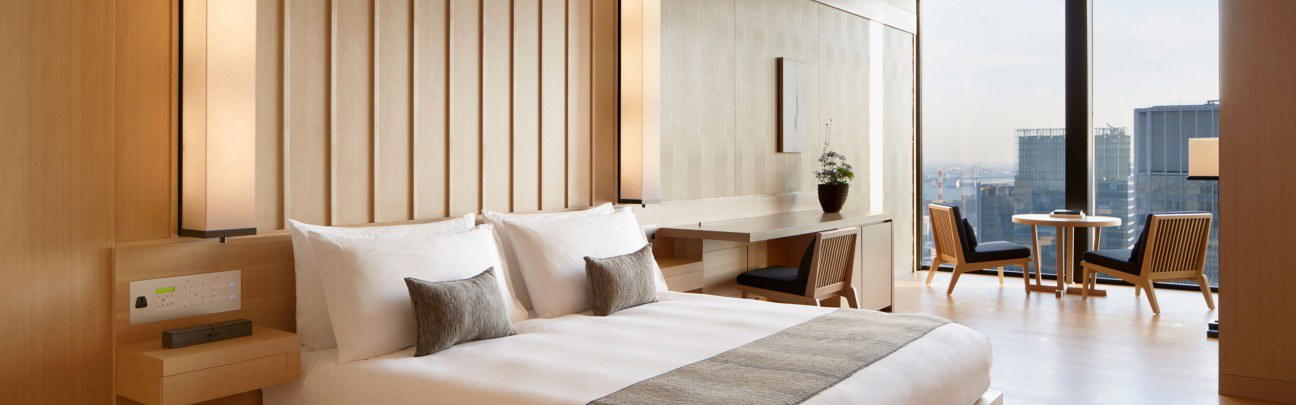
Sleek minimalist interior with serene atmosphere, open kitchen counter overlooking a Japanese garden, and elegant sukiya-style architecture.