Our verdict
Shibata occupies a considered position within Tokyo's premium dining tier, where tradition and measured reinvention intersect. Operating in a city where culinary standards are set against some of the most demanding criteria in the world, it draws comparisons to peers like Harutaka and RyuGin without simply mirroring their formats. For visitors serious about Tokyo's evolving restaurant culture, Shibata warrants attention on any well-researched itinerary.

Pearl is the En Primeur Club membership app, where members save venues, book tables and use the concierge.
Where Tokyo's Premium Dining Tier Does Its Quietest Work
Tokyo's upper dining bracket has never been louder about its own confidence. The city now holds more Michelin stars than any other on the planet, yet the counters and dining rooms that serious visitors seek out are rarely the ones generating the most noise. Within this context, Shibata belongs to a cohort of Tokyo restaurants that earn their position through consistency and depth rather than programmatic spectacle. Understanding what that means requires stepping back from the venue itself and looking at the tier it occupies.
At the premium end of Tokyo dining, the competitive set is defined less by category and more by format discipline. Restaurants in this bracket typically operate small seatings, place significant demands on the booking process, and price against a peer group rather than against the broader city average. Counter-format operations like Harutaka in the sushi category and tasting-menu houses like RyuGin in kaiseki have helped define what this tier looks and feels like. Shibata operates within those expectations.
The Shift That Defines This Category
Tokyo's restaurant culture has undergone a structural change over the past fifteen years. The decade following the city's first major Michelin wave saw rapid proliferation: more counters, more omakase formats, more French-Japanese hybrids entering the market at escalating price points. What followed was a correction of sorts. The venues that retained serious standing were those that evolved their offer rather than simply maintained it, adjusting sourcing relationships, tightening format, or refining the arc of a meal without losing the internal logic that gave them credibility in the first place.
This pattern of measured reinvention is visible across Tokyo's top tier. L'Effervescence has deepened its commitment to Japanese producer relationships while holding a French technical framework. Sézanne has positioned itself as a study in French classicism filtered through Tokyo's ingredient culture. Crony operates at a more progressive register, using an innovative French framework to push format boundaries. Each of these restaurants has a clear position within an evolving scene. Shibata's own trajectory follows a comparable logic: the question for any returning visitor is not whether the kitchen is capable, but how the offer has sharpened over successive seasons.
What the Setting Signals
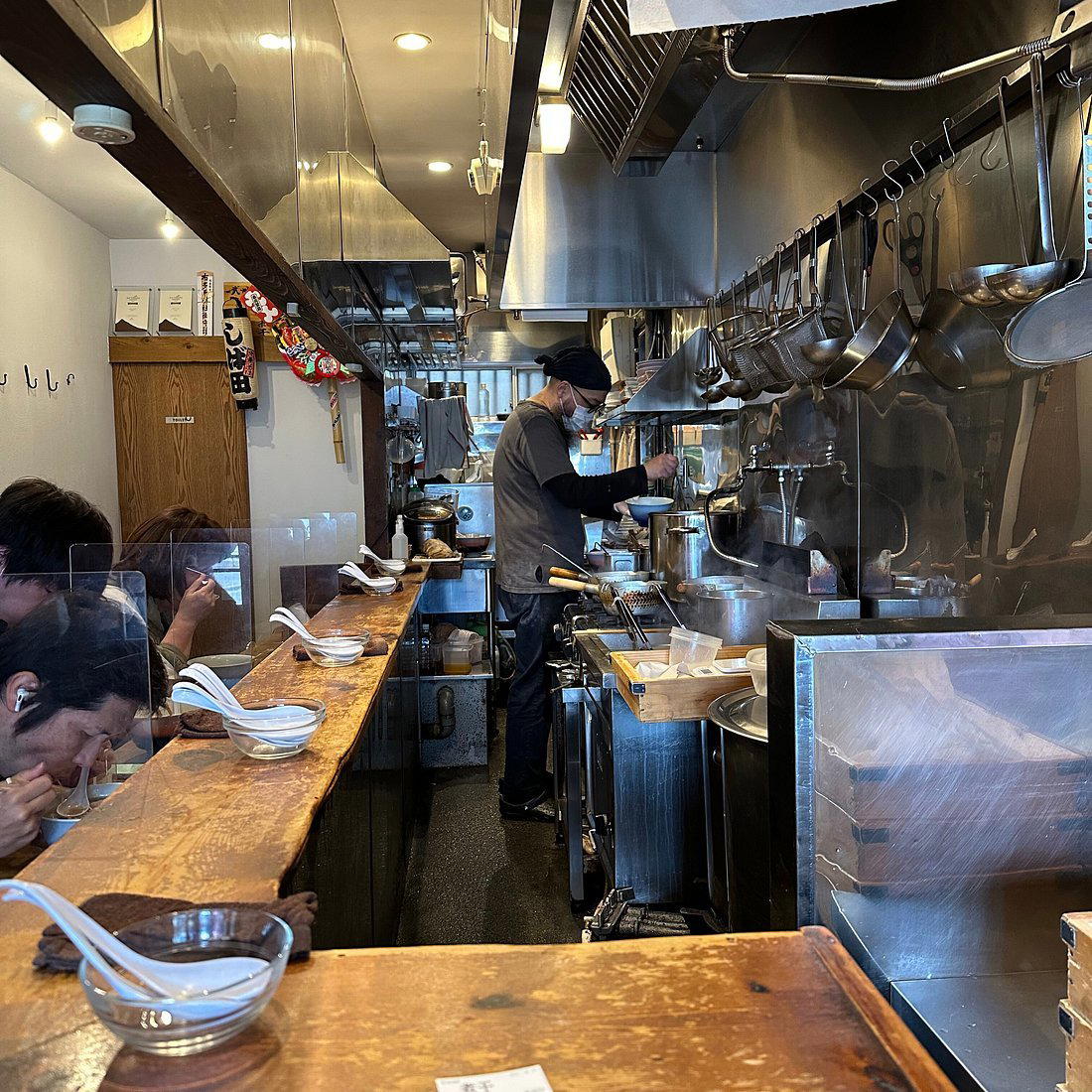
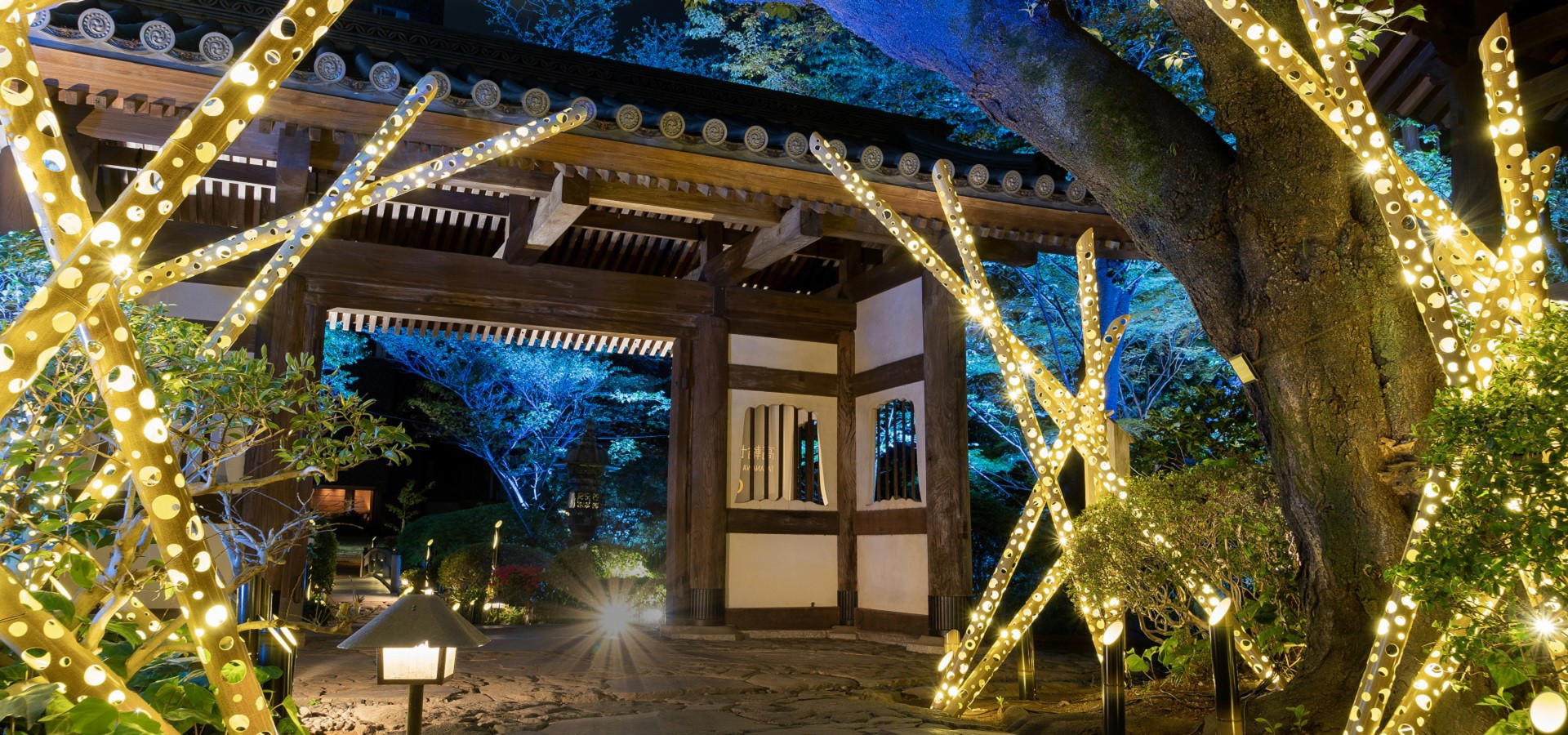
Approaching any Tokyo restaurant at this level, the physical environment carries information before a dish arrives. In the capital's premium tier, rooms tend toward restraint: natural materials, controlled light, counter formats that collapse the distance between kitchen and guest. These are not accidental design choices. They reflect a broader conviction, shared across Japanese fine dining and increasingly adopted by French-inflected kitchens in the city, that the meal itself should carry the sensory weight. The room steps back so that the cooking can step forward.
Tokyo in a Broader Japanese Context
Placing Shibata within Tokyo alone captures only part of the picture. Japan's wider fine dining circuit has produced a generation of restaurants operating at comparable standards across multiple cities. HAJIME in Osaka has redefined what a French-Japanese kitchen can achieve in a regional city. Gion Sasaki in Kyoto works within kaiseki tradition while maintaining a level of technical precision that draws visitors from across the country. Further afield, akordu in Nara and Goh in Fukuoka represent the geographic spread of Japan's serious dining culture.
Across Japan's regional circuit, venues in smaller cities, including 一本木 佐川製 in Nanao, 函館山乃 in Sapporo, 湖畔荘 in Takashima, 庄羽屋 in Nishikawa Machi, Birdland in Sakai, and Bistro Ange in Toyohashi, are increasingly drawing visitors who treat their Japan itinerary as a serious dining circuit rather than a Tokyo-centric trip. Shibata's Tokyo address places it at the centre of that network, not separate from it.
For international context, the gap between Tokyo's premium tier and comparably positioned restaurants globally has narrowed considerably. Venues like Le Bernardin in New York City and Atomix in New York City occupy a similar position within their own city's hierarchy: small-format, technically demanding, booking-intensive operations that price against a specific peer group. The translation is imperfect, but the structural logic is recognisable to any visitor who moves between these cities with regularity.
Planning a Visit
Tokyo's top-tier restaurants reward early planning. For any venue operating at this level in the city, demand typically exceeds capacity by a significant margin, and the booking window at peer restaurants commonly runs between one and three months ahead. Seasonal timing matters: Tokyo's restaurant culture tracks Japan's ingredient calendar closely, with spring and autumn generally considered the periods when sourcing is at its most varied. Visitors building a multi-day itinerary around Tokyo dining should consult our full Tokyo restaurants guide for broader context on neighbourhood distribution and format diversity.
Dress: Smart casual at minimum; formal attire is appropriate and common. Budget: Pricing at Tokyo's premium dining tier typically ranges from ¥30,000 to ¥60,000 per person before beverages; confirm current pricing directly with the venue. Timing: Spring and autumn seatings, when Japanese seasonal produce is at its most expressive, are the periods most sought after by regular visitors.
Frequently asked questions
Is Shibata allergy-friendly?
Tasting-format restaurants in Tokyo's premium tier vary in their capacity to accommodate dietary restrictions. Some counters, particularly those operating with very small seatings and fixed menus, have limited flexibility; others can adjust with sufficient advance notice. EP Club does not hold confirmed allergy policy data for Shibata.
Is Shibata overpriced or worth the spend?
Value at Tokyo's premium dining tier is leading assessed relative to the peer group rather than against the broader city average. Restaurants in this bracket price against a competitive set defined by Michelin recognition, sourcing standards, and format discipline. Visitors familiar with comparable spend at venues like RyuGin or internationally at Atomix in New York will find the pricing logic recognisable. Whether the specific execution justifies the spend is a question EP Club will address as confirmed data becomes available.
When is the ideal time to visit Shibata?
Tokyo's serious dining culture tracks Japan's seasonal ingredient cycle with precision. Spring, when mountain vegetables and early seafood define the market, and autumn, when mushrooms, game, and harvest produce dominate, are the periods most sought after by regular visitors. If Shibata follows the sourcing conventions of its tier, these seasons will produce the most expressive menus. Book as far ahead as possible regardless of season, as demand at this level of the Tokyo market consistently outpaces available seats.
How does Shibata compare to other Tokyo restaurants in its tier for visitors making a single trip?
For visitors with limited time in Tokyo who are weighing one premium dining reservation against others, the relevant comparison sits within a small group of technically serious, small-format restaurants. Harutaka anchors the sushi category at this level; RyuGin defines the kaiseki bracket; L'Effervescence and Crony represent the French-influenced end of the spectrum. Consult our full Tokyo restaurants guide for current rankings and booking intelligence across the city's premium tier.
Same-City Peers
Comparable venues nearby, for context on price, style, and recognition.
| Venue | Cuisine | Price | Awards | Notes |
|---|---|---|---|---|
| ShibataThis venue (the venue you are viewing) | Classic Tokyo Ramen | $10–20 | Not listed | Not listed |
| Tonkatsu Gensuiton | Artisanal Tonkatsu (Pork Cutlet) | $20–30 | Tabelog 100 #18 | Setagaya |
| Yamada Ya | Tokyo Yakiniku (Japanese BBQ) | $20–30 | Tabelog 100 #73 | Arakawa |
| Misokko Fuku | Miso ramen & tantanmen shop | $10–20 | Tabelog 100 #50 | Suginami |
| Amanoya | Traditional Japanese sweets café & okonomiyaki | $20–30 | Tabelog 100 | Chiyoda |
| Tonkatsu Kurogane | Specialist Tonkatsu (Japanese Pork Cutlet) | $20–30 | Tabelog 100 #83 | Shinagawa |
Continue exploring
More in Tokyo
Restaurants in Tokyo
All restaurants in Tokyo →

Bars in Tokyo
All bars in Tokyo →




Details
- Cozy
- Casual Hangout
- A La Carte
Current opening hours
- Monday
- 11:30 AM–9 PM
- Tuesday
- 11:30 AM–8:20 PM
- Wednesday
- 11:30 AM–9 PM
- Thursday
- Closed
- Friday
- 11:30 AM–9 PM
- Saturday
- 11:30 AM–9 PM
- Sunday
- 9 AM–1:50 AM
Hours can change for holidays and private events. Hours as of .
Casual, welcoming ramen shop decor that evokes nostalgia, attracting visitors nationwide.