
Tonkatsu Kurogane places Tokyo’s pork-cutlet tradition in a compact Shinagawa room where counter seats and table seating keep the focus on a narrow, craft-driven format. Its repeated selection for Tabelog’s Tonkatsu 100, including 2026, puts it in the city’s serious katsu conversation without pushing the meal into formal fine dining territory.
Pearl is the En Primeur Club membership app — saves, bookings, and concierge access live there. Same editors, same standards.
- Address
- Japan, 〒140-0013 Tokyo, Shinagawa City, Minamioi, 6 Chome−19−16 地下1階
- Phone
- +81 3-6459-6416
- Website
- tonkatsu-kurogane.jp
 Saves & bookings on Pearl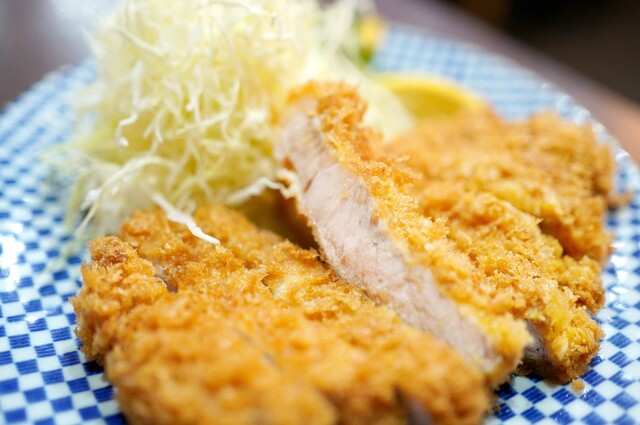
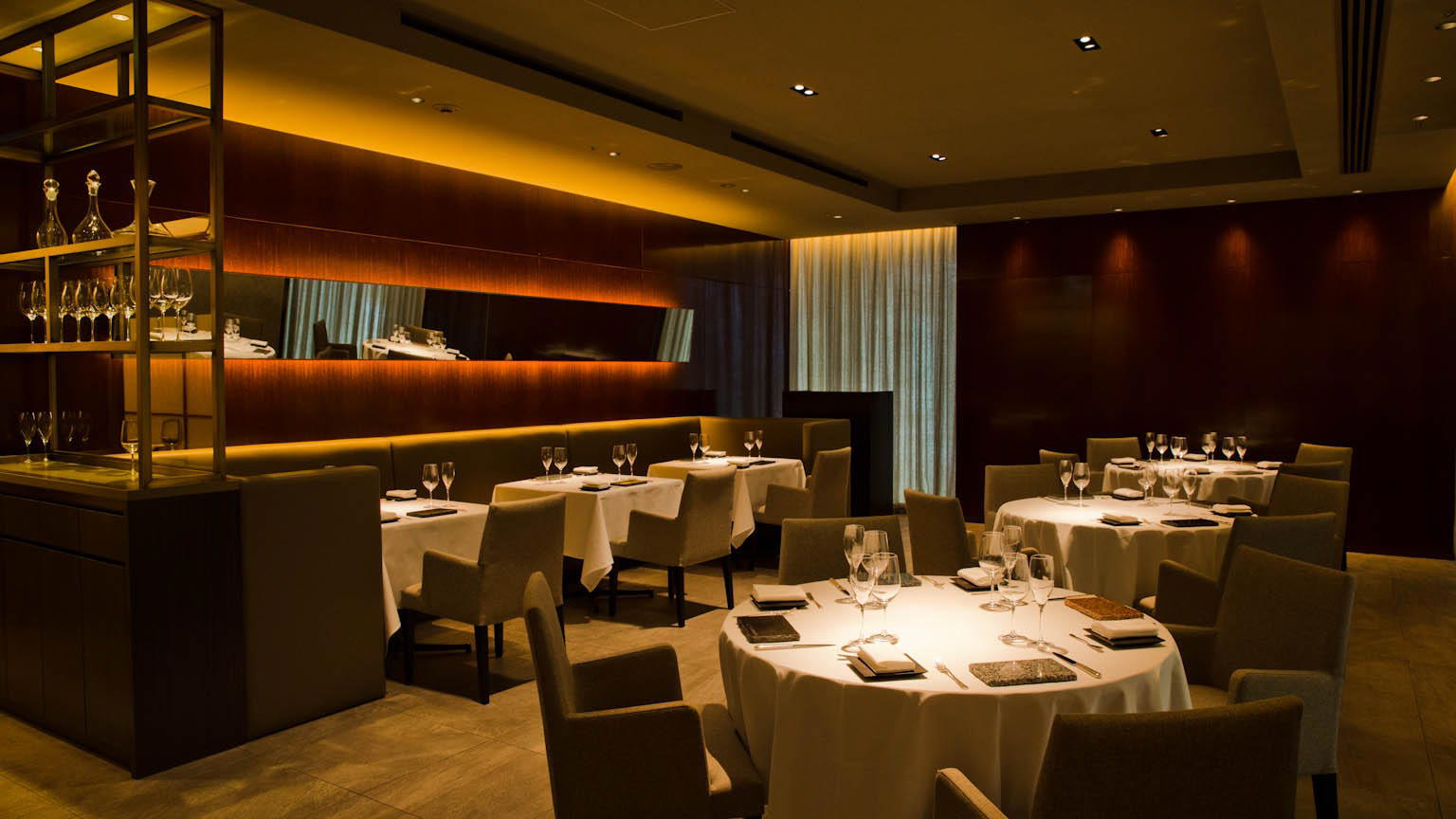
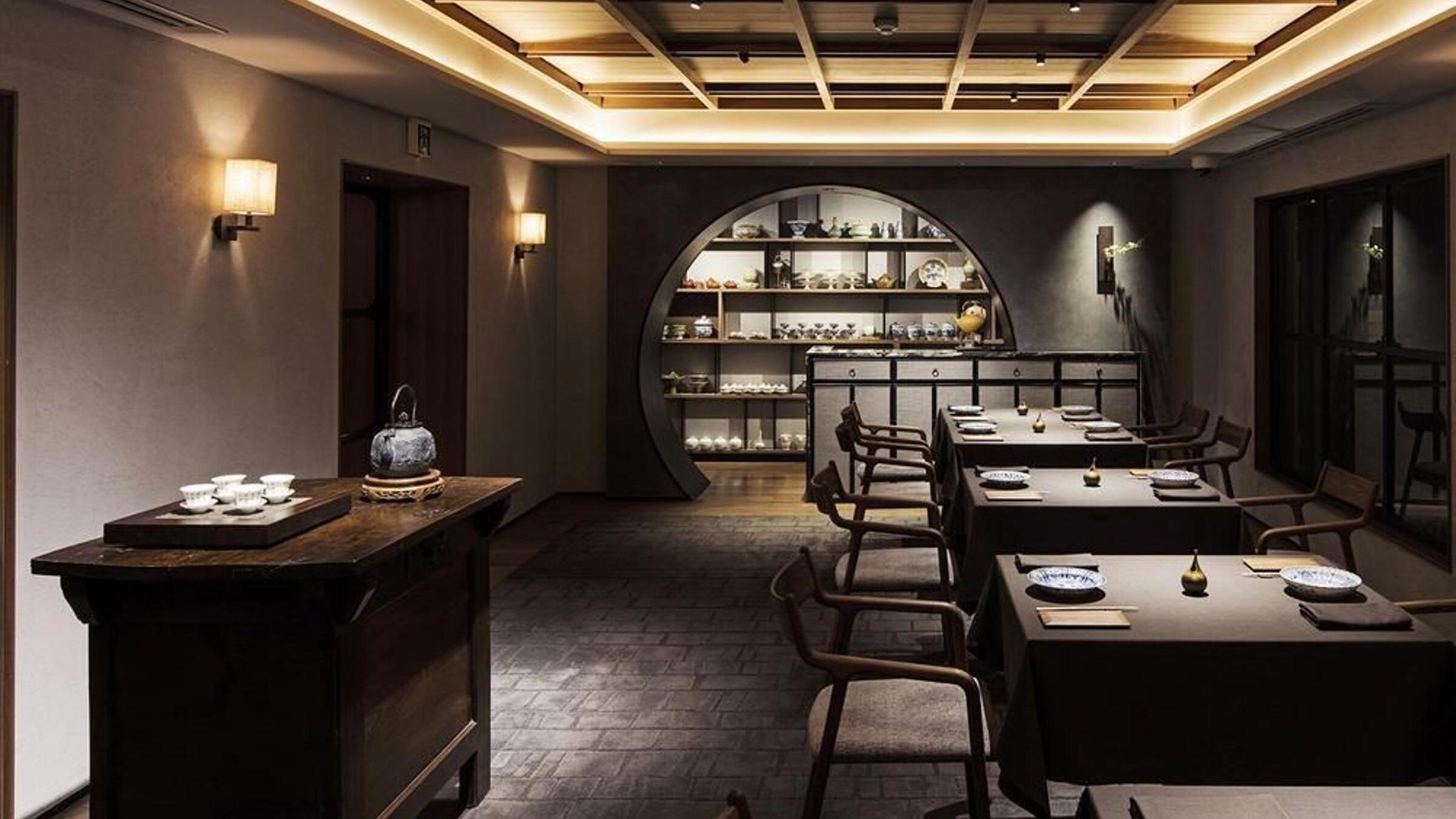
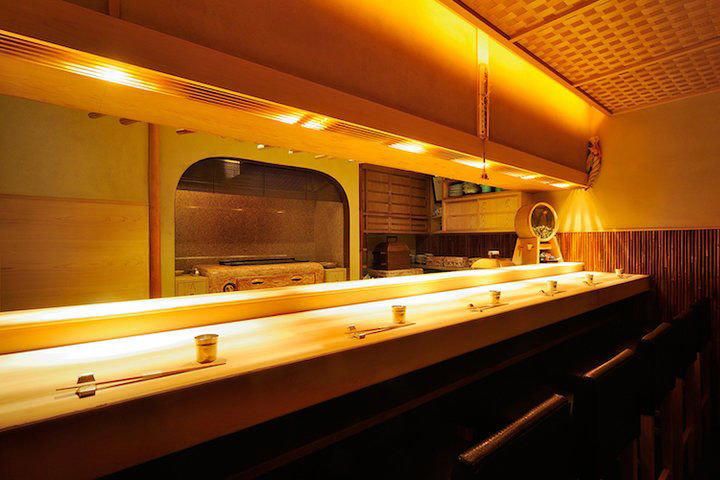
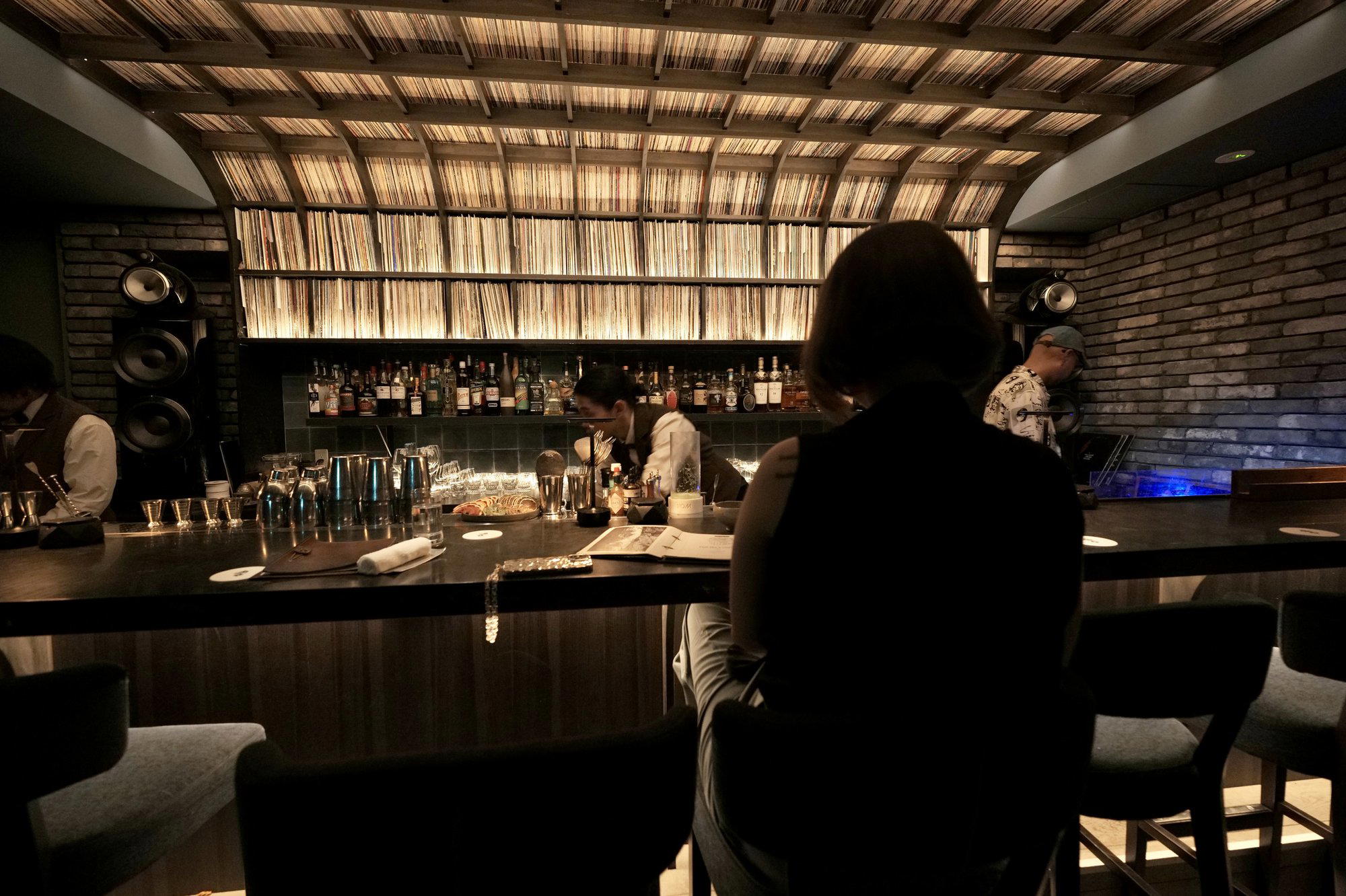
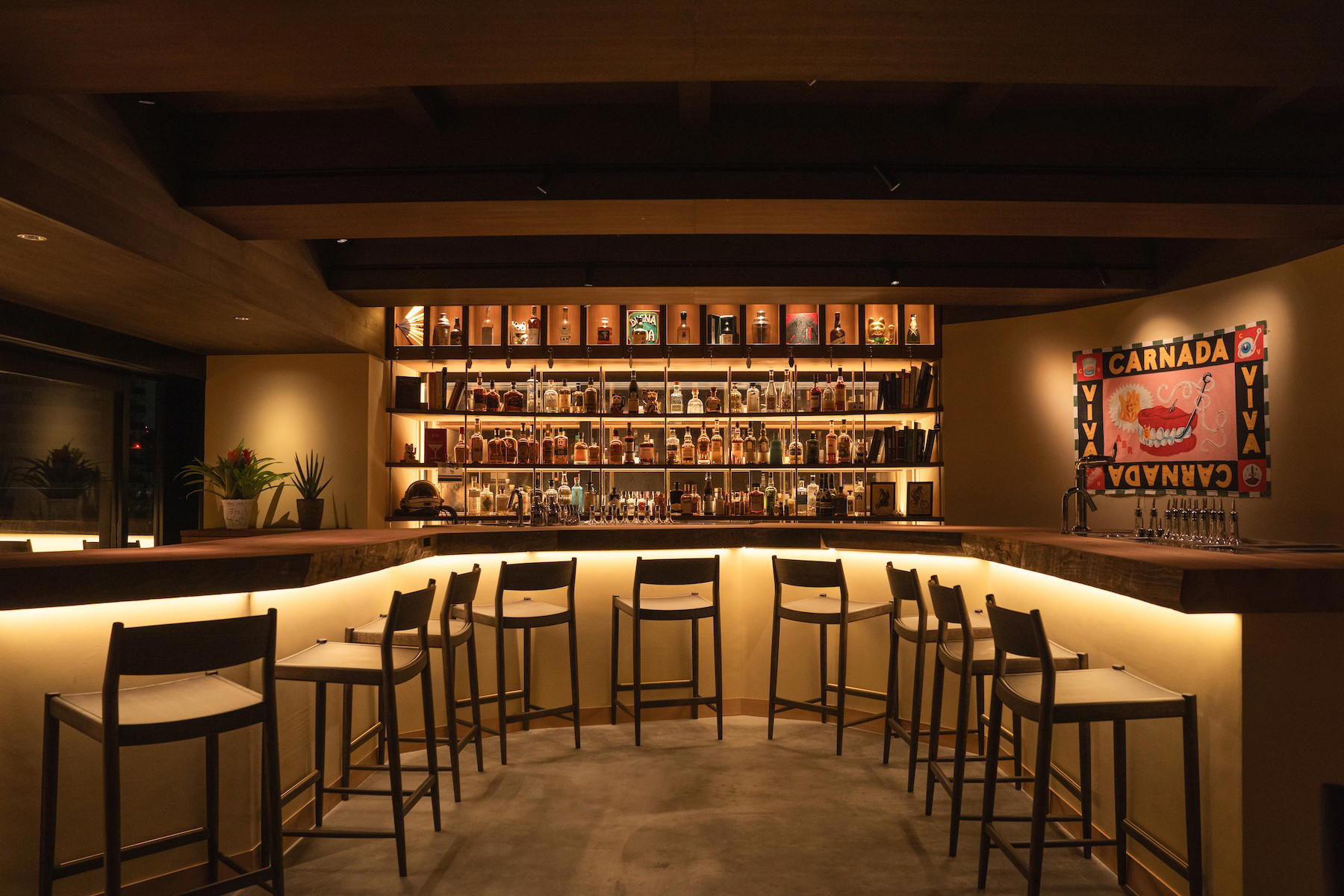
The room tells the reader what kind of tonkatsu culture is being served before a plate reaches the table. Counter seating, a basement address in Minamioi, and a dining room scaled to 28 seats put the focus on a familiar Tokyo bargain: a specialized craft meal delivered with less ceremony than sushi or kaiseki, but judged with equal severity by regulars who know the difference between competent frying and careful frying.
Tonkatsu occupies an unusual place in Tokyo dining. It is everyday food with technical expectations: pork selection, breading, oil management, resting time, rice, cabbage, condiments, and pacing all matter. The city treats the category with a seriousness that can surprise visitors who file it under comfort food. Tonkatsu Kurogane belongs to that specialist tier. Its Tabelog score of 3.65 and selection for Tabelog Tonkatsu 100 in 2026, after earlier selections in 2017, 2018, 2019, 2021, 2022, and 2024, signal consistency in a category where repeat custom is not driven by spectacle.
Tokyo tonkatsu, judged by repetition rather than theatre
Tokyo’s strongest single-dish restaurants often operate on repetition. Ramen counters, curry shops, yakitori rooms, sushi counters, and tonkatsu specialists build reputation through a restricted format rather than a sprawling menu. The comparison is not about luxury, it is about discipline. A place such as 3 Chome no Curry Ya San makes sense in the same mental map as a tonkatsu counter: the guest is not buying variety, but a kitchen’s command of a narrow lane.
That is why the Tabelog Tonkatsu 100 recognition matters. It places the restaurant inside a national conversation around pork cutlet rather than the broader, softer category of casual Japanese dining. In Tokyo, that distinction is meaningful. Tonkatsu has its own hierarchy, its own destination diners, and its own value logic. A kaiseki room such as Makimura competes on seasonality, service rhythm, and multi-course composition; a sushi house such as Matsunozushi competes on sourcing, counter craft, and rice discipline. Tonkatsu competes through frying precision and restraint. Tonkatsu Kurogane’s repeated presence on a category-specific list is stronger evidence than a generalized popularity claim.
The food culture around katsu also explains why a modest room can carry destination weight. Breaded cutlets arrived in Japan through yoshoku, the Western-influenced cooking that took root in the Meiji era, then became fully domestic through rice, shredded cabbage, miso soup, pickles, and sauce culture. The modern Tokyo version is not simply fried pork. It is a set meal grammar: crisp coating, hot rice, bright cabbage, and a controlled relationship between richness and acidity. The pleasure is structural, not decorative.
A Shinagawa address for diners who value category expertise
Shinagawa is not where many first-time visitors begin their restaurant planning, which is part of the point. Tokyo’s premium dining map is often over-weighted toward Ginza, Roppongi, Aoyama, and Ebisu, but the city’s specialist food culture is far more distributed. Minamioi and the Omori area reward diners who are willing to treat train geography as part of the meal. This is not a neighbourhood built around international hotel dining; it is a residential and commuter district where serious specialists can operate for regulars and category hunters rather than luxury tourists.
The format suits that setting. A 28-seat room with six counter seats and a mix of table seating keeps turnover and pacing intimate without turning the meal into a hushed performance. Take-out is part of the operation, and the drink listing includes sake and shochu, both natural companions to a meal where fat, salt, and crunch need something clean or grain-driven alongside them. Non-smoking status also matters in this category, because frying aroma and tobacco do not share a room well.
The strongest reason to come is not novelty. It is a clear editorial bet on Tokyo’s specialist middle: restaurants with enough recognition to merit a detour, but not the ritual burden of luxury dining. For travellers building a broader food itinerary, this sits neatly between counter-driven Japanese formats and everyday regional staples. Tokyo’s range is visible in nearby editorial pairings, from . 鮪と炭火焼き うお炭 秋葉原店 and 124. KAGURAZAKA (Yakitori) to 12/10 Shinjuku ten and 2D Cafe. The point is range: Tokyo dining is not a ladder from cheap to expensive, but a grid of formats, each with its own standards.
How to place it in a Tokyo itinerary
This is a smart meal for diners who want a focused Japanese lunch or dinner without turning the day around a formal reservation schedule. The restaurant does not take reservations, so the calculation is simpler and less forgiving: arrive prepared for a first-come, first-served format, especially because the room is small. Credit cards are not accepted, which is common enough in specialist Tokyo dining to plan for rather than treat as an inconvenience.
Its value sits in the contrast between recognition and accessibility. Tokyo has many meals that ask for advance planning, foreign-language concierge help, or a premium dining budget. This one asks for timing, patience, cash, and an appetite for a single craft. That makes it useful on an itinerary otherwise built around higher-touch formats, including hotels, bars, and cultural bookings. For broader planning, use Our full Tokyo restaurants guide, then branch into Our full Tokyo hotels guide, Our full Tokyo bars guide, Our full Tokyo wineries guide, and Our full Tokyo experiences guide.
Travellers extending the same specialist-food logic beyond central Tokyo can compare how narrow-format Japanese dining reads in other cities and diasporas: -Grilled beef Sukiyaki- KAMAKURA TANUKIAN 鎌倉 たぬき庵 in Kamakura.cafe in Osaka.know in Kumamoto, (Shoku) Vietnam in Kawasaki, [Curry Senmon Ten] Maruyama Kyoju. in Sapporo, [ki:] in Kyoto, Jōdo Saké Bar in Los Angeles, and Onigiri Time in Pasadena. Tonkatsu Kurogane belongs to that larger Japanese lesson: the meal does not need breadth to carry authority. It needs a format, a standard, and enough regular scrutiny to keep both honest.
Cuisine Context
Comparable venues at a similar level for quick context.
| Venue | Cuisine | Price | Notes |
|---|---|---|---|
| Tonkatsu KuroganeThis venue — the venue you are viewing | Specialist Tonkatsu (Japanese Pork Cutlet) | $$ | Not listed |
| tonkatsu.jp表参道 | Premium Tonkatsu Specialist | $$ | Omotesando |
| Swastika | Japanese Cafeteria / Yoshoku / Curry | $$ | Shinagawa |
| Toyoda | Japanese chicken & kara-age specialist | $$ | Meguro |
| Tonkatsu Aoki Ginza 8 chome ten | Japanese Tonkatsu | $$ | Chūō |
| Kosetsu | Traditional Japanese Soba & Kaiseki | $$ | Bunkyō |
Recognition history
Dated appearances from independent guides and award organizations, with the underlying list record or original source where available.
Tabelog 100 #83 · No. 83
Tabelog · Tabelog 100 - Tonkatsu - 2026








At a Glance
- Cozy
- Quiet
- Classic
- Solo
- Family
- After Work
- Casual Hangout
- Group Dining
- Standalone
- Sake Program
- Beer Program
- Local Sourcing
Current opening hours
- Monday
- Closed
- Tuesday
- 11 AM–2 PM, 5–9 PM
- Wednesday
- 11 AM–2 PM, 5–9 PM
- Thursday
- 11 AM–2 PM, 5–9 PM
- Friday
- 11 AM–2 PM, 5–9 PM
- Saturday
- 11 AM–2 PM, 5–9 PM
- Sunday
- 11 AM–2 PM, 5–9 PM
Hours can change for holidays and private events. Last verified .
Bright, simple interior with table and counter seating, offering a calm, relaxed atmosphere focused on enjoying high-quality tonkatsu rather than elaborate decor.