
Misokko Fuku belongs to Tokyo’s compact, queue-driven ramen culture rather than its luxury dining circuit. The Suginami counter is recognised in the Tabelog 100 Ramen Tokyo 2025 selection, with ramen and tantan-men at the centre of a small-room format where pace, seat turnover, and kitchen coordination matter as much as the bowl itself.
Pearl is the En Primeur Club membership app — saves, bookings, and concierge access live there. Same editors, same standards.
- Address
- 2 Chome-40-11 Kamiogi, Suginami City, Tokyo 167-0043, Japan
- Phone
- +81 3-6913-6649
- Website
- cc-lab.jp
 Saves & bookings on Pearl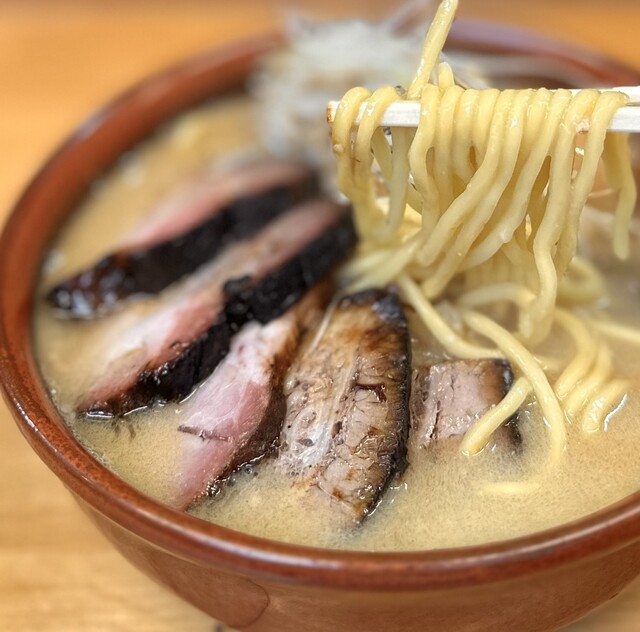
Approaching residential Tokyo ramen counters is different from arriving at Ginza sushi or a hotel dining room. The cues are smaller: ground-floor frontage, a short line, ticket-machine rhythm, scraping stools, steam behind the counter. In Suginami, that grammar matters. The ramen shop is not ceremonial backdrop but a working system; the better rooms make it feel choreographed.
Misokko Fuku sits inside that tradition: compact, counter-led, and built around ramen and tantan-men rather than a broad izakaya-style menu. Its recognition in the Tabelog 100 Ramen Tokyo 2025 selection places it in a crowded, serious Tokyo category where praise follows consistency, speed, and a clearly defined bowl identity. This is not high-spend dining theatre, but Tokyo’s other precision: a narrow format, limited seats, and a kitchen repeating the same promise many times a day without losing focus.
Suginami ramen, measured by the counter rather than the dining room
Tokyo ramen has several economies. Central districts pull visitors through station access and late-night density; neighbourhood shops build loyalty through repeat custom, short menus, and reliable execution. Suginami, west of the central business districts, fits the second model. Here, a bowl must justify the trip without leaning on spectacle.
That gives a small counter format editorial weight. Ten seats alter the relationship between kitchen, service, and guest. There is little room for Western-style front-of-house performance, but plenty for coordination: tickets moving, bowls landing in sequence, water and condiments reset, empty seats filled without scramble. In ramen, team dynamic is visible through tempo rather than conversation. The counter is pass, dining room, and service lane at once.
Within Tokyo’s casual dining range, Misokko Fuku also sits at a telling price point. Ramen in the JPY 1,000 to JPY 1,999 bracket keeps the meal accessible while competing in a specialist category that attracts serious attention. For travellers who know Tokyo’s reservation-heavy dining culture, the lesson is useful: not every worthwhile meal needs months-ahead planning, but the trade-off is patience, timing, and comfort with quick service.
The bowl as a team sport: ramen, tantan-men, and service tempo
The listed categories, ramen and tantan-men, point to a kitchen working within a focused noodle vocabulary rather than a sprawling menu. Tantan-men, Japan’s adaptation of Sichuan dandan noodles, is one of Tokyo’s reliable balance tests: heat, sesame richness, seasoning, noodle texture, and broth weight must land together. Ramen culture is often discussed through individual chefs, but the counter makes execution communal. One weak hand slows the room; one mistimed bowl breaks the rhythm.
That is how to read the award signal. A Tabelog 100 Ramen Tokyo selection is not a Michelin star and should not be treated as one. It is meaningful inside Japan’s user-review-driven dining culture, especially in a category as deep as Tokyo ramen. Selection in 2025, alongside appearances from 2021 through 2024, suggests durability rather than a single burst of online attention.
The useful comparison is not with formal tasting-menu restaurants, but with Tokyo’s specialist casual counters, where the offer is narrow and expectations are high. A curry specialist such as Yoshida Curry works in another lane but shares the same broader Tokyo logic: a concentrated menu can carry more authority than a long one. Pizzeria Trattoria da Okapito and Indian Fu Curry Rice Supaisu show another side of the city’s dining map, where imported or hybrid forms are judged through local repeatability. Ramen sits closer to the daily meal, but the discipline is no lighter.
For a wider Tokyo itinerary, the distinction helps. A ramen counter like this belongs in a day built around neighbourhood movement, not a night designed for lingering. Pair it with casual Tokyo stops such as 3 Chome no Curry Ya San, 12/10 Shinjuku ten, or 2D Cafe only if the day can absorb queues and transit. For a more formal counter meal, 124. KAGURAZAKA (Yakitori) sits in another register, while . 鮪と炭火焼き うお炭 秋葉原店 points toward fish and charcoal rather than noodles.
How to place it in a Tokyo dining day
The practical decision is appetite management, not luxury. Ramen counters reward early, decisive meals; they are poor fits for groups wanting to linger, split many dishes, or make the table the evening’s main event. The format is direct. Arrive ready to order, eat while the bowl is at its intended temperature, and move on. That is not a lack of hospitality; it is the genre’s hospitality model.
Misokko Fuku works especially well for travellers seeking a credible ramen stop outside the default central wards. Ogikubo has its own place in Tokyo noodle culture, and Suginami’s residential texture frames the meal differently from station-mall ramen or late-night bar-adjacent bowls. The neighbourhood context keeps expectations honest: this is a focused counter, not an all-purpose restaurant.
Those building a broader Japan dining file can use the stop as a reference point for specialist casual restaurants across cities. Compare it with regional casual listings such as [Curry Senmon Ten] Maruyama Kyoju. in Sapporo, [ki:] in Kyoto.cafe in Osaka.know in Kumamoto, (Shoku) Vietnam in Kawasaki, and -Grilled beef Sukiyaki- KAMAKURA TANUKIAN 鎌倉 たぬき庵 in Kamakura. For Japanese food culture outside Japan, Jōdo Saké Bar in Los Angeles and Onigiri Time in Pasadena show how specific formats translate abroad, often with different pace and dining-room expectations.
For planning beyond a single bowl, use Our full Tokyo restaurants guide for dining context, then cross-reference Our full Tokyo hotels guide, Our full Tokyo bars guide, Our full Tokyo wineries guide, and Our full Tokyo experiences guide if the day needs to connect food, transit, drinking, and neighbourhood time. The editorial case for the restaurant is simple: it gives a traveller a serious ramen counter with award recognition, modest pricing, and a Suginami setting that belongs to Tokyo’s everyday dining culture rather than its prestige economy.
Reputation Context
Comparable venues at similar price and category levels.
| Venue | Cuisine | Price | Notes |
|---|---|---|---|
| Misokko FukuThis venue — the venue you are viewing | Miso ramen & tantanmen shop | $$ | Not listed |
| Naniwa | Okonomiyaki & Takoyaki | $$ | Nerima |
| Ramen MAIKAGURA | Modern Tori Paitan Ramen | $$ | Setagaya |
| 梢 | Modern Zero Waste Cafe | $$ | Shinjuku |
| Enseigne d'angle Harajuku ten | Classic Japanese kissaten & coffeehouse | $$ | Shibuya |
| Kirimugi Ya Jinroku | Udon and Tempura | $$ | Shinjuku |
Recognition history
Dated appearances from independent guides and award organizations, with the underlying list record or original source where available.
Tabelog 100 #50 · No. 50
Tabelog · Tabelog 100 - Ramen - TOKYO - 2025












At a Glance
- Cozy
- Lively
- Solo
- After Work
- Casual Hangout
- Late Night
- Standalone
- Beer Program
Current opening hours
- Monday
- Closed
- Tuesday
- Closed
- Wednesday
- 11 AM–3 PM, 6–8 PM
- Thursday
- 11 AM–3 PM, 6–8 PM
- Friday
- 11 AM–3 PM, 6–8 PM
- Saturday
- 11 AM–4 PM
- Sunday
- 11 AM–4 PM
Hours can change for holidays and private events. Last verified .
A compact counter-only ramen shop with a casual, bustling atmosphere centered on the steaming open kitchen, feeling cozy and no-frills but cared for by a dedicated owner.