Our verdict
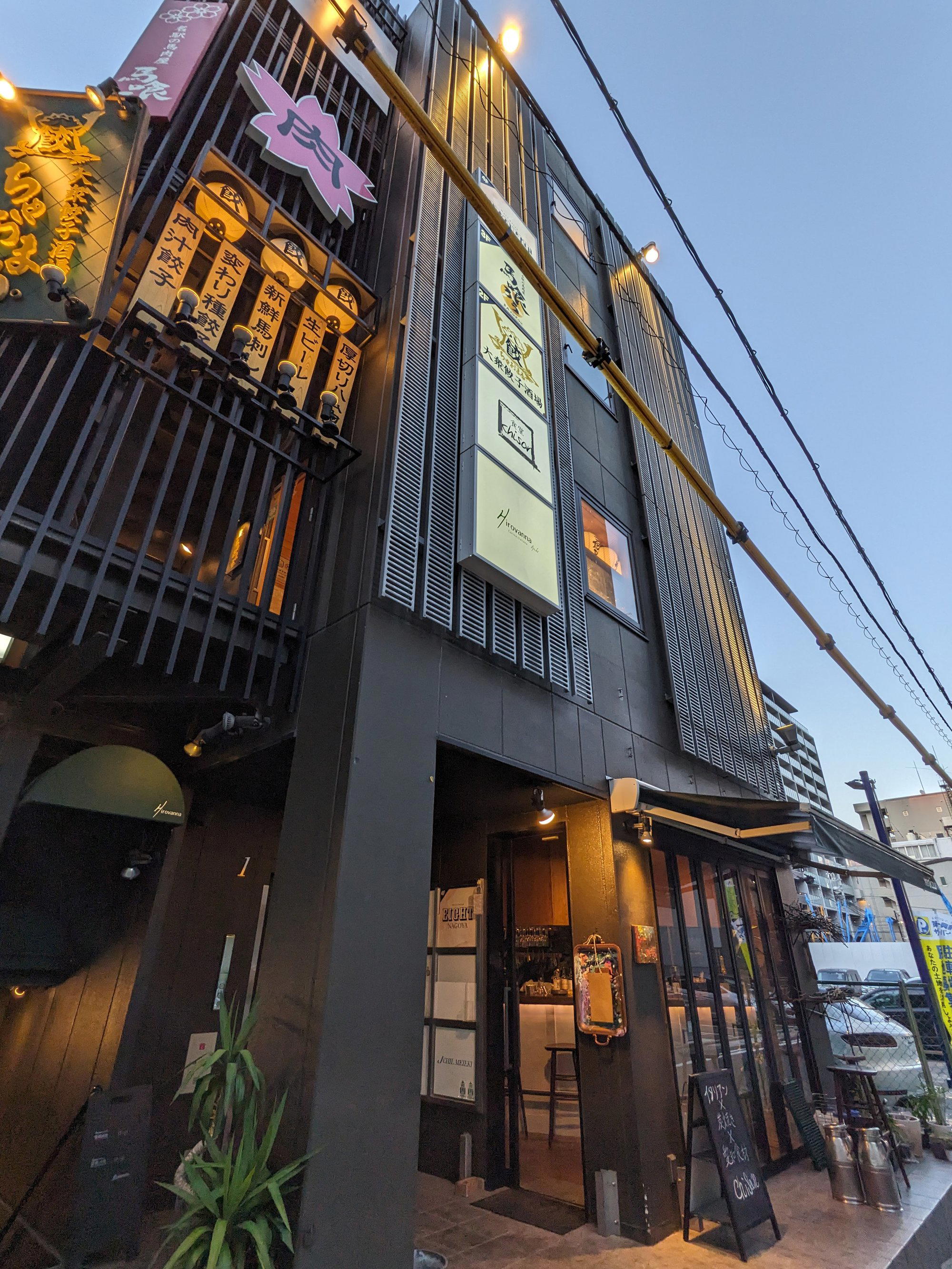
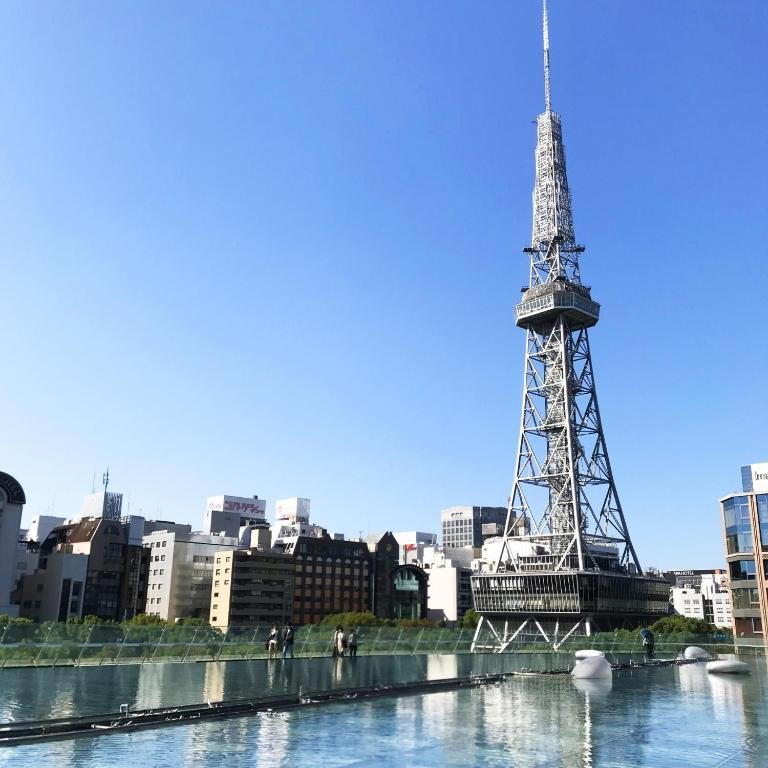
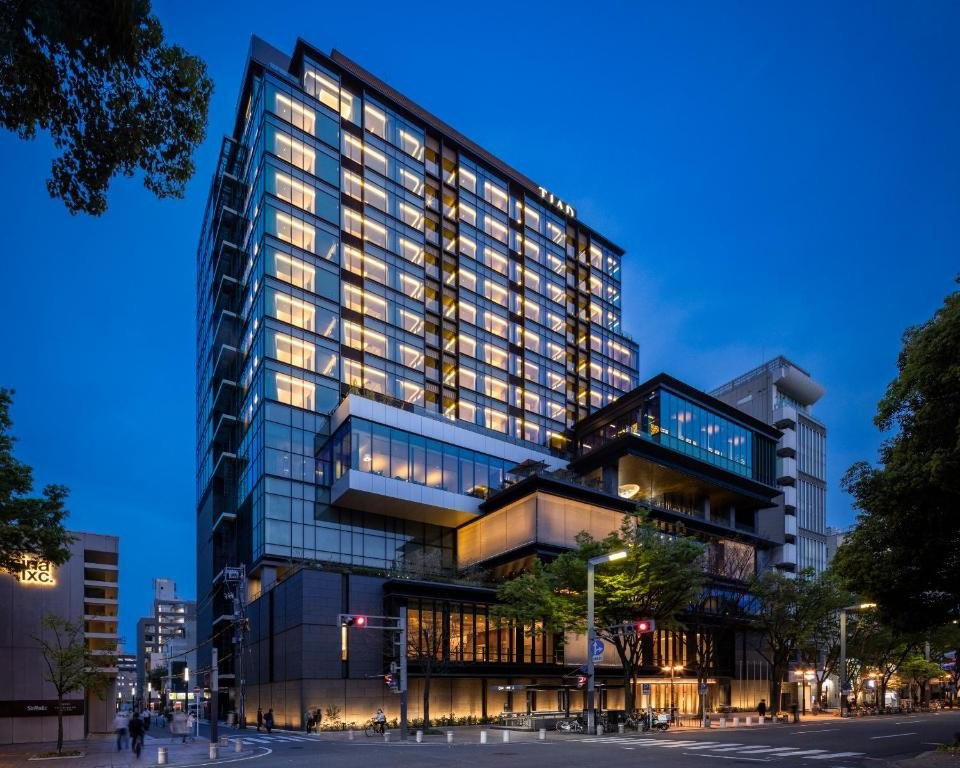
Setsugekka Nagoya occupies a modest address in the Meieki district, a short walk from Nagoya Station, and sits within a city whose dining culture runs considerably deeper than its international profile suggests. The name, evoking snow, moon, and flowers, the classical Japanese aesthetic triad, signals a kitchen rooted in tradition rather than novelty. Nagoya's serious restaurant tier makes this a worthwhile point of reference for visitors tracking Japanese cuisine beyond Tokyo and Kyoto.
The menu
What to order
- Kobe Beef Chateaubriand
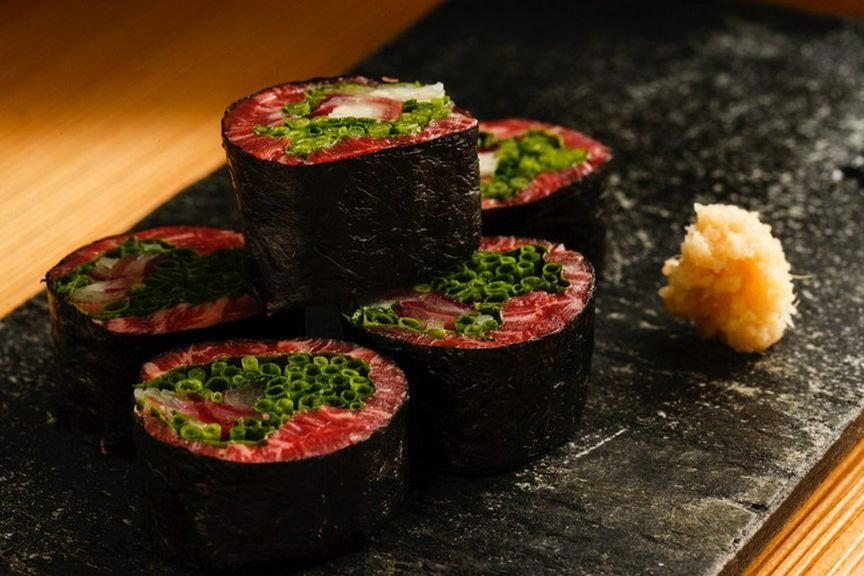
- Setsugekka Beef Roll with aged Matsuzaka beef
- Kobe Beef with Filefish and Liver
- Crown Melon
Meieki and the Case for Dining in Nagoya
There is a persistent assumption among international visitors that Japan's serious dining happens in Tokyo, Kyoto, and Osaka, with everywhere else acting as a provincial footnote. Nagoya dismantles that assumption quietly. The city's culinary identity is genuinely distinct, built around ingredients and preparations that don't travel well into guidebook shorthand, and its Meieki district, the dense commercial zone radiating from Nagoya Station, carries a restaurant tier that competes credibly with the country's more celebrated corridors. Setsugekka Nagoya operates within that tier, on a mid-floor address in the 3rd Horiuchi Building on Meieki 4-chome, a building format common to serious Japanese restaurants that prefer vertical discretion to street-front visibility.
The name Setsugekka, written 雪月花, meaning snow, moon, and flower, is a classical aesthetic concept drawn from Chinese and Japanese literary tradition, referring to nature's most admired seasonal phenomena and, by extension, to beauty that arrives in its proper time. Restaurants that adopt this framing are usually making a statement about seasonality and restraint as organizing principles, positioning themselves against kitchens that prize technical elaboration over material quality. In Nagoya's context, where Atsuta Horaiken (あつた蓬莱軒 本店) represents one pole of the city's dining identity, a deeply local, historically rooted unagi house, and Italian-influenced rooms like Bacio and cucina Wada represent another, the Japanese classical register that Setsugekka's name invokes occupies a specific and deliberate space.
The Cultural Weight of Seasonal Japanese Cuisine
Japanese kaiseki and its related forms are among the most codified dining traditions in the world, with a logic built around the lunar calendar, regional produce windows, and vessel-dish harmony that takes years to read fluently. The format is not simply a tasting menu with Japanese ingredients; it is a structured argument about what is growing, what water temperatures are doing to fish, and how those answers should determine what appears on the table. Cities like Kyoto have international reputations for this tradition, Gion Sasaki in Kyoto being one prominent example of how that tradition reaches its highest expression, but Nagoya has its own deep-rooted relationship with Japanese cuisine, one filtered through Aichi Prefecture's specific agricultural and aquatic resources.
Nagoya-meshi, the city's collective term for its local food culture, typically references dishes like miso katsu, kishimen flat noodles, and hitsumabushi broiled eel rice, preparations that reflect the region's historically strong soybean culture and its access to Mikawa Bay. A kitchen operating under the Setsugekka name sits adjacent to that tradition without being defined by it, more likely drawing on the Japanese aesthetic framework of seasonal restraint while sourcing from the same regional network. Comparable positioning can be found at serious Japanese restaurants across the country's secondary cities: Goh in Fukuoka holds that kind of relationship with Kyushu's ingredients, and akordu in Nara works a different but structurally similar local-meets-refined approach in the ancient capital.
Where Setsugekka Sits in Nagoya's Restaurant Tier
Nagoya's upper dining tier is less internationally mapped than its counterparts in Japan's three main metropolitan centres, which creates both an advantage and a practical challenge. The advantage is that serious rooms here operate with less of the foreign-booking pressure that makes tables at Harutaka in Tokyo or HAJIME in Osaka so difficult to secure. The challenge is that information in English is sparse, and the rooms tend to operate with the assumption of local familiarity. Setsugekka's address, basement level one of a commercial building near one of Japan's busiest transit hubs, follows a format typical of Japanese restaurants that build reputation through word-of-mouth and return clientele rather than through street presence.
Within Nagoya itself, the restaurant sits in a different register from the Italian-coded rooms that have carved their own niche in the city's dining conversation. Cucina Italiana Gallura and Chez Kobe address a Nagoya appetite for European cooking with Japanese precision; Setsugekka's name and positioning suggest a kitchen working in the opposite direction, using Japanese tradition as its primary grammar. For visitors who have tracked the kaiseki and Japanese cuisine conversation through places like 一本杉川島 in Nanao or 湖里庵 in Takashima, the structural logic here will feel familiar even as the specific regional inflection differs.
Planning Your Visit
Setsugekka Nagoya is located at B1F of the 3rd Horiuchi Building, Meieki 4-6-23, Nakamura Ward, a direct walk from Nagoya Station's west exits, which puts it within reach of the Shinkansen connections that make Nagoya an increasingly logical stop on a broader Kansai or central Japan itinerary. The building-interior format means the restaurant is not visible from the street; arriving with the address confirmed in Japanese characters is the practical approach. Visitors without Japanese-language capability may find it easier to ask hotel concierge staff to handle the reservation, a standard approach for this category of Nagoya restaurant. Given the modest scale typical of rooms operating under this kind of name, booking well ahead of intended travel dates is the sensible default. For a broader orientation to where Setsugekka fits among the city's options, our full Nagoya restaurants guide maps the wider tier.
Readers tracking comparable formats elsewhere in Japan might also consider 夕花亭山乃 in Sapporo, 廣羽屋 in Nishikawa Machi, or Birdland in Sakai for a sense of how regional Japanese restaurants at this level operate outside the main metropolitan circuits. For a global frame of reference, the discipline that defines this tier of Japanese dining shares structural similarities with the precision that drives rooms like Le Bernardin in New York City or Atomix in New York City, kitchens where technique is the medium, not the message.
Frequently asked questions
Would Setsugekka Nagoya be comfortable with kids?
Setsugekka's format follows the conventions of serious seasonal Japanese dining in Nagoya, where multi-course meals proceed at a measured pace and quiet is expected throughout. That rhythm is generally a poor fit for young children. Families with older teenagers accustomed to formal dining settings may find it workable, but it is not a venue designed with children in mind.
Is Setsugekka Nagoya formal or casual?
The address alone signals the register: a basement-level dining room in a named Meieki building, steps from Nagoya Station's west exit, places Setsugekka firmly within the city's composed upper dining tier. Expect an atmosphere closer to a traditional Japanese kaiseki house than a neighbourhood restaurant. Neat, considered dress is appropriate, the kind of restraint the cuisine itself models.
How does Setsugekka Nagoya compare to Tokyo or Kyoto kaiseki restaurants?
Nagoya's upper dining tier operates with less international scrutiny than Tokyo's Ginza corridor or Kyoto's Higashiyama district, which means venues like Setsugekka in Meieki are rarely subject to the same reservation pressure or foreign tourist saturation. The city's kaiseki tradition draws on Aichi's distinct regional produce rather than mirroring Kyoto's model directly. For visitors who have already worked through the obvious Tokyo and Kyoto counters, Nagoya's scene offers a different regional lens on the same codified seasonal form.
What should I eat at Setsugekka Nagoya?
The kitchen works within the logic of Japanese seasonal cuisine, meaning the menu follows the lunar calendar and regional produce cycles rather than a fixed card. Specific dishes shift with the season. Arriving with dietary restrictions or strong aversions is worth communicating well in advance, as kaiseki-style formats are typically constructed as a single progression rather than an à la carte selection.
What part of town is Setsugekka Nagoya in?
Setsugekka Nagoya is located at Japan, 〒450-0002 Aichi, Nagoya, Nakamura Ward, Meieki, 4 Chome−6−23 The 3rd Horiuchi Building, 地下1階, Nagoya.
What's the best way to book Setsugekka Nagoya?
No direct booking link or phone number is currently listed for Setsugekka Nagoya in public directories. For venues of this type in Nagoya's upper tier, reservations are typically made through the restaurant directly by phone or via a Japanese-language reservation platform such as Tabelog. Guests visiting from abroad often benefit from booking through their hotel concierge, who can make the call on their behalf.
What's the signature at Setsugekka Nagoya?
Setsugekka's defining commitment is to the seasonal form itself: the menu is built around what the lunar calendar and Aichi's regional producers supply at any given moment, rather than around a fixed house dish. That fidelity to seasonal rhythm is the throughline. What arrives in February will differ substantially from what is served in October, which is precisely the point of dining here.
Comparable Spots, Quickly
A quick peer list to put this venue’s basics in context.
| Venue | Cuisine | Price | Awards | Notes |
|---|---|---|---|---|
| Setsugekka NagoyaThis venue (the venue you are viewing) | Premium Wagyu Niku Kappo | Not listed | Not listed | Not listed |
| Cucina Italiana Gallura | Authentic Italian with Local Seafood | $100–150 | Tabelog Bronze #50 | Sushi |
| Hachisen | Kyoto-Style Kaiseki | $200–300 | Tabelog Bronze #91 | Kyoto Cuisine |
| il AOYAMA | Japanese-Inflected Italian Cuisine | $300–500 | Tabelog Silver #42 | Italian |
| Reminiscence | Modern French with Japanese influences | $150–200 | La Liste Top Restaurants · Tabelog Silver #108 | French |
| Unafuji | Nagoya-Style Charcoal Grilled Unagi | $50–100 | Tabelog 100 #38 | Unagi |