

Tabelog Silver #65
Our verdict
Kusunoki Nagoya belongs to Japan’s severe tempura counter tradition, where pacing, batter control, and the silence around the fryer matter as much as luxury ingredients. The restaurant’s six-seat counter, Tabelog Silver recognition, and OAD Japan rankings place it in the narrow band of tempura rooms built for diners who value ritual over variety.

Pearl is the En Primeur Club membership app — saves, bookings, and concierge access live there. Same editors, same standards.
- Address
- Japan, 〒451-0042 Aichi, Nagoya, Nishi Ward, Nagono, 1 Chome−23−2 1階南 四間道糸重
- Phone
- +81 52-526-4034
- Website
- kusunoki.in
- Directions
- Get directions
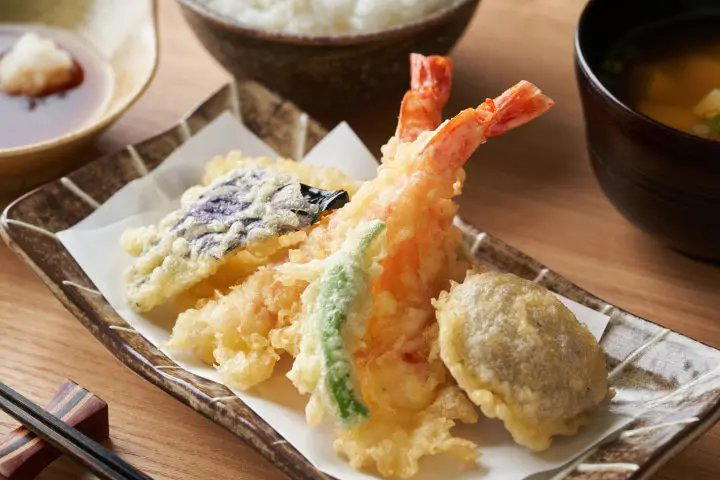
The menu
What to order
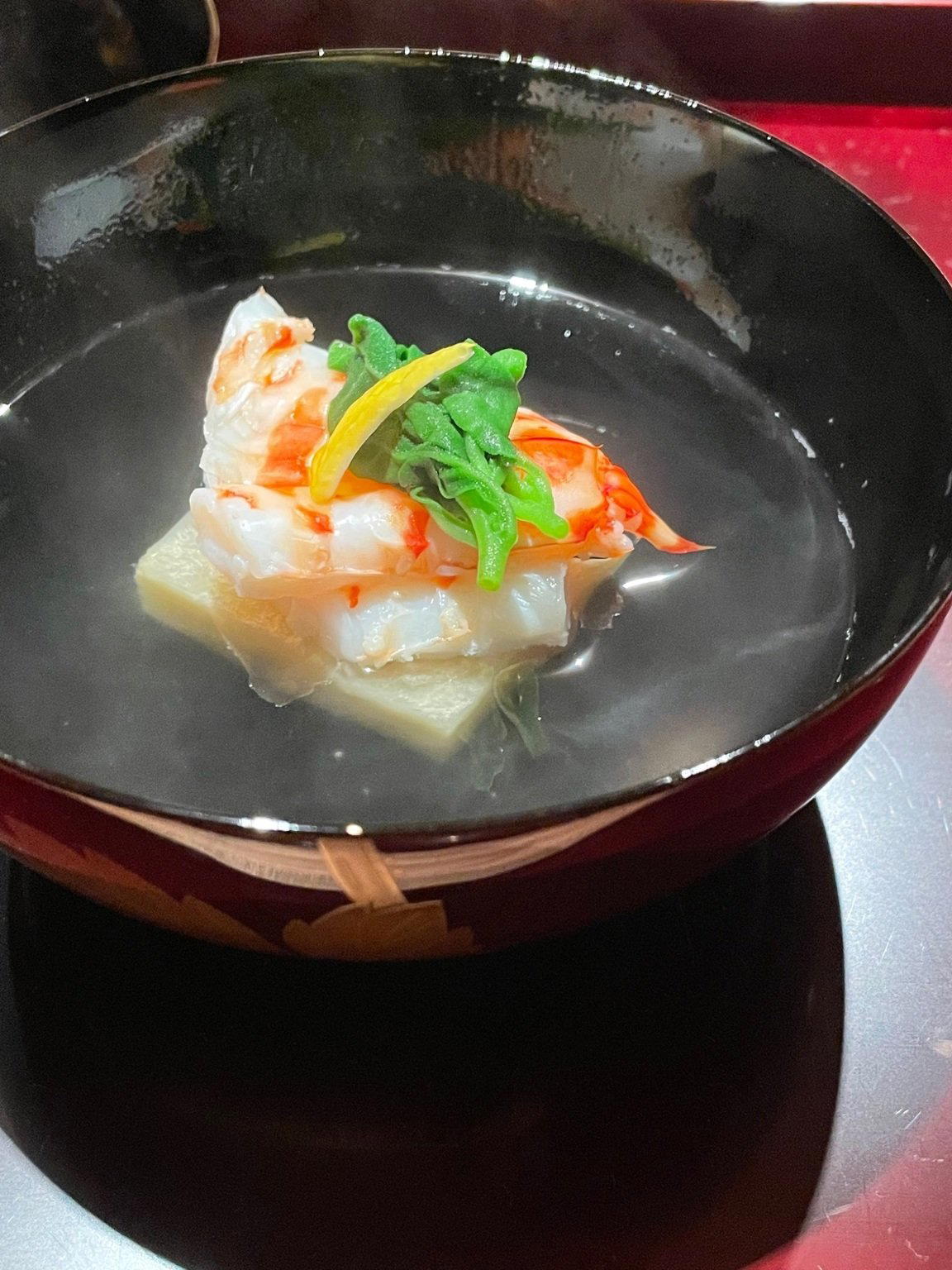
- Shrimp head tempura
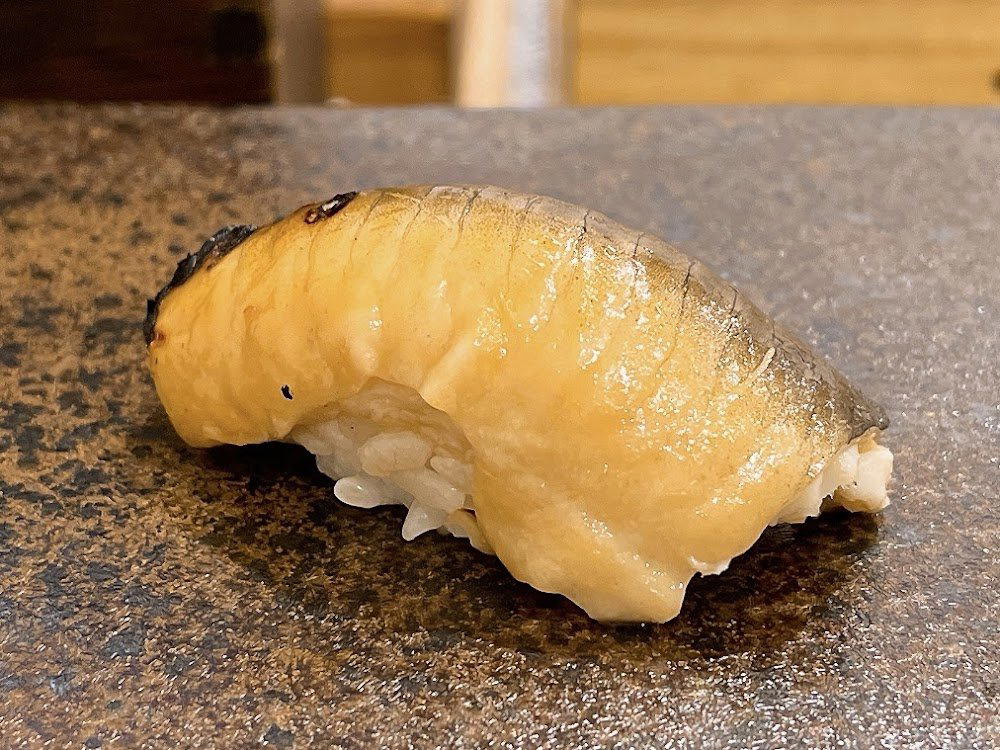
- Abalone tempura
- Sea urchin tempura
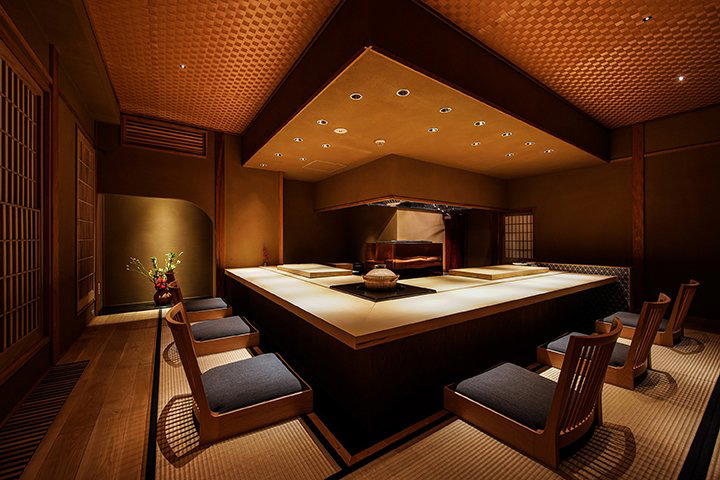
The room belongs to the counter before it belongs to the diner. Tempura at this level is not a procession of fried things; it is a timed exchange between oil, batter, heat, and attention. In Japan’s serious tempura culture, the fryer functions almost like a sushi counter’s cutting board: close enough for scrutiny, disciplined enough that conversation naturally drops a register. Kusunoki Nagoya sits inside that severe tradition, with Tadashi Kusunoki’s name attached to a format where small variations in pacing and temperature define the meal.
Tokyo has sharpened the luxury counter model across sushi, kappo, yakitori, and tempura, but tempura remains a narrower field. It is less theatrical than omakase sushi and less menu-flexible than kappo. The craft depends on restraint: a sequence built around immediacy, repetition, and tiny adjustments rather than surprise for its own sake. That makes external recognition more useful here than usual. Tabelog Silver recognition across multiple years and inclusion in Tabelog’s Tempura 100 signal consistency in a category where the margin between clean and heavy is brutally small. Opinionated About Dining also placed the restaurant in its Japan rankings in 2023, 2024, and 2025, giving international diners another reference point beyond domestic review culture.
A six-seat tempura counter built around sequence, not spectacle
High-end tempura is often misunderstood by travelers who approach it as a luxury ingredient parade. The better way to read the format is as a study in order. The counter controls the meal’s rhythm: each piece is prepared for immediate eating, with the diner’s attention fixed on texture, heat, and timing. A six-seat arrangement compresses that ritual further. There is little room for anonymity, and little tolerance for the kind of distracted dining that works in larger restaurants.
This is where Kusunoki Nagoya belongs in the Japanese dining hierarchy: not as a broad, menu-driven restaurant, but as a specialist counter. Its recognition is concentrated in tempura, and that matters. Compared with category-adjacent counters such as Akita Tempura Mikawa, Fukamachi, Makino, Azabu Ichigo, and Edomae Shinsaku, the appeal is not breadth. It is the intensity of a format where the kitchen’s entire argument is made piece by piece, with no elaborate dining room machinery to soften the judgment.
The broader comparison also helps calibrate expectation. Kyoto tempura rooms such as Enyuan Kobayashi, Tempura in Kyoto and Gion Senryu, Tempura in Kyoto operate within a city where kaiseki tradition shapes pacing and seasonality. Tokyo’s counter culture is terser and more competitive, with the diner closer to the act of cooking and fewer ceremonial layers between kitchen and plate. Kusunoki Nagoya reads closer to that Tokyo severity than to a leisurely multi-room dining experience.
What the awards say about the category
Tabelog’s influence in Japan is especially relevant for tempura because domestic diners tend to judge the genre with little patience for international gloss. The restaurant’s Tabelog Silver status in 2026, alongside Tempura 100 selection in 2025, places it in a tightly reviewed specialist tier rather than a general luxury-restaurant bracket. The listed Tabelog score in the low 4s is meaningful in Japan, where scoring is typically compressed and high marks are harder to accumulate than on many global platforms.
OAD’s Japan ranking adds a different kind of signal. Its placements in 2023, 2024, and 2025 show visibility among traveling restaurant obsessives, not just local tempura devotees. That dual recognition is useful because tempura can be opaque to visitors. Without a long history of eating at counters, it is easy to mistake quietness for simplicity. The stronger reading is that quietness is the medium. The luxury is in the narrowness of the form.
Chef Tadashi Kusunoki’s role should be understood through that lens. Japanese counter dining often turns the chef into the focal point, but in serious tempura the craft is larger than biography. The chef’s importance lies in maintaining a sequence that makes sense across a meal: when to press intensity, when to reset, and when to let the batter recede. The format rewards discipline more than narrative.
How to place it in a Tokyo dining itinerary
Kusunoki Nagoya is not a casual add-on to a packed Tokyo evening. It fits travelers who build an itinerary around one demanding meal and are willing to give the counter their full attention. For diners mapping a broader trip, our full Tokyo restaurants guide gives the surrounding restaurant context, while our full Tokyo hotels guide, our full Tokyo bars guide, our full Tokyo wineries guide, and our full Tokyo experiences guide help build the rest of the day without diluting the meal itself.
The useful comparison is not only within Tokyo. Regional Japanese dining can pull a trip in different directions: sukiyaki in Kamakura at -Grilled beef Sukiyaki- KAMAKURA TANUKIAN 鎌倉 たぬき庵 in Kamakura, cafe culture at.cafe in Osaka, contemporary dining at.know in Kumamoto, Vietnamese cooking at (Shoku) Vietnam in Kawasaki, curry specialization at [Curry Senmon Ten] Maruyama Kyoju. in Sapporo, and Kyoto dining at [ki:] in Kyoto. Against that range, this tempura counter is a narrower proposition: fewer seats, fewer distractions, and a meal whose success depends on whether the diner wants to submit to ritual rather than chase novelty.
The editorial case is clear. This is a restaurant for people who already know that tempura’s seriousness is found in repetition, temperature, and sequence. The awards justify the effort, but the real decision is temperamental. Diners looking for a broad survey of Japanese cooking should look elsewhere first. Diners who want a concentrated encounter with the tempura counter tradition will understand why this category commands such loyalty in Japan.
Frequently asked questions
What's the address for Kusunoki Nagoya?
Kusunoki Nagoya is located in Tokyo.
Is Kusunoki Nagoya chef-led?
The chef associated with Kusunoki Nagoya is Tadashi Kusunoki.
What type of food is Kusunoki Nagoya known for?
Kusunoki Nagoya serves Tempura cuisine.
Do I need a reservation for Kusunoki Nagoya?
Yes. The venue is listed as reservation only and membership system, and it operates as a six-seat counter in Tokyo. That format, plus the Tabelog Silver Award 2026 and repeated Tabelog Tempura "Tabelog 100" selections, signals a tightly controlled booking structure.
A Credentials Check
Side-by-side context: comparable cuisine and price.
| Venue | Cuisine | Price | Awards | Notes |
|---|---|---|---|---|
| Kusunoki NagoyaThis venue — the venue you are viewing | Modern Tempura Omakase | $300–500 | Tabelog Silver #65 | Not listed |
| 重箱 | Traditional Japanese Unagi | $200–300 | Not listed | Akasaka |
| Yakatabune Izanagi | Wagyu Omakase on Tokyo Bay Yakatabune | $500+ | Conde Nast Hot List Restaurants | Shinagawa |
| NANAHIRO | Modern Japanese Tasting Menu | $30–50 | Michelin Plate | Minato |
| Aragawa | Tajima Beef Steakhouse | $500+ | Tabelog 100 #21 | Minato |
| Tagetsu | Modern Seasonal Kaiseki | $150–200 | Tabelog Bronze #443 | Minato |
Recognition history
Dated appearances from independent guides and award organizations, with the underlying list record or original source where available.
Tabelog Silver #65
Tabelog
Opinionated About Dining Top Restaurants in Japan Ranked #16
Opinionated About Dining
Full recognition history (8 entries)
Tabelog Bronze
Tabelog
Tabelog Silver
Tabelog
Tabelog 100 #42
Tabelog
Tabelog 100 #22 · No. 22
Tabelog · Tabelog 100 - Tempura - 2025
Opinionated About Dining Top Restaurants in Japan Ranked #17
Opinionated About Dining
Opinionated About Dining Top Restaurants in Japan Ranked #14
Opinionated About Dining

Details
- Intimate
- Elegant
- Sophisticated
- Quiet
- Minimalist
- Special Occasion
- Date Night
- Chefs Counter
- Open Kitchen
- Sake Program
- Tasting Menu
- Omakase
- Counter Dining
- Sake
- White Wine
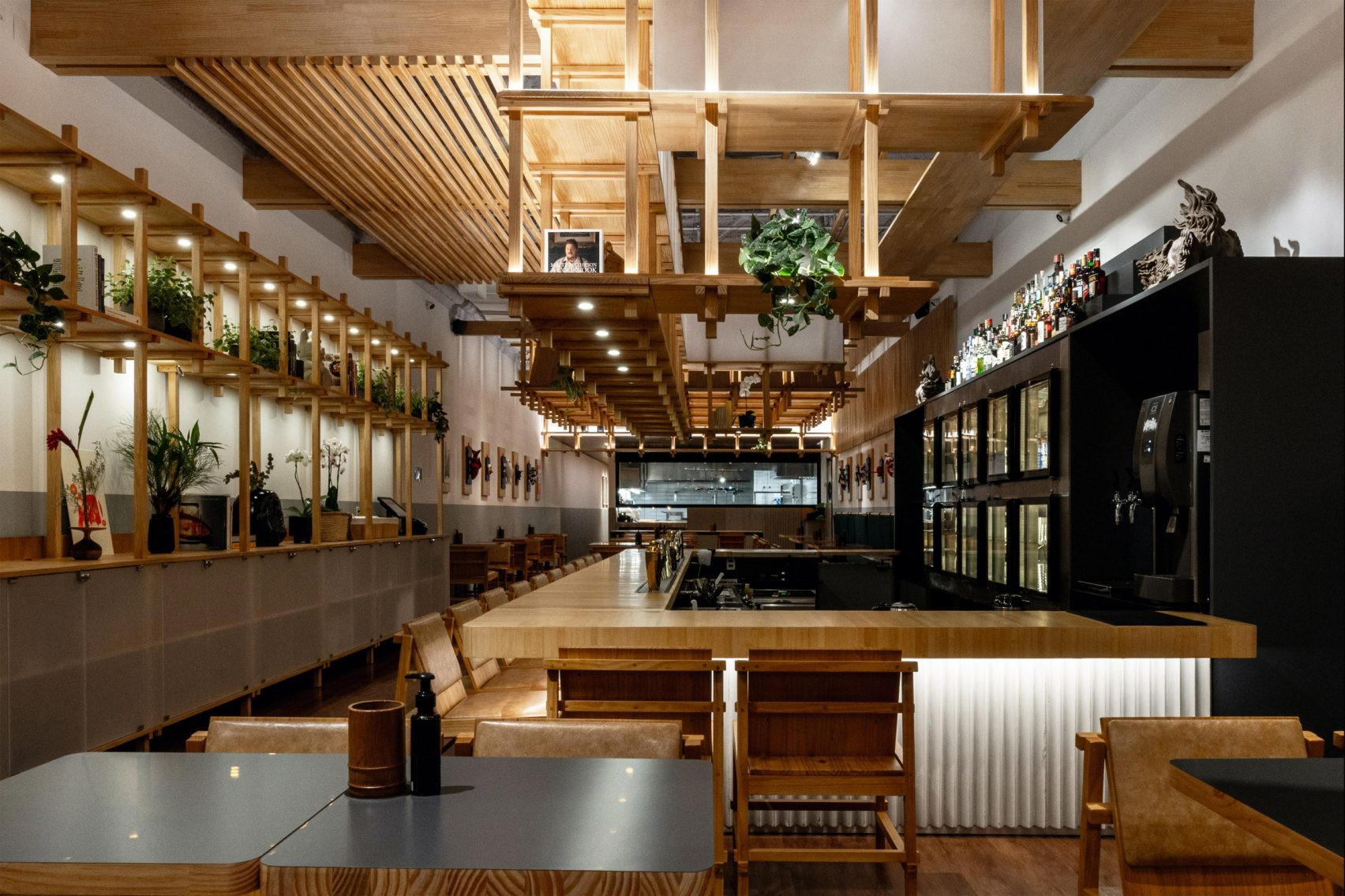
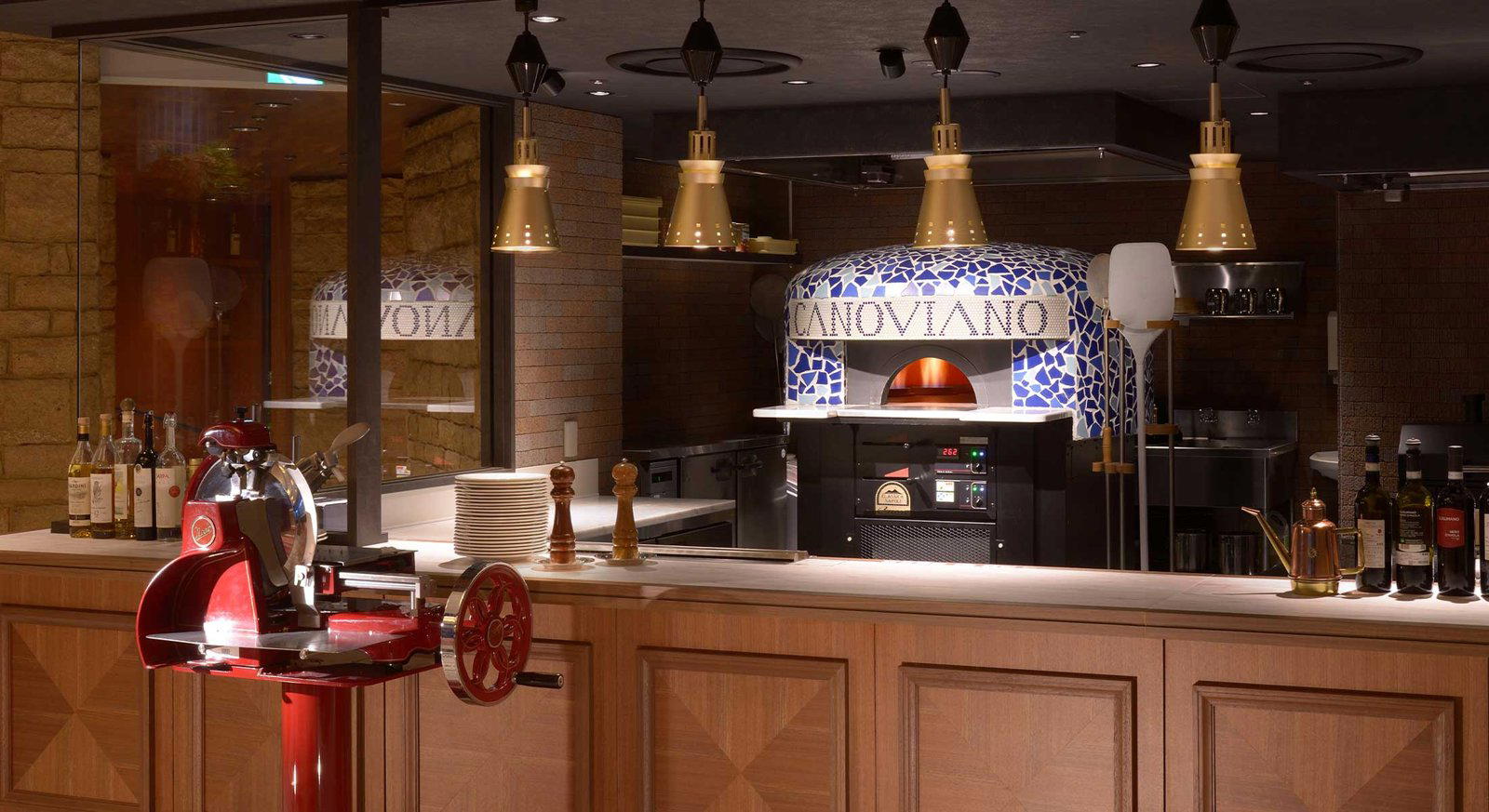
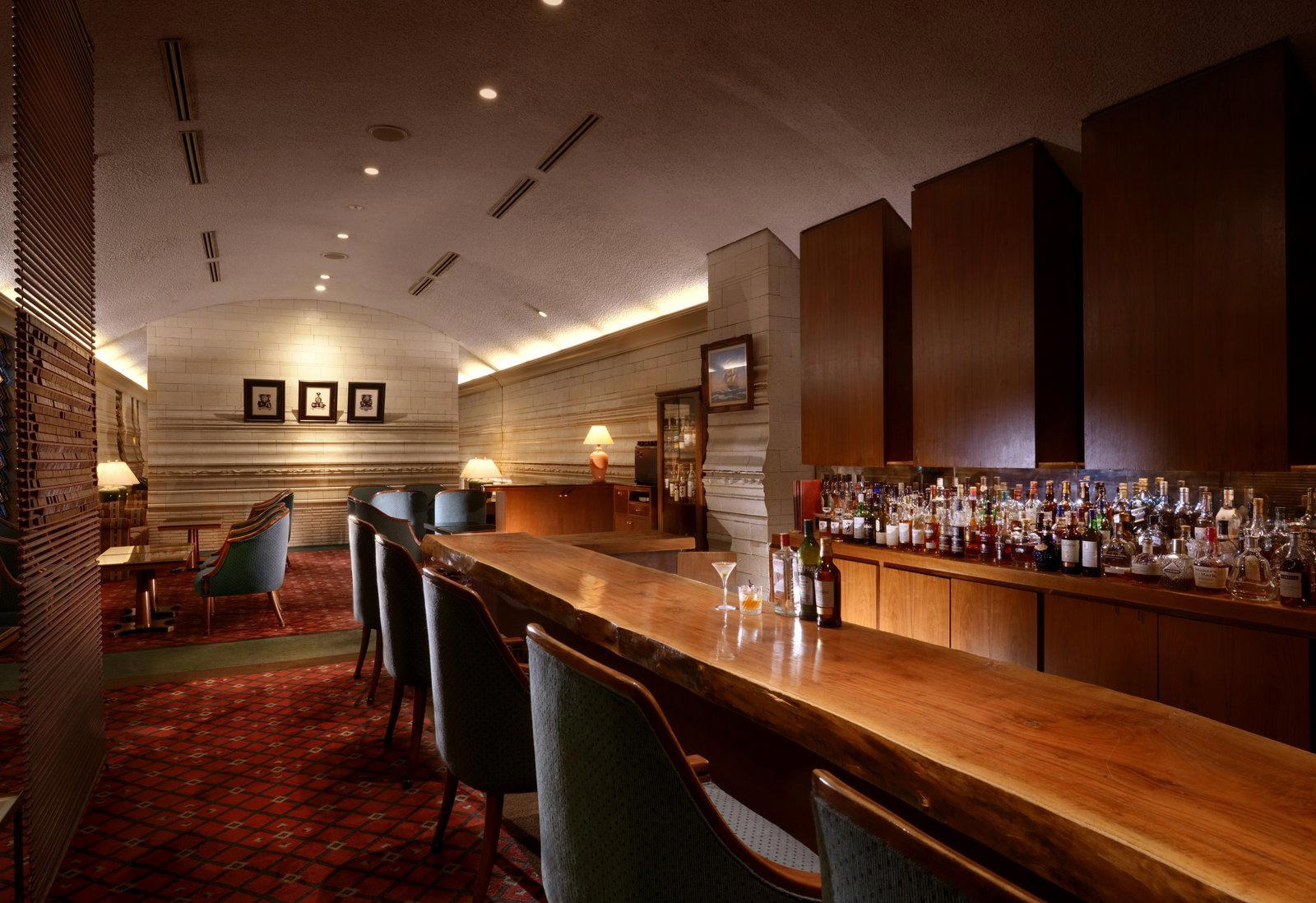
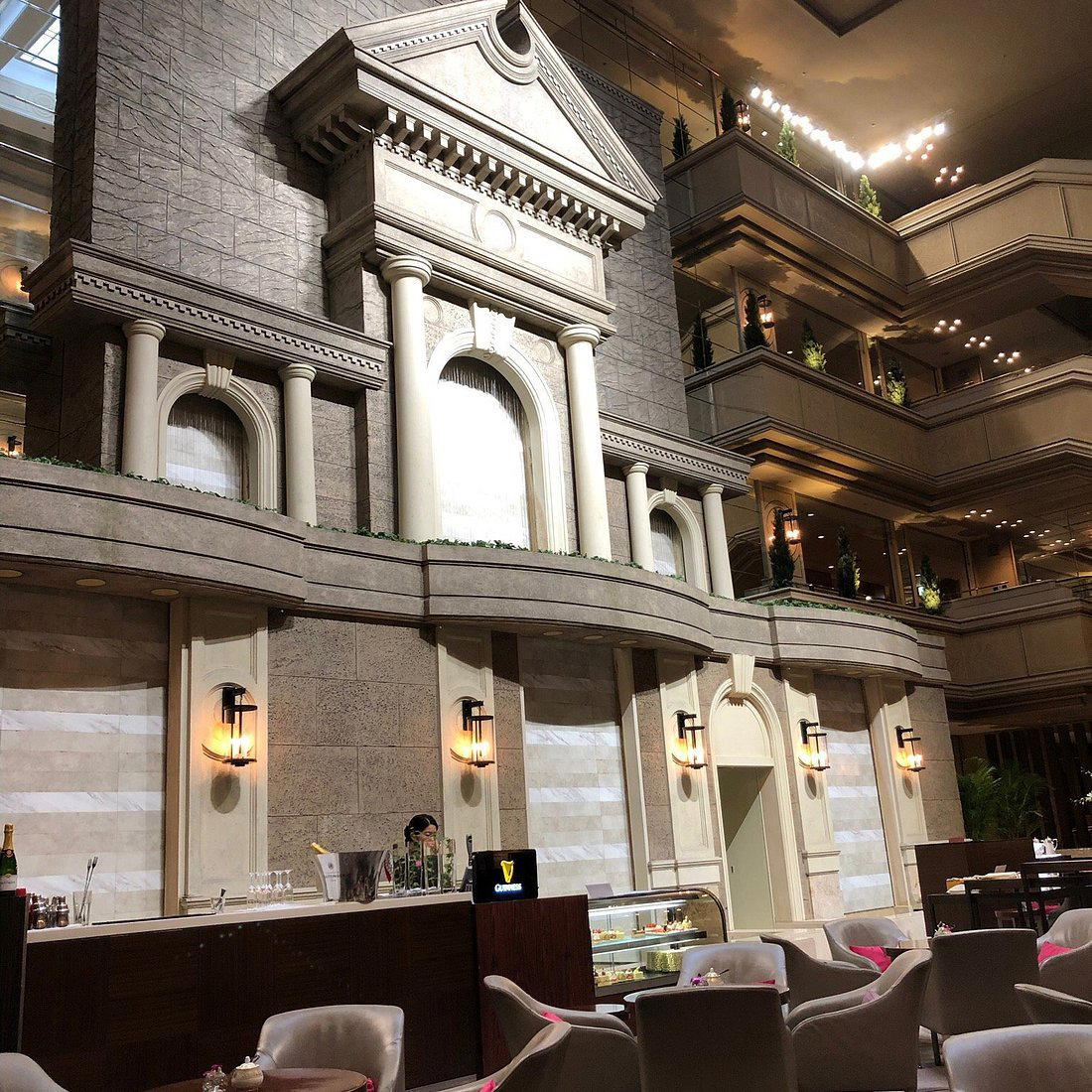
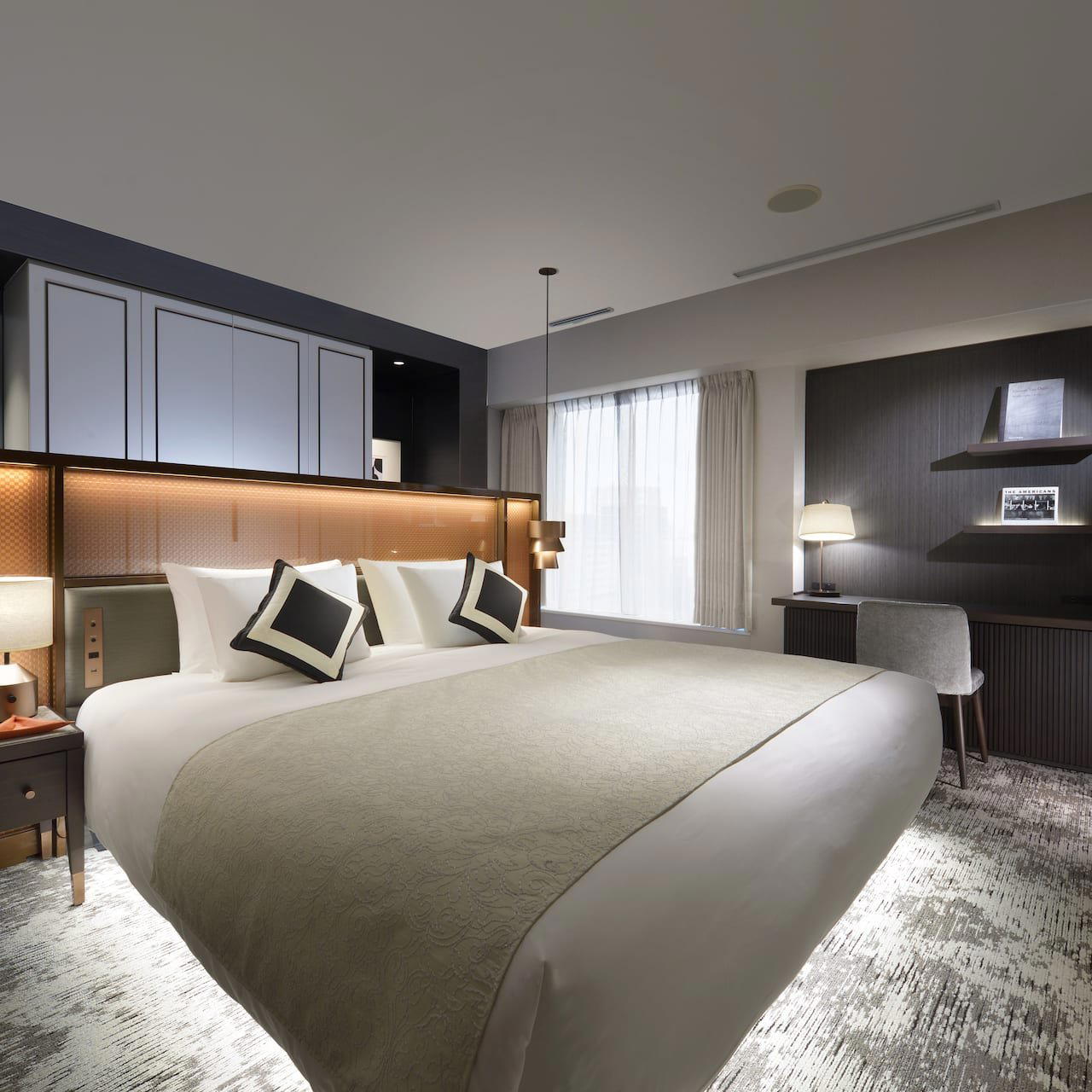
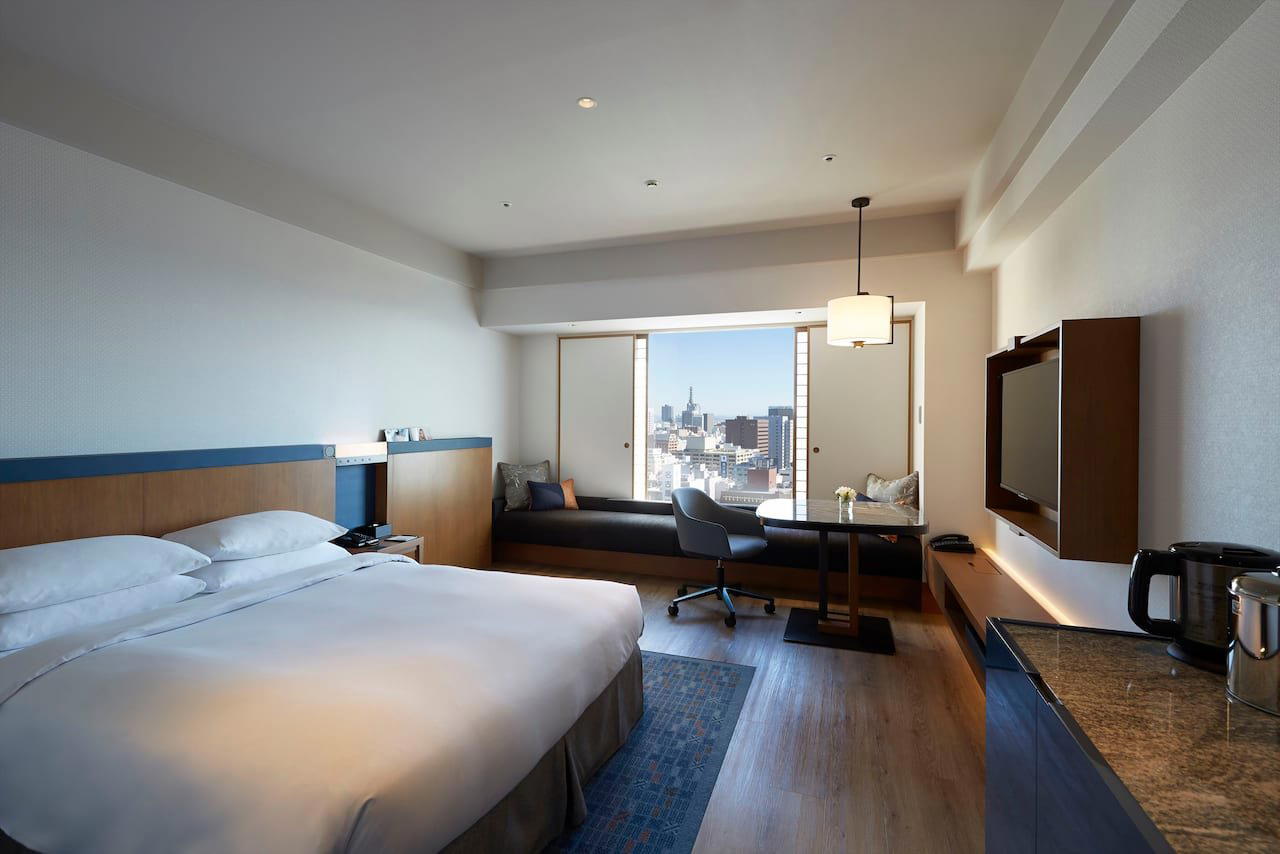
Minimalist interior with quiet reverence, focusing attention on the chef's precise craft at the intimate counter.