
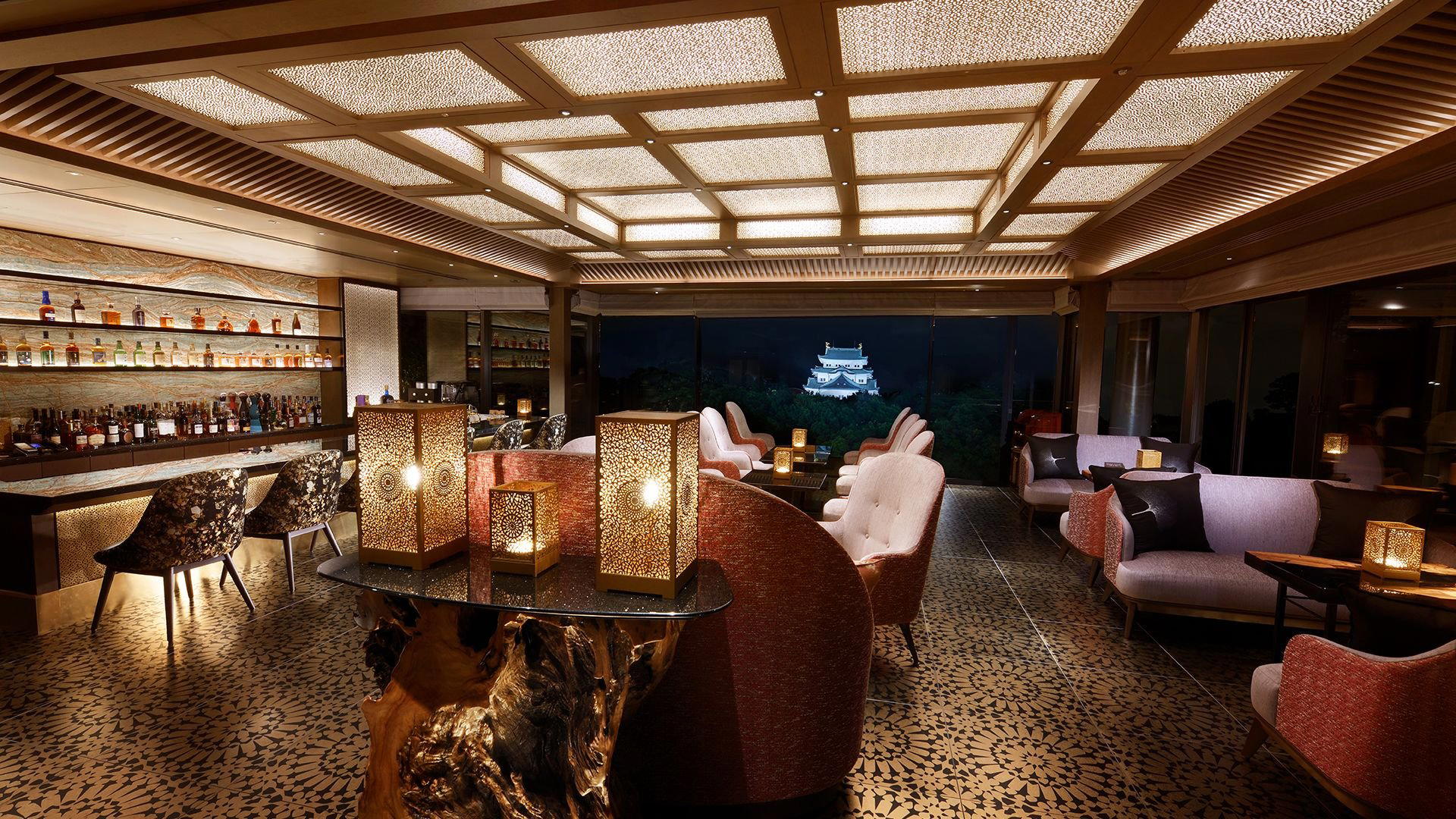
Amaki occupies the 18th floor of the Nagoya Kanko Hotel in Naka Ward, operating as an 11-seat counter sushi restaurant with a Tabelog score of 4.20 and consecutive Bronze Awards in 2025 and 2026. Dinner runs JPY 30,000–39,999 and the kitchen's emphasis on locally sourced fish places it firmly within Nagoya's emerging premium sushi tier. Reservations are required.
Pearl is the En Primeur Club membership app — saves, bookings, and concierge access live there. Same editors, same standards.
- Address
- 1 Chome-19-30 Nishiki, Naka Ward, Nagoya, Aichi 460-8608, Japan
- Phone
- +81 52-231-7971
- Website
- nagoyakankohotel.co.jp
- Directions
- Get directions
 Saves & bookings on Pearl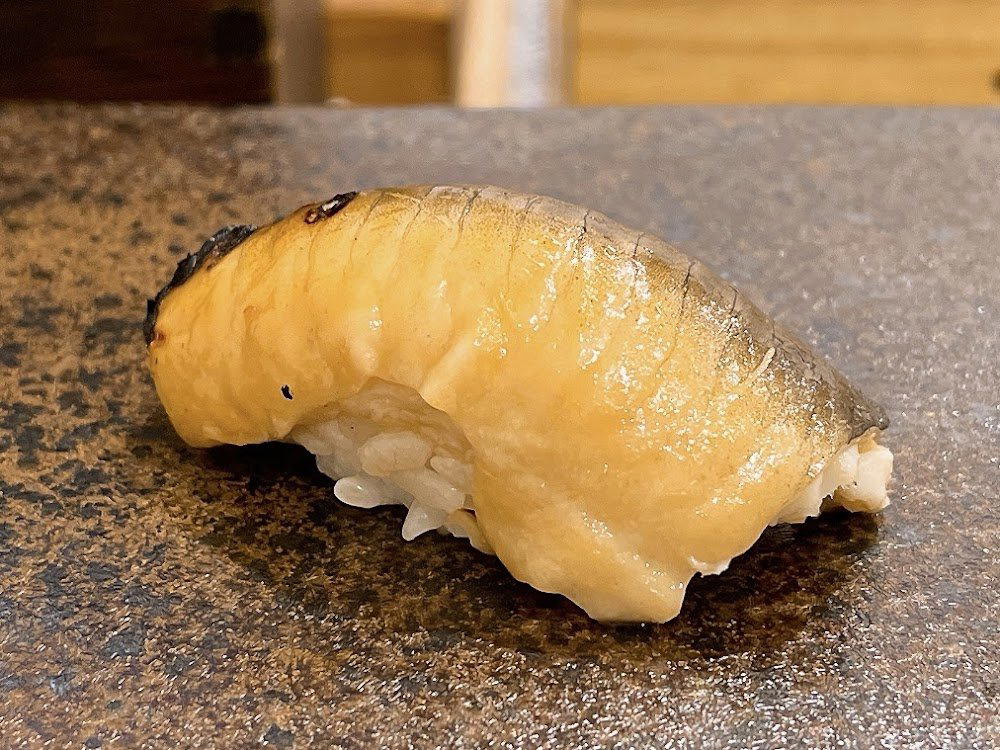
Eighteen Floors Up, Eleven Seats Down
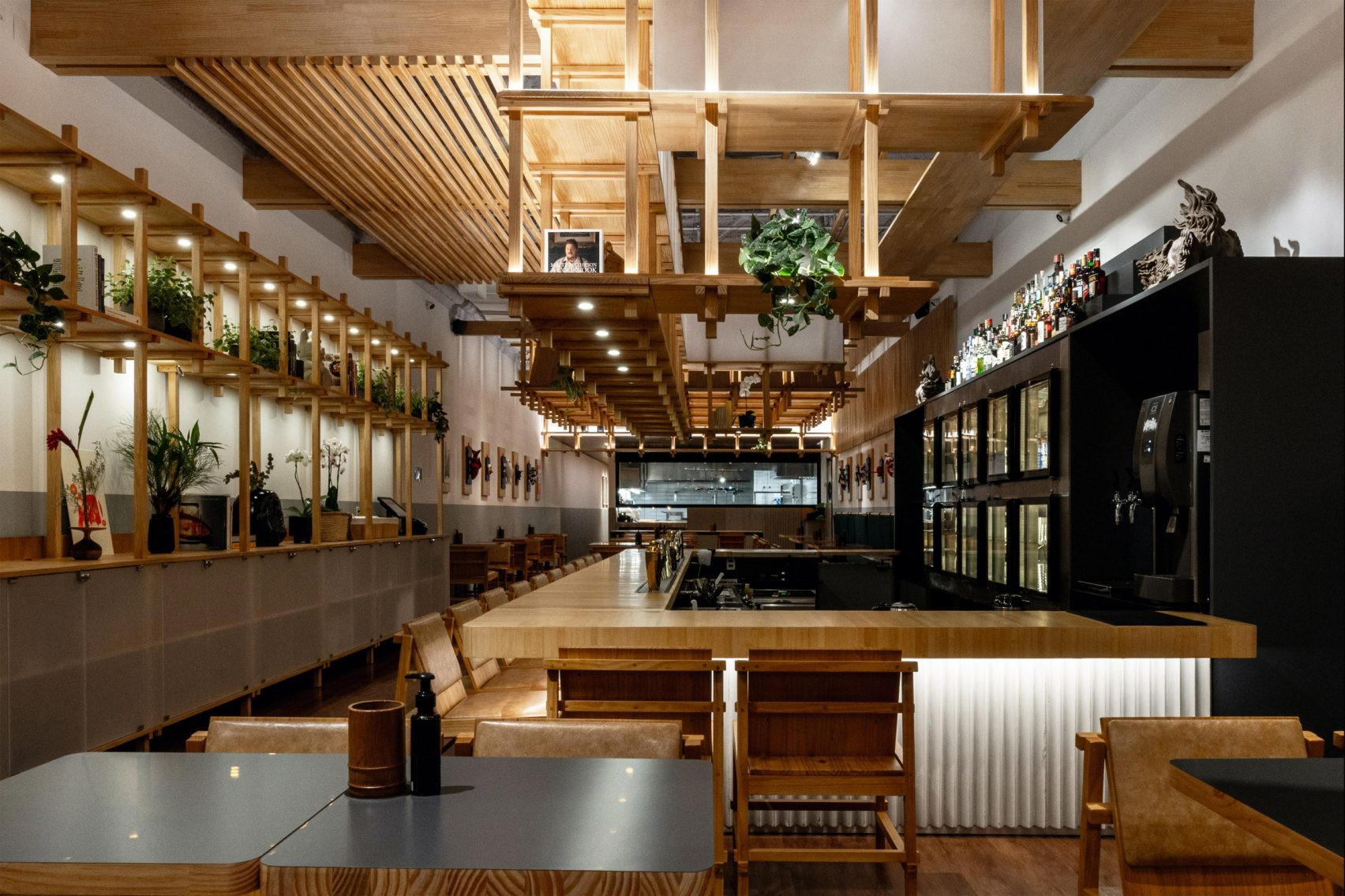
The top-floor hotel counter is a format with its own logic in Japanese premium dining. Removed from street-level foot traffic, insulated from walk-ins by both geography and a reservation-only policy, it signals to the guest before the first piece of fish arrives that the evening operates on a different set of terms. Amaki, on the 18th floor of the Nagoya Kanko Hotel in Nishiki, Naka Ward, follows that format with discipline. Eleven seats. Counter only. No private rooms. The physical compression of the room and the elevation above the city create the conditions under which sushi at this price tier is meant to be consumed: quietly, attentively, without distraction.
Nagoya does not always register in international conversations about Japan's premium sushi scene, which tends to fix on Tokyo counters and, increasingly, on the Osaka and Kyoto belt. That framing underestimates what the Chubu region produces. The Pacific coastline of Aichi Prefecture and the waters around Ise Bay supply fish to kitchens across central Japan, and Nagoya's own dining scene has developed a density of awarded restaurants that sits alongside the city's industrial scale. Amaki, which opened on 9 May 2024, entered that scene and earned Tabelog Bronze Award recognition in both 2025 and 2026 within its first two years, alongside selection for the Tabelog Sushi EAST "100" list in 2025 — a meaningful credential in Japan's most-used restaurant review system.
What Ise Bay Means on the Plate
The editorial note on Amaki's Tabelog profile is specific: the kitchen is "particular about fish." In the context of a sushi counter at this price level, that phrase is not decoration. It describes a sourcing posture, one in which the selection and provenance of each piece carries the same weight as the technical execution of the nigiri itself. The waters of Ise Bay and the broader Aichi coastline produce ingredients — shellfish, white fish, local variants of species found elsewhere in Japan, that carry regional character. A sushi counter that leans into that geography is making a statement about what the food should taste like and where it comes from, rather than defaulting to the same Tsukiji-sourced list that standardises many mid-tier omakase menus.
This sourcing orientation connects Amaki to a broader pattern visible across Japan's non-Tokyo premium counters, from the seafood-forward kaiseki operations in Kyoto to fish-focused tasting formats in Fukuoka. The question each of those kitchens answers is the same: what does fine dining look like when it draws from the immediate region rather than from a national wholesale market? For Amaki, positioned in a city with genuine maritime access through Aichi's coastline and proximity to Ise Bay, the answer is a menu rooted in what the surrounding sea actually produces at a given time of year. The seasonal dimension matters here. A counter running dinner service from 18:00 to 22:00, six nights a week, with eleven seats and a reservation-only policy, has the operational conditions to change its sourcing in line with what is available, rather than what is convenient.
Placing Amaki in Nagoya's Competitive Tier
A Tabelog score of 4.20 and consecutive Bronze Awards in 2025 and 2026 position Amaki within the upper band of the Nagoya sushi scene. The Tabelog Award system distributes Bronze at the category level, and selection for the Sushi EAST 100 list confirms the counter's standing relative to peers across eastern Japan, not just within Aichi. Harutaka in Tokyo and 1000 in Yokohama operate in the same broad geography covered by that award designation, which gives some sense of the tier Amaki now occupies.
Within Nagoya itself, the awarded dining scene spans multiple cuisines and formats. aru, Fujisawa, GapricE, HIRO NAGOYA, and Hirovanna each represent different points on that spectrum. What Amaki contributes specifically is a sushi counter at the JPY 30,000–39,999 dinner bracket, with a hotel address that provides parking, credit card acceptance across major networks, and an 18th-floor setting, a combination that makes it accessible to visitors staying elsewhere in the city or arriving by car, without compromising on format discipline.
For context outside Japan, the price point maps to the entry-level of premium omakase internationally. Le Bernardin in New York City and Atomix in New York City operate at comparable or higher price tiers in a city where the cost base is structurally different. Within Japan, counters like Gion Sasaki in Kyoto, HAJIME in Osaka, akordu in Nara, and Goh in Fukuoka illustrate how regional cities beyond Tokyo have developed premium dining identities anchored in local sourcing. Amaki fits that pattern in Nagoya.
Planning the Visit
Amaki operates dinner service only, running from 18:00 to 22:00 Monday through Saturday, including public holidays and the days immediately before and after them. Sunday is closed, with the possibility of additional irregular closures. The counter holds eleven seats with no private room option, which makes advance booking essential, particularly for groups travelling on a fixed itinerary. Reservations are required and the venue requests that guests refrain from wearing perfume or strong scents, a policy common to high-concentration sushi counters where fragrance interferes with the evaluation of delicate fish.
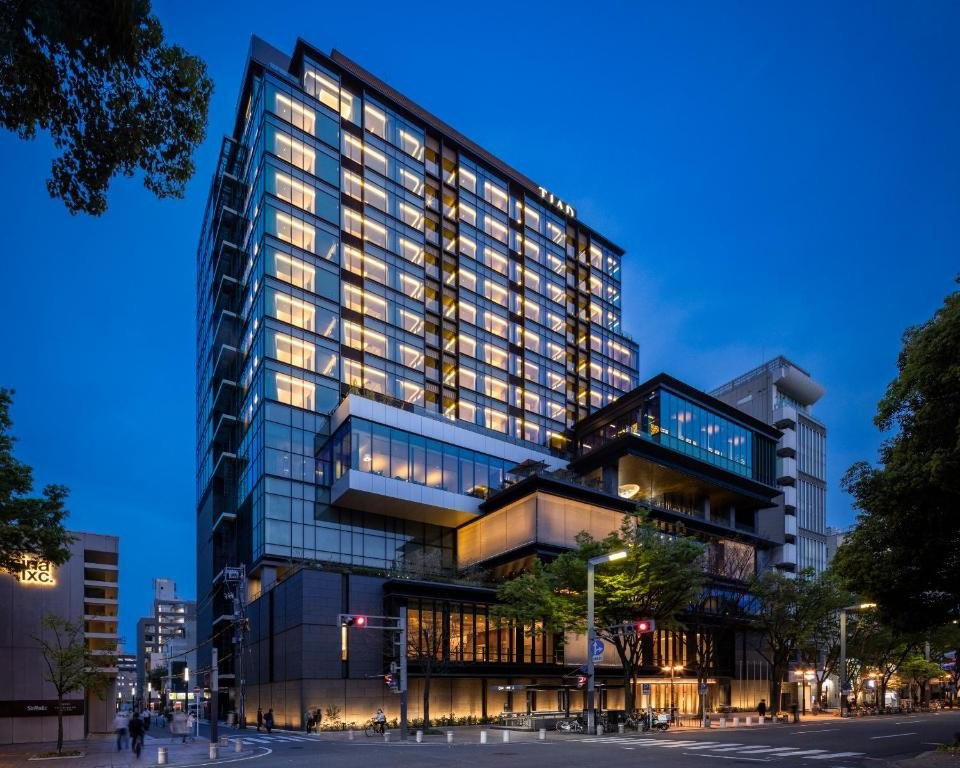
The Nagoya Kanko Hotel sits in Nishiki, Naka Ward, five minutes' walk from Fushimi Station on the Higashiyama and Tsurumai lines of the Nagoya Municipal Subway. The hotel's parking lot is available for those arriving by car. Payment is accepted by credit card across Visa, Mastercard, JCB, American Express, and Diners Club; electronic money and QR code payments are not accepted. The dinner budget runs JPY 30,000 to JPY 39,999 per person based on review data. Sake (nihonshu) is available.
For a fuller picture of the city's dining options, the Our full Aichi restaurants guide covers the breadth of the Nagoya scene across categories. Those planning a longer stay can also consult [Our full Aichi hotels guide](), [Our full Aichi bars guide](), [Our full Aichi wineries guide](), and Our full Aichi experiences guide to build a complete itinerary around the region.
Fast Comparison
Comparable venues nearby, for context on price, style, and recognition.
| Venue | Cuisine | Price | Notes |
|---|---|---|---|
| AmakiThis venue — the venue you are viewing | Precise Sushi Omakase | $$$$ | Not listed |
| Tempura Kusunoki | Modern Tempura Omakase | $$$$ | Shikemichi |
| HIRO NAGOYA | Premium Yakiniku | $$$$ | Nishi-ku |
| Mas de Lavande | Classic French Fine Dining | $$$$ | Naka |
| Setsugekka Tanaka Satoru | Modern Japanese Yakiniku | $$$$ | Sakae |
| Fujisawa | Nagoya Sushi | $$$$ | Ueda Yama |
Recognition history
Dated appearances from independent guides and award organizations, with the underlying list record or original source where available.
Tabelog Bronze #16
Tabelog
Tabelog Bronze
Tabelog
Tabelog 100 #80 · No. 80
Tabelog · Tabelog 100 - Sushi - EAST - 2025
At a Glance
- Elegant
- Intimate
- Sophisticated
- Date Night
- Special Occasion
- Chefs Counter
- Hotel Restaurant
- Sake Program
- Local Sourcing
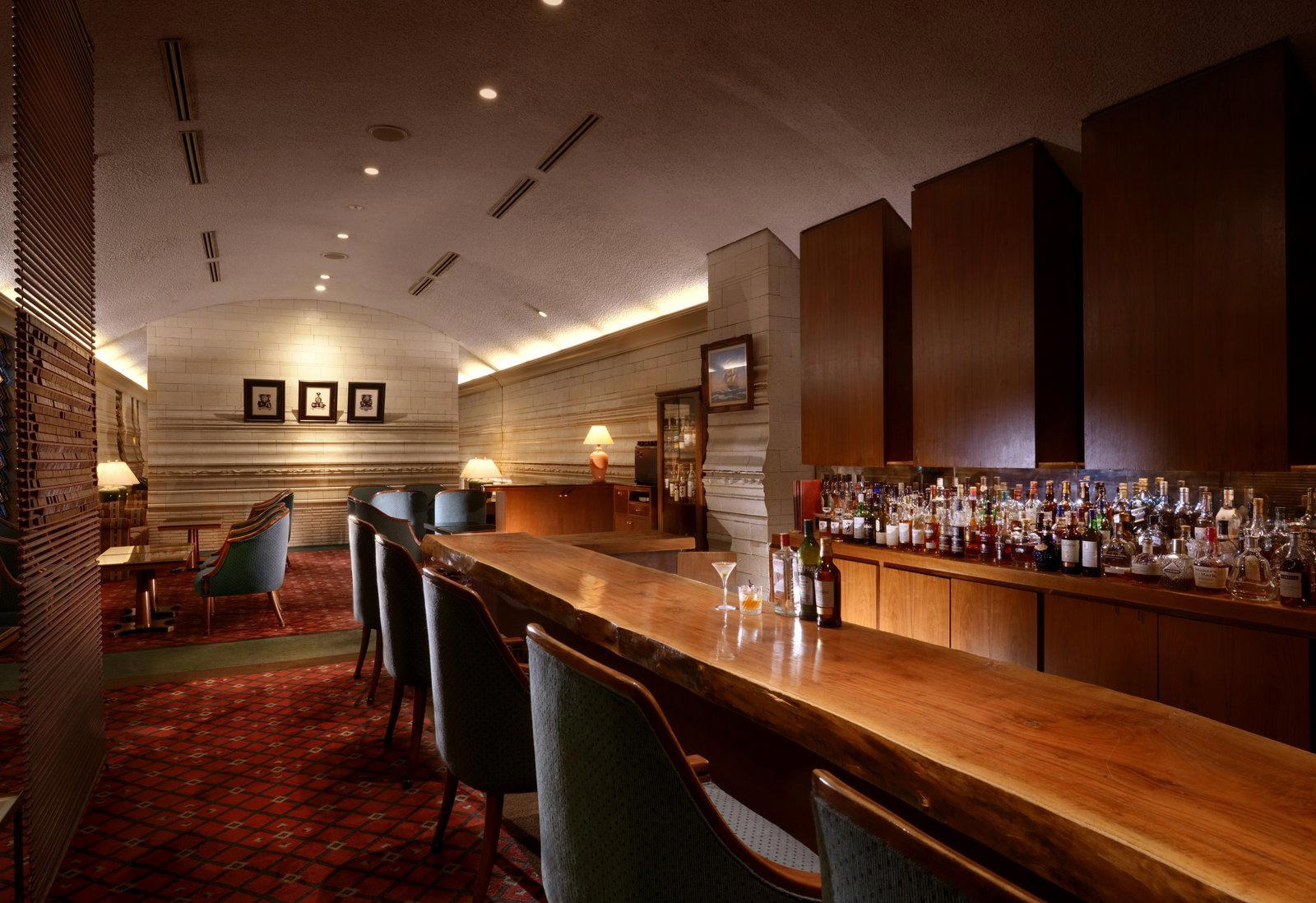
Relaxing adult hideaway with quiet plain wood counter seating and beautiful foil art.
Know Before You Go
- Getting there
- 1 Chome-19-30 Nishiki, Naka Ward, Nagoya, Aichi 460-8608, Japan