
Tabelog Bronze #208
Our verdict
Nagoya’s serious Japanese dining tier is defined less by spectacle than by control: counter pacing, seasonal restraint, and a room built around attention. Kotowari wo Hakarumise Bando sits in that exact lane, with Tabelog Award Bronze recognition in 2025 and 2026, an eight-seat counter format, and a dinner spend commonly placed at JPY 30,000 to JPY 39,999.

Pearl is the En Primeur Club membership app — saves, bookings, and concierge access live there. Same editors, same standards.
- Address
- 2 Chome-12-30 Marunouchi, Naka Ward, Nagoya, Aichi 460-0002, Japan
- Phone
- +81 52-222-0020
- Hours
- Mon–Fri 11 AM–1:30 PM, 5:30–10 PMSat 6:30–10:30 PMSun 6:30–10 PM
- Website
- thekawabunnagoya.com
- Directions
- Get directions
- Booking
- Book on TableCheck
The menu
What to order
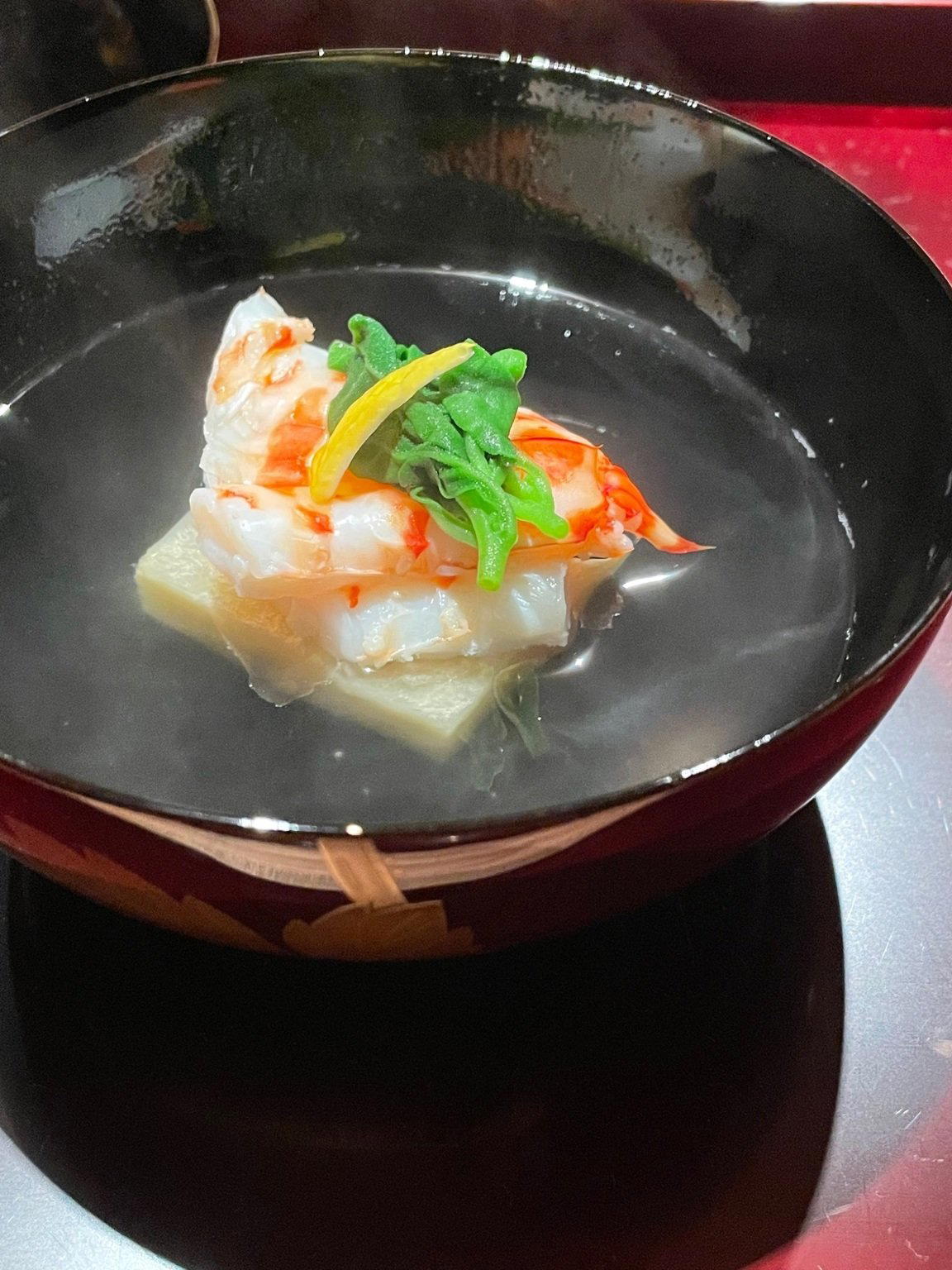
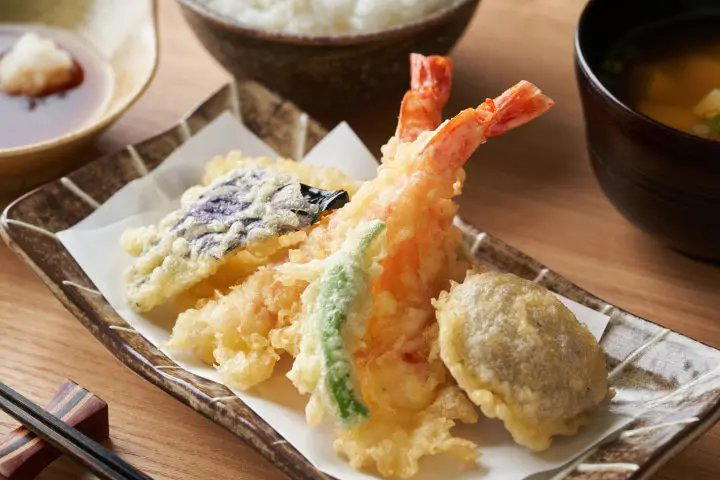
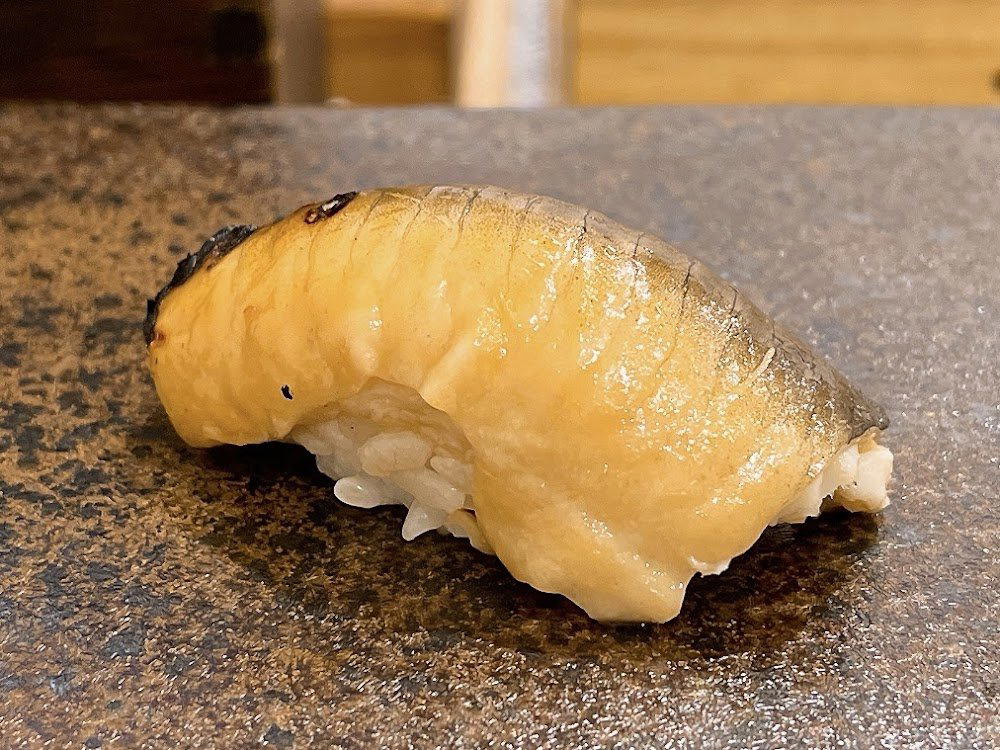
- Seasonal Sashimi Selection
- Grilled Seasonal Fish
- Tempura of Seasonal Vegetables and Prawn
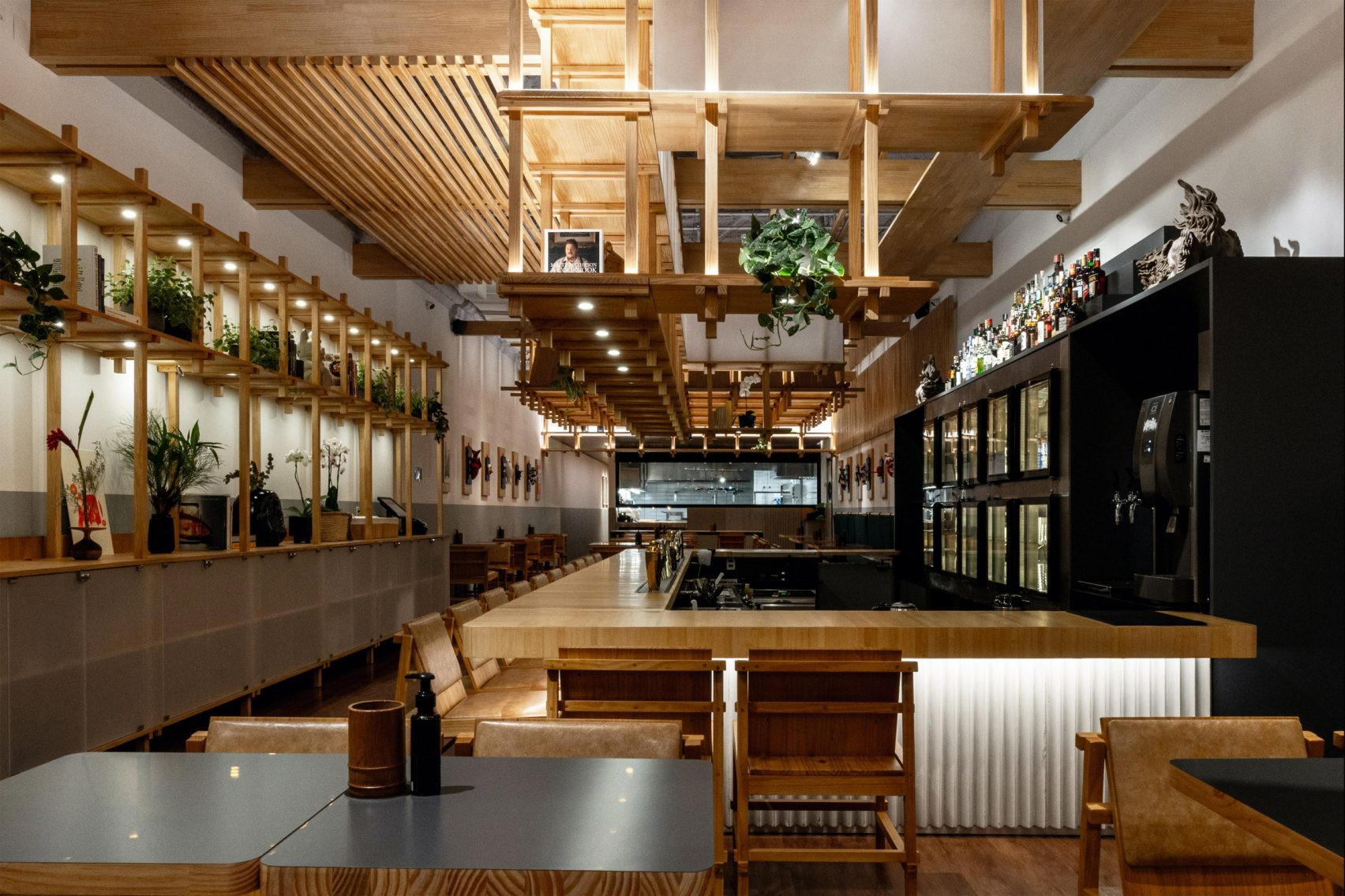
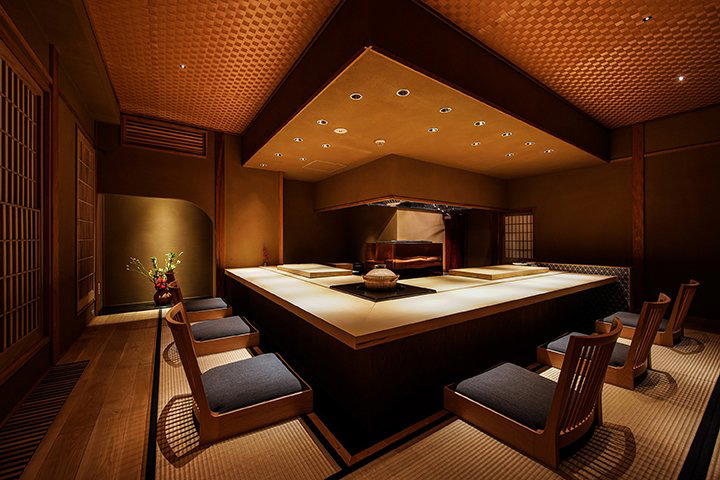
In Nagoya, the more persuasive Japanese counters tend to lower the volume rather than raise it. The room is small, the choreography matters, and the meal asks guests to follow the sequence rather than treat dinner as a series of independent orders. Kotowari wo Hakarumise Bando belongs to that ritual-led category: eight counter seats, Japanese cuisine, and recognition that places it among the city’s serious reservation-only dining rooms rather than casual destination eating.
The distinction matters because Nagoya’s dining identity is often flattened from outside into miso katsu, hitsumabushi, and commuter-station comfort food. Those dishes remain part of the city’s grammar, but the upper end of Japanese cuisine here is quieter and more formal. It borrows from kaiseki’s sense of progression, from counter dining’s focus on timing, and from the regional habit of understatement. The result is not a grand dining-room performance. It is a compact format where attention is concentrated across a narrow rail.
An eight-seat counter built around pacing, not abundance
Small counter restaurants in Japan work on a different contract from large dining rooms. The guest is not only buying ingredients or technique; the guest is buying timing. Dishes arrive in a fixed rhythm, pauses are part of the structure, and the counter turns the meal into a shared tempo. In that setting, excess choice can be a distraction. The persuasive version of the format depends on sequence, temperature, portion, and the ability to read the room without breaking its concentration.
That is where Kotowari wo Hakarumise Bando’s format explains its reputation better than any single menu claim could. Eight counter seats put it in the low-capacity tier, a different proposition from Nagoya restaurants built for groups, banquets, or walk-in turnover. Tabelog lists it as Japanese Cuisine, with The Tabelog Award Bronze in both 2025 and 2026, and selection for Tabelog Japanese cuisine EAST “Tabelog 100” in 2023 and 2025. Those signals do not tell the whole story, but they do identify the competitive bracket: a reservation-led counter where consistency over time matters.
The comparison inside Nagoya is useful. Sushi counters such as Sushisho and Hijikata operate in a neighboring ritual, with rice, fish, and chef-led pacing at the center. Casual specialists such as Noko Chuka Soba Sato or Tori Soba Susuru Marunouchi honten serve a different urban need: speed, repetition, and low-friction comfort. Nepal STATION sits in another value-driven lane entirely. Kotowari wo Hakarumise Bando is not competing with those places for spontaneity. It sits in the narrower Japanese dining tier where access, restraint, and controlled service are part of the point.
Nagoya's formal Japanese dining has a different center of gravity
Tokyo and Kyoto often dominate the conversation around high-end Japanese cuisine, but Nagoya rewards a slightly different reading. The city has money, corporate dining culture, and a long relationship with craftsmanship, yet it is less driven by international restaurant tourism than the major capitals. That makes its serious counters feel less performative. Recognition still matters, and Tabelog’s Bronze status is a meaningful trust signal in Japan’s restaurant culture, but the room’s appeal is tied to how it fits local dining habits rather than how loudly it announces itself to visitors.
The dining ritual here is closer to disciplined hospitality than theater. A counter-only room reduces distance between kitchen and guest, but it also narrows the margin for error. There is little architectural camouflage, no sprawling wine wall to distract from rhythm, and no private-room insulation from the meal’s cadence. For travelers accustomed to long tasting menus in European dining rooms, Japanese counter cuisine can feel more compressed and more exacting. The etiquette is simple: arrive ready to follow the pace, keep conversation measured, and treat the sequence as the meal rather than a prelude to ordering more.
The price tier reinforces that reading. Dinner is commonly listed at JPY 30,000 to JPY 39,999, which places it well above everyday Nagoya dining and into the category where the decision is intentional. That does not make it a universal recommendation for every visitor. It is strongest for diners who value Japanese form, quiet rooms, and the precision of a small counter. Travelers looking for a broad survey of Nagoya’s food culture should build the meal around other formats as well, from casual noodle shops to regional staples.
How to place it in a Nagoya itinerary
For a food-focused trip, this belongs in the formal-dinner slot rather than the first casual night after arrival. Nagoya has enough range that a smart itinerary should not turn every meal into a reservation contest. Use one evening for this level of Japanese cuisine, then leave space for the city’s easier pleasures: station-area counters, neighborhood bars, kissaten culture, and the regional dishes that give Aichi its everyday flavor.
Readers mapping a wider trip can use Our full Nagoya restaurants guide for the city’s dining spread, then cross-check nearby hospitality through Our full Nagoya hotels guide, after-dinner options in Our full Nagoya bars guide, regional drinking context in Our full Nagoya wineries guide, and cultural planning through Our full Nagoya experiences guide. Within the restaurant index, related listings such as 1022, 451, Aaron, Alan., and All Day Dining Montmartre help show how varied the city’s dining categories can be.
The broader Japan and overseas restaurant archive is useful for contrast rather than direct comparison: -Grilled beef Sukiyaki- KAMAKURA TANUKIAN 鎌倉 たぬき庵 in Kamakura. 鮪と炭火焼き うお炭 秋葉原店 in Tokyo.cafe in Osaka.know in Kumamoto, (Shoku) Vietnam in Kawasaki, [Curry Senmon Ten] Maruyama Kyoju. in Sapporo, Jōdo Saké Bar in Los Angeles, and Onigiri Time in Pasadena sit across different formats, price bands, and dining customs.
The critical case is narrow and clear. This is a counter for diners who understand that Japanese cuisine at this level is often about restraint, not display. The awards history supplies external confidence; the format supplies the real clue. In a city better known internationally for hearty regional food, Kotowari wo Hakarumise Bando represents the disciplined, low-capacity end of Nagoya dining.
Frequently asked questions
When is Kotowari wo Hakarumise Bando open?
Hours at Kotowari wo Hakarumise Bando: ■Business hoursFrom 11:30 onwardsFrom 17:00 onwards*Reservations are recommended.■Closed onNot fixed (Please check our exclusive reservation site for updates.).
What's the address for Kotowari wo Hakarumise Bando?
Kotowari wo Hakarumise Bando is located in Nagoya.
What's Kotowari wo Hakarumise Bando best at?
Its strongest point is the 8-seat counter format, which keeps the room tightly focused on the meal. That intimacy is backed by a 2026 Tabelog Award bronze and a place in Tabelog Japanese cuisine EAST "Tabelog 100" for 2025.
Can Kotowari wo Hakarumise Bando accommodate dietary restrictions?
Those details are not published. Reservations are required at least one day in advance, and the restaurant is in Nagoya at 2 Chome-12-30 Marunouchi, Naka Ward. Check the venue's official channels for the latest details.
Does Kotowari wo Hakarumise Bando work for a family meal?
It can work for a small family group, but the room is built around an 8-seat counter rather than a broad dining room. The restaurant is reservation only and permits private use for up to 20 people, which makes it more structured than casual family dining.
What's the overall feel of Kotowari wo Hakarumise Bando?
The feel is restrained and formal, with counter-only seating, non-smoking service, and no fixed closing day. It opens from 11:30 and again from 17:00, and its introduction-only policy gives it a closed-door, local-insider character.
Comparable venues nearby, for context on price, style, and recognition.
| Venue | Cuisine | Price | Awards | Notes |
|---|---|---|---|---|
| Kotowari wo Hakarumise BandoThis venue — the venue you are viewing | Modern Japanese Omakase | $200–300 | Tabelog Bronze #208 | Not listed |
| Unafuji | Nagoya-Style Charcoal Grilled Unagi | $50–100 | Tabelog 100 #38 | Shōwa |
| Teppan Dining Shuu Sakae ten | Creative Wagyu Teppanyaki | $100–150 | Tabelog 100 #28 | Naka |
| Kajikawa | Seasonal Japanese Kaiseki Counter | $100–150 | Tabelog 100 #18 | Chikusa |
| Yanagibashi Yakiniku Waniku | Kobe Beef Yakiniku Kaiseki | $50–100 | Tabelog 100 #20 | Nakamura |
| Kitchen Ribbon | Premium Wagyu Steakhouse | $50–100 | Tabelog Bronze #182 | Shōwa |
Recognition history
Dated appearances from independent guides and award organizations, with the underlying list record or original source where available.
Tabelog Bronze #208
Tabelog
Full recognition history (3 entries)
Tabelog 100 #46 · No. 46
Tabelog · Tabelog 100 - Japanese cuisine - EAST - 2025
Tabelog 100 #34 · No. 34
Tabelog · Tabelog 100 - Italian - EAST - 2025
Details
- Intimate
- Elegant
- Sophisticated
- Special Occasion
- Date Night
- Sake Program
- Omakase
- Tasting Menu
- Drink Pairing
Current opening hours
- Monday
- 11 AM–1:30 PM, 5:30–10 PM
- Tuesday
- 11 AM–1:30 PM, 5:30–10 PM
- Wednesday
- 11 AM–1:30 PM, 5:30–10 PM
- Thursday
- 11 AM–1:30 PM, 5:30–10 PM
- Friday
- 11 AM–1:30 PM, 5:30–10 PM
- Saturday
- 6:30–10:30 PM
- Sunday
- 6:30–10 PM
Hours can change for holidays and private events. Last verified .
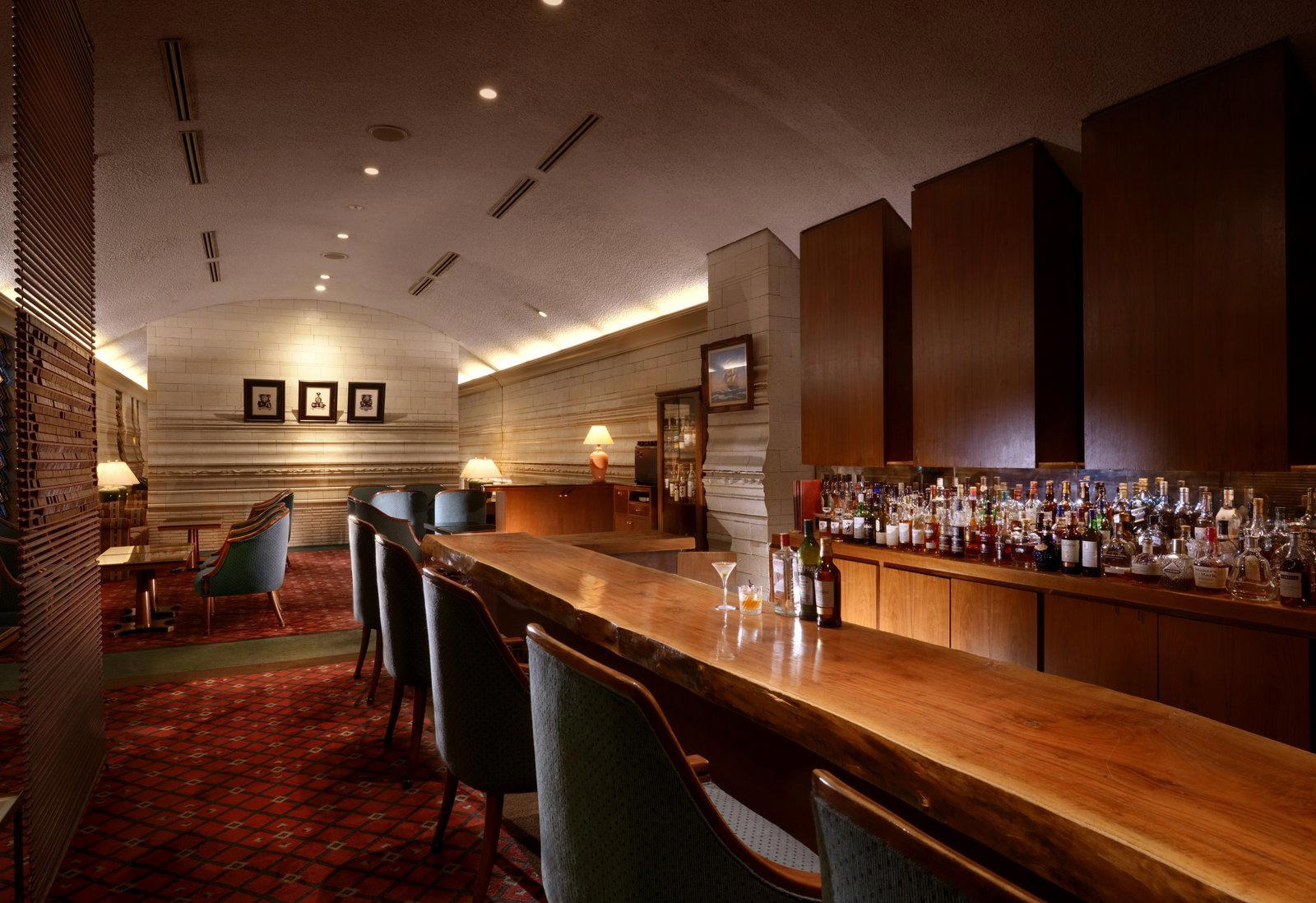
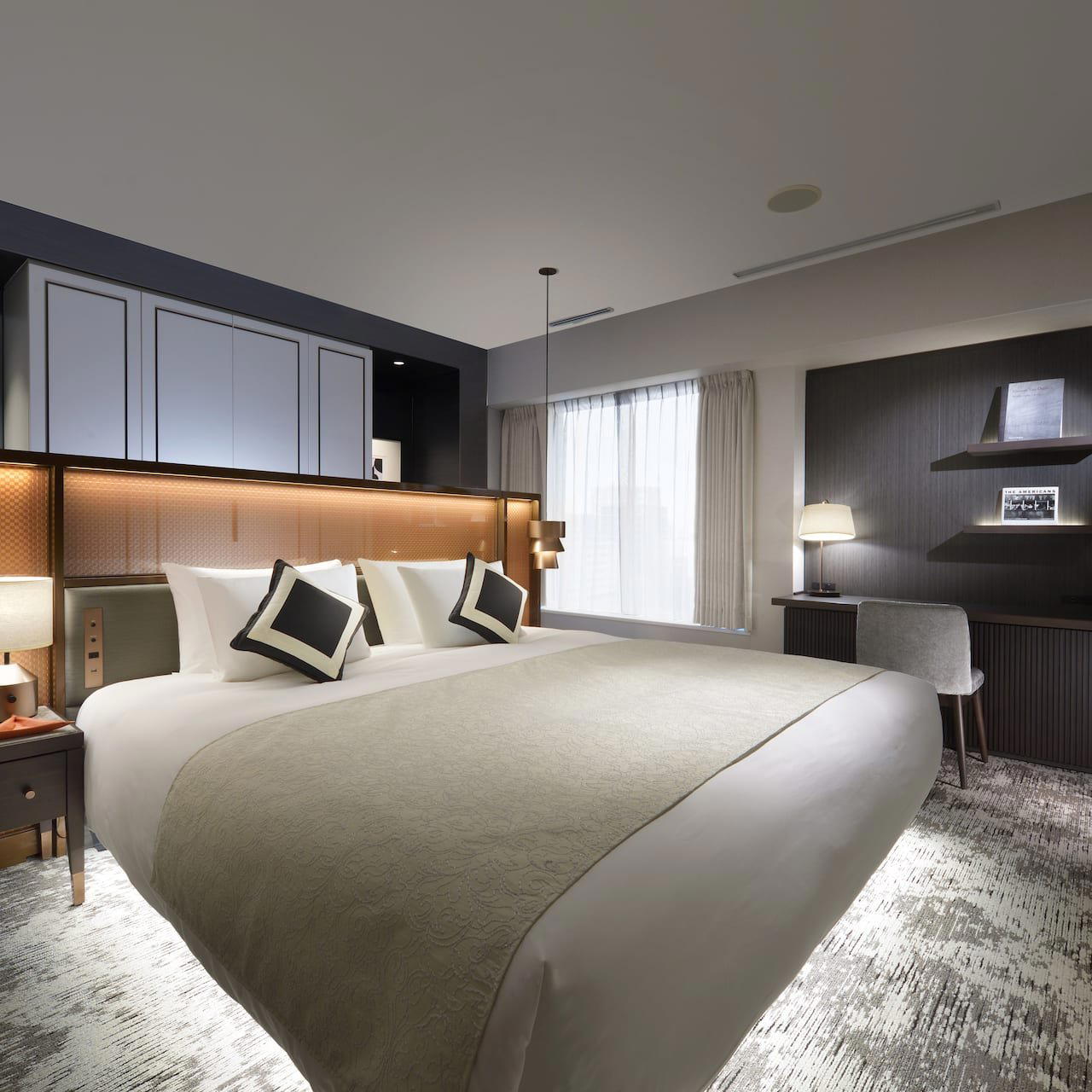
Intimate and purposeful with understated interiors, focused dining, quiet confident service, and lighting designed for comfort and privacy.