
Hanamaru Kichijitsu sits in Sakae’s Yaba-cho pocket, where Nagoya’s polished Japanese dining feels less ceremonial than Tokyo’s counter culture and more rooted in local evening rhythm. The draw is Japanese cuisine with seafood and creative leanings, backed by Tabelog Japanese Cuisine EAST 100 selections in 2023 and 2025.
Pearl is the En Primeur Club membership app — saves, bookings, and concierge access live there. Same editors, same standards.
- Address
- Japan, 〒460-0008 Aichi, Nagoya, Naka Ward, Sakae, 5 Chome−1, 21MLアシスト栄ビル1F
- Phone
- +81 52-261-1870
- Website
- hanamaru-kichijitsu.com
 Saves & bookings on Pearl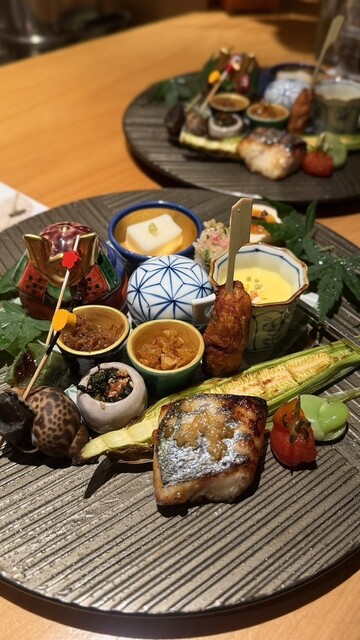
Yaba-cho gives Nagoya dining a different pulse from the station-side hotel restaurants and the department-store floors around Meieki. The streets around Sakae are denser, lower, and more evening-led: bars, small Japanese counters, and restaurants that make sense after offices empty and before the last subway becomes a calculation. In that setting, Hanamaru Kichijitsu reads less as a destination staged for travellers and more as part of the neighbourhood’s grown-up dinner circuit, where seafood, sake, and counter work carry more weight than spectacle.
Nagoya’s serious Japanese restaurants occupy a useful middle ground in Japan’s dining map. Tokyo sets the auction-house standard for high-price sushi and kaiseki scarcity; Kyoto owns the formal grammar of seasonality; Osaka prizes speed and appetite. Nagoya is quieter, but not casual. The better rooms here often reward diners who care about product and pacing rather than social proof. This is where a place with Japanese cuisine, seafood, and creative categories can make sense: not as fusion theatre, but as a local answer to the question of how formal a modern Japanese dinner needs to be.
Sakae's evening circuit suits a fish-led Japanese counter
The useful context is price tier and format. In Nagoya, dinner around the JPY 15,000 to JPY 19,999 bracket puts a Japanese restaurant into a serious but not stratospheric category, above everyday izakaya spending and below the rarified counters that compete directly with Tokyo’s hardest reservations. Hanamaru Kichijitsu sits in that tier while retaining the language of a compact Japanese room: counter seating, a non-smoking policy, and a drinks list oriented toward nihonshu, shochu, and wine.
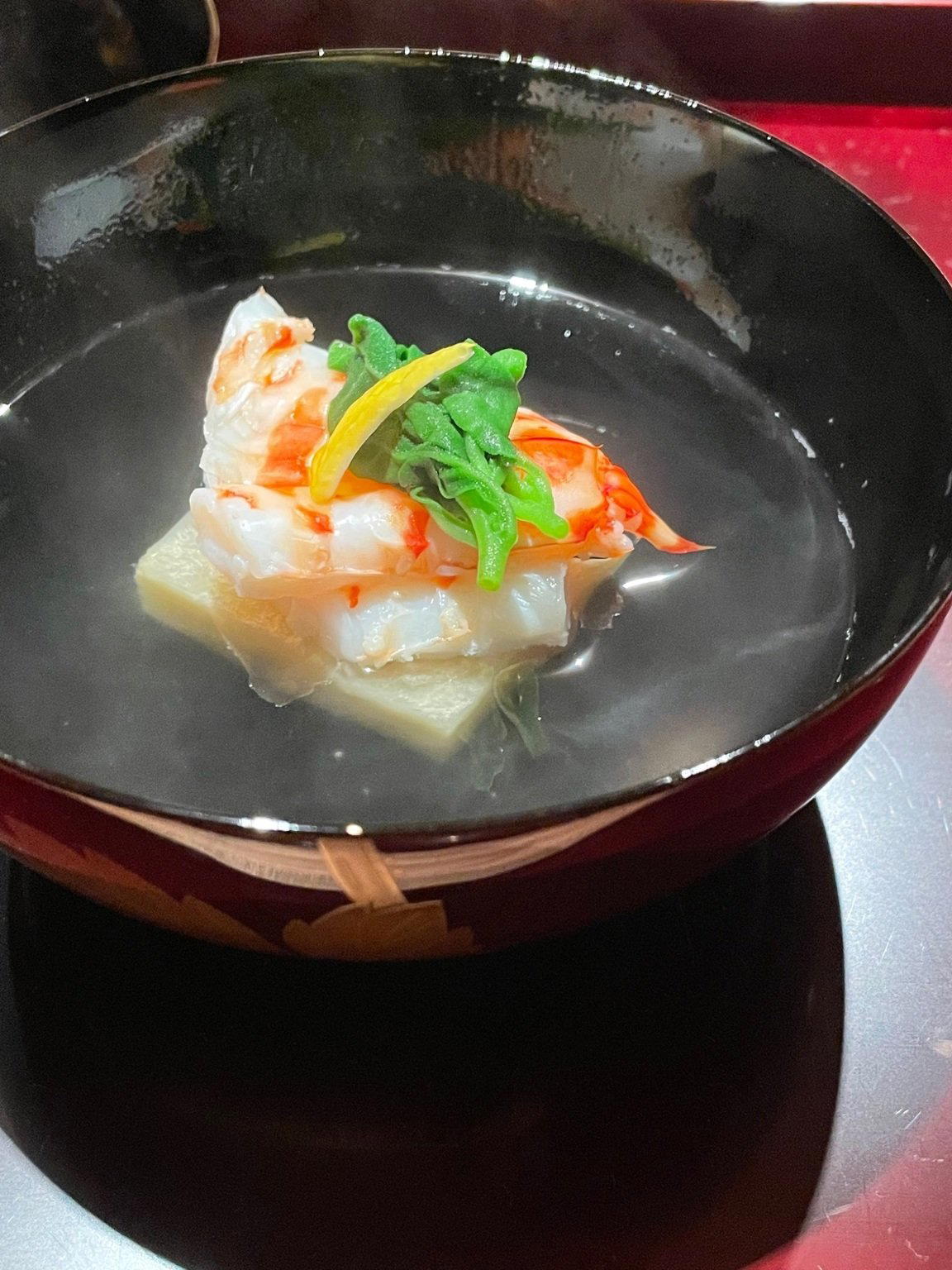
The counter matters because it changes the expectation. In a larger dining room, creative Japanese cooking can drift into decorative plating and diffuse service. At a counter, the cooking has less room to hide. Seafood handling, temperature, sequence, and portion rhythm become the experience. The available category note, “particular about fish,” is broad rather than menu-specific, but it tells the reader where to place the restaurant: closer to fish-led Japanese dining than to beef-led Nagoya comfort food or casual drinking food.
That distinction is useful for travellers comparing Nagoya options. Koran occupies a similar dinner spend, while kawaramachi hisaya ukiyo banare sits in a lower evening bracket and Sumiyaki Chicken Kababu belongs to a charcoal-chicken lane. Those are not interchangeable decisions. The choice here is for a more composed Japanese meal where seafood and drinks pairing logic are central, not for a quick local specialty crawl.
Tabelog recognition places it inside Japan's peer-reviewed hierarchy
Japan’s award culture is fragmented: Michelin covers only selected regions and categories, while local diners often treat Tabelog as a hard-edged reputational instrument. A score in the high threes carries more weight in Japan than many international travellers assume, because the platform’s scoring culture is conservative. Hanamaru Kichijitsu has a Tabelog score of 3.77 and was selected for Tabelog’s Japanese Cuisine EAST 100 in both 2023 and 2025. That is the trust signal here, and it is more relevant than importing a Michelin vocabulary that does not belong to the listing.
The EAST 100 selection also clarifies competitive set. This is not a general “Nagoya dining” accolade; it places the restaurant within a wider Japanese-cuisine field across eastern Japan. For a city often reduced by visitors to miso katsu, hitsumabushi, and station ramen, that matters. Nagoya’s higher-end Japanese dining is less exported as a brand than its comfort dishes, so recognition through a national Japanese-cuisine frame helps separate serious local counters from restaurants that simply happen to be convenient in Sakae.
There is another quiet signal in the timeline. The restaurant opened in 2021, then appeared in the Tabelog Japanese Cuisine EAST 100 by 2023 and again in 2025. In a category where older rooms often benefit from long local loyalty, that relatively short arc suggests quick traction among diners who judge Japanese cooking by consistency rather than novelty. The point is not youth for its own sake; it is that the room entered a demanding category fast enough to register beyond neighbourhood regulars.
How to place it within a Nagoya itinerary
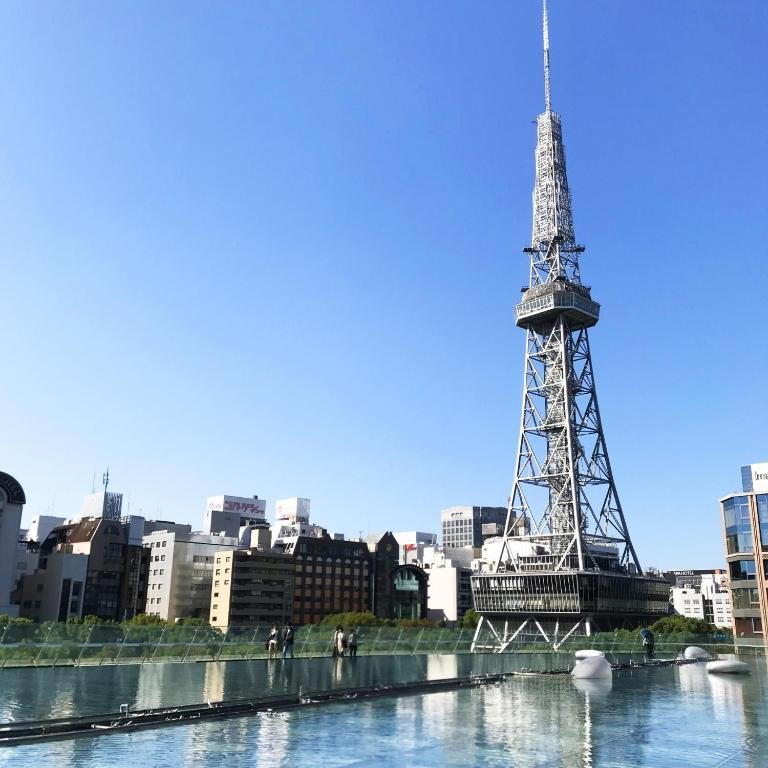
For visitors, Sakae works because it concentrates dinner, drinks, shopping, and late-evening movement without the sterility of a terminal district. Yaba-cho station access makes the area practical, but the reward is the neighbourhood texture: smaller buildings, side-street addresses, and a dining scene that becomes more interesting after dark. A seafood-forward Japanese counter here pairs naturally with a night kept in central Nagoya rather than a cross-city restaurant chase.
The better strategy is to treat this as the anchor meal in Sakae, then build the rest of the evening around proximity. Travellers comparing broader options can use Our full Nagoya restaurants guide for restaurant context, Our full Nagoya bars guide for later drinking, and Our full Nagoya hotels guide if staying near Sakae rather than Nagoya Station. Wider planning pages for Nagoya wineries and Nagoya experiences help when the trip extends beyond dinner.
Within EP Club’s Japan restaurant coverage, the comparison is less about cuisine matching than decision style. Diners weighing Nagoya against other Japanese cities can cross-reference 1022, 451, Aaron, Alan., and All Day Dining Montmartre for how different formats read in the city. For a broader national and overseas Japanese-food lens, see -Grilled beef Sukiyaki- KAMAKURA TANUKIAN 鎌倉 たぬき庵 in Kamakura. 鮪と炭火焼き うお炭 秋葉原店 in Tokyo.cafe in Osaka.know in Kumamoto, (Shoku) Vietnam in Kawasaki, [Curry Senmon Ten] Maruyama Kyoju. in Sapporo, Jōdo Saké Bar in Los Angeles, and Onigiri Time in Pasadena.
The editorial read is clear: choose the restaurant when the Nagoya meal should feel rooted in Sakae rather than engineered for sightseeing. Its strongest signals are not theatrical claims but category discipline, fish-led Japanese cooking, counter intimacy, and Tabelog recognition in a conservative national evaluation culture. That combination makes it a sharper choice for travellers who want Nagoya’s serious dining side without forcing the city into a Tokyo or Kyoto template.
A Lean Comparison
Comparable venues for context, by category and price tier.
| Venue | Cuisine | Price | Notes |
|---|---|---|---|
| Hanamaru KichijitsuThis venue — the venue you are viewing | Not listed | $$$$ | Not listed |
| Housa Saryo | Not listed | $$$$ | Chikusa, Seasonal Japanese Kaiseki with Uni Specialties |
| か茂免 | Not listed | $$$$ | Higashi, Traditional Japanese Kaiseki & Fugu |
| Taka Fuku Nagoya JR sentoraru tawāzu ten | Nakamura, Shabu-Shabu & Sukiyaki | $$$$ | Not listed |
| Sushi Isao | Higashi, Seasonal Sushi Omakase | $$$$ | Not listed |
| 橦木町 しみず | Higashi, Seasonal Gifu Kaiseki Omakase | $$$$ | Not listed |
Recognition history
Dated appearances from independent guides and award organizations, with the underlying list record or original source where available.
Tabelog 100 #63 · No. 63
Tabelog · Tabelog 100 - Japanese cuisine - EAST - 2025
Continue exploring
More in Nagoya
Restaurants in Nagoya
Browse all →
At a Glance
- Intimate
- Cozy
- Elegant
- Sophisticated
- Business Dinner
- Date Night
- Special Occasion
- Celebration
- Solo
- Chefs Counter
- Standalone
- Design Destination
- Sake Program
- Local Sourcing
- Sustainable Seafood
Current opening hours
- Monday
- Closed
- Tuesday
- 6–11 PM
- Wednesday
- 6–11 PM
- Thursday
- 6–11 PM
- Friday
- 6–11 PM
- Saturday
- 12–2 PM, 6–11 PM
- Sunday
- 12–2 PM, 6–11 PM
Hours can change for holidays and private events. Last verified .
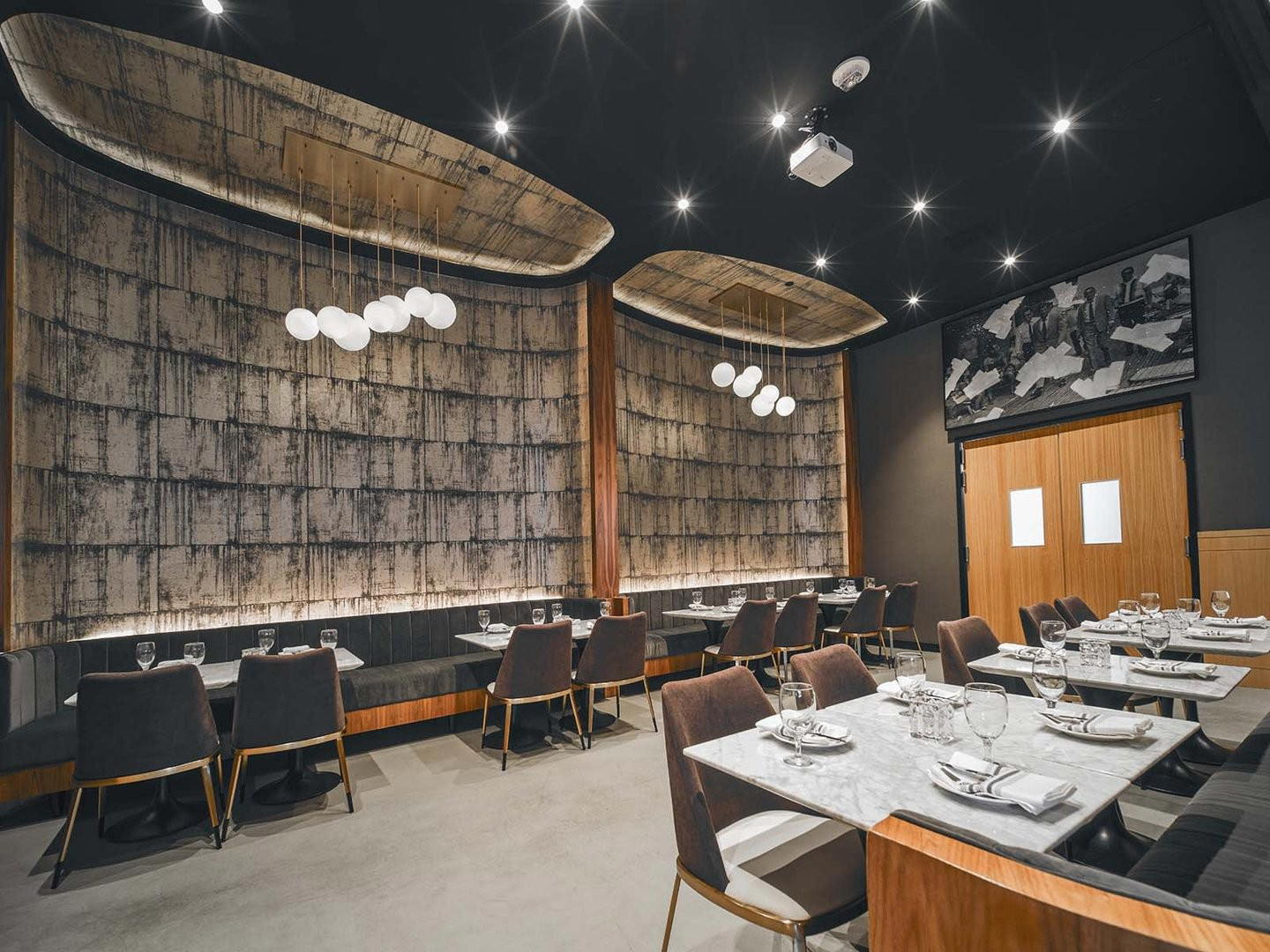
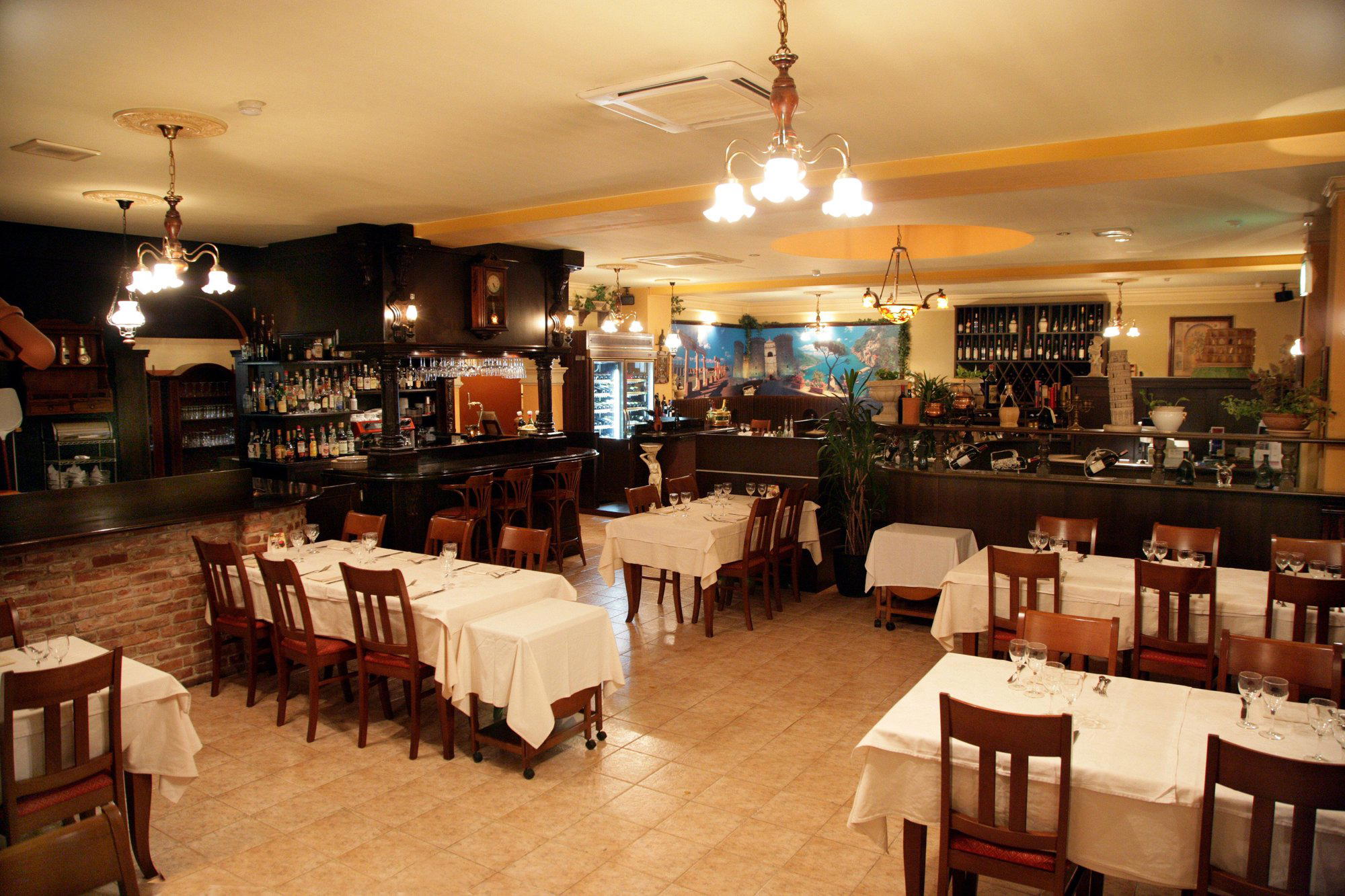
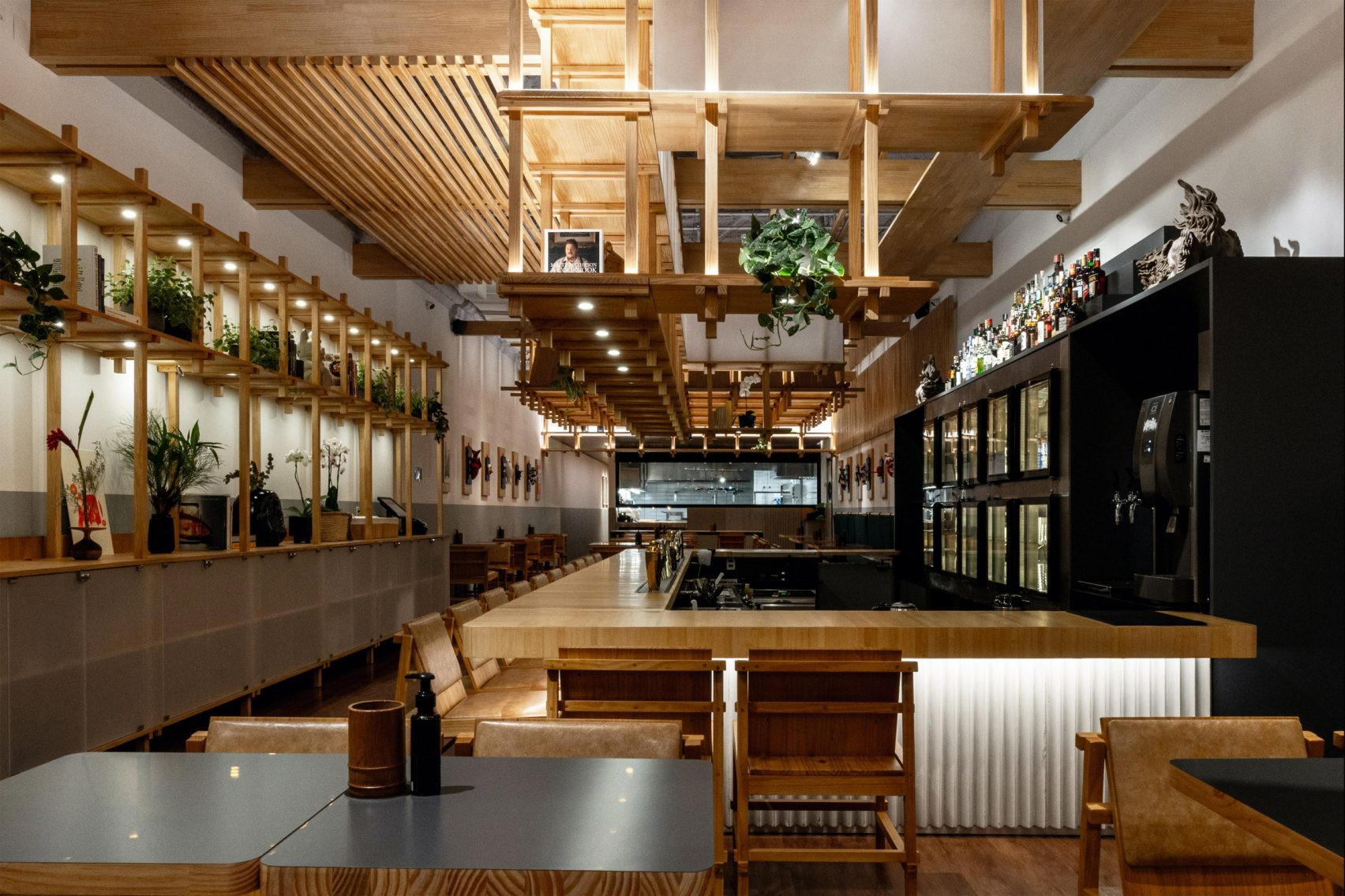
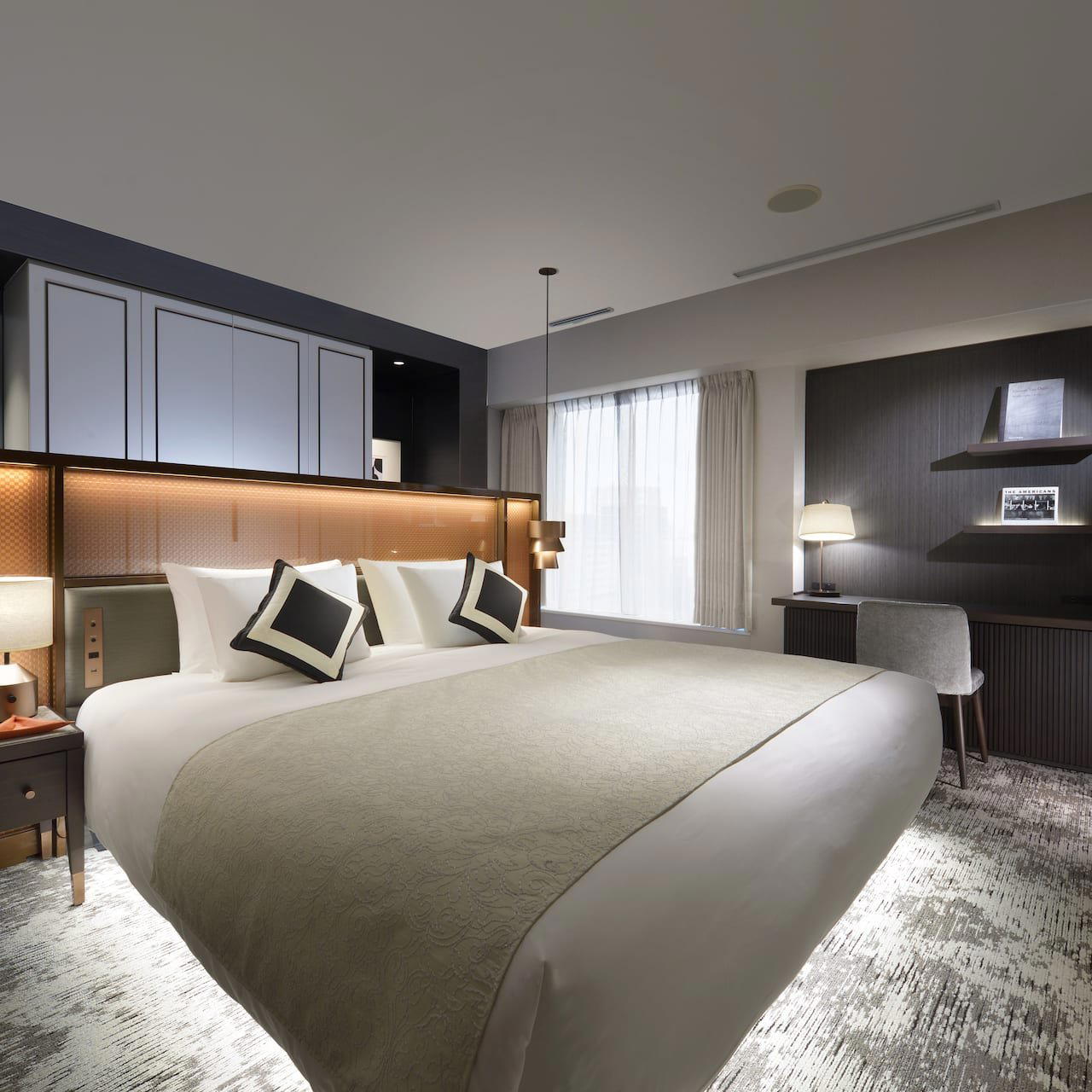
A softly lit, quietly elegant Japanese space with a warm counter-focused layout, limited seating, and a calm, refined atmosphere suited to business entertaining and special occasions rather than casual or noisy dining.