
Japanese cuisine Takamitsu brings Nagoya’s polished kappo register into a compact Izumi room where seafood, sake, and counter pacing matter more than spectacle. Its Tabelog Award 2026 Bronze recognition and 2025 selection for Tabelog Japanese cuisine EAST 100 place it in a serious national conversation, while the format remains intimate rather than grand.
Pearl is the En Primeur Club membership app — saves, bookings, and concierge access live there. Same editors, same standards.
- Address
- 3 Chome-21-12 Izumi, Higashi Ward, Nagoya, Aichi 461-0001, Japan
- Phone
- +81 80-4963-1222
- Website
- instagram.com
- Directions
- Get directions
 Saves & bookings on Pearl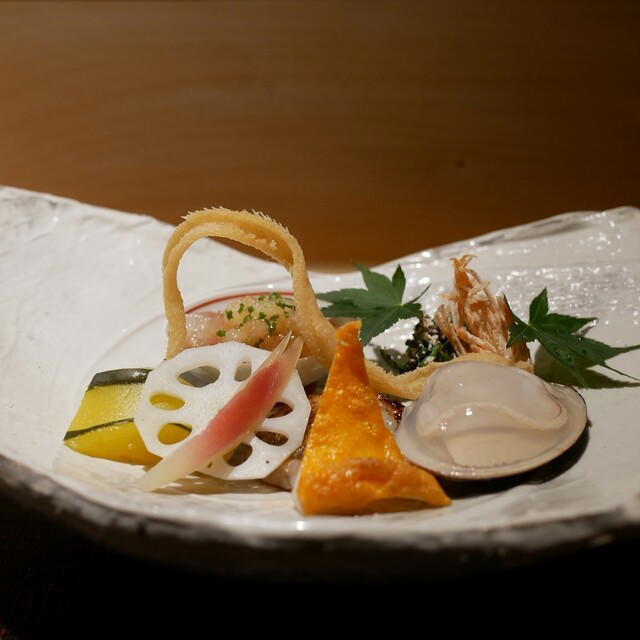
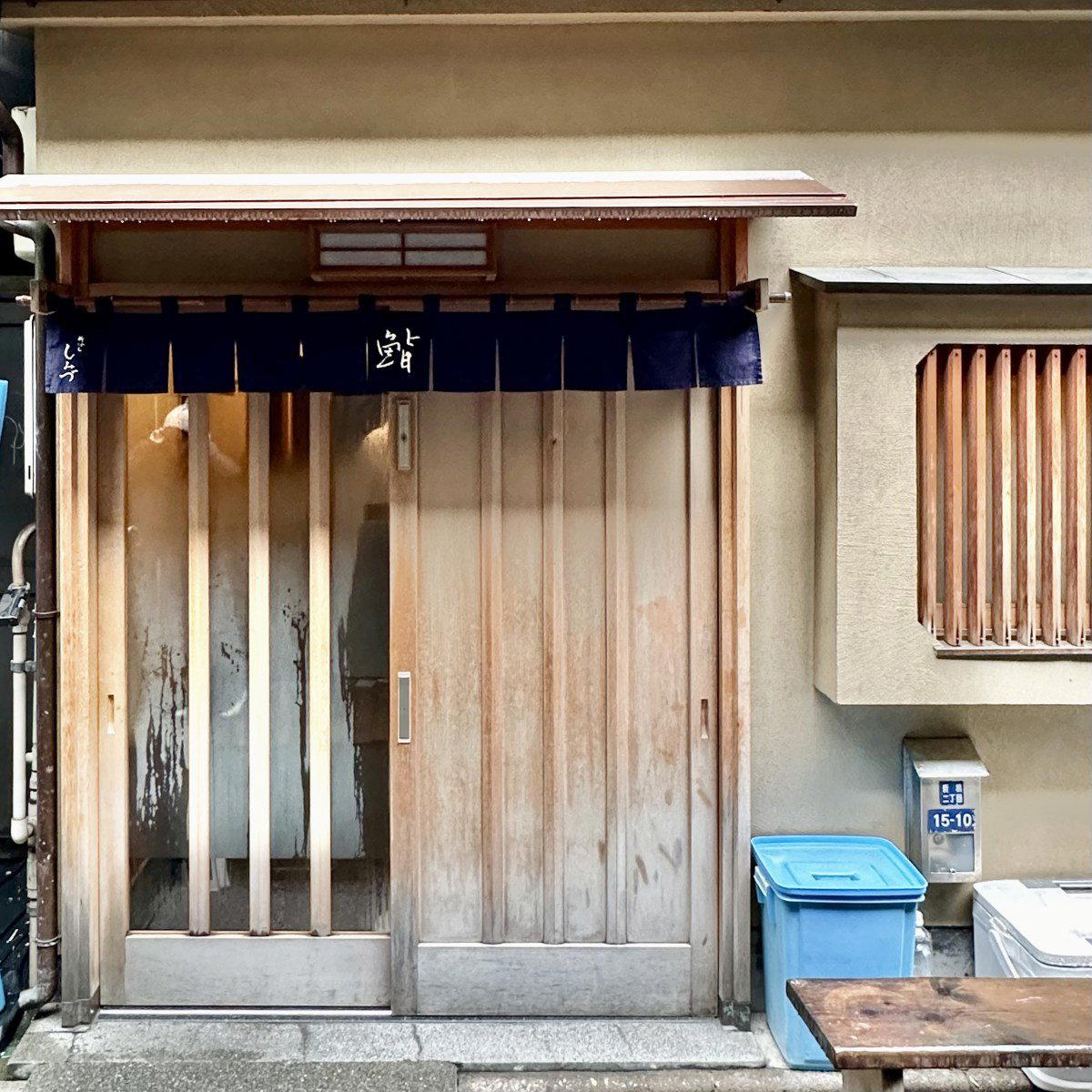
Izumi is not the Nagoya of station concourses and department-store dining floors. East of the commercial core, the mood turns residential and discreet: low-rise buildings, quieter blocks, and restaurants that ask guests to pay attention rather than arrive for theatre. Here, the small Japanese counter has force. Conversation sits close to the cooking, sake sets the social rhythm, and seafood becomes a measure of restraint rather than abundance.
Nagoya’s dining identity is often reduced to miso katsu, hitsumabushi, and tebasaki, but its higher register is more layered. Kappo and seafood-led Japanese cuisine work apart from the city’s casual drinking culture, yet borrow its idea that eating and drinking are inseparable. The better rooms are built for pacing, not display: a counter seat, a table for a small group, a bottle shared across courses. This is where Nagoya’s izakaya instincts meet formal Japanese cooking.
Seafood-led Japanese cooking with the intimacy of a drinking room
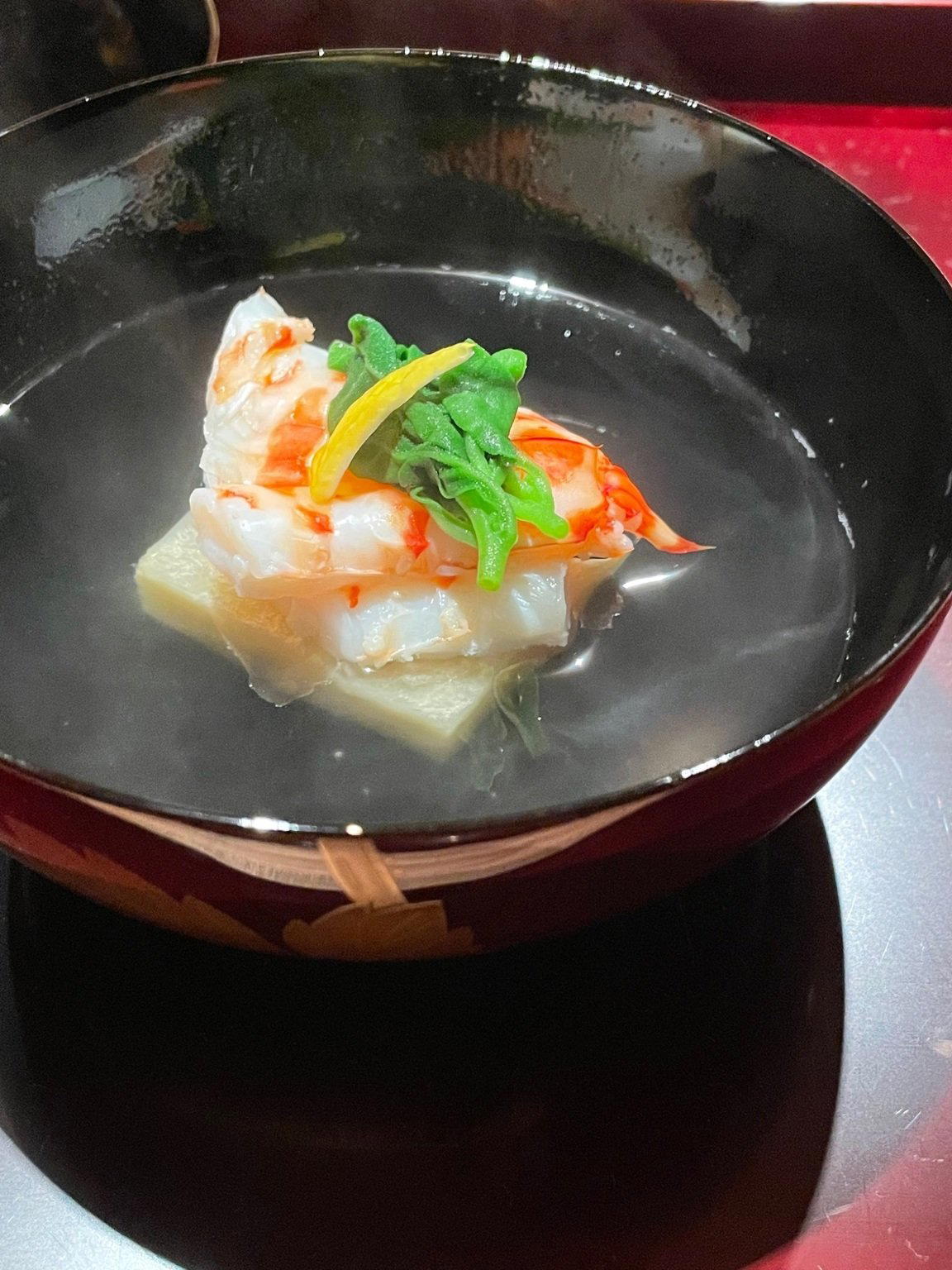
Japanese cuisine Takamitsu belongs to the compact Nagoya category where seafood carries the meal and the room stays deliberately small. It is listed for Japanese cuisine and seafood, with sake, shochu, and wine forming the drinks frame. In Japan, that combination signals a meal moving between precision and sociability, closer to kappo than to a Western tasting-menu template.
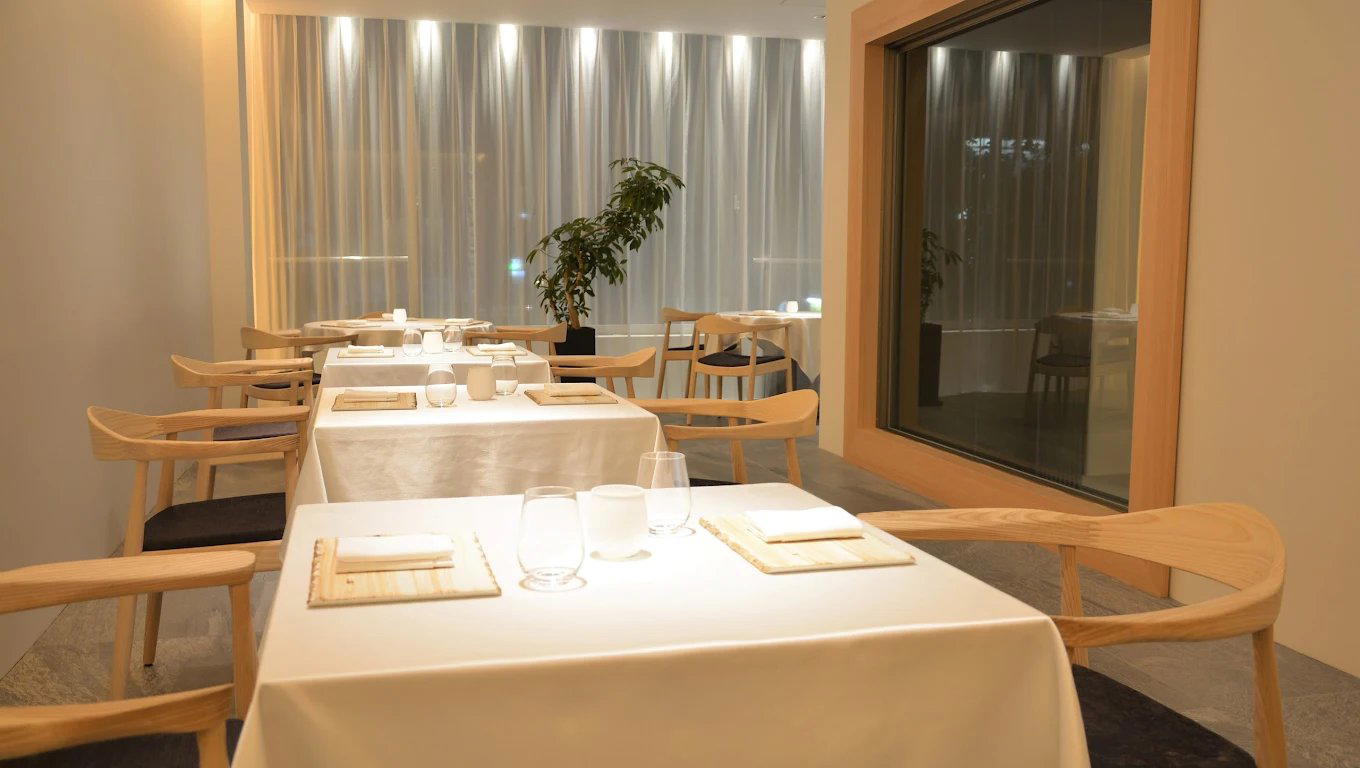
The counter is the key cultural reference. In a city where serious meals still value privacy and business discretion, a six-seat counter changes the energy, placing guests near the work without turning the chef into a performer. A six-person private room gives the restaurant a second mode, useful for groups wanting the Japanese-course structure without full counter exposure. That split between counter and enclosed table is common in premium Japanese dining, but especially useful in Nagoya, where expense-account and local-regular culture often prizes control of the room as much as the plate.
The izakaya comparison should not be taken literally. This is not a drop-in drinking house, and its recognition profile sits well above casual seafood counters. The point is social architecture. Japanese dining at this level can become rigid when too hushed; the better Nagoya examples keep the pleasure of shared drinking while disciplining the food. Takamitsu’s fish focus and drinks range make the meal an extended conversation rather than isolated courses.
Why the Tabelog recognition matters in Nagoya
Tabelog is not a casual popularity contest at this tier. A 2026 Bronze award and selection for Tabelog Japanese cuisine EAST 100 in 2025 put the restaurant in a field beyond Aichi, within the broader eastern Japan Japanese-cuisine category. For travellers, that matters because Nagoya fine dining is less internationally legible than Tokyo or Kyoto. Awards and scores become navigational tools, not decoration.
The 4.12 Tabelog score is part of the same signal. In Japan, numbers above four are rare enough to suggest a serious local following and consistent diner response. The meal should not be read through ranking culture alone; the score means the address has moved beyond promising local opening into a demanding competitive set, where small-room Japanese cuisine is judged against established counters across the region.
The distinction helps compare city expectations. Tokyo often prices and frames counter dining around scarcity. Kyoto leans on season, ceremony, and inherited form. Nagoya’s stronger meals tend to feel more private, businesslike, and less performative, with less pressure to explain themselves to visitors. Takamitsu fits that pattern: a compact room in Higashi Ward, seafood at the centre, and recognition strong enough to matter beyond neighbourhood dining.
For a seafood comparison outside Nagoya, Ogitani, Japanese Cuisine, Seafood in Amagasaki sits in a lower listed price band, framing Takamitsu as the costlier, more awarded expression of a similar Japanese-cuisine-and-seafood lane. The point is not declaring a winner, but clarifying the choice: one is a useful regional reference point; the other asks for higher commitment and carries a stronger awards signal.
How to place it in a Nagoya itinerary
The case for building an evening around this restaurant is not novelty, but how it broadens the common reading of Nagoya. A traveller who only eats the city’s famous comfort dishes leaves with a partial picture. A seafood-led Japanese meal in Izumi shows another Nagoya: quieter, more formal, and shaped by small-group dining rituals. It suits guests who like sake-led conviviality but want sharper cooking and a calmer room than a conventional izakaya provides.
The location suits a slower night rather than a rapid crawl. Izumi and the Takaoka area are better approached as a contained evening, especially when pairing the meal with sake or wine. Parking is not part of the restaurant’s offer, so the practical move is rail or taxi, then a measured return toward Sakae, Nagoya Station, or a hotel bar. For broader planning, use Our full Nagoya restaurants guide, Our full Nagoya hotels guide, Our full Nagoya bars guide, Our full Nagoya wineries guide, and Our full Nagoya experiences guide as the wider city frame.
Within EP Club’s Japan coverage, it belongs beside smaller, category-specific addresses rather than broad tourist dining. Readers comparing formats can cross-reference 1022, 451, Aaron, Alan. and All Day Dining Montmartre for different Nagoya registers. Further afield, -Grilled beef Sukiyaki- KAMAKURA TANUKIAN 鎌倉 たぬき庵 in Kamakura. 鮪と炭火焼き うお炭 秋葉原店 in Tokyo.cafe in Osaka.know in Kumamoto, (Shoku) Vietnam in Kawasaki, [Curry Senmon Ten] Maruyama Kyoju. in Sapporo, and Jōdo Saké Bar in Los Angeles help map how Japanese dining formats shift by city, price, and drinking culture.
The editorial verdict is simple: this is a serious Nagoya choice for diners who value small-room Japanese cuisine, seafood focus, and sake-compatible pacing over spectacle. The awards record gives it credibility; the room size gives it tension. In a city often misunderstood as casual and hearty above all else, that combination is the point.
How Japanese cuisine Takamitsu Nagoya compares with similar nearby venues.
| Venue | Cuisine | Price | Awards |
|---|---|---|---|
| Japanese cuisine Takamitsu | Japanese Cuisine, Seafood | JPY 20,000 - JPY 29,999 JPY 20,000 - JPY 29,999 | Tabelog Bronze #446 (2026), Tabelog 100 #23 (2025) |
| Kamisono | Not listed | JPY 8,000 - JPY 9,999 | Not listed |
| Onkui Sekio | Not listed | JPY 15,000 - JPY 19,999 | Not listed |
| Shuanxi Linman | Not listed | JPY 6,000 - JPY 7,999 | Not listed |
| Taylor Tail | Not listed | JPY 999 | Not listed |
| Ogitani | Japanese Cuisine, Seafood | JPY 15,000 - JPY 19,999 | Not listed |
Recognition history
Dated appearances from independent guides and award organizations, with the underlying list record or original source where available.
Tabelog Bronze #446
Tabelog
Tabelog 100 #23 · No. 23
Tabelog · Tabelog 100 - Japanese cuisine - EAST - 2025
At a Glance
- Elegant
- Sophisticated
- Intimate
- Special Occasion
- Business Dinner
- Sake Program
- Sustainable Seafood
Current opening hours
- Monday
- 12–2:30 PM, 6–9:30 PM
- Tuesday
- 12–2:30 PM, 6–9:30 PM
- Wednesday
- 12–2:30 PM, 6–9:30 PM
- Thursday
- 12–2:30 PM, 6–9:30 PM
- Friday
- 12–2:30 PM
- Saturday
- 12–2:30 PM, 6–9:30 PM
- Sunday
- 12–2:30 PM, 6–9:30 PM
Hours can change for holidays and private events. Last verified .
Refined counter and table seating in an intimate 12-seat space suitable for special dining experiences.
Know Before You Go
- Reservations
- Essential
- Dress code
- Smart casual
- Getting there
- 3 Chome-21-12 Izumi, Higashi Ward, Nagoya, Aichi 461-0001, Japan