
1 Michelin Key
A Michelin One Key-rated boutique hotel in Nagoya's Sakae district, TIAD (Tomorrow Is Another Day) occupies a city-centre address with direct views over Hisaya Odori Park. Part of Marriott's Autograph Collection, its 150 rooms combine minimalist interiors with a spa, gym, and two in-house restaurants: the international Table for Tomorrow and the omakase counter Shuhari. Rates from $328 per night.

Pearl is the En Primeur Club membership app — saves, bookings, and concierge access live there. Same editors, same standards.
- Address
- 5-chōme-15-19 Sakae, Naka Ward, Nagoya, Aichi 460-0008
- Phone
- +81 52-252-2288
- Website
- marriott.com
- Directions
- Get directions
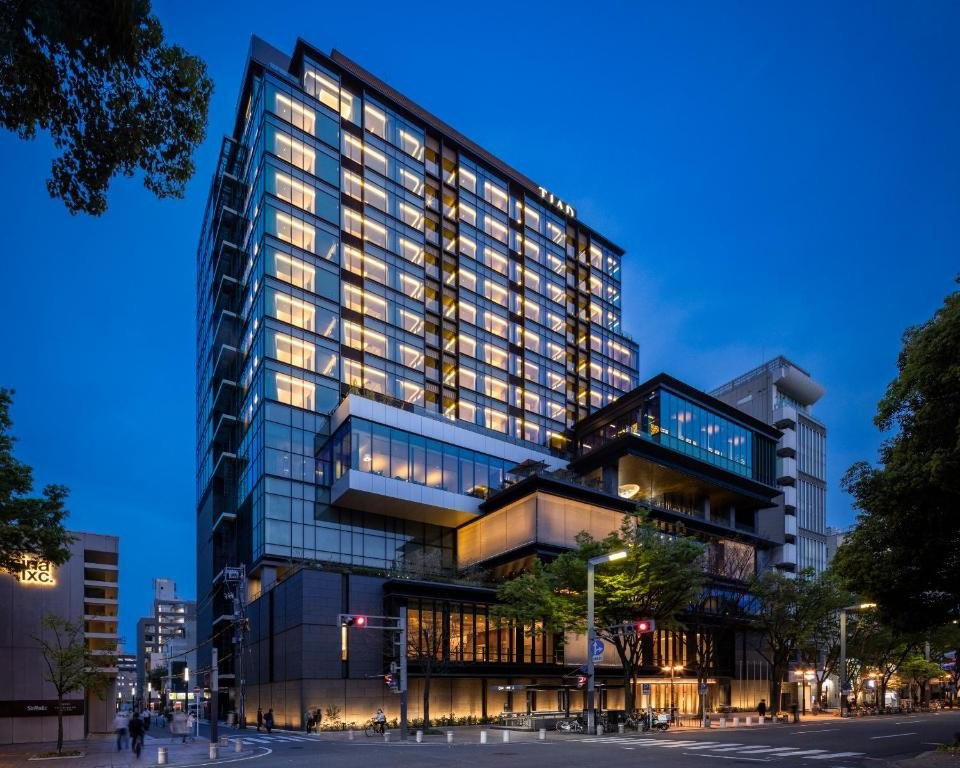
Green Space, City Center: How TIAD Repositioned Nagoya's Boutique Hotel Tier
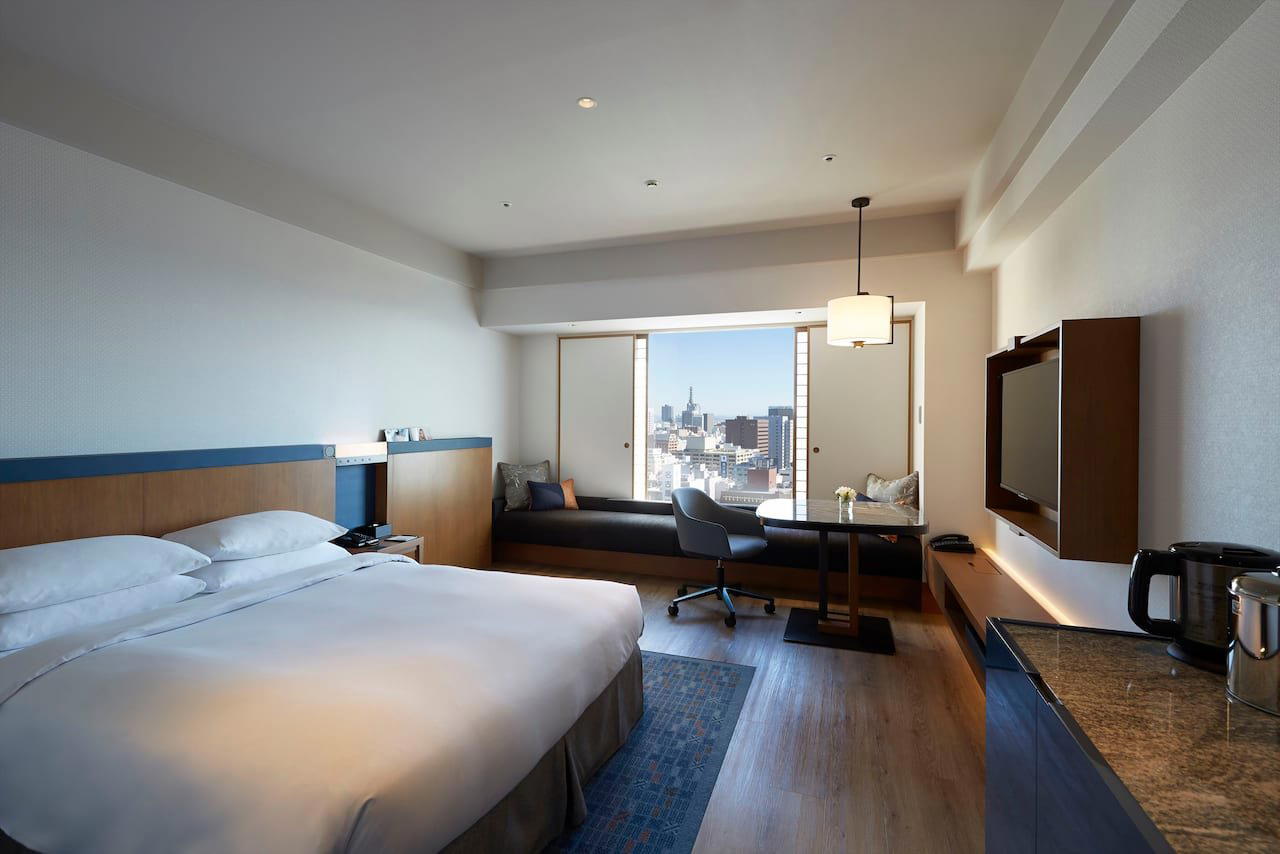
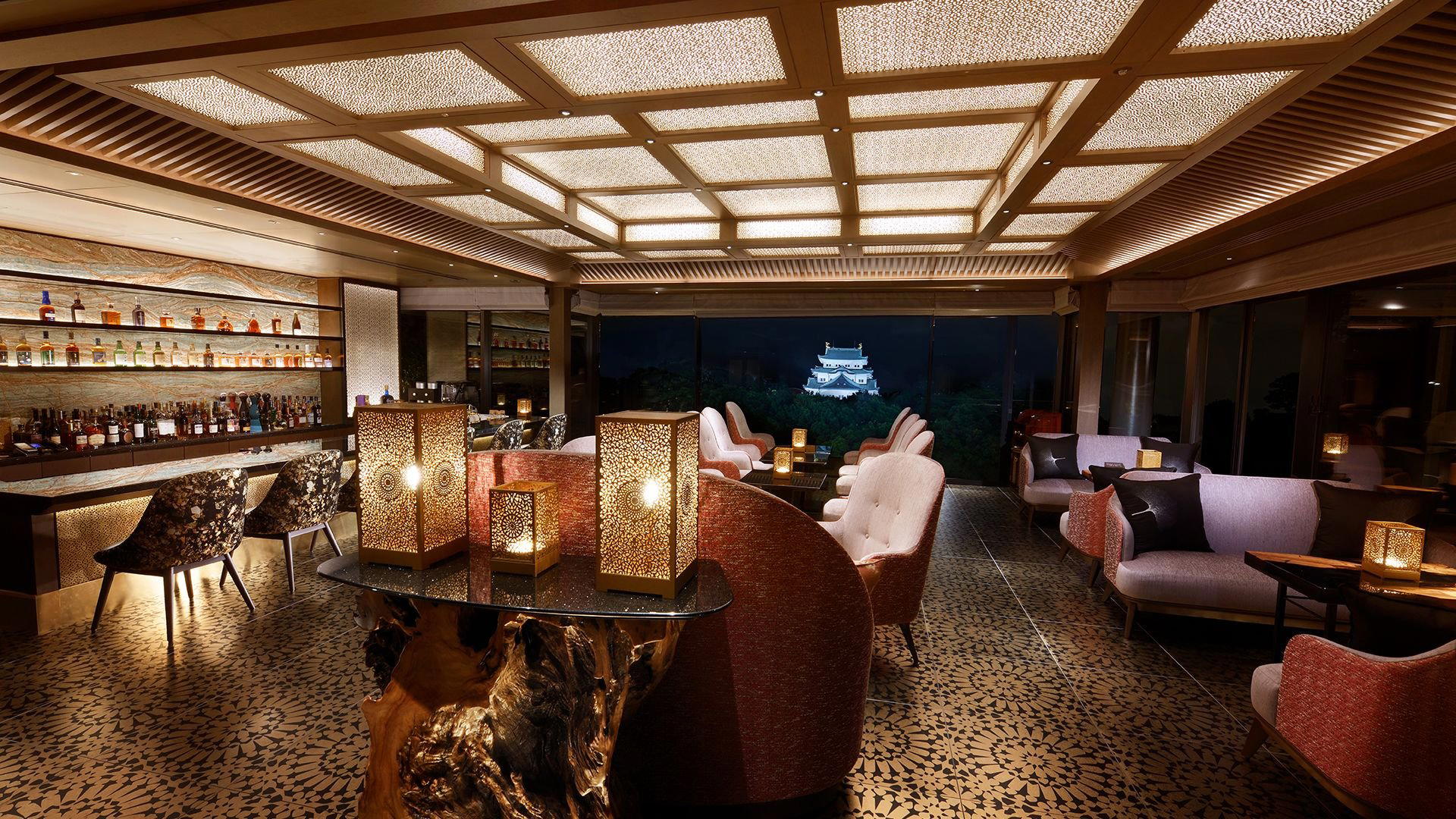
Hisaya Odori Park runs through the spine of central Nagoya like a long breath held between tower blocks. Arriving at TIAD, Autograph Collection at 5-chome-15-19 Sakae, the orientation is immediately different from most city-center hotels in Japan's fourth-largest metropolis: the view out is park-facing rather than traffic-facing, and the property draws a degree of calm from that alignment that most urban hotels in this price bracket have to manufacture through interior design alone. Here, the design reinforces what the geography already provides.
Nagoya's boutique hotel tier has expanded meaningfully over the past decade. The city's manufacturing and commercial identity once made it a functional stopover rather than a destination stay, but that profile has shifted as the city's food scene, design culture, and transit connections attracted longer-dwell visitors. TIAD entered this reconfigured market as part of Marriott's Autograph Collection, a brand framework that signals operator-level professionalism while preserving individual property character. Within Nagoya's upper-mid and premium segments, that combination of brand-backed reliability and boutique personality places TIAD in a distinct competitive position against both the large international flagships and the smaller independent properties.
The property earned a Michelin One Key designation in 2024, placing it in the company of properties that Michelin's travel evaluators consider worth a special journey. That designation is not given to properties on volume or brand recognition alone; it reflects a judgment about the overall quality of the stay experience, from physical environment to service consistency. At 150 rooms and with a starting rate around $328 per night, TIAD occupies the premium end of Nagoya's market without reaching into the stratospheric pricing of Japan's more rarefied ryokan and resort tier.
The Architecture of the Name
TIAD stands for Tomorrow Is Another Day, a phrase that carries a forward-looking optimism without being heavy-handed about it. The name reflects a design and hospitality philosophy oriented toward what a city can become rather than what it has historically been, which is an interesting stance for a property whose editorial angle is largely about context and placement. Nagoya is a city with deep industrial heritage, significant historical reconstruction after wartime damage, and a culinary tradition that is genuinely distinct from Tokyo or Osaka. A hotel that orients toward the future rather than heritage tourism sits in creative tension with that layered past.
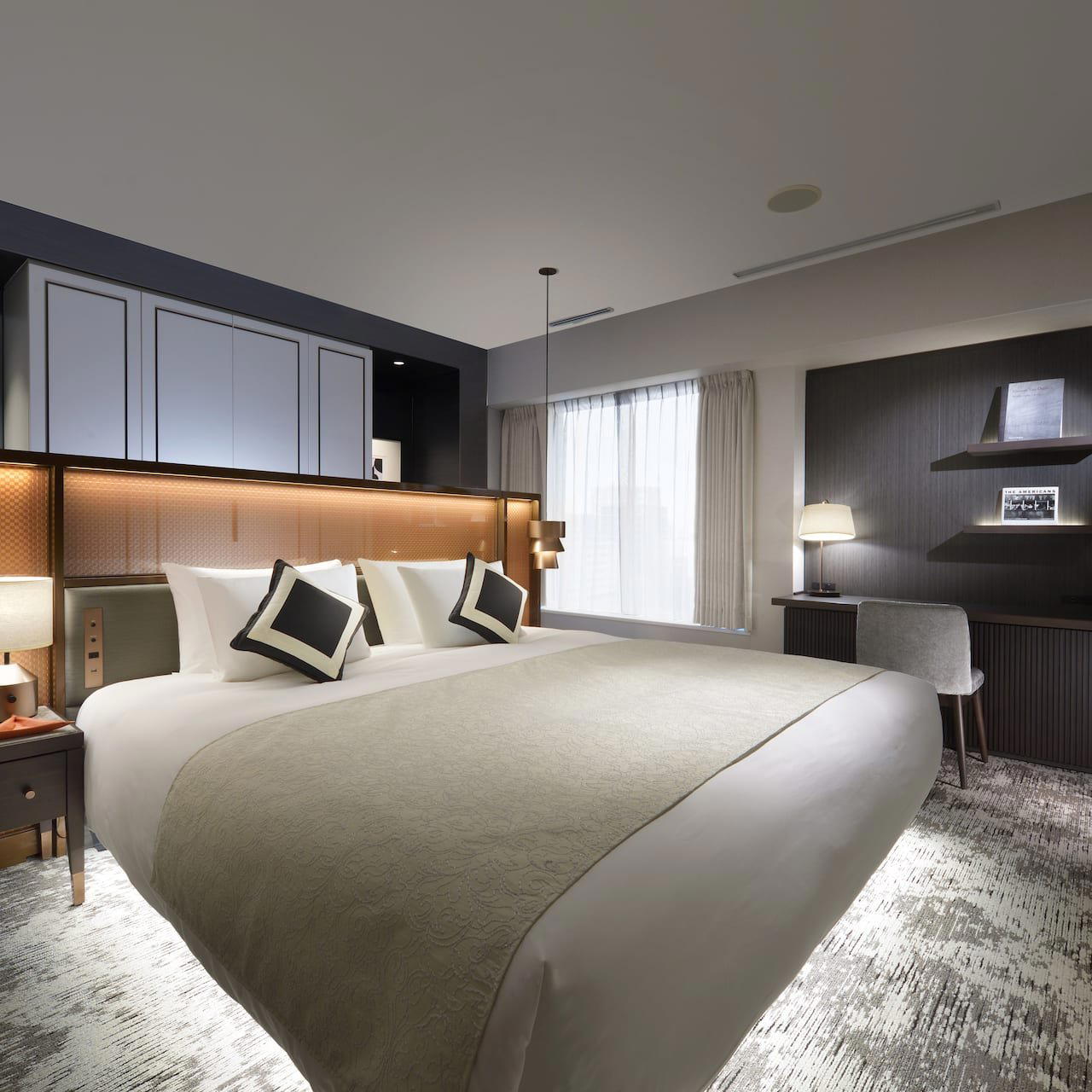
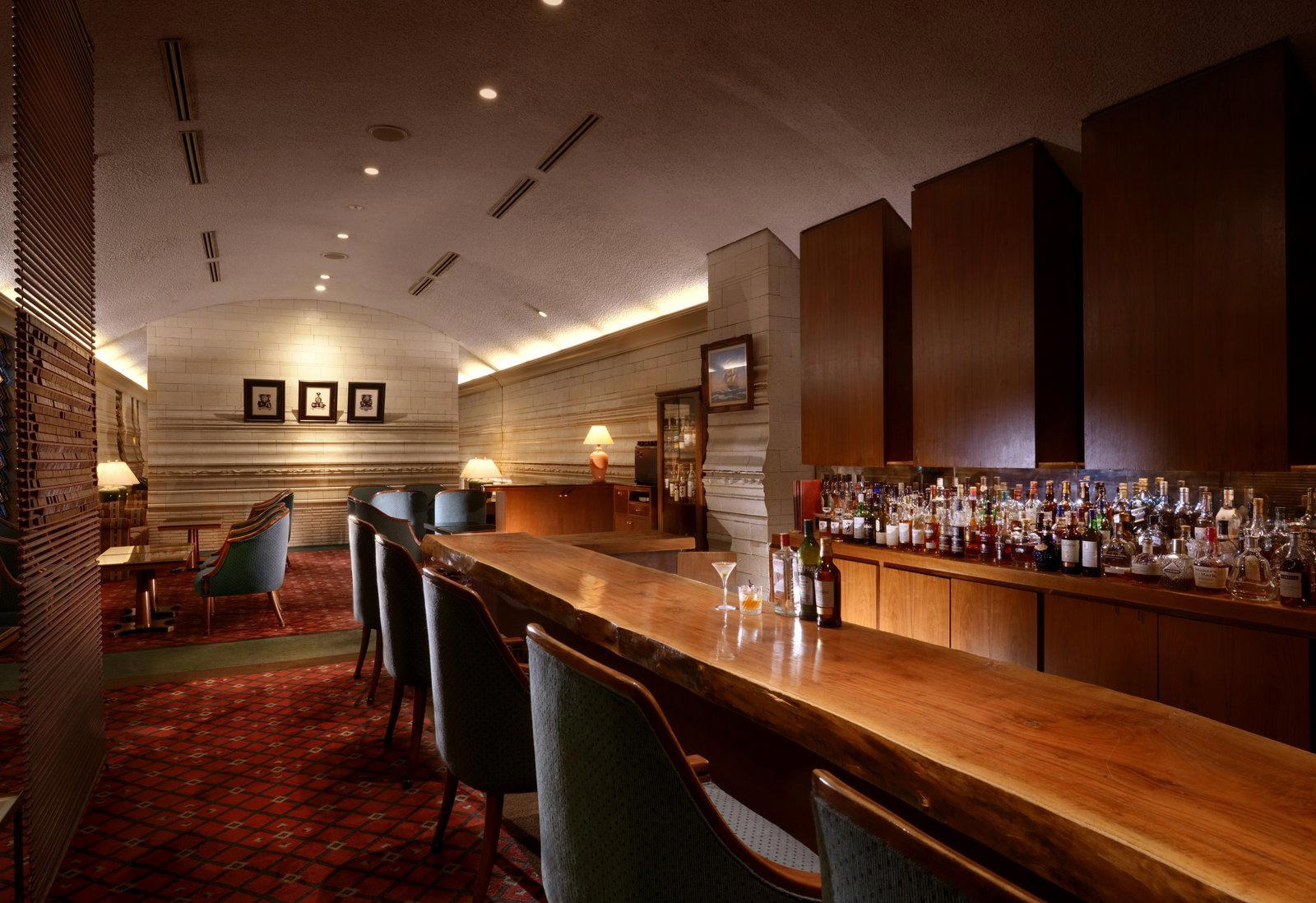
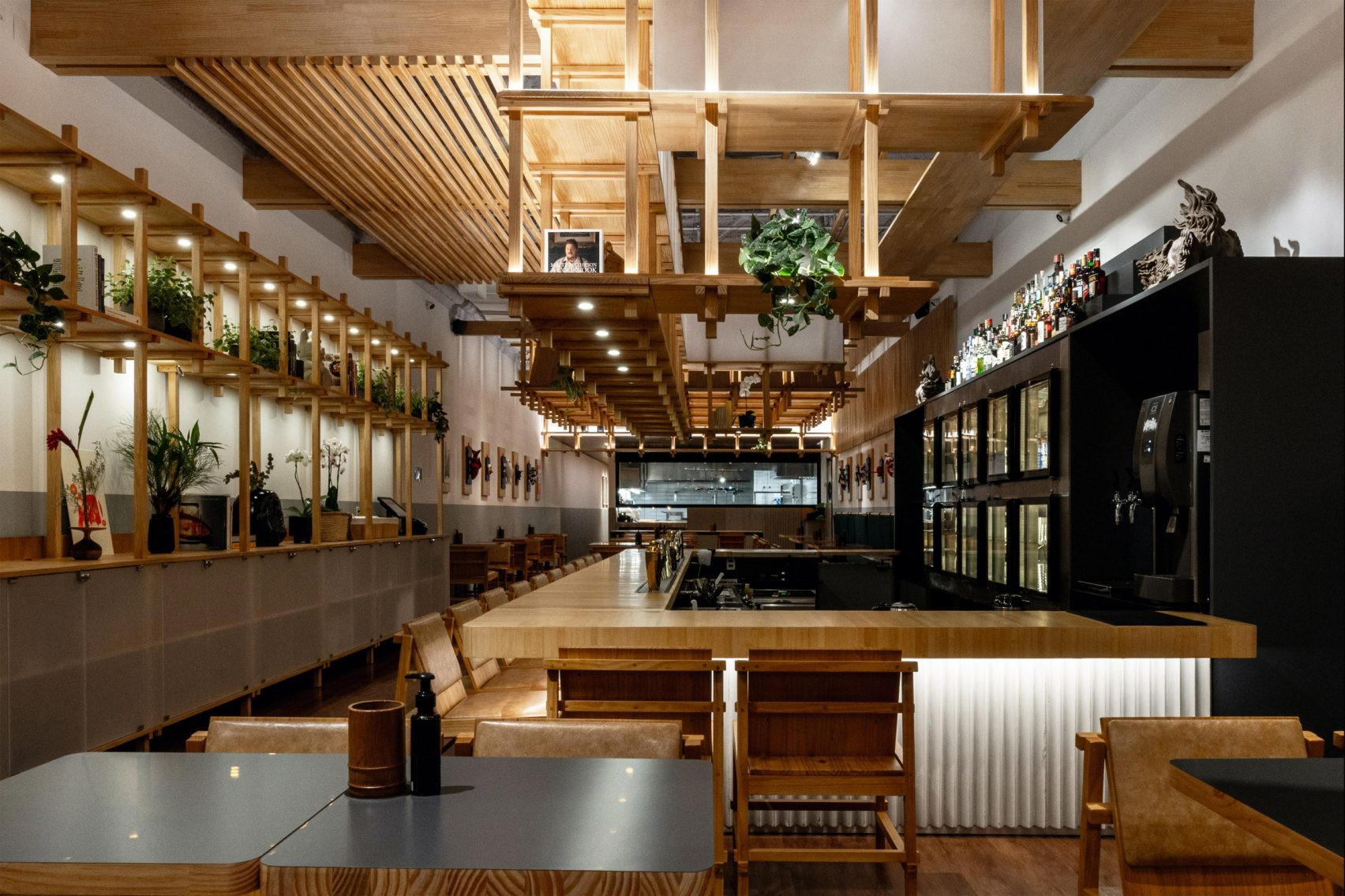
The interiors are minimalist in character, but minimalism in contemporary Japanese hospitality typically means considered restraint rather than cold reduction. Soothing rather than aggressive, the aesthetic aligns with a broader trend in Japan's design-forward hotel sector toward spaces that reduce visual noise without sacrificing warmth. This approach appears across properties at different price points in Japan, from smaller design ryokans to urban boutiques, suggesting that the market has absorbed the visual language thoroughly enough that execution quality and detail now differentiate within the minimalist category rather than the category choice itself.
Two Restaurants, Two Registers
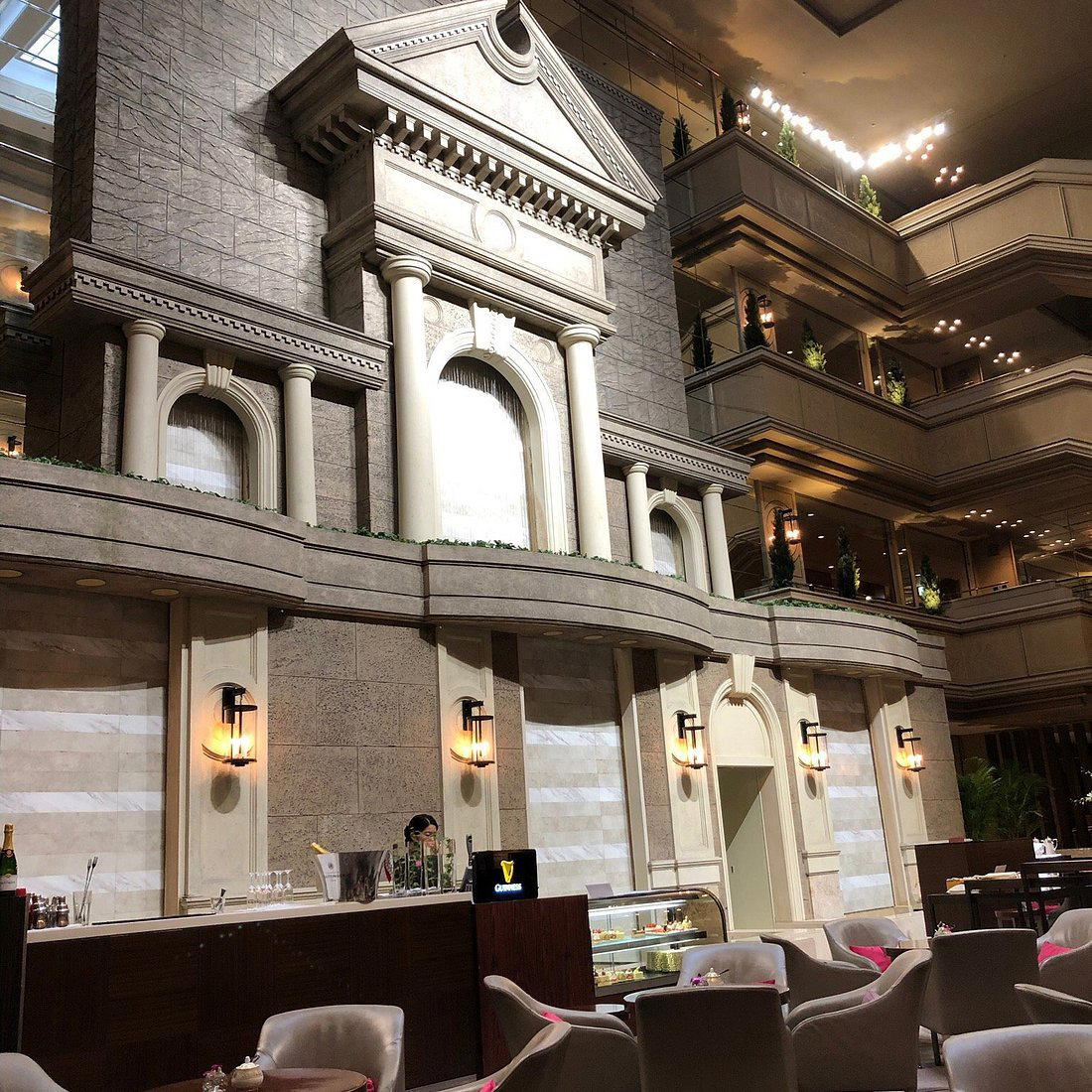
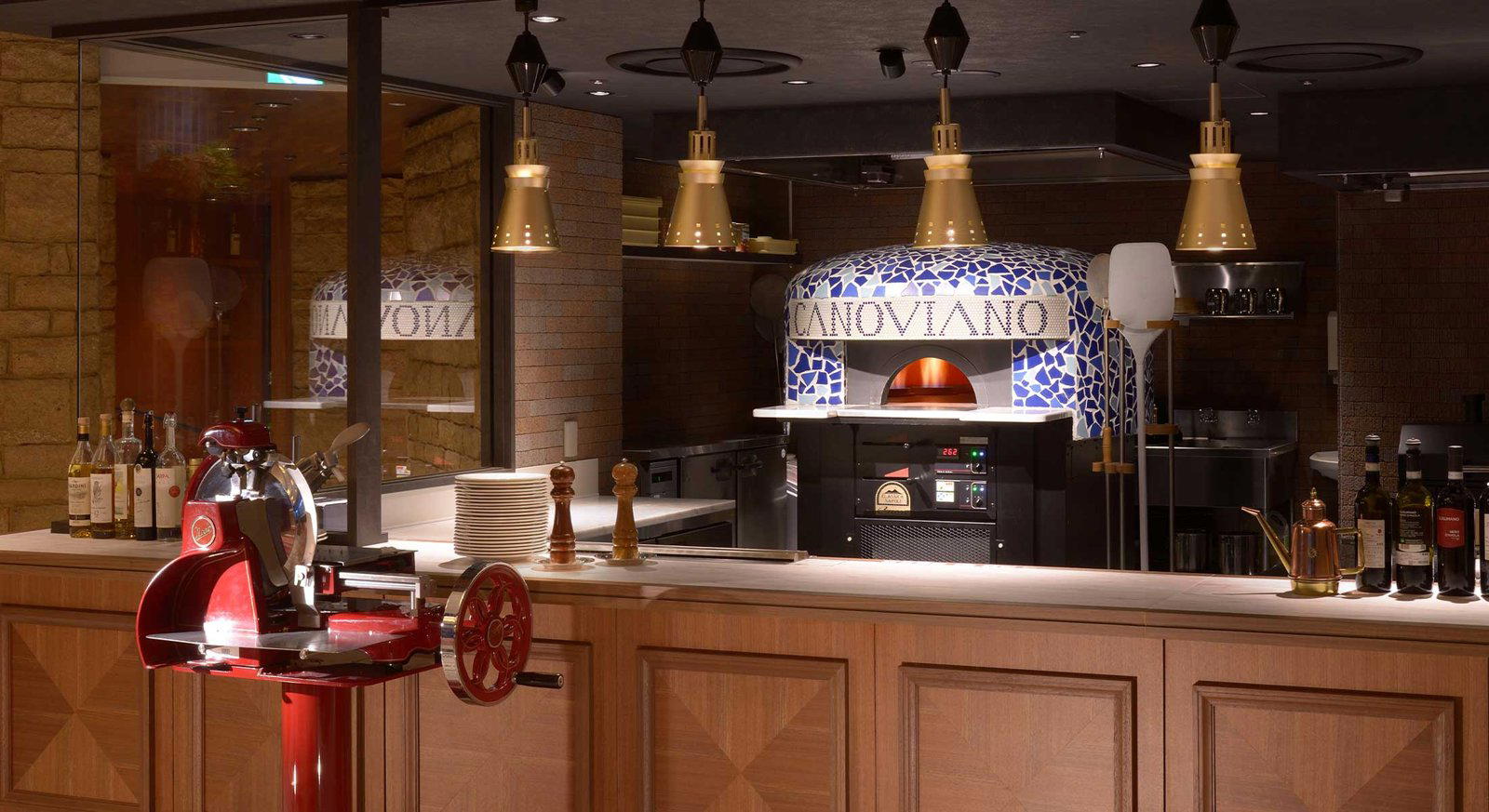
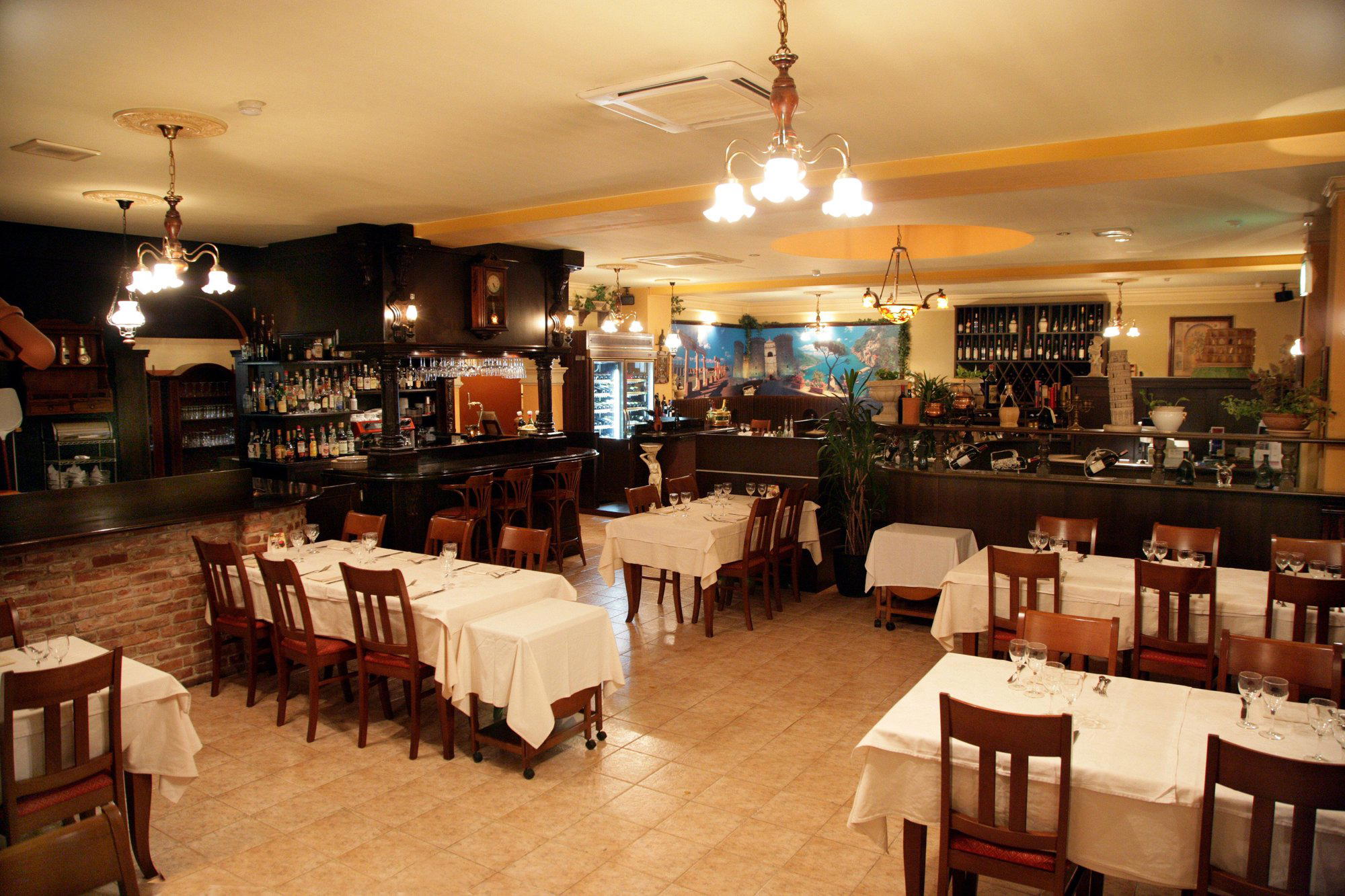
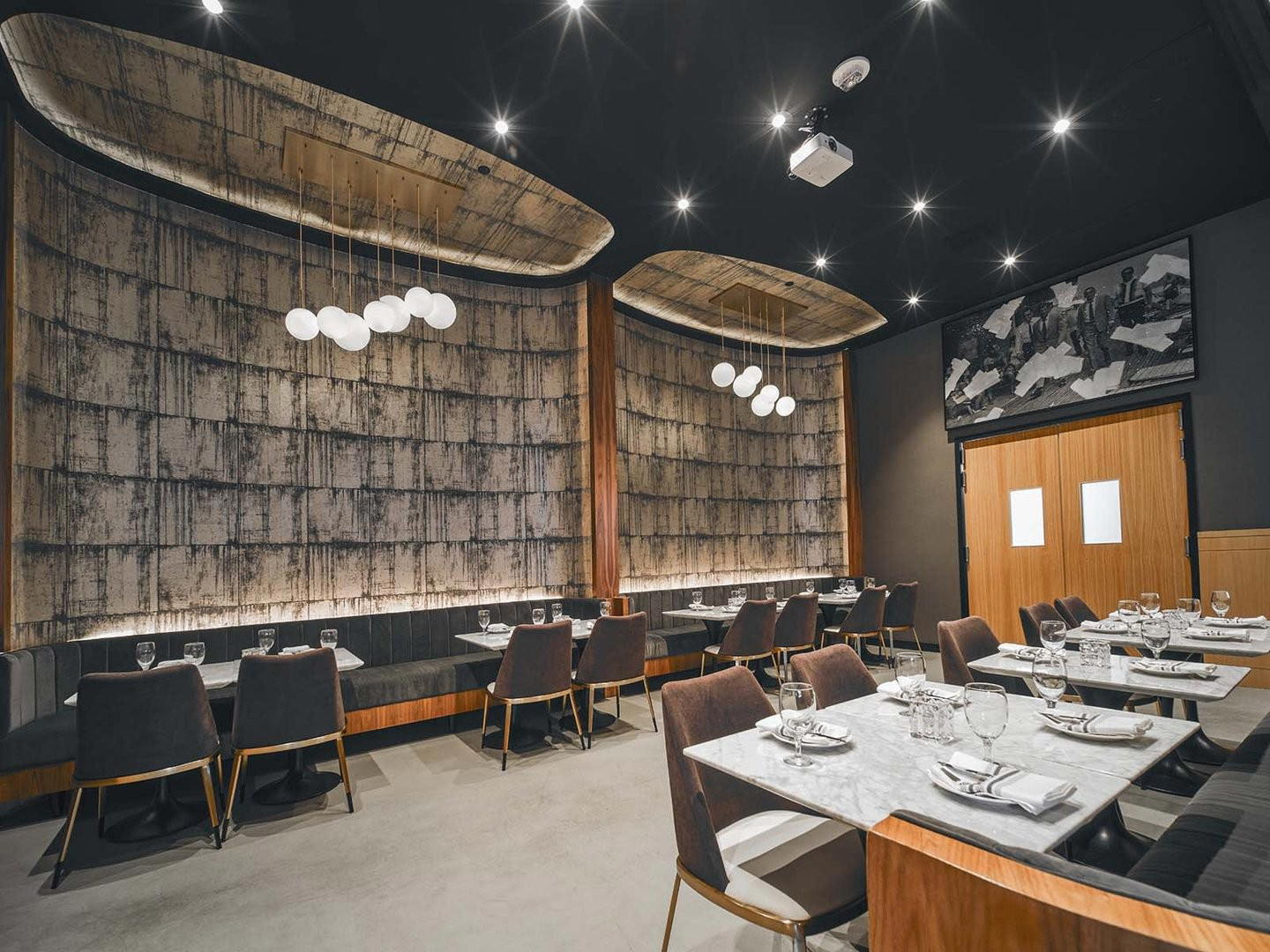
The in-house dining at TIAD operates across two distinct formats that map onto two very different traditions. Table for Tomorrow takes an international approach, while Shuhari operates as a traditional omakase-style restaurant. The pairing is a considered editorial statement about the hotel's position: it does not force guests into a single dining register, and it acknowledges that Nagoya's culinary identity is both globally connected and deeply local.
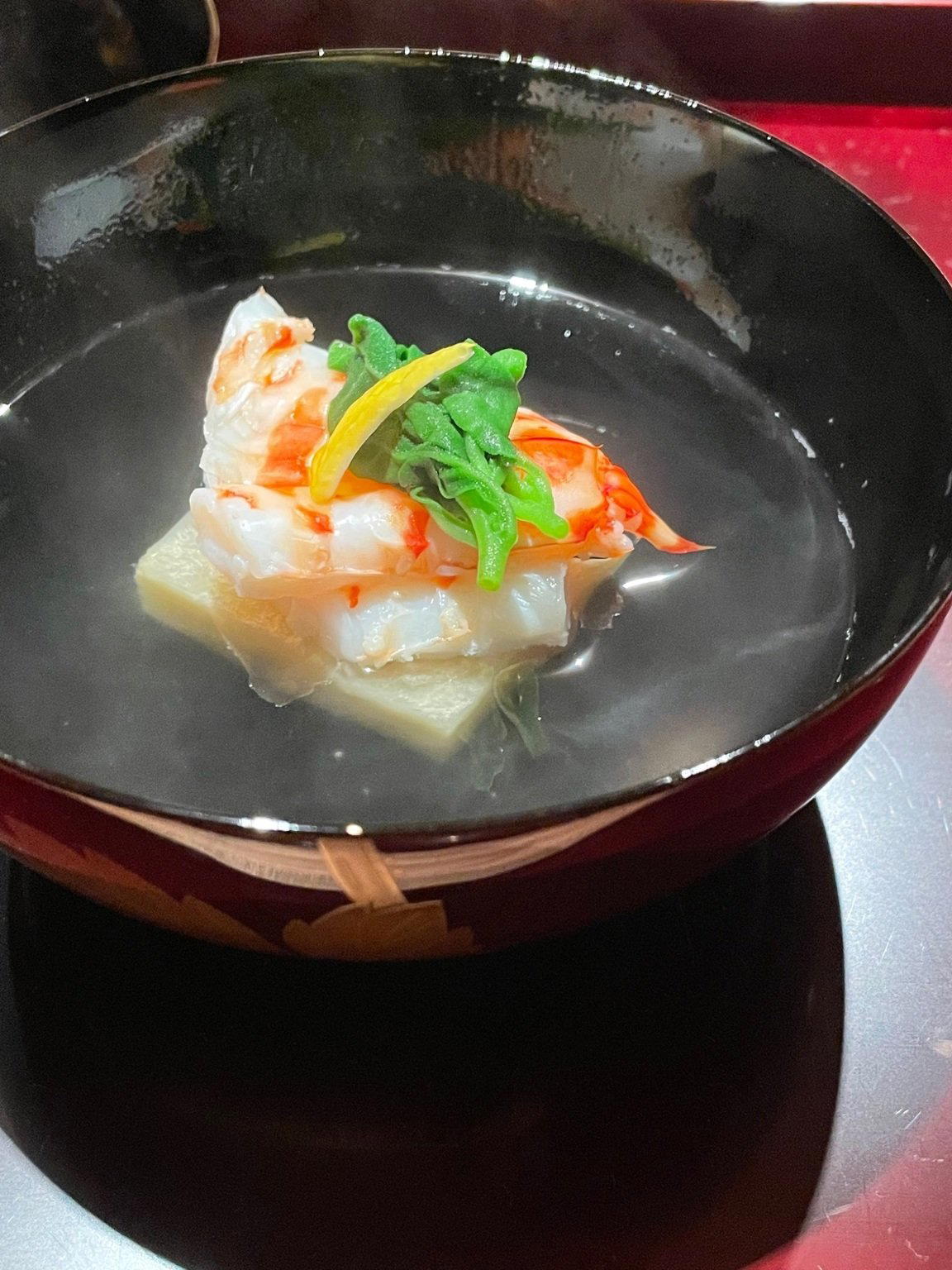
Omakase dining in Japan places control in the hands of the chef, with guests receiving a sequence determined by seasonality, ingredient quality, and the chef's judgment on the day. As a format, it requires a level of trust from the diner and a level of precision from the kitchen that distinguishes it from a la carte service. Shuhari's presence within the hotel signals that TIAD is not relying on its Marriott affiliation to substitute for genuine culinary identity. For guests seeking to engage with Nagoya's food culture at a more structured level, Nagoya's wider dining scene is covered in our full Nagoya restaurants guide.
Wellness Infrastructure and Urban Resort Logic
The spa and gym at TIAD are described as well-equipped, a modest claim that nonetheless points to something relevant about how the property is positioning itself. Urban resort logic, whereby a city-center property delivers enough on-site amenity that guests feel the pull to stay rather than always venture out, is increasingly important in the premium hotel segment. Hisaya Odori Park's proximity amplifies this: guests can move between the hotel's interior wellness facilities and a green corridor that runs through the center of the city, which is an unusual asset for a Sakae-area address.
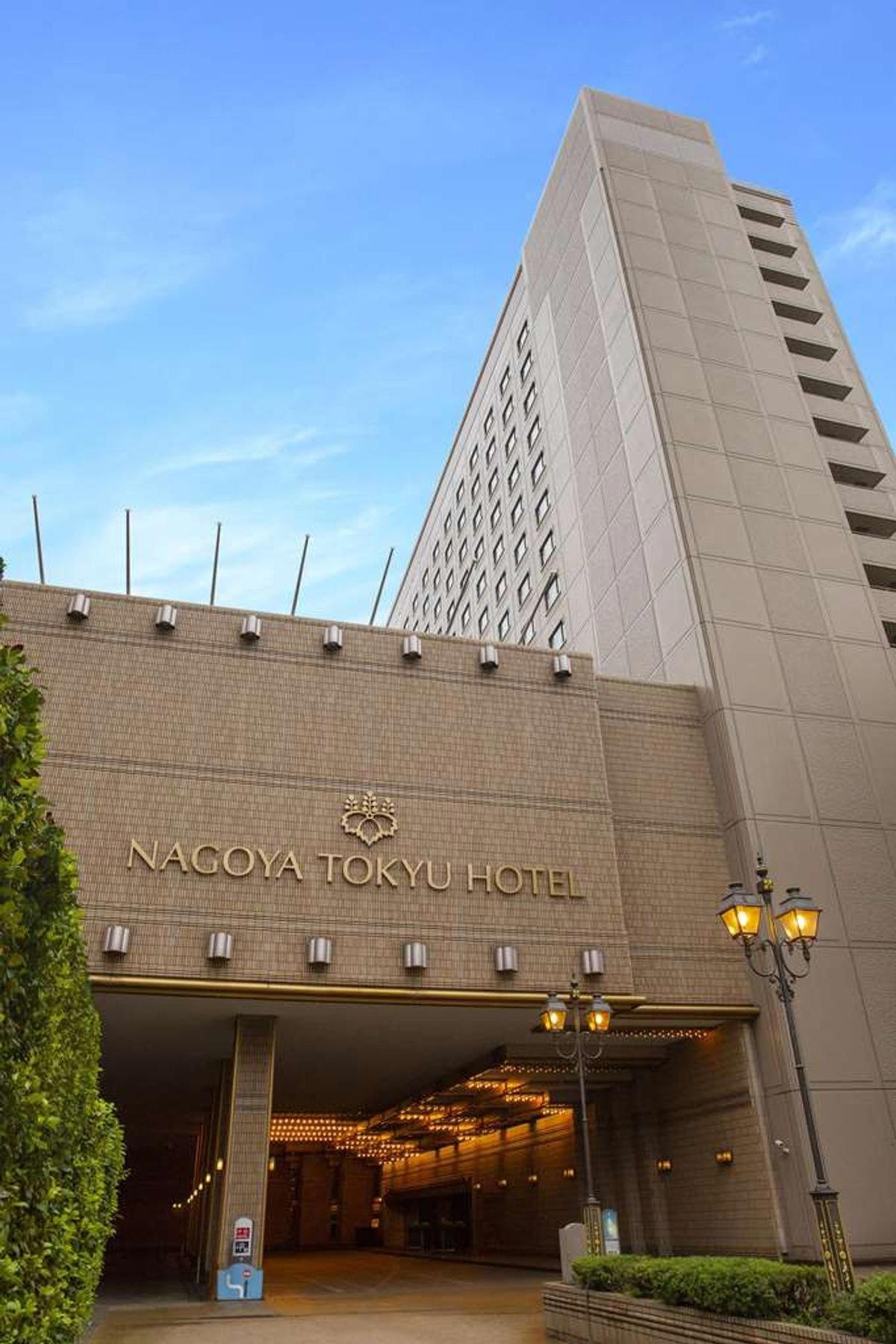
This park-adjacent positioning distinguishes TIAD from several of its Nagoya competitors. Properties like Hilton Nagoya and Nagoya Tokyu Hotel operate in the same central zone but without the same relationship to parkside calm. The The Tower Hotel Nagoya, Espacio Nagoya Castle, and Nagoya Kanko Hotel ESPACIO each occupy their own distinct positions in the city's accommodation hierarchy, but none of them combines Michelin Key recognition with the specific park-view orientation that shapes the TIAD guest experience.
TIAD Within Japan's Broader Premium Hotel Picture
Placing TIAD in the context of Japan's wider premium accommodation sector is instructive. At one end of the spectrum are the deeply traditional ryokan properties: places like Nishimuraya Honkan in Kinosaki-cho, Araya Totoan in Kaga, or Asaba in Izu, where heritage architecture and kaiseki ritual define the stay. At another end are the high-design resort properties: Amanemu in Mie, Zaborin in Kutchan, Gora Kadan in Hakone, or ENOWA Yufu in Yufu, where natural environment and architectural ambition combine at significant price premiums.
TIAD does not compete in either of those categories. Comparable urban properties elsewhere in Japan include HOTEL THE MITSUI KYOTO in Kyoto, which similarly positions itself at the intersection of heritage context and contemporary execution, and Bvlgari Hotel Tokyo, which operates at a higher price point but within the same genre of considered urban luxury.
For guests who travel between Japan's major regions, properties like Fufu Kawaguchiko in Fujikawaguchiko, Fufu Nikko in Nikko, Benesse House in Naoshima, Halekulani Okinawa, Jusandi in Ishigaki, Sekitei in Hatsukaichi-shi, and ANA InterContinental Beppu Resort & Spa represent the wider field of options across the country's geographic spread. Internationally, those looking at comparable urban boutique luxury might reference The Fifth Avenue Hotel in New York City, Aman New York, or Aman Venice as reference points for how international operators approach boutique-scale luxury in dense urban environments.
Planning Your Stay
TIAD is located in Nagoya's Sakae district, the city's central commercial and entertainment zone, with access to subway connections that make the city's wider attractions direct to reach. Rates start around $328 per night for the 150-room property. Booking is handled through Marriott's standard reservation channels given the Autograph Collection affiliation, which also means Marriott Bonvoy points apply. Autumn, when Hisaya Odori Park's tree canopy shifts color along the parkside facade, is a particularly strong season to visit: the hotel's park-facing orientation pays dividends when the light and foliage cooperate.
Comparable Venues
Comparable venues nearby, for context on price, style, and recognition.
| Venue | Cuisine | Price | Awards | Notes |
|---|---|---|---|---|
| TIAD, Autograph CollectionThis venue — the venue you are viewing | Contemporary luxury boutique hotel with Biophilia Nest design philosophy integrating natural elements and Japanese cultural aesthetics into modern architecture. | $1–100 | 1 Michelin Key | Not listed |
| The Tower Hotel Nagoya | Historic tower blended with contemporary Japanese elegance | $200–300 | 1 Michelin Key · Small Luxury Hotels of the World Member | Naka |
| Nagoya Kanko Hotel ESPACIO | Exclusive luxury floor in established hotel | Not listed | Small Luxury Hotels of the World Member | Naka |
| Espacio Nagoya Castle | Modern castle blending traditional Japanese palace aesthetics with contemporary luxury | Not listed | Michelin Guide New Hotels New Hotel · Michelin Selected | Nishi |
| Nagoya Tokyu Hotel | stylish modern urban hotel | Not listed | Preferred Hotels Member | Naka |
| Hilton Nagoya (ヒルトン名古屋) | Contemporary Japanese-modern luxury high-rise with gallery-inspired interiors reflecting local cultural heritage. | Not listed | Not listed | Sakae |
Recognition history
Dated appearances from independent guides and award organizations, with the underlying list record or original source where available.
Michelin 1 Key
Michelin
Full recognition history (3 entries)
Michelin 1 Key
Michelin
Michelin 1 Key
Michelin
Details
- Sophisticated
- Modern
- Elegant
- Trendy
- Romantic Getaway
- Business Trip
- Wellness Retreat
- Celebration
- Infinity Pool
- Butler Service
- Destination Spa
- Terrace
- Panoramic View
- Garden
- Wi Fi
- Pool
- Spa
- Fitness Center
- Room Service
- Concierge
- Valet Parking
- EV Charging
- Restaurant
- Bar
- Sauna
- Hot Tub
- Bicycle Rental
- Skyline
- Garden
- Wheelchair Accessible
- Elevator
- Accessible Restroom
- Accessible Parking
Modern, sophisticated, and welcoming atmosphere with trendy design elements and luxurious finishes; guests describe it as elegant without being pretentious, with excellent attention to detail and warm hospitality.