

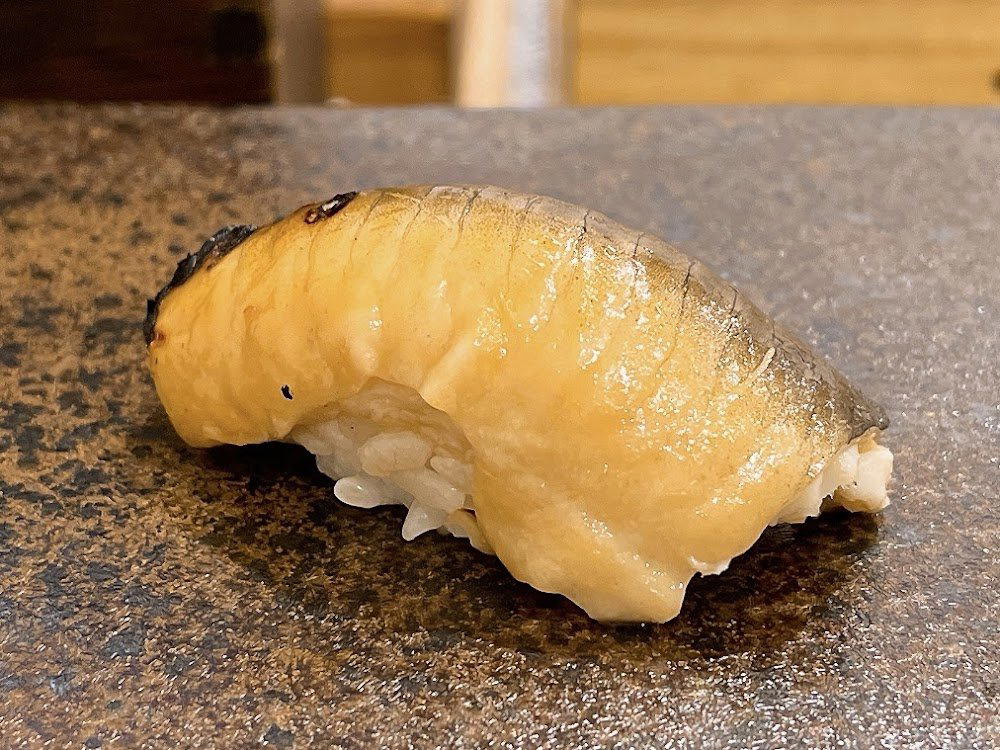
Hijikata (土方) sits in Nagoya’s serious counter-dining tier, where sushi technique, seasonal pacing, and a small-room format matter more than spectacle. Recognition from the Tabelog Award Bronze and Opinionated About Dining places sushi hijikata inside a competitive Japanese restaurant conversation that extends beyond Aichi, while the experience remains tightly tied to the city’s quieter, reservation-led dining culture.
Pearl is the En Primeur Club membership app — saves, bookings, and concierge access live there. Same editors, same standards.
- Address
- 3 Chome-11-26 Marunouchi, Naka Ward, Nagoya, Aichi 460-0002, Japan
- Phone
- +81 52-971-1110
- Website
- restaurant.ikyu.com
- Directions
- Get directions
 Saves & bookings on Pearl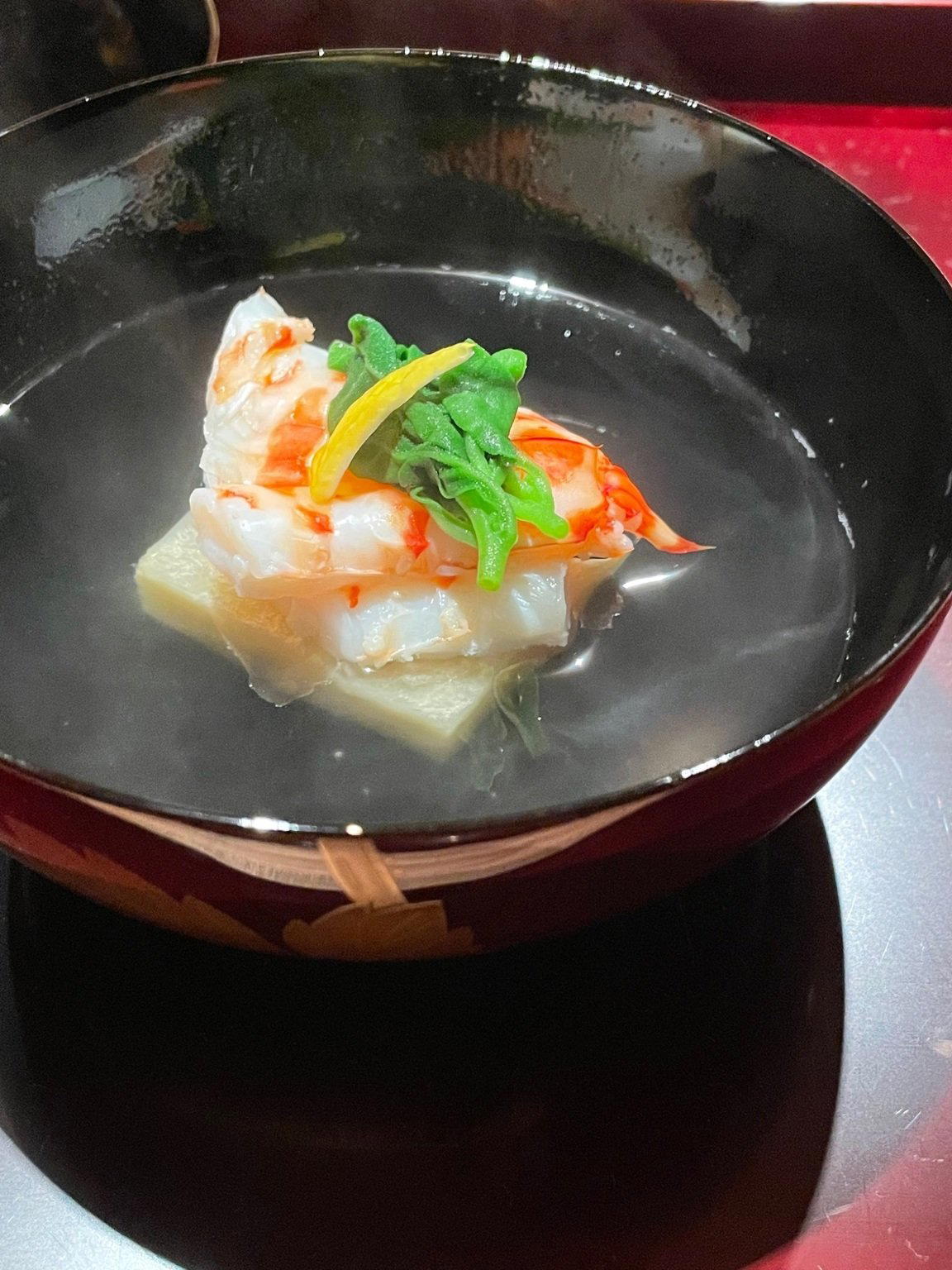
The approach to a serious Nagoya counter is quieter than the same ritual in Ginza or Kitashinchi. The city needs no theatre to announce intent: a compact room, close counter sightlines, and the controlled rhythm of evening service do the work. Hijikata (土方) belongs to Japanese dining where the calendar is structure, not decoration. Sushi here is seasonal editing, not a parade of luxury ingredients, which matters in Nagoya, where the strongest tables reward diners who read timing as carefully as reputation.
Nagoya’s restaurant culture sits between larger culinary capitals without copying them. Tokyo sushi counters often trade on lineage and microscopic reservation hierarchies; Osaka leans into appetite, informality, and late-night energy. Nagoya’s higher-end Japanese restaurants are more reserved, with smaller rooms and a narrower public profile. Hijikata’s recognition, including Tabelog Award Bronze status and listing by Opinionated About Dining in its Japan recommendations, makes it legible to visitors without making it broad-market. This is a table for diners who understand why a six- or eight-seat counter changes the meal.
Seasonality is the organizing principle, not a decorative theme
Japanese sushi is often described through fish quality, but the stronger reading is seasonal discipline. A serious counter shows how the year moves through the meal without explanation-heavy performance. Spring, early summer, autumn, and winter change ingredients, pacing, temperature logic, fat levels, and the role of vinegar, salt, and garnish. For Nagoya travelers, peak seasonal search around May, November, and December makes sense. May sits between spring delicacy and early-summer clarity; November and December bring a richer register, as colder waters and year-end dining habits push demand upward.
That calendar explains why sushi hijikata differs from restaurants built around long menus or signature-course recognition. The point is not to chase a named dish but to enter a format where the sequence is the argument. Tabelog’s Bronze recognition signals consistency across a large, opinionated Japanese dining audience, while inclusion in Tabelog’s Sushi EAST selection places the restaurant within an eastern Japan sushi conversation rather than a purely local Nagoya one. Awards do not guarantee taste, but they show where experienced diners concentrate attention.
Within Nagoya, that context sharpens against nearby sushi counters. Ueda operates in a lower dinner price bracket and gives the city another serious sushi reference point. Hama Gen sits closer to the mid-high tier for sushi in Nagoya. Hijikata’s positioning is narrower and more demanding: small counter dining, high recognition, and a format that asks the diner to value restraint over abundance. That is not automatically superior; it is a different proposition, suited to travelers who prefer calibration to comfort.
Nagoya's counter culture rewards concentration
Small counters change behavior. Conversation drops, timing becomes visible, and every hand movement becomes part of the meal’s grammar. In a larger restaurant, diners can drift in and out of attention. At a serious sushi counter, the field narrows. Rice temperature, portion size, the transition between otsumami-style opening bites and nigiri, and the relationship between sake and fish are easier to read because there is nowhere for the restaurant to hide.
Chef Akira Hijikata’s name is the restaurant’s clearest credential, but the more useful point is how chef-led sushi works in Nagoya. The chef is not a celebrity device; the chef is the control system. In Japanese counter dining, seniority and consistency are expressed through repetition: the same service arc refined nightly, the same seasonal judgment tested over years, the same audience returning as the calendar changes. Approach the meal as a study in tempo, not a checklist.
The restaurant’s recognition across more than one category signal complicates the easy label of “sushi restaurant.” Hijikata appears in sushi-related recognition, while the Marunouchi address associated with the name also appears in Japanese cuisine recognition. Rather than a contradiction, it points to something common in Japan’s higher-end dining scene: category boundaries are more porous than foreign search behavior suggests. Sushi technique, kappo sensibility, seasonal Japanese cooking, and sake service often overlap. Diners expecting only a Tokyo-style sushi template may miss the broader Nagoya reading.
That reading puts Hijikata in the same planning conversation as other serious Nagoya restaurants, not only a sushi itinerary. Nojima and Ranmaru help map the city’s compact high-end dining field, while Cucina Italiana Gallura shows that Nagoya’s premium dining is not confined to Japanese formats. The value here is not just the counter, but how it clarifies Nagoya’s quieter approach to luxury dining.
How to place it in a Nagoya itinerary
Hijikata suits a focused evening better than a packed sightseeing day. The format rewards diners who arrive on time, unhurried, and ready to follow the sequence without turning the meal into a documentation exercise. For travelers using Nagoya as a corridor between Tokyo, Kyoto, and the Japanese Alps, this reservation argues for giving the city its own night rather than treating it as a rail stop.
The strongest timing case is seasonal. May offers a lighter register and fits travelers moving through central Japan before summer humidity. November and December bring a denser dining calendar and a natural fit for year-end meals, but demand rises as domestic dining occasions cluster. In either period, the restaurant makes more sense for experienced sushi diners than for first-timers trying to understand the category from scratch. The room, price tier, and recognition all point to a meal where small differences carry the weight.
For planning beyond one reservation, use our full Nagoya restaurants guide to compare the city’s Japanese and counter-led dining options. Travelers building a broader stay can pair that with our full Nagoya hotels guide, our full Nagoya bars guide, our full Nagoya wineries guide, and our full Nagoya experiences guide. For wider Japan dining research, compare how focused formats differ at 3110, Sushi in Tokyo, AKA to SHIRO, Sushi in Osaka, -Grilled beef Sukiyaki- KAMAKURA TANUKIAN 鎌倉 たぬき庵 in Kamakura. 鮪と炭火焼き うお炭 秋葉原店 in Tokyo.cafe in Osaka.know in Kumamoto, (Shoku) Vietnam in Kawasaki, and [Curry Senmon Ten] Maruyama Kyoju. in Sapporo.
The critical case for Hijikata is not volume, novelty, or spectacle. It is counter discipline, seasonal progression, and external recognition in a city that often underplays its strongest dining rooms. For the right diner, that restraint is the reason to go.
Comparable venues nearby, for context on price, style, and recognition.
| Venue | Cuisine | Price | Notes |
|---|---|---|---|
| Hijikata (土方)This venue — the venue you are viewing | Traditional Kaiseki Omakase | $$$$ | Not listed |
| Nikuya Setsugekka Nagoya | Meat Kaiseki Niku Kappo | $$$$ | Naka |
| Hachisen | Kyoto-Style Kaiseki | $$$$ | Chikusa |
| Nako Tei | Luxury Japanese Teppanyaki | $$$$ | Nakamura |
| Sekine | Traditional Japanese Kaiseki | $$$$ | Shōwa |
| Hanaichi | Traditional Japanese Kappo | $$$ | Nishi |
Recognition history
Dated appearances from independent guides and award organizations, with the underlying list record or original source where available.
Opinionated About Dining Top Restaurants in Japan Recommended
Opinionated About Dining
Tabelog Bronze #111
Tabelog
Tabelog Bronze #110
Tabelog
Opinionated About Dining Top Restaurants in Japan Ranked #303
Opinionated About Dining
Tabelog Bronze
Tabelog
Tabelog 100 #26 · No. 26
Tabelog · Tabelog 100 - Sushi - EAST - 2025
Tabelog 100 #44 · No. 44
Tabelog · Tabelog 100 - Japanese cuisine - EAST - 2025
At a Glance
- Elegant
- Intimate
- Sophisticated
- Cozy
- Special Occasion
- Date Night
- Chefs Counter
- Open Kitchen
- Sake Program
- Local Sourcing
Current opening hours
- Monday
- 6–9 p.m.
- Tuesday
- 6–9 p.m.
- Wednesday
- 6–9 p.m.
- Thursday
- 6–9 p.m.
- Friday
- 6–9 p.m.
- Saturday
- 6–9 p.m.
- Sunday
- Closed
Hours can change for holidays and private events. Last verified .
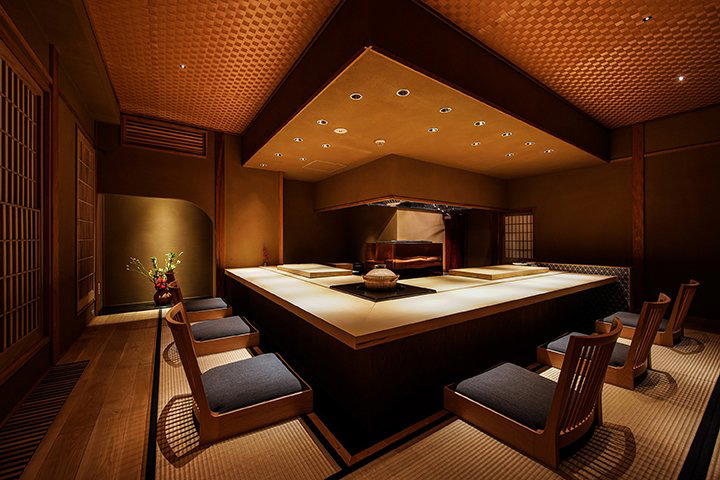
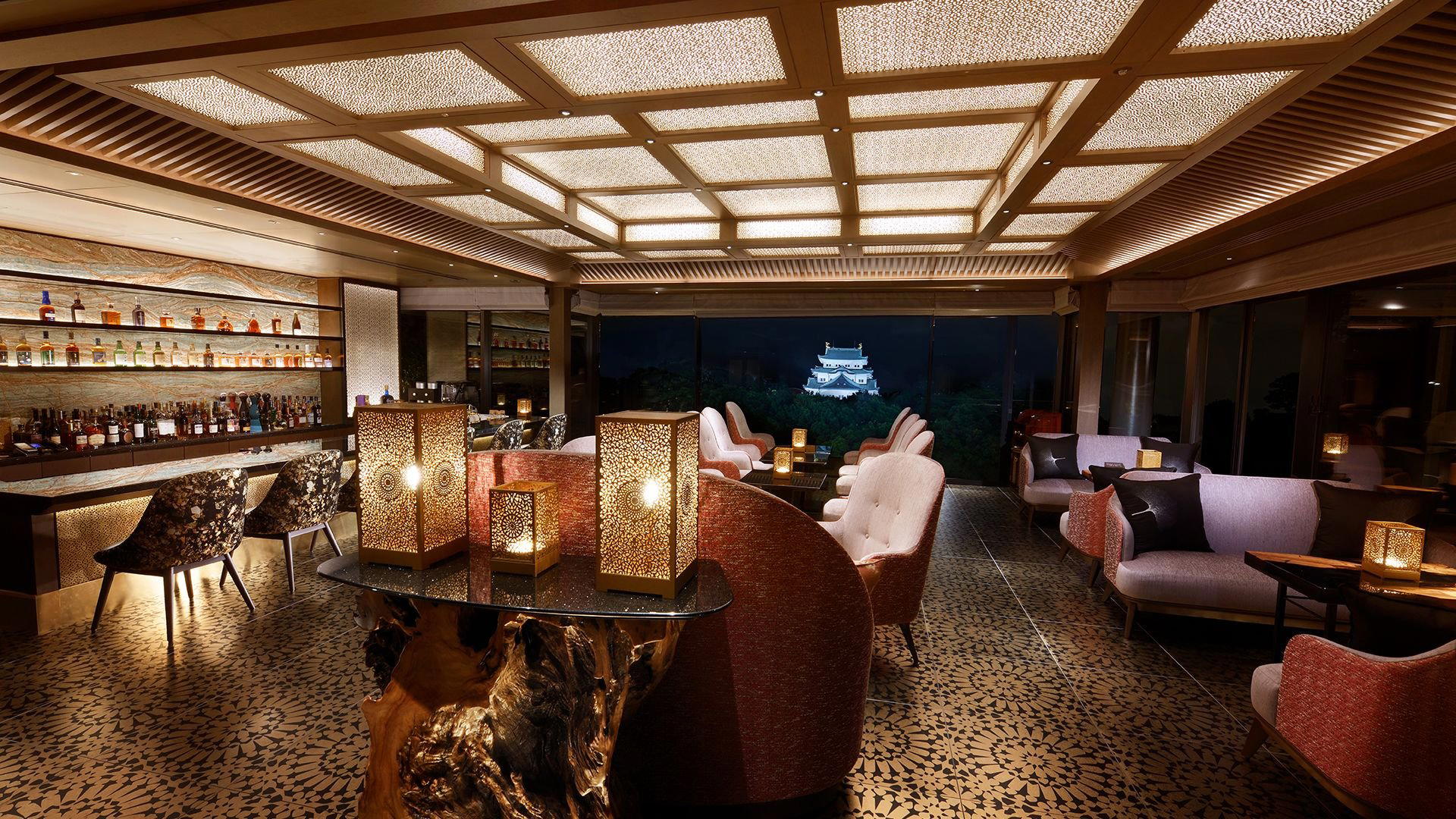
Cozy counter seating in a stylish space with juraku mud walls, elegant Wajima lacquerware, and relaxing atmosphere.
Know Before You Go
- Reservations
- Essential
- Dress code
- Smart casual
- Getting there
- 3 Chome-11-26 Marunouchi, Naka Ward, Nagoya, Aichi 460-0002, Japan