
Small Luxury Hotels of the World Member
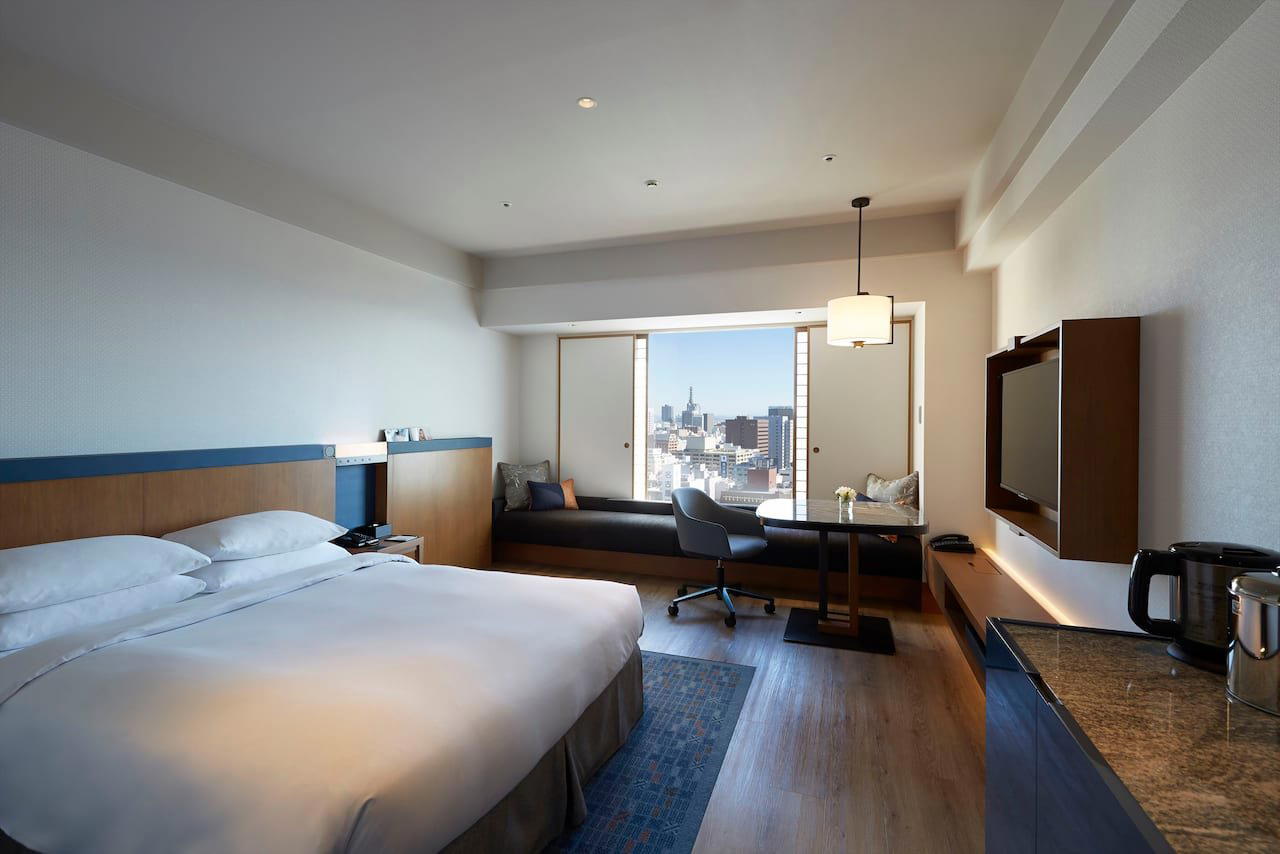
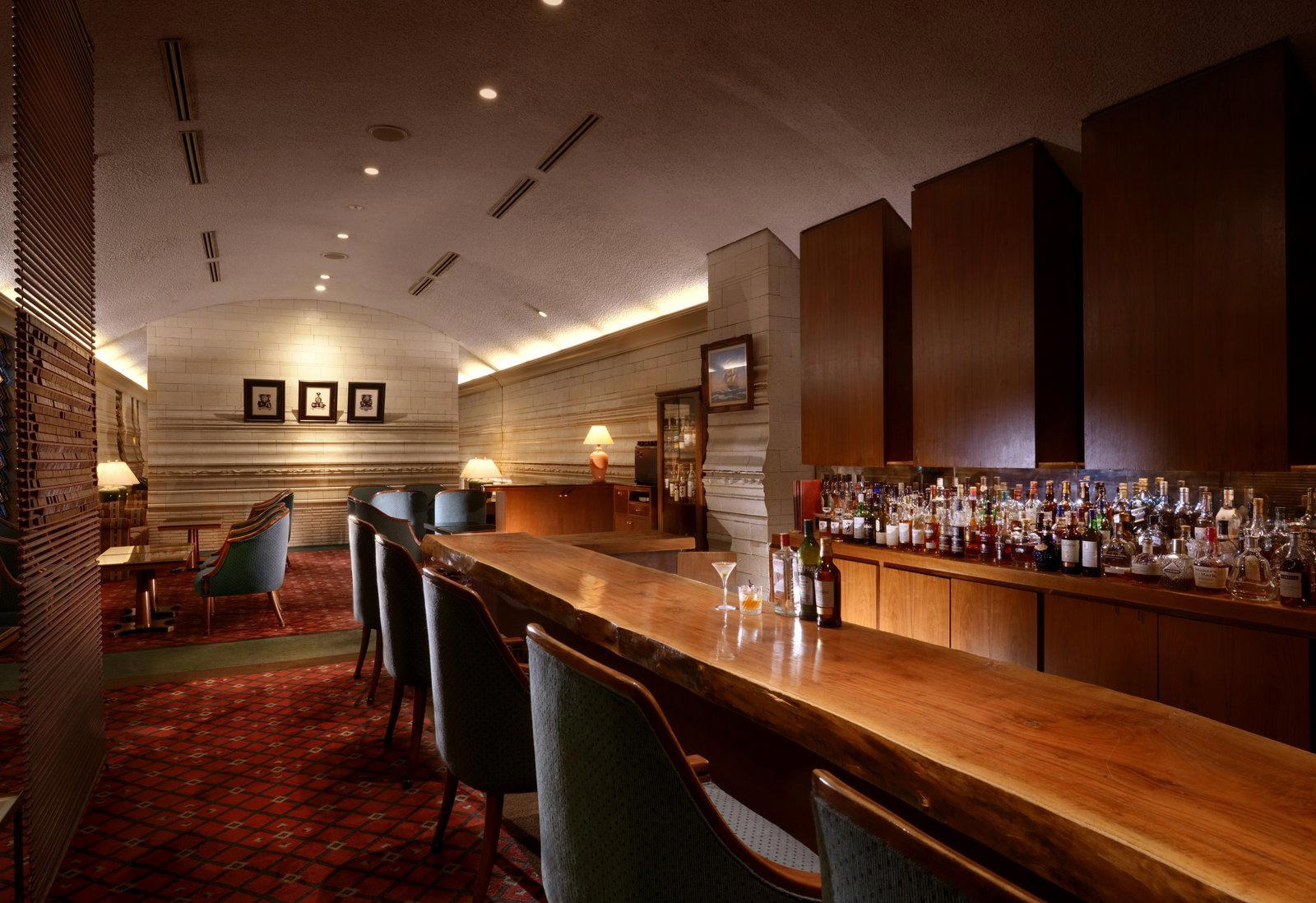
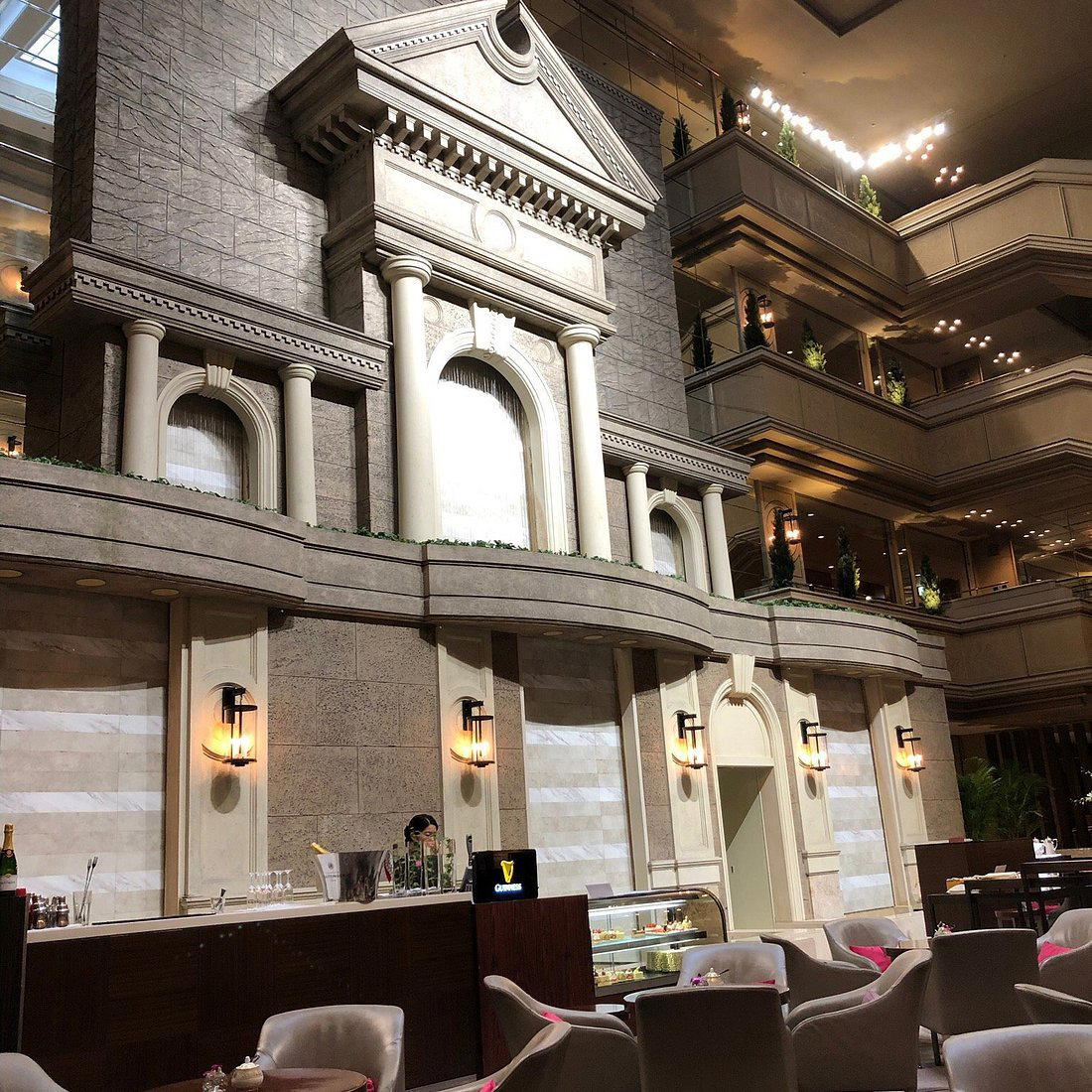
Espacio is a private-residence concept operating within the Nagoya Kanko Hotel, one of the city's most established addresses on Nishiki. Individual suites are configured as residences rather than standard rooms, with sleek design, modern kitchens, and access to six in-house restaurants. For long-stay guests or those who want more than a conventional hotel room, the format is well-suited to Nagoya's growing premium accommodation tier.

Pearl is the En Primeur Club membership app — saves, bookings, and concierge access live there. Same editors, same standards.
- Address
- 1-chōme-19-30 Nishiki, Naka Ward, Nagoya, Aichi 460-8608
- Phone
- +81 52-231-7744
- Website
- nagoyakankohotel.co.jp
- Directions
- Get directions

A Hotel Within a Hotel: How Espacio Fits Nagoya's Premium Tier
Nagoya's upscale accommodation market has been sorting itself into two broad formats in recent years. One group consists of large international-branded properties with full-service infrastructure: Hilton Nagoya (ヒルトン名古屋) and The Tower Hotel Nagoya both operate within this model. The other group is smaller and more concept-driven, with design-led retreats or suite-only configurations that position themselves as alternatives to the conventional hotel stay. Espacio, housed within the Nagoya Kanko Hotel at 1-chōme-19-30 Nishiki in Naka Ward, occupies the second category through a residential format that gives long-stay and premium guests a materially different product from a standard room corridor.
The Nishiki address matters in context. The street runs through one of Nagoya's more established commercial and hospitality districts, well-connected to business infrastructure and to the city's denser cultural quarters. For guests arriving at Nagoya Station and moving toward the central district, the Kanko Hotel has been a fixture of that approach for decades. Espacio operates as a distinct tier within it, bringing a residence-style configuration to a building with the service depth of a full hotel.
The Residential Format and What It Signals About Guest Experience
The concept behind Espacio follows a pattern now found in several major Japanese cities, where premium hotels have created sub-brands or exclusive wings that function closer to serviced apartments than traditional rooms. The appeal is specific: guests get spatial autonomy, with kitchens and living configurations that support longer stays or simply a different kind of comfort from the standard bed-and-wardrobe layout, while retaining access to everything a full hotel provides. It is a format that works particularly well in Japanese urban hotel culture, where the gap between serviced apartments and full hotels has historically been wide.
At Espacio, individual residences are described as combining sleek contemporary design with practical modern features, kitchens included. That combination signals a particular service philosophy: the property is designed not around a guest who needs everything managed for them, but around one who prefers options. Prepare a meal in-suite or pass the decision to one of six restaurants within the hotel. The format gives that choice structural weight rather than treating self-sufficiency as an afterthought. Among Nagoya's premium hotels, that level of kitchen integration into the room itself is less common than the city's dinner-and-breakfast model, where in-suite cooking infrastructure rarely appears at this tier.
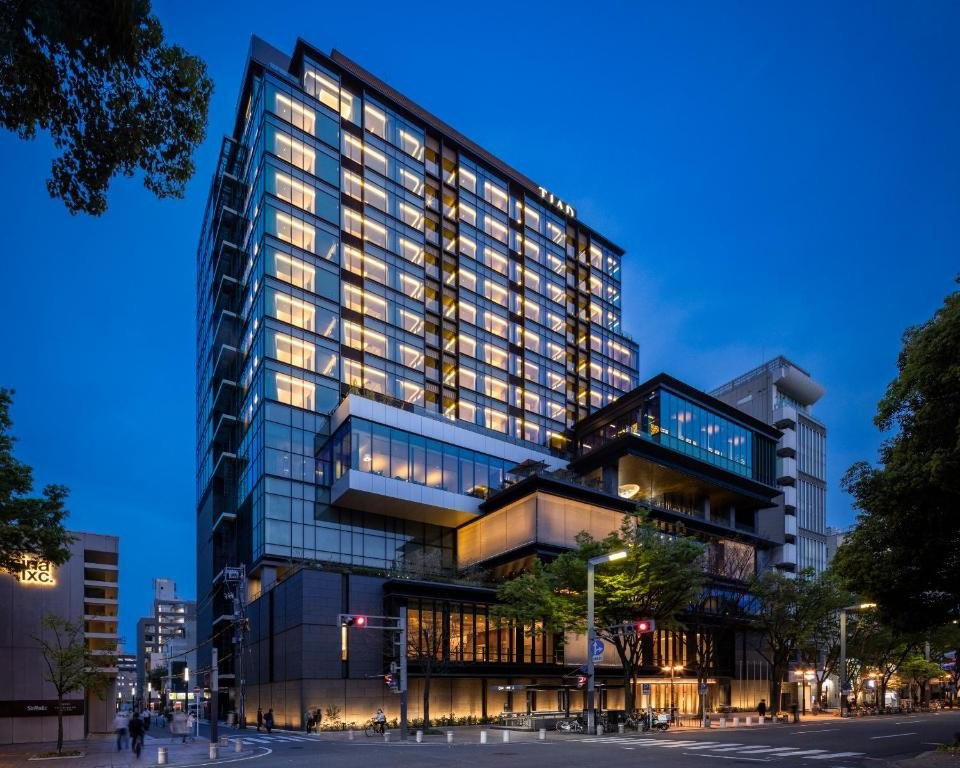
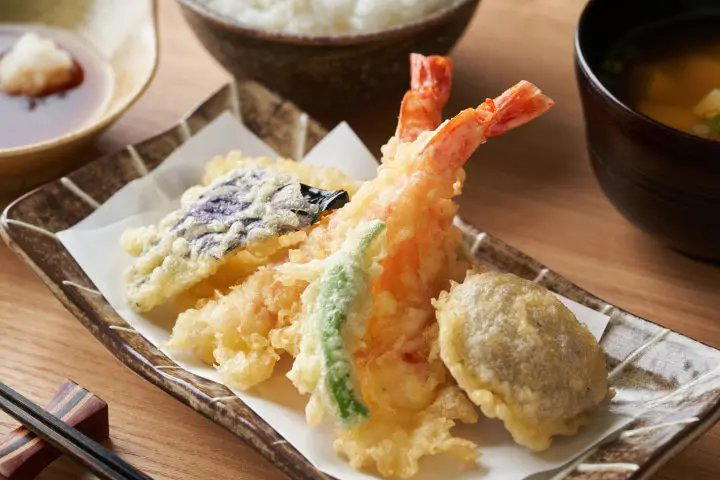
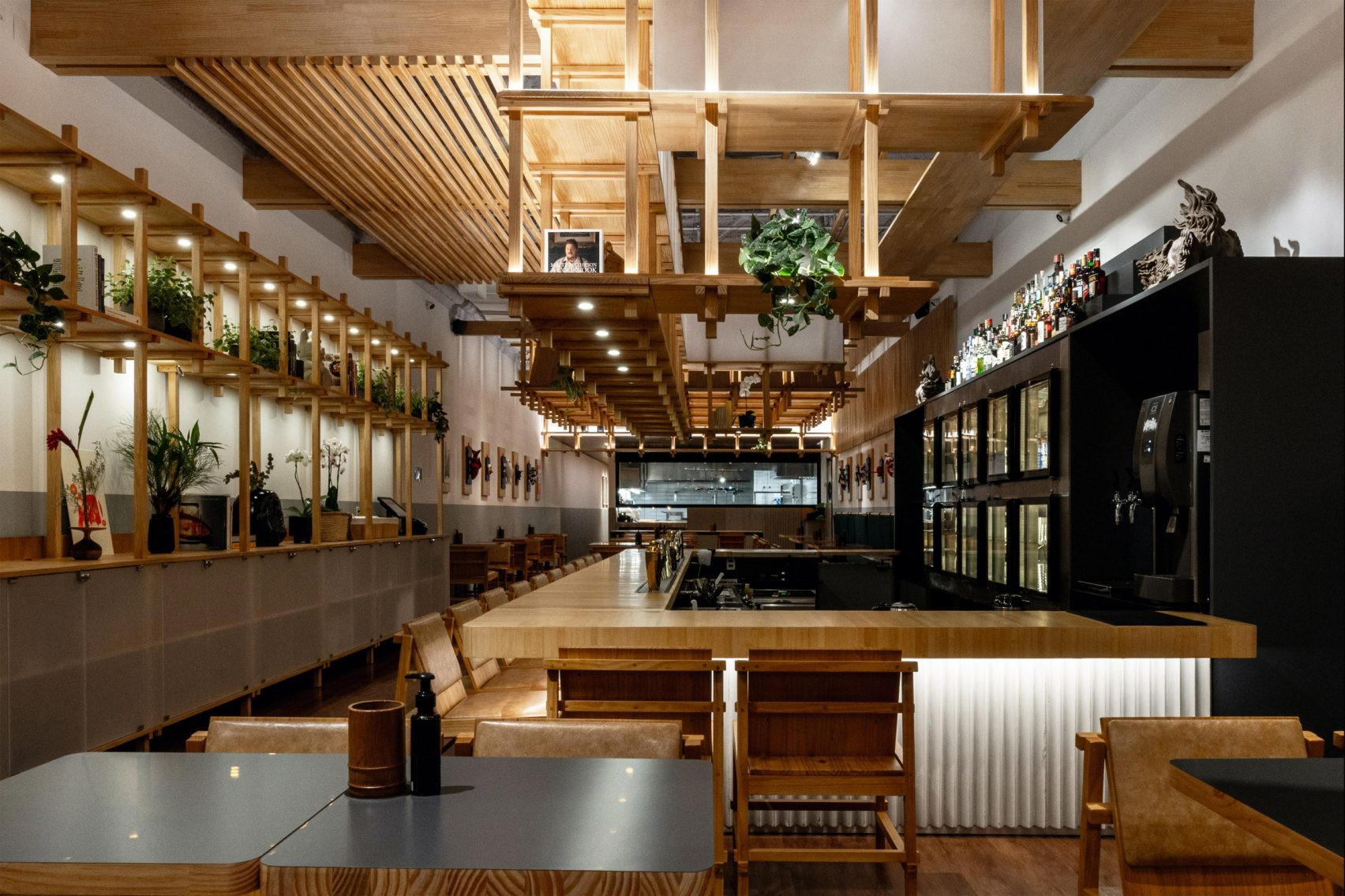
The six-restaurant offering within the broader Kanko Hotel is significant because it removes the main pressure point of the residence model: being left to fend for yourself if you do not cook. Restaurant diversity at this scale within a single hotel building creates a genuine alternative to sourcing food externally, which for business travellers or guests who arrive late is a practical advantage that independent apartments or smaller boutique properties in Nagoya cannot match. For a comparison point, design-led properties like TIAD, Autograph Collection bring a different editorial identity but a more limited dining footprint. Espacio's position within a larger hotel solves that problem architecturally.
Service Architecture: Anticipatory Rather Than Responsive
Japan's premium hotel tier operates under a service logic that differs from European or American luxury benchmarks. Anticipatory service, where needs are read and met before they are stated, sits at the core of the country's hospitality philosophy. At the residence level within a property like Espacio, that logic extends to format decisions as much as to staff interaction. Having the kitchen present means the property anticipates that some guests want to shop at Nagoya's excellent food halls and cook; having six restaurants present means the property anticipates that other guests want none of that friction. Neither preference is treated as the default. That structural neutrality is its own form of service intelligence.
For the traveller comparing Espacio against alternatives in the Nagoya market, it is worth understanding where the concept sits against its direct peer. Espacio Nagoya Castle applies a similar residential approach at a different Nagoya location, with the castle setting providing a distinct spatial frame. The Nishiki address of Nagoya Kanko Hotel's Espacio is more centrally embedded in the commercial grid, which suits guests whose primary purpose is business or city access rather than atmosphere-driven leisure.
Japan Context: Where Espacio Sits in the Broader Picture
Placing Espacio against Japan's wider premium hotel landscape gives useful calibration. The country's most design-intensive luxury properties often operate in ryokan or resort formats: Gora Kadan in Hakone, Asaba in Izu, and Zaborin in Kutchan are among the properties that operate in that register. At the resort end, Amanemu in Mie and Halekulani Okinawa occupy a coastal-luxury bracket that serves a fundamentally different itinerary. Even Benesse House in Naoshima and ENOWA Yufu in Yufu are built around experience-driven destinations rather than urban utility.
Espacio's role is different from all of these. It serves the city traveller who wants residential scale and comfort inside a reliable full-service hotel, in one of central Japan's most commercially active cities. That is a narrower brief than a destination ryokan, but it addresses a real gap in what Nagoya's premium tier offers. Major Japanese city hotels with comparable international footprints, like Bvlgari Hotel Tokyo or HOTEL THE MITSUI KYOTO, operate at a higher brand-recognition tier, but Espacio's residence model offers structural flexibility those properties do not always provide at equivalent scale. For guests visiting Nagoya on extended business travel, or those who want the autonomy of an apartment alongside the safety net of hotel services, the configuration is well-matched to the brief. See our full Nagoya restaurants guide for how the dining scene maps against the hotel's six-restaurant offering.
Planning Your Stay
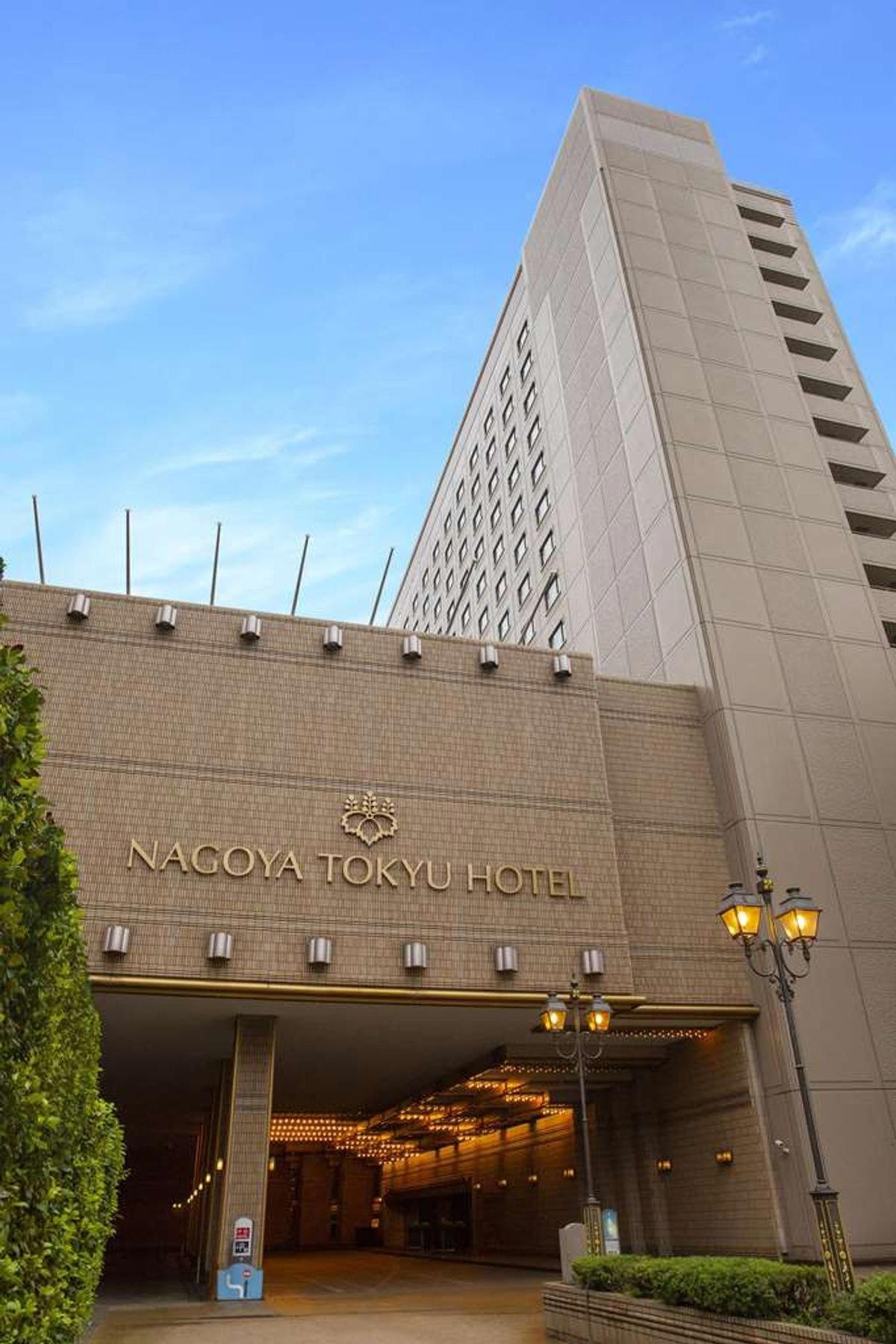
Espacio sits within the Nagoya Kanko Hotel at 1-chōme-19-30 Nishiki, Naka Ward, placing it within comfortable distance of Sakae station and the city's central business district. Guests comparing options in the same district should look at Nagoya Tokyu Hotel as the nearest equivalent in brand positioning, though the residential suite format that defines Espacio does not have a direct match at that property. For guests whose itineraries extend beyond Nagoya, Fufu Kawaguchiko, Fufu Nikko, Nishimuraya Honkan, and Araya Totoan in Kaga represent ryokan-tier alternatives worth considering as part of a broader Japan itinerary. Booking directly through the Nagoya Kanko Hotel is the recommended route given that Espacio operates as an exclusive tier within the parent property.
What It’s Closest To
Comparable venues nearby, for context on price, style, and recognition.
| Venue | Cuisine | Price | Awards | Notes |
|---|---|---|---|---|
| Nagoya Kanko Hotel ESPACIOThis venue — the venue you are viewing | Exclusive luxury floor in established hotel | Not listed | Small Luxury Hotels of the World Member | Not listed |
| Espacio Nagoya Castle | Modern castle blending traditional Japanese palace aesthetics with contemporary luxury | Not listed | Michelin Guide New Hotels New Hotel · Michelin Selected | Nishi |
| Nagoya Tokyu Hotel | stylish modern urban hotel | Not listed | Preferred Hotels Member | Naka |
| Hilton Nagoya (ヒルトン名古屋) | Contemporary Japanese-modern luxury high-rise with gallery-inspired interiors reflecting local cultural heritage. | Not listed | Not listed | Sakae |
| TIAD, Autograph Collection | Contemporary luxury boutique hotel with Biophilia Nest design philosophy integrating natural elements and Japanese cultural aesthetics into modern architecture. | $1–100 | 1 Michelin Key | Naka |
| The Tower Hotel Nagoya | Historic tower blended with contemporary Japanese elegance | $200–300 | 1 Michelin Key · Small Luxury Hotels of the World Member | Naka |
Recognition history
Dated appearances from independent guides and award organizations, with the underlying list record or original source where available.
Small Luxury Hotels of the World Member
Small Luxury Hotels of the World
Details
- Elegant
- Sophisticated
- Modern
- Business Trip
- Romantic Getaway
- Panoramic View
- Wi Fi
- Fitness Center
- Spa
- Room Service
- Concierge
- Pool
- Skyline
- Wheelchair Accessible
- Elevator
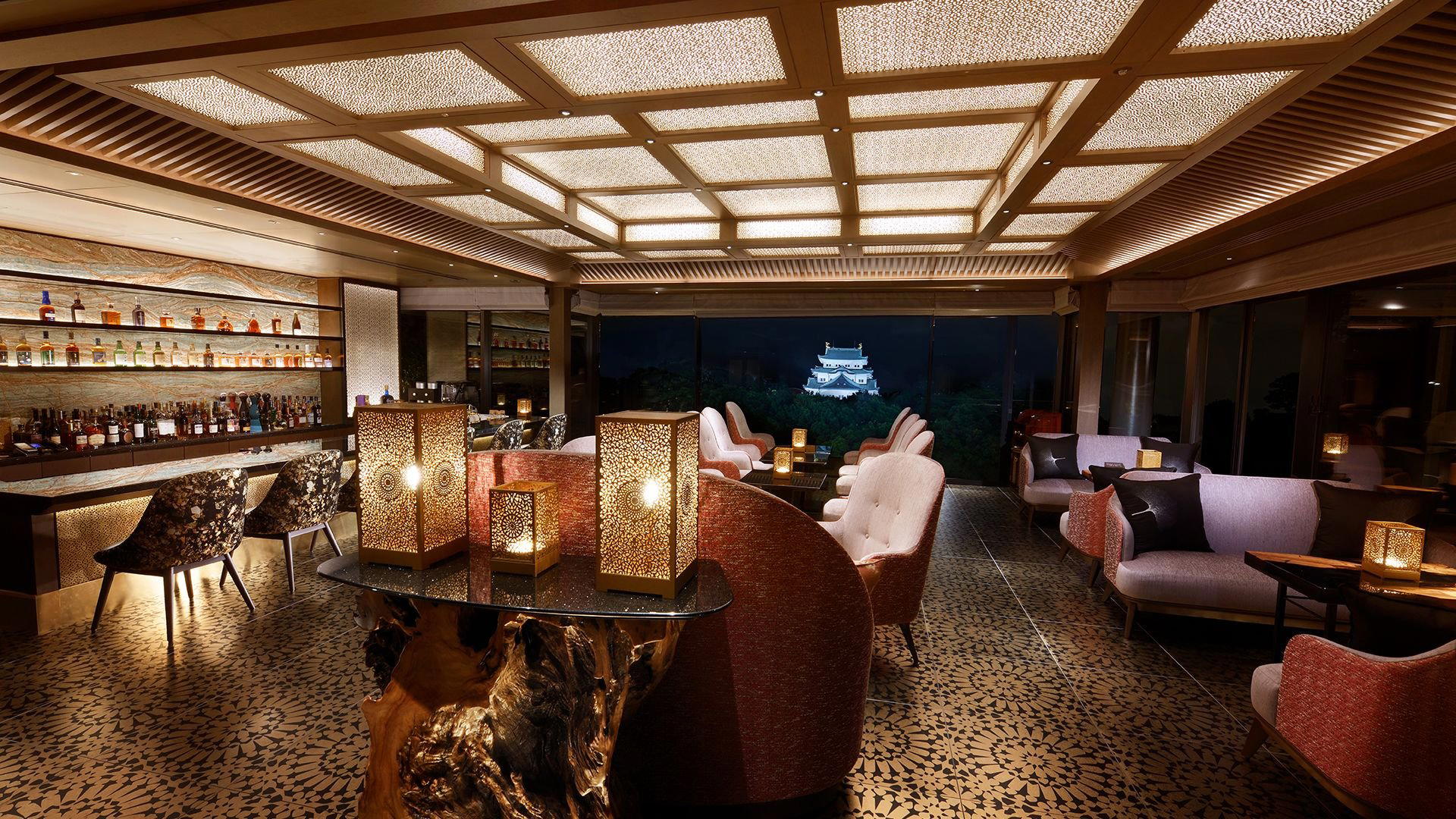
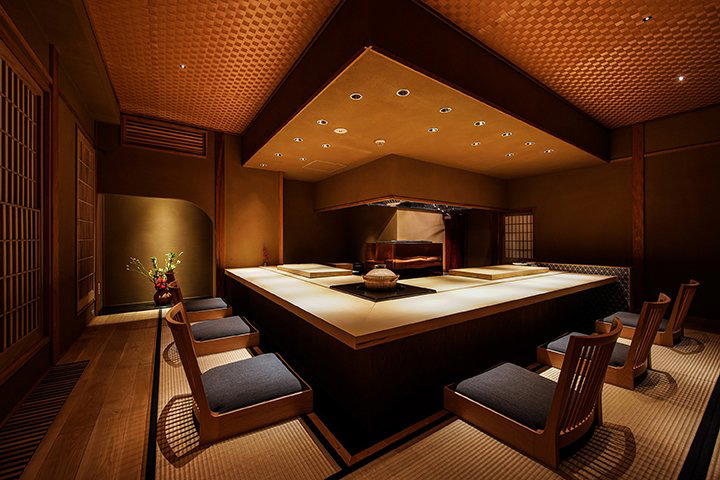
Refined and serene atmosphere with sweeping city skyline views from the private lounge, blending traditional Japanese aesthetics with modern luxury.