


A Leading Hotels of the World member positioned directly alongside Nagoya Castle in Nishi Ward, Espacio Nagoya Castle occupies one of central Japan's most historically freighted addresses. The property sits within the broader Nagoya Kanko Hotel group and draws visitors who want proximity to the castle grounds without sacrificing the service infrastructure of an established luxury tier.
Pearl is the En Primeur Club membership app — saves, bookings, and concierge access live there. Same editors, same standards.
- Address
- 3-19 Hinokuchichō, Nishi Ward, Nagoya, Aichi 451-8551
- Phone
- +81 52-521-2121
- Website
- espacionagoya.com
- Directions
- Get directions
 Saves & bookings on Pearl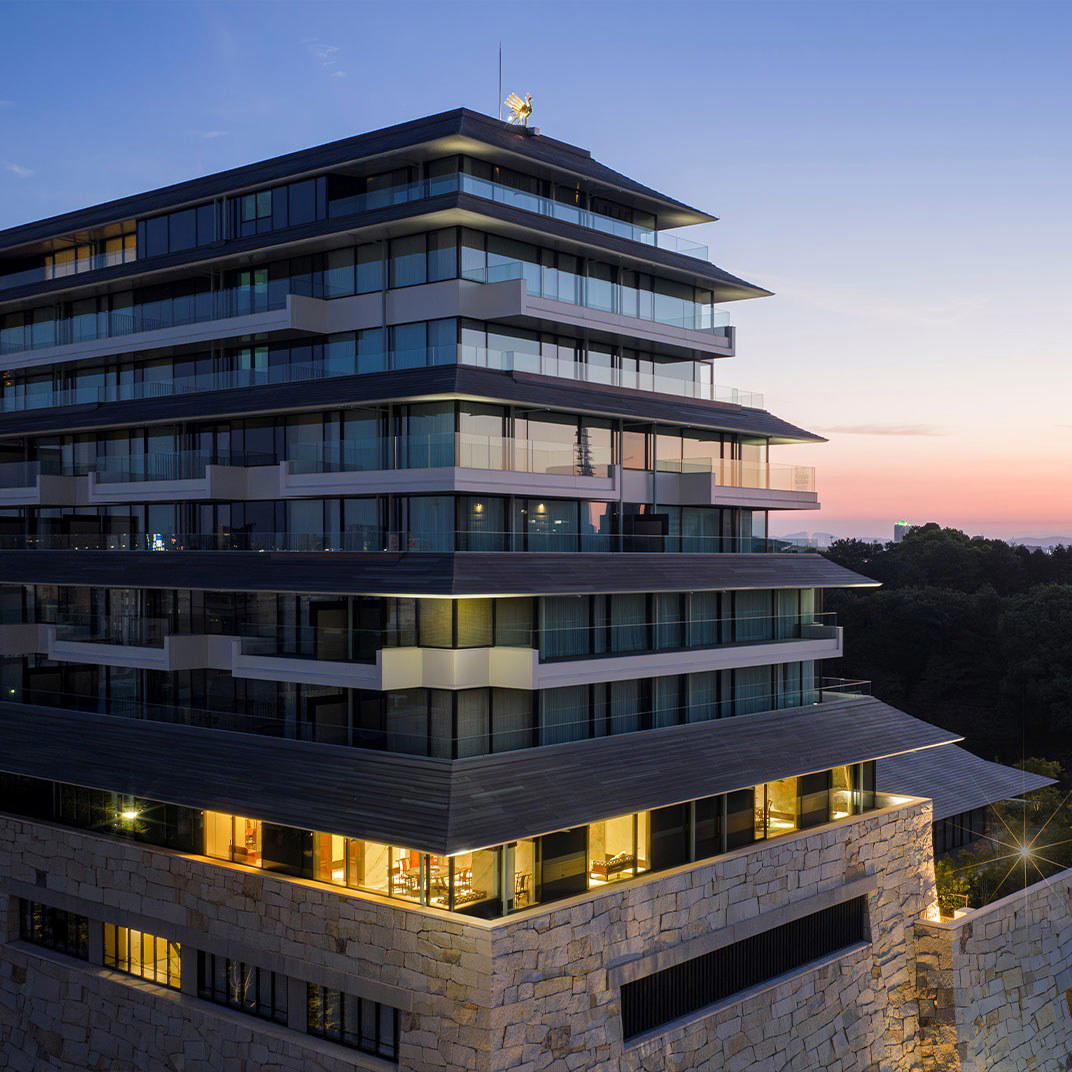
Castle Grounds, Premium Address
Nagoya Castle is not incidental backdrop for most of the hotels that cluster around Nishi Ward, it is the primary location signal. The fortress, rebuilt after wartime destruction, draws visitors across every season and frames the immediate neighbourhood as one of the few areas in central Nagoya where historical weight and hotel infrastructure intersect. Espacio Nagoya Castle sits on that axis: an address at 3-19 Hinokuchichō that places guests within direct reach of the castle grounds, with the architectural mass of the keep visible from the surrounding streets.
Within Japan's broader luxury hotel market, the property is a member of Leading Hotels of the World, a consortium affiliation that places it alongside properties such as Nishimuraya Honkan in Kinosaki-cho, Araya Totoan in Kaga, and Gora Kadan in Hakone on its Japanese roster. Leading Hotels membership functions as a quality-verification signal rather than a brand identity, meaning the consortium's standards apply across categories from physical plant to service protocol, but the individual property determines its own character and market positioning.
Nagoya's Hotel Tier and Where This Property Sits
Nagoya's premium hotel market is narrower than Tokyo or Osaka, and the properties that occupy it tend to cluster by position and affiliation rather than by the kind of starred-restaurant or destination-spa programmes that define upper-tier properties elsewhere in Japan. The city's business travel base is substantial, Toyota, Mitsubishi UFJ, and the broader manufacturing sector generate consistent corporate demand, which shapes how properties calibrate their offer. Against that backdrop, Espacio Nagoya Castle belongs to a subset of the market that trades on address specificity and historical proximity rather than international-brand scale.
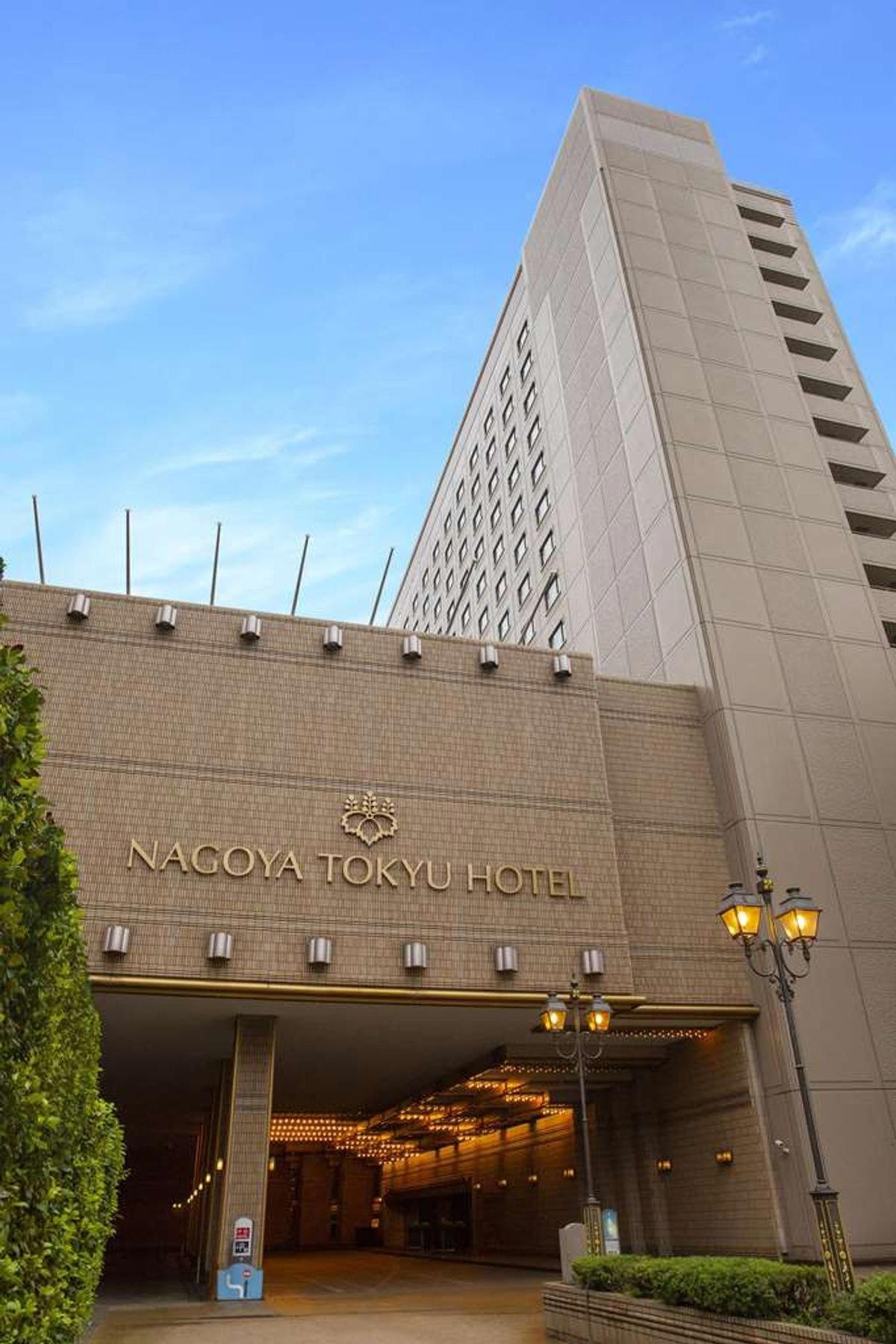
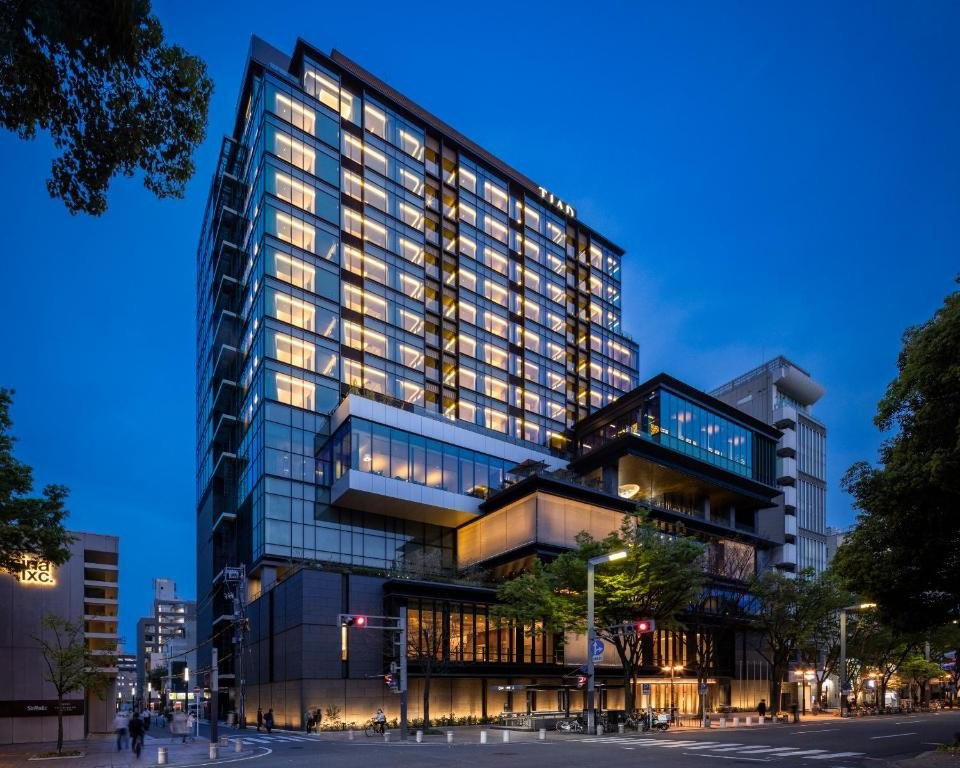
Closer comparisons within the city include The Tower Hotel Nagoya, TIAD, Autograph Collection, the Hilton Nagoya, and the Nagoya Tokyu Hotel. Several of these operate from central business-district locations that prioritise transport connectivity, particularly to Nagoya Station, over the castle-quarter positioning that defines Espacio's address. The Nagoya Kanko Hotel ESPACIO, which shares the Nagoya Kanko lineage, provides one direct reference point within the same group heritage.
The Dining Programme in Context
Japanese luxury hotels in the Leading Hotels of the World network occupy a particular position when it comes to food and beverage: the consortium's membership criteria include service standards that extend into dining operations, which means affiliated properties typically maintain restaurants that can absorb the expectations of guests arriving from properties like HOTEL THE MITSUI KYOTO or Amanemu in Mie.
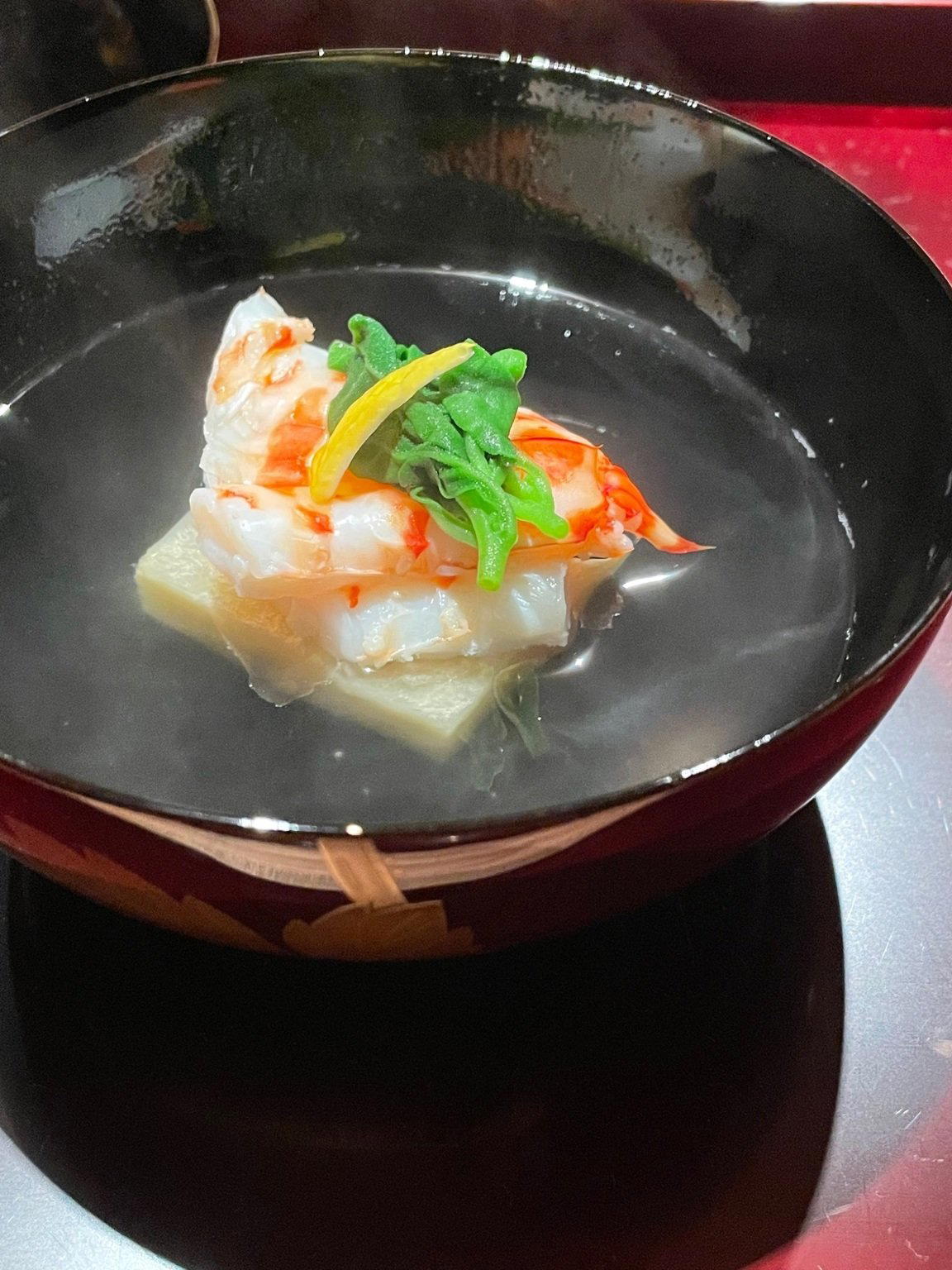
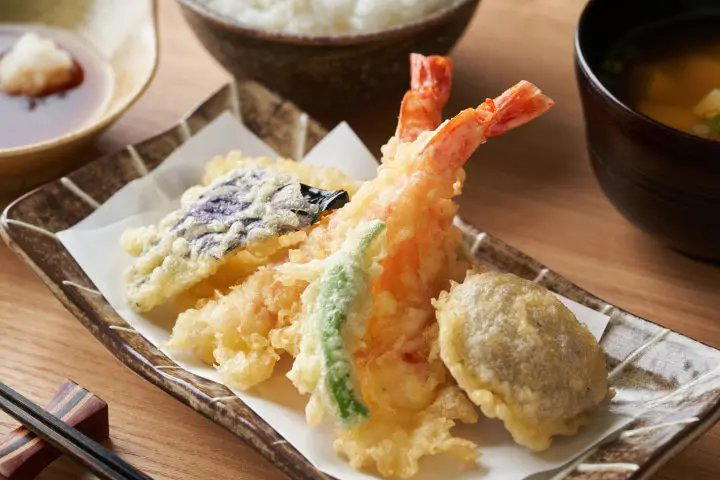
For a property at this address, the natural culinary frame is Nagoya's own gastronomic tradition, which is more distinctive than many visitors anticipate. Nagoya-meshi, the city's local food culture, encompasses hitsumabushi (grilled eel over rice, finished at the table with dashi), miso katsu (pork cutlet under a thick hatcho miso sauce), and kishimen (flat wheat noodles served in a dark miso broth). These are not hotel adaptations of local flavour; they are deeply embedded regional dishes with dedicated specialists across the city. A hotel dining programme that takes the castle-quarter address seriously tends to engage with this tradition rather than defaulting to a generic Japanese or Western menu.
The broader trend in Japanese premium hospitality has moved toward what might be called culinary specificity: properties like Zaborin in Kutchan or Fufu Kawaguchiko anchor their food and beverage programmes to regional ingredient traditions.
The Leading Hotels Signal and What It Implies
Leading Hotels of the World membership, particularly when newly confirmed for 2025, functions as an external quality benchmark for properties that have not pursued the international chain affiliations that dominate much of Japan's upper-tier hotel stock. Properties like Halekulani Okinawa or Benesse House in Naoshima operate outside that consortium but carry their own institutional recognition.
For guests comparing properties across Japan, this matters in practical terms: Leading Hotels membership implies physical and service standards that are independently assessed, not self-reported. That standard becomes particularly relevant in a secondary market like Nagoya, where the absence of the major global luxury chains (compared with Tokyo, which hosts properties such as Bvlgari Hotel Tokyo) means that consortium affiliation carries more comparative weight.
Planning Your Stay
The castle grounds are at their most photogenic during cherry blossom season in late March and early April, and again during the autumn colour period in November, both periods generate substantially higher accommodation demand in Nishi Ward, and properties with direct castle proximity book faster than those in the central business district during these windows. The Honmaru Palace reconstruction project has been ongoing for several years and continues to attract visitors interested in traditional Edo-period architecture, which provides a secondary draw outside the seasonal peaks.
For guests travelling across Japan on a broader itinerary, Nagoya sits conveniently on the Tokaido Shinkansen corridor between Tokyo and Kyoto, making it a natural stopover rather than a destination requiring a dedicated journey. Properties like Fufu Nikko, Asaba in Izu, or ENOWA Yufu occupy different regional nodes on a multi-destination Japan itinerary, but Nagoya functions as a transit point with enough culinary and cultural substance to justify a two-night stay.
Budget and Context
Comparable venues nearby, for context on price, style, and recognition.
| Venue | Cuisine | Price | Awards | Notes |
|---|---|---|---|---|
| Espacio Nagoya CastleThis venue — the venue you are viewing | Not listed | $$$$ | 4-Star | Not listed |
| Nagoya Kanko Hotel ESPACIO | Not listed | $$$$ | 4-Star | Naka, Exclusive luxury floor in established hotel |
| Nagoya Tokyu Hotel | Naka, stylish modern urban hotel | $$$$ | 4-Star | Not listed |
| The Tower Hotel Nagoya | Not listed | $$$$ | Michelin 1 Key | Naka, Historic tower blended with contemporary Japanese elegance |
| Hilton Nagoya (ヒルトン名古屋) | Not listed | $$$ | Not listed | Sakae, Contemporary Japanese-modern luxury high-rise with gallery-inspired interiors reflecting local cultural heritage. |
| TIAD, Autograph Collection | Not listed | $$$$ | Michelin 1 Key | Naka, Contemporary luxury boutique hotel with Biophilia Nest design philosophy integrating natural elements and Japanese cultural aesthetics into modern architecture. |
Recognition history
Dated appearances from independent guides and award organizations, with the underlying list record or original source where available.
Michelin Guide New Hotels New Hotel
Michelin Guide New Hotels
Tablet Hotels Top 40 New Hotels
Tablet Hotels
Leading Hotels of World Member
Leading Hotels of World
Michelin Selected
Michelin
At a Glance
- Elegant
- Sophisticated
- Scenic
- Modern
- Well Known
- Romantic Getaway
- Anniversary
- Business Trip
- Wellness Retreat
- Historic Building
- Panoramic View
- Wi Fi
- Pool
- Spa
- Fitness Center
- Room Service
- Concierge
- Business Center
- Valet Parking
- Garden
- Wi Fi
- Pool
- Spa
- Fitness Center
- Room Service
- Concierge
- Business Center
- Valet Parking
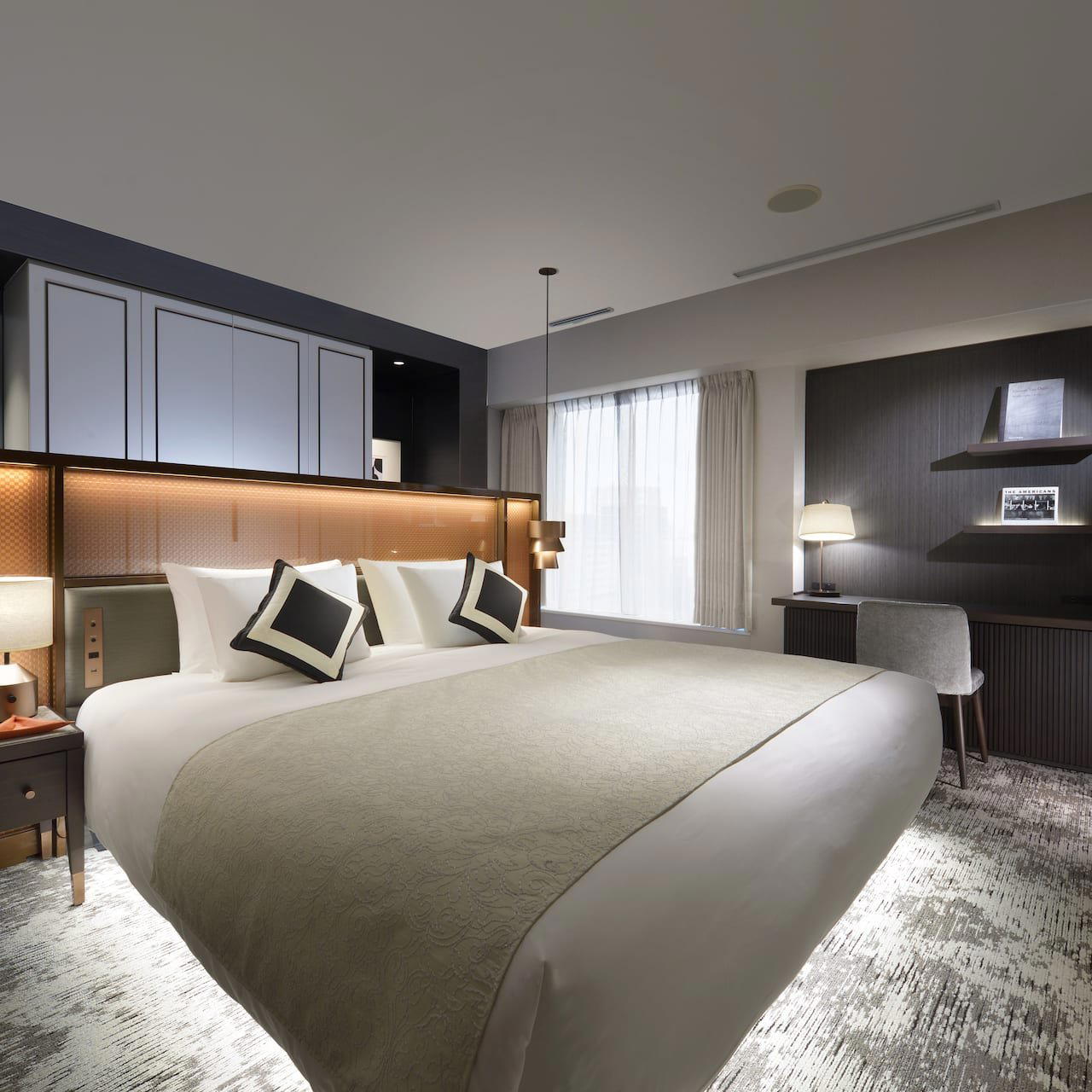
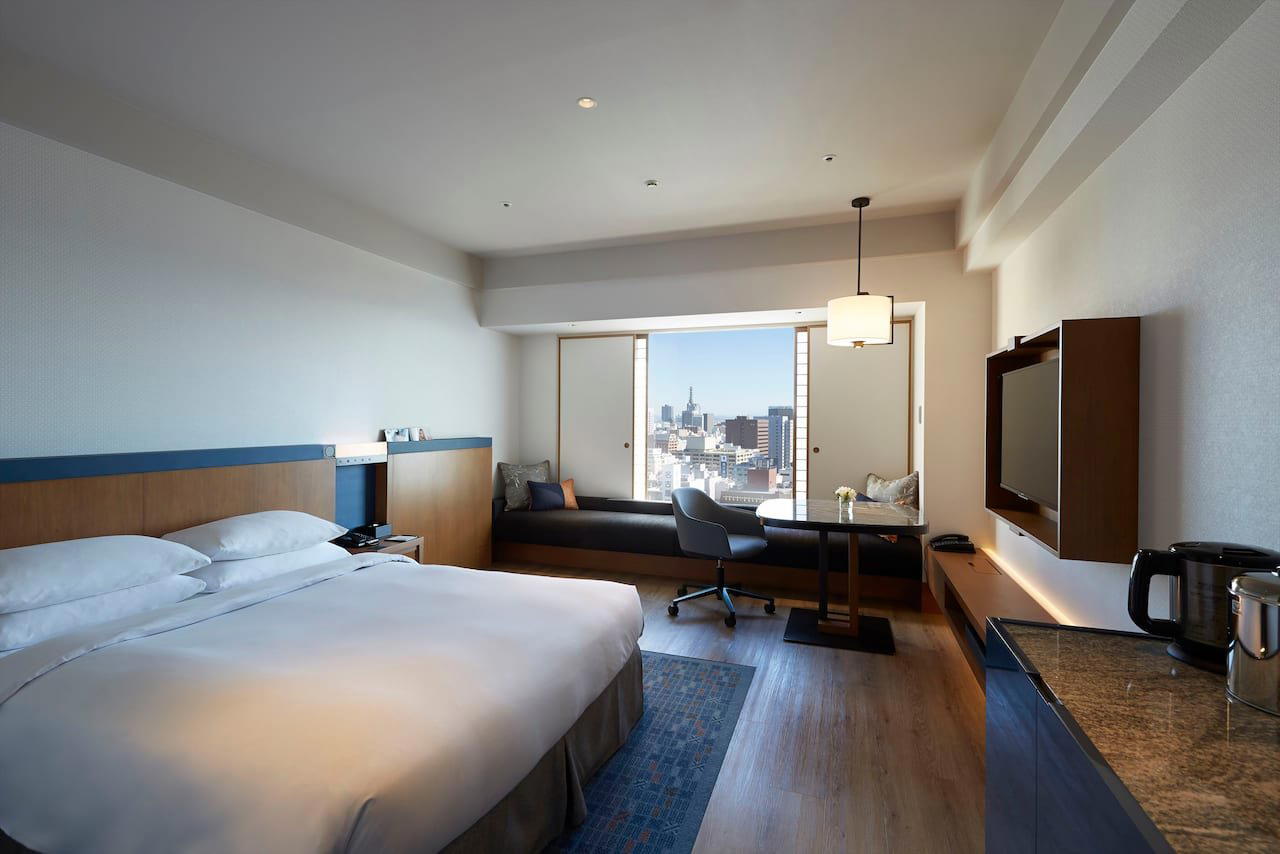
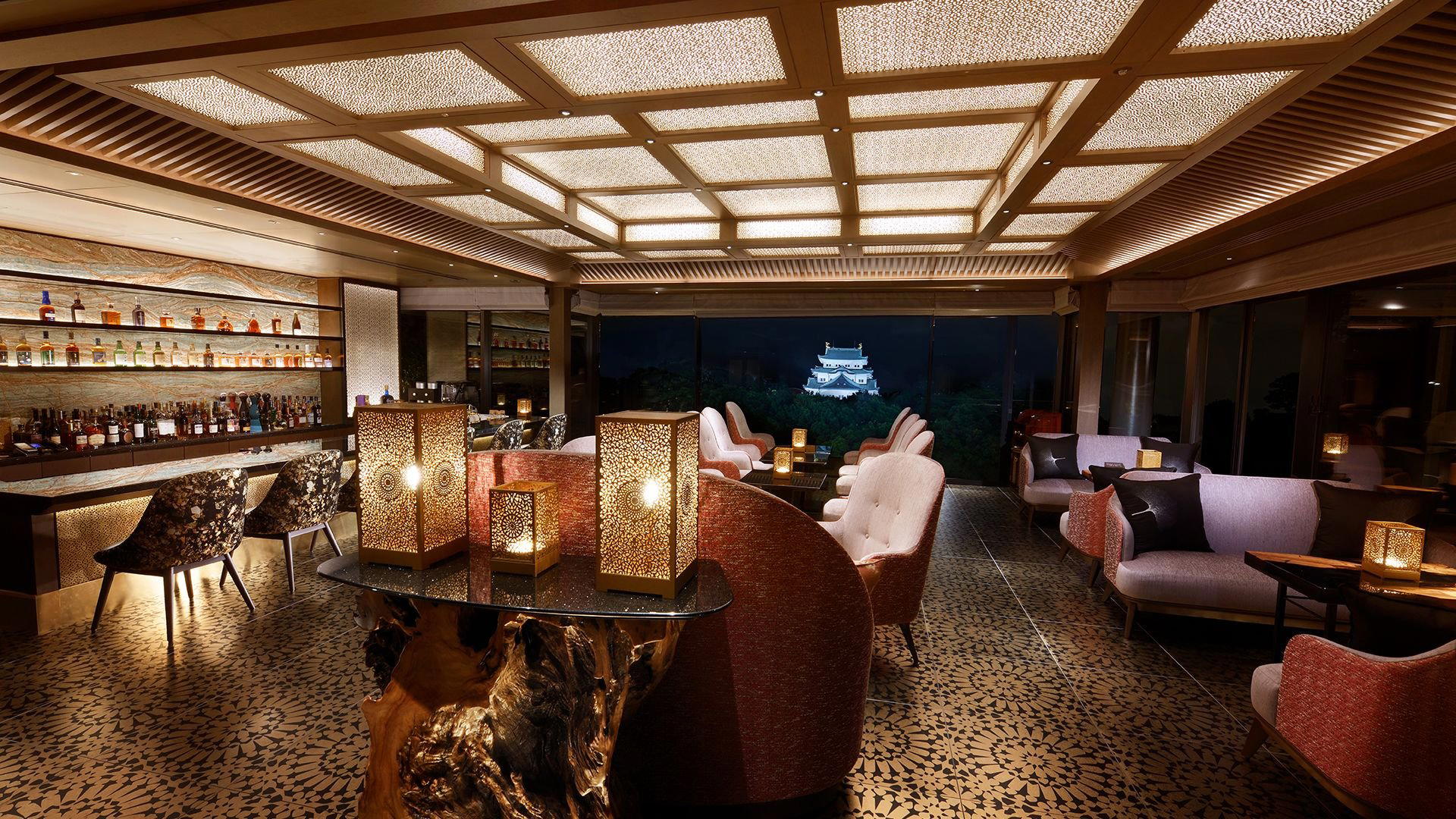
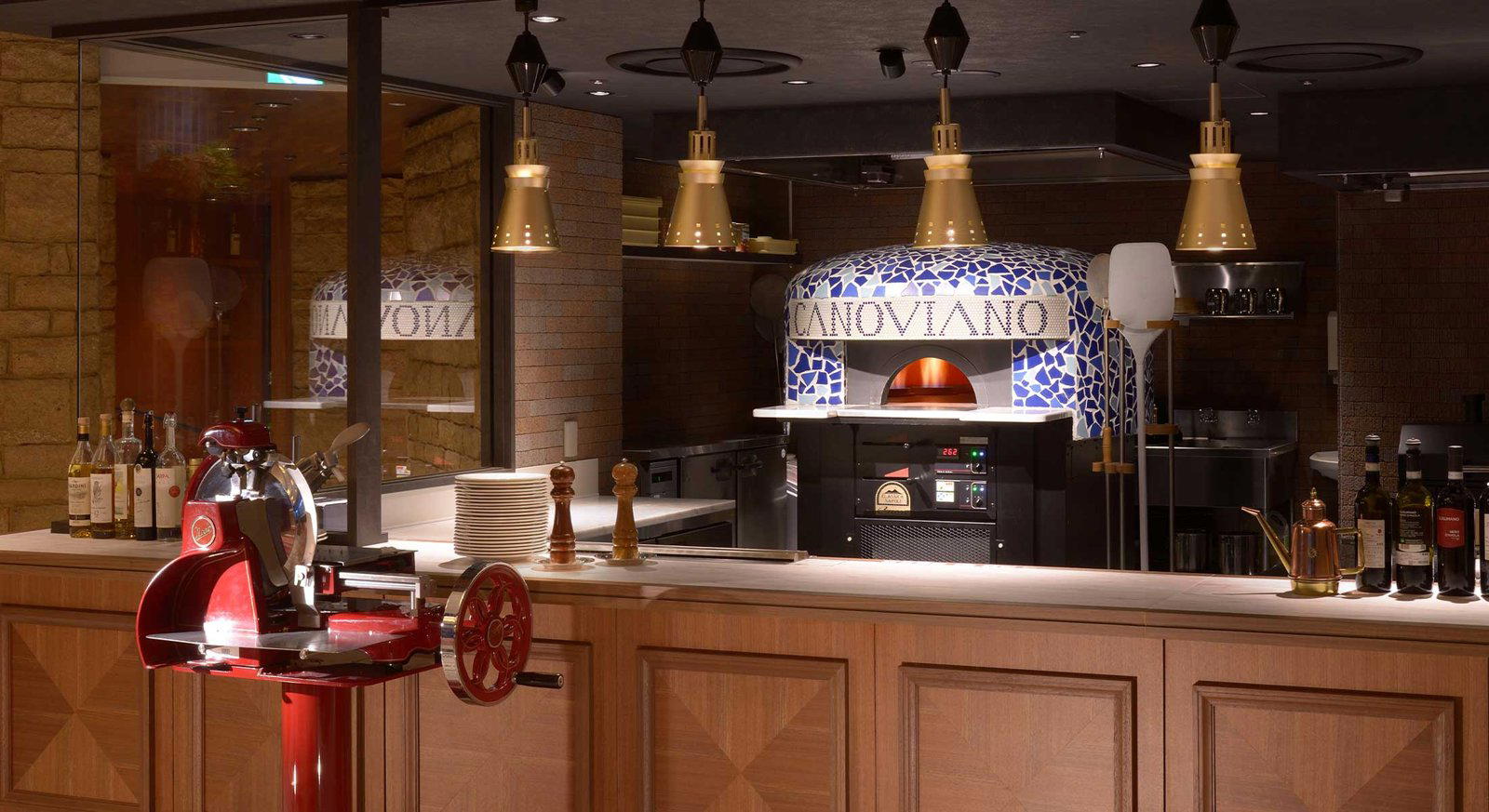
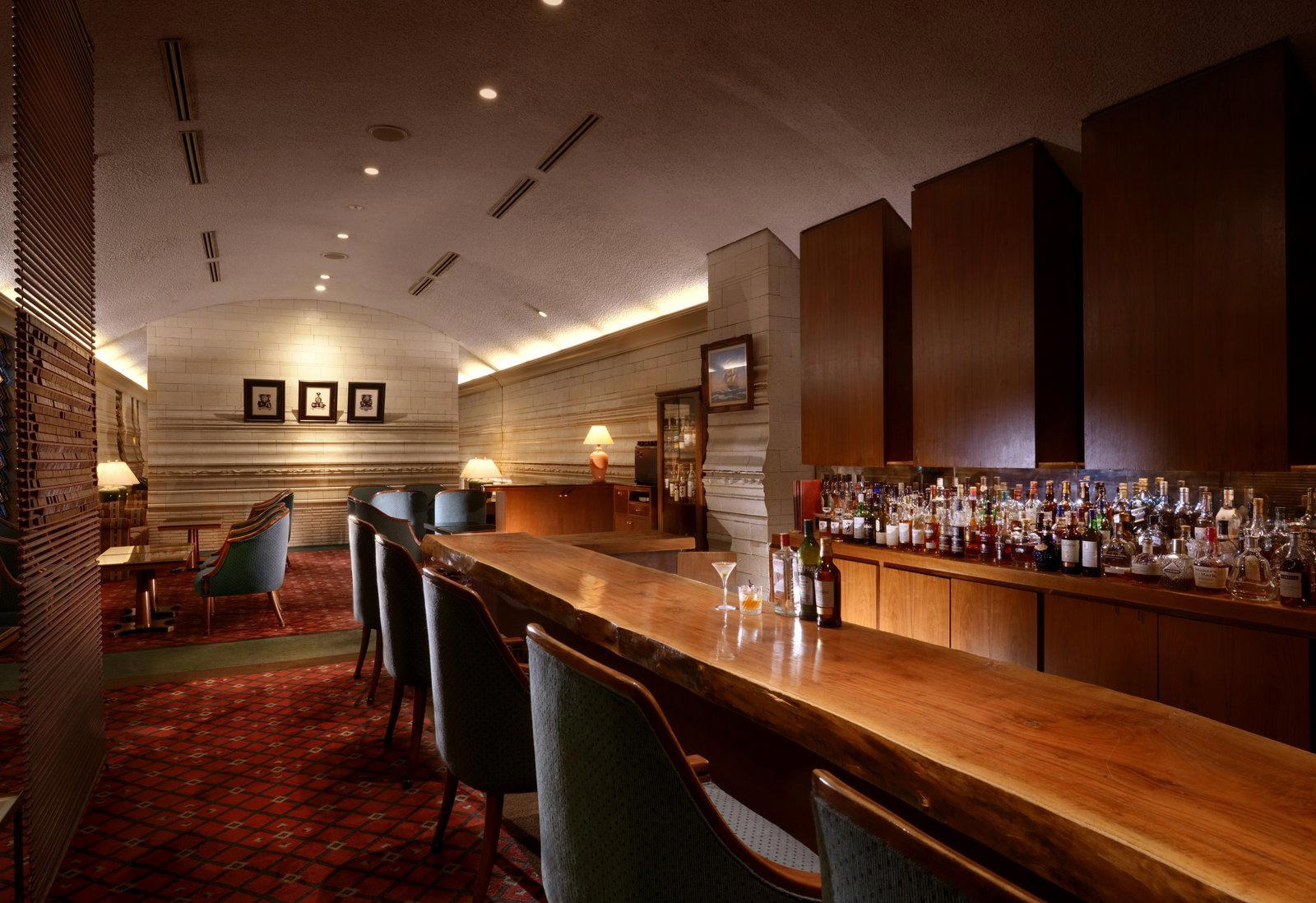
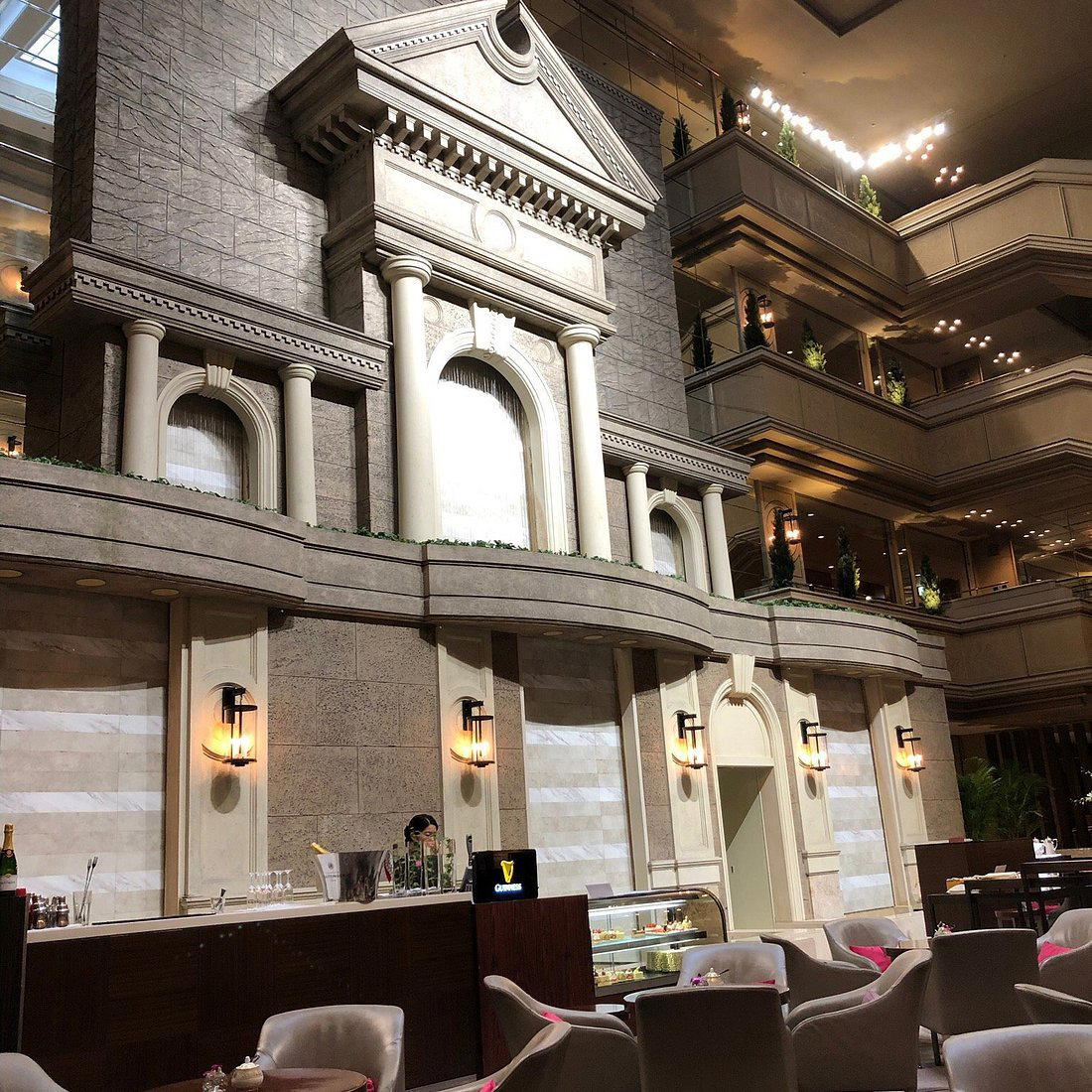
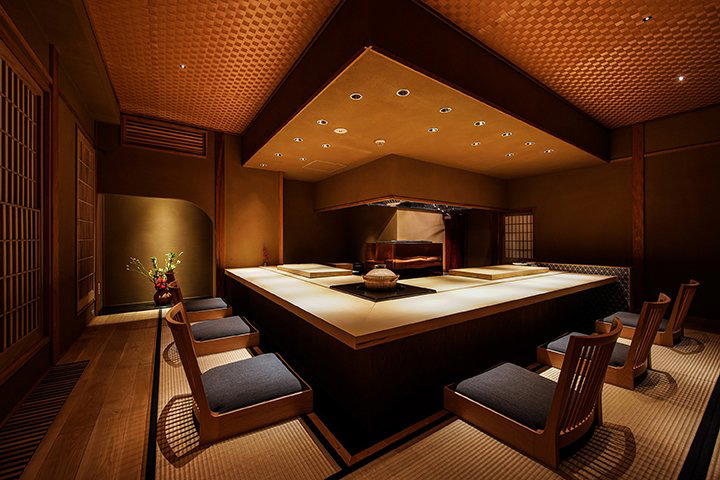
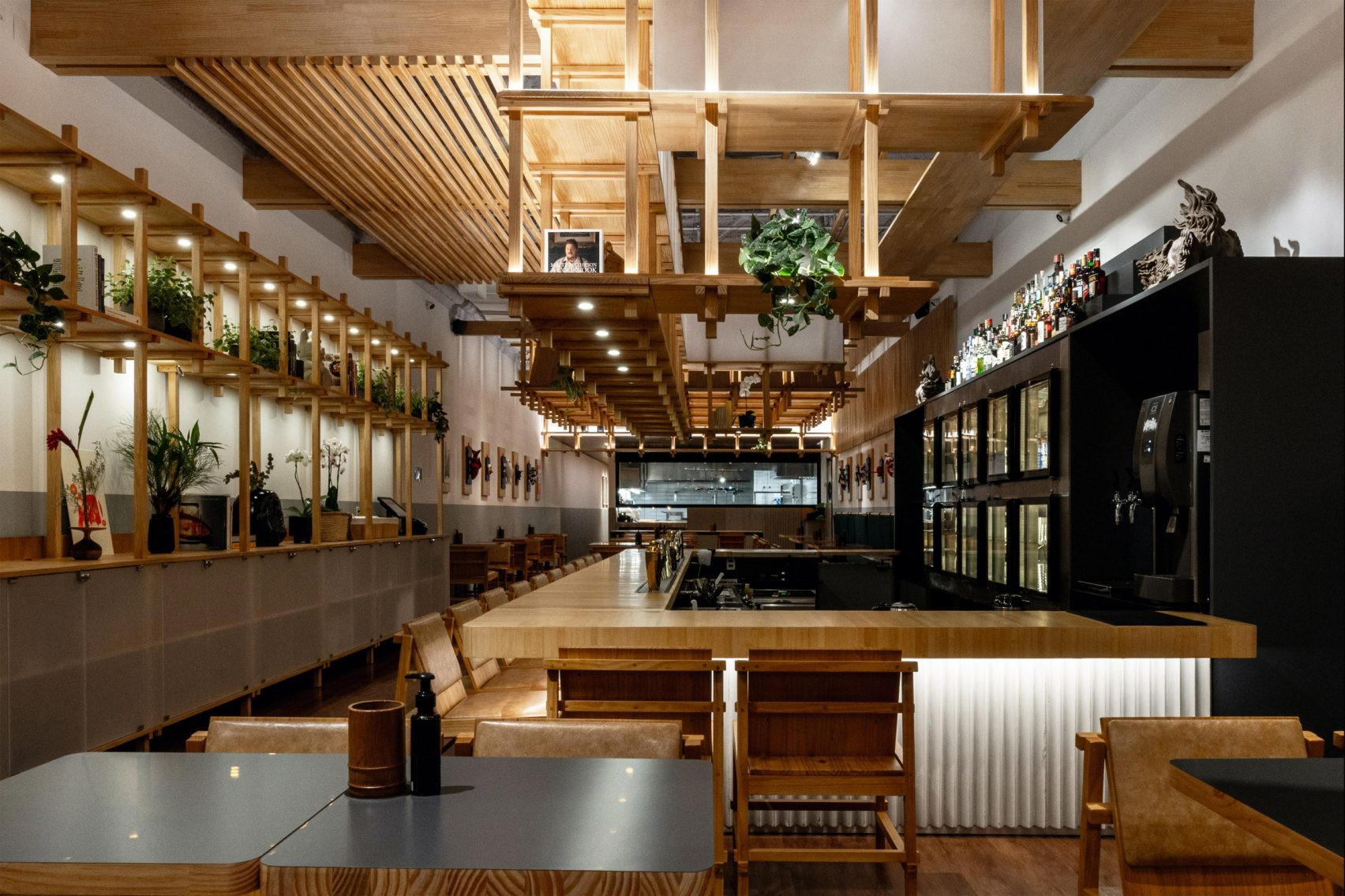
Tranquil and regal atmosphere blending traditional Japanese craftsmanship with modern design, featuring subtle lighting, art installations, and serene spa facilities.