
Nagoya’s teppanyaki scene is split between station-area convenience and formal hotel dining; Nako Tei belongs to the latter camp, with counter seating, private rooms, wine service, and a 2025 Tabelog 100 Steak / Teppanyaki EAST selection. The appeal is ritual rather than novelty: a paced grill-counter meal where beef, seafood, vegetables, and service choreography do the work.
Pearl is the En Primeur Club membership app — saves, bookings, and concierge access live there. Same editors, same standards.
- Address
- Japan, 〒450-6002 Aichi, Nagoya, Nakamura Ward, Meieki, 1 Chome−1−4 名古屋マリオットアソシアホテル 18階
- Phone
- +81 52-584-1106
- Website
- associa.com
 Saves & bookings on Pearl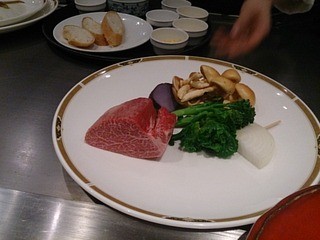
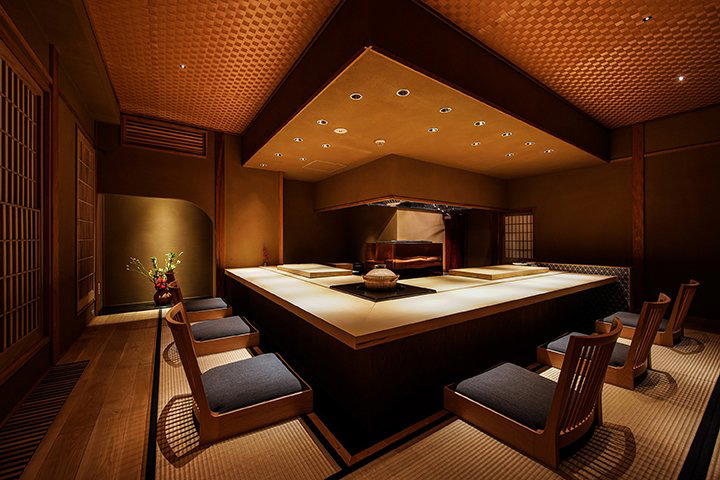
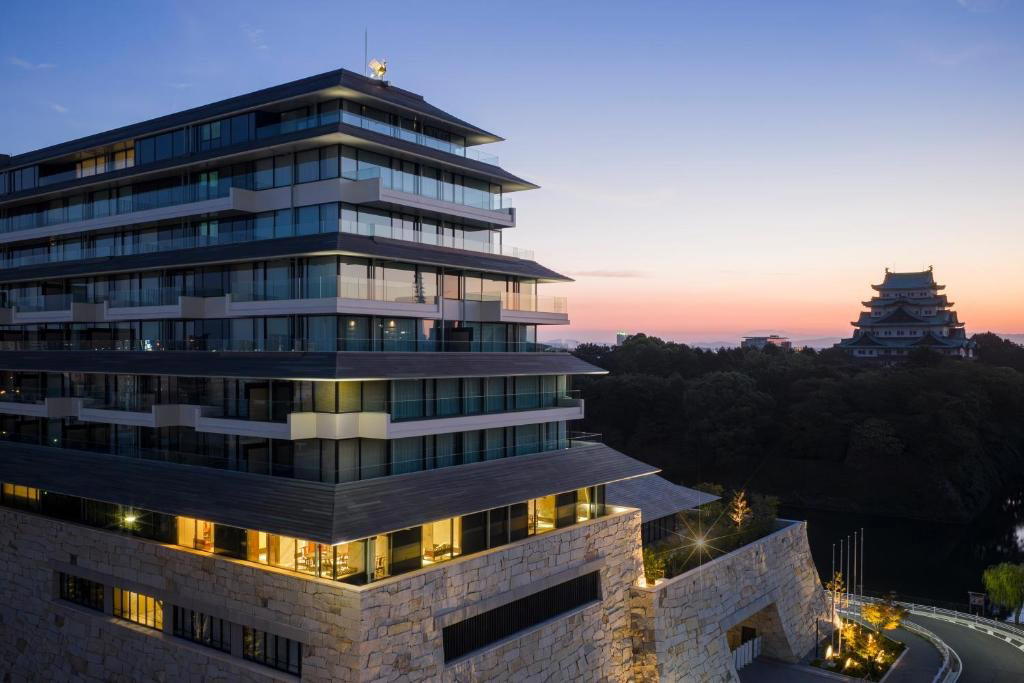
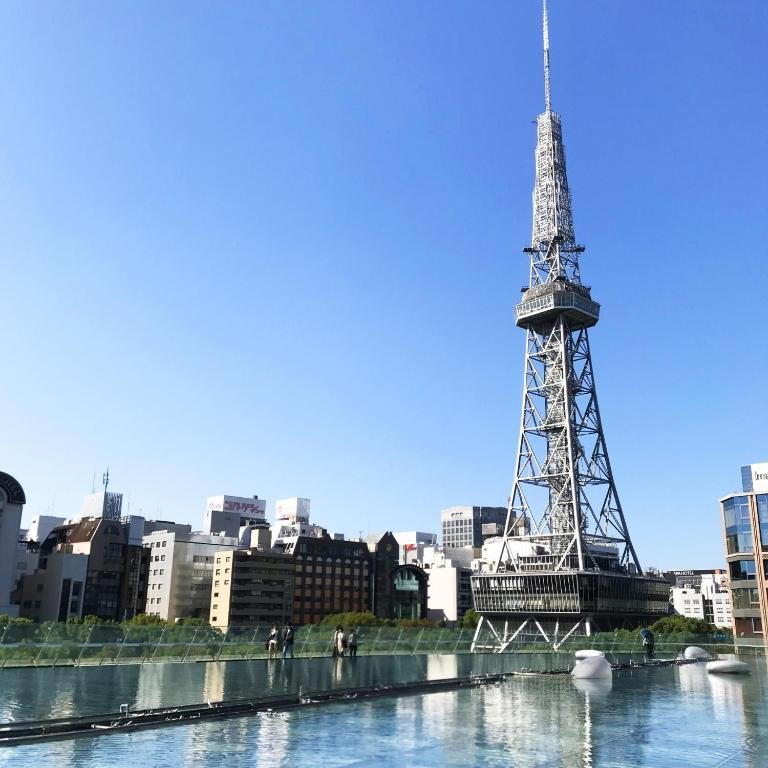
The first signal is height: an 18th-floor hotel dining room, counter seating set for the slow theatre of teppanyaki, and a city view that shifts the meal away from quick station eating into occasion dining. Nagoya has plenty of practical restaurant choices around Meieki, but the teppanyaki ritual operates on a different clock. The grill is not background equipment; it is the stage, the pacing device, and the reason to choose this format over steak served from a closed kitchen.
Nako Tei sits in the formal end of that spectrum. The restaurant is listed for Teppanyaki and Steak and was selected for the 2025 Tabelog 100 Steak / Teppanyaki EAST list, a useful marker in a category where comparison depends less on a single dish than on ingredient handling, counter discipline, and room control. Its Tabelog score is 3.65, and its recognition history also includes selections in 2024, 2022, and 2021. Those signals place it above the casual station meal and inside the competitive bracket of hotel-based beef dining in central Nagoya.
Teppanyaki in Nagoya is a ritual of timing, not spectacle
Good teppanyaki depends on restraint. The format can easily become performance for its own sake, but the Japanese hotel version is built around sequencing: vegetables, seafood, beef, rice or finishing elements, then a slower close. Nako Tei’s format follows that adult register. Counter seating matters because the guest watches heat management at close range, while private rooms for six to ten people move the same grammar into a business or family setting. The restaurant is also non-smoking, a detail that matters in a cuisine where aroma and temperature are central to the meal.
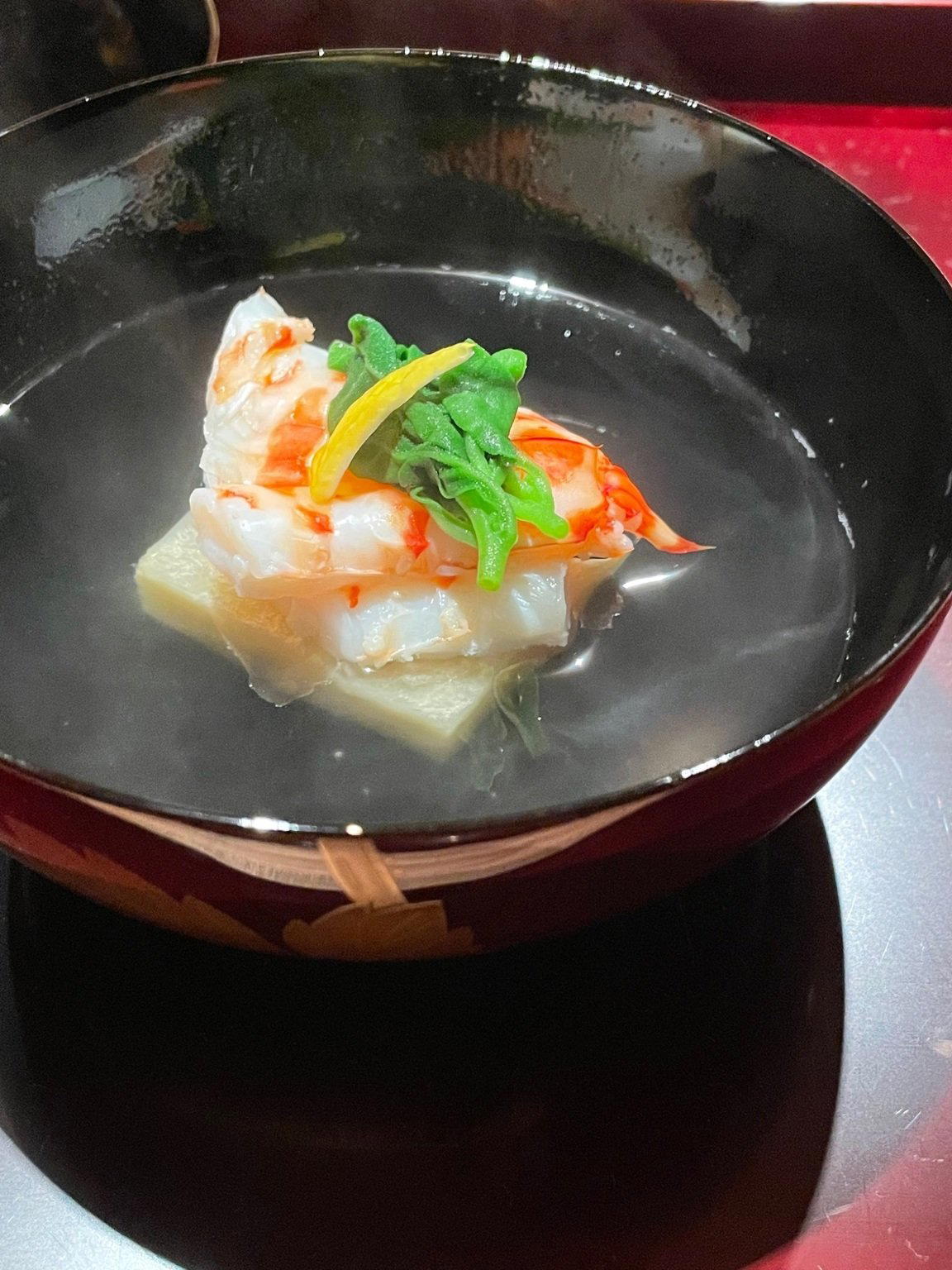
The cooking brief is broader than beef alone. The category is Teppanyaki and Steak, while the restaurant also flags attention to fish and a drinks program that includes wine and cocktails. The listed ingredients include A4 and A5 Wagyu, foie gras, live Ise lobster, live abalone, and seasonal vegetables, which clarifies the restaurant’s position: this is not a steakhouse with a grill flourish, but a hotel teppanyaki room using luxury ingredients within a set ritual. The point is the controlled progression, not a chase for novelty.
That distinction is useful in Nagoya, where the station district compresses many dining modes into a few towers and underground passages. A traveller comparing nearby choices will find lower-priced everyday meals, dessert counters, French hotel dining, sukiyaki-style beef rooms, and teppanyaki. Kounan JR sentoraru tawazu ten and ESTMARE occupy a different price and format lane; MIKUNI NAGOYA competes more directly in formal hotel dining, while Taka Fuku Nagoya JR sentoraru tawāzu ten overlaps on high-end beef culture but through another tradition. Nako Tei’s argument is the grill counter itself: direct heat, chef-facing pacing, and a meal that rewards attention.
The hotel room changes the etiquette of the grill
Hotel teppanyaki in Japan has its own social code. It is less boisterous than many overseas versions and more attuned to hosting: anniversaries, business meals, family gatherings, and visitors who want a polished meal without dealing with a hard-to-read local counter. The room’s 40-seat scale gives it more capacity than a tiny chef counter, but the presence of counter seating keeps the meal anchored in the cook-guest exchange. That balance explains why the format works for mixed groups: some guests want the theatre of the grill, others want the ease of hotel service.
Lunch and dinner also play different roles. The listed lunch budget sits far below dinner, which makes midday the more pragmatic way to experience the format, while dinner moves into a higher spend bracket and suits occasions where the room, pacing, and wine list matter. Payment flexibility is broad by Japanese restaurant standards, with major credit cards and QR code payments accepted, while electronic money is not accepted. Parking is available, and children are welcome, so the restaurant is not limited to adult-only counter dining.
Compared with tasting-menu restaurants where the kitchen controls every reveal, teppanyaki asks the diner to watch craft in real time. There is less mystery and more accountability. Heat, timing, and service rhythm are exposed. That exposure is why awards in this category carry weight: the standard is repeated execution across many small decisions rather than a single photogenic plate. A 2025 Tabelog 100 Steak / Teppanyaki EAST selection is not a substitute for personal taste, but it is a credible filter in a crowded genre.
How to place it within a Nagoya dining itinerary
For travellers building a Nagoya food schedule, the restaurant makes the clearest sense as a formal anchor meal near the station zone rather than as a quick local-specialty stop. Nagoya’s dining identity is often framed by miso katsu, hitsumabushi, kishimen, and coffee-shop culture, but the city’s hotel restaurants serve another function: they give business travellers, families, and visiting diners a controlled room for higher-spend meals without leaving the central transport core. That is where this teppanyaki room belongs.
The better decision is not whether teppanyaki is more “authentic” than local Nagoya specialties, but whether the meal’s ritual suits the occasion. Choose this format when the counter, wine, service, and paced cooking are part of the reason for going. Choose a quicker Nagoya specialty meal when the goal is regional flavour with less ceremony. For broader planning, see Our full Nagoya restaurants guide, then compare the city’s sleep, drinking, wine, and activity options through Our full Nagoya hotels guide, Our full Nagoya bars guide, Our full Nagoya wineries guide, and Our full Nagoya experiences guide.
, and All Day Dining Montmartre. For cross-city comparison, the archive also covers -Grilled beef Sukiyaki- KAMAKURA TANUKIAN 鎌倉 たぬき庵 in Kamakura. 鮪と炭火焼き うお炭 秋葉原店 in Tokyo.cafe in Osaka.know in Kumamoto, (Shoku) Vietnam in Kawasaki, [Curry Senmon Ten] Maruyama Kyoju. in Sapporo, Jōdo Saké Bar in Los Angeles, and Onigiri Time in Pasadena.
The Quick Read
Side-by-side context: comparable cuisine and price.
| Venue | Cuisine | Price | Notes |
|---|---|---|---|
| Nako TeiThis venue — the venue you are viewing | Nakamura, Luxury Japanese Teppanyaki | $$$$ | Not listed |
| Yanagibashi Yakiniku Waniku | Nakamura, Kobe Beef Yakiniku Kaiseki | $$$$ | Not listed |
| Ueda | Not listed | $$$$ | Nakagawa, Michelin 3-Star Sushi |
| Hama Gen | Shōwa, Edomae Omakase Sushi | $$$$ | Not listed |
| Sushi Daisaku | Naka, Seasonal Edomae Sushi Omakase | $$$$ | Not listed |
| Kyoto Kiccho Nagoya ten | Not listed | $$$$ | Nakamura, Traditional Kyoto-style kaiseki |
Recognition history
Dated appearances from independent guides and award organizations, with the underlying list record or original source where available.
Tabelog 100 #92 · No. 92
Tabelog · Tabelog 100 - Steak / Teppanyaki - EAST - 2025
Continue exploring
More in Nagoya
Restaurants in Nagoya
Browse all →
At a Glance
- Elegant
- Sophisticated
- Romantic
- Modern
- Intimate
- Special Occasion
- Date Night
- Business Dinner
- Celebration
- Family
- Group Dining
- Chefs Counter
- Open Kitchen
- Private Dining
- Panoramic View
- Hotel Restaurant
- Extensive Wine List
- Sommelier Led
- Local Sourcing
- Skyline
- Garden
Current opening hours
- Monday
- 11:30 AM–3 PM, 5:30–10 PM
- Tuesday
- 11:30 AM–3 PM, 5:30–10 PM
- Wednesday
- 11:30 AM–3 PM, 5:30–10 PM
- Thursday
- 11:30 AM–3 PM, 5:30–10 PM
- Friday
- 11:30 AM–3 PM, 5:30–10 PM
- Saturday
- 11:30 AM–3 PM, 5–10 PM
- Sunday
- 11:30 AM–3 PM, 5–10 PM
Hours can change for holidays and private events. Last verified .
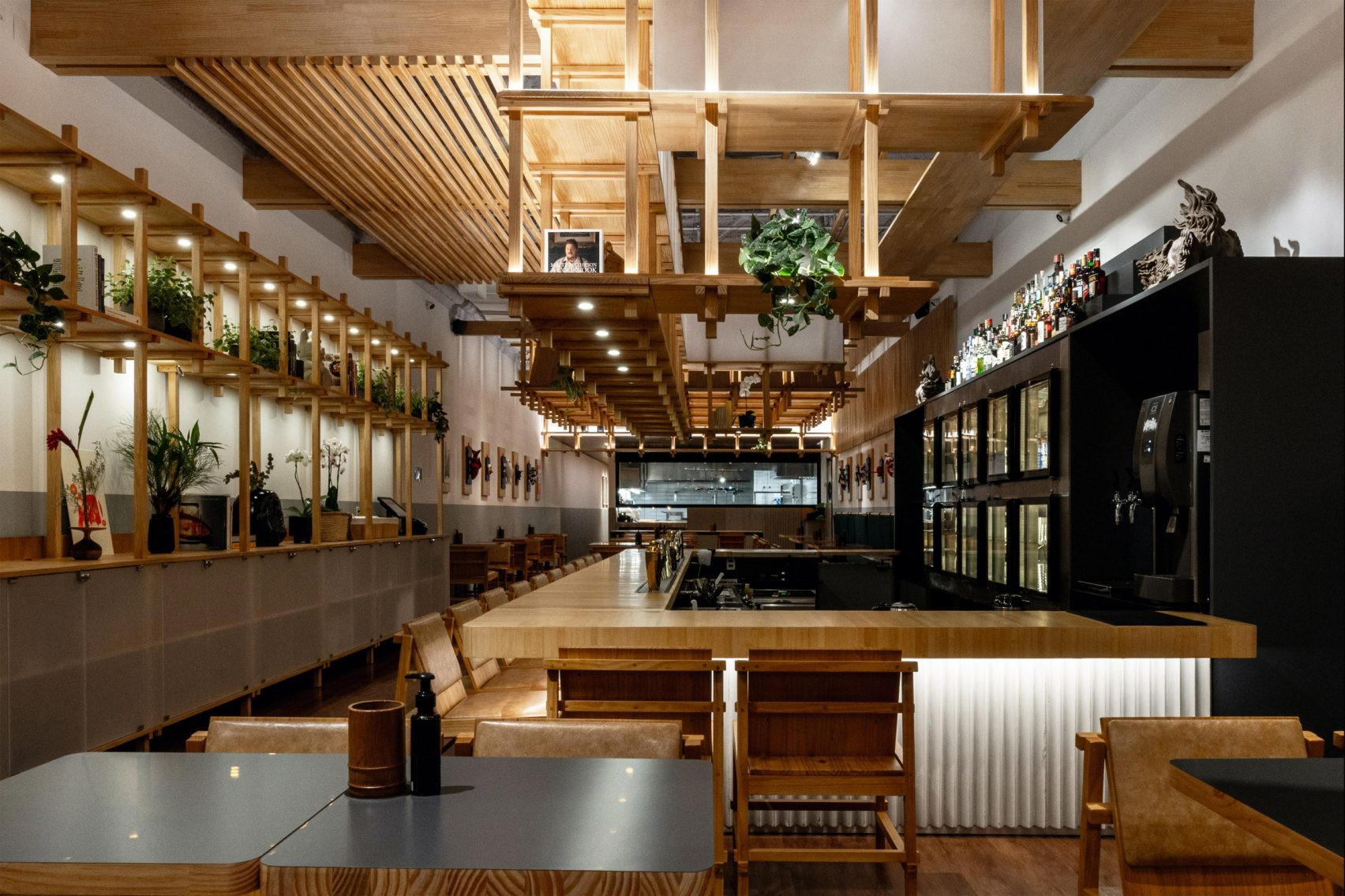
Refined hotel teppanyaki with polished counters, a serene and modern design, and attentive formal service; guests experience the sounds and aromas of the grill in an intimate, quietly luxurious setting suited to dates, celebrations, and business dinners.