
Chez Kobe occupies a quiet address in Nagoya's Showa Ward, operating at a remove from the city's more trafficked dining corridors. The name signals a particular culinary orientation — one that sits at the intersection of Western technique and Japanese sensibility that has long defined Nagoya's mid-to-upper dining register. Booking details are best confirmed directly through local channels.
Pearl is the En Primeur Club membership app — saves, bookings, and concierge access live there. Same editors, same standards.
- Address
- Umezono-24 Hirojicho, Showa Ward, Nagoya, Aichi 466-0834, Japan
- Phone
- +81528327584
- Website
- chezkobe.co.jp
- Directions
- Get directions
 Saves & bookings on Pearl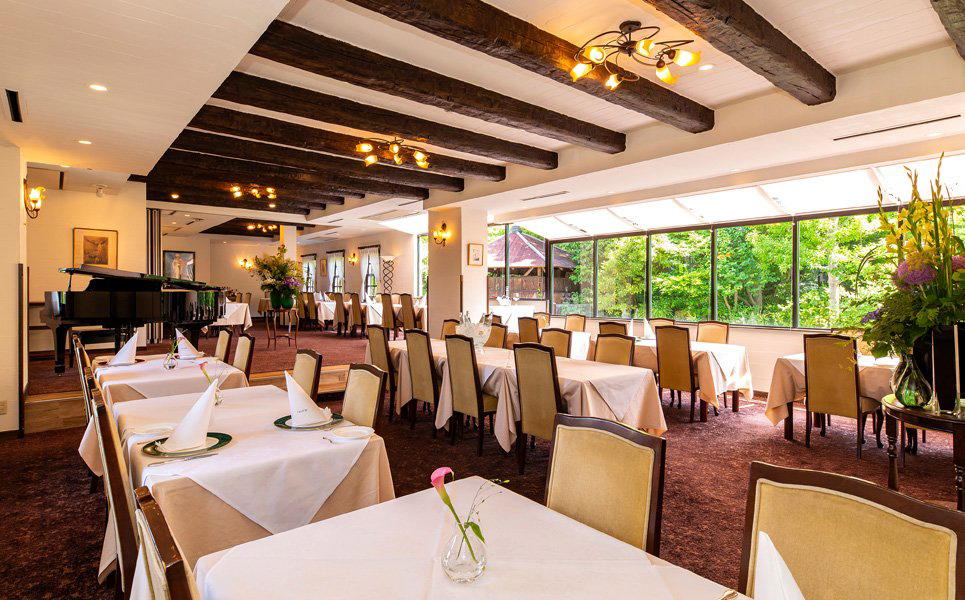
Showa Ward and the Quieter Side of Nagoya Dining
Nagoya's dining reputation tends to concentrate around its central wards and the dishes that define its regional identity: hitsumabushi eel, miso katsu, kishimen noodles. But the city's more considered restaurants often occupy residential side streets, where the absence of foot traffic is a feature rather than a liability. Chez Kobe sits in precisely this kind of address — Hirojicho in Showa Ward, a neighbourhood that reads more like inner-city residential Tokyo than the commercial strips most visitors associate with Aichi prefecture's capital. Arriving there by taxi or on foot from Nagoya's subway network, the surroundings shift quickly from the utilitarian to the domestic, which is its own kind of editorial signal about what kind of meal awaits.
That physical remove from the centre is a pattern shared by several of Nagoya's more serious addresses. cucina Wada and Ecco both operate outside the obvious tourist radius, drawing a local clientele for whom the journey is part of the commitment. It is a model common across Japan's secondary cities, where rent economics and neighbourhood character allow kitchens to operate without the overheads that compress ambition in central locations.
The Cultural Weight of the Name
The name Chez Kobe carries freight worth unpacking. "Chez" is a French construction — literally "at the house of", applied here to Kobe, Japan's port city that has historically been the country's most porous gateway to Western culinary influence. Since the Meiji period, Kobe's foreign settlements introduced beef culture, bread-baking, and the Franco-Japanese hybrids that would eventually become Yoshoku: that distinctly Japanese domestication of Western cooking. A restaurant in Nagoya invoking both the French preposition and the Kobe signifier is placing itself, at least nominally, within that tradition of cross-cultural translation.
That tradition matters because it is genuinely its own cuisine now, not imitation. Yoshoku and its descendants, the demi-glace-sauced hayashi rice, the meticulously breaded tonkatsu, the omurice with its lacquered egg exterior, represent a culinary grammar that evolved independently of its French and German sources. Nagoya sits within a prefecture where that grammar has been inflected by local ingredients and local palate preferences, producing a regional variant that differs from the Osaka or Tokyo expressions of the same tradition. Bacio and Cucina Italiana Gallura represent Nagoya's appetite for Western-rooted cooking in an Italian register; Chez Kobe's French-inflected framing suggests a different corner of the same broad map.
Where Chez Kobe Sits in Nagoya's Dining Order
Nagoya occupies an interesting position in Japan's national dining conversation. It is the country's fourth-largest city by population and sits at the economic heart of the Chubu region, yet its restaurant scene receives less international editorial attention than Osaka, Kyoto, or Fukuoka. That asymmetry is partly historical, Nagoya's wealth has traditionally expressed itself through manufacturing and commerce rather than hospitality culture, and partly a function of how food tourism routes are structured around the Shinkansen corridor.
The city's Michelin-recognised addresses span washoku, French, Italian, and the regional specialities that anchor Nagoya's local identity. Atsuta Horaiken, one of the city's most historically documented hitsumabushi institutions, represents one pole of that spectrum. Chez Kobe, with its Western-coded name and Showa Ward address, occupies a quieter position, a neighbourhood restaurant of the kind that Japan sustains with particular density: places that do not seek critical attention but accumulate a loyal local following over years of consistent operation.
For context on how Japan's serious regional restaurants compare with the country's more celebrated addresses, it is worth noting that venues like Gion Sasaki in Kyoto and HAJIME in Osaka operate under sustained international scrutiny. Harutaka in Tokyo and Goh in Fukuoka similarly draw visitors specifically for the meal. Chez Kobe's profile is quieter, which, in Japan, is not necessarily a disadvantage. The country's dining culture has long valued consistency and neighbourhood rootedness over the machinery of international recognition.
Planning Your Visit
Showa Ward is accessible from central Nagoya via the Tsurumai subway line, with Tsurumai Station serving as the most convenient interchange for the Hirojicho address. The neighbourhood rewards arriving on foot from the station rather than by taxi, since the residential character of the streets gives a better sense of the local dining context. This is standard practice for smaller Japanese restaurants of this type, where the proprietor relationship-driven model often operates outside digital booking infrastructure.
Visitors approaching Nagoya more broadly will find that the city rewards a longer stay than the standard half-day stopover that Shinkansen access encourages. The restaurant density in Showa and Chikusa wards specifically, both residential districts with serious local dining, justifies treating Nagoya as a destination rather than a transit point. Our full Nagoya restaurants guide covers the wider field for those building a multi-meal itinerary.
For travellers who move through multiple Japanese cities on a single trip, the contrast between Nagoya's quieter neighbourhood dining and the more internationally visible restaurants of other regions, akordu in Nara for its Spanish-Japanese framework, or any of the more remote regional addresses like those in Nanao or Takashima, illustrates how thoroughly Japan distributes serious cooking across its geography. The assumption that quality concentrates in Tokyo or Kyoto is one that Japan's provincial dining culture consistently disproves.
How Chez Kobe Nagoya compares with similar nearby venues.
| Venue | Price | Awards |
|---|---|---|
| Chez Kobe | Not listed | Tabelog 100 #71 (2025) |
| La Liliana | JPY 10,000 - JPY 14,999 JPY 6,000 - JPY 7,999 | Not listed |
| Patisserie Avalon | JPY 1,000 - JPY 1,999 | Not listed |
| Sekine | JPY 20,000 - JPY 29,999 | Not listed |
| Ramen Suiren | JPY 999 - JPY 999 | Not listed |
Recognition history
Dated appearances from independent guides and award organizations, with the underlying list record or original source where available.
Tabelog 100 #71 · No. 71
Tabelog · Tabelog 100 - French - EAST - 2025
At a Glance
- Elegant
- Sophisticated
- Intimate
- Date Night
- Special Occasion
- Private Dining
- Sake Program
Current opening hours
- Monday
- 11 AM–2:30 PM, 5:30–10 PM
- Tuesday
- 11 AM–2:30 PM, 5:30–10 PM
- Wednesday
- Closed
- Thursday
- 11 AM–2:30 PM, 5:30–10 PM
- Friday
- 11 AM–2:30 PM, 5:30–10 PM
- Saturday
- 11 AM–2:30 PM, 5:30–10 PM
- Sunday
- 11 AM–2:30 PM, 5:30–10 PM
Hours can change for holidays and private events. Last verified .
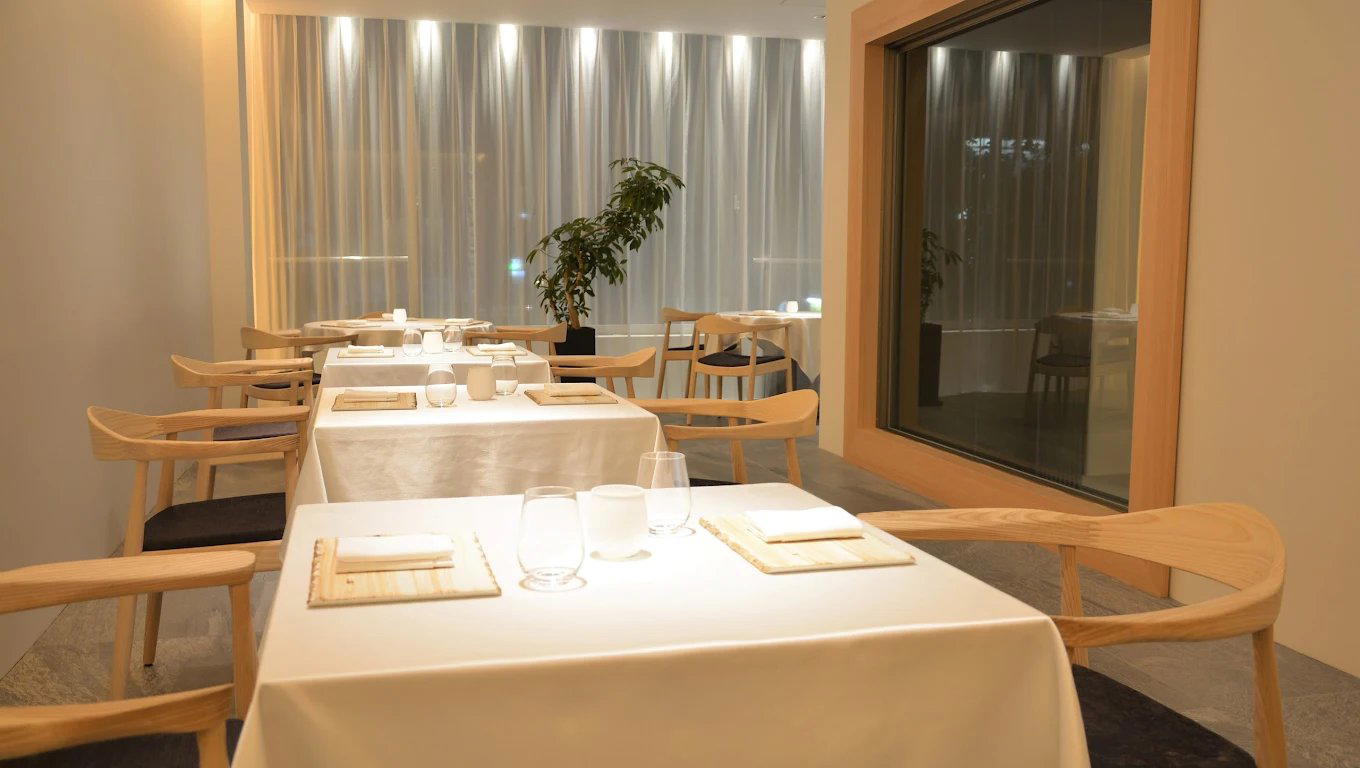
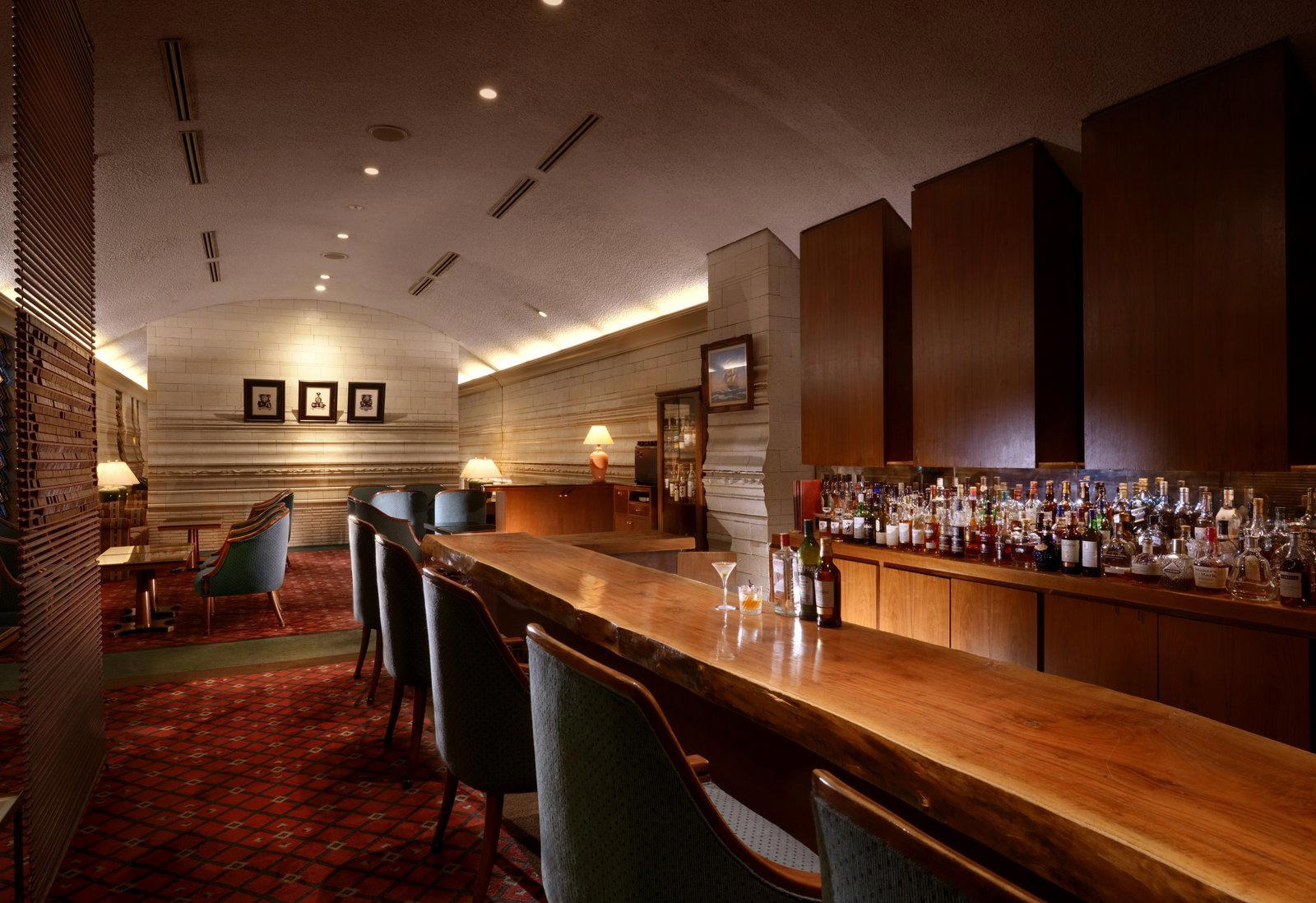
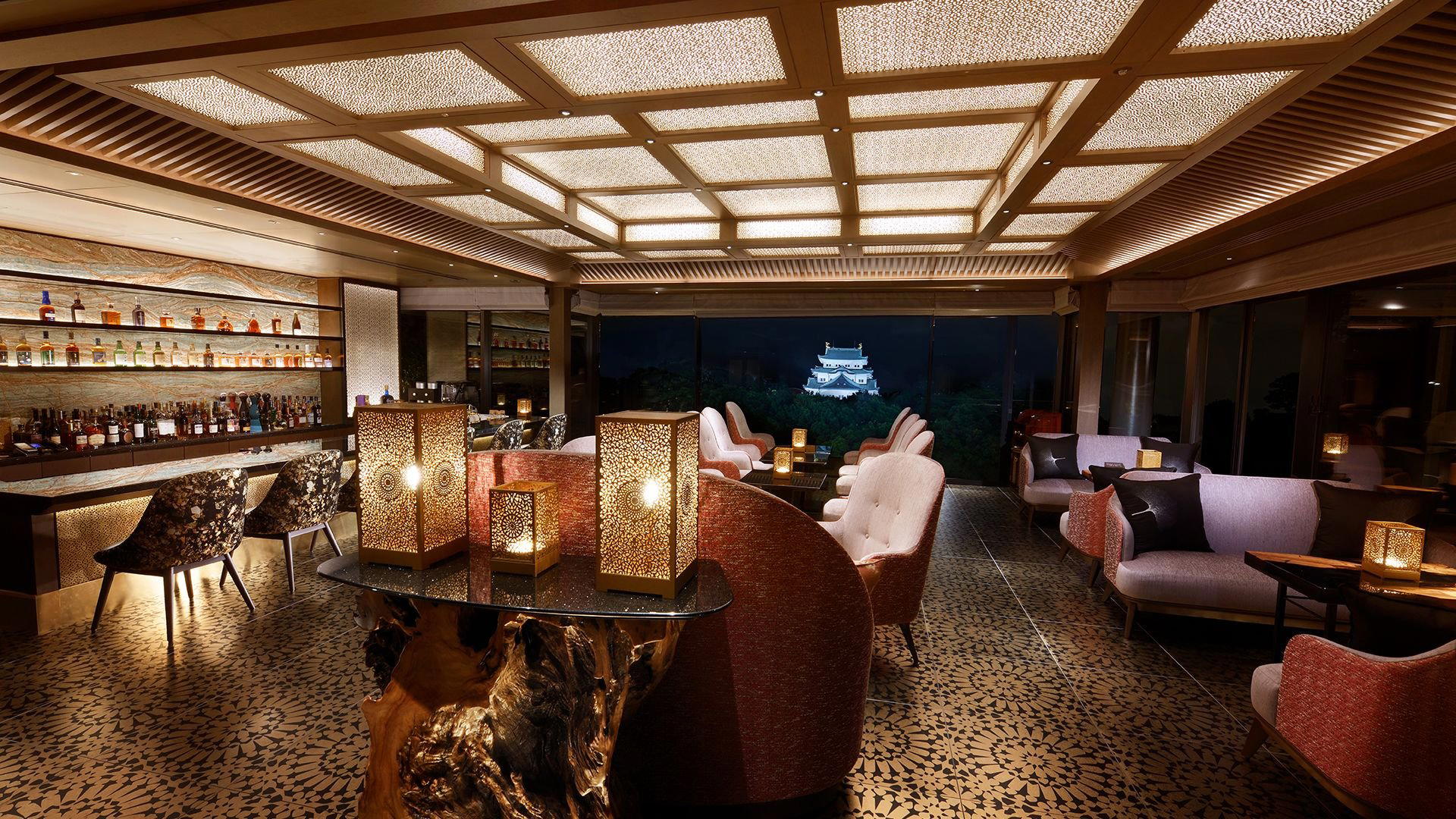
Charming and relaxing atmosphere ideal for intimate dining with loved ones.
Know Before You Go
- Getting there
- Umezono-24 Hirojicho, Showa Ward, Nagoya, Aichi 466-0834, Japan