
Bacio serves Tuscan Italian with local Aichi ingredients in Nagoya, with quiet pacing, a sake program, and signature pici pasta with porcini.
Pearl is the En Primeur Club membership app — saves, bookings, and concierge access live there. Same editors, same standards.
- Address
- Japan, 〒461-0003 Aichi, Nagoya, Higashi Ward, Tsutsui, 3 Chome−33−1 小町ビル
- Phone
- +81529321919
- Website
- restaurant.ikyu.com
- Directions
- Get directions
 Saves & bookings on Pearl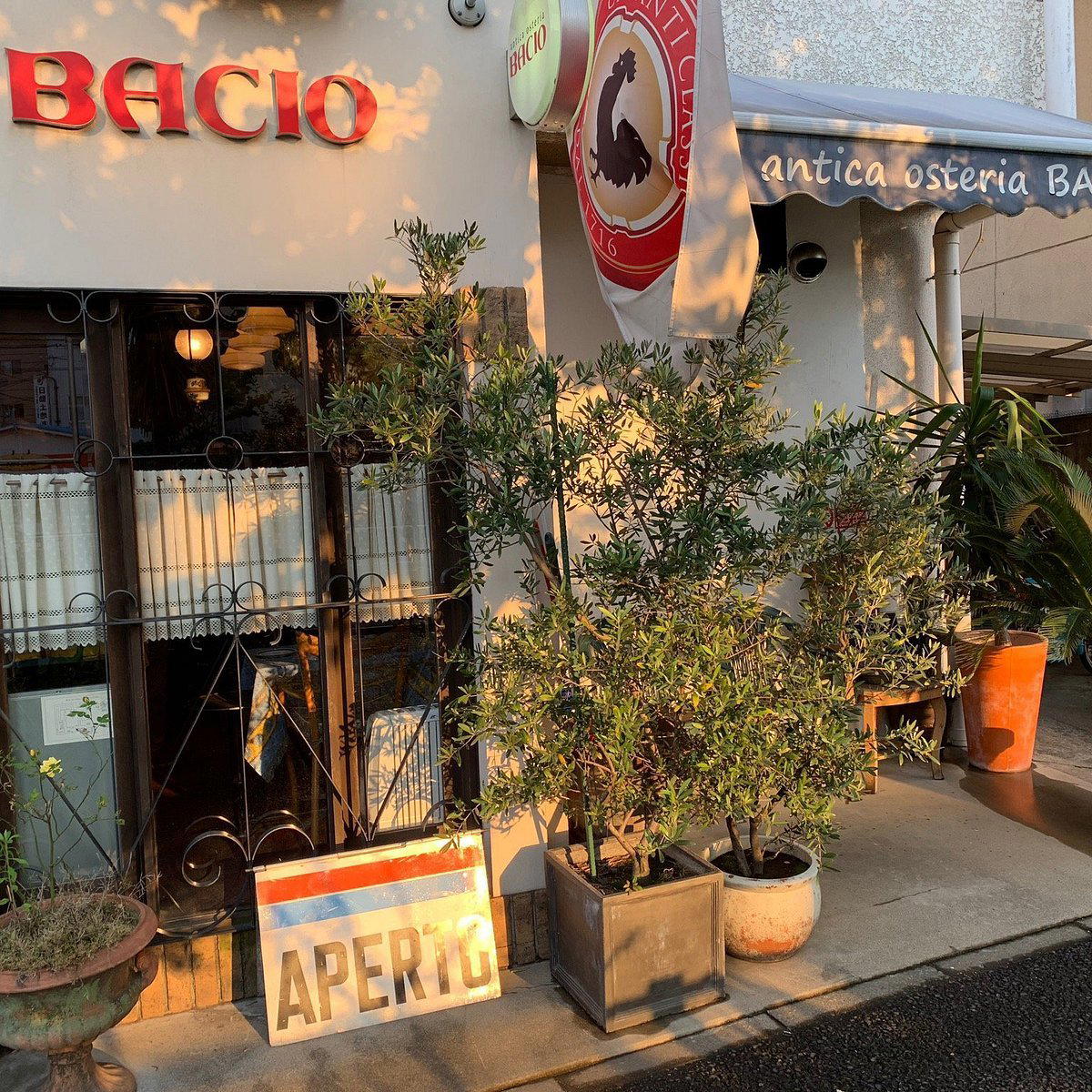
Italian in Nagoya's Higashi Ward: Where Sourcing Does the Talking
Higashi Ward sits east of Nagoya's commercial centre, a residential quarter where dining destinations tend to earn their reputations through word of mouth rather than foot traffic. The street address on Tsutsui puts Bacio in that category: a neighbourhood setting that filters for committed diners rather than passing trade. In a city where Italian cooking has developed a distinct local character, shaped partly by Nagoya's ingredient culture and partly by Japan's broader obsession with technique and provenance, a small Italian address in Higashi Ward signals a specific kind of ambition. The room, the format, and the sourcing decisions all point inward, toward the plate, rather than outward toward spectacle.
Nagoya's dining scene has long operated in the shadow of Osaka's energy and Tokyo's volume, yet the city carries its own culinary logic. Local producers supplying vegetables, pork, and freshwater fish into the Aichi Prefecture food chain give kitchens here access to ingredients that rarely appear on tables further east. Italian restaurants in this context face a particular creative question: how much of the peninsula's tradition do you preserve, and how much do you reinterpret through what Aichi grows, raises, and catches? The more persuasive Italian addresses in Nagoya tend to answer that question through the sourcing itself, letting Aichi produce sit inside Italian frameworks rather than forcing an obvious fusion point. Bacio operates within that tradition.
The Sourcing Framework: Aichi Ingredients Inside Italian Architecture
The editorial angle that matters most when reading an Italian restaurant in provincial Japan is not which pasta shapes appear or whether the wine list leans northern Italian. The more telling question is where the kitchen looks first when building a season's menu. Aichi Prefecture produces a range of agricultural goods with genuine regional identity, including Nagoya Cochin chicken, a breed with protected status and a following among Japanese chefs that extends well beyond the prefecture. Kishu ume, Mikawa bay seafood, and local root vegetables round out a producer network that gives kitchens sourcing options unavailable to their counterparts in central Tokyo or Osaka's high-rent restaurant district.
Italian cooking, at its structural core, is built around the idea that the ingredient is the dish. The sauce, the pasta, the cooking time exist to present the raw material rather than transform it beyond recognition. When that philosophy meets a producer network as specific as Aichi's, the results can be more coherent than Italian cooking that sources from generic wholesale channels regardless of geography. For context, Italian restaurants in Japan that have reached recognition tier, such as cucina Wada and Ecco in Nagoya, or akordu in Nara, tend to share that sourcing-first discipline as a common characteristic. The same logic applies at affetto akita in Akita, where Italian format and hyper-local northern Japanese produce produce a different but structurally similar result.
The Nagoya Italian Context
Italy-trained chefs who return to Japan often bring back a specific understanding that supermarket-standard Italian ingredients are unavailable in Japan, and that local substitution is not compromise but adaptation. That adaptation has produced, over two decades, a Japanese-Italian idiom with genuine critical standing. Several of Japan's most discussed Italian addresses now source almost exclusively from Japanese producers: HAJIME in Osaka operates in a related philosophical space, though its register sits at the molecular end of the spectrum. The quieter, produce-led version of the same argument is what makes neighbourhood Italian in a city like Nagoya worth attention.
Nagoya also has its own non-Italian dining tradition worth understanding as context. Atsuta Horaiken, the city's most documented hitsumabushi address, and the unagi houses of the Atsuta district represent the pole of Nagoya cuisine that draws the most external attention. But the city supports a broader range: Chez Kobe holds its own in the French register.
For comparison with Italian addresses elsewhere in Japan: Cucina Italiana Gallura in Nagoya takes a different approach in format and cuisine framing. Outside the city, the broader Japan Italian scene includes recognised addresses from Gion Sasaki in Kyoto and Goh in Fukuoka, each operating within their own regional sourcing logic. International reference points for produce-led cooking at high technical level include Le Bernardin in New York City and Lazy Bear in San Francisco, both of which share a sourcing discipline that transcends their primary cuisine category.
Planning a Visit
Bacio sits in Tsutsui, Higashi Ward, an address that requires intent: this is not a restaurant you arrive at by accident. The Higashi Ward location puts it within reach of central Nagoya by subway, with Nagoya Station roughly twenty minutes by rail from the eastern residential districts. For visitors arriving from Tokyo on the Tokaido Shinkansen, or from Osaka and Kyoto on the same line, Nagoya Station is the natural hub. Given the neighbourhood format and the scale that small Italian addresses in Japan typically operate at, reservation lead time is worth treating seriously: comparable venues in Nagoya's Italian tier book out two to four weeks in advance during autumn and spring seasons, when Aichi produce is at its most diverse. Contacting the restaurant directly ahead of any visit is the reliable approach, as phone and website details are not publicly confirmed. Our full Nagoya restaurants guide maps the broader dining options across the city's wards and price tiers.
For travellers building a multi-city Japan itinerary around produce-led dining, Nagoya sits conveniently between Tokyo and Osaka on the Shinkansen corridor. Pairing a Nagoya evening with visits to Harutaka in Tokyo, Abon in Ashiya, or Aji Arai in Oita builds a coherent picture of how different Japanese cities translate local produce into formal dining contexts. Ajidocoro in Yubari District and Akakichi in Imabari extend that survey into Japan's more remote prefectures.
In Context: Similar Options
| Venue | Cuisine | Price |
|---|---|---|
| BacioThis venue — the venue you are viewing | This venue | Not listed |
| Cucina Italiana Gallura | Sushi | Sushi |
| Hachisen | Kyoto Cuisine | Kyoto Cuisine |
| il AOYAMA | Italian | Italian |
| Tokusen | Japanese | Japanese |
| Unafuji | Unagi | Unagi |
Recognition history
Dated appearances from independent guides and award organizations, with the underlying list record or original source where available.
Tabelog 100 #75 · No. 75
Tabelog · Tabelog 100 - Italian - EAST - 2025




At a Glance
- Cozy
- Intimate
- Elegant
- Date Night
- Special Occasion
- Sake Program
- Local Sourcing
Current opening hours
- Monday
- Closed
- Tuesday
- 11:30 AM–2 PM, 5:30–10 PM
- Wednesday
- 11:30 AM–2 PM, 5:30–10 PM
- Thursday
- 11:30 AM–2 PM, 5:30–10 PM
- Friday
- 11:30 AM–2 PM, 5:30–10 PM
- Saturday
- 11:30 AM–2 PM, 5:30–10 PM
- Sunday
- 11:30 AM–2 PM, 5:30–10 PM
Hours can change for holidays and private events. Last verified .
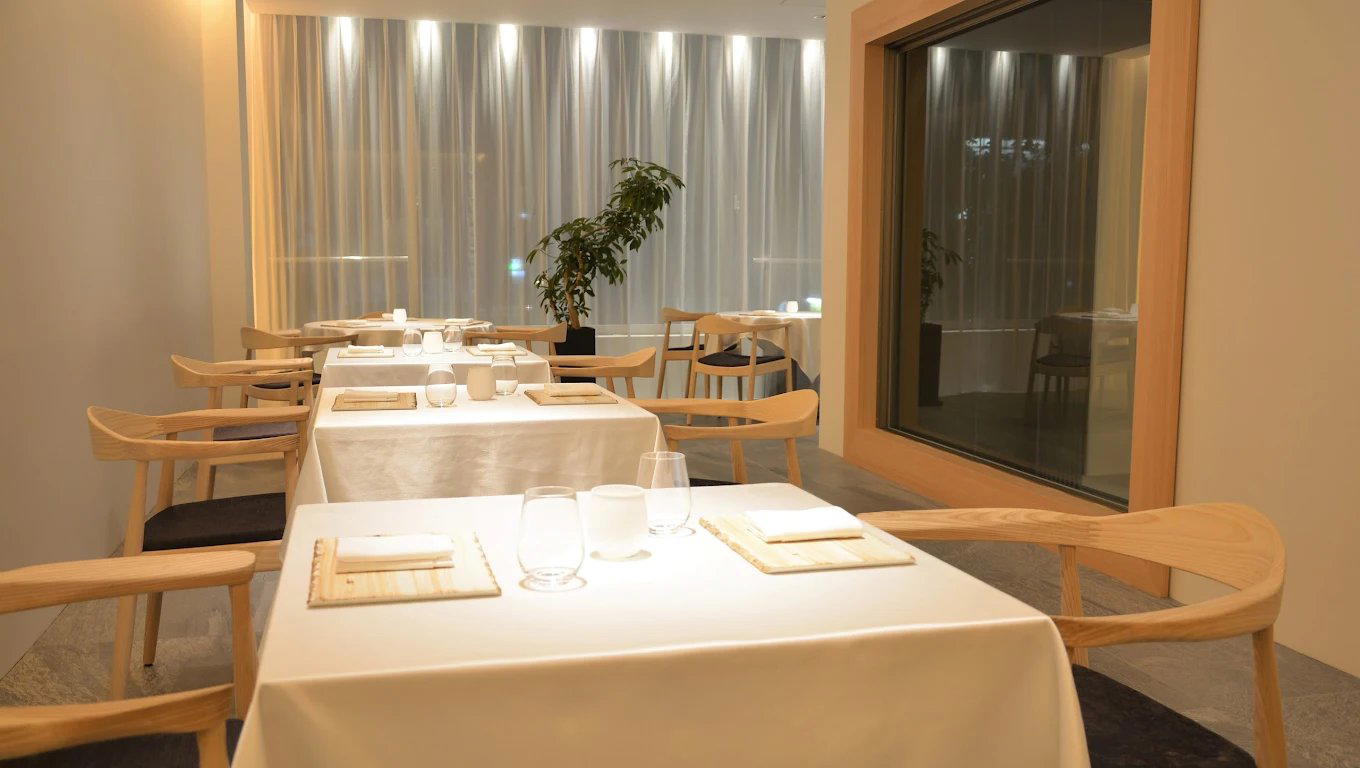
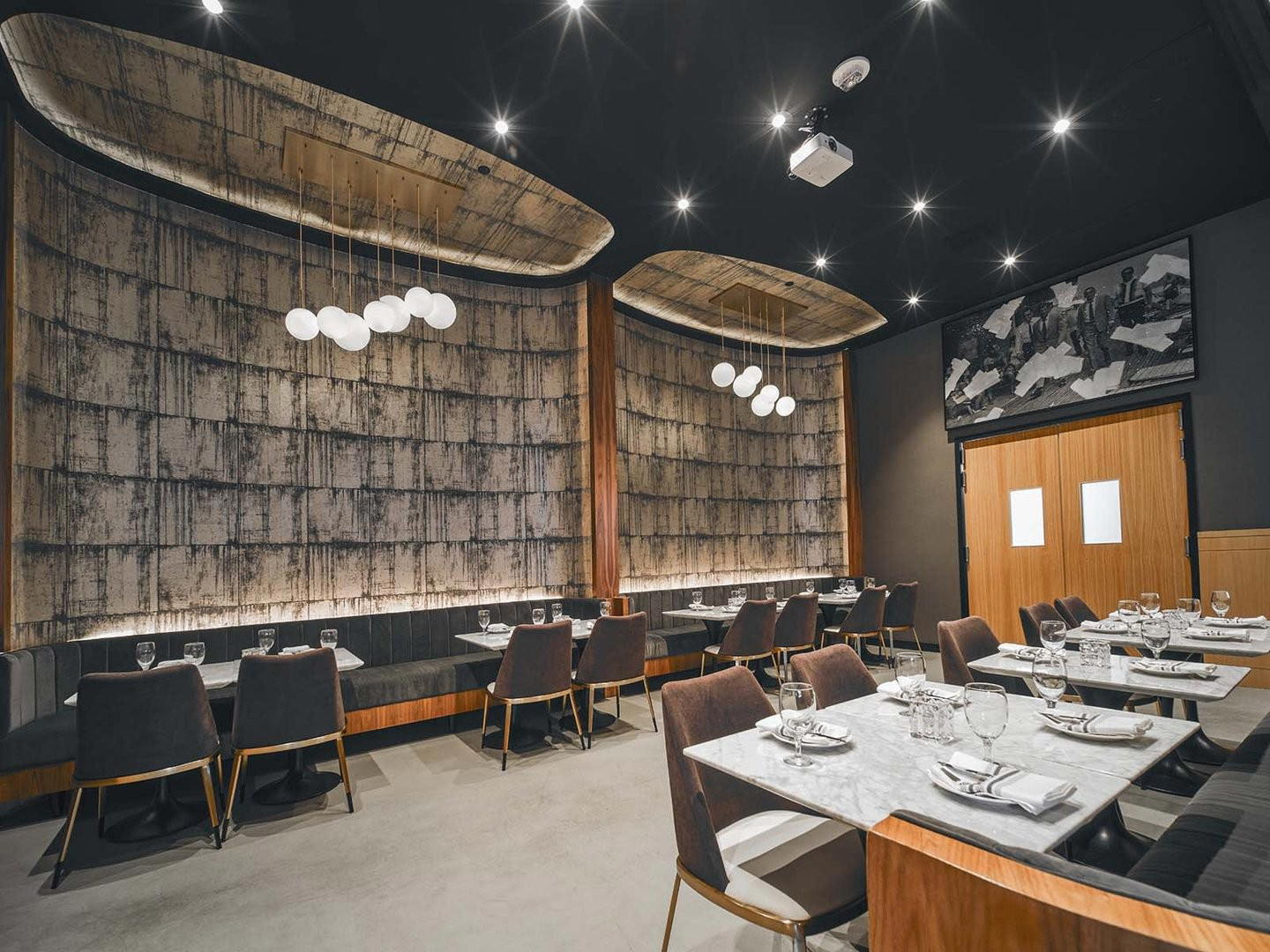
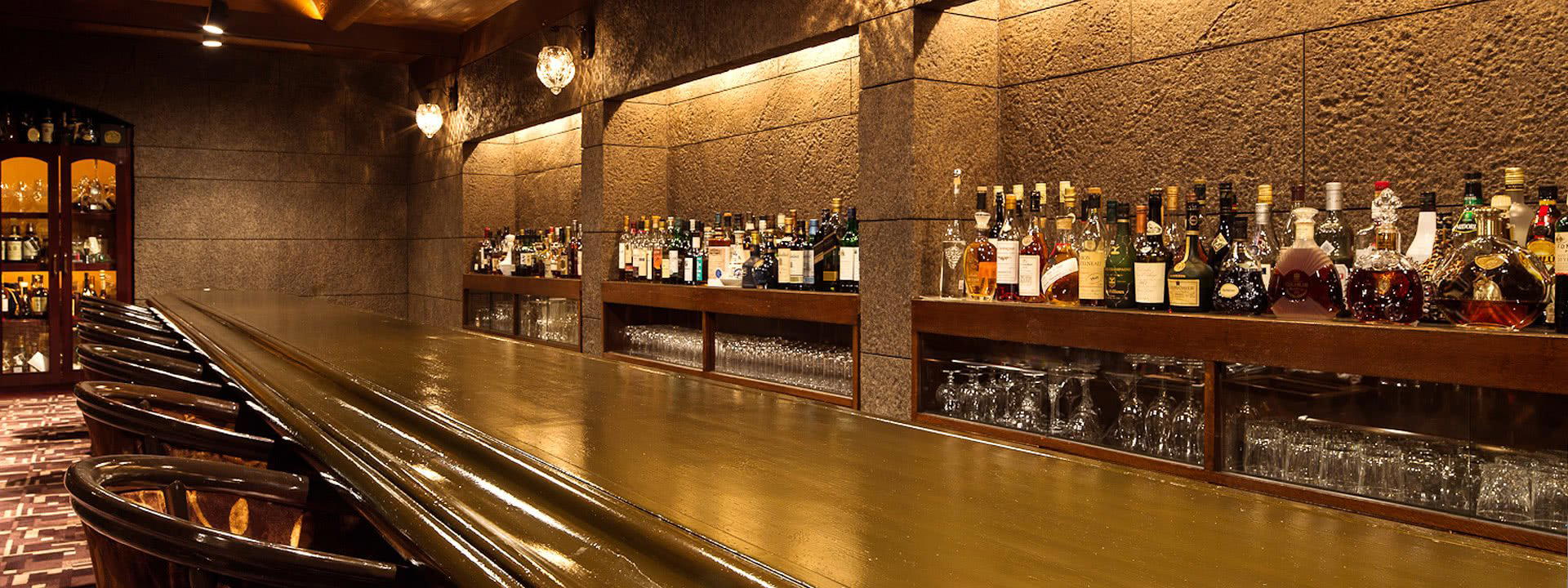
Cozy and warm Tuscan-inspired osteria atmosphere with intimate seating and a focus on heartfelt hospitality.
Know Before You Go
- Getting there
- Japan, 〒461-0003 Aichi, Nagoya, Higashi Ward, Tsutsui, 3 Chome−33−1 小町ビル