

Cucina Italiana Gallura gives Nagoya’s serious dining scene an Italian counterpoint to the city’s sushi and kaiseki gravity. Its reputation is anchored by repeated Tabelog Award recognition, Tabelog Italian EAST 100 selection, and Opinionated About Dining listings, placing it in a small Nagoya tier where critical reception matters as much as format.
Pearl is the En Primeur Club membership app — saves, bookings, and concierge access live there. Same editors, same standards.
- Address
- 70-2 Yamazatocho, Showa Ward, Nagoya, Aichi 466-0824, Japan
- Phone
- +81 52-680-7889
- Website
- gallura.jp
- Directions
- Get directions
 Saves & bookings on Pearl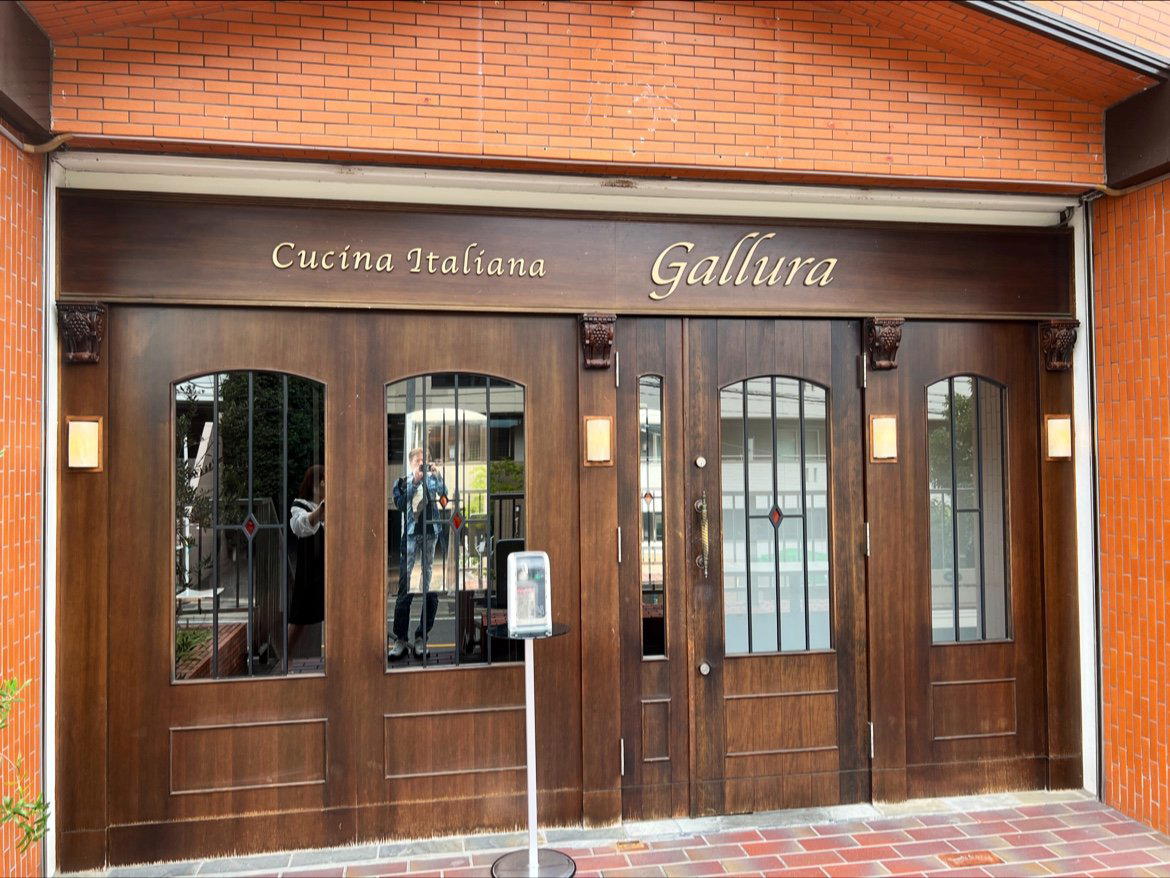
Yamazatocho is not the Nagoya address visitors usually picture when they think of destination dining. The centre of gravity here is quieter, closer to residential Showa Ward than to the station-front hotel towers and department-store restaurants. That setting suits a restaurant whose reputation has built less through spectacle than through repeat critical recognition: Italian cooking filtered through Japanese sourcing discipline, a small room, and a dining culture that treats reservations and pacing as part of the meal rather than administrative detail.
In Nagoya, high-end dining often gets discussed through sushi first. Counters such as Hama Gen, Hijikata (土方), Ueda, Nojima, and Ranmaru define much of the city’s premium conversation, particularly for travellers comparing Nagoya with Tokyo or Osaka. Cucina Italiana Gallura occupies a different lane. Its strength is not an attempt to imitate Tokyo-style luxury, but a narrower proposition: Italian cuisine with fish given serious billing, wine service in the foreground, and enough outside validation to make it more than a local favourite.
Italian cooking in Nagoya's reservation-only tier
The meaningful detail is not simply that the restaurant serves Italian food. Japan has a mature Italian dining culture, and the stronger kitchens tend to read less like replicas of Tuscany or Piedmont than Japanese restaurants using Italian grammar. Seafood, seasonality, portion rhythm, and wine pairing culture often matter more than regional orthodoxy. Gallura fits that pattern, with its public profile tied to fish-focused cooking and a sommelier-supported wine program rather than red-sauce nostalgia or hotel-Italian polish.
That matters in Nagoya because the city’s premium dining scene is broad but not always legible to short-stay visitors. Sushi, unagi, kappo, yakitori, and French-influenced tasting menus compete for attention, while Italian restaurants are often filed mentally as secondary choices. Here, the awards history changes the reading. The restaurant has received Tabelog Award recognition across multiple years, including Bronze in 2026, 2025, 2024, 2023, 2022, 2021, 2020, and 2017, with Silver recognition in 2019 and 2018. It was also selected for Tabelog Italian EAST 100 in 2025, 2023, and 2021, and appears in Opinionated About Dining’s Japan lists, including a 2026 Recommended listing.
Those signals are useful because Japanese restaurant rankings can be noisy for travellers who do not follow the domestic dining scene. Tabelog’s award ecosystem tends to reward sustained diner consensus and category strength rather than a single international inspection moment. Opinionated About Dining, by contrast, reflects a more enthusiast-driven lens. When both point toward the same restaurant, the takeaway is not hype; it is durability. This is a room that has stayed in the conversation through multiple cycles of Japanese dining attention.
Why the reputation travels beyond Showa Ward
Chef Junya Hashimoto’s name gives the page a human anchor, but the more interesting story is the way the restaurant sits between categories. It is not a casual trattoria, not a hotel dining room, and not a sushi counter with Italian flourishes. The format belongs to Japan’s small, reservation-led dining culture: limited seats, controlled course rhythm, and a service model where the kitchen and wine program carry equal weight. That puts it closer, structurally, to serious counter dining than to the looser Italian restaurants found around larger commercial districts.
The comparison with Nagoya sushi is helpful for decision-making. A traveller choosing Hama Gen or Ueda is usually prioritising product hierarchy, rice temperature, ageing, and the theatre of the counter. A table here serves a different purpose: it gives the city’s seafood culture another vocabulary. Italian technique becomes the frame, but Japanese expectations around ingredient seasonality, service timing, and restraint remain in force. For diners already booking sushi elsewhere in the city, this is the better complement than another counter in the same genre.
The national context also matters. Travellers building a Japan dining itinerary often default to Tokyo and Osaka for Italian-leaning fine dining, then reserve Nagoya for local specialities or transit convenience. Gallura argues for a more specific reading of the city. Nagoya has enough serious restaurants to justify category variety, and the restaurant’s repeated awards place it among the venues that make the city more than a stop between capitals. For broader planning, Our full Nagoya restaurants guide gives the local dining map, while Our full Nagoya hotels guide, Our full Nagoya bars guide, Our full Nagoya wineries guide, and Our full Nagoya experiences guide help shape the trip around it.
The reader decision: book it for contrast, not checklist dining
Smartest use of this reservation is as a counterweight to Nagoya’s more obvious dining strengths. It suits diners who want a Japanese Italian meal with recognised critical standing, a compact service format, and a wine-aware room, especially when the rest of the itinerary already includes sushi or regional Japanese cooking. It is less useful for anyone trying to tick off Nagoya’s most famous local dishes in a single night; this is a category-specific choice, not a survey course.
Within a wider Japan route, the restaurant also clarifies how local dining reputations work outside the international spotlight. A Kamakura sukiyaki specialist such as -Grilled beef Sukiyaki- KAMAKURA TANUKIAN 鎌倉 たぬき庵 in Kamakura, a Tokyo izakaya-format address such as. 鮪と炭火焼き うお炭 秋葉原店 in Tokyo, or specialist sushi rooms like 3110, Sushi in Tokyo and AKA to SHIRO, Sushi in Osaka all answer different questions. So do casual-format entries such as.cafe in Osaka.know in Kumamoto, (Shoku) Vietnam in Kawasaki, and [Curry Senmon Ten] Maruyama Kyoju. in Sapporo. Gallura belongs in that same planning logic: not as a generic fine-dining marker, but as evidence that Japan’s regional cities reward diners who look past the loudest category in each place.
The verdict is therefore practical rather than sentimental. Choose it when the itinerary needs an Italian meal with Japanese discipline and documented reputation, not when the goal is maximal novelty. The awards record gives confidence; the city context gives the reason to care.
Comparable Spots
Comparable venues to calibrate price, style, and recognition.
| Venue | Cuisine | Price | Notes |
|---|---|---|---|
| Cucina Italiana GalluraThis venue — the venue you are viewing | Authentic Italian with Local Seafood | $$$ | Not listed |
| Baci | Italian Fine Dining | $$$ | Higashi |
| Shimizu | Edomae Sushi | $$$ | Kita |
| Centro | Seasonal Italian Omakase in Nagoya | $$$$ | Higashi |
| Aroma-fresca Nagoya | Seasonal Italian Fine Dining with Extensive Wine List | $$$ | Naka |
| Wakana ~Wakana~ | Modern Italian-French Fine Dining | $$$$ | Naka |
Recognition history
Dated appearances from independent guides and award organizations, with the underlying list record or original source where available.
Opinionated About Dining Top Restaurants in Japan Recommended
Opinionated About Dining
Tabelog Bronze #50
Tabelog
Opinionated About Dining Top Restaurants in Japan Ranked #585
Opinionated About Dining
Tabelog 100 #10 · No. 10
Tabelog · Tabelog 100 - Italian - EAST - 2025
Tabelog Bronze
Tabelog
Opinionated About Dining Top Restaurants in Japan Recommended
Opinionated About Dining
Continue exploring
More in Nagoya
Restaurants in Nagoya
Browse all →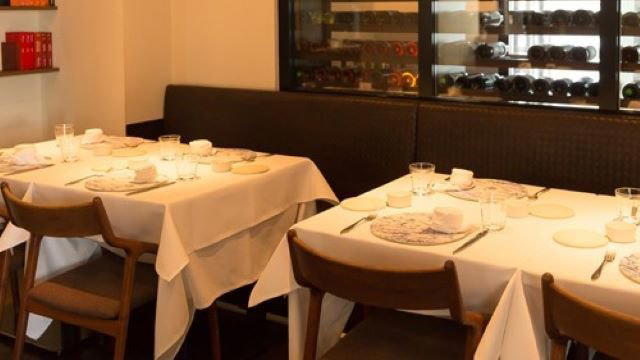

At a Glance
- Cozy
- Elegant
- Intimate
- Date Night
- Special Occasion
- Extensive Wine List
- Local Sourcing
Current opening hours
- Monday
- Closed
- Tuesday
- 11:30 AM–3 PM, 6–10 PM
- Wednesday
- 11:30 AM–3 PM, 6–10 PM
- Thursday
- 11:30 AM–3 PM, 6–10 PM
- Friday
- 11:30 AM–3 PM, 6–10 PM
- Saturday
- 11:30 AM–3 PM, 6–10 PM
- Sunday
- Closed
Hours can change for holidays and private events. Last verified .
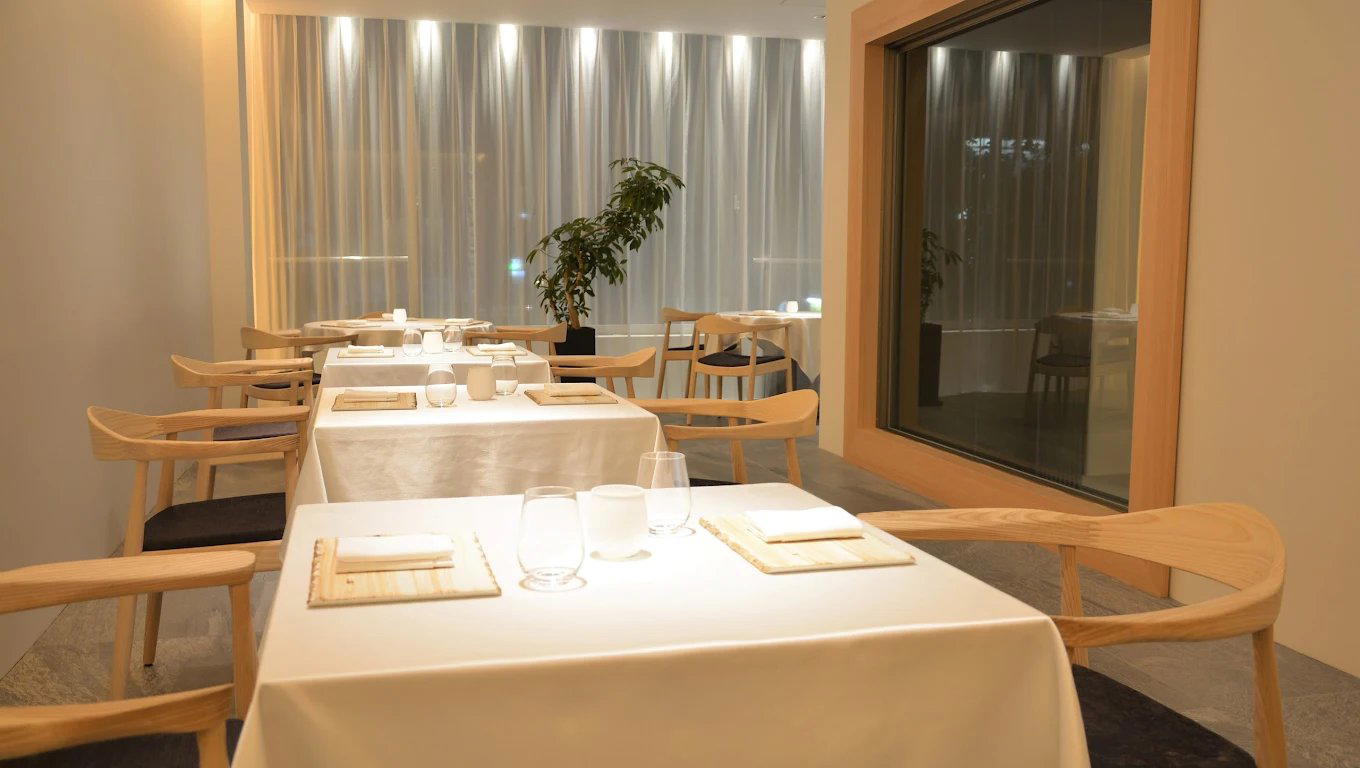
Calm, relaxing atmosphere with Japanese-style wood interior, simple yet warm.