
Yanagibashi Yakiniku Waniku puts Nagoya’s beef culture into a more polished, sourcing-led frame: yakiniku, wagyu-focused beef dishes, Japanese cooking, private rooms, and a drinks list that gives wine equal status with sake and shochu. Its Tabelog 100 Yakiniku EAST 2025 selection places it in a competitive regional tier rather than the casual grill-house bracket.
Pearl is the En Primeur Club membership app — saves, bookings, and concierge access live there. Same editors, same standards.
- Address
- Japan, 〒450-0002 Aichi, Nagoya, Nakamura Ward, Meieki, 4 Chome−16−17 ロンシャンビル
- Phone
- +81 52-756-4411
- Website
- waniku.owst.jp
 Saves & bookings on Pearl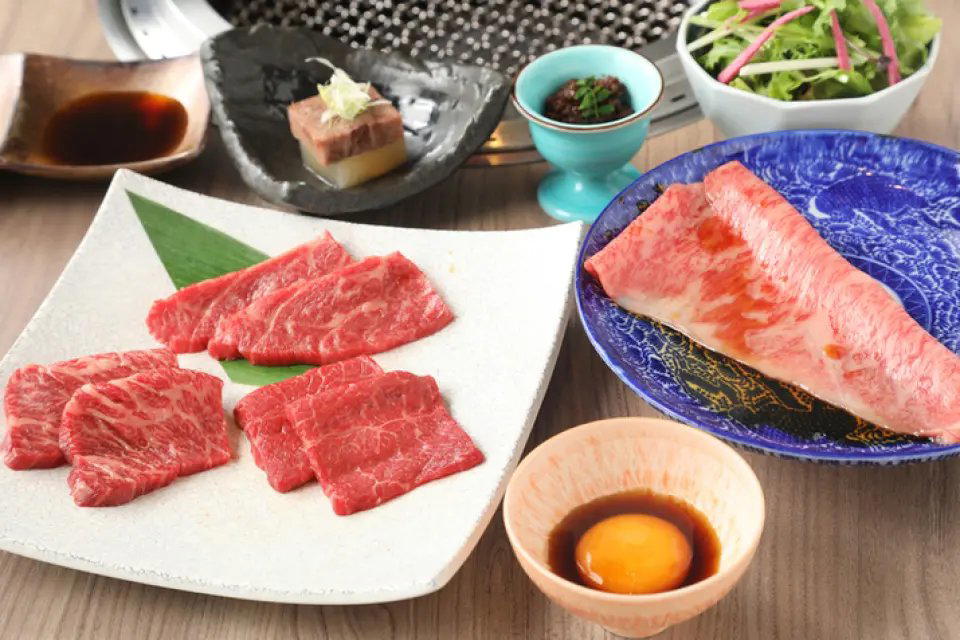
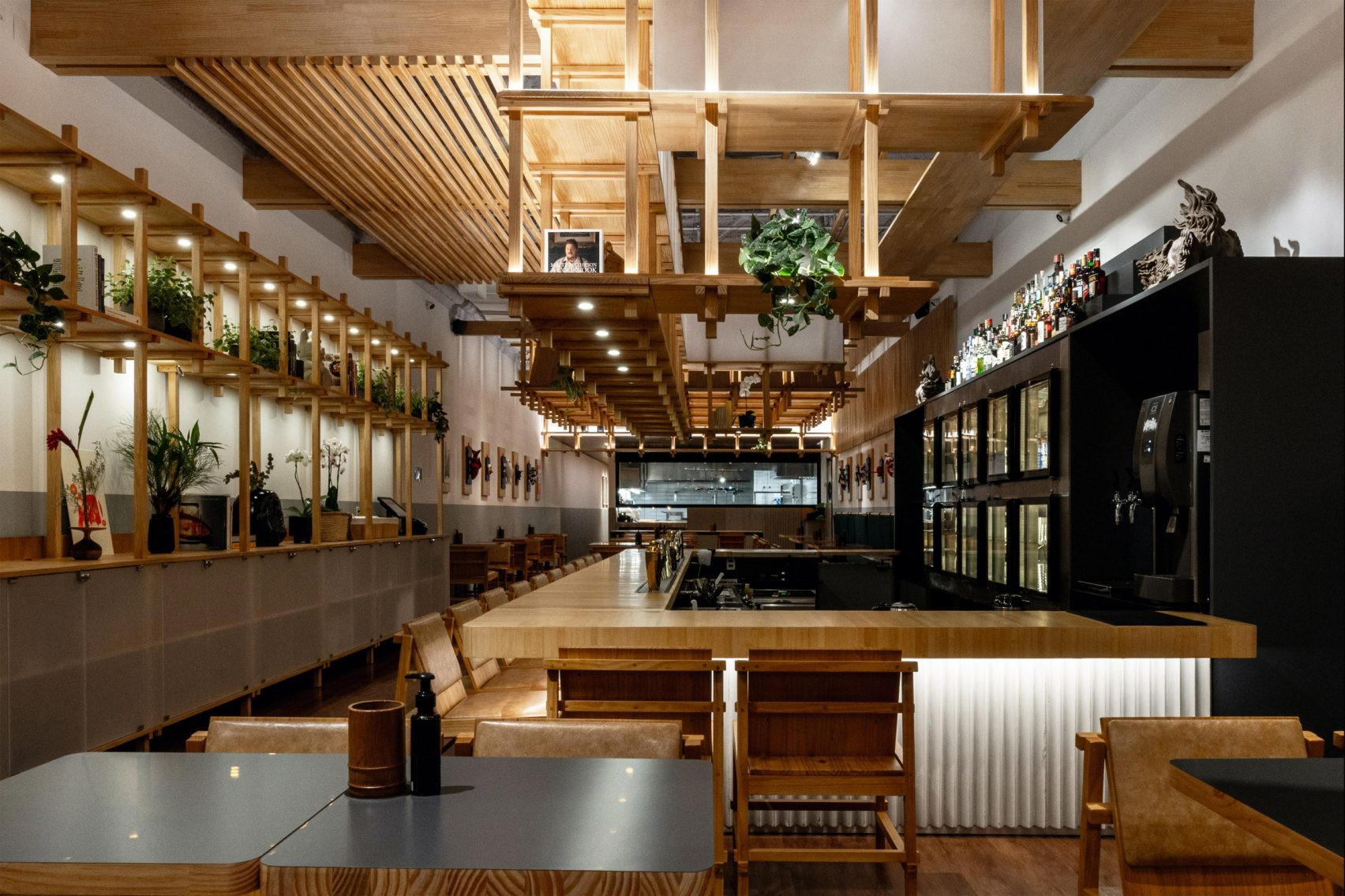
The first read is not smoke and noise but separation: box seating, private rooms, sunken kotatsu, and a non-smoking room language that pushes yakiniku toward business dining and planned celebrations rather than after-work spontaneity. Around Nagoya Station, beef restaurants split between quick lunch grills and station-area wagyu rooms for clients, families, and small groups. Yanagibashi Yakiniku Waniku sits in the latter camp: the grill remains central, but the setting carries more weight than at a counter-heavy shop.
That matters in Meieki, where convenience does not always mean depth. The Yanagibashi side sits close enough to Nagoya’s transport core for business traffic, yet its better rooms trade on purpose rather than footfall. Here, yakiniku becomes a sourcing conversation: which cuts arrive, and how beef, Japanese side dishes, alcohol, room format, and pacing turn grilling into a composed meal.
Wagyu sourcing pushes the meal beyond casual grill culture
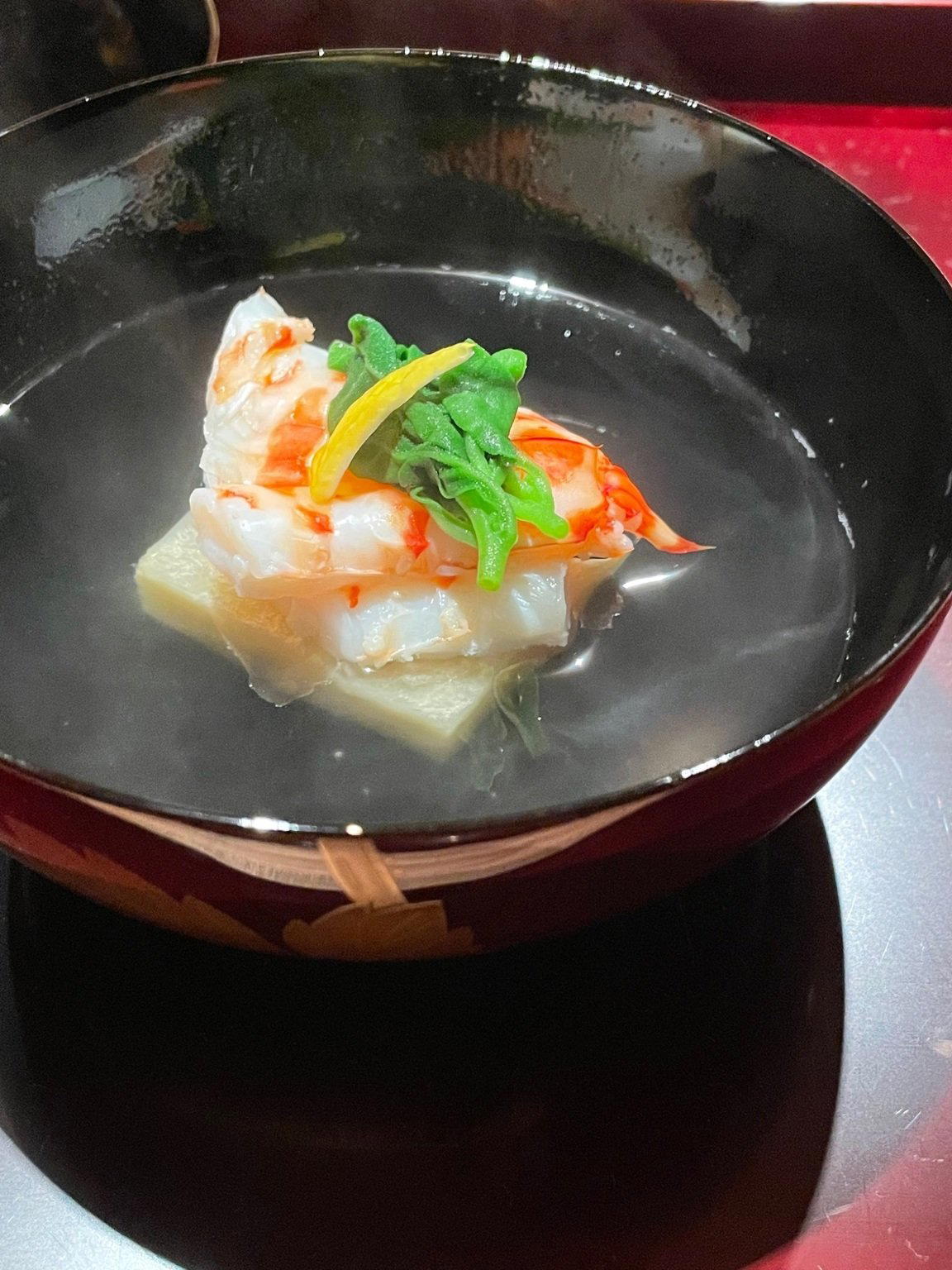
Nagoya has many beef, but premium yakiniku is judged by procurement discipline, cutting, restrained seasoning, and table heat control. The restaurant is categorized across yakiniku, beef dishes, and Japanese cuisine, signaling a broader brief than a grill-only shop: beef anchors the meal, while Japanese cooking gives it structure.
The public description points directly to Kobe beef yakiniku and premium wagyu, placing the restaurant in a higher-spend tier than nearby casual options. In the local comparison set, Yakiniku & Teuchi Korean Cold Noodles Jiro Yanagibashi ten and Wagyu Yakiniku Jirouya Kai wagyu&sake Nagoya ekimae honten sit in lower dinner brackets, while Chuka Kappo Warajin competes in a Chinese kappo register. Chuka Soba Taiga and Yanagibashi Wa nico show the station-area price spread, from quick bowls and inexpensive meals to private-room beef dining. Yanagibashi Yakiniku Waniku prices and formats itself at the latter end, where ingredients and privacy carry equal weight.
The Tabelog 100 Yakiniku EAST 2025 selection gives it a clear external credential. It also appeared in Tabelog Yakiniku EAST selections in 2020, 2021, 2022, and 2024, important in a category where rankings can favor flashier openings and viral cuts. Repeated recognition suggests consistency despite procurement volatility, staffing pressure, and grill-side execution demands.
For broader planning, Our full Nagoya restaurants guide maps the city beyond beef, while nearby EP Club listings such as 1022, 451, Aaron, Alan., and All Day Dining Montmartre show Nagoya’s varied station-linked dining circuit. The useful question is not whether yakiniku is formal or casual; Nagoya has both. It is whether room, procurement, and service format match the occasion.
Private rooms and wine change the rhythm of yakiniku
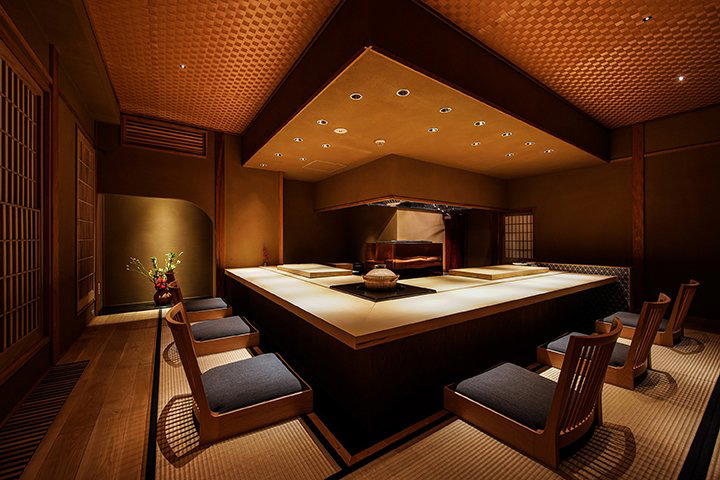
The layout tells the story: 38 seats, five box seats, and three private rooms with sunken kotatsu. Private rooms can accommodate groups up to 18, shifting the experience away from the shoulder-to-shoulder energy of many urban yakiniku houses. This version works for a client meal, a family gathering with older children, or a group that wants beef without surrendering conversation to exhaust fans and turnover.
The drinks program also reframes the category. Sake and shochu are expected in a Japanese beef restaurant; wine, and an explicit focus on wine, moves the meal toward steakhouse logic without abandoning yakiniku technique. BYO is part of the service framework, with a stated per-bottle charge, a practical signal for diners pairing wagyu with mature reds or structured whites instead of defaulting to beer. In Nagoya’s premium dining economy, that flexibility changes how serious diners can use the restaurant.
Room and meal experience has a fee structure: a charge fee applies, and private-room use carries its own group fee. These details are normal in Japan’s higher-comfort restaurant tier, but they reward diners who read booking terms before treating yakiniku as a casual walk-in format. The better comparison is a compact private dining room with grills, not an inexpensive meat counter.
Because the restaurant is family friendly with guidance around younger children, the atmosphere sits in a useful middle ground: polished enough for business, not so rigid that it excludes family occasions. That combination is particularly Nagoya, where corporate dining and multigenerational meals often overlap around station districts rather than separating by neighborhood.
How to place it in a Nagoya itinerary
Yanagibashi Yakiniku Waniku opened in 2018, and repeated Tabelog 100 appearances give it a longer arc than a single-year listing. For travelers, the appeal is precision: a beef-led meal near the transport center, private-room options, non-smoking policy, credit-card acceptance, PayPay support, and a drinks setup with room for wine collectors. Those details make it easier to schedule than many destination restaurants built around rigid counters or chef-led tasting formats.
The surrounding itinerary can stay compact. Nagoya rewards evenings built by district, and Meieki is practical for rail arrivals, hotels, and post-dinner drinking. For a fuller city plan, pair the restaurant research with Our full Nagoya hotels guide, Our full Nagoya bars guide, Our full Nagoya wineries guide, and Our full Nagoya experiences guide. Beef may drive the booking, but the station district makes the evening efficient.
For readers comparing Japanese beef formats beyond Nagoya, the wider EP Club archive helps separate yakiniku from sukiyaki, charcoal grill, and specialist casual formats: -Grilled beef Sukiyaki- KAMAKURA TANUKIAN 鎌倉 たぬき庵 in Kamakura. 鮪と炭火焼き うお炭 秋葉原店 in Tokyo.cafe in Osaka.know in Kumamoto, (Shoku) Vietnam in Kawasaki, [Curry Senmon Ten] Maruyama Kyoju. in Sapporo, Jōdo Saké Bar in Los Angeles, and Onigiri Time in Pasadena. The point is not to flatten them into one category, but to see how sourcing, room type, and alcohol program define the meal as much as cuisine label.
The verdict is clear: this is a sourcing-led Nagoya yakiniku address for diners who want wagyu in a composed, private-room setting rather than a loud grill session. Its recognition gives credibility, the room gives use-case clarity, and the wine policy gives serious drinkers reason to look past the usual beer-and-beef script.
Price and Positioning
Comparable venues by cuisine and price in the same metro.
| Venue | Cuisine | Price | Notes |
|---|---|---|---|
| Yanagibashi Yakiniku WanikuThis venue — the venue you are viewing | Nakamura, Kobe Beef Yakiniku Kaiseki | $$$$ | Not listed |
| TANAKA YAKINIKU RESTAURANTE | Nakamura, Modern Wagyu Yakiniku | $$$$ | Not listed |
| Sushi Hanakuruma | Nakamura, Edomae Sushi Omakase | $$$$ | Not listed |
| Hanamaru Kichijitsu | Not listed | $$$$ | Naka, Seasonal Kuzushi Kaiseki / Omakase Japanese |
| Sushi Daisaku | Naka, Seasonal Edomae Sushi Omakase | $$$$ | Not listed |
| Setsugekka Nagoya | Nakamura, Premium Wagyu Niku Kappo | $$$$ | Not listed |
Recognition history
Dated appearances from independent guides and award organizations, with the underlying list record or original source where available.
Tabelog 100 #20 · No. 20
Tabelog · Tabelog 100 - Yakiniku - EAST - 2025
Continue exploring
More in Nagoya
Restaurants in Nagoya
Browse all →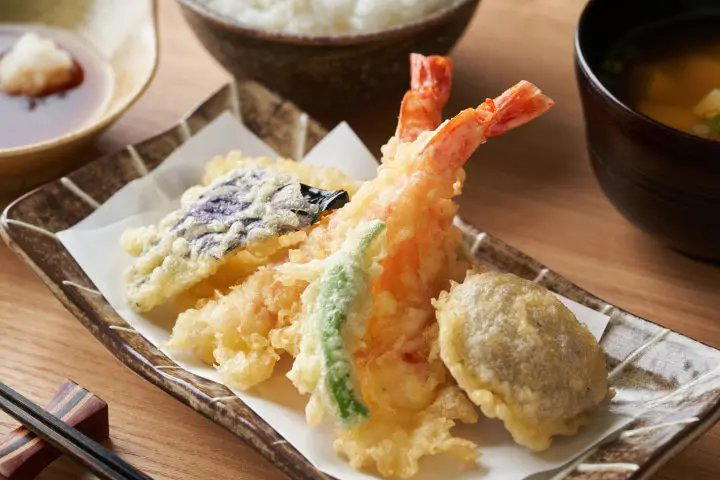
At a Glance
- Sophisticated
- Elegant
- Intimate
- Quiet
- Modern
- Business Dinner
- Celebration
- Date Night
- Private Event
- Group Dining
- Private Dining
- Standalone
- Extensive Wine List
- Sake Program
- Beer Program
- Local Sourcing
Current opening hours
- Monday
- 11:30 AM–3 PM, 5–11 PM
- Tuesday
- 11:30 AM–3 PM, 5–11 PM
- Wednesday
- 11:30 AM–3 PM, 5–11 PM
- Thursday
- 11:30 AM–3 PM, 5–11 PM
- Friday
- 11:30 AM–3 PM, 5–11 PM
- Saturday
- 11:30 AM–3 PM, 5–11 PM
- Sunday
- 11:30 AM–3 PM, 5–11 PM
Hours can change for holidays and private events. Last verified .
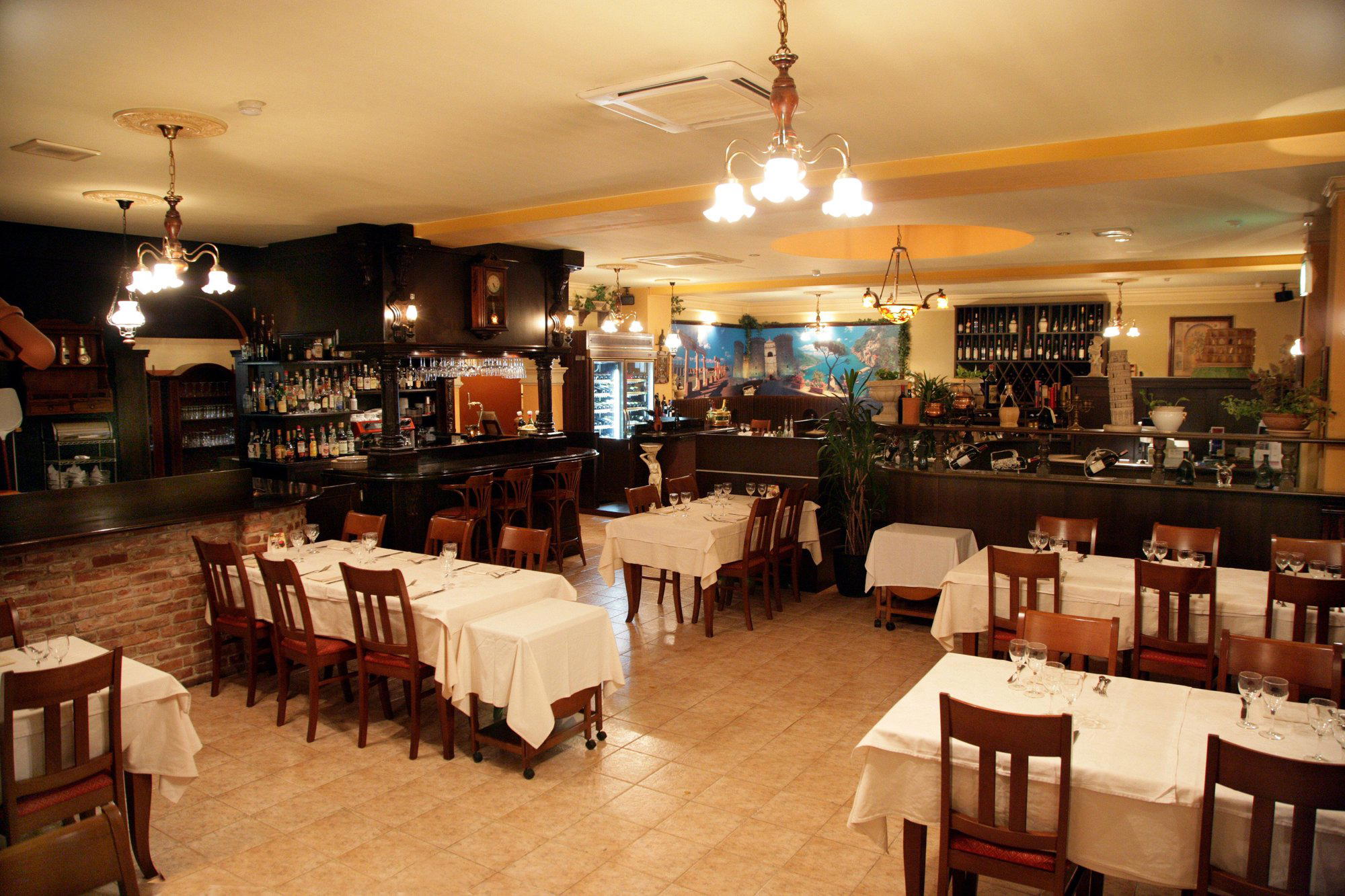
A calm, refined Japanese interior with horigotatsu seating, private rooms, and a reception-oriented atmosphere suited to business meals and special occasions.