
A Michelin Bib Gourmand-recognised Chinese restaurant in Suginami's Nishi-Ogikubo neighbourhood, Sennomago operates at the quieter edge of Tokyo's Chinese dining scene. The menu moves between Sichuan and Shanghai registers, with medicinal seasoning principles drawn from Chinese health philosophy and produce sourced from Oita Prefecture. The à la carte dinner format and popular lunch sets make it accessible without concession to the ¥¥ price tier.
Pearl is the En Primeur Club membership app — saves, bookings, and concierge access live there. Same editors, same standards.
- Address
- 4 Chome-4-2 Nishiogikita, Suginami City, Tokyo 167-0042, Japan
- Phone
- +81 3-3390-4808
- Website
- sennomago.com
- Directions
- Get directions
 Saves & bookings on Pearl
Where the Menu Does the Explaining
Tokyo's Chinese restaurant scene divides broadly into two camps: the high-polish Cantonese houses that occupy prime Roppongi and Ginza real estate, and the neighbourhood-rooted operations where cuisine logic takes precedence over room design. Sennomago, sitting in the residential pocket of Nishi-Ogikubo in Suginami City, belongs firmly to the second category. Its Michelin Bib Gourmand recognition in 2024 confirmed what regulars in this quieter part of western Tokyo had already established: the kitchen produces food at a quality level that outlasts any expectation set by its address.
The structural choice that defines Sennomago is a deliberate split between dinner and lunch formats. At dinner, the menu expands into a wide range of à la carte dishes, leaning toward Sichuan and Shanghai influences, which gives the kitchen room to show range across two distinct Chinese regional idioms in a single sitting. At lunch, set menus pull the format tighter, offering an accessible entry point at the ¥¥ price level. This isn't an uncommon structure in Tokyo's mid-tier Chinese restaurants, but the reasoning behind it here connects to something more specific: the kitchen's underlying philosophy around health and balance, which shapes how dishes are sequenced and seasoned rather than just listed.
The Medicinal Kitchen Logic
Among Tokyo's Chinese restaurants, the integration of Chinese medicinal ingredients as seasoning rather than as centrepiece is a relatively rare structural choice. At Sennomago, Mr Shek uses Chinese medicines as active seasoning components, positioning the menu within a tradition of Chinese dietary health philosophy that treats food and medicine as a single continuum. This isn't a wellness-branding exercise layered onto a conventional menu: it shapes the actual construction of dishes, including what comes from the sourcing side.
Vegetables used in the kitchen are grown by natural methods in Oita Prefecture, the chef's native region in Kyushu. The sourcing decision matters here not as a provenance story but as a functional one: produce grown without chemical inputs interacts differently with medicinal seasonings, and the kitchen's approach treats this as a coherent system rather than a series of independent decisions. For a restaurant operating in the ¥¥ bracket, the specificity of that sourcing position is notable.
Across Tokyo's Chinese mid-tier, this combination of medicinal seasoning and natural-method produce is close to singular. Peer operations at a similar price point, including venues like Ippei Hanten, tend to distinguish themselves through technique and regional specificity rather than through an integrated dietary philosophy. The comparison is instructive: Sennomago's menu architecture is less about showcasing a regional canon and more about demonstrating a coherent approach to how Chinese food can function as nourishment.
Sichuan, Shanghai, and the Mapo Tofu Question
The dual Sichuan-Shanghai influence in the dinner menu reflects a pairing that Tokyo's Chinese restaurants have handled with varying degrees of conviction. Shanghai cooking tends toward sweetness, wine-braised proteins, and soy-forward sauces; Sichuan cooking operates through the numbing heat of Sichuan peppercorn and fermented pastes, particularly doubanjiang. Running both through the same kitchen requires the kind of range that distinguishes a thoughtfully constructed menu from one that simply accumulates dishes.
The mapo tofu at Sennomago is the single dish that makes the kitchen's position clearest. Rather than presenting one version, Mr Shek offers a choice across three preparations: a Sichuan-style version, a version made with aged doubanjiang, and a salt-based preparation. The tripartite structure is an editorial statement about the dish itself. Mapo tofu has a fixed canon in Sichuan cooking, and offering multiple versions simultaneously invites comparison rather than just consumption. The aged doubanjiang option in particular signals a kitchen that treats fermentation time as a flavour variable worth foregrounding, a technical nuance that places the dish in conversation with fermentation-focused operations across Tokyo's wider restaurant ecosystem.
For context on how other Chinese restaurants in Tokyo approach regional depth, Chugoku Hanten Fureika and Chugoku Hanten Kohakukyu (Amber Palace) operate at a different register, with higher price points and a more formal presentation of Chinese regional cooking. Sennomago's position at ¥¥ with Bib Gourmand recognition means it competes on value-to-quality ratio rather than on ceremony, and the mapo tofu structure is a useful illustration of where that value sits.
Nishi-Ogikubo and the Western Tokyo Chinese Cluster
Suginami City sits west of Shinjuku on the Chuo and Sobu lines, and Nishi-Ogikubo specifically has a character distinct from the central Tokyo restaurant districts. The neighbourhood is better known for antique shops and jazz bars than for destination dining, which means restaurants here build their reputations through repeat local custom rather than tourist traffic or convention-circuit recognition. The address at 4 Chome-4-2 Nishiogikita places Sennomago firmly in this residential grain, away from the commercial strips that typically aggregate mid-tier dining options.
For visitors using Tokyo's broader dining geography as a reference, this is western Tokyo operating as a distinct zone from the Ginza-Roppongi-Shinjuku concentration. Other neighbourhood-anchored operations reviewed in the EP Club guide, including itsuka and Koshikiryori Koki, reflect similar dynamics: Michelin recognition applied to kitchens that operate outside the central cluster, earning their standing on food merit rather than on location premium.
The Bib Gourmand designation across this western tier signals something consistent about Tokyo's Michelin methodology: the guide has become reasonably systematic about surfacing restaurants where price and quality diverge from the norm, regardless of neighbourhood prestige.
How It Compares Across Formats and Price Points
| Venue | Cuisine | Price | Format | Recognition |
|---|---|---|---|---|
| Sennomago | Chinese (Sichuan/Shanghai) | ¥¥ | À la carte dinner, set lunch | Michelin Bib Gourmand 2024 |
| Ippei Hanten | Chinese | ¥¥ | À la carte | Tokyo Chinese mid-tier |
| Chugoku Hanten Fureika | Chinese | Higher tier | Formal | Michelin recognised |
| Chugoku Hanten Kohakukyu | Chinese | Higher tier | Formal | Michelin recognised |
For those building a broader Japan itinerary, the EP Club covers Chinese-influenced and creative cooking across multiple cities: HAJIME in Osaka, Gion Sasaki in Kyoto, akordu in Nara, Goh in Fukuoka, 1000 in Yokohama, and 6 in Okinawa each represent different ways regional Japanese cooking is being approached at the serious end of the market. For international reference points on ambitious Chinese cooking operating outside China, Restaurant Tim Raue in Berlin and Mister Jiu's in San Francisco illustrate how Chinese culinary frameworks translate across different urban contexts.
Planning Your Visit
Sennomago is located at 4 Chome-4-2 Nishiogikita, Suginami City, Tokyo 167-0042. The nearest station is Nishi-Ogikubo on the JR Sobu Line, making it direct to reach from Shinjuku in under fifteen minutes. The ¥¥ pricing positions this as an accessible dinner option without the forward-booking pressure of Tokyo's omakase tier. The lunch set menus provide an efficient entry point for those exploring the neighbourhood on a tighter schedule.
Reputation First
Comparable venues nearby, for context on price, style, and recognition.
| Venue | Cuisine | Price | Awards | Notes |
|---|---|---|---|---|
| SennomagoThis venue — the venue you are viewing | Medicinal Sichuan & Shanghainese | $$ | Bib Gourmand | Not listed |
| Hibino Chukashokudo | Japanese-Chinese Fusion | $$ | Bib Gourmand | Shibuya |
| Chugokusai Kan | Modern Chinese with Cantonese Roasted Specialties | $$ | Michelin Plate | Meguro |
| Fry-ya | Modern Fried Japanese (Tonkatsu Specialist) | $$ | Bib Gourmand | Shinjuku |
| Ittoan | Handmade Soba | $$ | Bib Gourmand | Kita |
| Shinjiko Shijimi Chukasoba Kohaku | Shijimi Clam Chuka Soba | $$ | Bib Gourmand | Ōta |
Recognition history
Dated appearances from independent guides and award organizations, with the underlying list record or original source where available.
Michelin Bib Gourmand
Michelin
Michelin Bib Gourmand
Michelin













At a Glance
- Cozy
- Classic
- Intimate
- Casual Hangout
- Group Dining
- Solo
- Family
- Open Kitchen
- Chefs Counter
- Farm To Table
- Organic
- Local Sourcing
Current opening hours
- Monday
- Closed
- Tuesday
- Closed
- Wednesday
- Closed
- Thursday
- 12–2 PM, 6–8:30 PM
- Friday
- 12–2 PM, 6–8:30 PM
- Saturday
- 12–2 PM, 6–8:30 PM
- Sunday
- 12–2 PM, 6–8:30 PM
Hours can change for holidays and private events. Last verified .
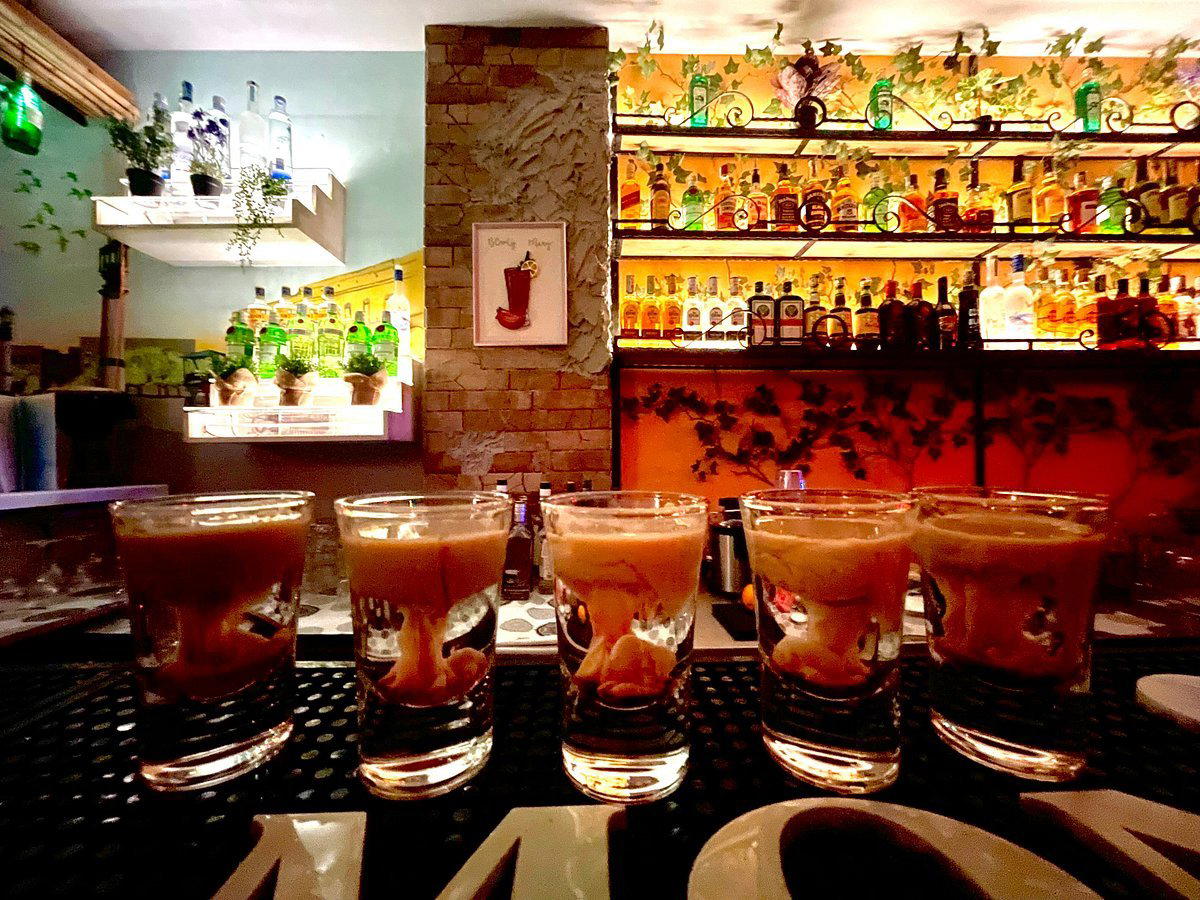
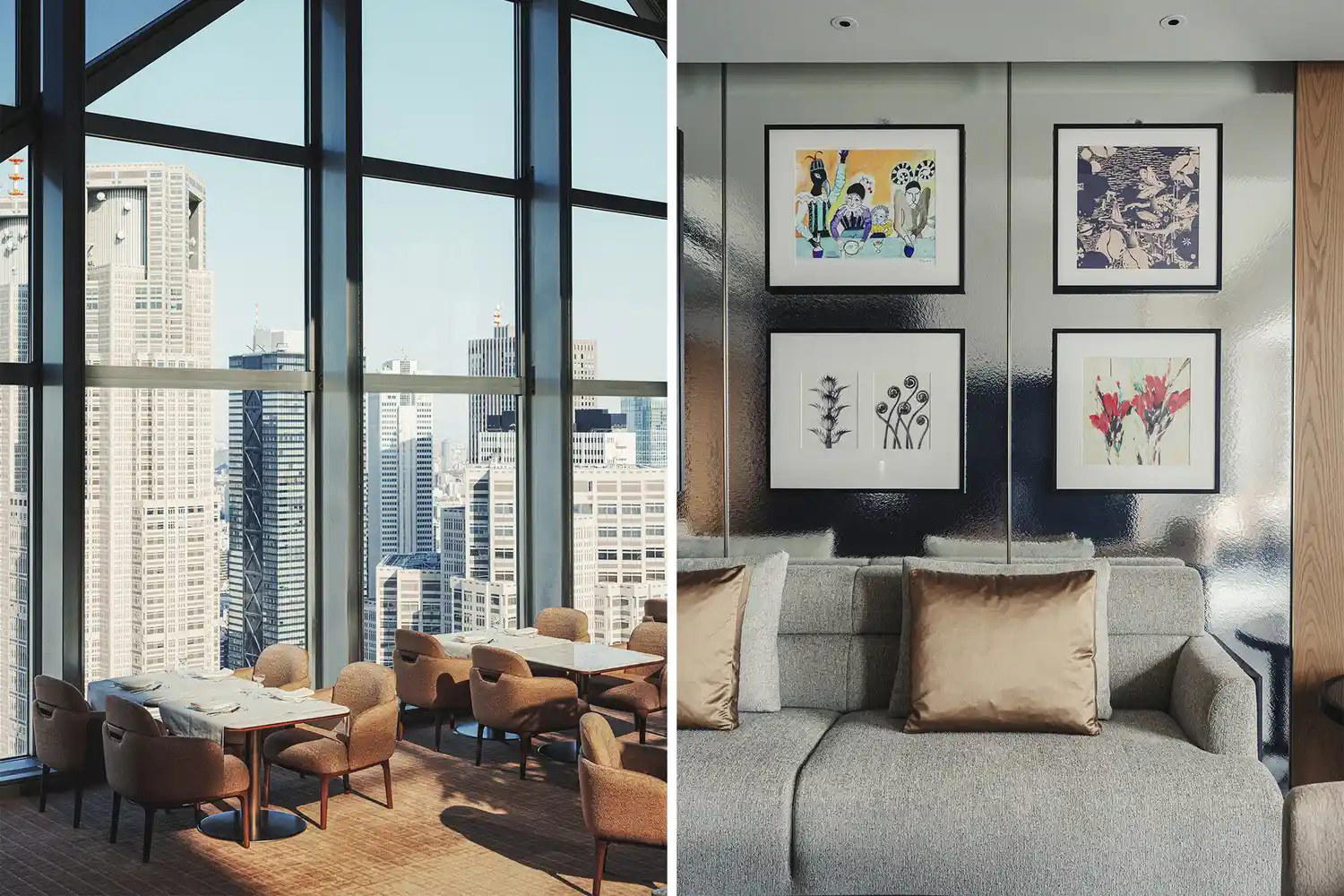
Bright and simple interiors with high ceilings, warm practical lighting, soft classical music, and the sensory experience of watching the chef work at the counter with visible jars of herbs and simmering broths.