

A Michelin Bib Gourmand soba specialist in Kita City's Higashijujo neighbourhood, Ittoan is where regional buckwheat sourcing becomes a serious study. Chef Kunio Yoshikawa works directly with farmers across Japan, then grinds and kneads each variety differently to let its character show. The Sanshu Seiro, three soba types served together on a wickerwork tray, is the clearest way to understand what that means in practice.
Pearl is the En Primeur Club membership app — saves, bookings, and concierge access live there. Same editors, same standards.
- Address
- 2 Chome-16-10 Higashijujo, Kita City, Tokyo 114-0001, Japan
- Phone
- +81 3-6903-3833
- Website
- ge7d900.gorp.jp
- Directions
- Get directions
 Saves & bookings on Pearl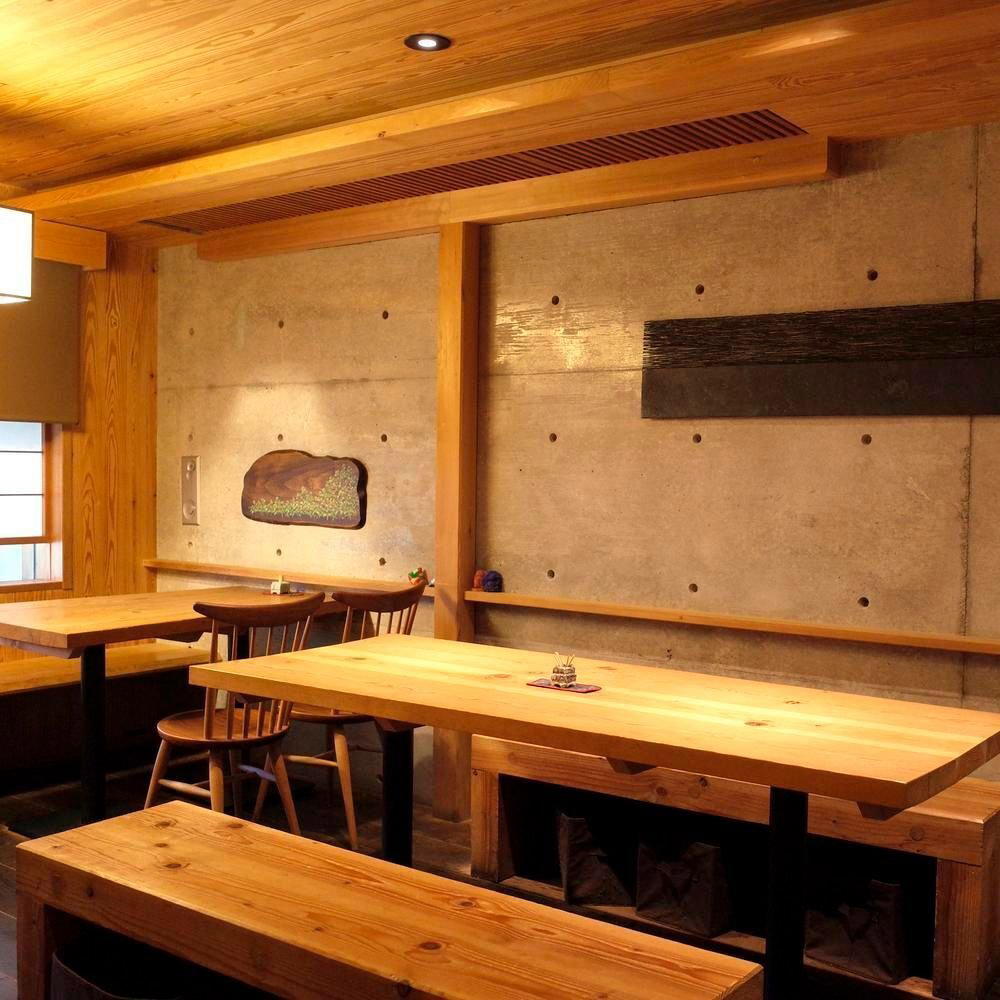
Buckwheat as a Discipline
Tokyo's soba tradition runs deep, but the conversation about where to eat it tends to cluster around well-trodden names in the centre. Kita City's Higashijujo sits north of that circuit, and Ittoan sits within it, a neighbourhood soba-ya known for handmade soba and priced around $20 per person. That combination is increasingly rare as the city's most-discussed soba counters, places like Akasaka Sunaba and Edosoba Hosokawa, operate in higher-profile districts where foot traffic and destination dining overlap. Ittoan's address alone signals something about priorities.
The physical approach to Higashijujo frames expectations before you arrive at the counter. The neighbourhood reads as residential and workaday, no polished retail frontage, no curated streetscape. Arriving here, the contrast with the calculated atmosphere of a high-end kaiseki room or an Azabu soba specialist is immediate. Where places like Azabukawakamian operate in districts that carry ambient prestige, Ittoan earns its attention strictly through the bowl.
What the Sanshu Seiro Tells You
Soba tourism in Japan, a genuine phenomenon, with travellers moving between prefectures to compare regional buckwheat strains, has its equivalent in Tokyo restaurants that commit to sourcing specificity. Ittoan represents that tendency in concentrated form. Chef Kunio Yoshikawa maintains direct relationships with farmers across Japan. The buckwheat arriving in his kitchen carries provenance that shapes decisions before milling begins.
The format that makes this sourcing legible to the diner is the Sanshu Seiro: three varieties of soba, each on its own section of a wickerwork tray. The selection changes with what Yoshikawa has sourced, but the structure remains constant. Each variety is milled and kneaded according to its particular character, coarser or finer, depending on what the grain requires, sometimes mixing both within a single regional batch when the chef judges that approach will let the flavour register more clearly. Eating across three preparations in sequence, the textural and flavour differences between buckwheat strains become tangible in a way that a single bowl cannot demonstrate. For anyone already engaged with regional soba variation, this format is a structured tasting. For a first-time visitor, it functions as a primer.
For a comparable study in single-grain sourcing applied to a different grain tradition, Chikuyuan Taro no Atsumori in Kyoto and Ayamedo in Osaka both operate within the same register of provenance-focused Japanese noodle culture, though each city's soba tradition carries distinct regional character.
Placing Ittoan in the Price Tier
Tokyo's Michelin-recognised dining spans a wide cost range, from three-star kaiseki at Hamadaya and RyuGin down through the Bib Gourmand tier. Ittoan's single-yen price range places it at the accessible end of that spectrum, a meaningful distinction in a city where a Michelin-starred meal can easily exceed ¥30,000 per person. The Bib Gourmand designation signals a strong quality-to-price relationship. That matters when setting expectations: the sourcing rigour Yoshikawa applies does not translate into a premium price point, which is part of what makes Ittoan's model worth understanding.
Compared to soba specialists further south in the city, or to broader Japanese noodle culture examined across the country at venues like Hamacho Kaneko, Ittoan's pricing holds steady in a register that is accessible for repeat visits, which matters for a genre where regular customers often develop strong opinions about seasonal variations in grain character.
The Sensory Register
Soba as a cuisine is deliberately quiet in its sensory register compared to, say, a tasting menu at Den or a contemporary French kitchen. The sounds of a soba-ya are the functional ones: the knock of a knife through fresh noodles, the controlled pour of hot broth, ceramic set down without ceremony. The smell is clean rather than complex, buckwheat carries a subtle earthiness that is more evident in freshly ground flour than in cooked noodles, and a shop where milling happens on-site has a different ambient quality than one relying on delivered product. The visual presentation of the Sanshu Seiro is restrained: three small portions on woven material, with dipping sauce served separately. Nothing about the format reaches for spectacle.
That restraint is not absence of thought. Soba culture in Japan has historically valued this kind of plainness as a positive quality, a discipline that insists the grain carry the experience without assistance from elaborate plating or sauce complexity. Ittoan sits within that tradition, and Yoshikawa's curiosity about sourcing, expressed through the variety format rather than through elaboration, operates on those terms. The widest variation in the meal comes before you taste anything, in the visual and textural differences between noodle batches milled from different regional strains.
Getting There and Context Across Japan
The neighbourhood does not reward a long exploratory walk in the same way that, say, a half-day in Yanaka might; the visit is focused on the meal itself rather than on a district experience.
For visitors building an itinerary across Japan's major soba and noodle traditions, Ittoan sits within a broader national picture that includes destinations like Gion Sasaki in Kyoto, HAJIME in Osaka, akordu in Nara, Goh in Fukuoka, 1000 in Yokohama, and 6 in Okinawa, all representing different nodes of Japanese food culture with their own sourcing and craft priorities.
Planning Your Visit
Address: 2 Chome-16-10 Higashijujo, Kita City, Tokyo 114-0001. Access: Higashijujo Station on the Keihin-Tohoku Line. Budget: About $20 per person. Reservations: Recommended. Dress: Smart casual.
Comparable Spots
Comparable venues nearby, for context on price, style, and recognition.
| Venue | Cuisine | Price | Notes |
|---|---|---|---|
| IttoanThis venue — the venue you are viewing | Handmade Soba | $$ | Not listed |
| Japanese Ramen Gokan | Japanese Ramen | $$ | Toshima |
| Mejiro Shunkotei | Modern Yoshoku (Japanese-Style Western) | $$ | Toshima |
| Hatsuogawa | Traditional Japanese Unagi | $$ | Taitō |
| Shiosoba Jiku | Traditional Shio Ramen | $$ | Suginami |
| Tensuke | Specialty Tempura with Egg Tempura | $$ | Suginami |
Recognition history
Dated appearances from independent guides and award organizations, with the underlying list record or original source where available.
Michelin Bib Gourmand
Michelin
Tabelog 100 #5 · No. 5
Tabelog · Tabelog 100 - Soba - EAST - 2025
Michelin Bib Gourmand
Michelin









At a Glance
- Quiet
- Elegant
- Cozy
- Solo
- Date Night
- Business Dinner
- Open Kitchen
- Sake Program
- Local Sourcing
Current opening hours
- Monday
- Closed
- Tuesday
- 11:45 AM–2:30 PM
- Wednesday
- 12–2:30 PM
- Thursday
- 11:45 AM–2:30 PM, 6–9 PM
- Friday
- 11:45 AM–2:30 PM, 6–9 PM
- Saturday
- 12–2:30 PM, 6–9 PM
- Sunday
- Closed
Hours can change for holidays and private events. Last verified .
Relaxing traditional Japanese atmosphere focused on the artistry of handmade soba.