
It occupies a distinct position in a city better known for kaiseki and temple-adjacent dining than for European cuisine.
Pearl is the En Primeur Club membership app — saves, bookings, and concierge access live there. Same editors, same standards.
- Address
- 1071-2 Hōrenchō, Nara, 630-8113, Japan
- Phone
- +81 70-8428-0552
- Website
- sahha.jp
- Directions
- Get directions
 Saves & bookings on Pearl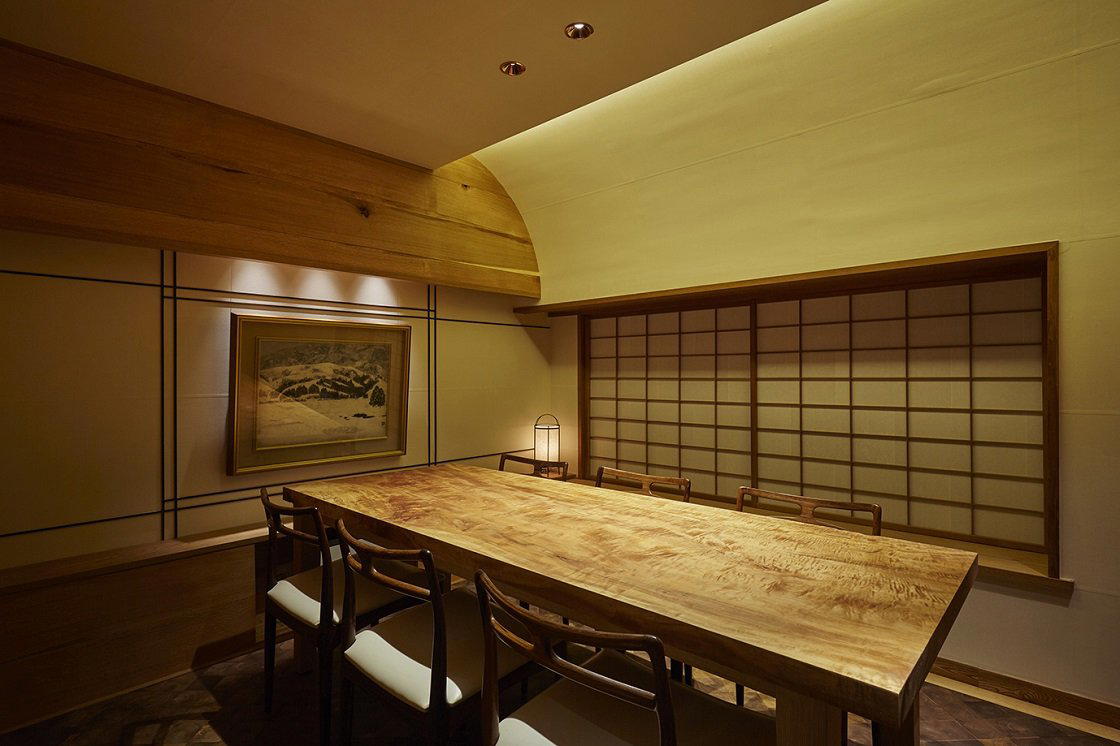
Italian in the Shadow of Ancient Nara
Nara's dining identity has long been anchored to its history: kaiseki counters drawing on centuries of Buddhist and court cooking, restaurants that frame the act of eating within a broader sense of place and ceremony. Against that context, an Italian kitchen earning consecutive Michelin Plate recognition — in 2024 and again in 2025 — says something specific about how the city's mid-range dining tier has evolved. Sanjuhachi, located at 1071-2 Hōrenchō in central Nara, sits inside this shift: a Japanese restaurant focused on Modern Japanese Fine Dining in a city where foreign cuisines have historically played supporting roles.
The Michelin Plate designation, awarded across both years, positions Sanjuhachi within a clear comparable set. It signals food that inspires inspectors to visit and note, even if a star has not followed. In Nara's restaurant context, where Michelin-recognised venues are relatively sparse compared to Osaka or Kyoto, consecutive Plate recognition across two cycles carries weight as a consistency marker rather than a one-year result. Among Nara's Italian options, alongside Da terra, Lega', BANCHETTI, Camino, and cucina regionale YANAGAWA, it represents a strand of dining that has found a durable audience in a city whose visitors often arrive with other intentions entirely.
What the Numbers Say Before You Walk In
At high review volumes, scores tend to compress toward the mean; sustaining 4.9 past 400 responses typically reflects either a loyal, narrow audience or consistent delivery across a wide range of visits. For a ¥¥¥-priced Italian restaurant in a secondary Japanese city, that figure suggests the kitchen is meeting expectations with regularity, and that those expectations, at this price point, are not modest.
The ¥¥¥ bracket in Nara broadly translates to a mid-to-upper spend that puts Sanjuhachi in the same tier as kaiseki-adjacent venues in the city and comparable to comparable Italian in Osaka or Kyoto. For comparison, Italian at this recognition level in Japan's larger cities, think cenci in Kyoto or the significantly higher-priced 8½ Otto e Mezzo Bombana in Hong Kong, anchors what the upper end of Italian dining in the region looks like. Sanjuhachi prices at a more accessible point while operating with the same Michelin-recognised seriousness.
The Sensory Logic of Italian in a Japanese City
Italian cooking in Japan occupies a specific cultural position. Unlike French cuisine, which arrived in Japan through formal culinary education pipelines and haute cuisine hierarchies, Italian food embedded itself through a different route: home-style accessibility, ingredient focus, and the structural similarities between Japanese and Italian attitudes toward seasonal produce and regional specificity. Japanese-Italian kitchens that earn recognition tend to do so by leaning into that overlap rather than treating it as a tension to resolve.
In Nara, this means a kitchen operating within a city whose agricultural surroundings include Yamato vegetables, a collective term for heritage cultivars farmed in the Nara basin for centuries, and whose proximity to the Kinki region gives it access to seasonal produce that shifts noticeably through the year. An Italian format in this setting has ready material to work with, even if the specific dishes at Sanjuhachi are not available for precision here. What the Michelin recognition does confirm is that the kitchen is working at a level inspectors found worth recording.
The atmosphere of Italian dining in smaller Japanese cities tends toward intimacy rather than scale. Without the density of international visitors that shapes restaurant culture in Tokyo or Osaka, venues at this tier in Nara often develop a more local, repeat-visit character. The dining room is likely shaped by that dynamic: service paced for a clientele that knows the menu, and a format that rewards rather than demands familiarity. Compare this to the energy of something like HAJIME in Osaka or Harutaka in Tokyo, where the room is performing at a different frequency entirely, and you get a sense of what Nara's mid-tier dining actually offers: quieter, more considered, less theatrical.
Placing Sanjuhachi in the Wider Kansai Italian Scene
The Kansai region has produced a handful of Italian restaurants that operate at serious recognition levels. Within Nara itself, the Italian category is competitive for a city of its size, Da terra, BANCHETTI, and cucina regionale YANAGAWA each occupy slightly different positions within the same broad category. Sanjuhachi's back-to-back Michelin Plate results, combined with its review volume and score, position it as one of the more consistently validated options in that field.
Beyond Nara, the relevant comparison set for Japanese-Italian at this quality level extends to cenci in Kyoto, which has held Michelin recognition through a format built around the intersection of Italian technique and Kyoto seasonality. The parallels are instructive: both operate in historically weighted cities where the local dining identity is defined by Japanese tradition, and both have carved out durable positions by treating Italian cuisine as a serious format rather than a convenient one. Farther afield, Gion Sasaki in Kyoto, Goh in Fukuoka, 1000 in Yokohama, and 6 in Okinawa each demonstrate how regional Japanese cities sustain high-recognition dining in categories that sit outside traditional local hierarchies.
Planning Your Visit
Sanjuhachi is located at 1071-2 Hōrenchō, Nara. Given the review volume and Michelin recognition, booking ahead is advisable.
Cuisine and Recognition
Comparable venues nearby, for context on price, style, and recognition.
| Venue | Cuisine | Price | Awards | Notes |
|---|---|---|---|---|
| SanjuhachiThis venue — the venue you are viewing | Modern Japanese Fine Dining | $$$$ | Michelin Plate | Not listed |
| Gibier Ida | Japanese Wild Game Cuisine | $$$$ | Michelin Plate | Nara |
| Kaiseki Kakomura | Traditional Setouchi Kaiseki | $$$$ | Michelin Plate | Nara |
| Naramachi Sushi Hanako | Traditional Sushi Omakase | $$$ | Michelin Plate | Nara |
| Oryori Honjo | Kyoto-style Kappo Kaiseki | $$$$ | Michelin Plate | Nara |
| Gojo GENBEI | Seasonal Vegetable Kaiseki | $$$ | Michelin Plate | Gojo Shinmachi |
Recognition history
Dated appearances from independent guides and award organizations, with the underlying list record or original source where available.
Michelin Plate
Michelin
Michelin Plate
Michelin
Continue exploring
More in Nara
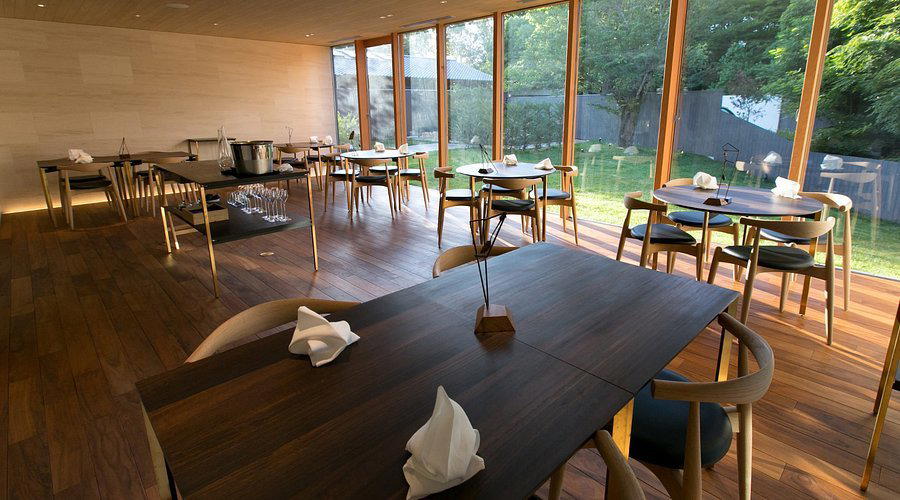




Bars in Nara
Browse all →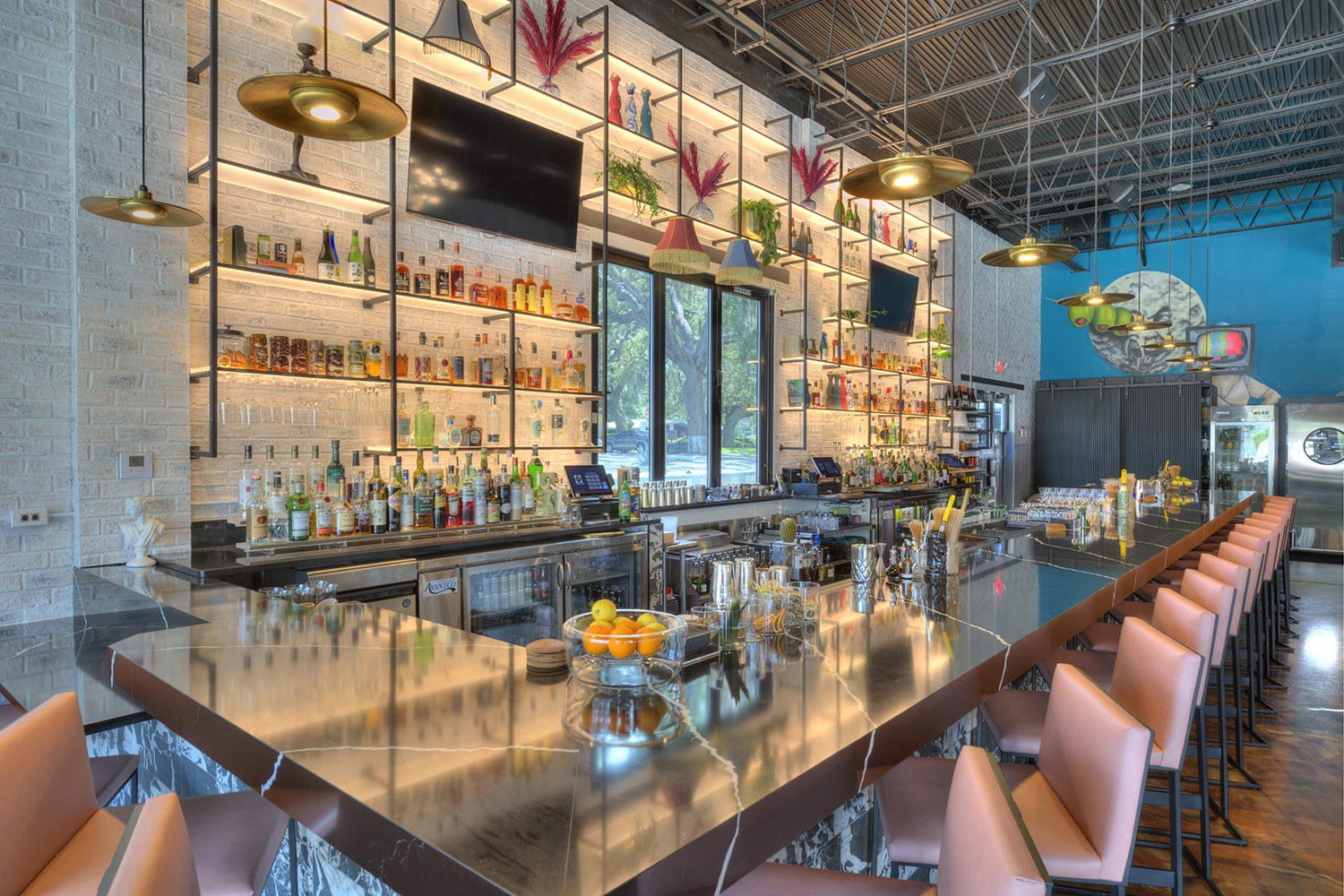

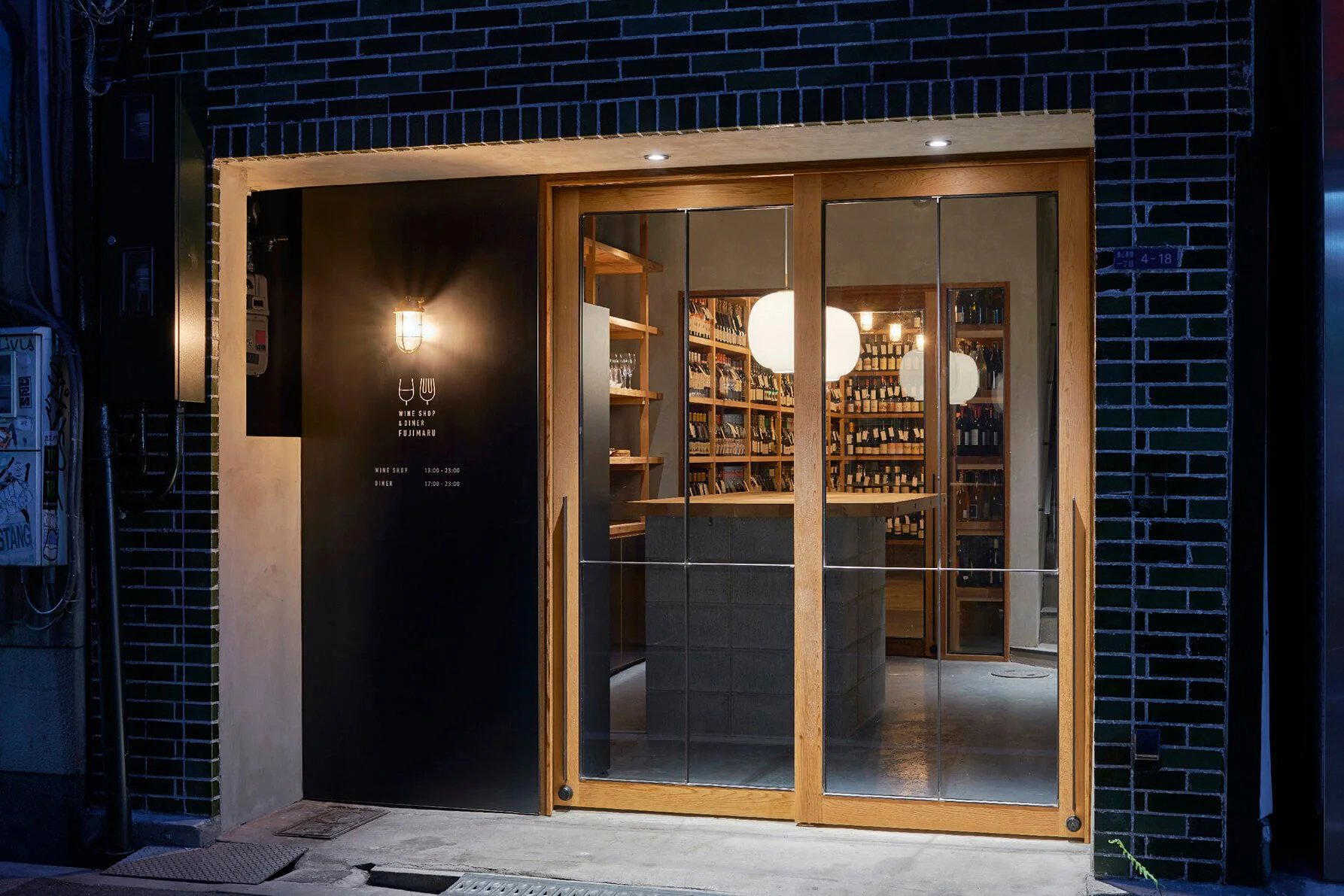

Hotels in Nara
Browse all →




Wineries in Nara
Browse all →
At a Glance
- Intimate
- Minimalist
- Elegant
- Quiet
- Sophisticated
- Special Occasion
- Solo
- Chefs Counter
- Open Kitchen
- Sake Program
- Farm To Table
- Local Sourcing
Intimate minimalist room with warm woods, stone accents, natural light, hushed service, and chef's counter focusing on ingredient clarity.