
Oryori Honjo holds a Michelin Plate for 2024 and 2025, placing it among the recognised Japanese dining options in Nara's Gakuenminami district. The restaurant operates at the ¥¥¥ price tier, positioning it within the city's mid-to-upper range for traditional Japanese cuisine. quiet following rather than mass-market visibility.
Pearl is the En Primeur Club membership app — saves, bookings, and concierge access live there. Same editors, same standards.
- Address
- 2 Chome-13-2 Gakuenminami, Nara, 631-0034, Japan
- Phone
- +81 742-45-1288
- Website
- hanagaki2611.com
- Directions
- Get directions
 Saves & bookings on Pearl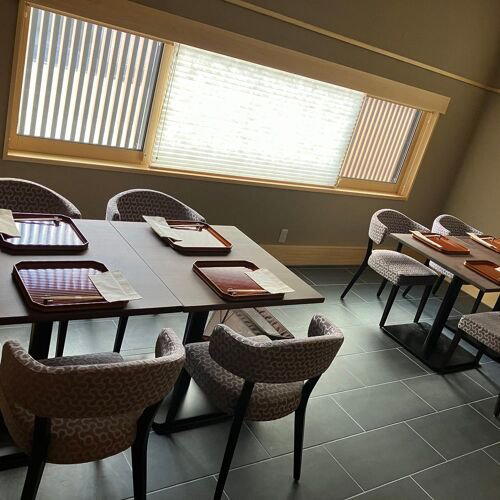
Where Nara's Ingredient Traditions Come Into Focus
Nara occupies an unusual position in the Kansai dining conversation. Overshadowed by Kyoto's kaiseki infrastructure and Osaka's density of starred addresses, the ancient capital has historically been treated as a day-trip stop rather than a dining destination. That framing has been slow to shift, but a quiet tier of recognised restaurants has been accumulating credentials in the city's residential neighbourhoods, away from the tourist corridors around Todai-ji and Nara Park. Oryori Honjo, holding a Michelin Plate in both 2024 and 2025, sits within that tier. Harutaka in Tokyo or HAJIME in Osaka, but recognised as an address where the kitchen's approach to Japanese cooking merits attention.
The restaurant's location in Gakuenminami, a quiet residential district in the western part of the city, already signals something about its operating logic. This is not a room built for tourist capture. The neighbourhood draws a local clientele, and the ¥¥¥ price point, consistent with similarly recognised Japanese restaurants in mid-sized Kansai cities, positions the experience as an occasion within a local register rather than a premium destination play aimed at international visitors.
The Primacy of Raw Materials in Traditional Japanese Cooking
The category designation here is Japanese, which in a Kansai context carries specific implications about sourcing and technique. Traditional Japanese cooking at this price tier is built from the dashi up. The quality of kombu, the grade of katsuobushi, the source of the water used in preparation: these are not incidental but structural. In Nara Prefecture, that logic extends to a regional larder that includes Yamato vegetables, a collective category of heritage produce including Yamato manganji peppers, Yamato round eggplant, and mizuna varieties grown in the area for centuries.
This ingredient-forward framing matters because it separates Oryori Honjo's comparable set from the more technique-spectacle driven restaurants that have come to define fine dining in larger Japanese cities. At Gion Sasaki in Kyoto, the kaiseki format structures every course around seasonal ingredient transitions. At Goh in Fukuoka, the sourcing vocabulary leans heavily on Kyushu's coastal and agricultural particulars. Nara's own version of that logic starts with proximity to some of Japan's oldest cultivated landscapes, including the farmlands of the Yamato Plain, which have supplied Nara's temples and aristocratic kitchens since the Nara Period in the eighth century.
Reading the Recognition Record
A Michelin Plate, awarded in two consecutive years, signals consistent kitchen quality. The 2024 and 2025 Plates for Oryori Honjo place it in company with other recognised but unstarred Japanese restaurants across the Kansai region: kitchens where the cooking is precise and the sourcing is taken seriously, but where the format is likely more approachable than the full kaiseki progression. The restaurant's consecutive recognition suggests the kitchen has maintained standards across two full inspection cycles.
Within Nara specifically, the restaurant sits alongside other recognised Japanese addresses such as Oryori Hanagaki and Tsukumo, which operate in a similar tier. Ajinokaze Nishimura and Ajinotabibito Roman round out a small but coherent group of addresses that have brought outside attention to a city not historically known for its restaurant scene. NARA NIKON, also at the ¥¥¥ tier, represents the Japanese category at a comparable price point. For Japanese cooking at the summit of the national range, Myojaku and Azabu Kadowaki in Tokyo represent the starred benchmark that Plate-level kitchens are measured against.
Twenty-six reviews is a low count by the standards of similarly recognised restaurants in Kyoto or Osaka. This is consistent with a Gakuenminami address drawing a repeat local clientele rather than a stream of first-time visitors. The rating itself, stable at 4.3, aligns with consistent satisfaction rather than polarised responses.
Planning a Visit
Gakuenminami sits on the Kintetsu Kyoto Line, accessible from central Nara in under twenty minutes by rail, and the area is a residential district rather than a commercial one. Visitors coming specifically for the restaurant should plan around the rail connection rather than assuming proximity to the main tourist sites. The ¥¥¥ pricing tier for Japanese cuisine in Nara typically translates to a per-person spend in the mid-to-upper range for the city, though without confirmed current menu pricing, exact figures cannot be stated. Booking in advance is advisable for any Michelin-recognised address in a smaller Japanese city, where seat counts tend to be limited and the local regular base can absorb availability quickly. For Japanese cooking beyond Nara, 1000 in Yokohama and 6 in Okinawa offer regional points of comparison at different ends of Japan's geography.
Price and Positioning
Comparable venues nearby, for context on price, style, and recognition.
| Venue | Cuisine | Price | Awards | Notes |
|---|---|---|---|---|
| Oryori HonjoThis venue — the venue you are viewing | Nara, Kyoto-style Kappo Kaiseki | $$$$ | Michelin Plate | Not listed |
| Kappo Risuke | Kashihara, Traditional Japanese Kaiseki | $$$$ | Michelin Plate | Not listed |
| Sanjuhachi | Nara, Modern Japanese Fine Dining | $$$$ | Michelin Plate | Not listed |
| Gibier Ida | Nara, Japanese Wild Game Cuisine | $$$$ | Michelin Plate | Not listed |
| Kaiseki Kakomura | Nara, Traditional Setouchi Kaiseki | $$$$ | Michelin Plate | Not listed |
| Kuramoto Ryori Maruto Shoyu | Not listed | $$$ | Michelin Plate | Tawaramoto, Modern Japanese Soy-Forward Tasting Menu |
Recognition history
Dated appearances from independent guides and award organizations, with the underlying list record or original source where available.
Michelin Plate
Michelin
Michelin Plate
Michelin
Continue exploring
More in Nara




Bars in Nara
Browse all →


Hotels in Nara
Browse all →




Wineries in Nara
Browse all →
At a Glance
- Intimate
- Elegant
- Sophisticated
- Special Occasion
- Date Night
- Chefs Counter
- Open Kitchen
- Sake Program
- Local Sourcing
Current opening hours
- Monday
- 11 AM–3 PM, 5–10 PM
- Tuesday
- 11 AM–3 PM, 5–10 PM
- Wednesday
- 11 AM–3 PM, 5–10 PM
- Thursday
- 11 AM–3 PM, 5–10 PM
- Friday
- 11 AM–3 PM, 5–10 PM
- Saturday
- 11 AM–3 PM, 5–10 PM
- Sunday
- 11 AM–3 PM, 5–10 PM
Hours can change for holidays and private events. Last verified .
Intimate counter seating offering direct view into the kitchen, with a focus on traditional Japanese craftsmanship and seasonal ingredients.