
A Michelin Plate-recognised kaiseki counter in central Nara, Kaiseki Kakomura draws on the spirit of chakaiseki to deliver traditional multi-course meals shaped by Setouchi seafood and the discipline of the tea ceremony. The hassun always carries a seasonal, festive register, and the hospitality extends to the considered placement of flowers. Priced at ¥¥¥, this is a restaurant built for occasions that warrant genuine attention.
Pearl is the En Primeur Club membership app — saves, bookings, and concierge access live there. Same editors, same standards.
- Address
- Japan, 〒630-8223 Nara, 角振新屋町10−2F 奈良市場
- Phone
- +81 742-24-1070
- Website
- kcvu500.gorp.jp
- Directions
- Get directions
 Saves & bookings on Pearl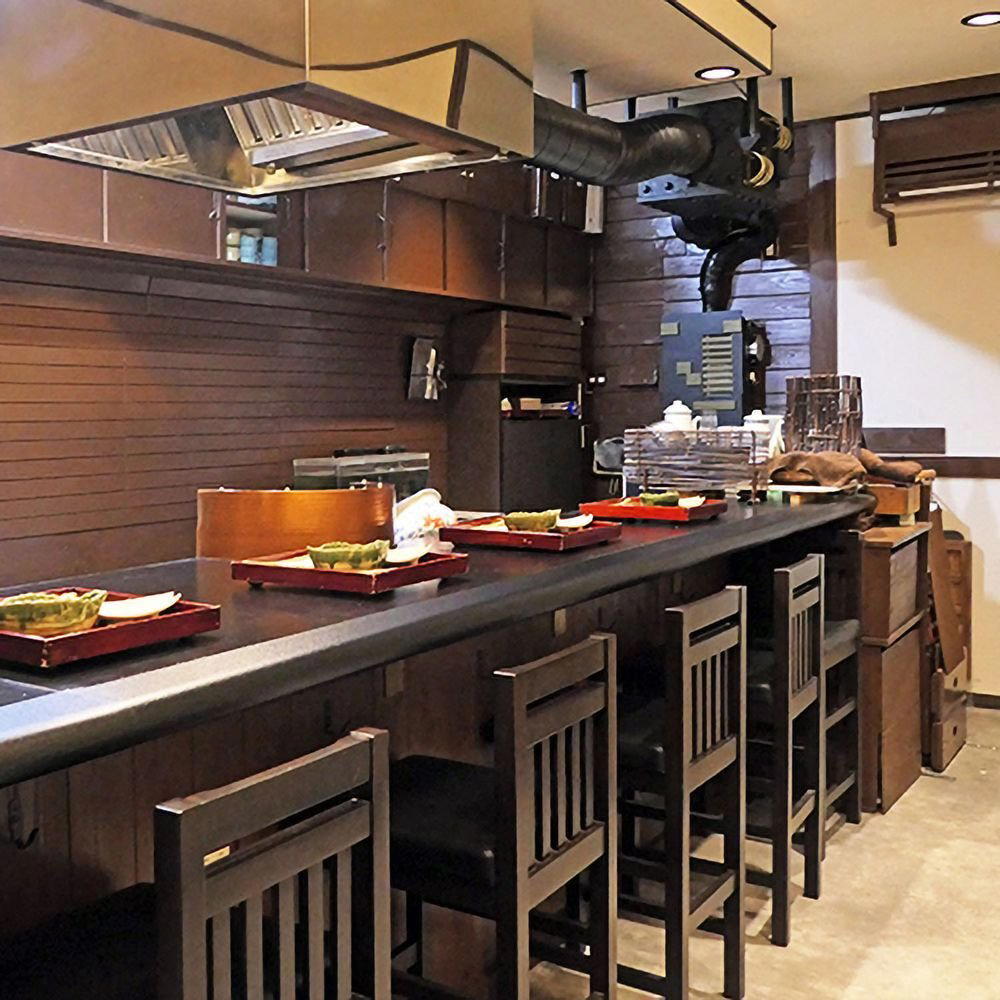
Occasion Dining in Nara's Kaiseki Register
In Japan's hierarchy of celebration meals, kaiseki remains the format most closely tied to ceremony and intention. A birthday dinner at a sushi counter carries pleasure; a kaiseki meal carries ritual. The courses arrive in a sequence governed by centuries of aesthetic convention, each dish calibrated to the season, the guest, and the moment. In Nara, a city whose relationship to cultural tradition runs deeper than almost anywhere in the country, that framework carries particular weight. The historic capital's dining scene is smaller and quieter than Kyoto's or Osaka's, but the expectation of formality at the table is no less present.
Kaiseki Kakomura, on the second floor of a building in Kakufuri Shinya-cho in central Nara, operates inside that tradition with seriousness. The Michelin Guide recognised it with a Plate in 2025, a signal that the inspectors found the cooking worth noting within a city that already contains NARA NIKON, a two-starred benchmark for the local scene. To sit in that same city and draw Michelin attention at the Plate tier is to occupy a meaningful, if distinct, position: serious enough for a special occasion, without the full apparatus of a starred counter.
The Chakaiseki Lineage
Japanese kaiseki divides, broadly, into two historical streams. Honzen-ryori, the formal banquet tradition of the aristocracy, and chakaiseki, the lighter meal developed to precede the tea ceremony, where the goal was to warm the stomach without overwhelming the senses before drinking matcha. The latter tradition prizes restraint, seasonal attunement, and the kind of hospitality that notices small things. At Kaiseki Kakomura, the founding impulse runs through chakaiseki rather than the grander banquet tradition, which shapes everything from portion philosophy to the way the room is prepared for guests.
That spirit surfaces in concrete ways. Flowers are arranged as part of the welcome, a detail rooted in the tea ceremony's attention to the tokonoma alcove and seasonal decoration. The hassun course, a signature moment in any kaiseki sequence where the cook declares the season through a curated arrangement of small preparations, always carries what the Michelin record describes as something seasonally festive. This is not ornament for its own sake but a structural commitment: the hassun is where the chef's reading of the calendar becomes legible to the diner. Compared with kaiseki counters where the seasonal signal can feel dutiful rather than felt, that specificity matters for guests planning a milestone meal around a particular time of year.
Setouchi Seafood as a Regional Anchor
Japan's kaiseki kitchens tend to source according to geography and relationship. The Inland Sea, known as Setouchi, produces some of the country's most prized fish and shellfish, its sheltered waters yielding tai (sea bream) and fugu among many others. The chef here is from Hiroshima, a city that sits on the eastern edge of Setouchi, and that origin informs the kitchen's sourcing: Setouchi seafood, including tai and stonefish, appears as a preference rather than an afterthought.
For guests choosing a restaurant for a significant occasion, this kind of regional specificity offers something that a more generic kaiseki menu cannot. The dishes carry a provenance argument. Setouchi tai in particular has a long ceremonial association in Japanese culture, appearing at celebrations and auspicious occasions precisely because of its reputation for delicacy. At a counter built around chakaiseki values and occasion dining, that ingredient choice reads as deliberate rather than arbitrary.
This provenance-led approach places Kakomura in a different register from Nara's broader kaiseki and Japanese dining options. Oryori Hanagaki, Tsukumo, and Ajinokaze Nishimura each occupy distinct positions within the city's Japanese dining tier, and comparing them is a useful exercise before committing to an occasion booking. For a wider survey of where Nara's serious restaurants sit relative to each other, our full Nara restaurants guide maps the field.
Ryotei Experience in a Mid-Tier Price Bracket
The chef's background in ryotei cooking matters here. A ryotei is Japan's most formal restaurant category, closer to a private club than a public restaurant, where guests are received in individual rooms and service moves at the pace of the meal rather than the kitchen. The training that comes from working at that level instils a particular attention to hospitality as a total environment: how guests are greeted, how the room reads, how a conversation or a transition between courses is managed.
At the ¥¥¥ price tier, Kaiseki Kakomura is not operating in the ultra-premium bracket occupied by Tokyo's leading kaiseki rooms or Kyoto's most formal counters. Within Kansai, other formal dining rooms sit at a higher price point. Within Nara's own scene, the two-starred NARA NIKON sits at the apex. Kakomura operates below that tier in cost but draws on ryotei discipline in how it deploys hospitality, making it a reasonable choice for a celebration that calls for formality without the full investment of a starred counter.
Myojaku in Tokyo and Azabu Kadowaki, both of which offer useful reference points for diners comparing the format across cities. Harutaka in Tokyo, Goh in Fukuoka, 1000 in Yokohama, and 6 in Okinawa each represent the format at different regional and price points.
Planning a Visit
Kaiseki Kakomura is located at 10-2F, Kakufuri Shinya-cho, Nara 630-8223. Reservations are essential. Reservations are essential.
This transit connection makes a kaiseki dinner at Kakomura a viable anchor for a day trip built around Nara's temples and deer park, with the meal serving as the evening's formal close. Ajinotabibito Roman represents another direction within the city's mid-to-upper tier.
What to Order at Kaiseki Kakomura
Kaiseki is not a format where individual dishes are selected from a menu. The kitchen presents a fixed sequence, and the diner's primary decision is whether to go. Given the chakaiseki foundation, the meal will track the season closely, and the hassun will likely be one telegraphic expression of that seasonal reading. Setouchi seafood, particularly tai, is where the kitchen's sourcing convictions are most evident. If timing a visit for a celebration, the months when that seafood tradition aligns with a festive seasonal moment in the Japanese calendar, New Year, cherry blossom season, or autumn, will likely produce a hassun with the density of intention. The flowers set out as part of the room's welcome are not decorative padding but a continuation of the same seasonal argument being made on the plate.
Cost Snapshot
Comparable venues nearby, for context on price, style, and recognition.
| Venue | Cuisine | Price | Awards |
|---|---|---|---|
| Kaiseki KakomuraThis venue — the venue you are viewing | Nara, Traditional Setouchi Kaiseki | $$$$ | Michelin Plate |
| Kappo Risuke | Kashihara, Traditional Japanese Kaiseki | $$$$ | Michelin Plate |
| Oryori Honjo | Nara, Kyoto-style Kappo Kaiseki | $$$$ | Michelin Plate |
| Arigato | Nara, japanese | $$$ | Michelin Plate |
| Wagyu teppanyaki steak house restaurant Nara-park NAGOMI | Nara, Premium Wagyu Teppanyaki | $$$$ | Not listed |
| Nidaime Izumosoba Dandan | Nara, Izumo Soba | $$ | Michelin Plate |
Recognition history
Dated appearances from independent guides and award organizations, with the underlying list record or original source where available.
Michelin Plate
Michelin
Michelin Plate
Michelin
Continue exploring
More in Nara




Bars in Nara
Browse all →


Hotels in Nara
Browse all →



Wineries in Nara
Browse all →
At a Glance
- Elegant
- Quiet
- Intimate
- Sophisticated
- Date Night
- Special Occasion
- Private Dining
- Sake Program
- Local Sourcing
Current opening hours
- Monday
- 12–2 PM, 5:30–9 PM
- Tuesday
- 12–2 PM, 5:30–9 PM
- Wednesday
- Closed
- Thursday
- 12–2 PM, 5:30–9 PM
- Friday
- 12–2 PM, 5:30–9 PM
- Saturday
- 12–2 PM, 5:30–9 PM
- Sunday
- 12–2 PM, 5:30–9 PM
Hours can change for holidays and private events. Last verified .
Low lighting, natural wood joinery, and seasonal floral accents create a warm, inviting, and unhurried atmosphere.