Michelin Plate
Our verdict
A Michelin Plate-recognised sushi counter in Nara's Naramachi district, run by two sisters whose approach centres on classical preservation techniques: marinating, simmering, and searing. At the mid-range price tier, it offers a considered alternative to Nara's higher-priced omakase rooms, with a counter that prizes tradition and a atmosphere defined by genuine warmth rather than ceremony.

Pearl is the En Primeur Club membership app, where members save venues, book tables and use the concierge.
A Counter Where Technique Takes Precedence Over Theatre
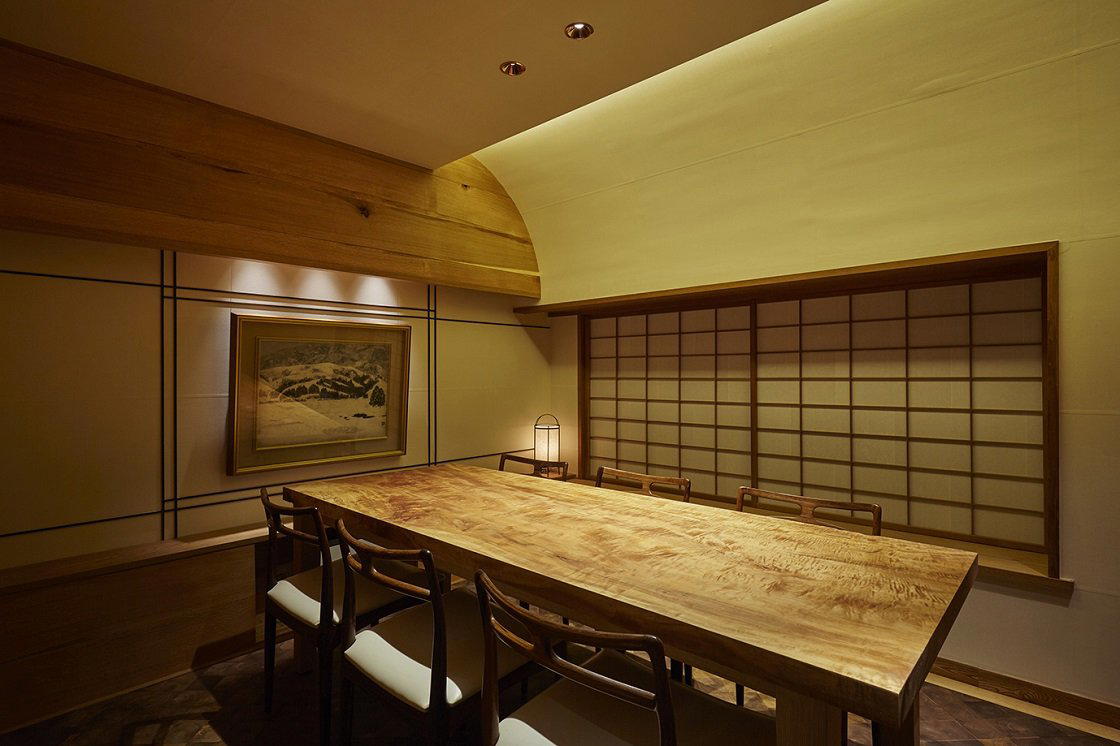
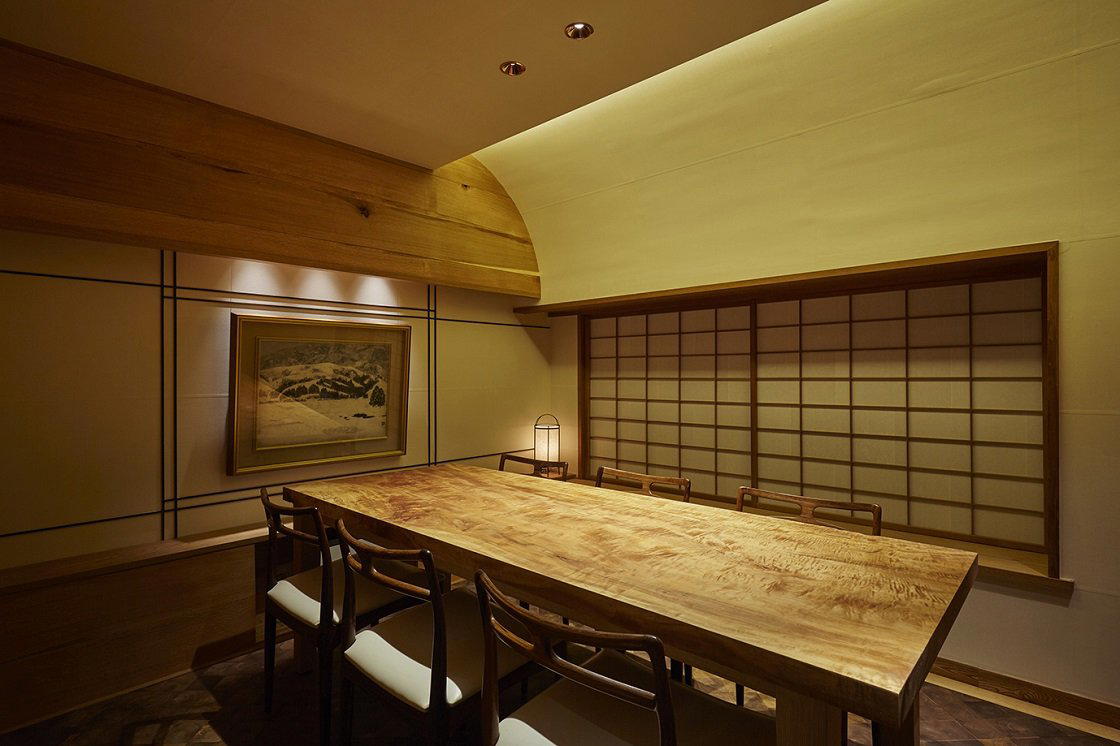
There is a particular kind of sushi counter that Japan does quietly and well: no lacquered minimalism designed for Instagram, no parade of celebrity credentials on the wall, just a working kitchen where the craft is the point. Naramachi Sushi Hanako belongs to that type. Located at 14-2 Nishinoshinyacho in Nara's Naramachi neighbourhood, the restaurant occupies a part of the city that has retained its pre-modern merchant-town character longer than most Japanese urban centres. The streets here are narrow, the architecture low, and the pace unhurried. Arriving at this counter, you are already inside a particular register of Japanese dining before you have eaten a thing.
The Michelin Plate awarded in 2025 signals competent, carefully prepared food rather than the rarefied performance of a three-star room. That distinction matters when mapping Nara's sushi scene. The city's upper tier includes counters where omakase formats run at the ¥¥¥ price level, including Sushi Kawashima and Shikinosushi KROUTO. Hanako operates at ¥¥, placing it in a more accessible bracket while still carrying formal recognition. For visitors who want to eat well without committing to the full ceremonial weight of a high-end omakase, it offers a grounded, technically attentive option.
The Architecture of a Meal Built on Classical Method
Japanese sushi tradition, before the dominance of the raw-fish counter as the defining format, relied heavily on preservation and pre-preparation techniques. Marinating, simmering, and searing were not shortcuts but skills, each requiring understanding of timing, temperature, and ingredient behaviour. The counter at Hanako is oriented around exactly these methods, which puts it in a lineage of Edo-mae sushi practice that predates refrigeration and values transformation as much as freshness.
The progression of a meal here is shaped by those techniques. Where a typical omakase counter might front-load its drama with delicate, raw slices of premium fish, a counter attentive to classical method builds differently. Early courses may introduce the precision of marinating work, tuna dressed with mustard in the manner noted in Michelin's own commentary on this kitchen. The middle of the meal tends to reward patience: simmered conger eel, cooked until the texture softens without losing structure, represents one of the more demanding tests of a sushi chef's classical repertoire. Seared preparations add a third register, using heat to open flavour in ways that raw presentation cannot. Across the arc of the meal, the cumulative effect is less about peak moments with premium fish and more about the coherence of a technique-led philosophy maintained course by course.
That approach rewards diners who arrive with some understanding of what they are eating and why it was prepared this way. For visitors coming to Naramachi Sushi Hanako from abroad, or from the high-end raw-forward counters of Tokyo and Osaka, the meal can recalibrate expectations in useful ways. Harutaka in Tokyo and Sushi Shikon in Hong Kong represent the upper end of the omakase spectrum where premium tuna and shellfish take the lead. Hanako operates in a different tradition, where technique applied to secondary cuts and preserved fish can produce the more instructive experience.
Two Sisters, One Counter
Japan's sushi world has historically been a male-dominated craft, with female chefs excluded from many prestigious counters on grounds that proved less about tradition than about gatekeeping. That has been shifting, gradually, as a generation of female sushi artisans has pushed into professional kitchens with serious training. The setup at Hanako reflects this shift in a direct way: the two sisters who run the restaurant divide the labour between the counter and the room, with the younger handling the sushi preparation and the elder managing service. The dynamic gives the space a familial quality that distinguishes it from counters built around a single chef-as-auteur model.
The sushi chef's previous career in traditional physical therapy is a detail worth noting not as personal biography but as context for understanding the counter's register. Both disciplines involve applied care, attention to the condition of what is in front of you, and the practice of comfort through skill. The genial atmosphere cited in Michelin's recognition of this restaurant is not incidental; it appears to be the intended outcome of how the space is run.
Within Nara's broader dining picture, this kind of approachable professionalism occupies a specific position. The city's most ambitious kitchens, including akordu for Spanish and innovative cooking and NARA NIKON for Japanese formats, operate at ¥¥¥ and carry a different kind of formal weight. Sushidokoro WASABI rounds out the sushi options in the city. Hanako sits in the tier below on price while maintaining the same Michelin visibility, which makes it one of the more efficient dining decisions in Nara for travellers working within moderate budgets.
Placing Nara in a Wider Regional Context
Nara is rarely the first city that comes to mind when planning a serious dining trip in the Kansai region. Osaka's density of recognised restaurants, with venues like HAJIME representing its highest tier, and Kyoto's kaiseki tradition anchored by counters such as Gion Sasaki, draw the majority of culinary tourism to the area. Nara, by contrast, functions largely as a day-trip destination, and its restaurant culture reflects that: fewer seats committed to long tasting formats, more emphasis on accessible, satisfying meals. A counter at the ¥¥ tier with a Michelin Plate fits that pattern well, and for travellers spending time in the city rather than passing through, it adds a reason to stay for dinner.
Beyond Kansai, the contrast with sushi at other price points and geographies is instructive. Shoukouwa in Singapore and Goh in Fukuoka operate in entirely different market and format contexts, while 1000 in Yokohama and 6 in Okinawa demonstrate how Japan's recognised dining scene extends well beyond its major cities. Hanako is a local-scale expression of exactly that reach.
Planning Your Visit
Naramachi Sushi Hanako is located at 14-2 Nishinoshinyacho, within walking distance of Nara's central sightseeing areas in the Naramachi district. The ¥¥ price positioning means the cost of a meal sits comfortably below the city's top-tier omakase rooms. Website and phone details are not currently listed in public directories, so reservations are leading pursued through third-party booking platforms or by direct inquiry when in the city. No website or phone number is publicly confirmed at time of writing.
For a fuller picture of dining and hospitality in the city, EP Club's dedicated guides cover the full range of options: our full Nara restaurants guide, hotels, bars, wineries, and experiences.
Frequently asked questions
What's the pricing like at Naramachi Sushi Hanako?
Pricing at Naramachi Sushi Hanako is listed as ¥¥.
What awards or recognition does Naramachi Sushi Hanako have?
Naramachi Sushi Hanako has received recognition including: Michelin Plate (2025); This restaurant with its genial atmosphere is managed by two sisters, the elder handling customer service and the younger working the counter as the sushi chef. Having embarked on this career after learning about how ….
What should I eat at Naramachi Sushi Hanako?
The counter is shaped by classical preservation methods: marinating, simmering, and searing rather than a raw-fish showcase. Michelin's own recognition of the restaurant highlights marinated tuna dressed with mustard and conger eel simmered until plump as representative of the younger sister's approach. These preparations reflect pre-refrigeration Edomae technique, which gives the meal its defining character and sets it apart from most contemporary sushi counters in the Kansai region.
What kind of cuisine does Naramachi Sushi Hanako serve?
The Quick Read
| Venue | Cuisine | Price | Awards | Notes |
|---|---|---|---|---|
| Naramachi Sushi HanakoThis venue (the venue you are viewing) | Traditional Sushi Omakase | $50–100 | Michelin Plate | Not listed |
| akordu | Modern Spanish with Nara Influences | $150–200 | 2 Michelin Stars · La Liste Top Restaurants | Spanish, Innovative |
| Wa Yamamura | Traditional Kaiseki | $100–150 | 1 Michelin Star | Kaiseki, Japanese |
| Araki | Seasonal Japanese Tempura and Kaiseki | $100–150 | Michelin Plate · Tabelog Bronze #23 | Sushi, Japanese |
| Tama | French with Local Nara Ingredients | $50–100 | Michelin Plate | Okinawan, French |
| NARA NIKON | Kaiseki | $150–200 | 2 Michelin Stars · La Liste Top Restaurants | Japanese |
Recognition history
Dated appearances from independent guides and award organizations, with the underlying list record or original source where available.
Michelin Plate
Michelin
Full recognition history (3 entries)
Michelin Plate
Michelin
Michelin Plate
Michelin