
Nomugi gives Matsumoto’s soba culture a compact, serious expression: buckwheat noodles in a mountain city where grain, water, and seasonality matter more than decoration. Its Tabelog 100 Soba EAST selections in 2024 and 2025 place it in a recognized regional tier, while the small-room format keeps the experience closer to a local lunch counter than a destination dining production.
Pearl is the En Primeur Club membership app — saves, bookings, and concierge access live there. Same editors, same standards.
- Address
- 2 Chome-9-11 Central, Matsumoto, Nagano 390-0811, Japan
- Phone
- +81 263-36-3753
- Website
- nomugi.o.oo7.jp
 Saves & bookings on Pearl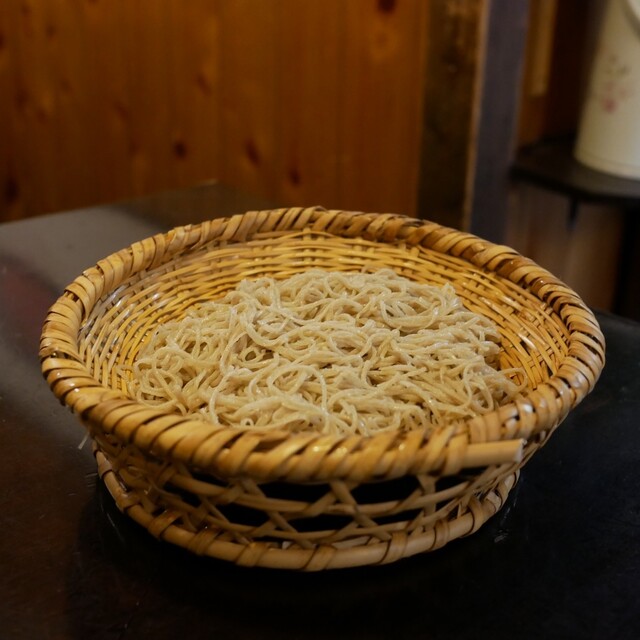
Central Matsumoto has a distinct lunch-hour rhythm: castle-town streets, low shopfronts, and diners who know exactly how long they will wait for soba. In Nagano, buckwheat is not heritage decoration but a regional staple shaped by altitude, cool weather, and inland Japan’s practical cooking culture. Nomugi belongs to that lineage with a narrow proposition: handmade buckwheat noodles as the main event, not a side note to tempura, theatrics, or a long tasting format.
The useful reading is sourcing and restraint. Nagano’s soba identity comes from terrain as much as technique; buckwheat thrives where rice is less dominant, and Matsumoto has long treated noodles as everyday food backed by serious craft. A modest soba room can matter more to the city’s food culture than a louder, broader restaurant. Recognition matters too: selection for Tabelog 100 Soba EAST in both 2024 and 2025 places it among a defined group of eastern Japan soba specialists, not just general Japanese restaurants with a noodle section.
Buckwheat, water, and the discipline of a short soba meal
Soba is one of Japan’s clearest tests of ingredient handling because there is little room to hide. The noodle must carry aroma, texture, and temperature in a format that can look deceptively plain. In Nagano, that directness is central. The region’s mountain climate and grain culture make buckwheat more than a menu category; it measures a kitchen’s seriousness through milling, kneading, cutting, boiling, and serving pace.
Nomugi’s category is listed simply as soba, and that simplicity is editorially useful. Matsumoto has izakaya, coffee rooms, French-inflected kitchens, and historic Japanese dining rooms, but soba runs on a different clock: daytime appetite, quick decisions, and diners able to tell craft noodles from supporting carbohydrate. The comparison is less with multi-course dining than with city specialists: Matsuka and Soba Club Sasaki share the broad soba conversation, while Sanjiro and Kiku Zou show how quickly Matsumoto’s price spectrum rises once meals shift into richer evening territory.
The strongest reason to come is focus, not variety. Soba houses at this level reward diners who understand the noodle is the center: grain character, cut, chew, and the way dipping sauce or hot broth frames rather than overwhelms it. Public details do not support naming a specific signature dish, and that gap should not be filled with guesswork. The defining idea is concrete enough: regional buckwheat in a concise specialist format, with sake available as the natural pairing rather than a decorative beverage list.
Where it sits in Matsumoto's food map
Matsumoto dining sits between castle-town tradition and travelers’ practical needs in Nagano. The city has enough depth for a full eating itinerary, but not every notable meal uses luxury cues. Coffee culture, soba, izakaya cooking, and refined Japanese rooms occupy separate lanes. For wider context, Our full Matsumoto restaurants guide maps that spread, from Coffee Marumo to Hikariya Higashi, Furin Kazan, Alpenrose, and French Natural Restaurant SAI.
That spread matters because Matsumoto soba is not competing with a celebration dinner. It is a precision lunch, judged by local repeatability rather than occasion value. A small seat count reinforces the character: not a room for large groups or regional-food spectacle. The Tabelog score of 3.72 and repeat placement in the Soba EAST 100 provide public recognition, but format is more telling. Twelve seats, no private rooms, and a no-smoking policy point to a compact operation defined by turnover, noodle timing, and a narrow craft vocabulary.
For travelers, this corrects the idea that Nagano cuisine begins and ends with mountain scenery. The region’s food intelligence often lives in modest formats: soba shops, sake-friendly counters, preserved foods, and kitchens working within a tight seasonal pantry. A meal here fits broader city planning. The same itinerary might use Our full Matsumoto hotels guide for base decisions, Our full Matsumoto bars guide for evening drinking, Our full Matsumoto wineries guide for regional wine context, and Our full Matsumoto experiences guide for the cultural frame around the castle town and Japanese Alps.
A small-room specialist, not a luxury performance
The mistake is to approach Nomugi like a polished metropolitan tasting counter. Its interest lies in another discipline: short menu logic, low price tier, and a room scaled to people who came for soba rather than a staged meal. In Japan, serious food experiences can be casual in price and setting because craft is concentrated in one product. Soba, like sushi or tempura, can become ceremonial, but it can also remain daily food with exacting standards.
Payment and reservation conditions make this a more analogue experience than many international diners expect, and that suits the category. The practical intelligence is simple: treat it as a daytime soba stop, not a flexible all-purpose restaurant. Closed-day patterns and sell-out risk are part of small Japanese specialists’ rhythm, so travelers on a tight Matsumoto schedule should not leave it to the day’s final hour. Its central Matsumoto address, rather than an outlying rural soba village, makes it easy to fold into a city walk without turning lunch into a detour.
For readers extending the same ingredient-first lens beyond Matsumoto, Japan’s regional restaurant map gets interesting fast: beef-focused formats such as -Grilled beef Sukiyaki- KAMAKURA TANUKIAN 鎌倉 たぬき庵 in Kamakura, fish-and-charcoal rooms like. 鮪と炭火焼き うお炭 秋葉原店 in Tokyo, urban café formats such as.cafe in Osaka, Kumamoto’s contemporary dining at.know in Kumamoto, and immigrant-food specialists like (Shoku) Vietnam in Kawasaki all show how tightly Japanese dining categories can be drawn. The same applies overseas, where places such as [Curry Senmon Ten] Maruyama Kyoju. in Sapporo, Jōdo Saké Bar in Los Angeles, and Onigiri Time in Pasadena are better understood by format than by broad cuisine labels.
The verdict is direct: this is a focused Matsumoto soba address for diners who value ingredient clarity over ceremony. Award recognition gives external credibility, but the deeper appeal is regional fit. In a city framed by mountains and old trade routes, a small soba room can say more about place than a grander meal.
How It Stacks Up
Comparable venues by cuisine and price in the same metro.
| Venue | Cuisine | Price | Notes |
|---|---|---|---|
| NomugiThis venue — the venue you are viewing | Traditional Soba Noodle Shop | $ | Not listed |
| Masamura | Traditional Japanese cake & confectionery shop | $ | Fukashi |
| Usagiya | Seasonal Shinshu Izakaya | $$ | Chuo |
| Hikariya Higashi | Seasonal Shinshu Japanese Kaiseki in Historic Storehouse | $$$ | Ote |
| Sora-no-Kanata | Japanese Cuisine | $$$ | central |
| Sanjiro | Traditional Soba Set Menu | $$ | Ote |
Recognition history
Dated appearances from independent guides and award organizations, with the underlying list record or original source where available.
Tabelog 100 #90 · No. 90
Tabelog · Tabelog 100 - Soba - EAST - 2025
Continue exploring
More in Matsumoto
Restaurants in Matsumoto
Browse all →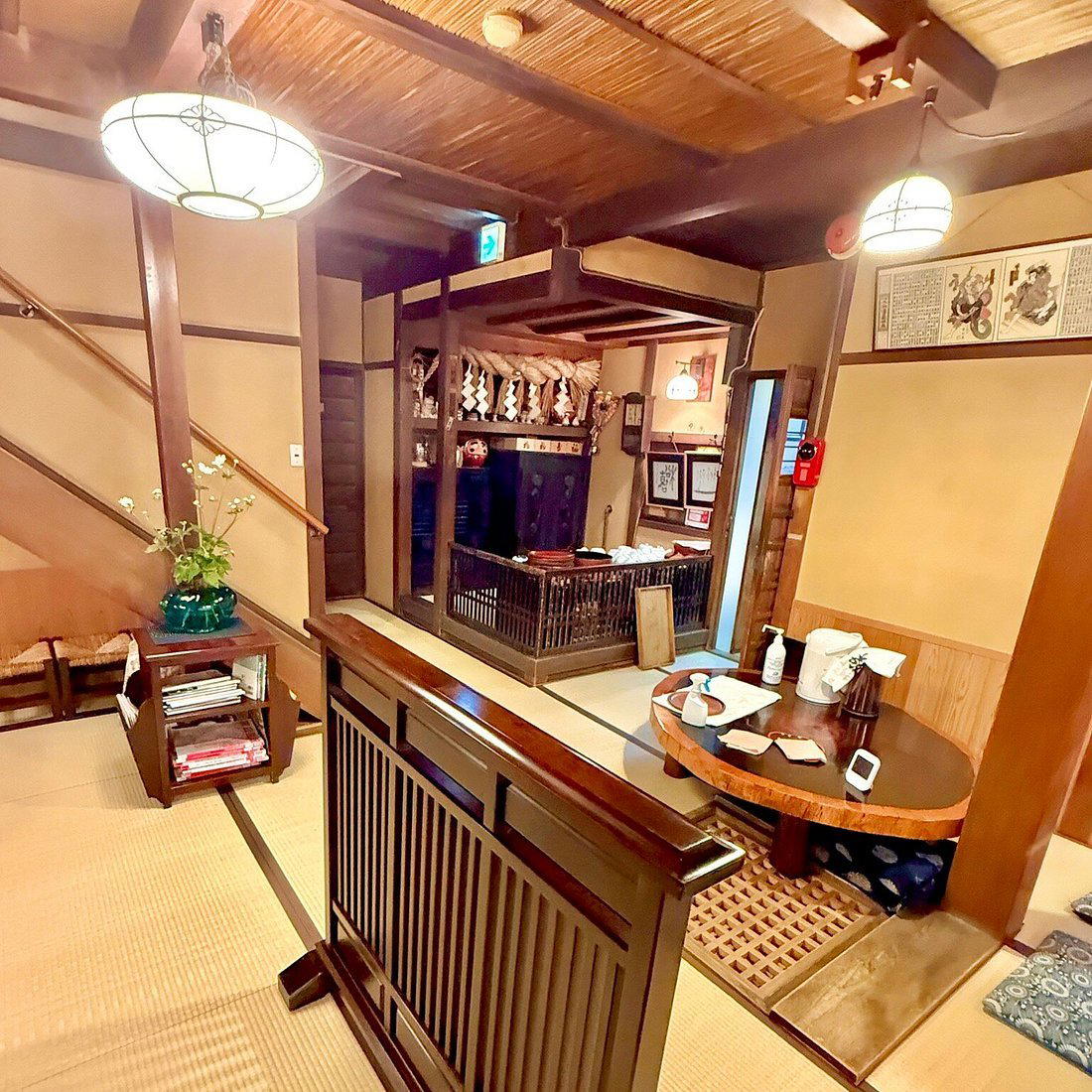
Hotels in Matsumoto
Browse all →
Wineries in Matsumoto
Browse all →
At a Glance
- Cozy
- Classic
- Intimate
- Solo
- Casual Hangout
- Standalone
- Sake Program
- Local Sourcing
Current opening hours
- Monday
- 11:30 AM–2 PM
- Tuesday
- Closed
- Wednesday
- Closed
- Thursday
- 11:30 AM–2 PM
- Friday
- 11:30 AM–2 PM
- Saturday
- 11:30 AM–3 PM
- Sunday
- 11:30 AM–3 PM
Hours can change for holidays and private events. Last verified .
A small, traditional soba shop with only three four-top tables, simple decor and a calm, classic feel; it fills quickly at lunch but remains relaxed and focused on the noodles rather than frills.