
Tabelog 100 #66
Our verdict
Usagiya puts Matsumoto’s izakaya tradition in a Shinshu frame: regional cooking, seasonal local dishes, sake, shochu and wine rather than a Tokyo-style spectacle. Its Tabelog 100 Izakaya EAST selections in 2024 and 2025 place it in a serious category for travelers who want Nagano ingredients handled in a casual tavern format.

Pearl is the En Primeur Club membership app, where members save venues, book tables and use the concierge.
The menu
What to order
- Horse meat sashimi & shabu-shabu course (sakura niku)
- Basashi (horse sashimi)
- Seasonal mountain vegetable tempura
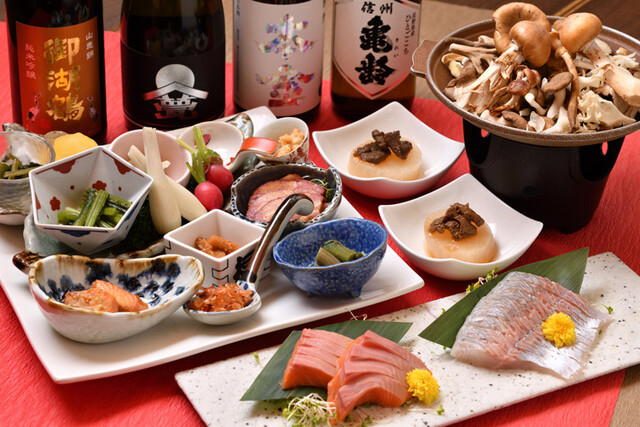
- Shinshu local cuisine set
- Ramen to finish after drinking
Central Matsumoto’s eating rhythm changes after the station crowd thins: daytime shutters drop, lanterns and small signs take over, and tavern culture moves into compact rooms where local cooking, drinks and conversation carry the evening. Usagiya belongs to that register: not grandeur, but the Nagano izakaya as working format, where regional cuisine can sit beside ramen without a formal tasting-menu frame.
Matsumoto rewards this kind of room. The city is a gateway to the Japan Alps, but its dining identity is less resort polish than what can be served after trains, mountain roads, castle walks and local errands. A good izakaya here serves several audiences at once: residents, small groups, solo diners, families and visitors seeking a Nagano meal without ceremony. That mixed use gives the category a different charge from more scripted restaurant styles in larger cities.
Regional cooking in an izakaya frame
The strongest editorial reason to pay attention is format. Usagiya’s public category places it in the overlap between izakaya, regional cuisine and ramen, keeping local cooking in casual circulation rather than turning it into a fixed-course manifesto. In Nagano, that matters. Regional dining can be framed through special-occasion meals, but better tavern meals show a broader daily vocabulary: drink-compatible plates, local staples and different levels of appetite in one sitting.
The category listing says it succinctly: izakaya, regional cuisine and ramen. That combination might look diffuse in a restaurant projecting fine-dining discipline; in Matsumoto, it reads as practical local grammar. The kitchen can be regional without preciousness, and the drinks side can support the meal instead of locking it into one script. For travelers comparing dinner options, this distinction helps. Furin Kazan sits in a higher dinner spend bracket, while Usagiya occupies the middle ground where regional cooking and tavern utility overlap.
Tabelog’s 100 Izakaya EAST selection in 2025 gives the room a credential that matters in Japan’s restaurant culture. The award is not a Michelin-style star system, but it is a meaningful signal for an izakaya outside the biggest metropolitan markets: category relevance, local traction and enough attention to be evaluated among eastern Japan’s tavern specialists. A 3.69 Tabelog score reinforces that position without suggesting the venue is chasing luxury codes.
A compact room for small-group tavern dining
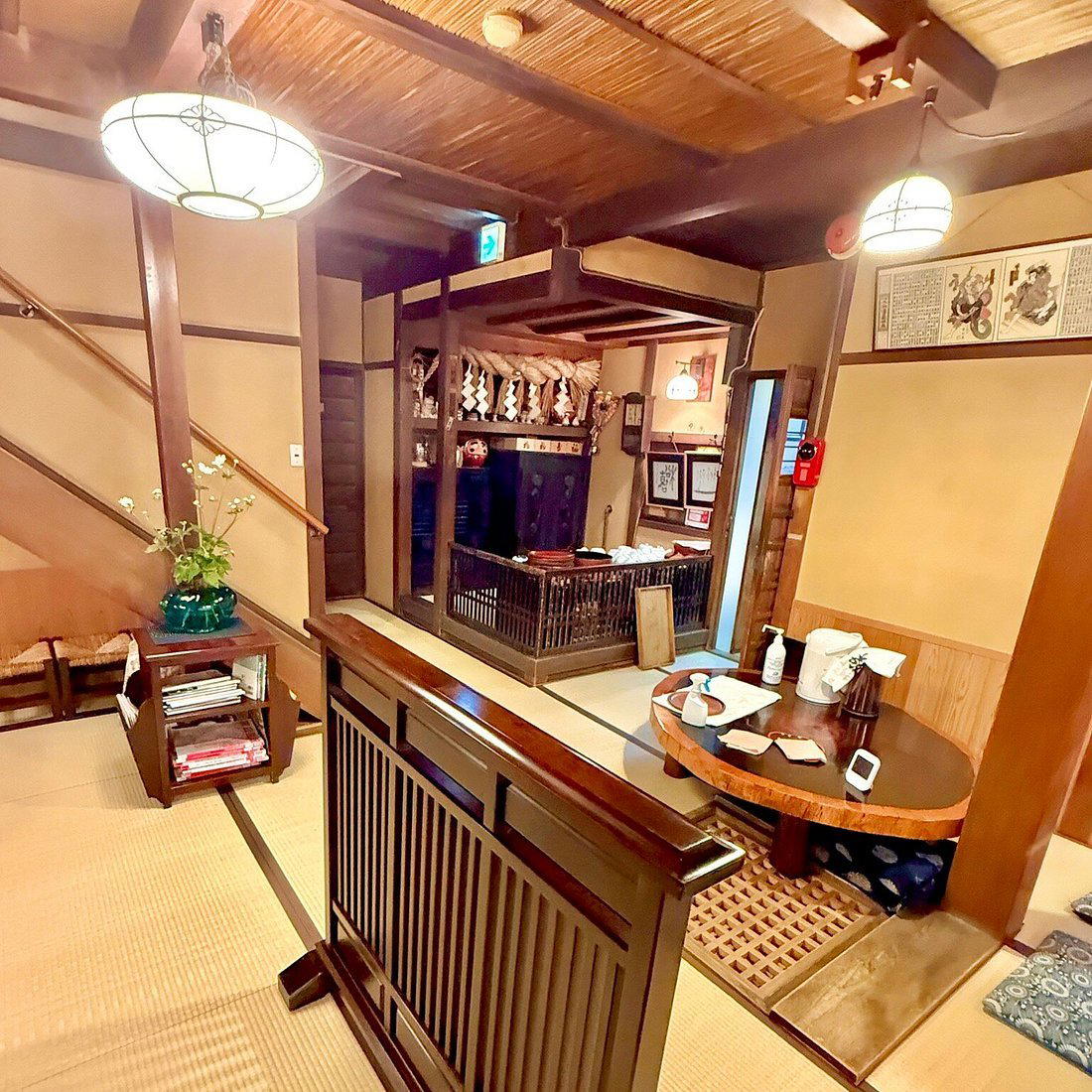
The physical experience should be read through the izakaya model rather than a sprawling banquet layout. That scale suits Matsumoto tavern dining: a drink, several plates, a more substantial finish, and a pace set by the table rather than synchronized courses. Private-room formality is not the draw; the appeal is a flexible evening built around food, drink and conversation. Solo diners, families and friends can approach the meal as adaptable rather than as a single prescribed sequence.
This is where Matsumoto’s broader dining map matters. Visitors often build a day across registers: daytime stops, more formal meals, historic local cooking, alpine comfort or other dining rooms around the city. Against that spread, Usagiya fills the tavern slot: less formal, more regional than generic drinking food, and suited to evenings when local dishes and alcohol carry equal weight.
The practical appeal is also broader than a single-dish stop. Its listed categories allow a meal to move between izakaya plates, regional cooking and ramen, which is useful in a city where travelers may arrive hungry after trains, hikes or castle walks. That does not make it a specialist for every dietary request or dining style, but it does make the room easy to place within an evening plan in Matsumoto.
How to place it in a Matsumoto itinerary
Usagiya works strongest as an evening anchored in local texture rather than spectacle. The dinner price band is JPY 4,000 to JPY 4,999, placing it above snack-and-drink taverns but below more expensive celebratory meals. For travelers staying in Matsumoto or moving through the city between alpine excursions, that is often the sweet spot: enough budget for a proper sequence of dishes and drinks, without the commitment of a destination-only dinner.
The Tabelog 100 recognition adds another signal. In a compact regional city, izakaya strength usually depends on repeat local use, small-group occasions and a room able to absorb everyday rhythms. The 2025 recognition therefore reads less like a luxury marker than external confirmation of a local format with enough substance to stand out within its category.
For the rest of a stay, read Matsumoto as complementary scenes rather than a single dining lane. Use Our full Matsumoto restaurants guide for dinner sequencing, the full Matsumoto hotels guide for where to base the trip, the full Matsumoto bars guide for later drinking, the full Matsumoto wineries guide for Nagano wine context and the full Matsumoto experiences guide for the daytime structure around the meal.
Travelers extending the same ingredient-first logic elsewhere can compare formats rather than specific cuisines: regional taverns, specialist counters, casual cafés, contemporary dining rooms, sake bars and compact everyday restaurants all solve different travel needs. Usagiya’s value is clearer in that company: it does not universalize Japanese food for visitors, but keeps Nagano context inside the informal, adaptable grammar of an izakaya.
Frequently asked questions
What's the price range at Usagiya?
Pricing at Usagiya is listed as JPY 4,000 - JPY 4,999.
Where is Usagiya located?
Usagiya is located in Matsumoto.
Is Usagiya reservation-only?
Reservation details should be confirmed directly with the restaurant. The listed dinner price sits at JPY 4,000-4,999 in Matsumoto.
What is Usagiya known for?
Usagiya was selected for Tabelog Izakaya EAST 2025, which is the clearest trust signal on the page. Its listed categories are izakaya, regional cuisine and ramen.
Can Usagiya adjust for dietary needs?
Dietary needs should be confirmed directly with the restaurant. Usagiya is an izakaya in Matsumoto, with regional cuisine and ramen also listed in its categories.
In Context: Similar Options
Comparable venues by cuisine and price in the same metro.
| Venue | Cuisine | Price | Awards | Notes |
|---|---|---|---|---|
| UsagiyaThis venue (the venue you are viewing) | Seasonal Shinshu Izakaya | $30–50 | Tabelog 100 #66 | Not listed |
| Furin Kazan | Shinshu izakaya with local sake | $30–50 | Tabelog 100 #8 | Chuo |
| Sushi Inukai | Edomae Omakase Sushi | $150–200 | Tabelog 100 #90 | / Shimauchi |
| Nomugi | Traditional Soba Noodle Shop | $10–20 | Tabelog 100 #90 | Nakamachi / Chuo |
| Alpenrose | Casual yoshoku in a mountain-lodge hotel restaurant | $30–50 | Tabelog 100 #82 | Kamikochi |
| Matsumoto Meeyau Shindai mae ten | Indian-style Curry House | $10–20 | Tabelog 100 #53 | Matsumoto |
Recognition history
Dated appearances from independent guides and award organizations, with the underlying list record or original source where available.
Tabelog 100 #66 · No. 66
Tabelog · Tabelog 100 - Izakaya - EAST - 2025
Continue exploring
More in Matsumoto
Restaurants in Matsumoto
All restaurants in Matsumoto →

Details
- Cozy
- Lively
- Rustic
- Intimate
- After Work
- Casual Hangout
- Group Dining
- Solo
- Late Night
- Standalone
- Sake Program
- Beer Program
- Local Sourcing
- Farm To Table
- A La Carte
- Small Plates
- Set Menu
- Sake
- Beer
- Wine
- Vegetarian Friendly
Warm, bustling and intimate izakaya atmosphere with only about fifteen seats, run by a family team; it feels like a cozy neighborhood spot focused on local seasonal food and drinks rather than design flash.