Google: 4.4 · 204 reviews

Sakai Shokai occupies a Shibuya address that sits at a remove from Tokyo's most trafficked dining corridors, placing it in the quieter residential register of the 3-chome block. The venue's position in Shibuya-ku locates it within a ward that contains some of the city's most serious dining, from high-end omakase counters to long-format French. What draws a particular kind of Tokyo diner here is worth understanding before you book.
 Discover on Pearl
Pearl is the En Primeur Club membership app — saves, bookings, and concierge access live there. Same editors, same standards.
Shibuya's Quieter Register
Tokyo's dining geography has a way of sorting itself without announcements. The Shibuya ward contains the crossing and the noise, but it also contains 3-chome blocks where the foot traffic thins and addresses become genuinely residential. Sakai Shokai sits in that quieter register, at 3-6-18 in the 150-0002 postcode of Shibuya, a location that places it outside the immediate orbit of the station's restaurant cluster and inside something harder to classify from the street. In a city where proximity to a train exit can functionally determine a venue's price tier and clientele, an address that requires some intention to reach carries its own editorial signal.
That signal matters in Tokyo because the city's serious dining has fractured across a wide geography. The most decorated counters in Ginza attract an international allocation list; venues in Minami-Aoyama and Daikanyama draw a design-conscious local crowd; and Shibuya's residential fringes host a different kind of operation altogether. For visitors who have already worked through the canonical tier — the Harutaka omakase experience, the L'Effervescence format, the kaiseki discipline of RyuGin — addresses in this quieter residential band represent a different kind of discovery.
The Approach and the Room
Arriving at a Shibuya 3-chome address after dark is a specific sensory experience. The ward's main arteries carry the auditory weight of one of Tokyo's densest commercial zones, but a few blocks in, that register drops. What remains is the particular Tokyo residential quiet: a distant train, the hum of air conditioning units mounted at shoulder height, and the flat white light of convenience store signage at the end of the block. Finding a venue in this environment requires attention to building numbers rather than landmark architecture, which is itself a kind of filtering mechanism.
Japan's dining culture has long used physical restraint as a quality signal. The less visible an entrance, the more specific the intended audience. The less legible the signage, the more the kitchen assumes you already know what you are looking for. This principle runs from Tokyo's most formal kaiseki rooms through to yakitori counters that seat eight and require a phone call in Japanese to access. Sakai Shokai's address positions it within that tradition of deliberate understatement, where the building itself makes no argument for the venue's credentials.
Placing Sakai Shokai in Its Competitive Set
Tokyo's dining scene has become sufficiently stratified that placing any venue requires triangulation. At the leading of the price tier, venues like Sézanne and Crony operate within an internationally recognised bracket, with award recognition and allocation systems that price against global luxury comparisons rather than local neighbourhood norms. Below that tier, a significant number of genuinely serious operations run at lower price points without the international profile, serving a primarily Japanese clientele on repeat visits.
Sakai Shokai's address in Shibuya's residential fringe, without a published price range or award record in the current data, places it in a category that Tokyo regulars understand well: the neighbourhood serious. These are venues that have built their following through word of mouth within a specific local network rather than through international press. Across Japan, this model repeats in different forms. HAJIME in Osaka operates in a clearly international register; Gion Sasaki in Kyoto draws from a traditional kaiseki lineage; akordu in Nara and Goh in Fukuoka have built distinct regional identities. The Tokyo equivalent, at the neighbourhood tier, tends to be less documented precisely because its audience does not require documentation.
Beyond Tokyo, the pattern of seriously intentioned venues operating without significant international press presence is consistent across Japan. 一本杉 川嶋 in Nanao, 吉仙山乃 in Sapporo, 湖邑庵 in Takashima, and 羽根屋 in Nishikawa Machi all occupy this category in their respective cities. The shared characteristic is an audience that finds these places through local knowledge rather than guidebook listings. Internationally, the comparison holds in different culinary contexts: Le Bernardin in New York City and Atomix in New York City occupy the formally documented end of the spectrum, while the neighbourhood tier in any serious food city operates largely off that radar.
What the Address Implies About the Experience
A Shibuya residential address without a website, published phone number, or listed hours implies a specific relationship between the venue and its audience. In Tokyo's dining culture, this is not unusual at the serious end of neighbourhood operations. It suggests a clientele that books through personal networks, returns on a regular cycle, and does not require a digital presence to maintain the booking relationship. Some of Tokyo's most carefully executed smaller operations have functioned on exactly this basis for decades, relying on the consistency of their regular guests rather than the acquisition of new ones through online channels.
For a visitor without an existing connection to this network, the practical question is how to access such a venue at all. The honest answer, in Tokyo's more recessed dining tier, is that access typically requires an introduction or a local intermediary. Hotel concierges at the higher-end Tokyo properties maintain relationships with venues that do not appear in the standard reservation systems. Birdland in Sakai and Bistro Ange in Toyohashi represent similar access dynamics in their respective regions, where the booking process itself is part of the experience's texture.
Planning Your Visit
Given the absence of confirmed hours, a published menu format, or a listed booking method, the practical approach is to use a local contact or Tokyo-based concierge service to confirm current operating status before making any plans around this address. The Shibuya ward is well-served by the Tokyo Metro Ginza and Hanzomon lines, and the 150-0002 postcode is accessible from Shibuya Station on foot, though the specific block requires navigation beyond the immediate station area. For a fuller picture of Tokyo's dining options across price tiers and formats, our full Tokyo restaurants guide covers the range from formal omakase to neighbourhood operations across all major wards.
Reservations: No published booking method confirmed; local introduction or concierge contact recommended. Address: 3-6-18 Shibuya, Shibuya-ku, Tokyo 150-0002. Nearest Transit: Shibuya Station (multiple lines). Hours: Not confirmed in current data; verify before visiting. Budget: Price range not published; assume neighbourhood mid-tier unless confirmed otherwise.
Comparable Spots, Quickly
A compact comparison to help you place this venue among nearby peers.
| Venue | Cuisine | Price | Awards | Notes |
|---|---|---|---|---|
| Sakai Shokai | This venue | |||
| Harutaka | Sushi | ¥¥¥¥ | Michelin 3 Star | Sushi, ¥¥¥¥ |
| L'Effervescence | French | ¥¥¥¥ | Michelin 3 Star | French, ¥¥¥¥ |
| RyuGin | Kaiseki, Japanese | ¥¥¥¥ | Michelin 3 Star | Kaiseki, Japanese, ¥¥¥¥ |
| Crony | Innovative, French | ¥¥¥¥ | Michelin 2 Star | Innovative, French, ¥¥¥¥ |
| Florilège | French | ¥¥¥ | Michelin 2 Star | French, ¥¥¥ |







At a Glance
- Cozy
- Intimate
- Elegant
- Hidden Gem
- Date Night
- Special Occasion
- Business Dinner
- Chefs Counter
- Open Kitchen
- Natural Wine
- Sake Program
- Local Sourcing
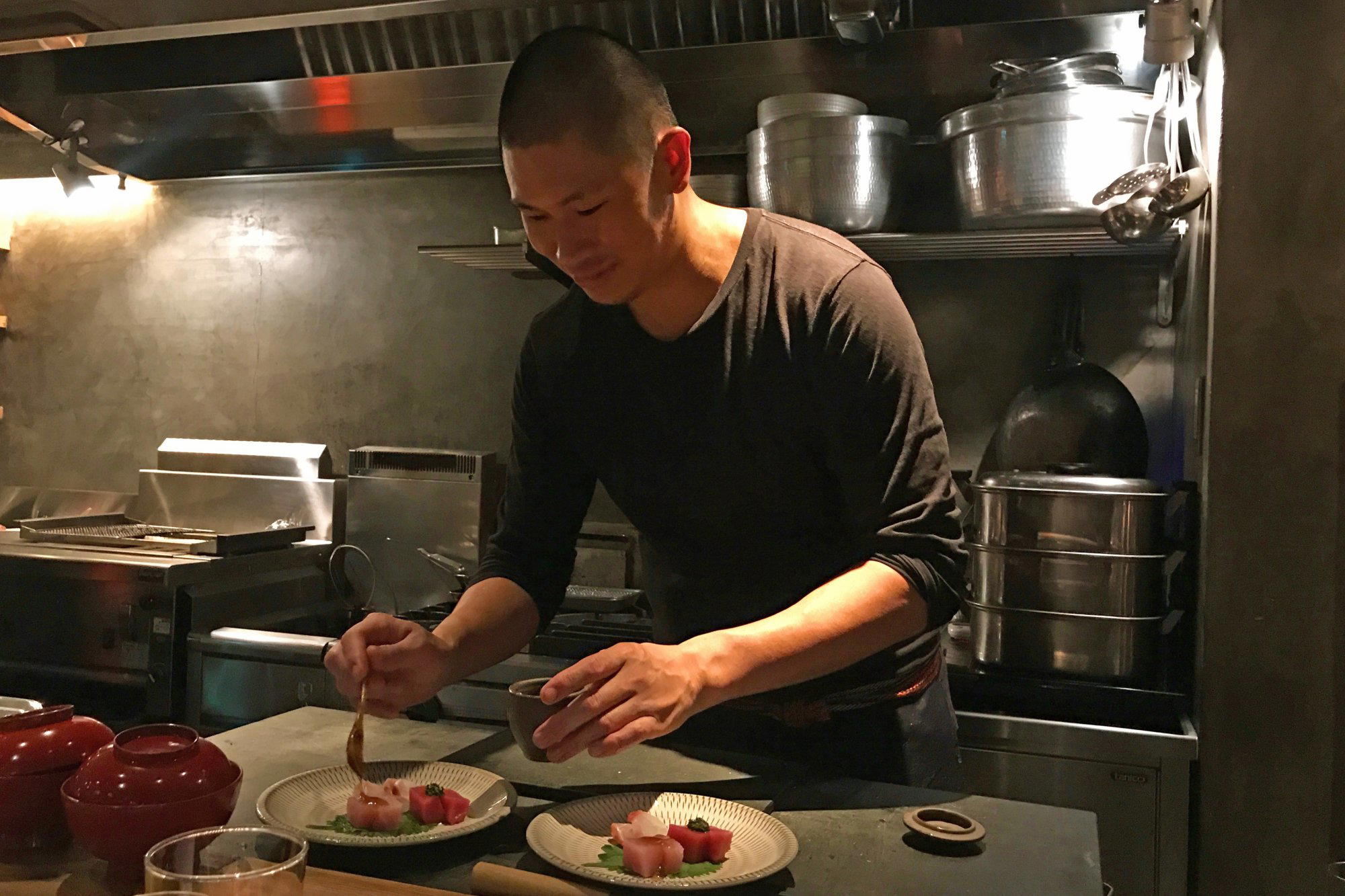
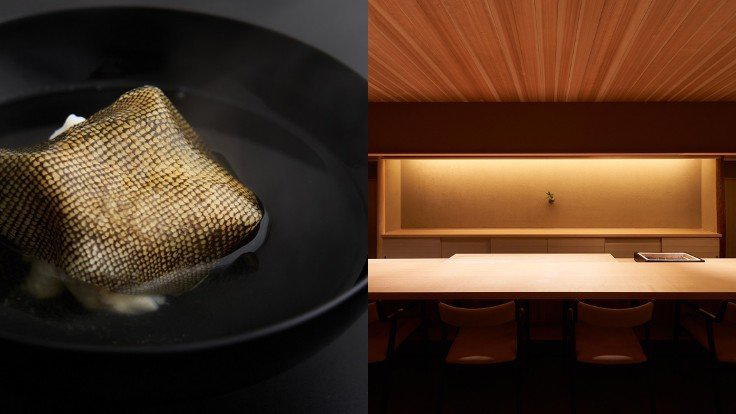
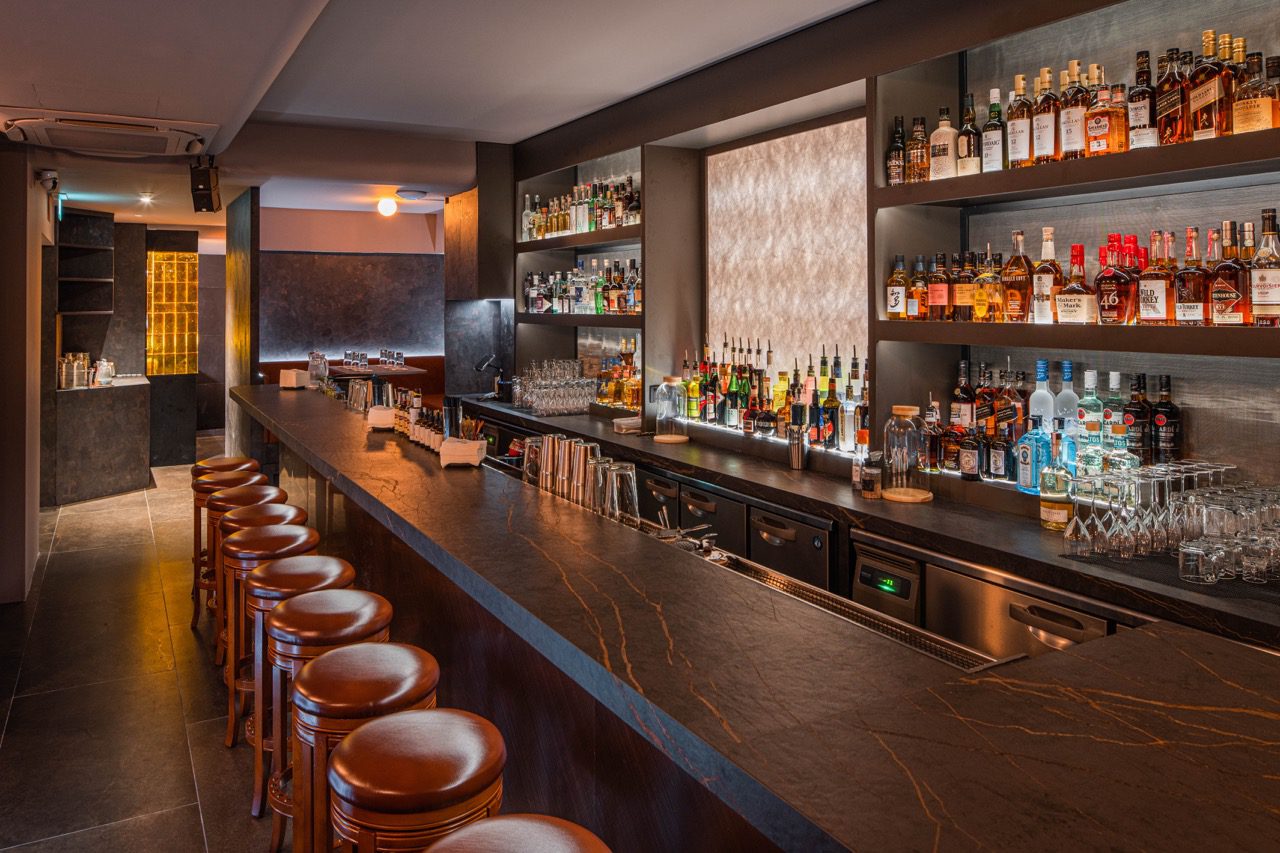
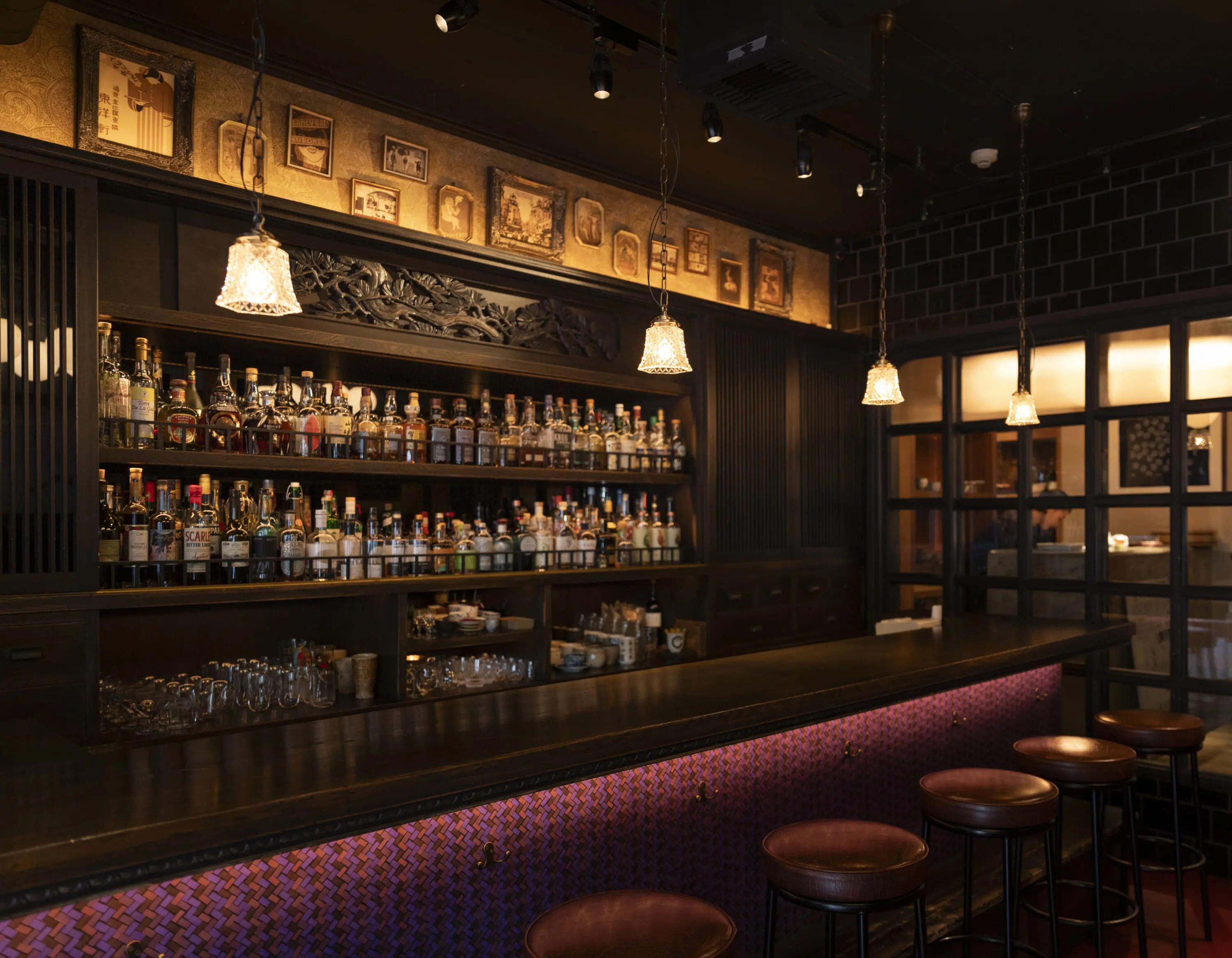
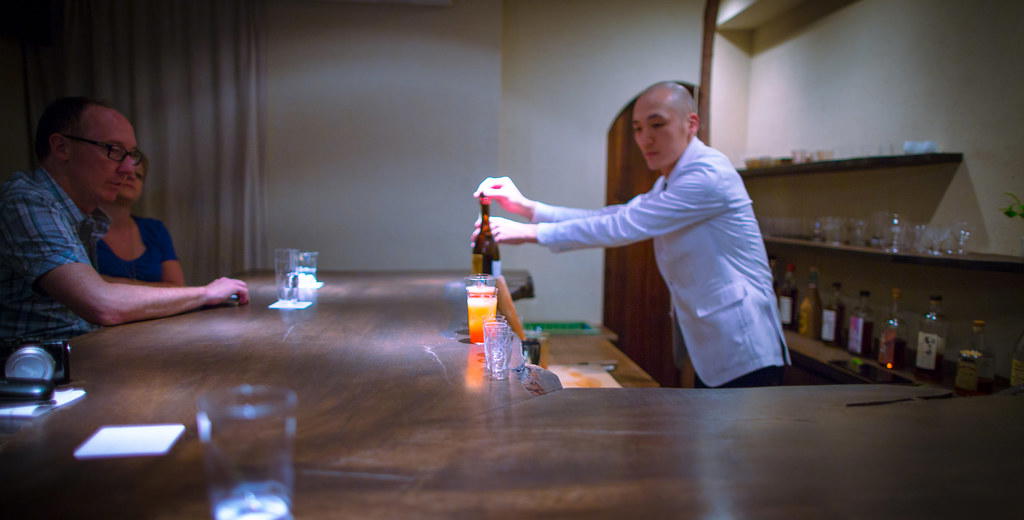
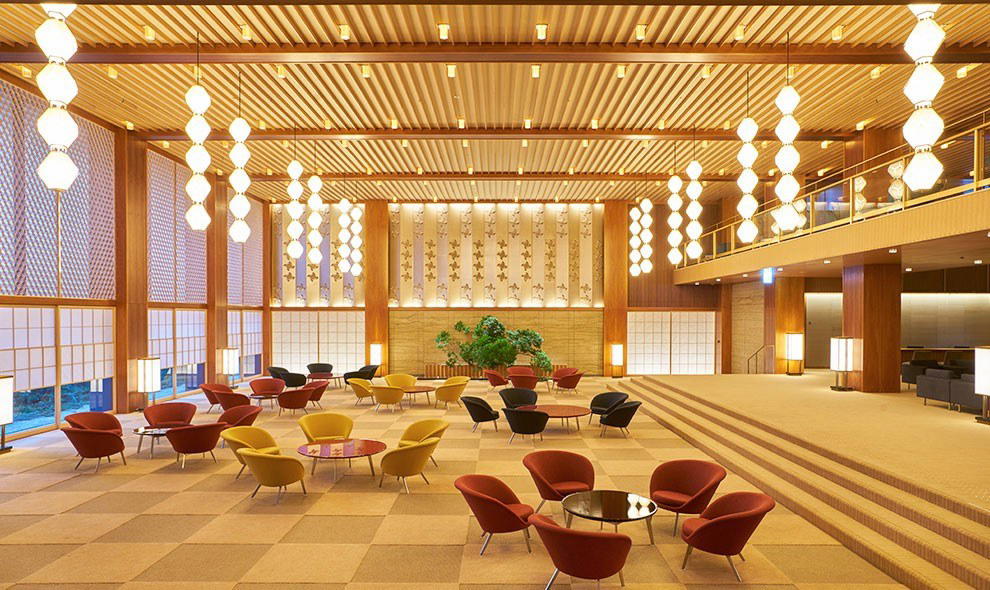
Cozy and welcoming with a wooden counter overlooking the open kitchen, offering close interaction in a stylish, calm retreat from Shibuya's bustle.