


Michelin Plate · Tabelog Bronze #376
Our verdict
A 15-seat French restaurant in Kyoto's Nakagyo ward, Ryoriya Stephan Pantel has held Tabelog Bronze recognition every year since 2017 and earned Tabelog French WEST 100 selection in 2021, 2023, and 2025. The format is dinner-only, with a single nightly seating at 18:00 and a wine program given notable attention. It operates at the intersection of classical French discipline and Kyoto's seasonal ingredient culture.
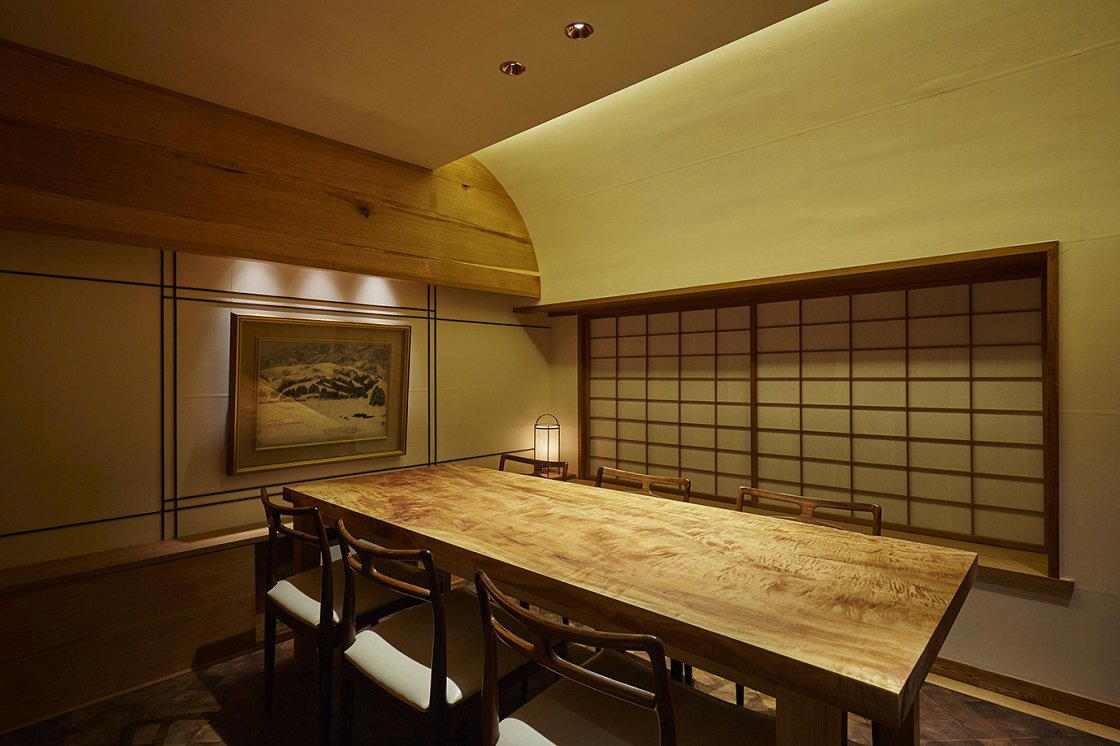
A Quiet Street in Nakagyo, A Particular Kind of French Cooking
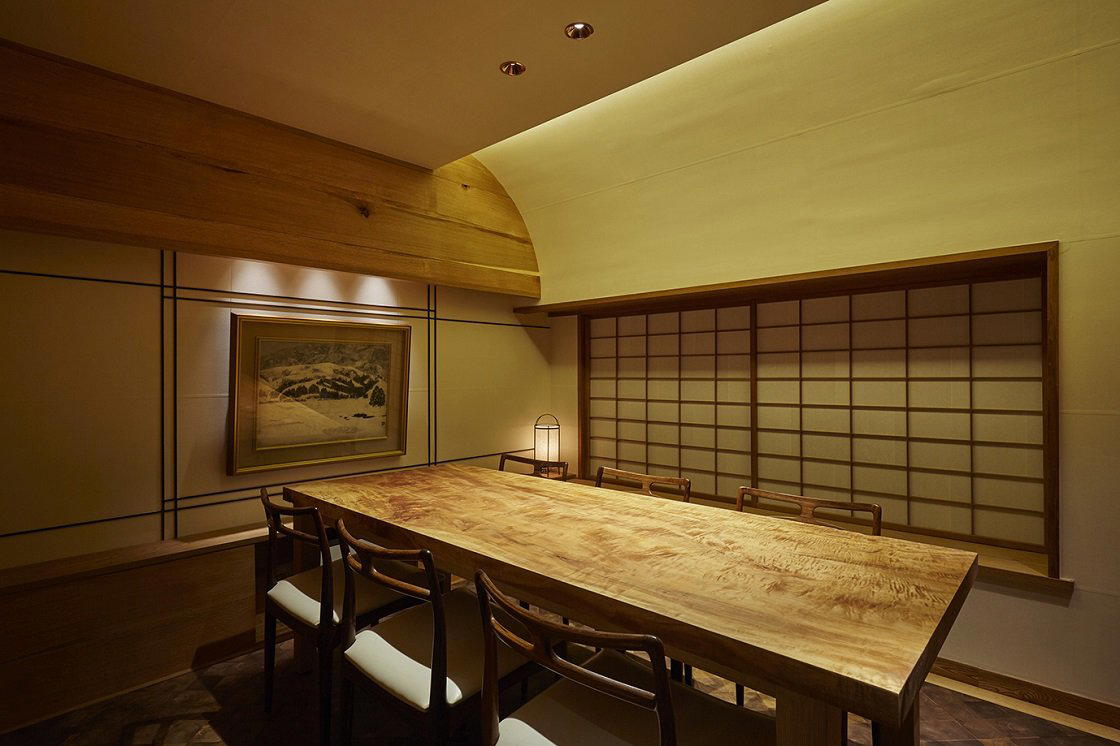
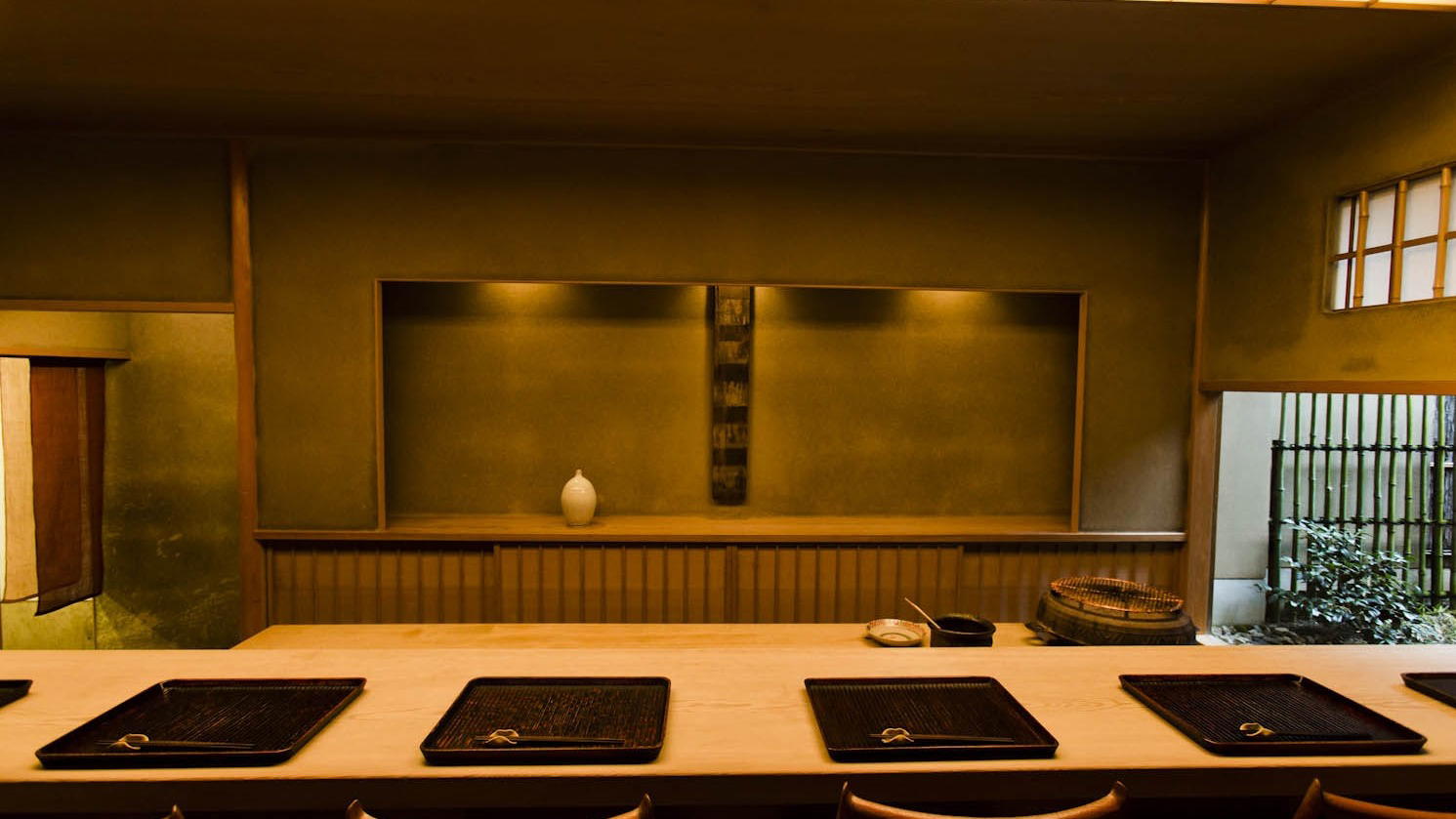
The address on Yanaginobanba-dori places Ryoriya Stephan Pantel away from Kyoto's tourist circuits, in the residential and low-key commercial fabric of Nakagyo ward. The walk from Marutamachi subway station takes around ten minutes through streets where machiya townhouses and small offices outnumber restaurants. That physical context matters: the restaurant is categorised on Tabelog as a house restaurant, and the 15-seat interior, split between a seven-seat counter and eight table seats, reflects an approach to scale that separates it from the grander French establishments elsewhere in the city. The room is described as stylish and relaxing, qualities that tend to define the better small French houses in Japan rather than the white-tablecloth formality that still governs the hotel-based tier.
Where French Technique Meets the Kyoto Ingredient Calendar
Kyoto has a distinctive position in Japan's French dining scene. The city's obsession with seasonality, expressed through kaiseki over centuries, created a local culture that French-trained chefs have found unusually compatible with classical technique. Where kaiseki insists on ingredient primacy and the subordination of the cook's hand to the season, French cooking at its disciplined end operates from a similar premise, even if it arrives there through different means. That convergence has produced a particular subgenre in Kyoto: French restaurants that take their cues from the Kyoto vegetable calendar, from Nishiki Market's seasonal offer, and from the broader rhythm of Kansai produce rather than importing a fixed Parisian menu structure into a Japanese setting.
Ryoriya Stephan Pantel sits in that subgenre. Chef Stephan Pantel, a French chef operating in Kyoto since the restaurant opened on 22 February 2014, applies imported technique to the indigenous product logic that Kyoto's dining culture demands. The result is a format that reads as French in its structure but sources and seasons in a manner shaped by where it operates. This intersection, global method applied to local material, is precisely what gives the better Western restaurants in Japan their critical traction. For comparison, cenci in Kyoto pursues a similar Italian-meets-Kyoto-ingredient approach at the same ¥¥¥ price tier, while akordu in Nara demonstrates how Spanish technique applied to Yamato ingredients can produce a similar critical profile in a neighbouring ancient city.
A Decade of Consistent Recognition
The awards record at Ryoriya Stephan Pantel is one of the more sustained in Kyoto's Western dining category. Tabelog Bronze in 2017 and 2018, then Silver in 2019 and 2020, then a return to Bronze from 2021 through 2026, with a Tabelog score of 4.18 and selection for the Tabelog French WEST 100 in 2021, 2023, and 2025. The Michelin Plate in 2025 adds a separate recognition signal. Opinionated About Dining, which runs an algorithm-based ranking drawing on its own critic visits and aggregated data, ranked the restaurant at number 489 among all restaurants in Japan in 2024 and listed it as Recommended in 2023.
That pattern of consistent mid-tier Tabelog recognition is worth understanding in context. The Silver years of 2019 and 2020 place it above the sustained Bronze band, and the return to Bronze rather than a drop out of the award tier entirely signals a stable, dependable operation rather than one in decline. At the French WEST 100 level, the restaurant holds company with the more notable French addresses across Osaka, Kyoto, and the wider Kansai region. Peer comparison points within Kyoto itself would include la bûche, anpeiji, and Droit. For a heavier French anchor in Kyoto, Hiramatsu Kodaiji occupies a more formal, institutionally supported tier. Nationally, the ambition level compares to Sézanne in Tokyo, though Sézanne operates at a different price ceiling, and to HAJIME in Osaka, which sits in a more formally awarded bracket. La Biographie represents another point of reference within the city's French tier.
The Format: Single Seating, Counter and Table, No Lunch Currently
The operating model is deliberately contained. Dinner runs five evenings per week, Tuesday and Wednesday closed, with a single start time at 18:00. The restaurant is not currently serving lunch. That single-seating structure is common among the more serious small French houses in Japan, where pacing a full counter experience across a multi-course dinner requires undivided kitchen attention rather than the turnover logic of a bistro. At 15 seats total, the kitchen's output on any given evening is fixed and small, which supports consistency and ingredient precision.
The wine program is flagged specifically in the venue's own categorisation as an area of particular focus. For French restaurants in Japan at this price tier, a serious wine list is standard positioning, but the specific notation suggests it functions as more than a token accompaniment. Major cards are accepted (Visa, Mastercard, JCB, Amex, Diners), there is no service charge, and the cancellation policy runs at 50 percent the day before and 100 percent on the day of the reservation, which is standard for small Japanese restaurants at this level of commitment per cover.
Dinner pricing at JPY 15,000 to JPY 19,999 per person represents the mid-range of Kyoto's serious Western dining tier. Review-based averages trend higher, toward JPY 20,000 to JPY 29,999, which typically reflects additional spend on wine rather than a deviation from the listed menu price. By regional comparison, Goh in Fukuoka and 1000 in Yokohama operate in similar dinner price bands with comparable award profiles, while a reference point like Hotel de Ville Crissier in Crissier illustrates how the French classical tradition that Pantel draws on manifests in its European context. Harutaka in Tokyo and 6 in Okinawa show the range of formats achieving similar critical standing across Japan's broader dining tier.
Planning Comparison: Ryoriya Stephan Pantel vs. Kyoto Peers
| Venue | Cuisine | Price Tier | Seats | Format | Key Award |
|---|---|---|---|---|---|
| Ryoriya Stephan Pantel | French | ¥¥¥ | 15 | Dinner only, single seating | Tabelog Bronze 2026, French WEST 100 |
| cenci | Italian | ¥¥¥ | N/A | Dinner-focused | Kyoto Italian peer |
| Gion Sasaki | Kaiseki | ¥¥¥¥ | N/A | Counter kaiseki | Higher price tier |
| Ifuki | Kaiseki | ¥¥¥¥ | N/A | Counter kaiseki | Higher price tier |
| Hiramatsu Kodaiji | French | ¥¥¥¥ | N/A | Hotel-based French | Institutional tier |
What Regulars Gravitate Toward
Given the single-seating format and the documented focus on wine, the experience at Ryoriya Stephan Pantel is structured as a complete evening rather than a quick dinner. The counter seats, seven of the fifteen available, place guests in direct proximity to the kitchen's work, which in Japanese French restaurants tends to be the most information-dense position in the room: you see the plating, the timing, and the technical decisions in a way that table seating does not afford. Regulars at restaurants with this format and a noted wine program typically anchor around the pairing option, which maximises both the kitchen's seasonal intent and the wine focus. The no-service-charge structure and the absence of a dress code suggest an environment where the emphasis is on the food and wine rather than on ceremony. Children aged nine and above are accommodated, which is relatively permissive by the standards of this dining tier in Kyoto.
Getting There and When to Book
The nearest public transport is Marutamachi Station on the Kyoto Municipal Subway Karasuma Line, approximately ten minutes on foot. The restaurant does not offer parking. Reservations should be made well in advance, particularly for counter seats; the strict cancellation policy (full charge on the day of the reservation) reflects the economics of a 15-seat single-seating operation where a no-show represents a significant share of the evening's covers. Confirm hours directly before visiting, as the current lunch suspension and the closed Tuesday and Wednesday schedule represent the current operating model and may be subject to change.
For a fuller picture of where this restaurant sits in Kyoto's dining and hospitality offer, see our full Kyoto restaurants guide, our full Kyoto hotels guide, our full Kyoto bars guide, our full Kyoto wineries guide, and our full Kyoto experiences guide.
Quick Comparison
Comparable venues nearby, for context on price, style, and recognition.
| Venue | Cuisine | Price | Awards | Notes |
|---|---|---|---|---|
| Ryoriya Stephan PantelThis venue (the venue you are viewing) | French-Japanese Fusion Fine Dining | Not listed | Michelin Plate · Tabelog Bronze #376 | Not listed |
| L'aparté | Modern French with Japanese Ingredients | $100–150 | Michelin Plate | Shimogyō |
| Le cadeau | Modern French Fine Dining | $50–100 | Michelin Plate | Nakagyō |
| MOTOÏ | Modern French with Kyoto Fusion | $200–300 | Michelin Plate · Star Wine List | Nakagyō |
| Kappo Umetsu | Kappo Japanese Cuisine | $100–150 | Michelin Plate | Higashiyama |
| Miyagawacho Hotta | Modern Kaiseki Omakase | $200–300 | Michelin Plate | Higashiyama |
Recognition history
Dated appearances from independent guides and award organizations, with the underlying list record or original source where available.
Michelin Plate
Michelin
Tabelog Bronze #376
Tabelog
Opinionated About Dining Top Restaurants in Japan Ranked #489
Opinionated About Dining
Full recognition history (6 entries)
Tabelog 100 #75 · No. 75
Tabelog · Tabelog 100 - French - WEST - 2025
Tabelog Bronze
Tabelog
Opinionated About Dining Top Restaurants in Japan Recommended
Opinionated About Dining
Continue exploring
More in Kyoto
Restaurants in Kyoto
All restaurants in Kyoto →
Bars in Kyoto
All bars in Kyoto →
Hotels in Kyoto
All hotels in Kyoto →
Wineries in Kyoto
Browse all →
Details
- Elegant
- Intimate
- Sophisticated
- Cozy
- Date Night
- Special Occasion
- Celebration
- Chefs Counter
- Open Kitchen
- Historic Building
- Standalone
- Extensive Wine List
- Sommelier Led
- Local Sourcing
- Tasting Menu
- Counter Dining
- Set Menu
- Wine
- Sake Pairing
- Allergy Accommodating
Elegant and refined atmosphere in a charming, renovated traditional Japanese machiya with sober, simple but sophisticated decoration; intimate counter seating allows guests to observe the chef's precise, ballet-like plating technique.