



MOTOÏ places French technique inside Kyoto’s machiya dining culture rather than treating the city as decoration. The Nakagyo room, set in a century-old wooden townhouse, suits a polished but not theatrical meal, with chef Motoi Maeda’s modern French cooking supported by a Michelin star, Tabelog Bronze recognition, and OAD’s 2026 Japan recommendation.
Pearl is the En Primeur Club membership app — saves, bookings, and concierge access live there. Same editors, same standards.
- Address
- Japan, 〒604-0952 Kyoto, Nakagyo Ward, Tawarayacho, 186
- Phone
- +81 75-231-0709
- Website
- kyoto-motoi.com
- Directions
- Get directions
 Saves & bookings on Pearl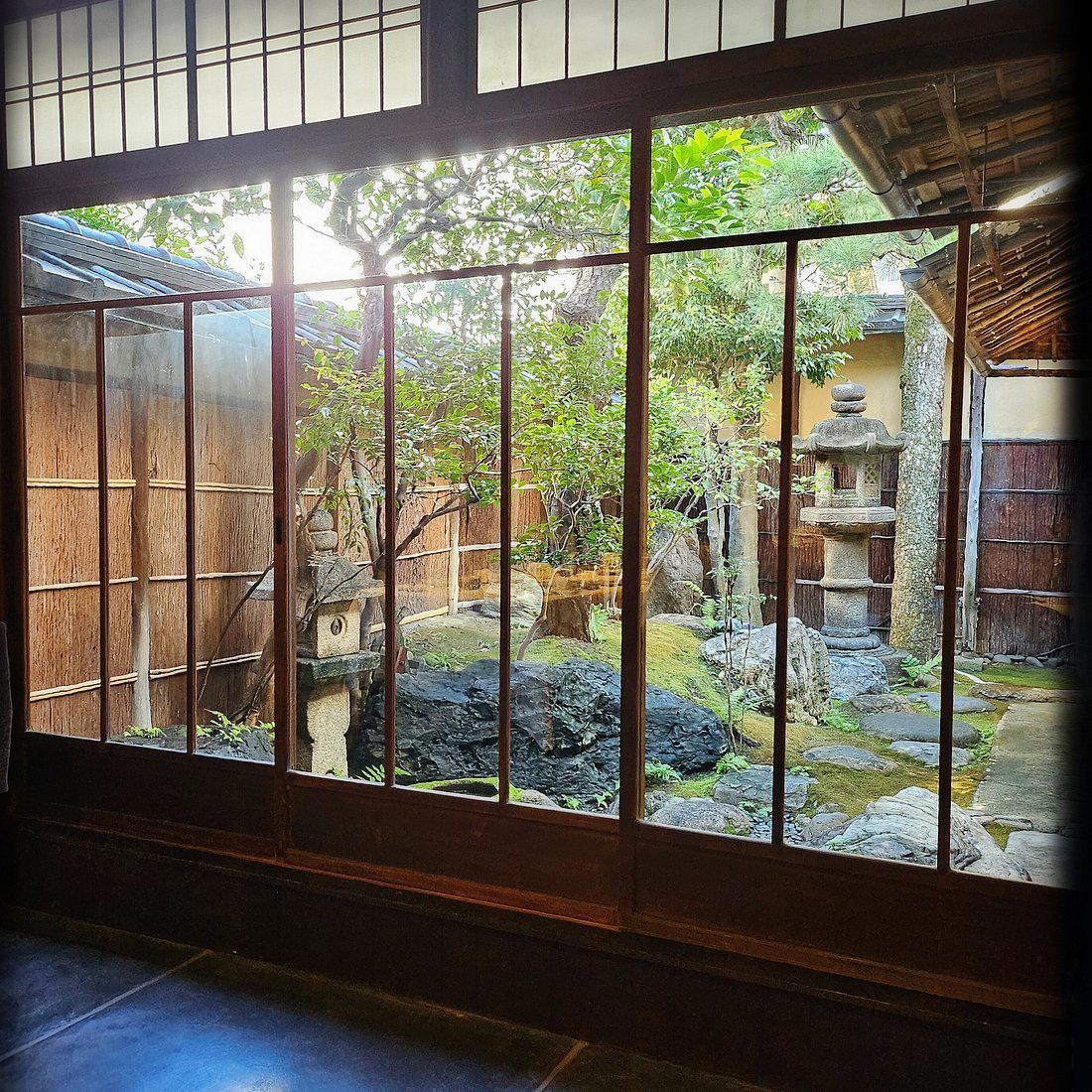
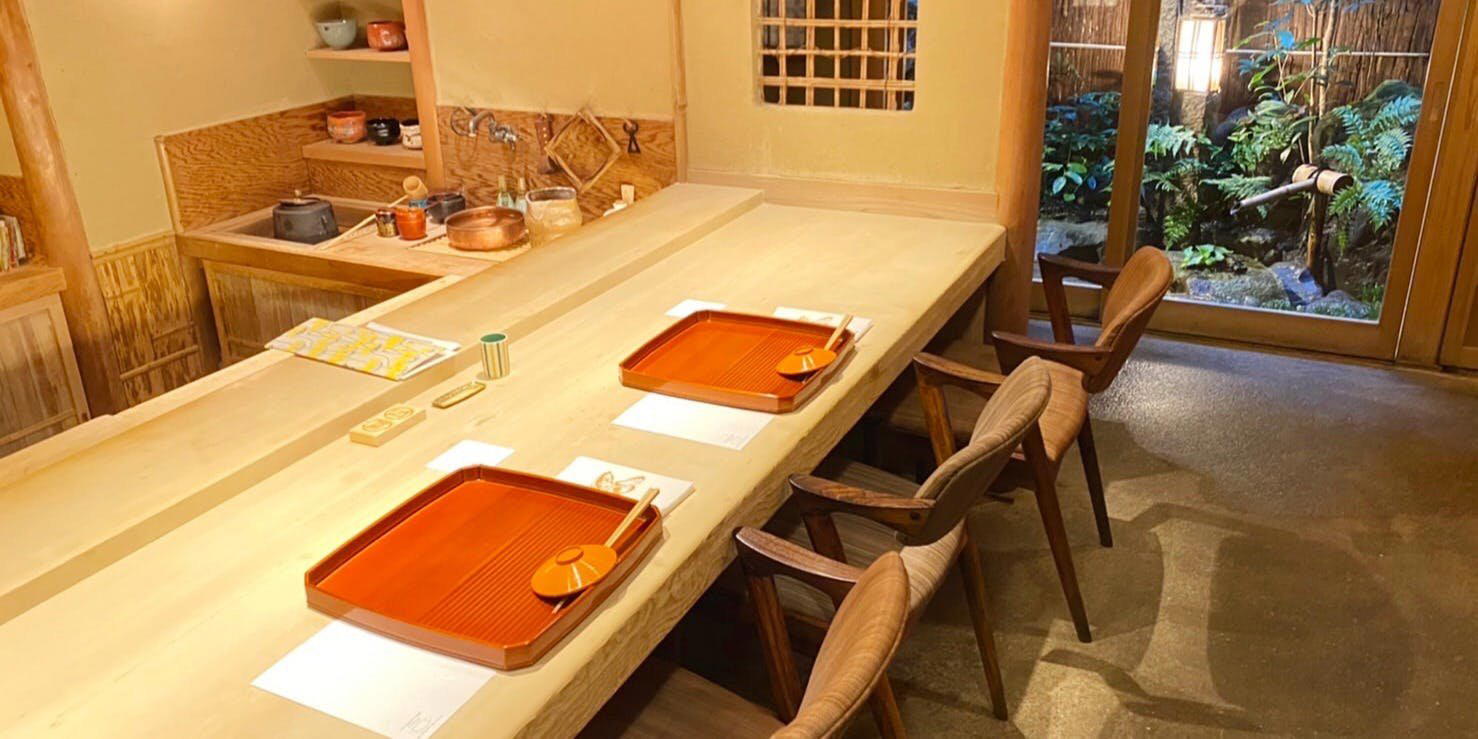
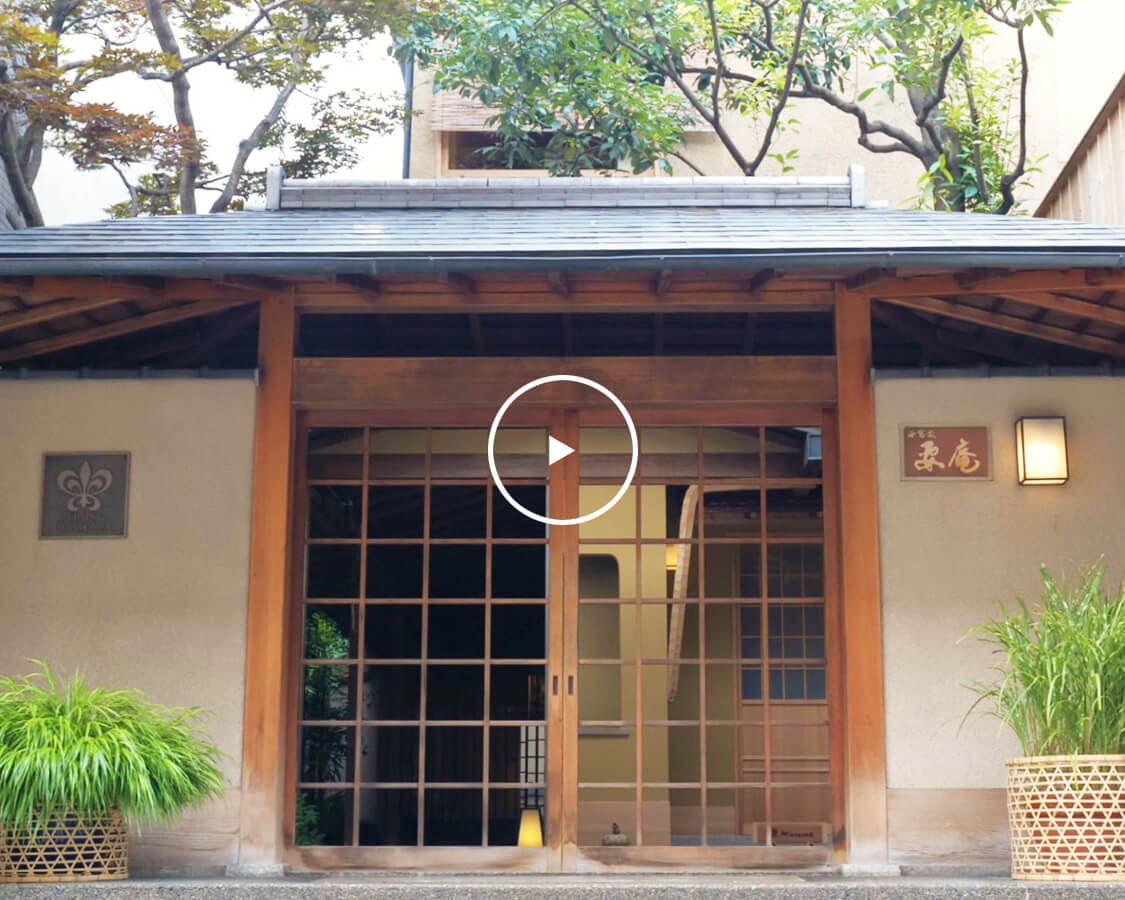
Approaching the townhouse on Tawarayacho, the first cue is scale. Kyoto’s central dining rooms often work in compression: narrow frontages, quiet entries, interiors that slow guests before the meal. MOTOÏ applies that grammar to French cooking, setting a formal restaurant inside a 100-year-old machiya rather than a hotel lobby or glass-fronted room. In Nakagyo, that matters: the city’s better meals feel less like spectacle than an adjustment of pace.
Kyoto has long absorbed foreign cuisines on its own terms. French restaurants here rarely succeed by copying Paris; the stronger ones translate structure, sauce work, pacing, and wine service into rooms shaped by older domestic architecture. MOTOÏ belongs to the city’s serious French tier, where a Michelin star, Tabelog Bronze recognition, and an Opinionated About Dining 2026 Japan recommendation are diagnostic rather than decorative: signals from demanding diners across several systems, not just tourists seeking a Kyoto address with French labels.
A machiya frame for modern French cooking
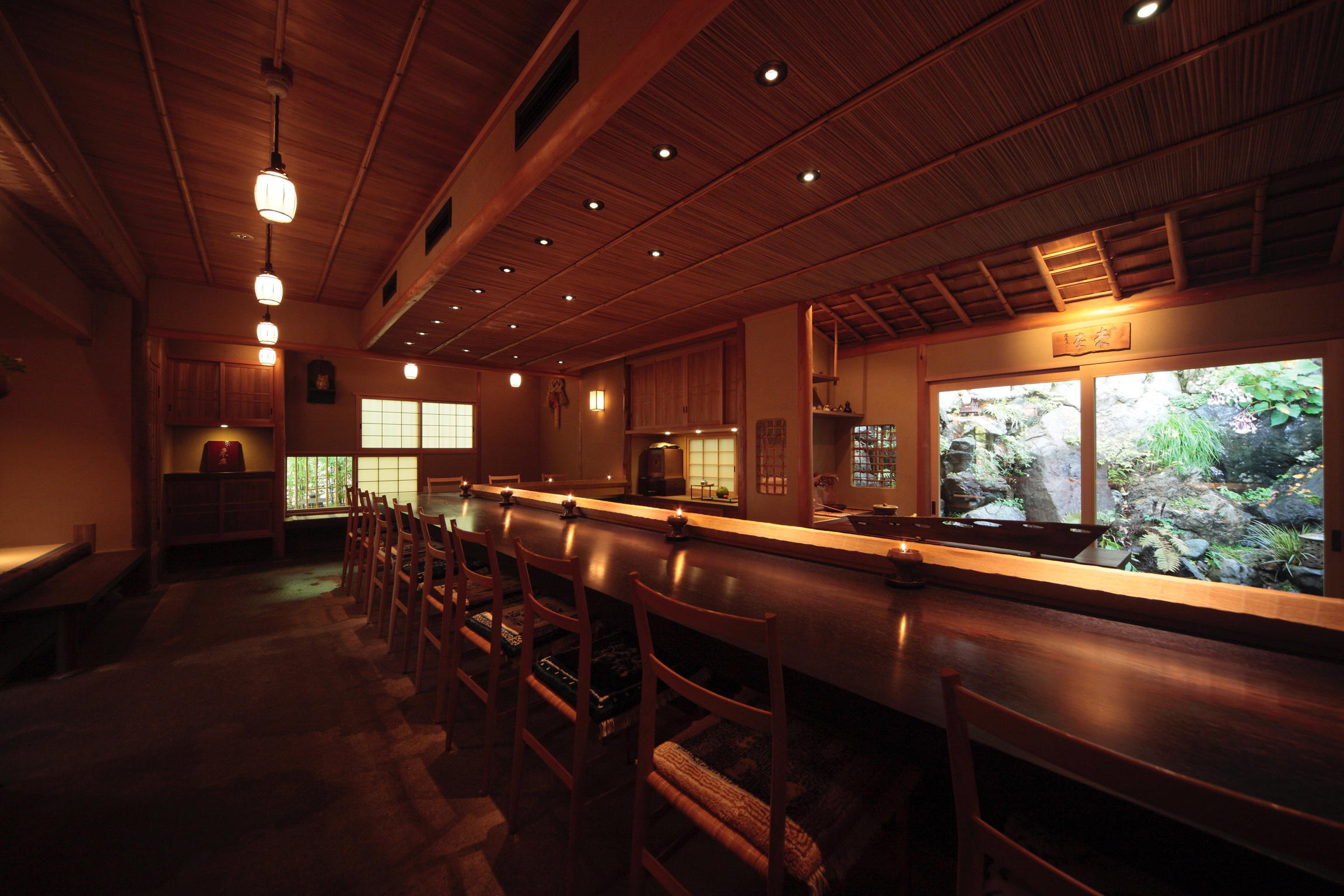
The room makes the meal’s first argument. A 32-seat format with table service places the restaurant closer to polished occasion dining than counter intimacy, while private rooms for small groups suit Kyoto’s preference for social discretion. This is not the kinetic omakase model on many visitor itineraries, but a slower French meal where architecture gives pacing, wine, and the exchange between Japanese ingredients and European technique room to breathe.
Chef Motoi Maeda’s role is context, not mythology. The cooking is French, but Kyoto’s strongest Western restaurants are judged by how carefully they handle local produce, fish, seasonality, and texture without turning plates into collage. The convincing reading is not “French in Kyoto” as novelty, but Kyoto as an exacting filter for French form. A sommelier-led beverage program and wine focus reinforce that position, while sake availability reflects the city’s habit of letting pairings move beyond imported orthodoxy.
Against Kyoto peers, the distinction is format and price tier. La pleine lune, Bistro Yanagihara, and HUNTER sit in a more accessible French bracket; NAKATSUKA is nearer the same premium band; MUNI ALAIN DUCASSE pushes into a more expensive hotel-linked register. MOTOÏ sits in the middle of that serious Kyoto French conversation: not a casual bistro, not a grand luxury monument, but a reservation-only townhouse restaurant with enough critical validation to plan around.
For a wider Kyoto itinerary, the comparison helps. anpeiji, Aoike, Asperge Blanche, Benoit, and Bistro Cerisier show the city’s French range, from bistro-inflected meals to formal tasting menus. The question is which version fits the night: neighborhood ease, hotel polish, or machiya formality.
How Kyoto changes the French restaurant equation
Nakagyo is decisive. The ward sits in central Kyoto, close to civic, commercial, and cultural movement, yet its dining character is not volume-driven. Restaurants use restraint as practical language: smaller rooms, controlled arrivals, menus that reward making dinner the main event rather than an interlude between temples. That suits a restaurant where the building carries history, and value lies partly in calibrating old wooden domestic space with contemporary dining expectations.
The awards record is unusually consistent. Tabelog Bronze recognition across multiple recent years, selection for Tabelog French WEST “Tabelog 100” in 2025, and OAD’s 2026 recommendation place MOTOÏ in a competitive Japanese French field, not a Kyoto novelty category. The Michelin star adds an international reference point, but Japanese diners often read Tabelog signals with equal seriousness, especially where fine gradations of consistency matter. A score around the 4.1 mark on Tabelog puts it in a demanding range, where small changes in execution and service are noticed.
Price shapes expectation. Dinner sits in the JPY 20,000 to JPY 29,999 range before the higher review-based spend band some diners report, with lunch listed lower. In Kyoto, that is above casual French and below expensive grand dining rooms. The value proposition depends on wanting machiya setting, formal service, and modern French structure together. Diners seeking a quick bistro meal should choose elsewhere; those building a Kyoto trip around one polished Western-format dinner will find the category logic clearer.
Practicalities matter even when booking and address details sit separately. The restaurant is reservation-only, with controlled lunch and dinner entry windows, closed midweek, and no on-site parking. House rules also signal a formal room rather than a drop-in neighborhood spot: no children under 13, no strong perfume, and no extremely casual dress such as shorts and sandals. These are not fussiness; they preserve the quiet a 32-seat machiya restaurant needs.
Where it fits in a Kyoto trip
MOTOÏ is strongest for travelers who understand Kyoto as more than kaiseki, sushi, and tea. The city’s French scene is not an imported afterthought, but Kyoto absorbing outside forms and subjecting them to local discipline. A meal here makes sense after several days of Japanese formats, when the palate is ready for butter, wine, and French pacing while the setting remains unmistakably Kyoto.
The restaurant is less suited to maximalists chasing theatrical reveals. Its appeal is measured contrast: townhouse architecture, modern French technique, serious wine culture, and a central ward that rewards quiet confidence. For broader planning, Our full Kyoto restaurants guide helps place it among the city’s dining options, while Our full Kyoto hotels guide, Our full Kyoto bars guide, Our full Kyoto wineries guide, and Our full Kyoto experiences guide fill in the rest of the trip architecture.
For readers comparing beyond Kyoto, the lesson travels. Japan’s dining range now includes hyper-specific local formats and international categories handled with unusual rigor, from -Grilled beef Sukiyaki- KAMAKURA TANUKIAN 鎌倉 たぬき庵 in Kamakura to. 鮪と炭火焼き うお炭 秋葉原店 in Tokyo.cafe in Osaka.know in Kumamoto, (Shoku) Vietnam in Kawasaki, and [Curry Senmon Ten] Maruyama Kyoju. in Sapporo. International French comparisons such as 3 Fils Counter, French in Dubai and 3G Trois Gourmands, French in Ho Chi Minh City underline the same point: French technique changes character when a city with a strong dining identity applies pressure. Kyoto applies that pressure quietly, and MOTOÏ is built for diners who notice.
Comparable venues nearby, for context on price, style, and recognition.
| Venue | Cuisine | Price | Awards | Notes |
|---|---|---|---|---|
| MOTOÏThis venue — the venue you are viewing | Modern French with Kyoto Fusion | $$$$ | Michelin Plate | Not listed |
| La Biographie··· | Modern French with Japanese Influences | $$$$ | Michelin 1 Star | Kamigyō |
| Reine des prés | Modern French with Japanese Sensibility | $$$$ | Michelin 1 Star | Kamigyō |
| Ryoriya Otaya | Kyoto Kaiseki Omakase | $$$ | Bib Gourmand | Shimogyō |
| Hiramatsu Kodaiji | Contemporary French with Kyoto Seasonal Ingredients | $$$$ | Michelin 1 Star | Higashiyama |
| KOGA | Modern French Fine Dining | $$$$ | Michelin Plate | Kamigyō |
Recognition history
Dated appearances from independent guides and award organizations, with the underlying list record or original source where available.
Michelin Plate
Michelin
Opinionated About Dining Top Restaurants in Japan Recommended
Opinionated About Dining
Star Wine List
Star Wine List
Tabelog Bronze #291
Tabelog
Michelin Plate
Michelin
Opinionated About Dining Top Restaurants in Japan Ranked #415
Opinionated About Dining
Tabelog 100 #68 · No. 68
Tabelog · Tabelog 100 - French - WEST - 2025
Tabelog Bronze
Tabelog
Michelin Plate
Michelin
Opinionated About Dining Top Restaurants in Japan Ranked #385
Opinionated About Dining
Opinionated About Dining Top Restaurants in Japan Recommended
Opinionated About Dining
Continue exploring
More in Kyoto
Restaurants in Kyoto
Browse all →
Bars in Kyoto
Browse all →
Hotels in Kyoto
Browse all →
Wineries in Kyoto
Browse all →
At a Glance
- Elegant
- Intimate
- Sophisticated
- Classic
- Date Night
- Special Occasion
- Celebration
- Garden
- Private Dining
- Extensive Wine List
- Sake Program
- Local Sourcing
- Garden
Current opening hours
- Monday
- 12–3 PM, 6–10 PM
- Tuesday
- 12–3 PM, 6–10 PM
- Wednesday
- Closed
- Thursday
- Closed
- Friday
- 12–3 PM, 6–10 PM
- Saturday
- 12–3 PM, 6–10 PM
- Sunday
- 12–3 PM, 6–10 PM
Hours can change for holidays and private events. Last verified .
Elegant and refined atmosphere in a historic residence with natural light from floor-to-ceiling windows overlooking serene Japanese courtyards.