

Droit distills the soul of French heritage through a Kyoto lens, where classical technique meets the immediacy of Japan’s leading seasonal produce. The chef mines antique cookbooks for inspiration, translating timeless preparations into luminous, contemporary compositions heightened by precise butterwork, spice-forward sauces, and a profound dialogue with regional producers. Morning-picked Oharano herbs lend an ethereal fragrance, while a judicious, deeply considered wine program anchors each course with poise. In a serene, softly lit setting, Droit moves with quiet confidence, true to its name, straight ahead, offering an intimate, impeccably paced experience that celebrates provenance, precision, and the lasting pleasure of a cuisine perfected over centuries.
Pearl is the En Primeur Club membership app — saves, bookings, and concierge access live there. Same editors, same standards.
- Address
- Japan, 〒606-8301 Kyoto, Sakyo Ward, Yoshidaizumidonocho, 8 関西日仏学館 1F
- Phone
- +81 75-761-2180
- Website
- droit-kyoto.jp
- Directions
- Get directions
 Saves & bookings on Pearl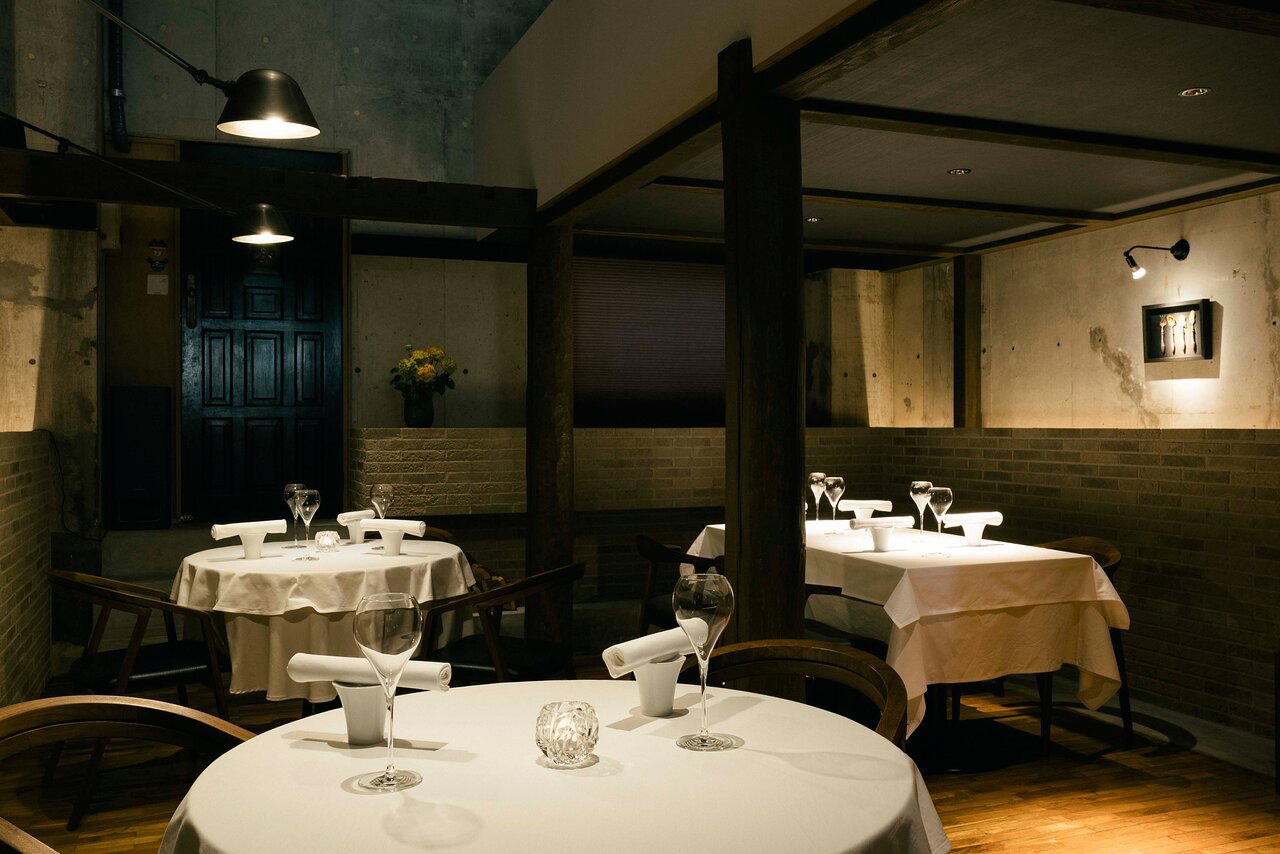
French Classicism in Kyoto's Academic Quarter
The address alone sets expectations: Yoshidaizumidonocho, in Sakyo Ward, is the kind of Kyoto neighbourhood where old temple walls meet university footpaths and the general atmosphere runs closer to contemplative than commercial. The Institut Franco-Japonais du Kansai building that houses Droit, a one-star Michelin restaurant in Kyoto's Sakyo Ward, establishes the intellectual register before you even sit down. French cuisine practiced at this level, in this city, is a statement about patience and source material rather than spectacle.
Kyoto's non-Japanese fine dining scene has grown considerably more confident over the past decade. Where the city once deferred almost entirely to kaiseki as the default premium format, a cohort of European-technique restaurants has taken root, drawing on the Kansai region's extraordinary produce network while applying the structural vocabulary of Western cooking. Droit belongs firmly to this cohort, though its relationship to French tradition is more archaeologically minded than most. The Michelin inspector's note for the restaurant's 2024 one-star award describes a chef who pores over old cookbooks and interprets their recipes for modern ingredients and environments. That framing matters: the creative vision here is rooted in recovery and reinterpretation rather than invention.
The Logic of Classics, Revisited
French cuisine has a long memory, and its classical phase, the era of Escoffier's brigade systems, of butter-mounted sauces, of spice combinations borrowed from medieval Arab trade routes, is denser and stranger than the simplified haute cuisine tradition that most contemporary diners encounter. The working approach at Droit connects directly to that earlier stratum. Sauces carry weight from spices; butter appears not as luxury shorthand but as a structural element; herbs arrive morning-fresh from Oharano, a farming area on Kyoto's western edge where vegetable cultivation has centuries of local history. The effect, when this kind of sourcing discipline is applied to pre-modern French recipes, is a cuisine that reads as simultaneously archaic and immediate.
Ingredients from around Kansai, a region whose produce culture is as carefully maintained as its architectural heritage, anchor the cooking in place without tipping into the fusion territory that so many Franco-Japanese restaurants occupy. The distinction is worth underlining: this is not French technique applied to Japanese ingredients for novelty effect. The Michelin citation describes the chef's conversations with producers as expressed in food, which points toward something more sustained: an ongoing dialogue between what the land provides and what a culinary tradition requires, mediated by a single creative intelligence. That kind of producer relationship is common in kaiseki, where it forms the philosophical bedrock of the cuisine. Applying it to French classicism produces something genuinely less common on the Kyoto scene.
The restaurant's name, taken from the French word meaning "straight ahead," signals an attitude toward all of this: no swerving toward trendier modes, no hedging bets with multiple style registers. For diners accustomed to the eclectic ambition of restaurants like La Biographie or the Italian-inflected precision of MOKO in the same city, Droit's steady single focus reads as a considered position rather than a limitation.
Where Droit Sits in Kyoto's French Dining Tier
Kyoto's French restaurants occupy a range that runs from high-volume brasserie formats to small, chef-driven rooms where the menu changes by season and conversation with the kitchen is half the experience. Droit, priced at the ¥¥¥ tier, sits mid-to-upper in that range, occupying the same general price band as la bûche and anpeiji while sitting below the ¥¥¥¥ pricing of Kyoto's kaiseki establishments like Ifuki (Michelin two stars) and the three-starred Gion Sasaki. The one-star Michelin recognition in 2024 places it in the same credentialed tier as cenci, though the cuisines and sensibilities could hardly be more different.
For comparison within the broader Kansai and Japanese French dining conversation, the reference points extend outward: HAJIME in Osaka operates at a higher investment level with three Michelin stars, while L'Effervescence in Tokyo pursues a different French-Japanese synthesis with greater focus on contemporary technique. akordu in Nara offers a Spanish-technique counterpoint within the same ancient-city-meets-European-cooking dynamic. Droit's comparable set, internationally, might more accurately include committed classicists like Hotel de Ville Crissier in Crissier, restaurants that treat the French tradition as a living archive rather than a museum.
Atmosphere and Setting
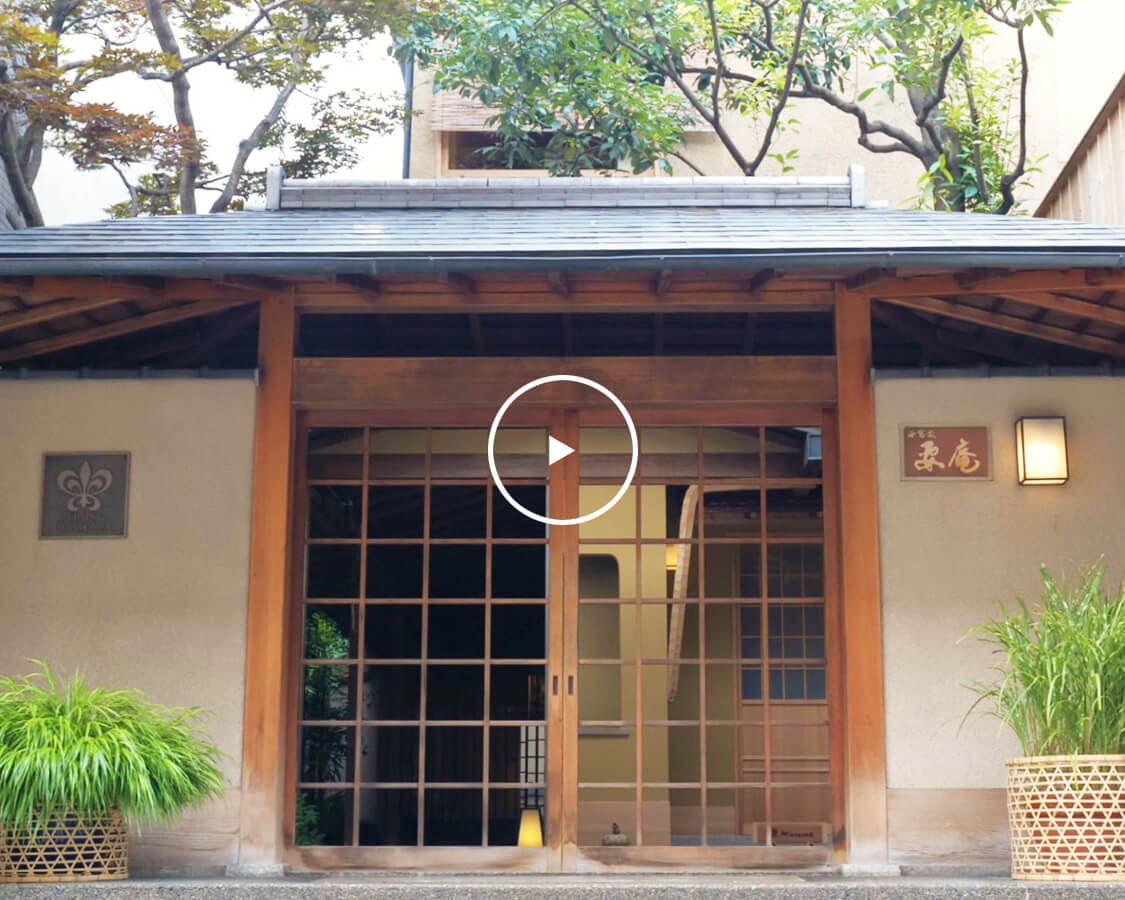
Kyoto's restaurant scene, at the level Droit occupies, tends toward considered restraint in its environments. The Institut Franco-Japonais du Kansai, a Franco-Japanese cultural institution with deep roots in the city, provides a setting that carries its own historical gravity. French cultural institutions in Japan have functioned since the postwar period as transmission points for everything from cinema to cuisine, and the symbolic weight of that location, French gastronomy practiced inside a French cultural building in a Japanese city of extraordinary historical density, is not incidental. It creates a layered context that a standalone restaurant in a newer development district simply cannot replicate.
Volumes of this size at this consistency level generally indicate a specialist clientele with high baseline expectations. The dining room is not built for casual walk-ins; this is a room where booking ahead and arriving with some understanding of what the kitchen is attempting will produce the fuller experience.
Planning a Visit
Droit is located at 8 Yoshidaizumidonocho, Sakyo Ward, Kyoto, on the ground floor of the Institut Franco-Japonais du Kansai building. The Sakyo Ward address places it in the northern part of the city, close to Yoshida Hill and Kyoto University, accessible from central Kyoto via a short taxi or bus journey. Given the small scale implied by the review volume and the format's demand for attentive service, advance booking is advisable, the more so after Michelin recognition in 2024, which typically increases demand at this size of restaurant within months of publication. Hiramatsu Kodaiji and other Kyoto restaurants at this tier often fill two to four weeks out during peak seasons; Droit should be treated similarly. Direct contact with the restaurant is the recommended route.
The ¥¥¥ price position means this is not an everyday proposition for most visitors, but it sits below the financial commitment of Kyoto's kaiseki heavyweights. For a full day around the visit, the Sakyo Ward location puts you within reach of Heian Shrine, Nanzenji, and the Philosopher's Path, a concentration of Kyoto's most architecturally significant spaces that aligns well with the kind of deliberate, historically oriented attention the meal itself rewards.
Further afield, Goh in Fukuoka, Harutaka in Tokyo, and 1000 in Yokohama and 6 in Okinawa represent other points of reference for serious dining across Japan.
Pricing, Compared
Comparable venues nearby, for context on price, style, and recognition.
| Venue | Cuisine | Price | Awards | Notes |
|---|---|---|---|---|
| DroitThis venue — the venue you are viewing | Sakyō, Classic French Fine Dining | $$$$ | Michelin 1 Star | Not listed |
| Reine des prés | Not listed | $$$$ | Michelin 1 Star | Kamigyō, Modern French with Japanese Sensibility |
| MOKO | Not listed | $$$ | Michelin 1 Star | Nakagyō, Contemporary French with Japanese Seasonal Influence |
| Muromachi Yui | Nakagyō, Michelin-Starred Kaiseki | $$$$ | Michelin 1 Star | Not listed |
| NAKATSUKA | Nakagyō, Contemporary French Omakase | $$$$ | Michelin 1 Star | Not listed |
| MUNI ALAIN DUCASSE | Not listed | $$$$ | Michelin 1 Star | Nakagyō, Modern French with Japanese Influences |
Recognition history
Dated appearances from independent guides and award organizations, with the underlying list record or original source where available.
Michelin 1 Star
Michelin
Tabelog 100 #78 · No. 78
Tabelog · Tabelog 100 - French - WEST - 2025
Michelin 1 Star
Michelin
Continue exploring
More in Kyoto
Restaurants in Kyoto
Browse all →

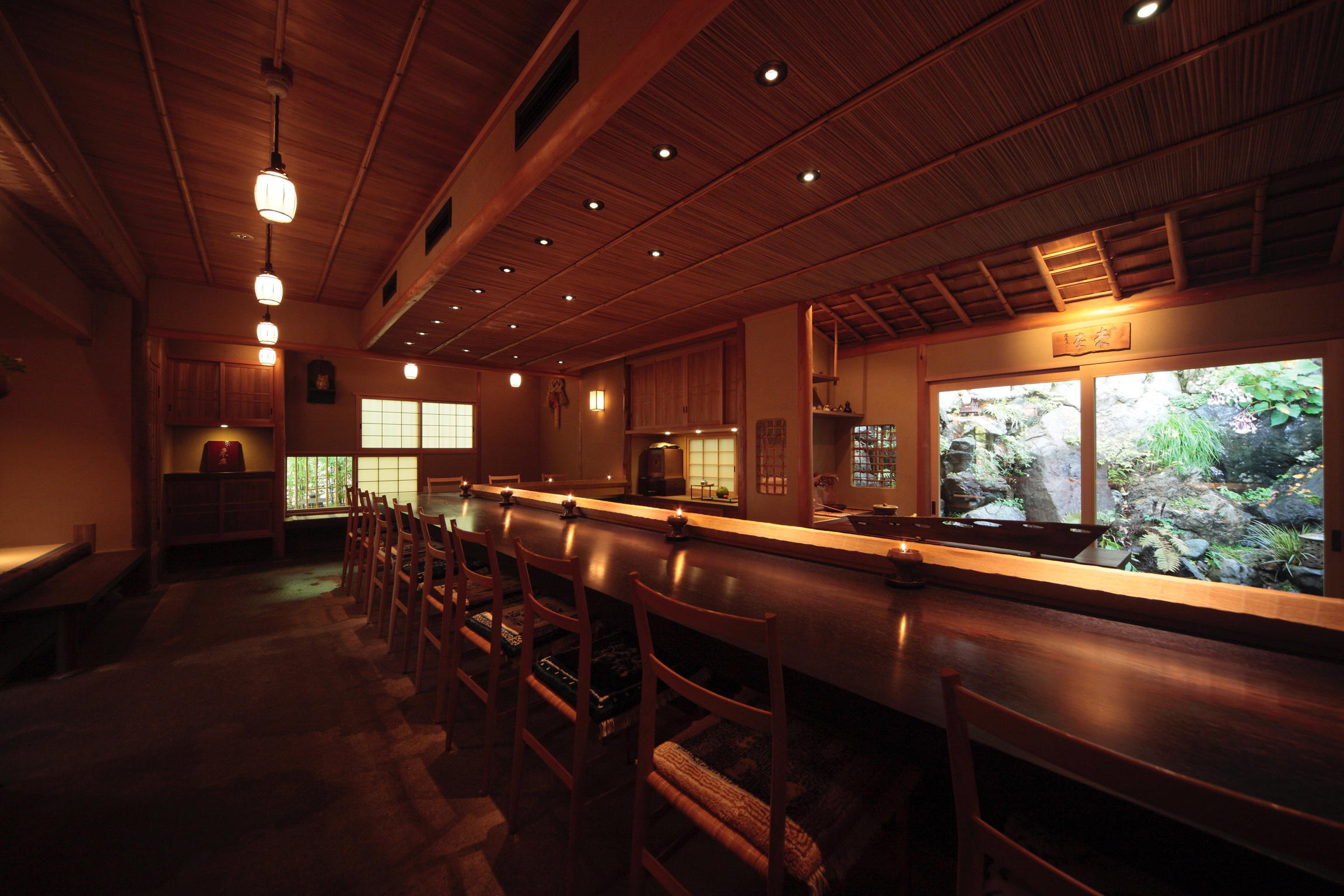
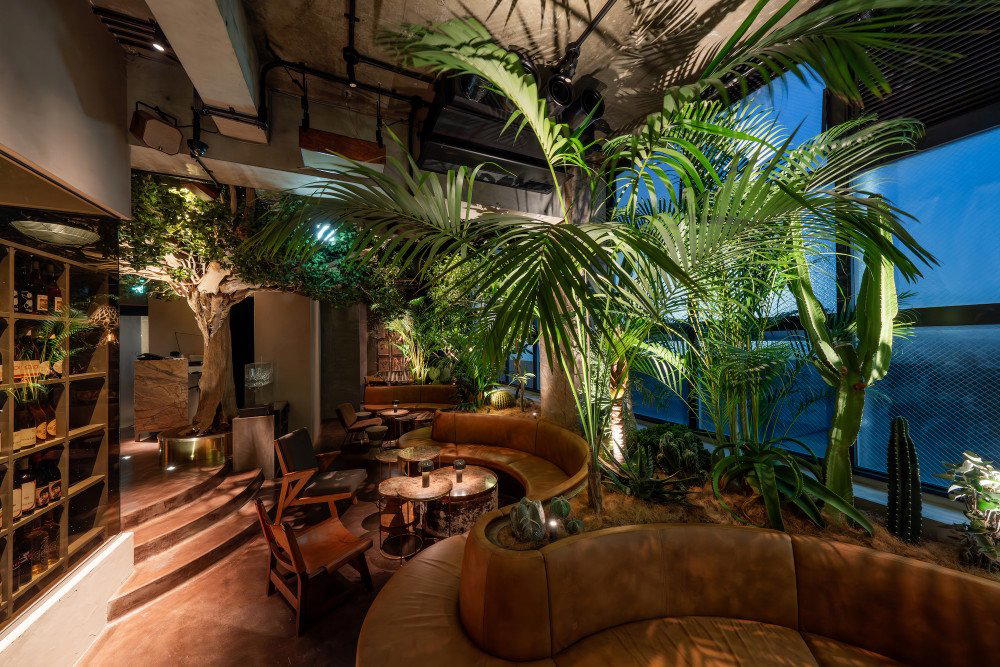
Bars in Kyoto
Browse all →


Hotels in Kyoto
Browse all →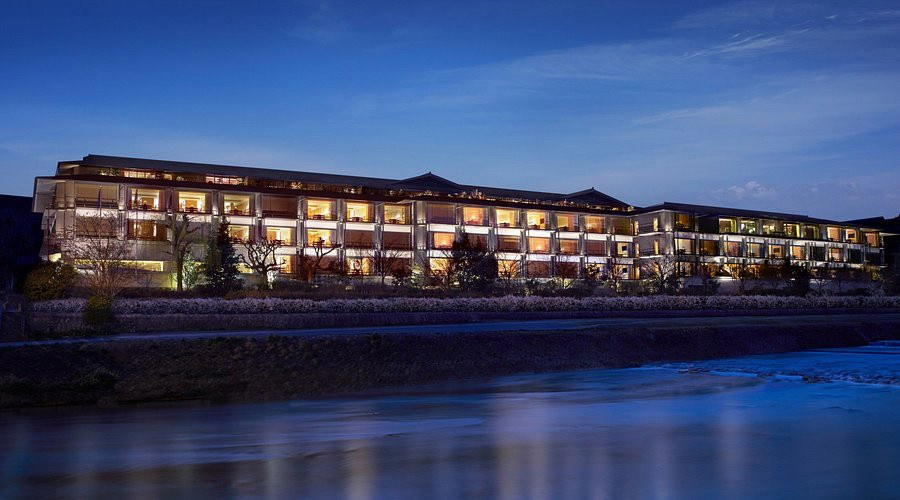


Wineries in Kyoto
Browse all →
At a Glance
- Elegant
- Sophisticated
- Intimate
- Modern
- Date Night
- Special Occasion
- Open Kitchen
- Extensive Wine List
- Sake Program
- Sommelier Led
- Local Sourcing
- Garden
Current opening hours
- Monday
- 6–9 PM
- Tuesday
- 6–9 PM
- Wednesday
- 6–9 PM
- Thursday
- 6–9 PM
- Friday
- 6–9 PM
- Saturday
- 6–9 PM
- Sunday
- 6–9 PM
Hours can change for holidays and private events. Last verified .
Comfortable, relaxed space with industrial-chic aesthetics overlooking Kyoto Gyoen National Garden.