

Tabelog Gold #22
Our verdict
Raimon sits in Tokyo’s serious yakiniku tier: counter seating, reservation-only service, and a record of Tabelog recognition that puts it in conversation with the city’s specialist beef rooms. The Akasaka address matters less as nightlife geography than as a signal of Tokyo’s compact, high-demand grilling culture, where a small room can carry national weight.

Pearl is the En Primeur Club membership app, where members save venues, book tables and use the concierge.
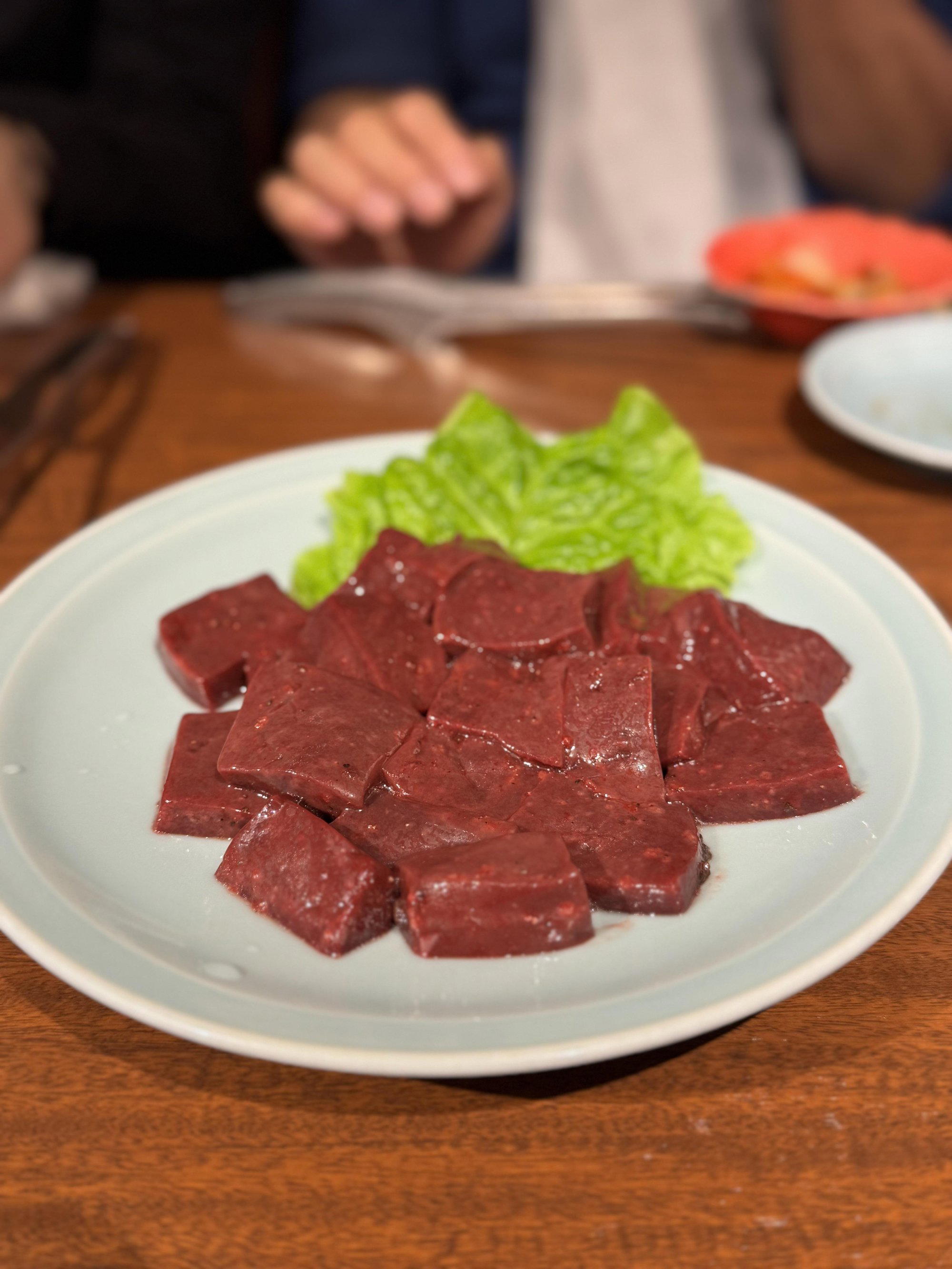
Akasaka’s restaurant buildings ask diners to read vertically: elevators, narrow landings, quiet signs, rooms revealed after the street falls away. In that format, yakiniku becomes proximity rather than spectacle: grill, counter, and the margin between timing and excess tighten. Raimon belongs to Tokyo’s compact beef-dining school, where few seats, a focused category, and a hard-to-secure format matter more than decorative luxury.
Tokyo yakiniku has never been only casual grilling. At its upper end, it tests sourcing, slicing, seasoning, and heat control, with offal and tripe playing a larger role than many overseas diners expect. The city’s strongest rooms treat beef not as one luxury ingredient but as a sequence of textures and fat structures. A broad luxury dining room can buy excellent beef; a serious yakiniku counter must know how each cut behaves over flame.
Akasaka's small-room yakiniku culture rewards discipline over theatre
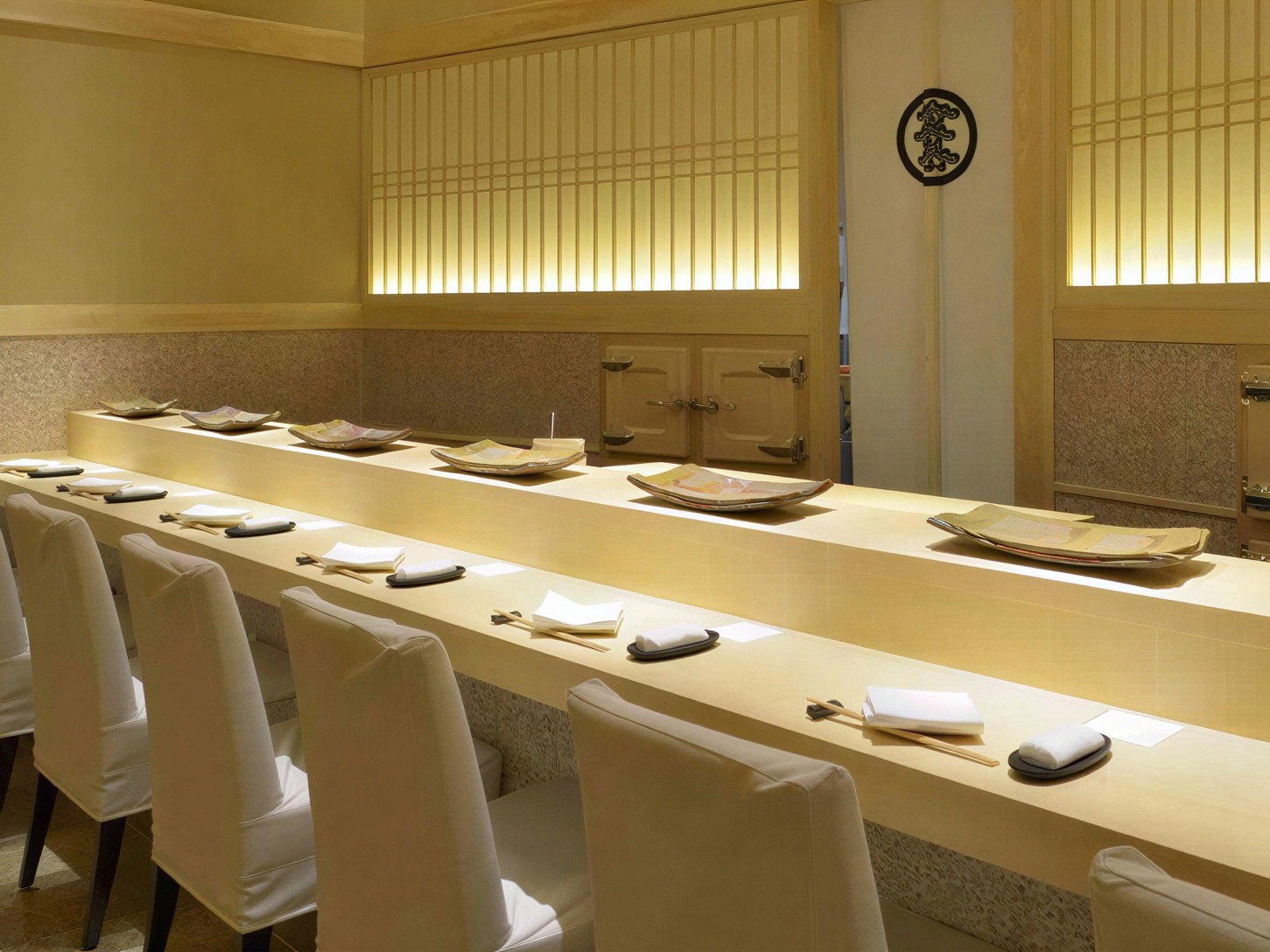
Tokyo’s premium yakiniku scene sits between two languages: postwar Korean-influenced grill culture, social, smoky, and built around shared plates; and kaiseki- and sushi-counter discipline, with reservations, compact seating, controlled pacing, and chef-led order. Raimon falls into the second camp. Its 13-seat counter format makes it closer to specialist counters than high-volume grill restaurants, important for travellers using yakiniku as a window into Japanese beef culture rather than a casual night out.
The recognition trail is clear. Tabelog named Akasaka Raimon a 2026 Gold winner, after Silver recognition in 2025, 2024, 2022, 2021, and 2020, and Gold in 2023. It was also selected for Tabelog’s yakiniku Tokyo 100 in 2025 and repeatedly in prior years. Opinionated About Dining placed Akasaka Raimon at number 70 on its 2026 Japan Top Restaurants ranking. These signals mark a restaurant in the scrutinised layer of Japanese dining where local regulars and obsessive reservation hunters shape reputation.
The cultural point matters: yakiniku prestige in Tokyo is not measured only by marbling. A restaurant can buy wagyu and still miss if the meal lacks rhythm. Stronger rooms understand contrast: lean against fat, offal against prime cuts, smoke against sauce, restraint against abundance. Raimon’s listed categories, yakiniku and tripe, place it in that older, complete tradition rather than a simplified beef-luxury template for visitors.
Where it sits among Tokyo's beef specialists
Tokyo has several yakiniku models. Sumibiyakiniku Nakahara represents the cult counter lineage, Yoroniku Azabudai Hills the polished development-era version, and Yakiniku Ten a luxury-hospitality frame. Cossott’e, Ushigoro S NishiAzabu, and other specialist rooms show the field’s breadth: private-room comfort, ceremony, producer access, or late-night urban glamour. Raimon is more compressed: small room, counter-led format, and reputation built through repeated recognition inside Japan’s restaurant-ranking ecosystem.
Compare Tokyo peers by format, not cuisine label alone. A diner weighing Cossott’e, Jumbo Hanare, Kinryuzan, Kiraku-Tei, or Nikusho Horikoshi is not choosing between interchangeable beef restaurants. The decision turns on room scale, service rhythm, chef control, appetite for offal, and tolerance for booking friction. In Tokyo, those variables shape the night as much as beef grade.
Raimon’s Tabelog score of 4.56 in 2026 also describes its audience. On Japanese platforms, high scores in specialist genres imply consistency across small judgments: portion pacing, cut sequence, heat management, service confidence, and value relative to the category. For travellers, that local consensus is more useful than a generic luxury label, placing Raimon among serious domestic diners rather than venues that simply photograph well.
The chef name attached to the restaurant, Akihiro Takahashi, is a credential rather than a biographical storyline. Tokyo counter traditions often depend on the person controlling the sequence, but the lesson is genre discipline. In sushi, tempura, yakitori, and yakiniku, a small counter can turn repetition into authority; the chef keeps the meal inside a tight technical lane rather than making the room perform personality.
How to read the meal before choosing it
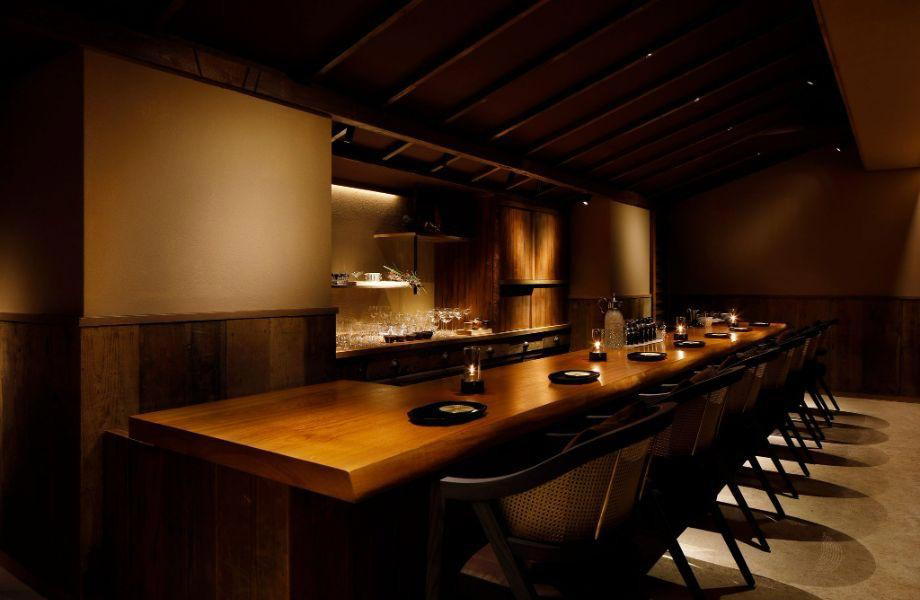
This is not for diners seeking a sprawling à la carte grill night with flexible timing and a large table. The appeal is concentration. Counter seating lowers conversation, makes timing part of the meal, and turns the grill into the centre. Yakiniku at this level asks for attention to progression, not just appetite: beef, offal, sauce, rice, smoke, and heat share one grammar.
Tabelog’s dinner price band, JPY 15,000 to JPY 19,999, places Raimon in a serious but not absurd tier for Tokyo beef dining. Review-based spending is higher, JPY 20,000 to JPY 29,999, common where drinks, additions, and appetite change the bill. The takeaway is competitive position: a specialist dinner priced against Tokyo’s better yakiniku rooms, not casual chain grilling.
Operations reinforce that position. Raimon is reservation only, has no private rooms, is non-smoking, and lists no parking. Cash planning matters because credit cards, electronic money, and QR payments are listed as not accepted. Lunch appears only about once a month, with schedules announced separately, keeping the identity anchored to the evening counter. None is unusual for small Tokyo specialists, but it rewards local-style planning over walk-in thinking.
Akasaka suits the meal. Between government offices, corporate entertainment, and old-school dining corridors, a serious beef counter here reads differently from a glossy hotel-adjacent restaurant. It is central without Ginza’s grand gesture, and close enough to Roppongi and Akasaka-Mitsuke to fold into a larger night without feeling like a prelude. For broader planning, our full Tokyo restaurants guide places it alongside other city formats, while our full Tokyo hotels guide, full Tokyo bars guide, full Tokyo wineries guide, and full Tokyo experiences guide help map the rest of the trip around the reservation.
The wider Japanese beef conversation extends beyond Tokyo. Travellers comparing grill formats might look at -Grilled beef Sukiyaki- KAMAKURA TANUKIAN 鎌倉 たぬき庵 in Kamakura or Keiraku Yakiniku Pome, Yakiniku in Osaka, while unrelated but useful regional contrasts include.cafe in Osaka.know in Kumamoto, (Shoku) Vietnam in Kawasaki, [Curry Senmon Ten] Maruyama Kyoju. in Sapporo, and [ki:] in Kyoto. For an overseas reference point, Gyu-Kaku Japanese BBQ, Yakiniku in Los Angeles shows how the format changes when exported into a higher-volume, casual international setting.
Raimon is worth prioritising for diners who know yakiniku can be exacting. The draw is not novelty, grandeur, or chef mythology, but Tokyo beef culture in a small, award-recognised room where the genre’s quieter disciplines carry the meal.
Frequently asked questions
When is Raimon open?
Hours at Raimon: Mon, Tue, Wed, Thu, Fri, Sat, Sun 18:00 - 20:11.
What's Raimon's location?
Raimon is located in Tokyo.
What style of cooking does Raimon do?
Raimon serves Yakiniku cuisine.
What is Raimon known for?
Raimon is primarily known for Yakiniku in Tokyo.
What It’s Closest To
Comparable venues by cuisine and price in the same metro.
| Venue | Cuisine | Price | Awards | Notes |
|---|---|---|---|---|
| RaimonThis venue (the venue you are viewing) | Premium Yakiniku | $200–300 | Tabelog Gold #22 | Not listed |
| Kikuchi | Traditional Kappo Kaiseki | $100–150 | Not listed | Taitō |
| Sushi Suzuki | Orthodox Edomae Omakase | $200–300 | Tabelog Bronze #438 | Chūō |
| Idea Ginza | Kobe Beef Rogama Charcoal-Grilled Steak | $150–200 | Tabelog 100 #7 | Chūō |
| Sushiya Ichiyanagi | Edomae Sushi Omakase | $150–200 | Tabelog 100 #1 | Chūō |
| Ukai-tei Omotesando | Teppanyaki | $200–300 | Tabelog 100 #6 | Shibuya |
Recognition history
Dated appearances from independent guides and award organizations, with the underlying list record or original source where available.
Opinionated About Dining Top Restaurants in Japan Ranked #70
Opinionated About Dining
Tabelog Gold #22
Tabelog
Full recognition history (5 entries)
Opinionated About Dining Top Restaurants in Japan Ranked #135
Opinionated About Dining
Tabelog Silver
Tabelog
Tabelog 100 #93 · No. 93
Tabelog · Tabelog 100 - Yakiniku - TOKYO - 2025
Continue exploring
More in Tokyo
Restaurants in Tokyo
All restaurants in Tokyo →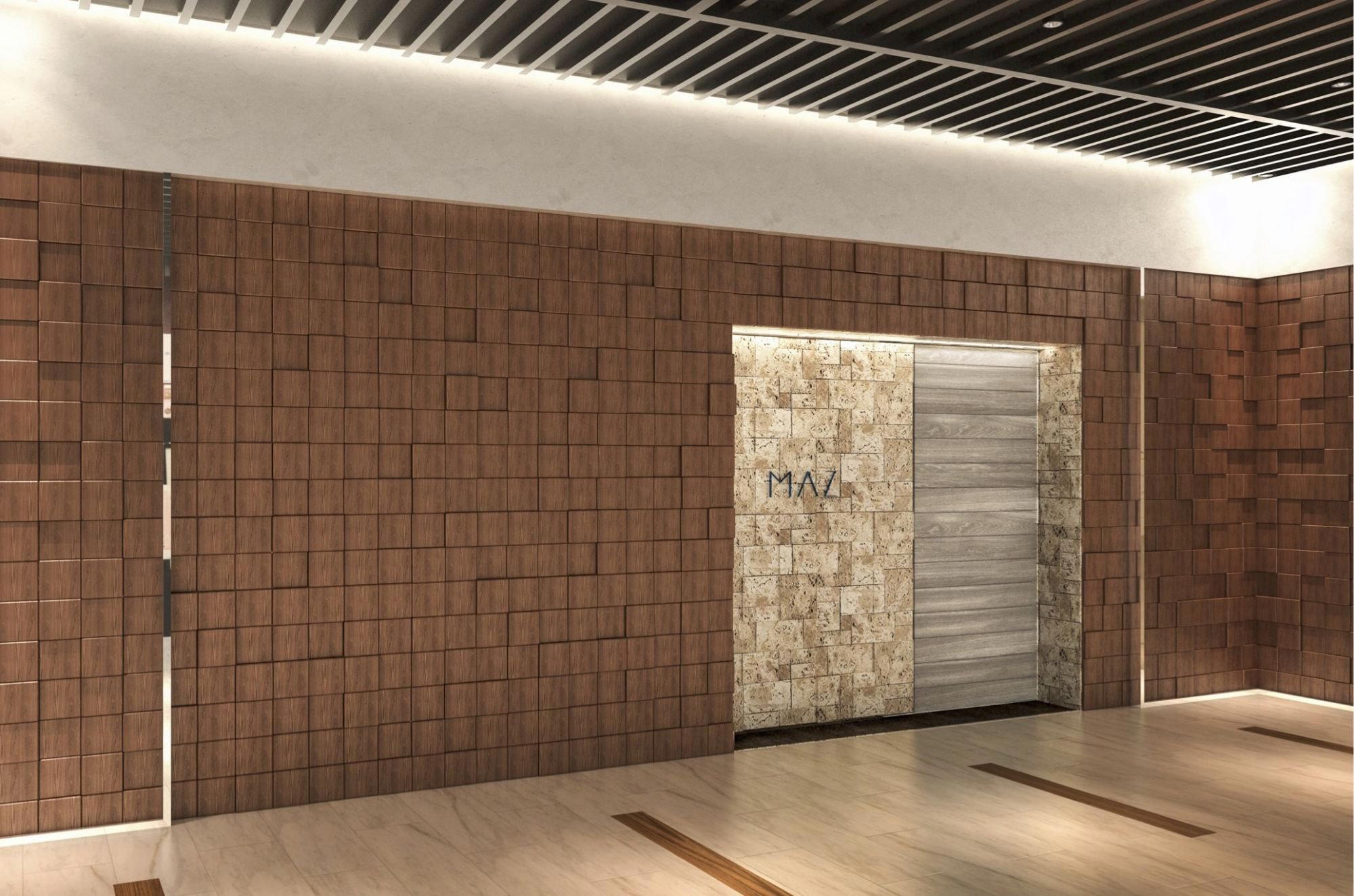
Bars in Tokyo
All bars in Tokyo →




Details
- Intimate
- Sophisticated
- Special Occasion
- Business Dinner
- Chefs Counter
- Counter Dining
Current opening hours
- Monday
- 9 AM–4 PM
- Tuesday
- Closed
- Wednesday
- 9 AM–4 PM
- Thursday
- 9 AM–4 PM
- Friday
- 9 AM–4 PM
- Saturday
- Closed
- Sunday
- Closed
Hours can change for holidays and private events. Hours as of .
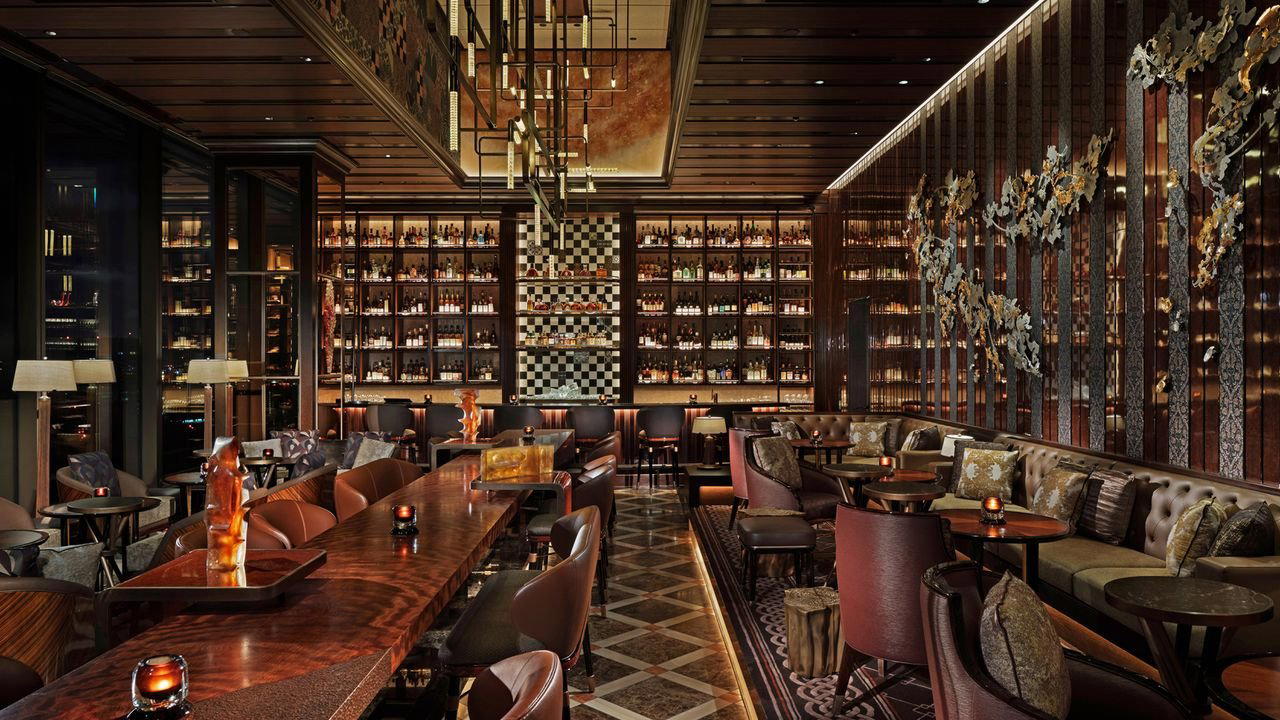
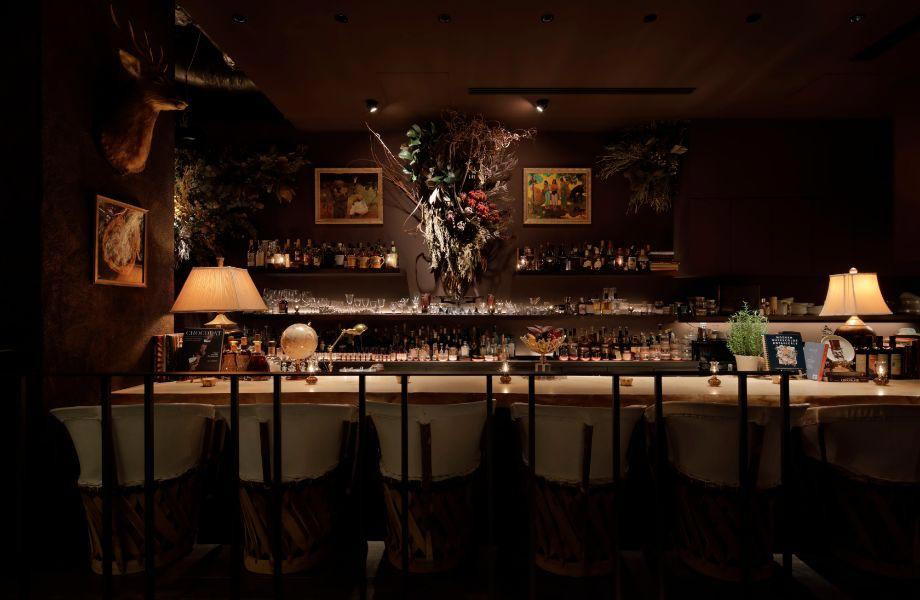
Cozy counter seating with a nice atmosphere focused on intimate grilling experience.