
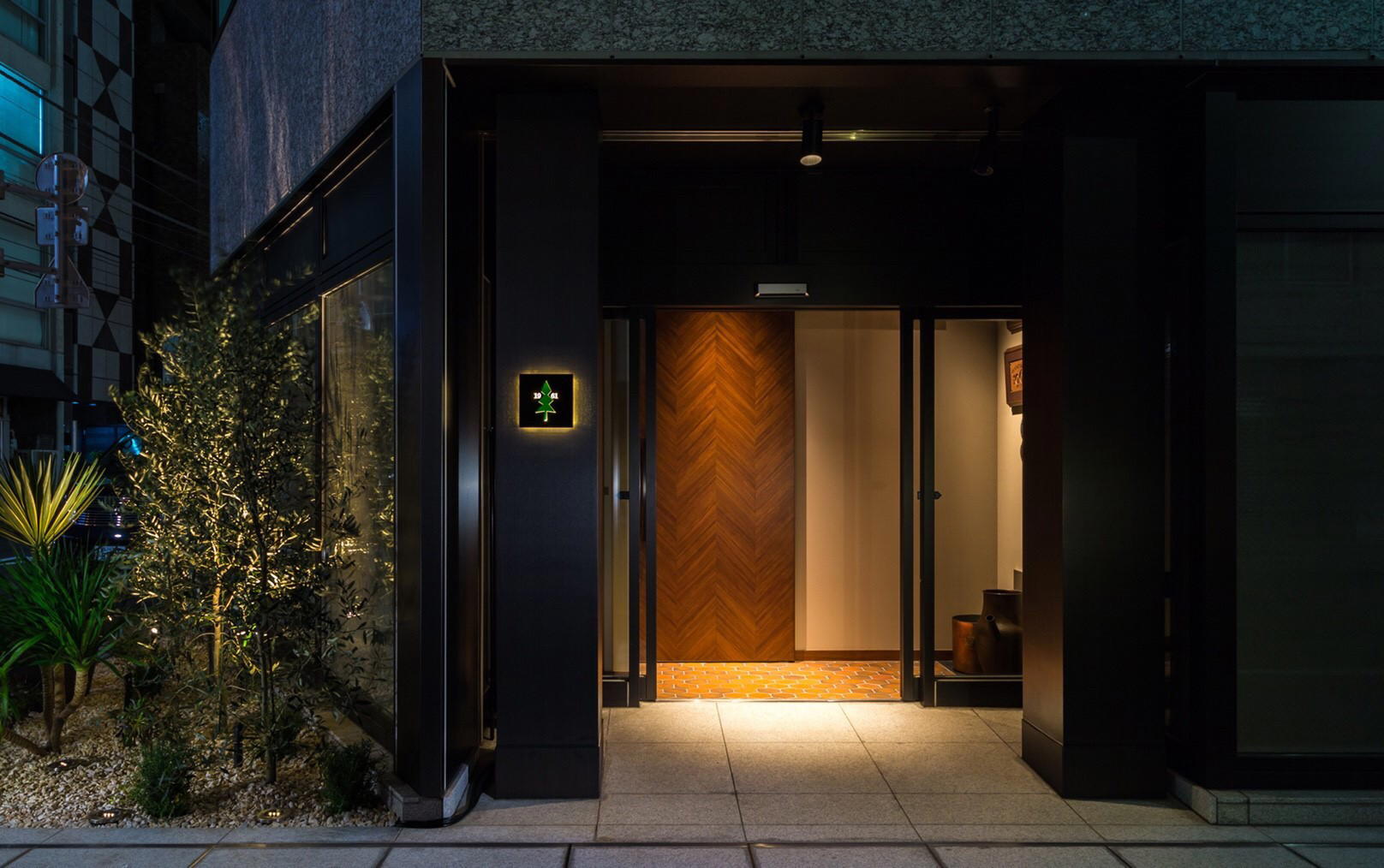
PST Higashi Azabu occupies a quiet residential pocket of Minato Ward, a neighbourhood where several of Tokyo's most considered dining rooms have taken root away from the commercial density of Roppongi and Azabu-Juban. The address places it within a broader cluster of precision-driven restaurants that reward advance planning and a deliberate pace at the table.
Pearl is the En Primeur Club membership app — saves, bookings, and concierge access live there. Same editors, same standards.
- Address
- 1 Chome-24-6 Higashiazabu, Minato City, Tokyo 106-0044, Japan
- Phone
- +81362778064
- Website
- pst-tk2-ad.com
 Saves & bookings on Pearl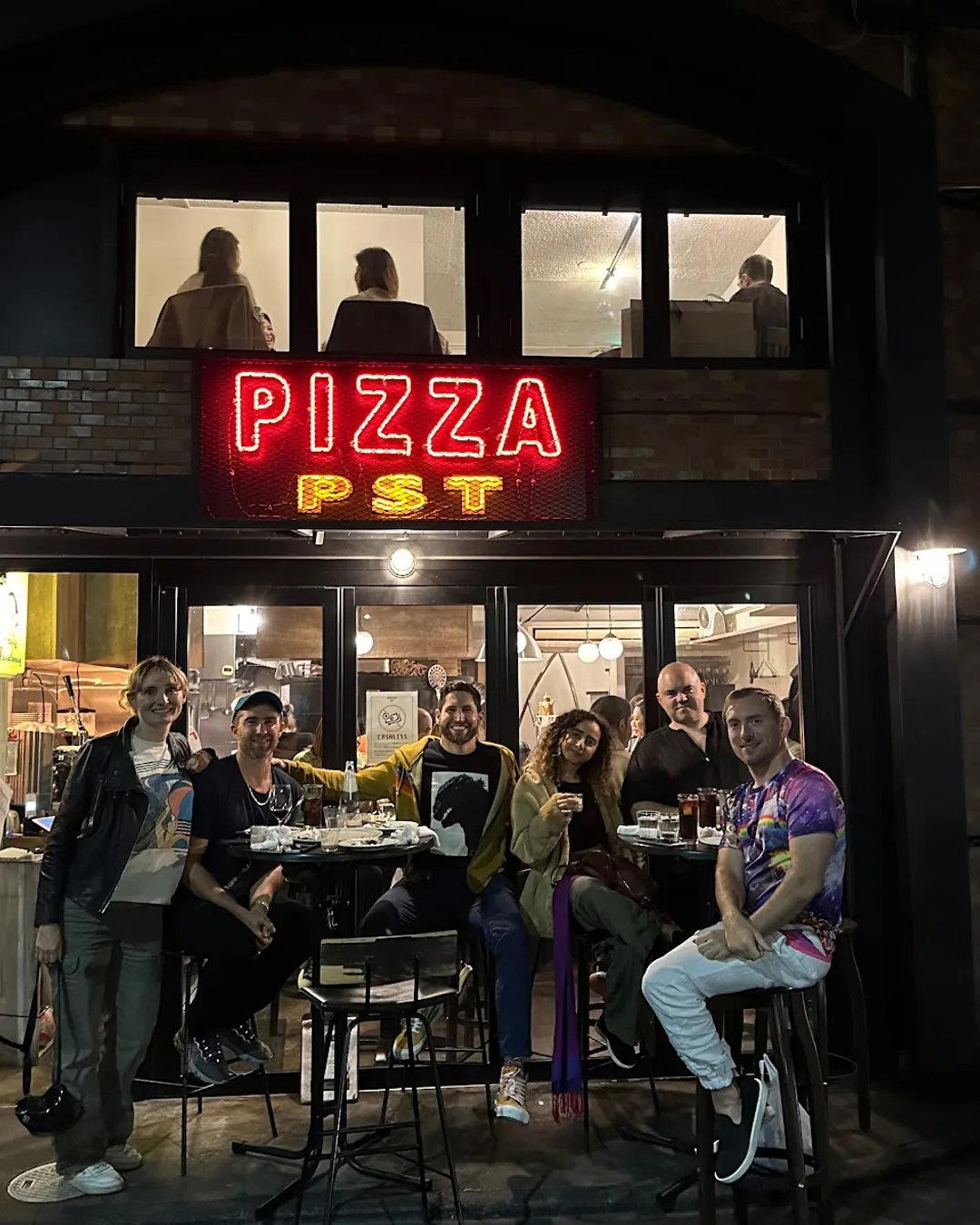
Higashi Azabu and the Discipline of the Quiet Room
Tokyo's premium dining tier has, over the past decade, redistributed itself away from the high-visibility corridors of Ginza and Nishi-Azabu. Higashi Azabu, a low-rise residential quarter inside Minato Ward, now holds a disproportionate concentration of rooms that operate on restraint: small capacity, deliberate pacing, and a meal structure that expects the diner to arrive ready to follow the kitchen's lead. PST Higashi Azabu, addressed at 1 Chome-24-6 Higashiazabu, sits within that topology. The surrounding streets are quiet enough that the transition from pavement to dining room is itself a form of preparation, a reset before the formalities of the table begin.
This kind of neighbourhood positioning is not accidental in Tokyo. Chefs and operators who choose Higashi Azabu over higher-footfall districts are typically making an argument about the primacy of the meal over the passing trade. The comparable set for a room in this location is not the brasserie or the izakaya; it maps closer to the deliberate counter experiences found across Minato and Chuo wards, where the dining ritual is structured and sequenced from the moment of arrival. Rooms like Harutaka in nearby Chuo, and RyuGin in Roppongi, operate within similar frameworks of paced, course-structured service, each course arriving with intent, each pause in service carrying meaning.
The Architecture of a Tokyo Dining Ritual
At the higher end of Tokyo's restaurant spectrum, the meal itself is a formal structure with its own etiquette. Diners are expected to arrive at the exact reservation time; late arrival compresses the experience and, in many smaller rooms, affects the kitchen's timing for every subsequent guest. The progression through courses follows a logic that is usually explained at the table, either by the chef at an open counter or by a service team who act as interpreters between kitchen philosophy and the plate in front of you. This is not the European model of a la carte freedom; it is a system that places the restaurant in the role of author and the diner in the role of attentive reader.
In rooms of this type across Tokyo, certain rhythms recur. Early courses tend to be lighter and more technically intricate, calibrated to prime the palate rather than satisfy it. The middle sequence carries the weight of the meal's ambition, and final courses, whether a rice dish, a dessert sequence, or both, act as resolution rather than afterthought. For visitors accustomed to Western fine dining, the pace can feel slower than expected, with deliberate intervals between courses that are considered part of the experience, not a failure of timing. The same dynamic plays out at addresses like L'Effervescence and Sézanne, both of which deploy French technique inside a Japanese understanding of service rhythm.
Where PST Sits in the Minato Dining Order
Minato Ward contains some of the densest high-end dining per square kilometre in the world. Within that, Higashi Azabu occupies a middle register: quieter than the Roppongi cluster, more residential than Azabu-Juban's commercial strip, and with the kind of address that filters for guests who sought it out rather than stumbled upon it. For a room operating in this position, the local competitive set includes innovative French addresses like Crony and established kaiseki counters that draw on similar principles of seasonal sequencing.
Japan's Michelin guides, the Asia's 50 Best list, and the Tabelog scoring system each operate with different methodologies, and a restaurant can hold significance in one framework without ranking in another. Visitors who cross-reference across these systems tend to make more informed choices.
Planning the Meal: Timing and Approach
Tokyo's serious dining rooms follow a calendar shaped by Japan's agricultural and fishing seasons. Autumn brings the matsutake and the transition to richer, earthier ingredients. Winter moves toward warming preparations and the height of fugu and crab seasons. Spring, particularly the weeks around cherry blossom, is when bookings across the premium tier compress most severely, and the gap between reservation lead time and table availability widens. Summer introduces ayu sweetfish, young corn, and cooling preparations designed for humidity. Awareness of where a visit falls within this cycle shapes both what will be served and how competitive the booking window will be.
Restaurants with international reputations but smaller domestic profiles sometimes open slightly wider windows, making midweek visits or bookings placed shortly after a new monthly slot release one productive approach. International visitors should also account for the practical reality that many Tokyo dining rooms of this scale communicate primarily in Japanese and may require assistance from a hotel concierge or a third-party reservation service.
Dining outside Tokyo during the same trip is worth considering as part of a broader Japan itinerary. HAJIME in Osaka, Gion Sasaki in Kyoto, and akordu in Nara each represent regional approaches to high-end dining that operate within different culinary vocabularies to Tokyo's top tier, and the contrast is instructive. Further afield, Goh in Fukuoka and destination-level addresses such as 一本木 石川割烹 in Nanao, 湖畔荘 in Takashima, and 庄羽屋 in Nishikawa Machi reflect the depth of Japan's regional dining culture beyond the major cities. For a broader view of what Tokyo's full dining spectrum covers, our full Tokyo restaurants guide maps the city by neighbourhood and cuisine tier.
International comparison is also useful for understanding what this category of restaurant delivers relative to global peers. Le Bernardin in New York City and Atomix in New York City both operate within similarly structured tasting frameworks, though with different cultural inflections on pacing and the role of the server as narrator. Birdland in Sakai, Bistro Ange in Toyohashi, and 佐々木料理店 in Sapporo round out a broader picture of Japan's mid-to-high tier regional dining.
Practical Information
Address: 1 Chome-24-6 Higashiazabu, Minato City, Tokyo 106-0044, Japan. Getting there: Azabu-Juban Station (Namboku and Oedo lines) is the closest major interchange, with Higashi Azabu approximately ten minutes on foot. Reservations: Essential. Dress: Smart casual is the floor across Tokyo's premium dining tier; consider the neighbourhood's residential, low-key character when choosing what to wear. Budget: About $50 per person.
Comparable Spots
Comparable venues nearby, for context on price, style, and recognition.
| Venue | Cuisine | Price | Notes |
|---|---|---|---|
| PST Higashi AzabuThis venue — the venue you are viewing | Modern Neapolitan Pizza | $$$ | Not listed |
| オステリア スプレンディド | Authentic Northern Italian Trattoria | $$$ | Minato |
| ristorante scintilla | Modern Italian Fine Dining | $$$ | Meguro |
| LA MARGHERITA | Wine-focused Italian restaurant | $$$ | Ōta |
| caffe Michelangelo | Italian café with house-made desserts and pinsa pizza | $$$ | Shibuya |
| AURELIO | Modern Italian Handmade Pasta & Wine Bar | $$$ | Shibuya |
Recognition history
Dated appearances from independent guides and award organizations, with the underlying list record or original source where available.
Tabelog 100 #78 · No. 78
Tabelog · Tabelog 100 - Pizza - 2025








At a Glance
- Intimate
- Modern
- Cozy
- Trendy
- Date Night
- Casual Hangout
- Open Kitchen
- Sake Program
Current opening hours
- Monday
- 5–10 PM
- Tuesday
- 5–10 PM
- Wednesday
- 5–10 PM
- Thursday
- 5–10 PM
- Friday
- 5–10 PM
- Saturday
- 12–2:30 PM, 5–9 PM
- Sunday
- 12–2:30 PM, 5–9 PM
Hours can change for holidays and private events. Last verified .
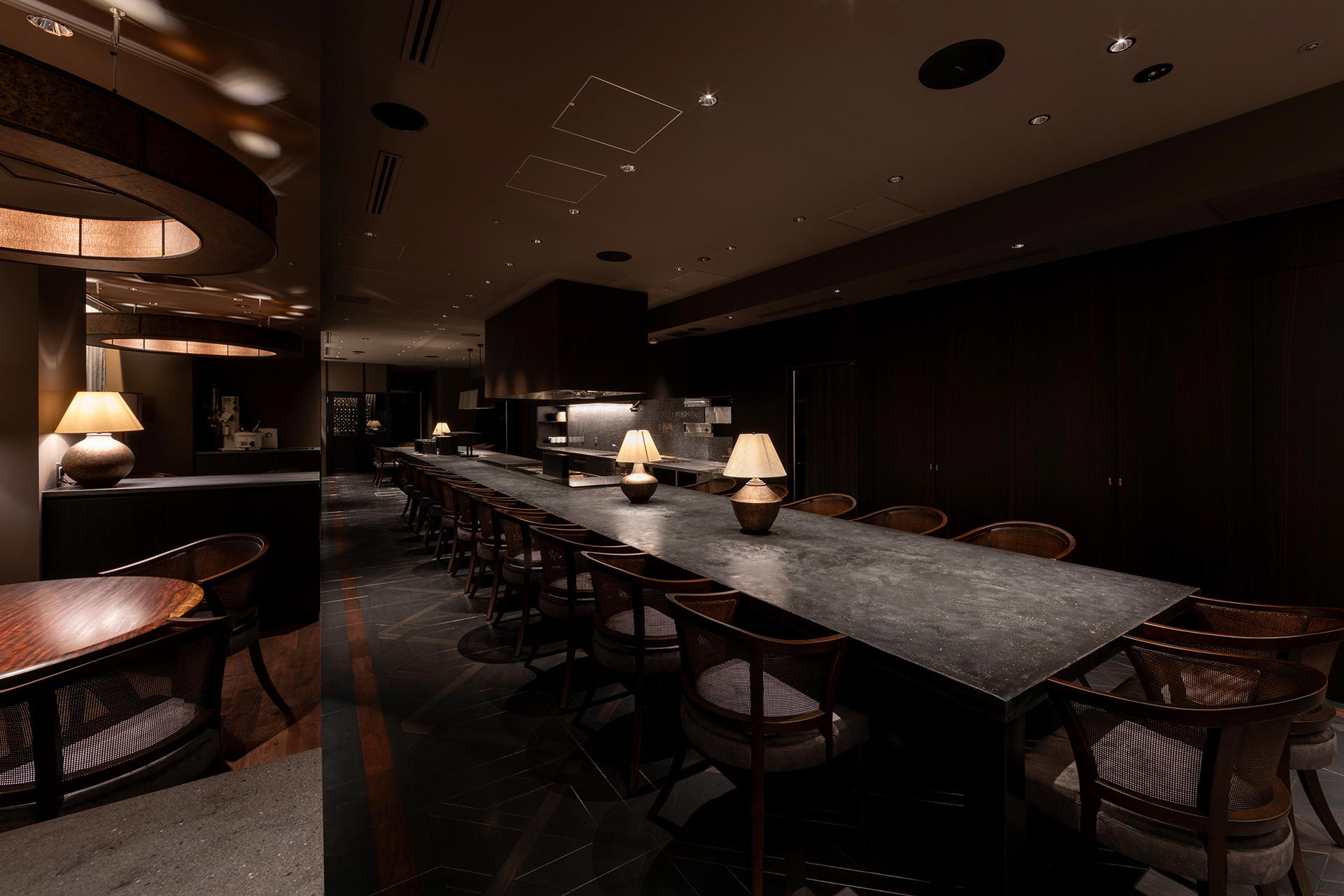
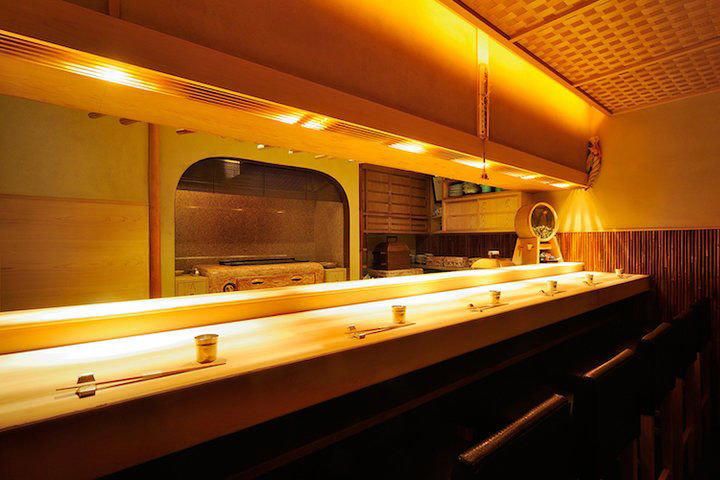
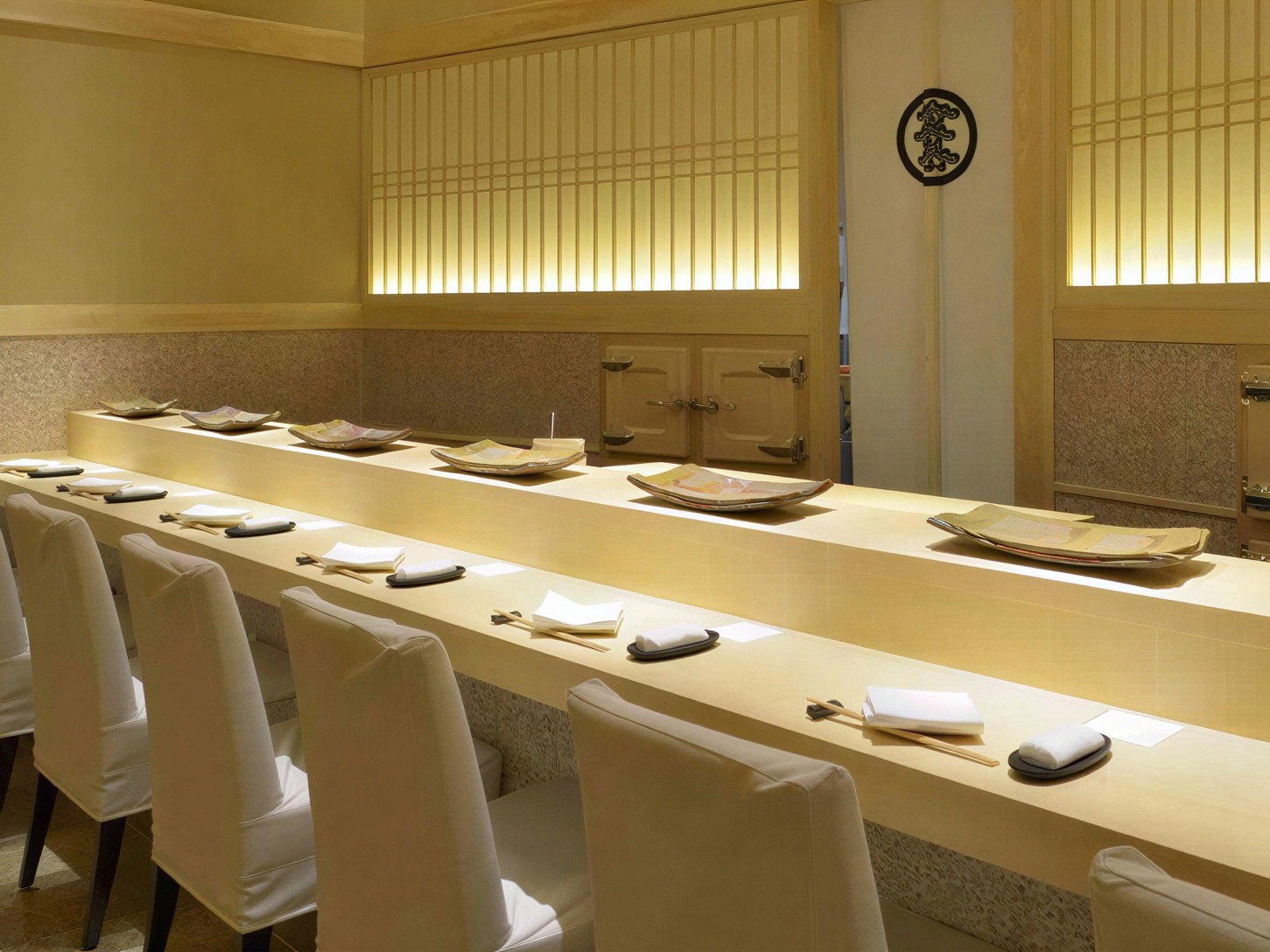
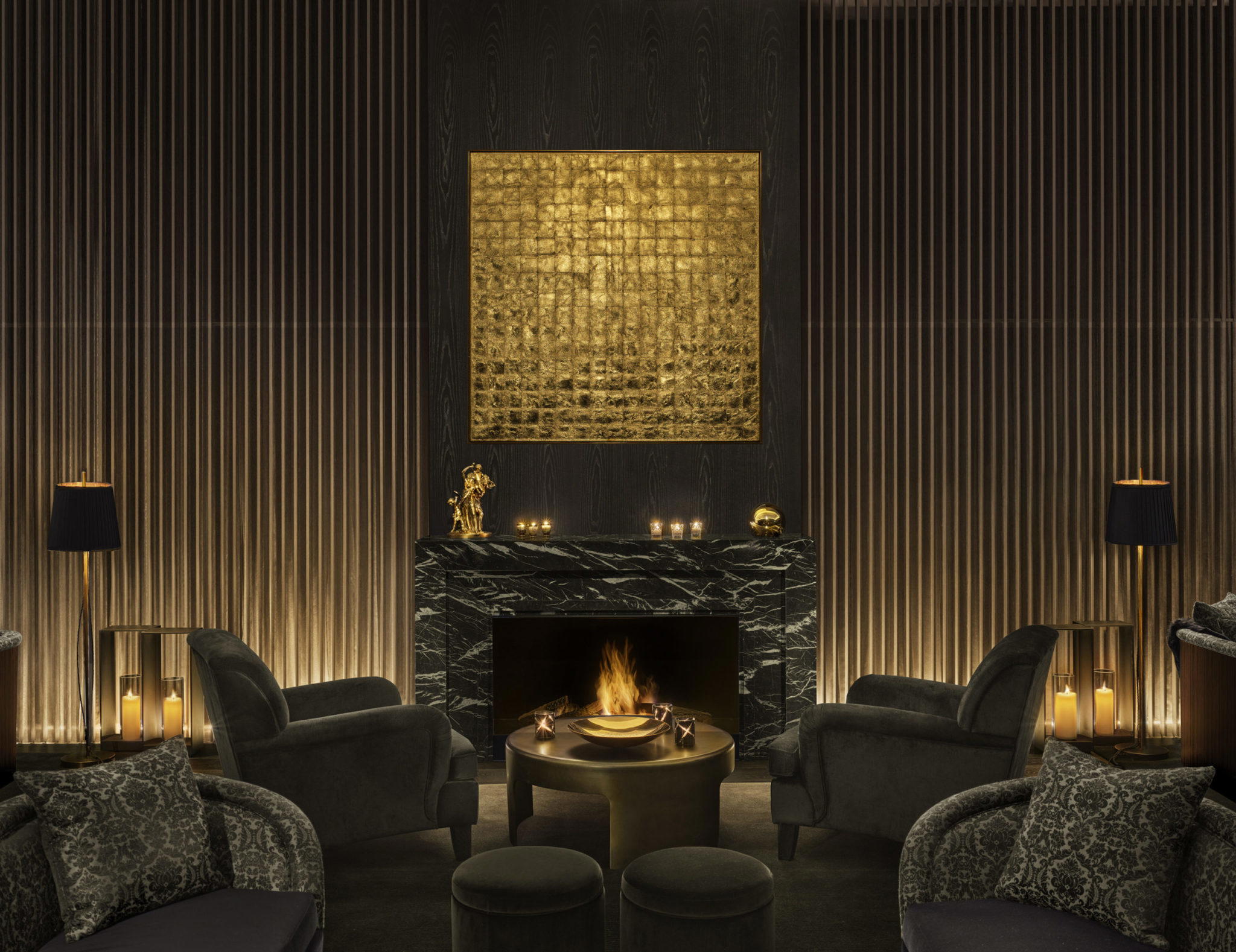
Cozy, intimate space with wood-fired oven aromas, small counter seating, and lively yet homey atmosphere.