Our verdict
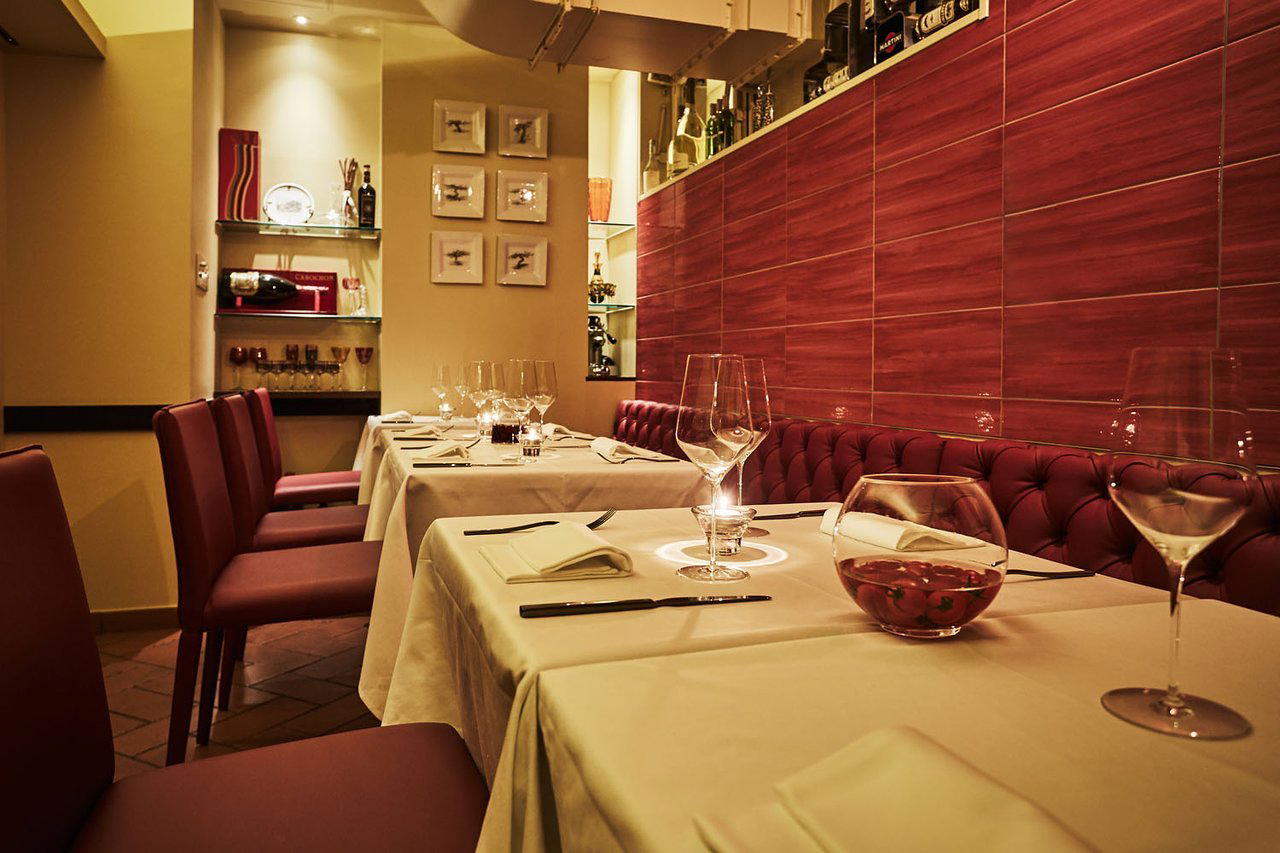
A basement-level Italian-leaning restaurant in Shibuya’s Higashi area, オステリア スプレンディド fits Tokyo’s late-evening, small-room dining culture rather than the city’s trophy-counter economy. The useful way to read it is through menu architecture: an osteria format built for progression, flexibility, and wine-friendly pacing, without the public award machinery attached to more formal destination dining.

Pearl is the En Primeur Club membership app, where members save venues, book tables and use the concierge.
The menu
What to order
- Pasta al Pomodoro
- Bruschetta
- Charsons
Basement restaurants carry a particular Tokyo charge: the street noise drops away, the room tightens, and the meal becomes less about spectacle than sequence. In Shibuya’s Higashi area, オステリア スプレンディド belongs to that after-dark register, where an osteria frame suits diners who want dinner to unfold in courses rather than arrive as a rigid performance. The point is not grand theatre. It is the old Italian logic of appetite, pacing, and repeatable comfort translated into a dense Tokyo dining district.
Tokyo’s Italian scene has never been a single category. At one end sit tasting-menu rooms that borrow from French service grammar; at another are wine bars with pasta as ballast; between them is the osteria, a format that depends on structure more than flash. Antipasti, pasta, meat or fish, and wine create a meal that can be abbreviated or expanded. That flexibility is the signal here. A diner can read the room through how the menu lets the evening move: a short stop after work, a longer table with bottles, or a late dinner that avoids the pressure of a formal counter.
An osteria format in a city that often prizes counters
Tokyo has made international reputations from formats with hard edges: sushi counters, yakitori counters, kappo rooms, and tasting menus where the kitchen controls nearly every minute. Italian dining works differently when it leans osteria rather than degustation. The meal is assembled, not surrendered to. That distinction matters in Higashi, which sits close enough to Ebisu, Hiroo, and central Shibuya to draw diners who know polished restaurants but do not always want ceremony.
Comparisons clarify the tier. A Tokyo sushi room such as . 鮪と炭火焼き うお炭 秋葉原店 or a specialist listing like 124. KAGURAZAKA (Yakitori) asks the diner to accept a narrower craft language. French-leaning peers in the city, including NéMo and LAUBURU, sit in a different European lineage, where sauce work, plating cadence, and price expectation often read more formally. An osteria in this part of Tokyo is judged less by monumentality than by whether the menu gives the table control without becoming vague.
That is why menu architecture is the useful lens. When an Italian restaurant in Tokyo avoids a chef-driven biography as its main public identity, the categories on the menu do more of the talking. The diner looks for balance: enough small plates to start without overcommitting, pasta that anchors the meal, protein for a longer sitting, and a wine rhythm that makes sense with all three. In a city where premium dining can feel pre-scripted, this format gives back some discretion.
Higashi rewards restaurants built for the second half of the evening
Higashi is not Shibuya’s most obvious restaurant shorthand for visitors, which is precisely why its dining character differs from the crossing-and-department-store image of the ward. The area draws from office traffic, residential streets, and the Ebisu-Hiroo corridor. Restaurants here often need to work across occasions: post-work dinner, late table, casual date, and neighborhood regularity. A basement osteria suits that ecology because it can feel compact without becoming private-club coded.
The late-night schedule is not a decorative detail; it changes the restaurant’s role in the city. Tokyo has plenty of early, reservation-led meals, but a kitchen running deep into the night belongs to another habit: dining after work, after drinking elsewhere, or after the first plan changes. For travelers, that means the venue sits in a practical category that luxury guides sometimes underplay. Not every valuable Tokyo meal is the one that requires months of planning. Some matter because they fit the city’s actual hours.
This is also where the restaurant separates from brighter, daytime-friendly concepts such as 2D Cafe or curry-focused rooms like 3 Chome no Curry Ya San. Those can answer a specific craving or visual brief. An osteria answers a different question: where can a table build a proper dinner without entering the economics and etiquette of Tokyo’s luxury counters?
How to place it within a Tokyo eating itinerary
For a Tokyo trip, オステリア スプレンディド makes sense as a lower-ceremony European dinner in a schedule otherwise crowded with Japanese specialisms. The city rewards contrast. A run of sushi, yakitori, ramen, curry, and kappo can leave little room for a table built around pasta and wine; placing an osteria night in the middle of that itinerary resets the pace. It is not a substitute for Tokyo’s native dining forms. It is a pressure valve.
Travelers mapping the wider city can use Our full Tokyo restaurants guide for category breadth, then branch into adjacent planning through Our full Tokyo hotels guide, Our full Tokyo bars guide, Our full Tokyo wineries guide, and Our full Tokyo experiences guide. The useful itinerary logic is variety, not accumulation: one counter meal, one neighborhood osteria, one bar-led evening, and one casual lunch can teach more about Tokyo than repeating the same high-pressure format.
Within Japan, the contrast widens further. A beef sukiyaki specialist such as -Grilled beef Sukiyaki- KAMAKURA TANUKIAN 鎌倉 たぬき庵 in Kamakura, a graphic cafe such as.cafe in Osaka, a Kumamoto listing like.know in Kumamoto, or regional curry at [Curry Senmon Ten] Maruyama Kyoju. in Sapporo each reflects a different dining grammar. Tokyo’s osteria culture sits beside those grammars rather than above them.
Internationally, the same comparison holds. A sake bar format such as Jōdo Saké Bar in Los Angeles, a casual rice-focused address like Onigiri Time in Pasadena, Vietnamese cooking at (Shoku) Vietnam in Kawasaki, or Kyoto’s [ki:] in Kyoto show how format shapes expectation before the first order. For オステリア スプレンディド, that expectation should be clear: choose it for a flexible Italian meal in Shibuya’s orbit, especially when the night calls for sequence and conversation rather than a destination ritual.
Frequently asked questions
What are the operating hours at オステリア スプレンディド?
Hours at オステリア スプレンディド: Mon: 6 PM–1 AM; Tue: 6 PM–1 AM; Wed: 6 PM–1 AM; Thu: 6 PM–1 AM; Fri: 6 PM–1 AM; Sat: 6 PM–1 AM; Sun: Closed.
Where is オステリア スプレンディド in Tokyo?
オステリア スプレンディド is located in Tokyo.
What's the signature at オステリア スプレンディド?
No single dish is listed in the public record, so the clearest marker is the osteria format itself. In Tokyo’s Shibuya, that usually signals a more relaxed, food-and-wine-led dinner rather than a counter-driven tasting menu. Check the venue's official channels for the latest details.
Can オステリア スプレンディド handle vegetarian requests?
Those details are not published. The safest approach is to ask when planning around the Shibuya address at BellAir B1F. Check the venue's official channels for the latest details.
Is オステリア スプレンディド a family-friendly restaurant?
The listing gives no children’s policy, so the most concrete clue is the operating hours: 6 PM to 1 AM Monday through Saturday. That late-night schedule reads more adult-oriented than family-focused.
Is オステリア スプレンディド formal or casual?
The name and format point to casual rather than formal dining, especially in a city like Tokyo where counters and tasting menus often carry the higher-ceremony end of the spectrum. Its hour range, 6 PM to 1 AM, also fits an evening osteria rather than a dress-code room.
Do I need a reservation for オステリア スプレンディド?
Those details are not published. It operates Monday through Saturday only, with Sunday closed. Check the venue's official channels for the latest details.
Awards and Standing
Comparable venues by cuisine and price in the same metro.
| Venue | Cuisine | Price | Awards | Notes |
|---|---|---|---|---|
| オステリア スプレンディドThis venue (the venue you are viewing) | Authentic Northern Italian Trattoria | $50–100 | Not listed | Not listed |
| Jukuseizushi Yorozu | Aged Sushi Omakase | $200–300 | 1 Michelin Star | Sushi |
| NéMo | Modern French Seafood Fine Dining | $150–200 | 1 Michelin Star · Tabelog 100 #2 | French |
| LAUBURU | Basque French | $50–100 | Michelin Bib Gourmand | French |
| TEST KITCHEN H | Modern Italian | Not listed | Tabelog 100 #8 | JPY 15,000 - JPY 19,999 JPY 4,000 - JPY 4,999 |
Continue exploring
More in Tokyo
Restaurants in Tokyo
All restaurants in Tokyo →

Bars in Tokyo
All bars in Tokyo →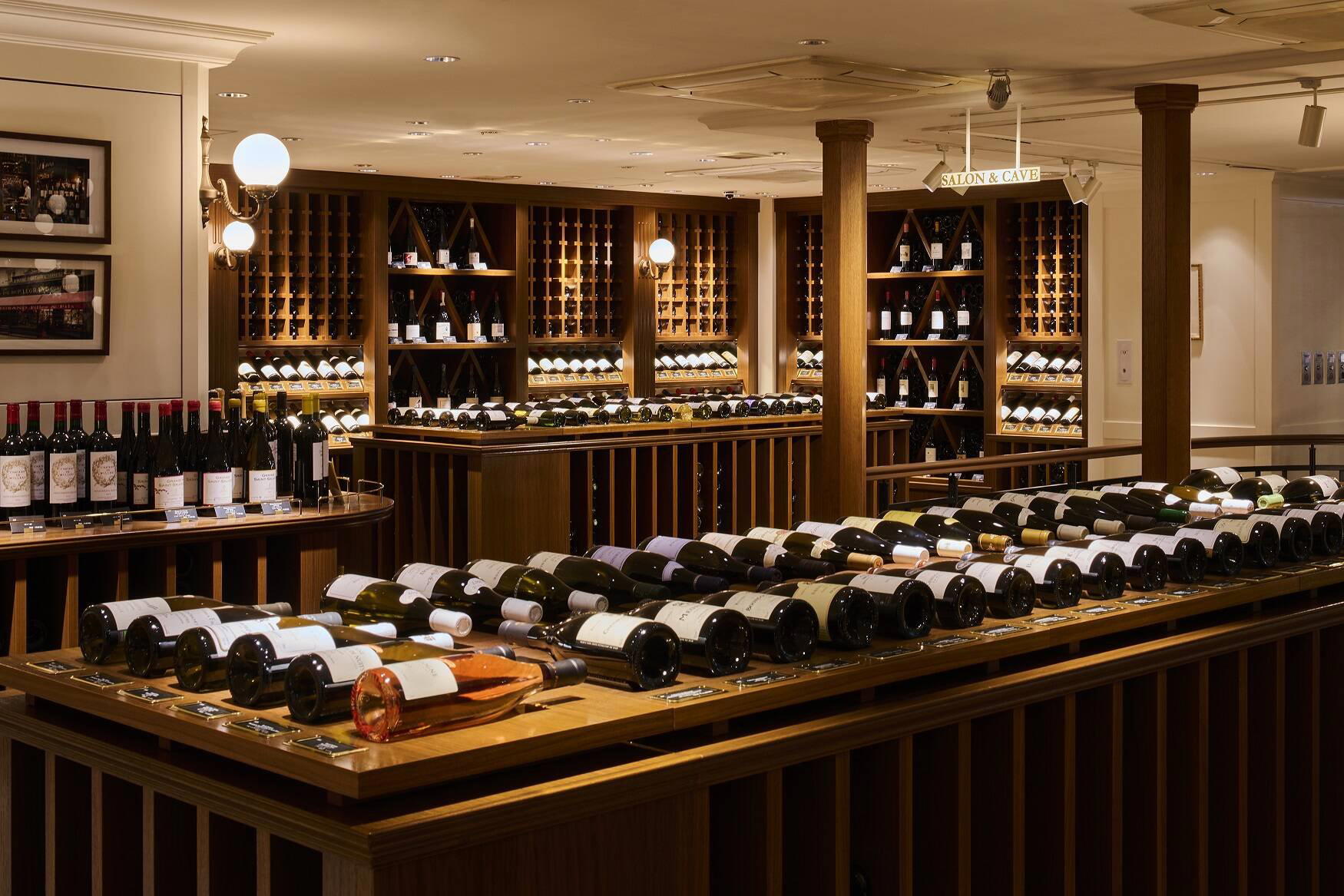






Details
- Elegant
- Romantic
- Sophisticated
- Date Night
- Group Dining
- Special Occasion
- Standalone
- Extensive Wine List
- A La Carte
- Wine
- Vegetarian Friendly
- Vegan Options
- Allergy Accommodating
Current opening hours
- Monday
- 6 PM–1 AM
- Tuesday
- 6 PM–1 AM
- Wednesday
- 6 PM–1 AM
- Thursday
- 6 PM–1 AM
- Friday
- 6 PM–1 AM
- Saturday
- 6 PM–1 AM
- Sunday
- Closed
Hours can change for holidays and private events. Hours as of .
Warm and inviting Italian atmosphere with refined yet approachable service that captures the essence of traditional Italian dining.