Plat Home occupies a quiet address in Kanazawa's Hikosomachi district, where the city's reputation for meticulous craft extends from lacquerware to the glass.
Pearl is the En Primeur Club membership app — saves, bookings, and concierge access live there. Same editors, same standards.
- Address
- 1 Chome-3-4 Hikosomachi, Kanazawa, Ishikawa 920-0901, Japan
- Phone
- +81762565075
- Website
- japoncompany.business
- Directions
- Get directions
 Saves & bookings on Pearl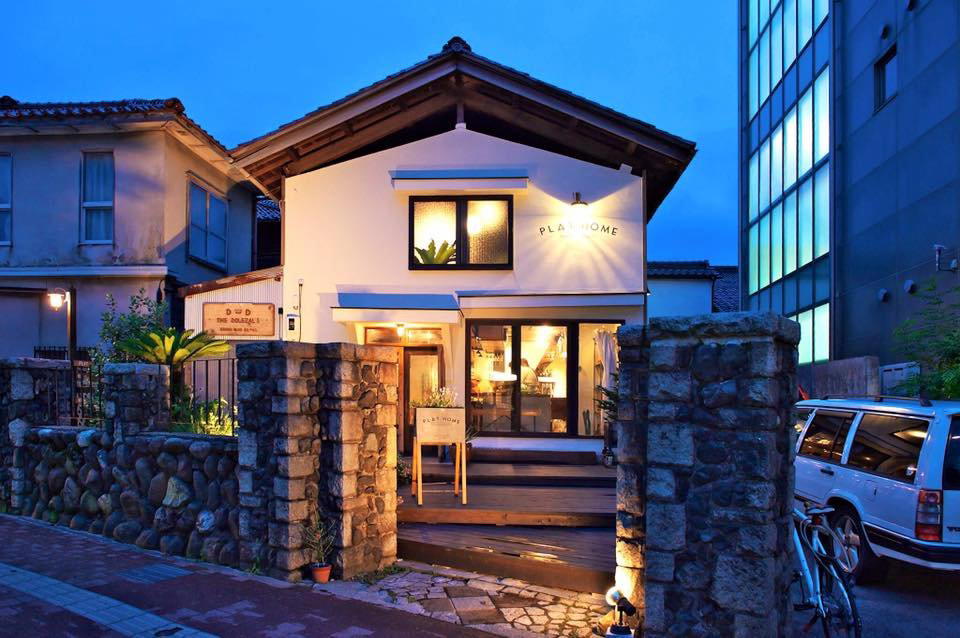
Where Kanazawa's Drinking Culture Gets Specific
Kanazawa has long occupied an unusual position in Japan's regional dining hierarchy. The city's reputation rests on kaiseki tradition, Noto-sourced seafood, and a craft culture that runs from gold-leaf work to fermented condiments, yet it has quietly developed a tier of wine-serious restaurants that sit outside the obvious cultural narrative. In cities like Osaka and Kyoto, the wine-focused restaurant is a recognizable format with established peer sets; in Kanazawa, that format is rarer, and the addresses that commit to it carry more weight precisely because the category is less crowded. Plat Home, at 1 Chome-3-4 Hikosomachi, operates in that space.
The Hikosomachi address places the restaurant within walking distance of the older residential fabric that distinguishes this part of the city from the busier tourist corridors near Kenroku-en. Arriving in this neighbourhood, the shift in register is immediate: narrower streets, less foot traffic, a quieter claim on the city's character. That physical context is not incidental. Wine-focused dining in Japan tends to perform leading in rooms that are deliberately unhurried, where the glass has time to be discussed rather than simply delivered. The spatial logic of a quieter quarter suits that ambition.
The Wine List as Editorial Statement
Across Japan's more serious wine restaurants, the cellar communicates a position as clearly as the menu does. At one end of the spectrum sit the large-format Tokyo operations with deep Burgundy and Bordeaux holdings priced against international comparables. At the other end are smaller regional rooms where curation replaces volume, and where the sommelier's choices reflect a point of view about what the local food tradition actually needs. Plat Home belongs to the regional tier, which in Kanazawa means working with a kitchen tradition that prizes clean, precise, mineral-driven flavour rather than weight and extraction.
That alignment between cellar and kitchen is what separates a thoughtful wine list from a decorative one. Kanazawa's ingredient base, with its emphasis on winter crab, yellowtail, and the brackish intensity of Noto salt, pushes naturally toward whites with structure and reds with restraint. A list calibrated to that reality will look different from one assembled to impress on paper. The specific composition of Plat Home's cellar is not detailed in public record, but its position within the city's wine-serious tier places it in a different competitive frame than the broader kaiseki circuit represented by addresses like Dokkan or Amanatto Kawamura.
Kanazawa in the Wider Regional Dining Context
Understanding Plat Home requires understanding where Kanazawa sits in the broader map of serious Japanese dining. The city is not Kyoto or Tokyo, and it does not try to replicate either. What it offers instead is a culinary infrastructure built on genuine ingredient provenance and a local audience that has supported fine dining for generations without the volume of international tourism that distorts other cities' restaurant economies. That means the restaurants that survive here tend to do so on local credibility rather than guidebook positioning.
Compare this with the trajectory of wine-focused dining in other secondary Japanese cities. In Fukuoka, wine bars and French-inflected restaurants have developed alongside the city's izakaya culture, with places like Goh demonstrating how serious European technique can take root in regional Japan. In Nara, akordu has built an international reputation from a non-metropolitan base. Kanazawa has its own version of that story, and Plat Home is part of it, even if its international profile is more modest than those two reference points.
At the higher end of the national picture, the markers are set by multi-star operations in the major cities: HAJIME in Osaka, Harutaka in Tokyo, Gion Sasaki in Kyoto. Plat Home is not competing in that tier, nor does the Hikosomachi address suggest it needs to. Its relevance is local and specific, which in a city of Kanazawa's culinary seriousness is a meaningful credential in itself.
Kanazawa's Supporting Cast
No single restaurant in a city this size exists in isolation, and part of the logic of visiting Plat Home is understanding what surrounds it. The broader Kanazawa dining scene includes traditional craft-food experiences at Hakuichi, the kind of everyday cooking that sustains local appetite at Go! Go! Curry, and the Franco-Japanese crossover territory at Budoonomori Les Tonnelles, which shares something of Plat Home's interest in European drinking culture applied to Japanese ingredients. For anyone building a multi-day itinerary around the Hokuriku region, the dining infrastructure extends beyond the city itself, with serious options in nearby Nanao and further afield across Takashima and Nishikawa Machi.
Further north, the Hokkaido city of Sapporo supports its own tier of wine-serious dining, including one address that mirrors the regional-commitment model Plat Home represents in Kanazawa. The pattern is consistent across Japan's secondary cities: the most interesting wine programs tend to emerge where the kitchen is already serious about local ingredients, because the two disciplines reinforce each other. Our full Kanazawa restaurants guide maps this broader picture in more detail.
Planning Your Visit
Kanazawa is accessible by Shinkansen from Tokyo in roughly two and a half hours, a connection that has materially changed the city's dining economy since the Hokuriku line extension opened in 2015. That accessibility has increased demand for the better tables in the city without yet producing the reservation pressure that characterises Tokyo or Kyoto's leading rooms. Wine-focused restaurants at this scale in regional Japan often handle reservations informally, and leaving a flexible window of two to three weeks for planning is a reasonable baseline. Visiting outside the peak spring and autumn foliage periods, when Kenroku-en draws the largest crowds, generally eases the wider logistical pressure of being in the city.
For those whose interest runs to high-level wine dining in other formats, the reference points at the international end of the spectrum include Le Bernardin in New York City for cellar depth applied to seafood, and Atomix for the kind of precision tasting format that rewards a comparable level of pre-visit research. Plat Home operates in a quieter register than either, but the underlying logic of seeking out a room where the wine list is curated rather than assembled applies equally across all three. Also worth noting for Kanazawa visitors interested in regional yakitori-focused drinking culture is Birdland in Sakai, which represents a different expression of Japan's craft-drinking tradition.
Continue exploring
More in Kanazawa
Restaurants in Kanazawa
Browse all →
Bars in Kanazawa
Browse all →
Hotels in Kanazawa
Browse all →

Wineries in Kanazawa
Browse all →
At a Glance
- Cozy
- Intimate
- Modern
- Date Night
- Special Occasion
- Open Kitchen
- Historic Building
- Sake Program
- Local Sourcing
Current opening hours
- Monday
- Closed
- Tuesday
- 5:30–10:30 PM
- Wednesday
- 5:30–10:30 PM
- Thursday
- 5:30–10:30 PM
- Friday
- 5:30–10:30 PM
- Saturday
- 5:30–10:30 PM
- Sunday
- 5:30–10:30 PM
Hours can change for holidays and private events. Last verified .
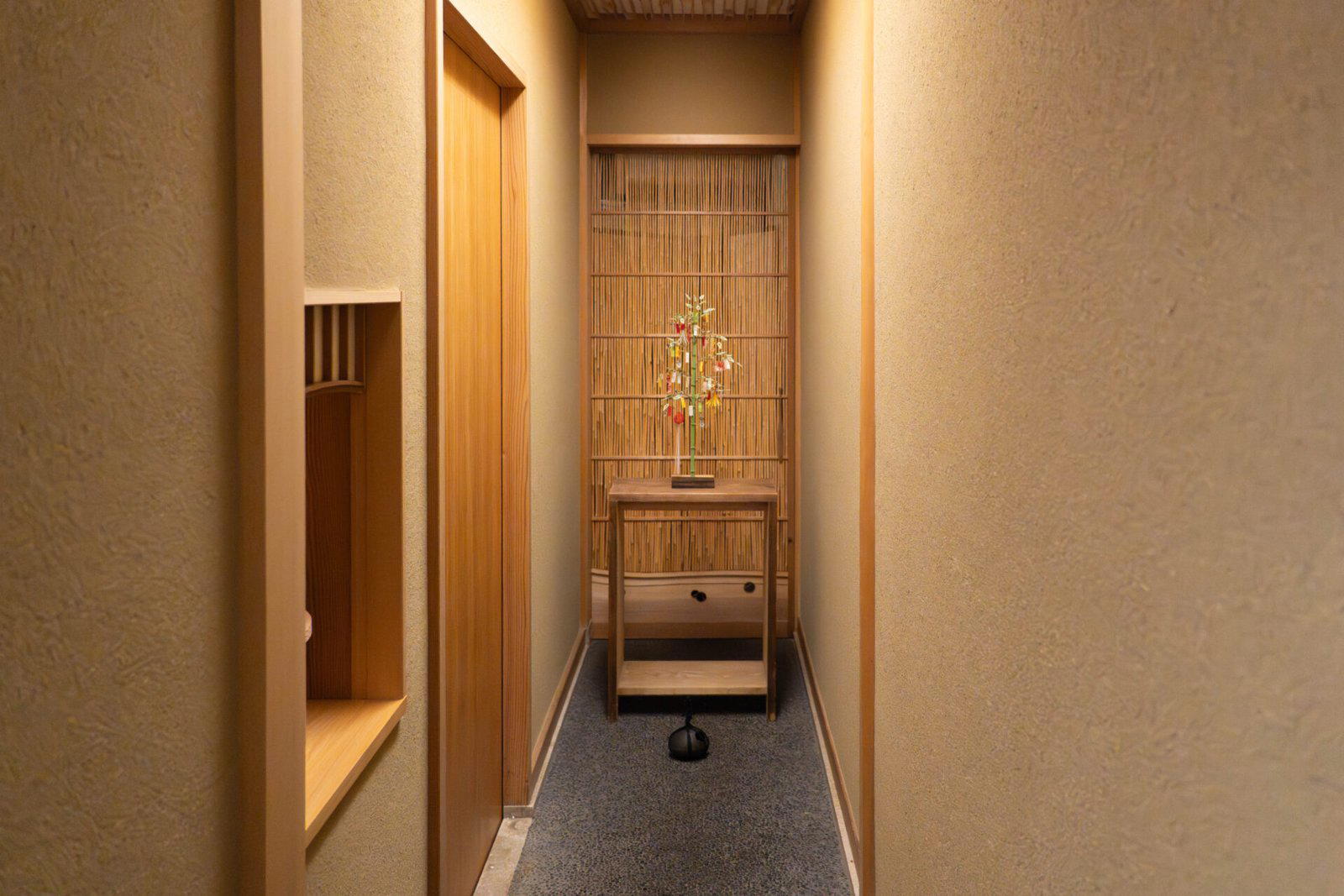
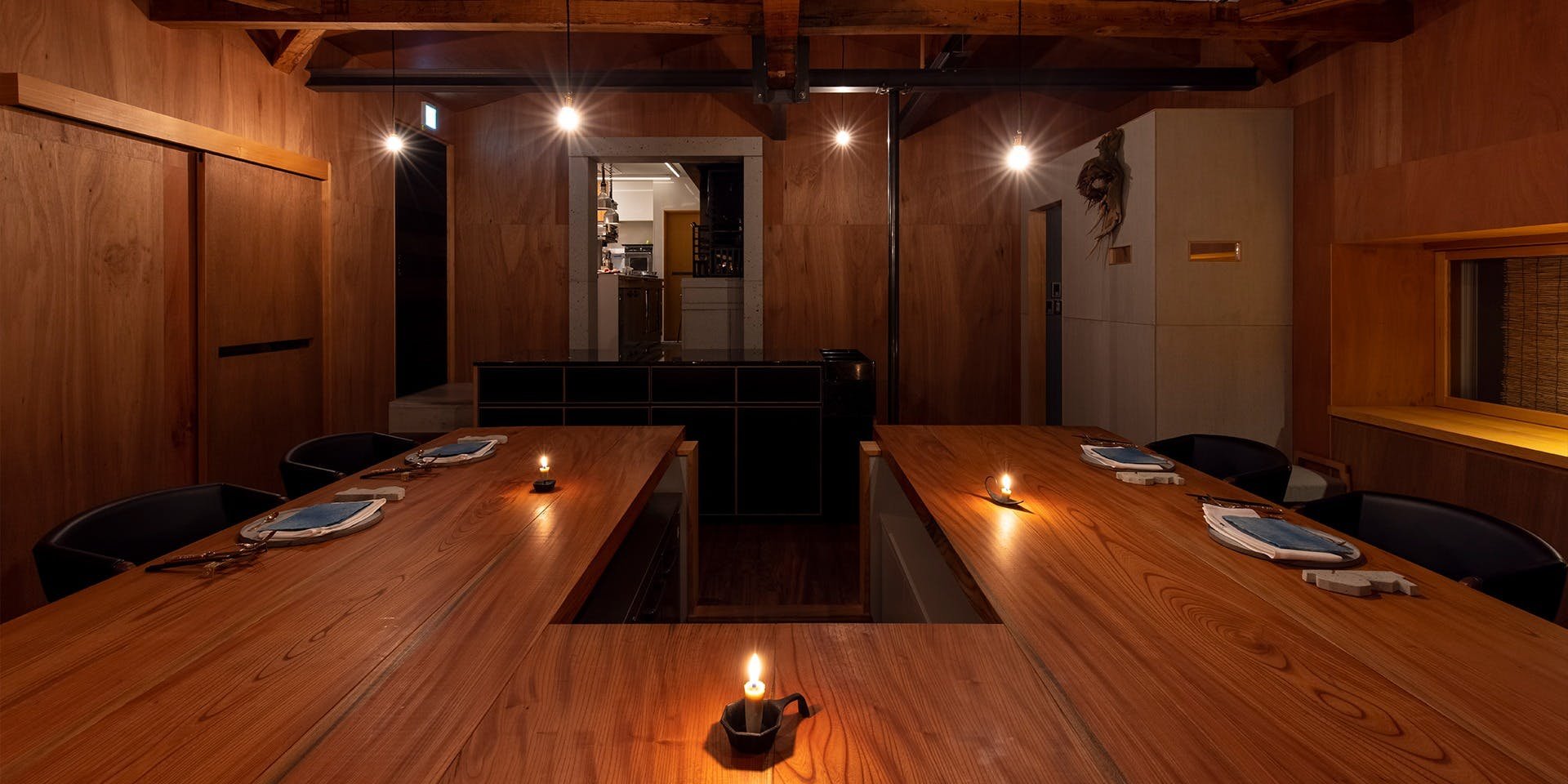
Intimate and cozy setting in a historic refurbished storehouse with precise presentation of dishes and an east-west fusion vibe.
Know Before You Go
- Getting there
- 1 Chome-3-4 Hikosomachi, Kanazawa, Ishikawa 920-0901, Japan