
Kureha places Kanazawa’s café culture inside Higashi Chaya’s older tea-district rhythm: Japanese traditional sweets, kakigori, and a room suited to solo, family, or small-group stops rather than long formal dining. Its 2025 Tabelog 100 Cafe WEST selection gives it a measurable signal in a city where confectionery and tea culture carry unusual weight.
Pearl is the En Primeur Club membership app — saves, bookings, and concierge access live there. Same editors, same standards.
- Address
- 1 Chome-24-3 Higashiyama, Kanazawa, Ishikawa 920-0831, Japan
- Phone
- +81 76-253-9080
- Website
- higashi-kureha.com
- Directions
- Get directions
 Saves & bookings on Pearl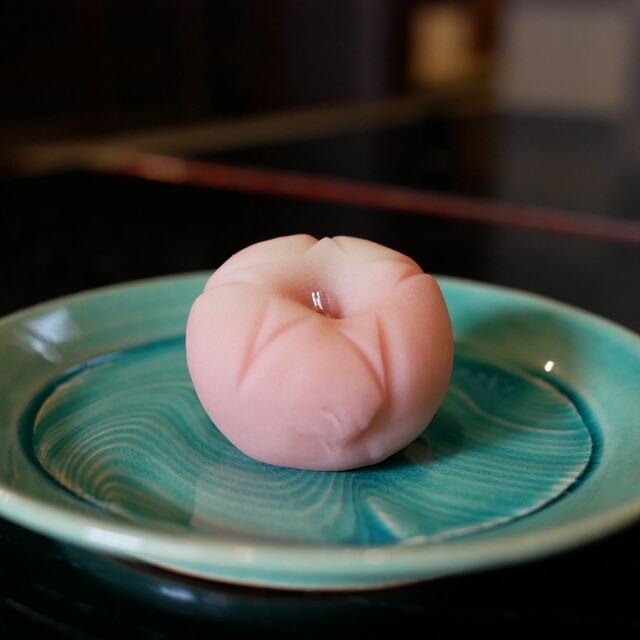
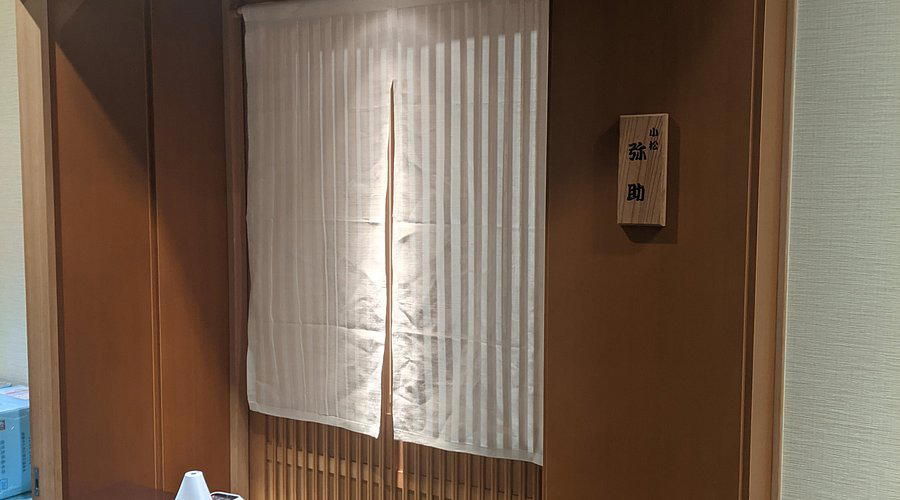
Higashi Chaya changes the register of a café before anything is ordered. The approach is narrow, timber-fronted, and slower than central Kanazawa’s station-side dining grid; the old teahouse district sets expectations around pause, sweetness, and tea rather than full-course momentum. Here, Kureha belongs to a local tradition that treats a café not as a laptop refuge but as a place for wagashi, shaved ice, and a measured break between craft shops, galleries, and gold-leaf storefronts.
Kanazawa’s sweets culture runs deeper than many visitors assume. The city’s long association with tea ceremony, lacquerware, ceramics, and seasonal confectionery means a small café can carry cultural information more efficiently than a restaurant meal. The point is not volume or novelty, but the discipline of sweetness, texture, temperature, and setting. Kureha’s listed categories, café, Japanese traditional sweets, and kakigori, place it in that lineage rather than a generic dessert-café lane.
Higashi Chaya's café tradition, built around sweets rather than spectacle
In Kanazawa, the café category covers several experiences. Around the station, it often means pre-train convenience. In Higashi Chaya, it is tied to walking pace, preserved architecture, and the city’s habit of pairing tea with confectionery. Kureha’s relevance comes from that intersection: a café format with Japanese traditional sweets and kakigori, in a district where the room and route matter almost as much as the order.
The ingredient angle is central because wagashi and kakigori are unforgiving formats. Confectionery depends on balance rather than excess: bean paste, sugar, starch, tea, ice, fruit, and seasonal accents have little room to hide behind heavy cooking. Kakigori has moved across Japan from children’s summer refreshment to a category judged on ice texture, syrup restraint, and how toppings behave as the bowl warms. Kanazawa adds local craft context, where surface, vessel, and pacing shape the experience.
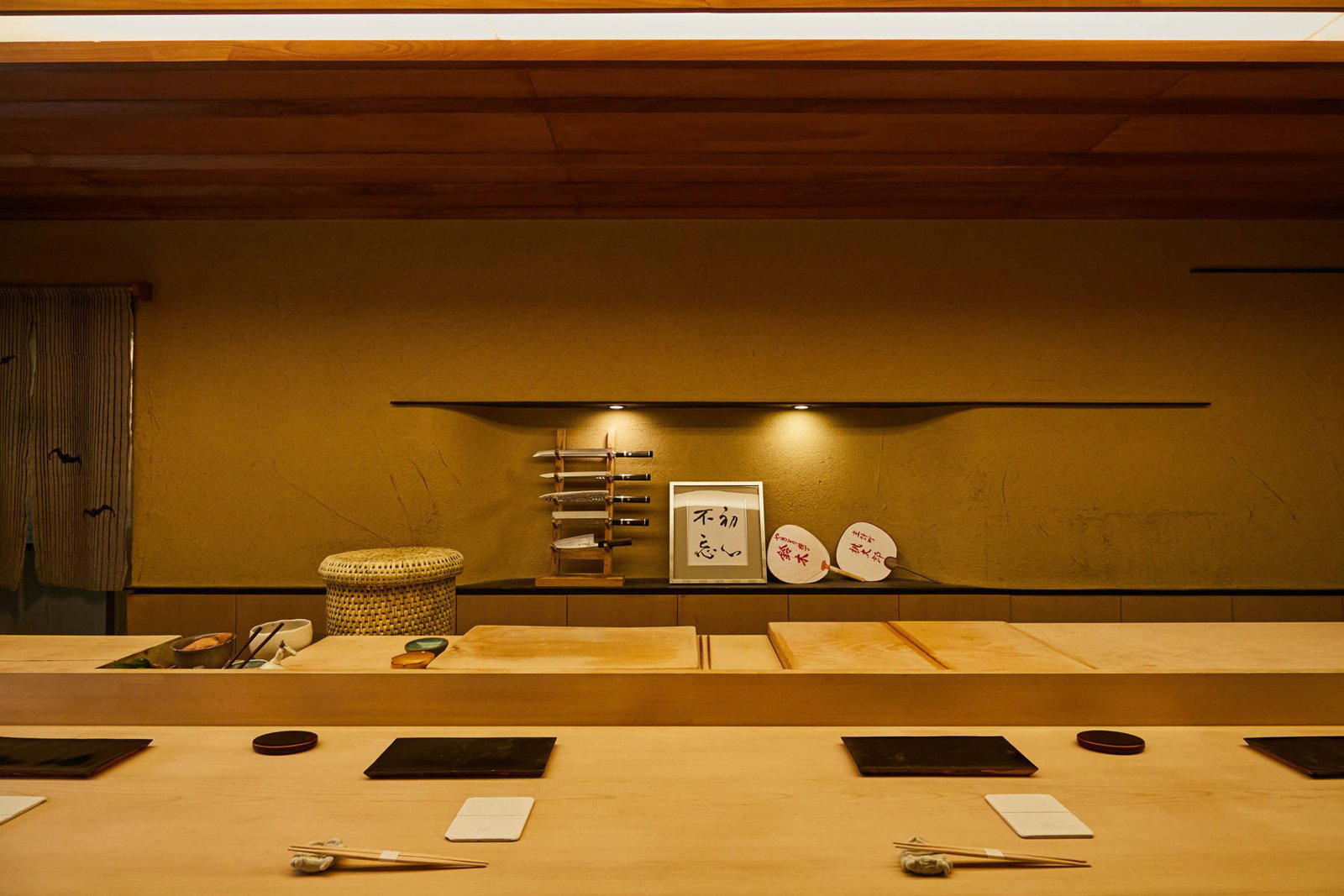
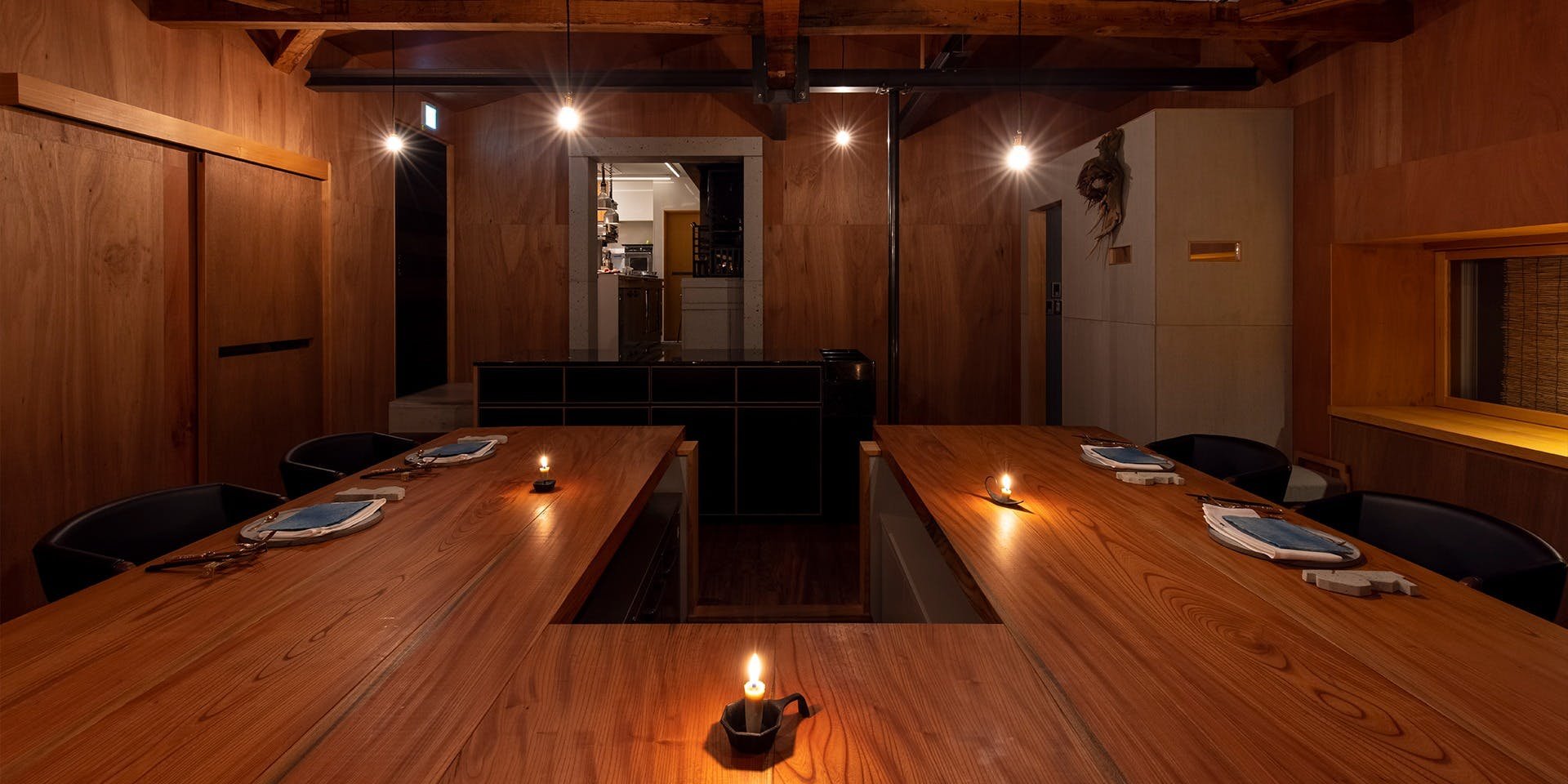
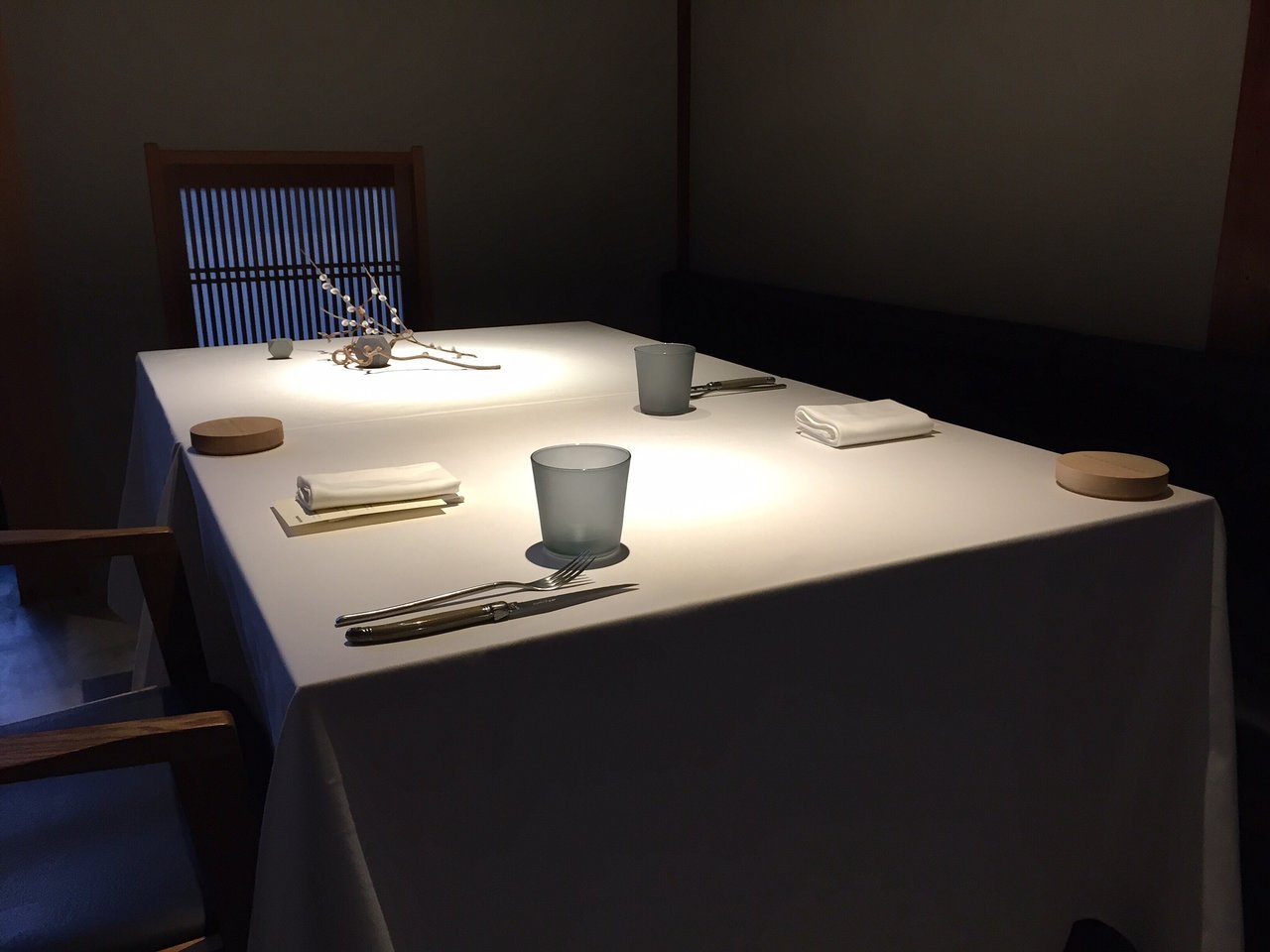
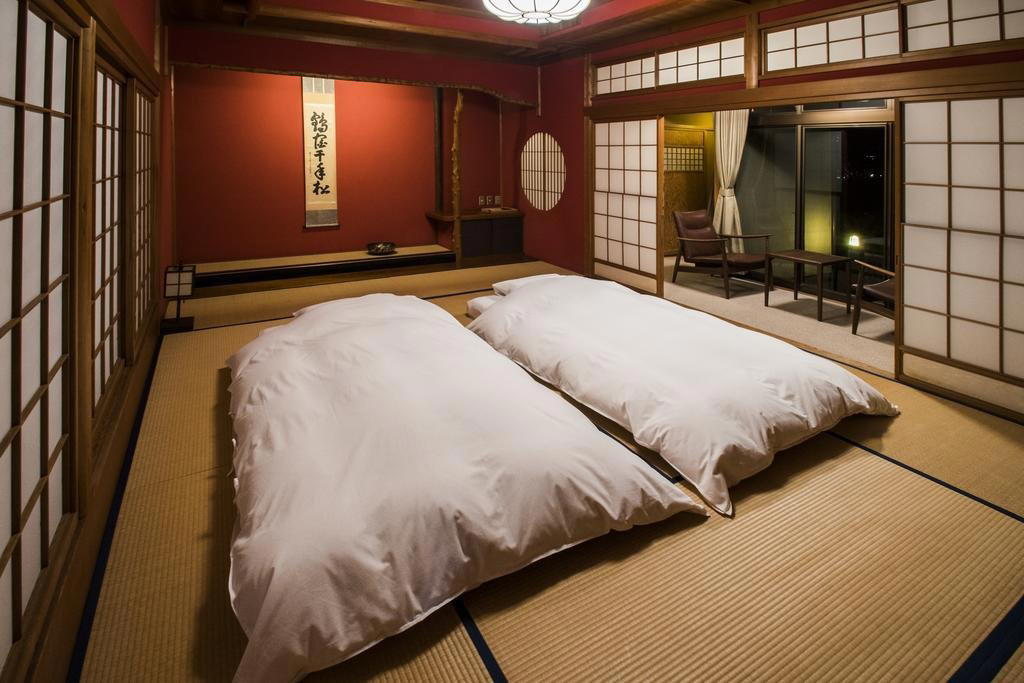
The room supports that slower use. Counter seating and tatami seating give the café more range than a takeout counter, while private rooms add separation not always found in casual sweet shops. The venue is non-smoking and suitable for solo dining, friends, and families, which matters in Higashi Chaya: the district draws tour groups and day visitors, but the better stops also work for a single traveler wanting thirty quiet minutes between temples and museums.
Recognition helps separate serious cafés from scenery-dependent cafés in a high-foot-traffic district. Selection for Tabelog 100 Cafe WEST 2025 is a useful external marker because it places the venue within a regional café field, not just Kanazawa tourism. Its Tabelog score is 3.60, a number to read with Japanese review culture in mind: on Tabelog, scores above the mid-threes often signal sustained local approval rather than casual popularity.
Where it sits in Kanazawa's wider eating map
Kanazawa rewards travelers who do not treat every meal as sushi. The city has serious counters, soba rooms, beef specialists, casual cafés, and confectionery shops, and the better itinerary mixes them. In the same city, Issho occupies a similar everyday price band, while Hakuichi Higashiyama ten sits in a lower listed spend bracket. That frames Kureha as an accessible, sweets-led pause in a district where visitor-facing addresses vary sharply in ambition.
The broader Kanazawa list shows how many registers the city can hold at once. Readers building a day around Higashi Chaya and nearby districts can cross-reference Amanatto Kawamura for another confectionery-led stop, then look outward to casual and specialist addresses such as 333, Aburi Niku Garan, Ajiraku Yumemi, and 1/3 HAMBURGER FACTORY. The lesson is range: a Kanazawa dining day can move from sweets to grilled meat to casual Western-style cooking without losing the city’s scale.
Drink-led itineraries should branch to Our full Kanazawa bars guide; wider cultural planning sits in Our full Kanazawa experiences guide. Our full Kanazawa wineries guide is useful for readers tracking regional beverage culture rather than only dinner reservations.
A low-cost stop that makes sense between tea houses and craft shops
The practical appeal is direct: this is a low-spend café stop in a high-traffic heritage district, with lunch and dinner budgets listed at JPY 1,000 to JPY 1,999. Reservations are unavailable, so treat it as a flexible break rather than the day’s anchor. Wednesday closure matters for travelers building a tight Kanazawa schedule around museums, teahouse streets, and the station.
Payment is another useful signal. Credit cards are not accepted, while electronic money and QR code payments are listed. Parking is unavailable, fitting Higashi Chaya’s pedestrian character; the district is better approached as a walking route than a drive-up errand. The address, 1 Chome-24-3 Higashiyama, places the café close enough to the district core for a stop after tea-house touring, shopping, or a river-crossing walk from central Kanazawa.
Its role is not to compete with a formal sushi counter meal or long evening restaurant. It gives Kanazawa’s sweet culture a proper slot in the day. That matters because many itineraries reduce the city to seafood, gardens, and gold leaf, missing how confectionery connects all three: tea ceremony discipline, seasonal design, and a craft-minded approach to small pleasures. Kureha earns attention by keeping that tradition compact, affordable, and easy to fit between larger plans.
For readers comparing Japan addresses outside Ishikawa, the contrast is instructive. A beef-focused room such as -Grilled beef Sukiyaki- KAMAKURA TANUKIAN 鎌倉 たぬき庵 in Kamakura, a Tokyo izakaya-grill address like. 鮪と炭火焼き うお炭 秋葉原店 in Tokyo, and café formats such as.cafe in Osaka or.know in Kumamoto show how broad the label can be. Casual specialist cooking has its own logic at (Shoku) Vietnam in Kawasaki and [Curry Senmon Ten] Maruyama Kyoju. in Sapporo, while Japanese food culture abroad takes different forms at Jōdo Saké Bar in Los Angeles and Onigiri Time in Pasadena. Against that spread, Kanazawa’s sweet-shop café tradition feels precise: smaller, quieter, and closely tied to place.
Snapshot
Side-by-side context: comparable cuisine and price.
| Venue | Cuisine | Price | Notes |
|---|---|---|---|
| KurehaThis venue — the venue you are viewing | Traditional Japanese cafe & wagashi tea house | $$ | Not listed |
| 田万里 | Traditional Japanese Obanzai | $$ | 片町 |
| Ajiraku Yumemi | Kanazawa izakaya with local seafood and sake | $$ | Kanazawa |
| Itaru Honten | Traditional Kanazawa Izakaya & Seafood | $$ | Kanazawa |
| 立喰い鮨優勝 | Standing Sushi | $$ | Kanazawa Port |
| Kuroyuri (黒百合) | Traditional Kanazawa Oden Izakaya | $$ | Kanazawa Station |
Recognition history
Dated appearances from independent guides and award organizations, with the underlying list record or original source where available.
Tabelog 100 #55 · No. 55
Tabelog · Tabelog 100 - Cafe - WEST - 2025
Continue exploring
More in Kanazawa
Restaurants in Kanazawa
Browse all →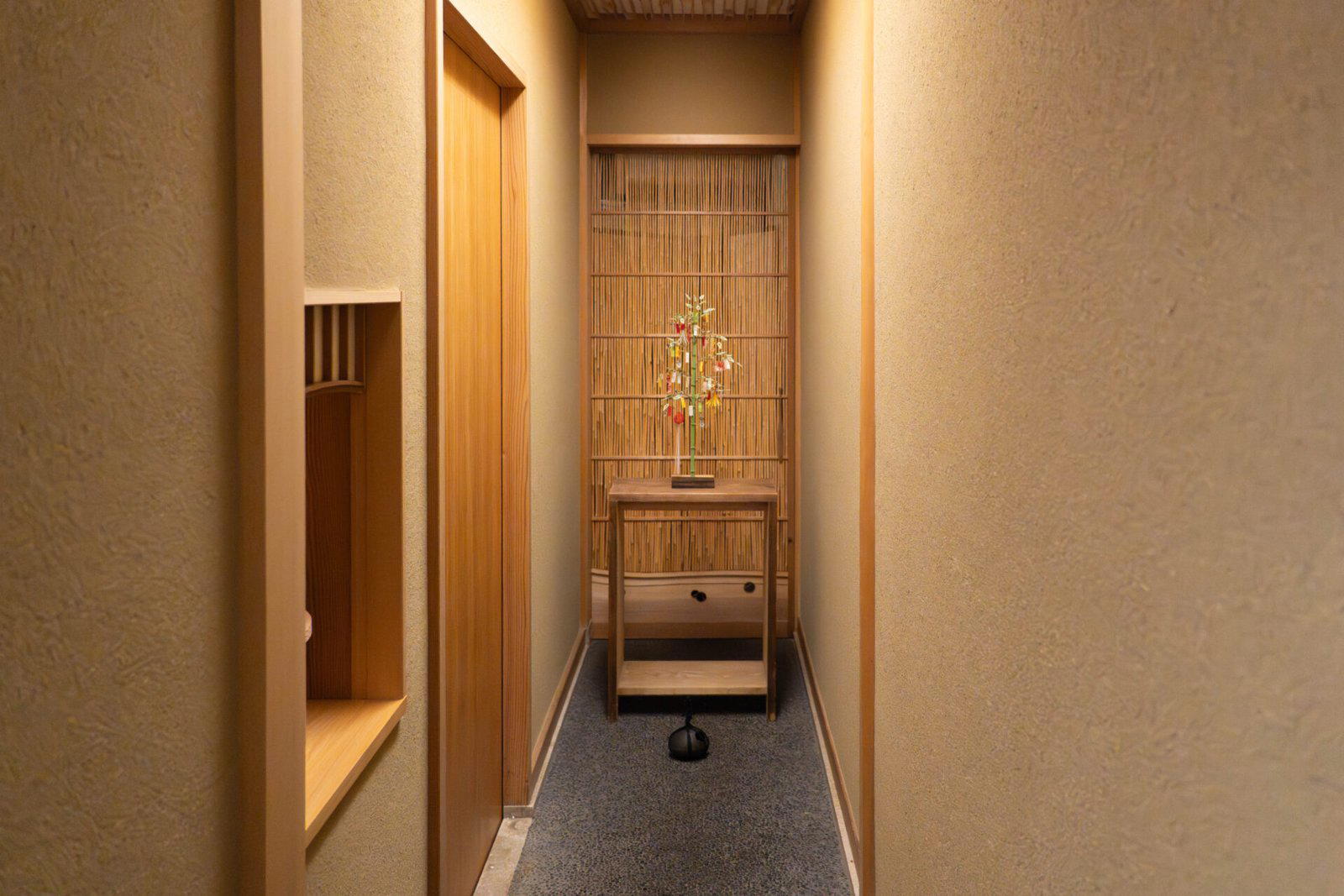
At a Glance
- Classic
- Cozy
- Quiet
- Scenic
- Intimate
- Well Known
- Solo
- Casual Hangout
- Date Night
- Family
- After Work
- Historic Building
- Design Destination
- Standalone
- Street Scene
Current opening hours
- Monday
- 10 AM–6 PM
- Tuesday
- 10 AM–6 PM
- Wednesday
- Closed
- Thursday
- 10 AM–6 PM
- Friday
- 10 AM–6 PM
- Saturday
- 10 AM–6 PM
- Sunday
- 10 AM–6 PM
Hours can change for holidays and private events. Last verified .
Set in a preserved lattice-front machiya townhouse, the interior feels calm and nostalgic with wooden beams, tatami rooms upstairs, and displays of Kaga Yuzen textiles and dye-painted tableware, creating a serene, gallery-like tea house atmosphere ideal for quiet breaks.