Located in Katamachi, Kanazawa's after-dark dining corridor, ちくわ occupies the ground floor of the RENN Building on 2-chome. Kanazawa's reputation as Japan's most ingredient-serious city outside Kyoto shapes what small neighbourhood spots like this can put on a table — proximity to Omicho Market and Sea of Japan fisheries means even casual addresses work with produce that larger cities would reserve for premium counters.
Pearl is the En Primeur Club membership app — saves, bookings, and concierge access live there. Same editors, same standards.
- Address
- Japan, 〒920-0981 Ishikawa, Kanazawa, Katamachi, 2 Chome−10−42 RENNビル 1階 RENNビル
- Phone
- +81762550303
- Website
- oden-chikuwa.jp
- Directions
- Get directions
 Saves & bookings on Pearl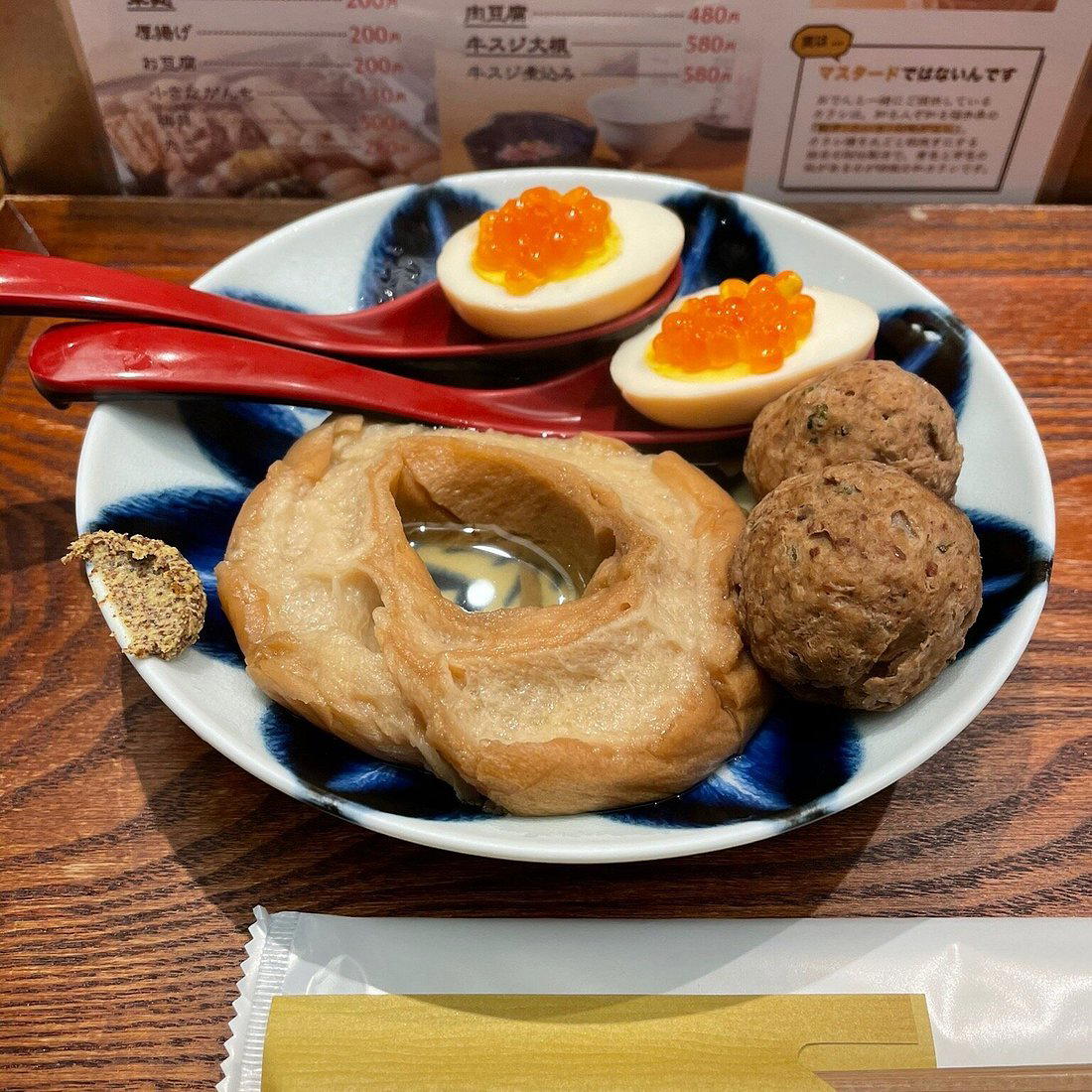
Katamachi After Dark: The Neighbourhood That Feeds Kanazawa's Late Tables
Approach the RENN Building on Katamachi 2-chome and you are already inside one of Kanazawa's most concentrated blocks of after-hours eating and drinking. Katamachi runs as the city's izakaya and gastropub belt, where the ground floors of low-rise commercial buildings turn into narrow counters and smoke-tinged dining rooms once the covered shopping arcades a few minutes north go quiet. This is not the tourist-facing face of Kanazawa — the lacquerware shops and gold-leaf studios of Hakuichi territory sit elsewhere — but the part of the city where residents actually eat on weekday evenings. ちくわ occupies that ground floor on 1F, and its address alone places it in a specific register: casual, local, neighbourhood-accountable in the way that only spots without international recognition ever have to be.
Why Kanazawa's Ingredient Supply Chain Makes Ordinary Addresses Extraordinary
The editorial case for paying attention to a small Kanazawa address with sparse public data is not about the venue itself, it is about what Kanazawa's supply infrastructure makes available to every restaurant in the city, including those that will never appear in a Michelin guide. Kanazawa sits at one of Japan's most productive intersections of land and sea. The Sea of Japan coast to the west delivers snow crab, yellowtail, and nodoguro (blackthroat seaperch) through Kanazawa Port and the regional fishing networks that feed Omicho Market, the covered wholesale and retail market that has operated in the city for roughly three centuries. Inland, the Kaga plain and the surrounding Ishikawa Prefecture agricultural zones produce kaga vegetables, a formally designated group of heritage cultivars including kaga lotus root, tsurumame beans, and sources miso made from locally grown soy, that kaiseki restaurants in the city treat as protected culinary heritage.
This supply chain does not stop at white-tablecloth addresses. In a city where the fish arrives this fresh and the vegetable provenance is this specific, the ingredient floor for a neighbourhood spot in Katamachi is meaningfully higher than the equivalent address in, say, a mid-tier district of Tokyo or Osaka. Compare that dynamic to what sustains destination-level restaurants in other Japanese cities: Gion Sasaki in Kyoto or HAJIME in Osaka operate at the very leading of their cities' formal hierarchies, but their supply relationships are by design exceptional. In Kanazawa, exceptional supply is structural, it runs down through the whole market rather than being gatekept by prestige.
The Katamachi Dining Register: What This Block Signals
Kanazawa's dining geography divides roughly into three zones. The preserved Higashi Chaya district and the area around Kenroku-en host the most internationally visited restaurants and tea houses, where kaiseki traditions and formal service align with tourist expectations. The Omicho Market perimeter supports fish-forward lunch counters and seafood-focused izakaya that draw from market proximity. Katamachi runs as a third register: workhorse evening dining, built for locals who want quality without the ceremony that places like Dokkan or the kaiseki rooms in the city's ryokan carry. Within that register, spots like ちくわ compete on repeat-customer trust rather than on one-off destination dining.
That distinction matters for how you read the absence of data. No awards listing, no published price range, no chef profile in the public record: this is consistent with a small neighbourhood operation in a city where the most critically visible addresses, those drawing comparisons to Harutaka in Tokyo or prompting the same regional conversation as Goh in Fukuoka, account for only a fraction of what the city actually eats on any given evening. The rest operates below the radar of formal recognition, drawing from the same Omicho supply and the same kaga vegetable heritage, but serving it to the people who live here rather than to those who flew in.
Regional Context: Kanazawa Against Japan's Wider Dining Conversation
Kanazawa earns its reputation as Japan's most food-serious provincial city through a combination of factors that larger urban dining cultures cannot replicate. The relative geographic isolation, the Hokuriku Shinkansen connection to Tokyo opened only in 2015, compressing what was a multi-hour journey, meant the city's food culture developed with unusual self-sufficiency. Local seafood stayed local. Kaga vegetable varieties that might have been displaced by national distribution networks survived because Kanazawa chefs and home cooks kept demanding them. The result is a city where ingredient sourcing is not a premium marketing claim but a baseline expectation.
That context is what situates neighbourhood spots across Katamachi in their proper frame. They are not reaching upward toward the formality of kaiseki, nor are they operating as budget fallbacks. They sit in the middle register of a city whose middle register is, by the standards of most Japanese cities outside the top tier, already ingredient-serious. For reference, the same regional produce conversation plays out at different formal levels at spots from Amanatto Kawamura through to the French-inflected approach at Budoonomori Les Tonnelles, which applies Ishikawa ingredients inside a European framework. Even the city's most casual addresses, Go! Go! Curry, which built a national chain identity on the Kanazawa curry style, derive identity from local food culture rather than from imported templates.
That ingredient-driven coherence extends to the wider Hokuriku and Chubu region. Comparable sourcing seriousness appears at restaurants like 一本木 石川製 in Nanao, roughly an hour north along the Noto Peninsula where the fishing culture is even more concentrated, and at addresses further afield such as 湖籟荘 in Takashima and 鶴羽屋 in Nishikawa Machi, where mountain-side produce from inland prefectures fills the same sourcing role that Sea of Japan seafood plays on the coast. For international comparison points, the ingredient-first hospitality ethos that underpins Kanazawa's neighbourhood dining has parallels in how Le Bernardin in New York City treats sourcing as a structural commitment, or how Atomix in New York City centres Korean provenance as a formal identity, though the Kanazawa version operates across price points and without the formal programmatic framing those restaurants require.
Planning a Visit
ちくわ sits at 2 Chome-10-42 Katamachi, ground floor of the RENN Building, in a block that is walkable from both Kanazawa Station (roughly 20 minutes on foot or a short taxi) and the Omicho Market area. Katamachi is an evening-first district; most of what the block offers operates from early evening onward, and the atmosphere of the surrounding streets peaks mid-week when the restaurant trade runs without the weekend spillover. Given the absence of published hours, a walk-in visit or confirmation via the venue directly is advisable before planning around a specific time. The full picture of what Kanazawa's dining calendar holds across all price points and formats is mapped in our full Kanazawa restaurants guide, which covers the city from Omicho counter spots through to the kaiseki rooms that define its international reputation. For regional Hokuriku reference, 古代仙丈乃 in Sapporo and Birdland in Sakai offer useful comparative reads on how Japan's non-Tokyo cities sustain ingredient-serious dining outside the formal recognition hierarchy. For those planning a broader Kansai and central Japan circuit, akordu in Nara completes a regional triangle worth considering alongside any Kanazawa itinerary.
How ちくわ Kanazawa compares with similar nearby venues.
| Venue | Price |
|---|---|
| tawara | JPY 15,000 - JPY 19,999 JPY 15,000 - JPY 19,999 |
Continue exploring
More in Kanazawa
Restaurants in Kanazawa
Browse all →
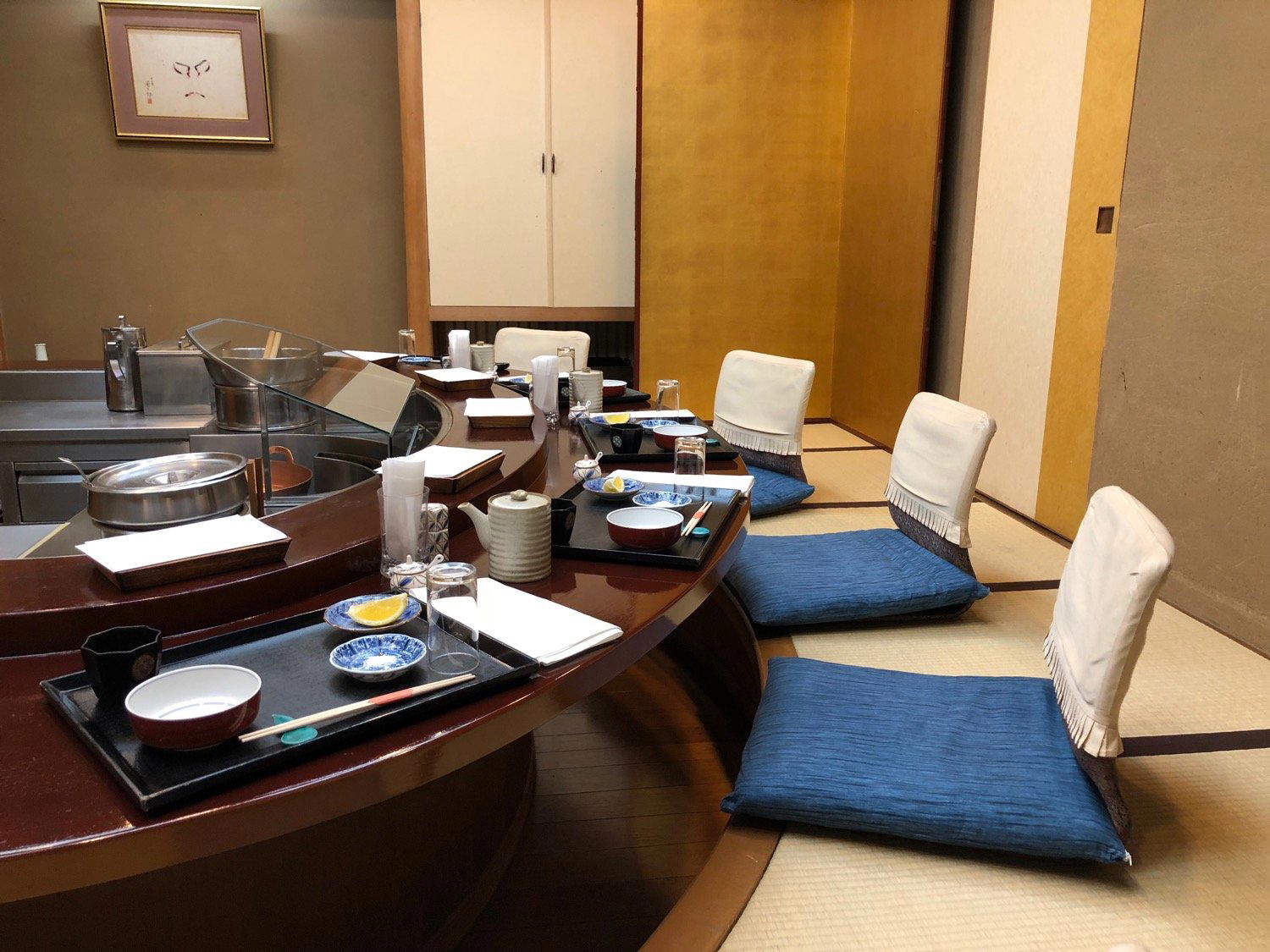
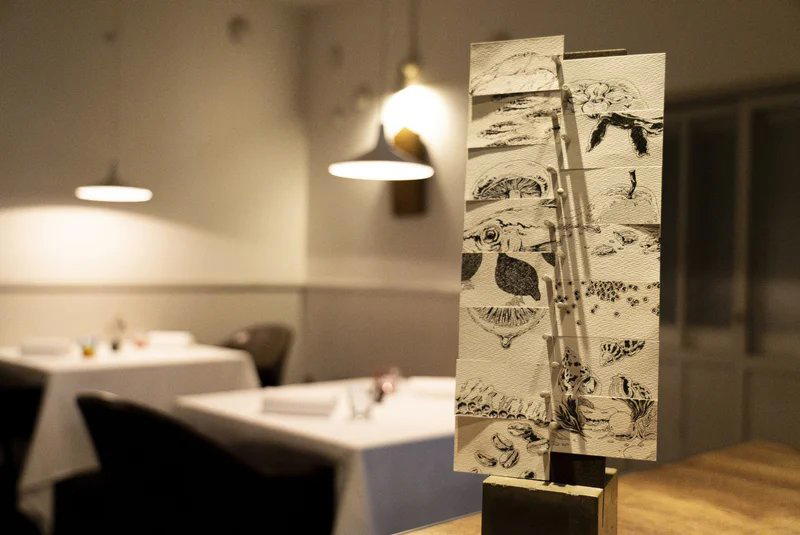
Bars in Kanazawa
Browse all →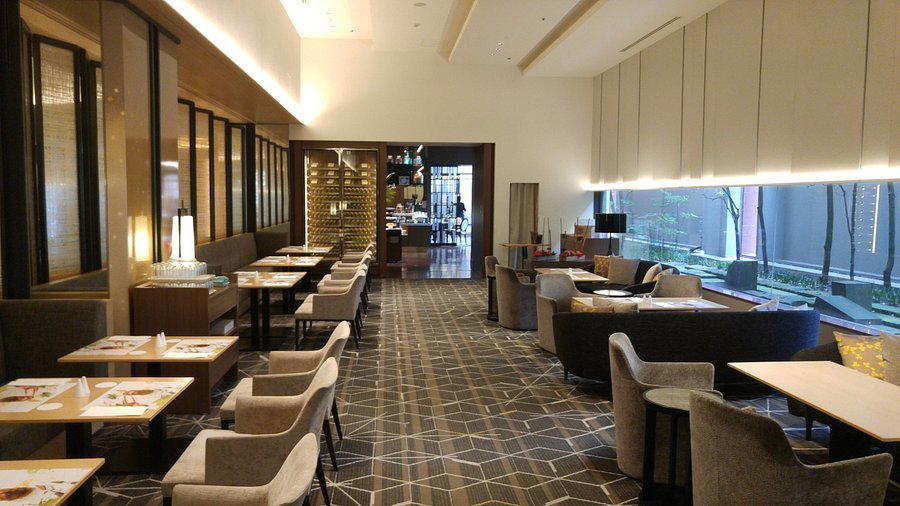
Hotels in Kanazawa
Browse all →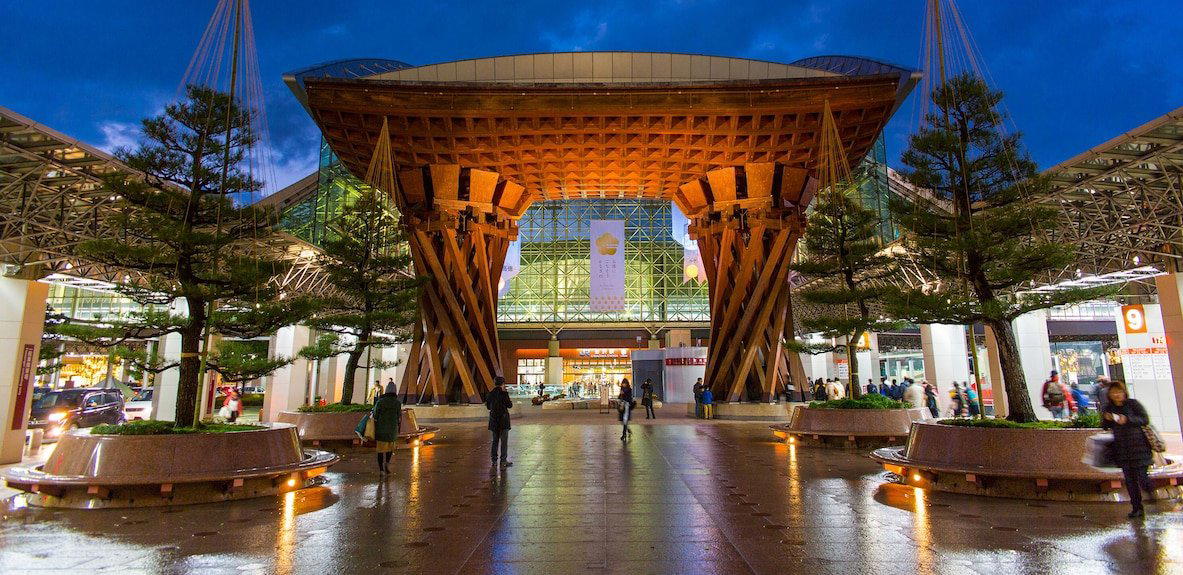
Wineries in Kanazawa
Browse all →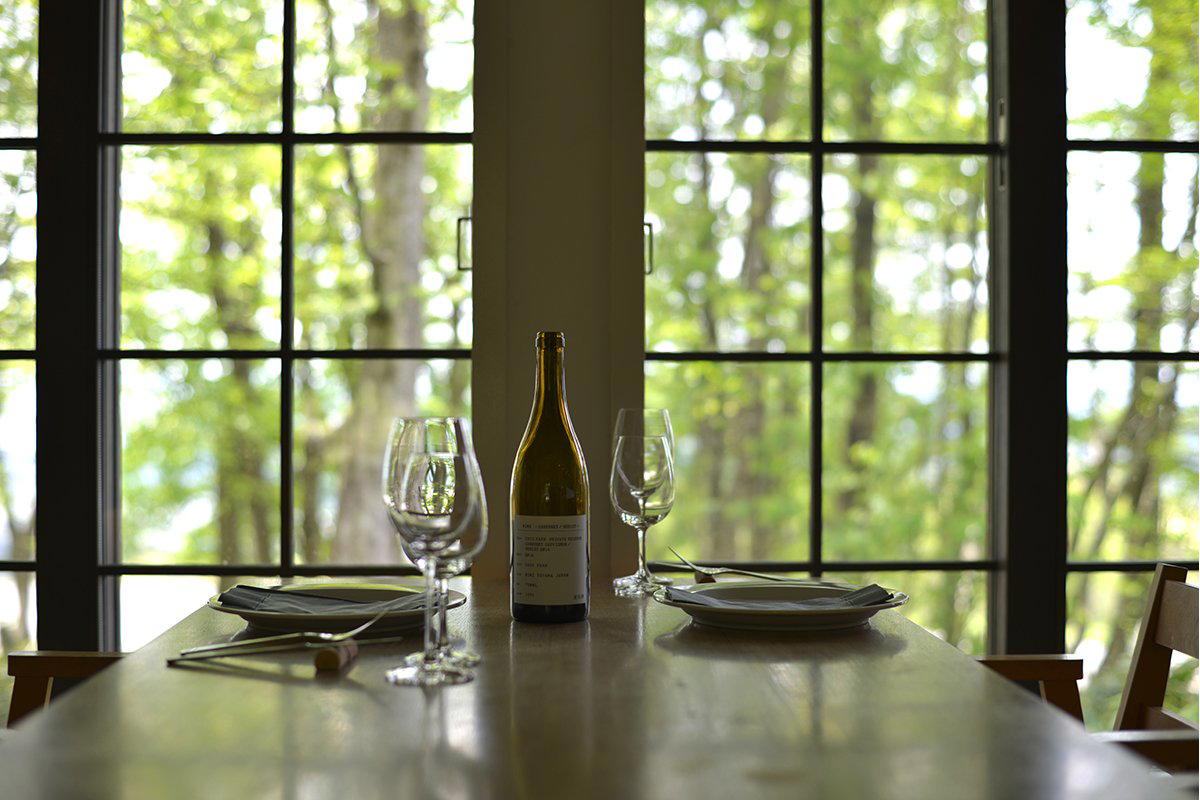
At a Glance
- Modern
- Elegant
- Cozy
- Casual Hangout
- After Work
- Sake Program
- Local Sourcing
Current opening hours
- Monday
- Closed
- Tuesday
- 5:30–10:05 PM
- Wednesday
- 5:30–10 PM
- Thursday
- 5:30–10 PM
- Friday
- 5:30–10 PM
- Saturday
- 5:30–10 PM
- Sunday
- Closed
Hours can change for holidays and private events. Last verified .
French restaurant-like interior with stylish plating and sophisticated atmosphere.
Know Before You Go
- Getting there
- Japan, 〒920-0981 Ishikawa, Kanazawa, Katamachi, 2 Chome−10−42 RENNビル 1階 RENNビル