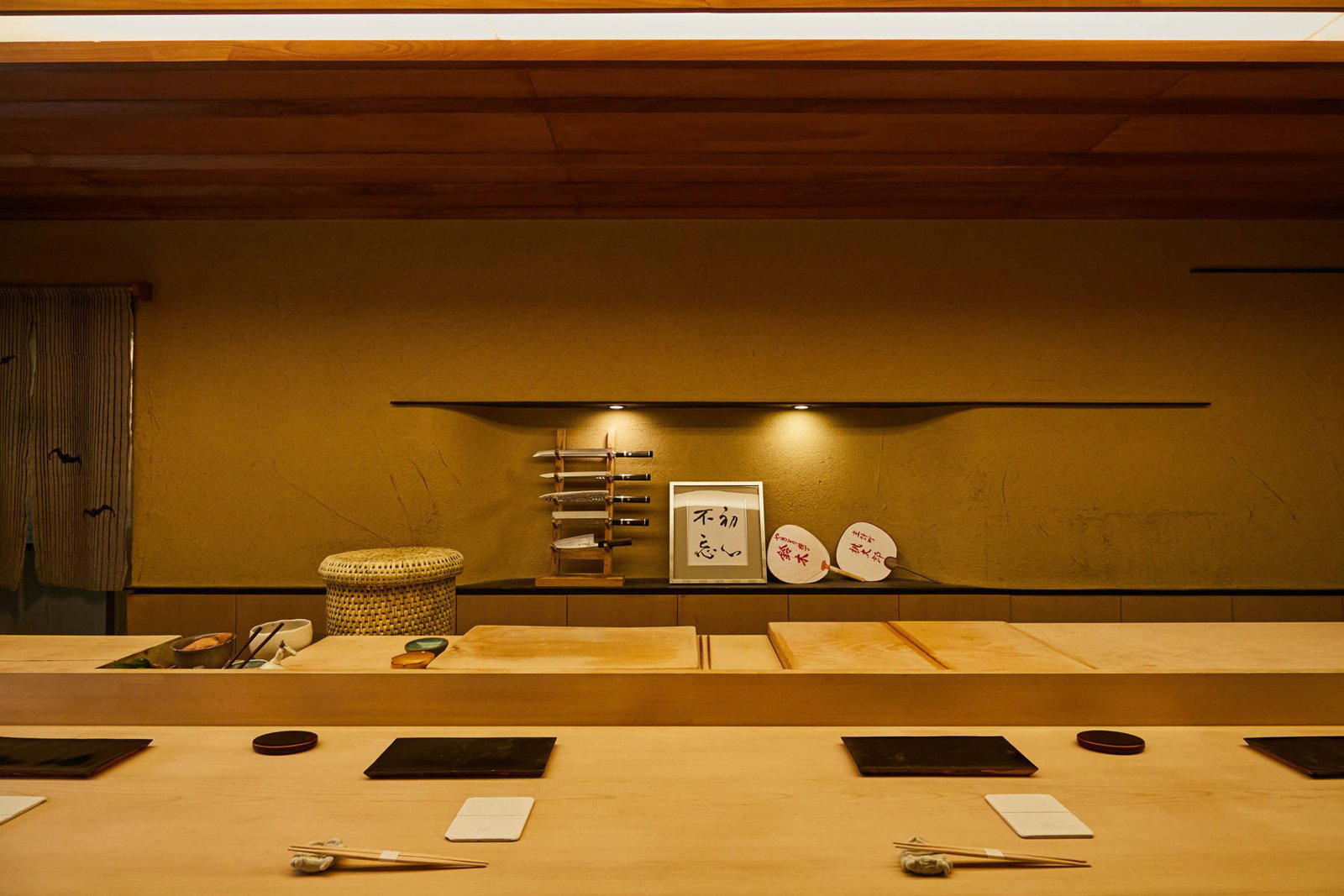
Located in Kanazawa's historic Nishicho district, 鮨治 sits within a dining scene shaped by some of Japan's most serious seasonal produce. The address places it among a tight cluster of traditional restaurants drawing on Kaga cuisine traditions and Noto Peninsula seafood. Advance booking is advised for this intimate counter-style address in a city where reservation windows at comparable venues regularly stretch weeks ahead.
Pearl is the En Primeur Club membership app — saves, bookings, and concierge access live there. Same editors, same standards.
- Address
- 4 Bancho-9 Nishicho, Kanazawa, Ishikawa 920-0914, Japan
- Phone
- +81762257235
- Website
- instagram.com
- Directions
- Get directions
 Saves & bookings on Pearl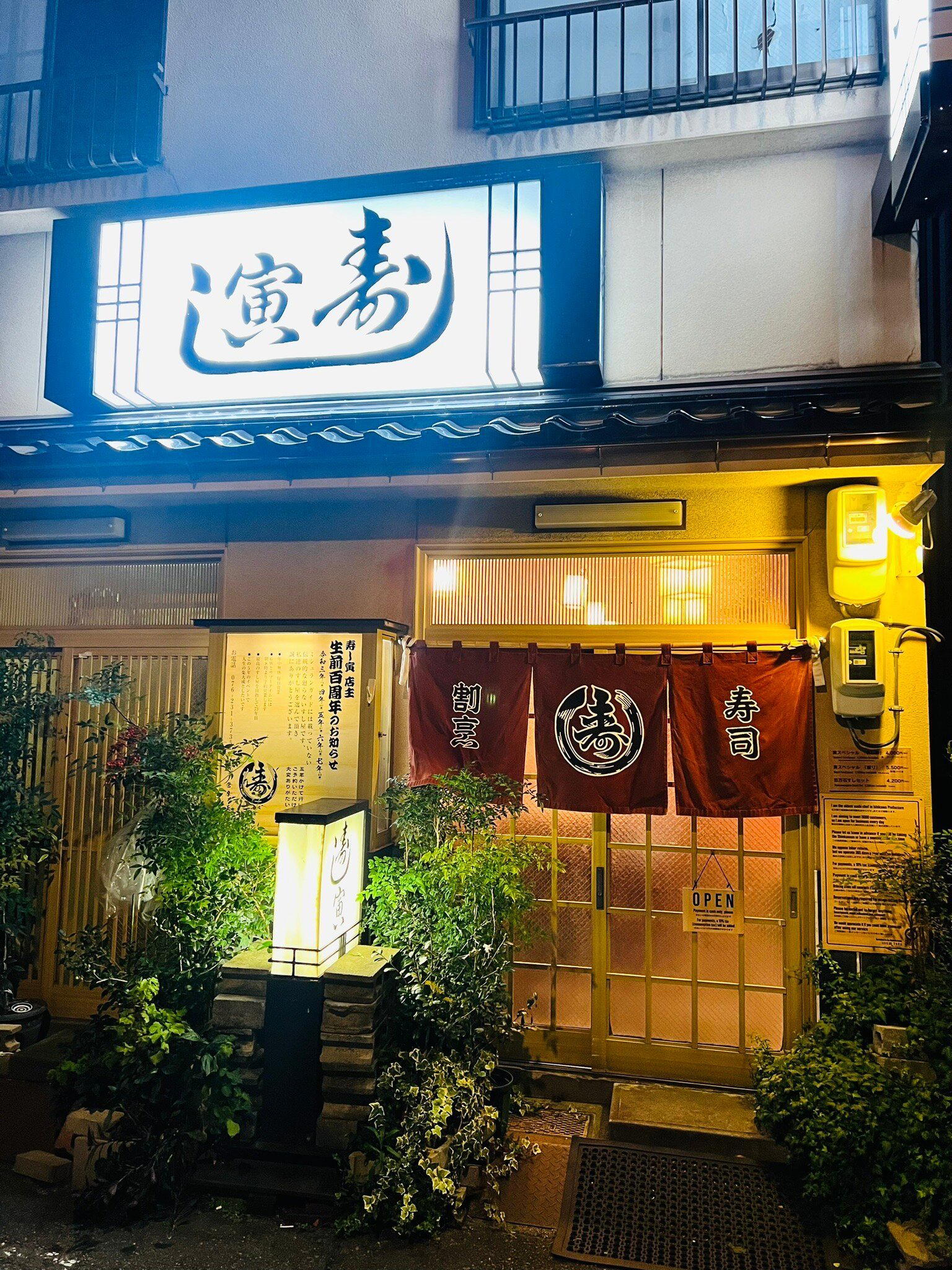
Kanazawa's Counter Culture
Japan's fine dining conversation has long been dominated by Tokyo and Kyoto, but Kanazawa has operated its own distinct culinary register for centuries. The city's position on the Sea of Japan gives it access to cold-water seafood that differs materially from what arrives at Tsukiji: Noto Peninsula crab, yellowtail from Himi, and the snow-aged ingredients of Ishikawa's mountain hinterland. Against this backdrop, the most serious counters in Kanazawa function less as outposts of a national fine-dining trend and more as expressions of a regional tradition with its own depth and logic. 鮨治 operates within that context, positioned in the Nishicho neighbourhood of Kanazawa, an address that places it close to the preserved streets of the Higashi Chaya geisha district and the broader cluster of traditional restaurants that define the city's older dining quarter.
For comparison, Kanazawa venues like Dokkan and Amanatto Kawamura draw on the same regional larder through different formats. The city also supports a French tradition through addresses like Budoonomori Les Tonnelles, which has applied local Ishikawa produce to a European framework. What this range signals is that Kanazawa's dining scene is not mono-cultural: it sustains formal Japanese traditions alongside imported techniques without the two cancelling each other out.
The Case for Team-Led Dining
In Japan's most discussed restaurants, the chef-as-singular-auteur model dominates the public narrative. The reality inside the leading counters is different: the quality of an evening depends as much on how the kitchen and floor operate together as it does on what arrives on the plate. At intimate counter formats across Japan, the interaction between the person preparing the food and the person managing drinks and pacing creates the actual guest experience. The leading versions of this format produce evenings where the transition from one course to the next feels considered rather than mechanical, and where drink selections arrive at the moment they become relevant rather than as an afterthought.
This team dynamic is particularly visible in cities where the dining culture is formal but not theatrical. Kanazawa occupies that position: its kaiseki and sushi traditions carry weight and ceremony without the performative edge that can characterise some Tokyo venues. An address like Hakuichi illustrates how the city's hospitality is rooted in craft visibility rather than spectacle. For context elsewhere in Japan, the coordination between kitchen and floor that defines memorable evenings is on display at Gion Sasaki in Kyoto and HAJIME in Osaka, both of which have built reputations partly on how service disciplines amplify what the kitchen produces.
Reading the Address
Nishicho sits within the broader Kanazawa central zone, close enough to Kenrokuen garden and the old samurai and geisha districts that foot traffic from cultural tourism is a permanent condition of the neighbourhood. That proximity cuts both ways: it sustains demand for traditional dining formats, but it also means the most serious restaurants at this address are operating for a local and repeat-visitor clientele rather than one-time tourists looking for the closest available table. The distinction matters because it shapes how menus are constructed and how front-of-house teams read the room. Venues embedded in residential and cultural districts tend to develop longer guest relationships, which in turn produces the kind of service calibration that benefits anyone who arrives with some knowledge of what to expect.
For readers planning a wider Japan itinerary, the regional counter tradition is not unique to Kanazawa. Harutaka in Tokyo and Goh in Fukuoka represent equivalent counter commitments in different prefectural contexts. Smaller city addresses like affetto akita in Akita and akordu in Nara show how the format extends well beyond the major metropolitan centres. See our full Kanazawa restaurants guide for the broader picture of how the city's dining tiers fit together.
Planning Your Visit
The full address is 4 Bancho-9 Nishicho, Kanazawa, Ishikawa 920-0914. Booking windows at comparable Kanazawa counters typically run between two and four weeks for standard service dates, with weekends at the tighter end. Kanazawa is accessible from Tokyo via the Hokuriku Shinkansen in approximately two and a half hours, making it a viable two-night stop on a wider Honshu itinerary without requiring a domestic flight.
Comparable venues outside the city that sit in a similar serious-counter tier include Abon in Ashiya, Aji Arai in Oita, Ajidocoro in Yubari District, and Akakichi in Imabari. For readers whose Japan itinerary extends to North America on either side, the kind of tightly coordinated counter service that defines these Japanese addresses has a loose equivalent in the collaborative dining format at Lazy Bear in San Francisco, while the precision-led kitchen logic sits closer to Le Bernardin in New York City in terms of seriousness of intent. For accessible Kanazawa dining between more formal meals, Go! Go! Curry serves the city's famous curry format in a format that requires no reservation and no particular planning.
Cost and Credentials
| Venue | Price |
|---|---|
| 鮨治This venue — the venue you are viewing | This venue |
| Kataori | Kaiseki |
| Respiracion | Innovative Spanish |
| Zeniya | Kaiseki |
| Sushi Kibatani | Chinese |
| Hamagurizaka Maekawa | Yakitori |
Continue exploring
More in Kanazawa
Restaurants in Kanazawa
Browse all →
Bars in Kanazawa
Browse all →
Hotels in Kanazawa
Browse all →
Wineries in Kanazawa
Browse all →
At a Glance
Know Before You Go
- Getting there
- 4 Bancho-9 Nishicho, Kanazawa, Ishikawa 920-0914, Japan