
Piatto Mitsu occupies the seventh floor of a Motoazabu building, where Chef Mitsuaki Okamura applies Italian technique to Kyushu-sourced ingredients, with abalone as the kitchen's centrepiece. The name fuses 'piatto' (Italian for plate) with the chef's own, signalling a personal cooking identity framed within a precise, produce-led format. A 2025 Michelin Plate recognition places it within Tokyo's mid-tier Italian scene at the ¥¥¥ price point.
Pearl is the En Primeur Club membership app — saves, bookings, and concierge access live there. Same editors, same standards.
- Address
- Japan, 〒106-0046 Tokyo, Minato City, Motoazabu, 1 Chome−7−12 galle motoazabu 7F
- Phone
- +81 3-5442-9225
- Website
- piattomitsu-tokyo.com
- Directions
- Get directions
 Saves & bookings on Pearl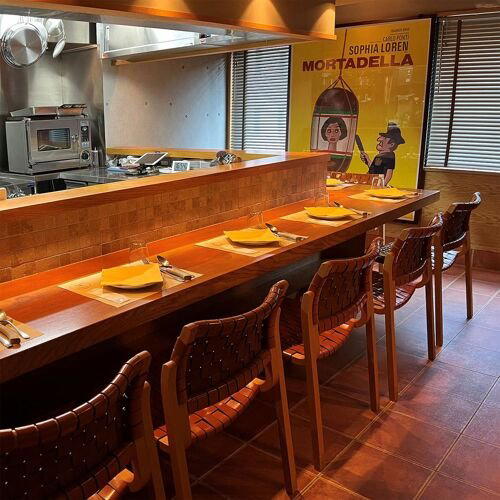
Motoazabu's Italian Counter, Rebuilt Around Kyushu Produce
Tokyo's Italian dining scene has, over the past decade, fractured into distinct tiers. At the upper end sit destination restaurants with multi-star recognition and global chef pedigrees: venues like Aroma Fresca and Gucci Osteria da Massimo Bottura Tokyo, which operate against an international competitive set. Below that, a smaller and more interesting cohort has emerged: Italian kitchens where the chef's relationship with Japanese producers defines the cooking more than imported tradition does. Piatto Mitsu is a restaurant in Tokyo's Motoazabu district, serving Contemporary Italian Omakase at a ¥¥¥ price tier. Its 2025 Michelin Plate recognition places it firmly within the acknowledged tier of Tokyo dining, priced at ¥¥¥ rather than the ¥¥¥¥ level commanded by PRISMA or Principio.
The Abalone Question: A Kitchen Built Around One Ingredient
In Italian cooking, a kitchen that centres its identity on a single ingredient is not unusual, think of the truffle houses of Piedmont or the bottarga-forward trattorias of Sardinia. What Piatto Mitsu does is apply that same logic to abalone, a shellfish that carries deep cultural weight in Japanese coastal cooking but rarely anchors an Italian menu. The kitchen offers it deep-fried, oven-baked, and worked into pasta. That three-way presentation of a single ingredient is a format choice as much as a culinary one: it asks the diner to compare textures and cooking methods rather than simply moving course to course. For a celebratory meal, that kind of structured comparison gives the table something to discuss beyond wine selection.
The sourcing runs through Kyushu, where Chef Mitsuaki Okamura built supplier relationships during his time operating his own place in Fukuoka. Those connections, to producers rather than to wholesalers, are what distinguish this kitchen from the broader Italian-in-Tokyo category, where imported pantry items and local supermarket produce often coexist without much editorial intent. Here, the Kyushu origin is the frame, not a footnote. For context on what similarly producer-focused Italian cooking looks like in Kyoto, cenci applies comparable logic with different regional materials.
Occasion Dining in the Azabu Register
Motoazabu is not Roppongi, and it is not Ginza. The neighbourhood has a quieter, residential density, foreign embassies, old-money Tokyo addresses, a dining scene that rewards knowing where to look rather than following foot traffic. A seventh-floor restaurant in this postcode signals a deliberate dining choice, not a walk-in decision. That character makes Piatto Mitsu well-suited to the kind of meal that needs a specific address: a birthday in a city the guest doesn't know well, a business dinner that wants warmth rather than formality, or a reunion that benefits from a room without the ambient noise of a packed izakaya or a hotel dining room.
The name itself carries some weight in that context. 'Piatto' is Italian for plate; 'Mitsu' is drawn from Mitsuaki Okamura's name. The compound reads, in the chef's own framing, as 'Mitsu's plates', a statement of personal ownership that sits closer to the intimate counter model than to the corporate restaurant format. That intimacy is exactly what occasion dining benefits from: a room where the cooking has a clear authorial voice, and where the setting does not overwhelm what is on the plate. For a city with venues like AlCeppo operating in the Italian mid-tier, Piatto Mitsu's Kyushu-specific identity gives it a more particular angle.
Simple Presentation as a Deliberate Choice
Among Tokyo's Italian restaurants, there is a recurring tendency toward elaborate plating, architectural constructions that signal technical ambition before the first bite. The restaurant moves in the opposite direction. The kitchen's hometown dishes are all the more impressive for their simple presentation. In a city where visual complexity is often read as a proxy for quality, choosing restraint is an active editorial decision. The cooking at this kitchen asks to be assessed on flavour and sourcing rather than on visual spectacle. That is a harder case to make in the first minute of a meal, but it tends to produce more honest cooking, and more honest meals are often the ones that people remember for the right reasons.
For comparison, the Italian fine-dining tradition in Japan has produced some of Asia's most technically ambitious restaurants. 8½ Otto e Mezzo Bombana in Hong Kong represents the maximalist end of that spectrum. The restaurant sits at a different point on the axis, closer in spirit to the produce-led simplicity one finds in regional Italian cooking than to the chef-as-showman format that drives reservation demand at the summit of the market.
Where Piatto Mitsu Sits in the Tokyo Italian Scene
Tokyo's Italian category now spans an unusually wide range of formats and price points, from neighbourhood pasta counters to three-Michelin-star dining rooms. Within that range, the ¥¥¥ tier is where particularly interesting decisions are being made: chefs who have chosen not to chase the full tasting-menu model but who bring serious sourcing and technique to a more accessible format. That is consistent with a Motoazabu address and a menu built around a relatively specialist ingredient.
For broader Japan context, the produce-first approach the restaurant applies finds its nearest equivalents in other regional-sourcing-focused kitchens: Goh in Fukuoka, where Kyushu ingredients drive a different kind of precision, or akordu in Nara, which applies European technique to Yamato produce. The pattern, a chef with deep regional sourcing relationships applying non-Japanese culinary grammar to local materials, is one of the more productive templates in Japanese fine dining at this moment.
Planning Your Visit: How Piatto Mitsu Compares
| Venue | Cuisine | Price | Recognition | Format Note |
|---|---|---|---|---|
| The restaurant | Italian (Kyushu-sourced) | ¥¥¥ | Michelin Plate 2025 | Abalone-focused, simple presentation |
| Principio | Italian | ¥¥¥¥ | Michelin-recognised | Higher price point, tasting format |
| Aroma Fresca | Italian | ¥¥¥¥ | Michelin-starred | Established destination dining |
| AlCeppo | Italian | ¥¥¥ | Michelin-recognised | Mid-tier Italian, Tokyo |
The restaurant is located at 1 Chome-7-12 Motoazabu, Minato City, Tokyo, seventh floor, Galle Motoazabu. Booking ahead is advisable given the specialist format and reservation policy. For regional Italian-meets-Japan cooking across the country, HAJIME in Osaka, Gion Sasaki in Kyoto, and 1000 in Yokohama round out a comparative picture of how Japanese kitchens are working European influences at the fine-dining tier. For Okinawan perspectives on ingredient-first cooking, 6 in Okinawa is instructive.
- Abalone confit
- Sea urchin risotto
- Abalone risotto
- Miyazaki beef
- Milk gelato
- Firefly squid pasta
Peers Worth Knowing
Comparable venues nearby, for context on price, style, and recognition.
| Venue | Cuisine | Price | Notes |
|---|---|---|---|
| Piatto MitsuThis venue — the venue you are viewing | Contemporary Italian Omakase | $$$ | Not listed |
| RISTORANTE Al Porto | Seasonal Italian Seafood Pasta | $$$ | Minato |
| L'ALCHIMIA ASTRATTA | Modern Italian-Japanese Fusion | $$$ | Setagaya |
| nerisa | Authentic Piemontese Italian | $$$ | Shinagawa |
| scaglia | Italian Seafood | $$$ | Shinjuku |
| PONTE DEL PIATTO | Modern Italian | $$$ | Shibuya |
Recognition history
Dated appearances from independent guides and award organizations, with the underlying list record or original source where available.
Michelin Plate
Michelin
Michelin Plate
Michelin
Michelin Plate
Michelin








At a Glance
- Intimate
- Cozy
- Elegant
- Sophisticated
- Date Night
- Business Dinner
- Special Occasion
- Chefs Counter
- Open Kitchen
- Extensive Wine List
- Sommelier Led
- Local Sourcing
Current opening hours
- Monday
- Closed
- Tuesday
- 6–9:30 PM
- Wednesday
- 6–9:30 PM
- Thursday
- 6–9:30 PM
- Friday
- 6–9:30 PM
- Saturday
- 6–9:30 PM
- Sunday
- 6–9 PM
Hours can change for holidays and private events. Last verified .
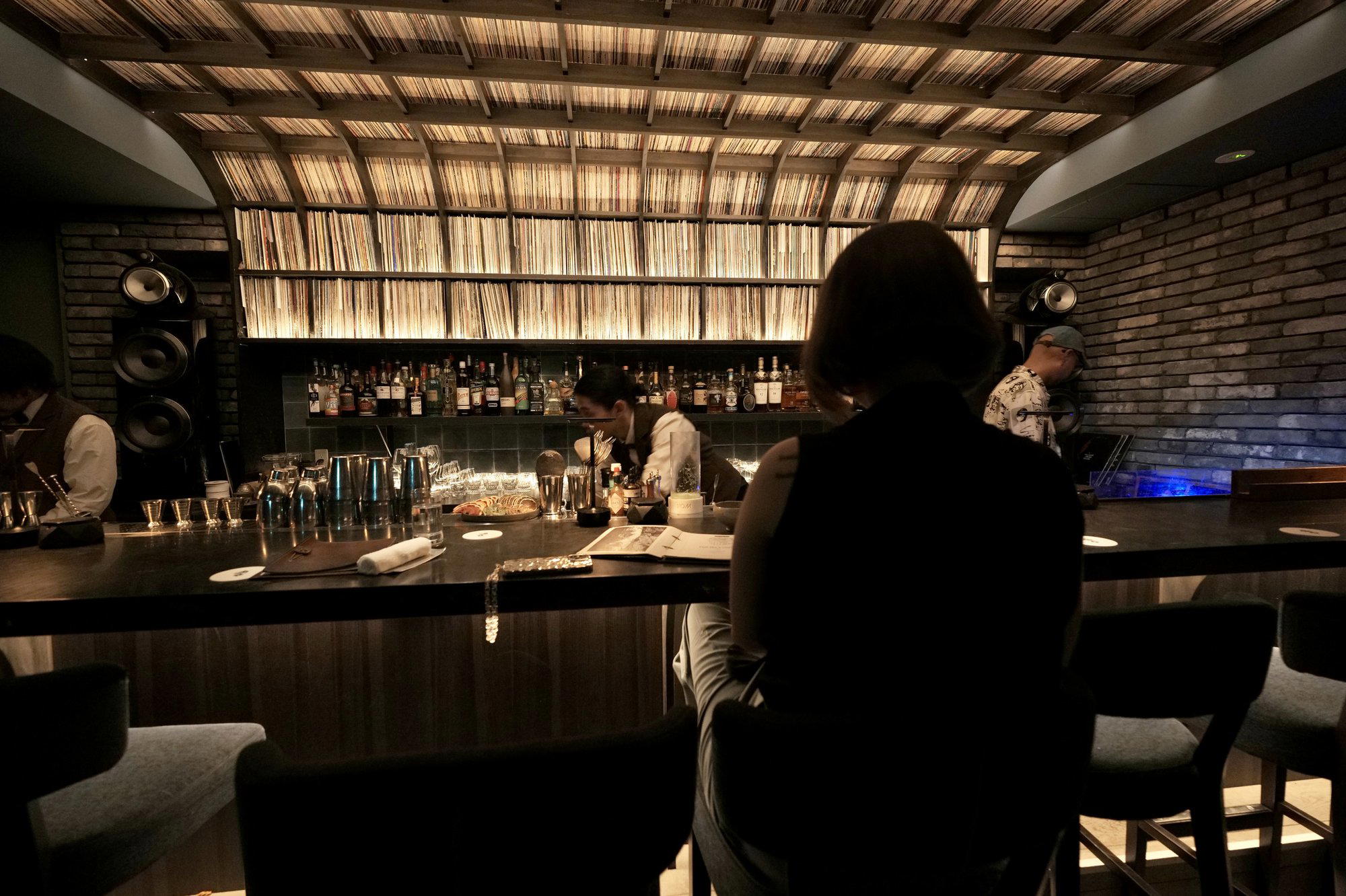
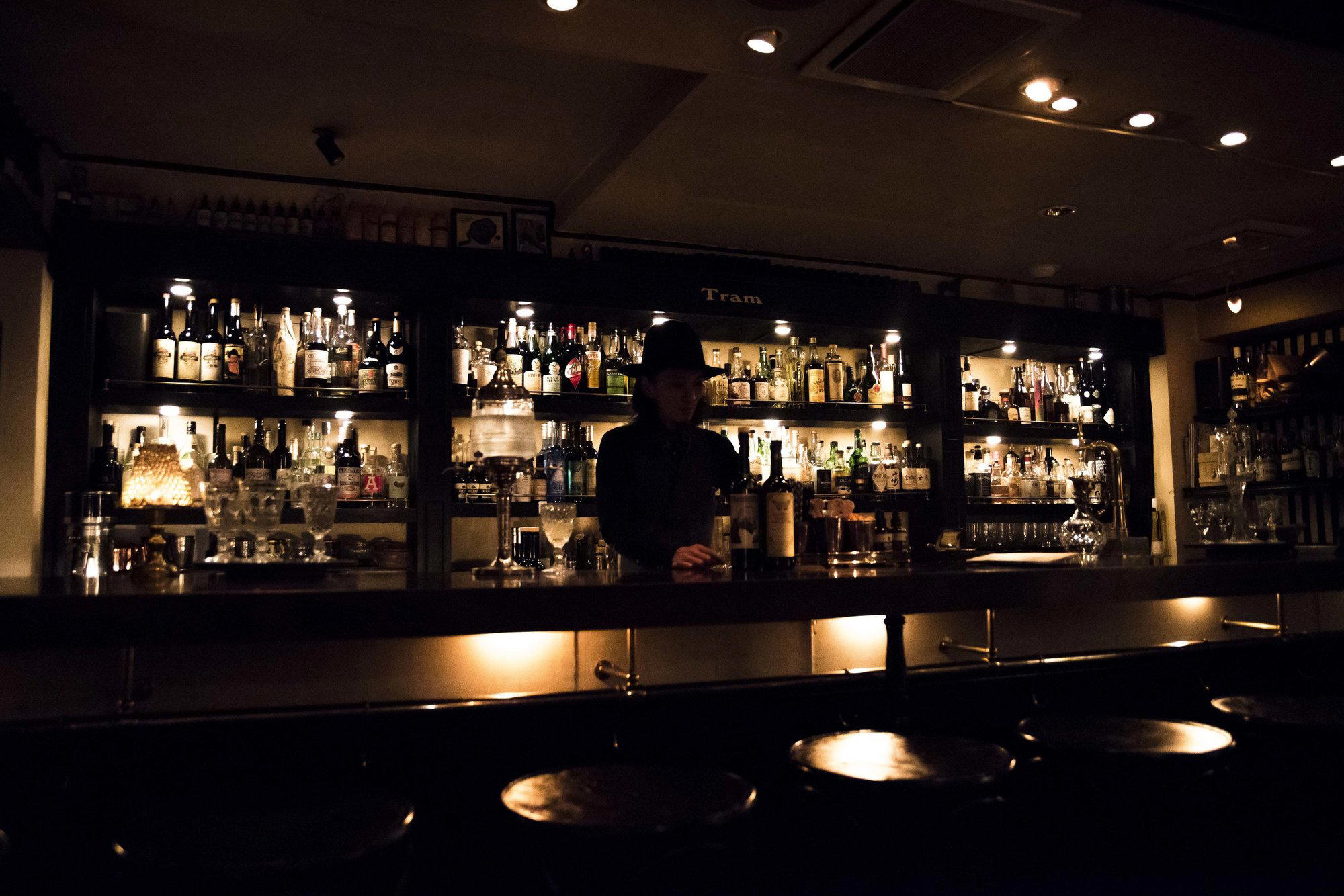
Bright, casual, and pleasant atmosphere with an open kitchen facing an L-shaped counter; intimate counter seating for 8 with a relaxed yet refined dining experience.