
Michelin Plate
Our verdict
A Nishiazabu institution since the 1960s, RISTORANTE Al Porto has shaped how Tokyo understands Italian cooking through a seafood-forward kitchen led by Mamoru Kataoka and his son. Its signature clam-and-shrimp seafood ragù pasta has become a reference point in the city's Italian dining conversation.

Pearl is the En Primeur Club membership app, where members save venues, book tables and use the concierge.
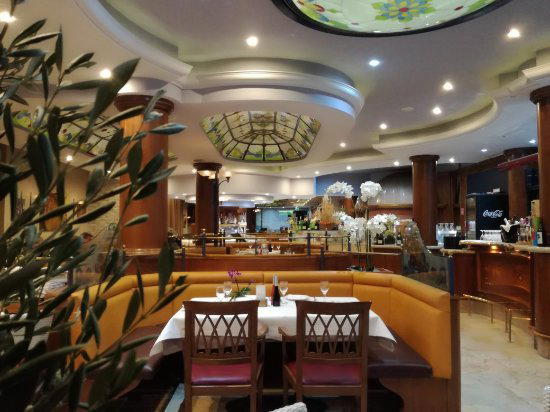
The menu
What to order
- Seafood ragù pasta
- Squid ink pasta with sea urchin
Nishiazabu and the Long Arc of Italian Cooking in Tokyo
Tokyo's Italian restaurant scene carries more historical weight than outsiders often expect. The city has been engaging seriously with Italian cuisine since the postwar decades, and by the 1980s and 1990s that engagement had produced a tier of restaurants with genuine depth, places that had absorbed Italian technique over years, developed their own sourcing relationships, and earned the kind of repeat clientele that sustains a kitchen across generations. Nishiazabu, a neighbourhood that sits between the commercial intensity of Roppongi and the quieter residential tone of Hiroo, became one of the natural addresses for that tier. Its basement and low-rise dining rooms have housed some of Tokyo's most serious European kitchens for decades, the kind of spaces that prioritise what arrives at the table over what the dining room signals on arrival.
RISTORANTE Al Porto belongs to that longer story. Mamoru Kataoka is credited in the restaurant's own record as a pioneer who broadened the appeal of Italian gastronomy in Japan, and his trajectory traces back to a visit to Milan in the 1960s, when seafood restaurants there made a lasting impression. That origin matters less as biography than as context: it places Al Porto in the generation of Japanese-Italian cooking that developed from direct contact with Italian regional traditions rather than from secondary influence, and it explains why the kitchen's orientation has remained coastal and product-focused rather than drifting toward the fusion-inflected interpretations that arrived later.
What the Address Tells You
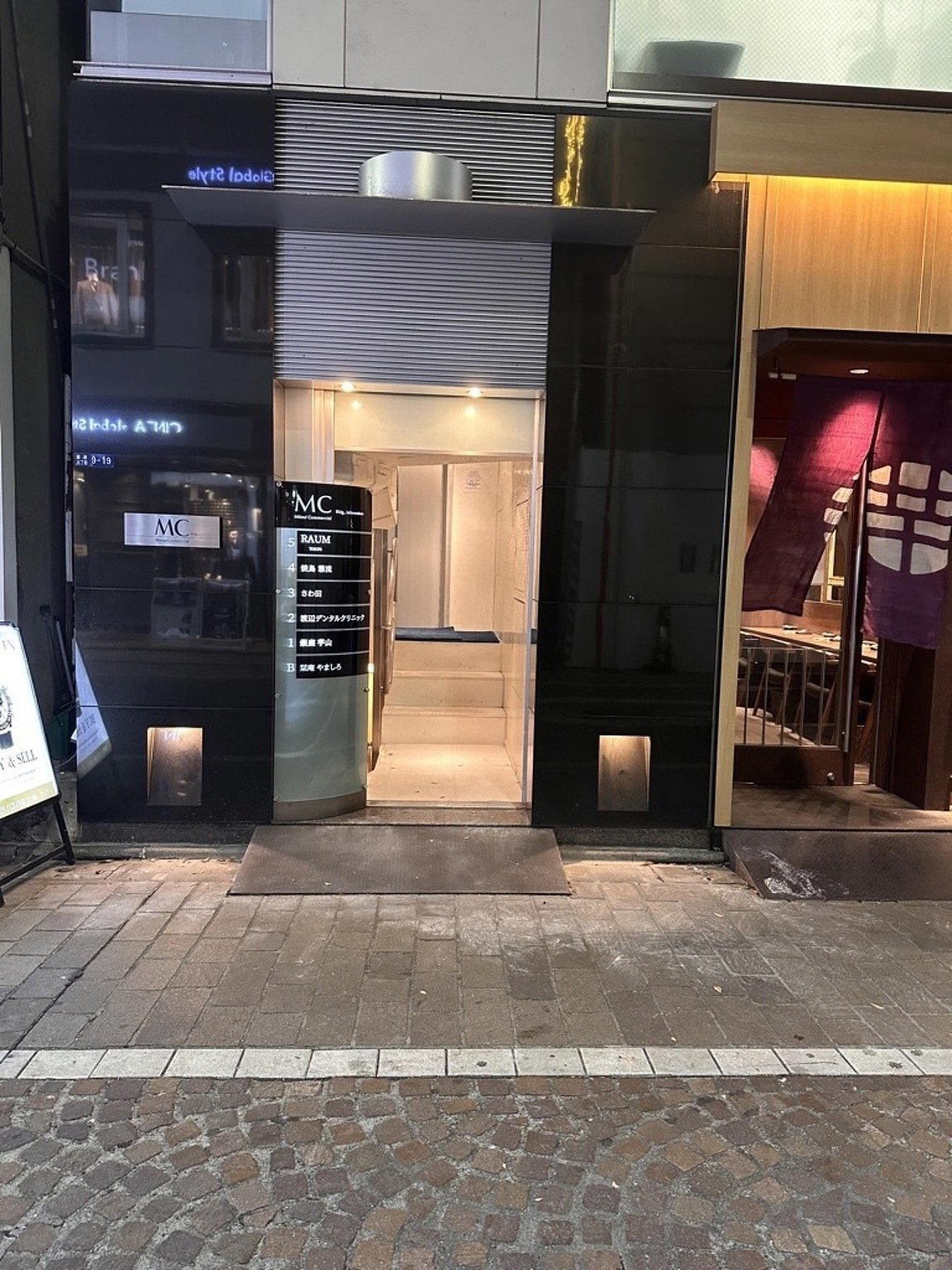
The Nishiazabu location, specifically the basement level of a building on the 3-chome stretch, is a useful calibration for what kind of restaurant this is. In Tokyo, basement dining rooms in low-profile Minato addresses tend to indicate a particular set of priorities: the restaurant is not paying for a high-visibility corner, it is not spending its budget on a skyline view, and it expects guests to seek it out rather than stumble upon it. That expectation is usually met by a customer base that already knows what it is looking for. For Italian cooking in this part of the city, the comparison set includes places like Aroma Fresca and Principio, both of which operate in the same tier of considered Italian cooking in Tokyo. AlCeppo also sits within this peer group, as does PRISMA, whose more contemporary register contrasts with Al Porto's longer institutional lineage. At the far end of the visibility spectrum, Gucci Osteria da Massimo Bottura Tokyo operates with a very different set of signals, international brand presence, theatrical positioning, which clarifies by contrast what Al Porto is not attempting.
The Seafood Ragù as a Reference Point
The kitchen's signature is a seafood ragù pasta built around clams and shrimp, described in the venue's record as prepared with substantial quantities of both. In the context of Italian cooking in Japan, this dish operates as more than a menu item. It is a statement about where the kitchen's attention sits: on coastal Italian traditions, on shellfish handled with the precision that Japanese produce culture demands, and on pasta as a carrier for concentrated oceanic flavour rather than as a neutral base. Clam-forward pasta has a long history in Italian coastal cooking, particularly in Campanian and Ligurian traditions, and Tokyo's Italian kitchens have long competed on their ability to source shellfish of comparable quality to what a good trattoria in Viareggio or Naples might use. Al Porto's version, developed and refined over decades, has become a reference point against which newer kitchens in the city are sometimes measured.
For context on how Italian cooking has evolved across Japanese cities, cenci in Kyoto offers an instructive comparison: a younger, more contemporary Italian operation that reflects how the post-Al Porto generation has absorbed and reinterpreted those original influences. The difference in approach between the two illustrates how far Italian cooking in Japan has travelled from its foundational figures.
Michelin Recognition and Where It Places the Restaurant
Al Porto holds a Michelin Plate in both 2024 and 2025, which in the Tokyo Michelin framework indicates a kitchen producing food of consistent quality without the full star designation. The Michelin Plate tier in Tokyo is not a consolation category; the city's restaurant density means that consistent Plate recognition in a competitive neighbourhood like Nishiazabu reflects sustained kitchen discipline over time.
The price range at ¥¥¥ positions Al Porto in the middle-upper tier of Tokyo dining, above the casual Italian neighbourhood restaurant but below the ¥¥¥¥ ceiling where Tokyo's tasting-menu-only operations cluster. For comparison, venues like RyuGin and L'Effervescence operate at ¥¥¥¥, as does Harutaka. Al Porto's ¥¥¥ positioning suggests a restaurant that remains accessible to a wider range of occasions than the top-tier tasting menu format, which is consistent with a room where father and son are noted to circulate among tables and attend to service directly.
The Room and How It Works
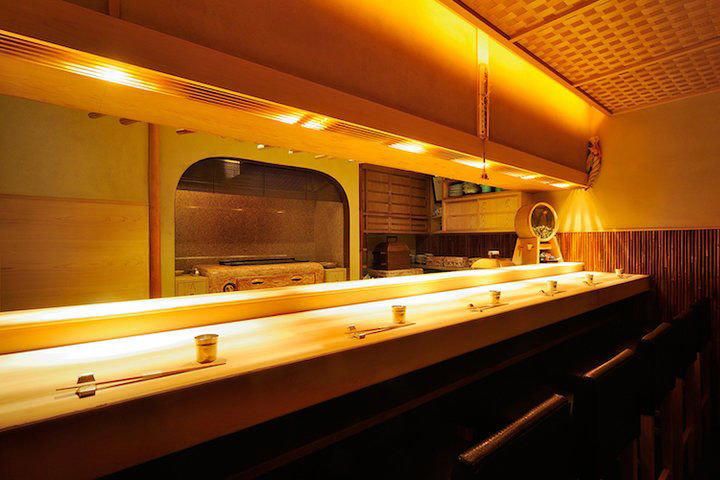
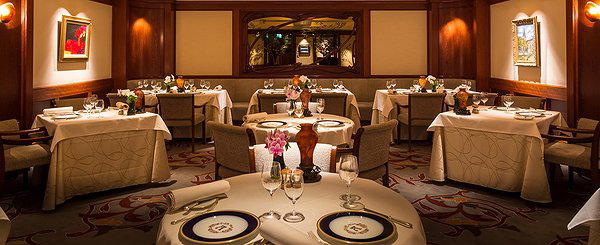
The involvement of Mamoru Kataoka's son in the kitchen and dining room is a structural detail worth noting, not as a family story but as an operational signal. Restaurants where a founder's successor is already embedded tend to manage continuity differently from those facing an unresolved succession question. In Tokyo's Italian restaurant scene, where several of the foundational houses of the 1980s and 1990s have faced this question with varying results, the presence of an active next generation at Al Porto suggests the kitchen's knowledge base and service approach will be maintained rather than reset. The practice of circulating among guests, described as a consistent hospitality value at Al Porto, aligns with a northern Italian dining culture in which the host's presence in the room is understood as part of the meal's value, not an optional extra.
Tokyo's Italian dining conversation extends well beyond the capital. If you are building a broader itinerary, HAJIME in Osaka, Gion Sasaki in Kyoto, akordu in Nara, Goh in Fukuoka, 1000 in Yokohama, and 6 in Okinawa each represent the range of serious cooking across Japan. For Italian cooking in the broader region, 8½ Otto e Mezzo Bombana in Hong Kong provides the clearest peer comparison outside Japan. Our full Tokyo restaurants guide maps the city's dining in greater depth, alongside our guides to Tokyo hotels, bars, wineries, and experiences.
Planning Your Visit
Address: Ueda Building B1F, 3-24-9 Nishiazabu, Minato-ku, Tokyo. Budget: ¥¥¥, mid-upper tier for Tokyo Italian. Awards: Michelin Plate 2024 and 2025. Ratings:Reservations: Getting there: Nishiazabu is most accessible from Hiroo or Roppongi stations depending on your line; the Roppongi exit is a short walk for most Minato approaches.
What Should I Order at RISTORANTE Al Porto?
The seafood ragù pasta is the clearest anchor on the menu: a preparation of clams and shrimp that has defined the kitchen's identity across decades and functions as the dish most directly connected to Mamoru Kataoka's original interest in Italian coastal cooking. Given the kitchen's documented seafood orientation, rooted in the impression that Italian seafood restaurants made on Kataoka during his time in Milan in the 1960s, any shellfish or seafood preparation on the menu will reflect the kitchen's deepest focus. Kataoka manages the kitchen alongside his son, and the continuity that implies means the kitchen's seafood knowledge has been accumulated and refined over a span that few Italian restaurants in Tokyo can match. The Michelin Plate recognition across consecutive years (2024 and 2025) suggests the kitchen's output remains consistent, which matters in a restaurant of this age: the signature dishes are not coasting on historical reputation but are being held to current standard.
Frequently asked questions
What awards or recognition does RISTORANTE Al Porto have?
RISTORANTE Al Porto has received recognition including: Mamoru Kataoka is a pioneer who has broadened the appeal of Italian gastronomy in Japan. His passion for seafood stems was inspired by the seafood restaurants he encountered on a visit to Milan in the 1960s. Al Porto’s famous pasta is a sea….
What should I order at RISTORANTE Al Porto?
The seafood ragù pasta is the kitchen's clearest reference point: a preparation built around clams and shrimp that has defined Al Porto's identity across its decades in Nishiazabu. Mamoru Kataoka's connection to this dish traces back to seafood restaurants he encountered in Milan in the 1960s, which gives it historical grounding beyond a menu item. For a ¥¥¥-tier Tokyo Italian, it functions as both the signature and the reason to visit.
| Venue | Cuisine | Price | Awards | Notes |
|---|---|---|---|---|
| RISTORANTE Al PortoThis venue (the venue you are viewing) | Seasonal Italian Seafood Pasta | $50–100 | Michelin Plate | Not listed |
| Harutaka | Edo-Style Omakase Sushi | $200–300 | 3 Michelin Stars · World's 50 Best #76 | Sushi |
| RyuGin | Modern Kaiseki | $500+ | 3 Michelin Stars · World's 50 Best #41 | Kaiseki, Japanese |
| L'Effervescence | Modern French with Japanese Influences | $200–300 | 3 Michelin Stars · World's 50 Best #69 | French |
| HOMMAGE | Modern French with Japanese Influences | $150–200 | 2 Michelin Stars · World's 50 Best #78 | Innovtive French, French |
| MAZ | Innovative Peruvian-Japanese Fusion | $150–200 | 2 Michelin Stars · World's 50 Best #28 | Innovative |
Recognition history
Dated appearances from independent guides and award organizations, with the underlying list record or original source where available.
Michelin Plate
Michelin
Full recognition history (3 entries)
Michelin Plate
Michelin
Michelin Plate
Michelin
Continue exploring
More in Tokyo
Restaurants in Tokyo
All restaurants in Tokyo →







Details
- Elegant
- Classic
- Intimate
- Sophisticated
- Business Dinner
- Special Occasion
- Family
- Date Night
- Private Dining
- Sake Program
- A La Carte
- Prix Fixe
- Wine
- Allergy Accommodating
Current opening hours
- Monday
- Closed
- Tuesday
- 11:30 AM–3 PM, 5:30–10 PM
- Wednesday
- 11:30 AM–3 PM, 5:30–10 PM
- Thursday
- 11:30 AM–3 PM, 5:30–10 PM
- Friday
- 11:30 AM–3 PM, 5:30–10 PM
- Saturday
- 11:30 AM–3 PM, 5:30–10 PM
- Sunday
- 11:30 AM–3 PM, 5:30–10 PM
Hours can change for holidays and private events. Hours as of .
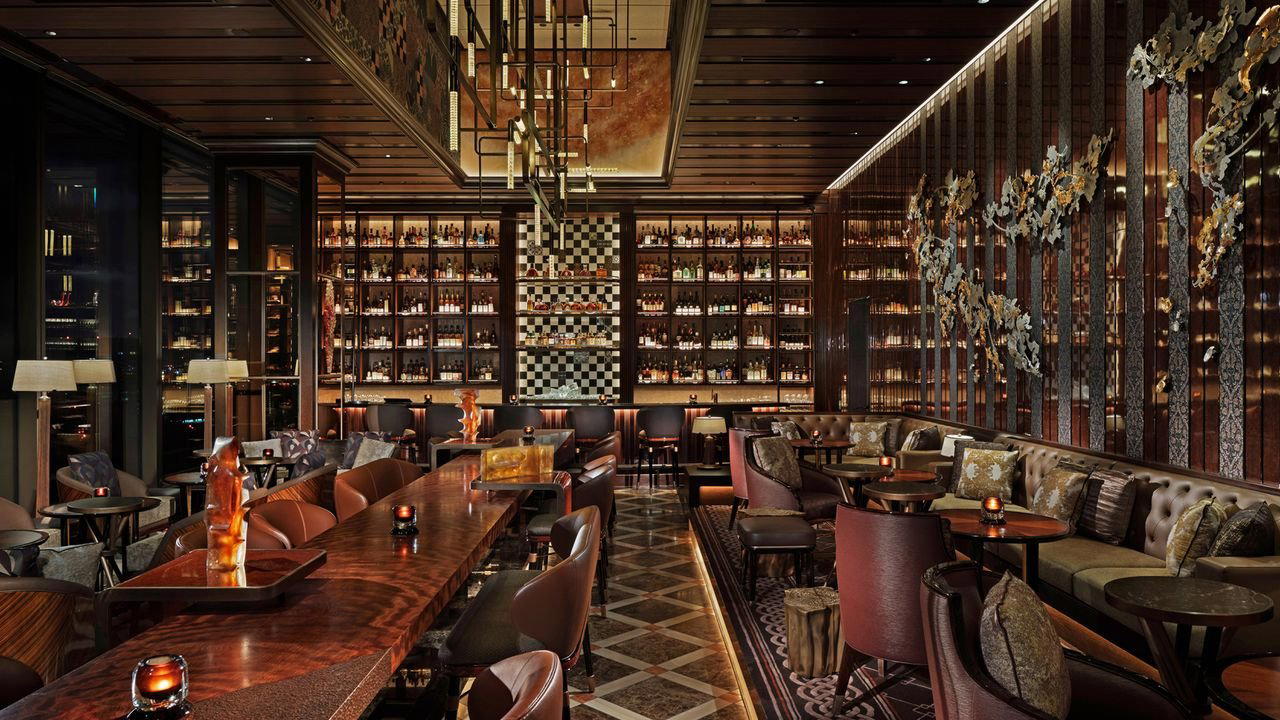
Calm warm relaxing atmosphere with relaxing space and sofa seating.