
Bar TRAM operates from a second-floor address in Ebisu-Nishi, Shibuya, occupying the quieter western fringe of one of Tokyo's most bar-dense neighbourhoods. The bar sits within Japan's precision-driven cocktail tradition, where technique and ingredient sourcing function as the primary creative language. For travellers moving through Tokyo's serious drinking circuit, it earns consistent attention from those who follow the city's craft bar scene closely.
Pearl is the En Primeur Club membership app — saves, bookings, and concierge access live there. Same editors, same standards.
- Address
- 〒150-0021 Tokyo, Shibuya, Ebisunishi, 1-chōme−7−13 スイングビル 2F
- Phone
- +81 3-5489-5514
- Website
- small-axe.net
- Directions
- Get directions
 Saves & bookings on Pearl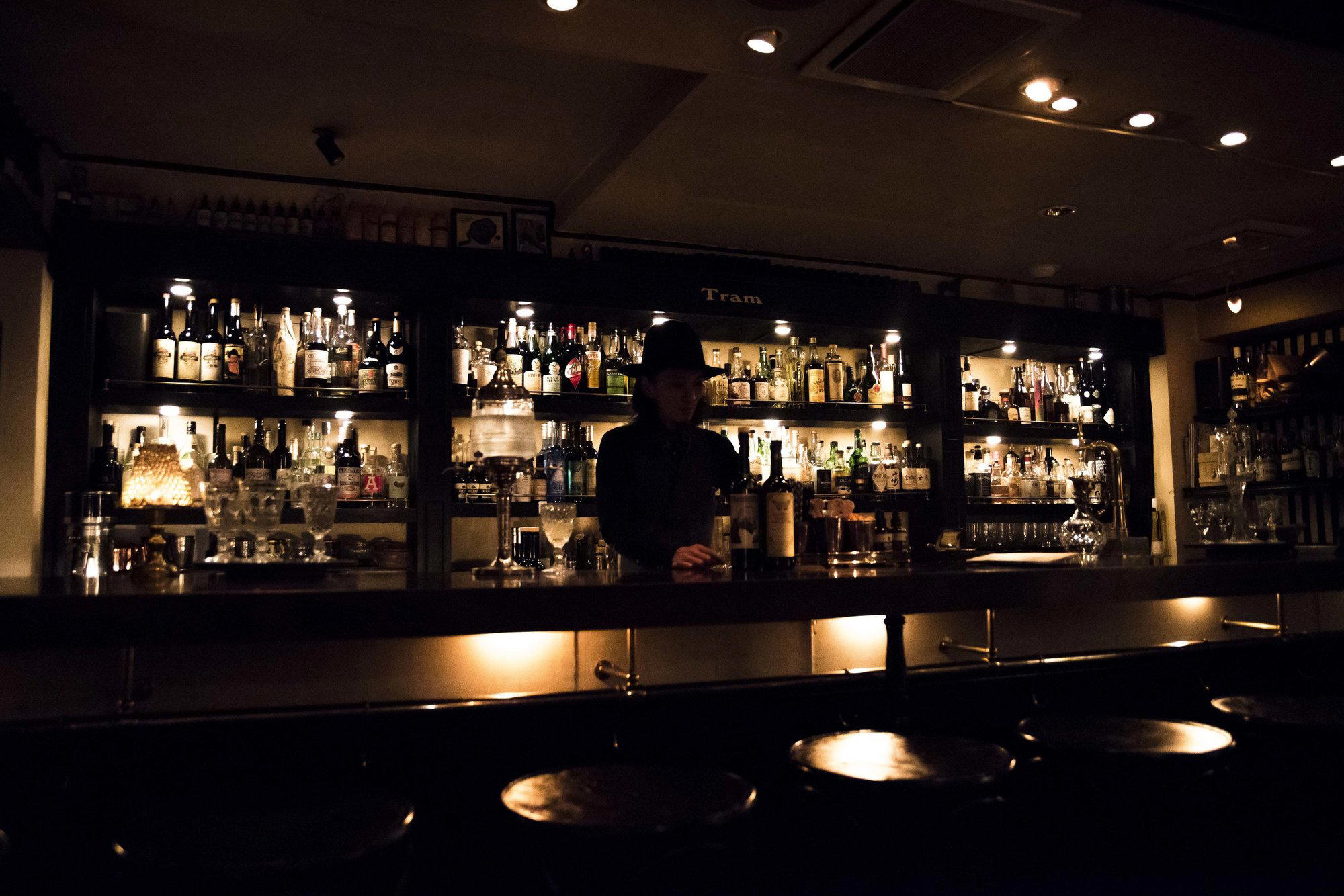
Ebisu-Nishi and the Geography of Tokyo's Serious Bar Scene
Tokyo's cocktail culture does not cluster in a single postcode. Ginza anchors the old-guard whisky and mizuwari tradition through bars like Bar High Five and Bar Orchard Ginza. Shinjuku's Kabukicho fringe has produced some of the city's most technically ambitious programmes, with Bar Benfiddich setting a benchmark for herb-forward, ingredient-obsessive bartending. Ebisu and its immediate surrounds represent a quieter third axis: residential enough to attract a neighbourhood regular, close enough to Shibuya to draw the after-dinner crowd from the city's broader restaurant belt.
Bar TRAM sits on the second floor of Swing Building in Ebisunishi 1-chome, a low-rise pocket west of Ebisu Station where drinking establishments tend toward the considered rather than the conspicuous. The walk up from street level to a second-floor bar is itself a signal in Tokyo: these are not places designed to catch passing foot traffic. They assume the visitor already knows where they are going.
The Cocktail Tradition This Bar Belongs To
Japan's bar culture split decades ago into two legible streams. One traces back to the tea ceremony-influenced precision of the old Tokyo bartender guilds: meticulous dilution, the hard shake, the emphasis on hospitality as a choreographed art form. The other, more recent, reflects a generation trained abroad or on Japanese produce, interested in fermentation, house-made bitters, and seasonal ingredient sourcing. The gap between these two schools is narrowing, with many of the city's better bars now operating in the overlap.
Bars in Ebisu's orbit tend to favour the quieter technical register over spectacle. This is not the format where theatrical smoke or projection-mapped ice defines the experience. The statement is made through what arrives in the glass and through the tempo of service, which in the leading Tokyo bars carries the same calibrated attention as a kaiseki progression. Bar Libre operates on a comparable wavelength in the city's broader geography of intimate, craft-focused rooms.
What to Expect Inside
Second-floor bars in this part of Shibuya typically run small: counter seating of eight to fifteen seats is the norm, and the physical proximity between bartender and guest is structural rather than incidental. It creates the condition under which genuine conversation about what you are drinking becomes possible, and where a bartender's recommendations carry more weight than a printed menu. This format has defined the prestige end of Tokyo cocktail service for long enough that it now reads as the default serious-bar layout across Japan, from Bar Nayuta in Osaka to Lamp Bar in Nara.
Arrival matters in these spaces. The second-floor address, the absence of a lit sign visible from street level in many cases, the moment of sitting at the counter and orienting yourself to the back bar: this is part of what distinguishes the format from hotel lobbies or high-volume cocktail concepts. Visitors arriving from other cities in Japan should find Bar TRAM on the same continuum as the rooms they already know. For international travellers, it is worth understanding that the formality here is not stiffness but precision, and that requests for guidance on what to drink are welcomed rather than treated as intrusions.
How Bar TRAM Sits in Tokyo's Competitive Set
Tokyo's serious bar scene now runs deep enough to support meaningful differentiation by neighbourhood, price tier, and programme emphasis. Ginza's bars operate against the weight of that district's legacy: appointments, jacket expectations, and pricing that benchmarks against hospitality in five-star hotels nearby. Ebisu offers no such inherited frame. A bar here earns its reputation through the programme itself and through word of mouth in a city where the leading drinking venues have always circulated first among locals and the well-travelled before reaching broader notice.
For context, the bars that have built the strongest reputations in Japan's secondary cities often share Ebisu's register: quieter rooms, deep programmes, and an assumption that the guest has done some homework. Bee's Knees in Kyoto and Yakoboku in Kumamoto operate within this same aesthetic economy. The comparison is useful because it clarifies what Bar TRAM is not: it is not a destination bar marketing itself to the international press circuit. It operates closer to the local knowledge tier, which in Tokyo is often where the most interesting drinking happens.
Internationally, the closest analogues are bars like Bar Leather Apron in Honolulu, which has carried Japanese bar discipline into a Pacific context, or the Osaka scene anchored by spots like anchovy butter in Osaka Shi and the broader repertoire covered across Kyoto Tower Sando's neighbourhood. The thread connecting all of them is a preference for restraint over theatre, and for the relationship between bartender and guest as the organizing principle of the experience.
Planning Your Visit
Bar TRAM's address places it within a short walk of Ebisu Station on the JR Yamanote Line, making it straightforwardly accessible from most central Tokyo neighbourhoods. The second-floor location in Swing Building means the entrance requires some attention; arriving during daylight makes orientation easier for a first visit. As with most serious bars in this format, arriving on time for any reservation and treating the counter as a conversation rather than a transaction will serve you well. For the broader Tokyo drinking and dining picture, the full Tokyo guide maps the city's neighbourhood-by-neighbourhood character in more detail.
Fast Comparison
| Venue | Cuisine |
|---|---|
| Bar TRAMThis venue — the venue you are viewing | This venue |
| Bar Benfiddich | World's 50 Best |
| Bulgari Ginza Bar | World's 50 Best |
| Star Bar Ginza | World's 50 Best |
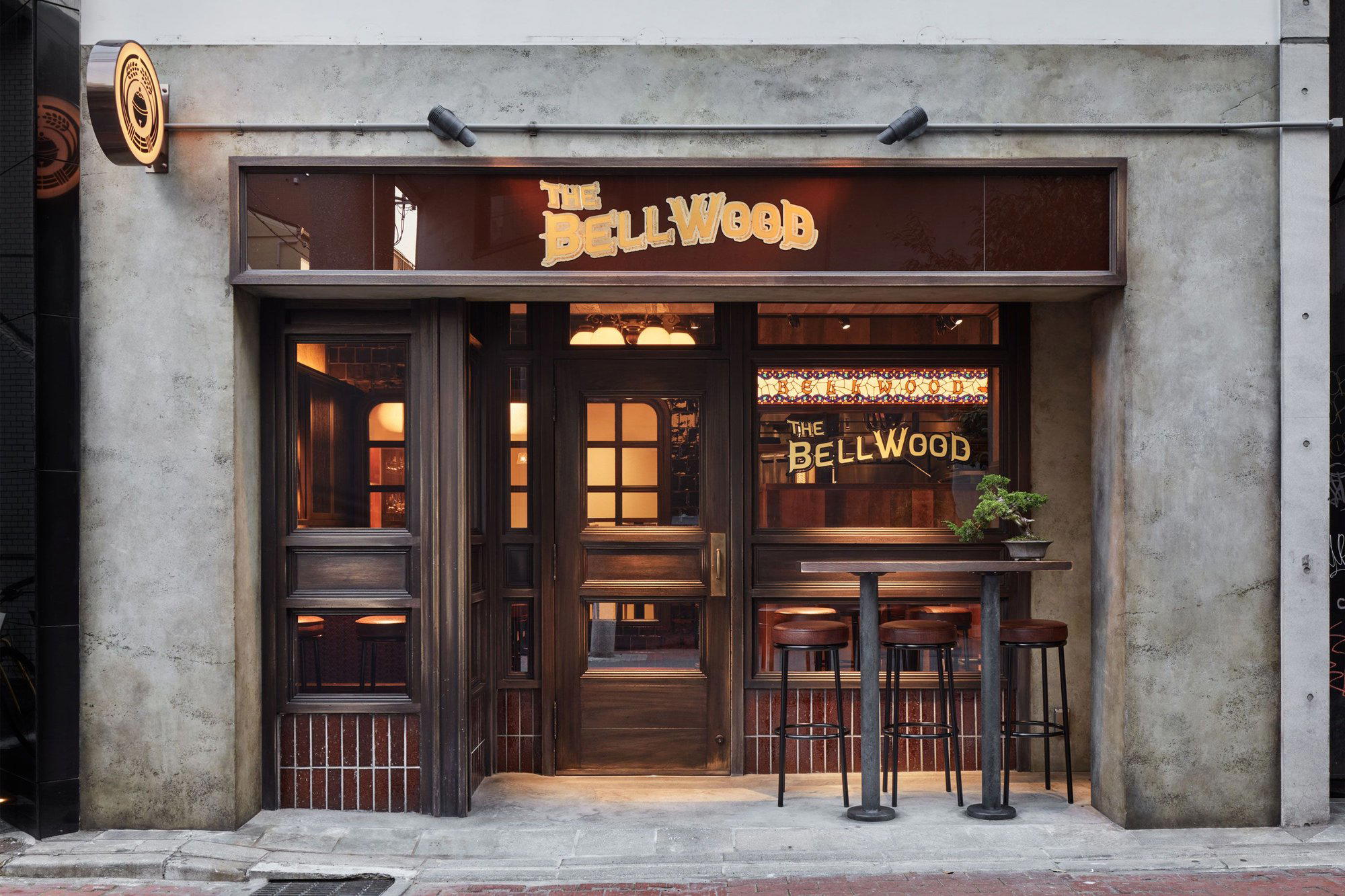
| The Bellwood | World's 50 Best |
Recognition history
Dated appearances from independent guides and award organizations, with the underlying list record or original source where available.
Tabelog 100 #22 · No. 22
Tabelog · Tabelog 100 - Cafe - EAST - 2025











At a Glance
- Intimate
- Cozy
- Trendy
- Sophisticated
- Date Night
- Late Night
- Solo
- Speakeasy
- Design Destination
- Counter Only
- Seated Bar
- Craft Cocktails
- Classic Cocktails
- Whiskey
Dimly lit with red velvet, retro antiques, French-style interior, calm and chic Prohibition-era vibe.
Know Before You Go
- Getting there
- 〒150-0021 Tokyo, Shibuya, Ebisunishi, 1-chōme−7−13 スイングビル 2F