
A Michelin Plate-recognised Italian restaurant in Setagaya's Okusawa neighbourhood, L'Alchimia Astratta draws ingredients from trusted producers in Uwajima and Yachimata and shapes them into handmade pasta forms rooted in Emilia-Romagna tradition. The name, meaning 'the abstract alchemist', frames cooking as a practice of gratitude toward nature's materials. This is Italian technique applied with deliberate restraint, far from central Tokyo's high-visibility dining circuit.
Pearl is the En Primeur Club membership app — saves, bookings, and concierge access live there. Same editors, same standards.
- Address
- Japan, 〒158-0083 Tokyo, Setagaya City, Okusawa, 2 Chome−25−2 メゾンド緑が丘 1F
- Phone
- +81 3-5726-8717
- Website
- lalchimiaastratta.jp
- Directions
- Get directions
 Saves & bookings on Pearl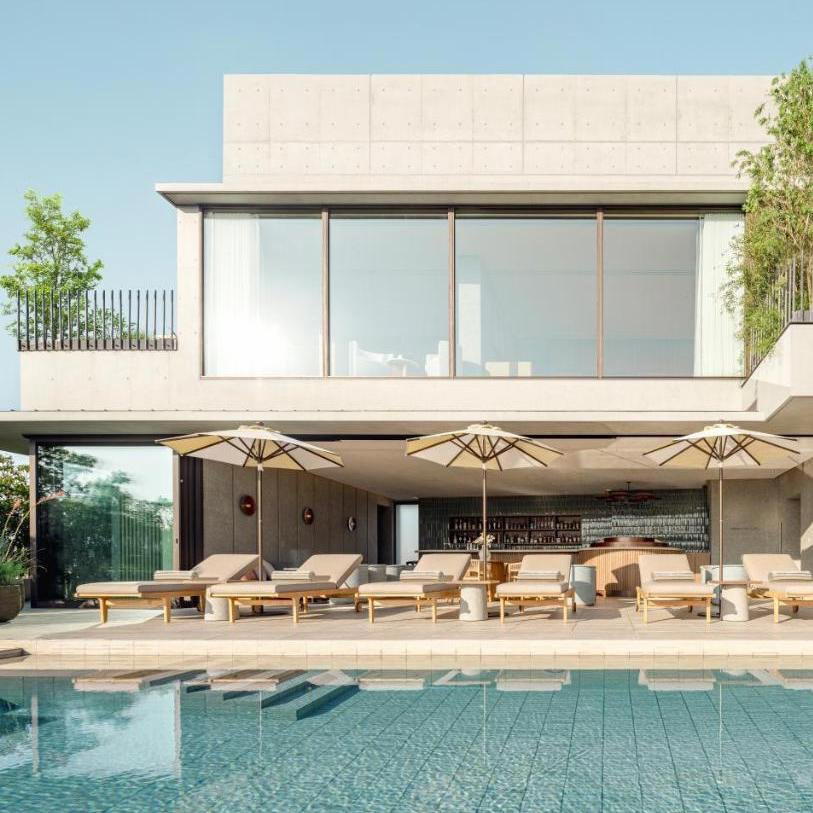
Italian Cooking at the Residential Margin
Tokyo's Italian dining scene has long concentrated in Minami-Aoyama, Nishi-Azabu, and the central wards where international money and Michelin attention cluster. Setagaya tells a different story. The ward's quieter residential pockets, including Okusawa, have accumulated a pattern of small, serious restaurants operating outside that central gravity, places where the audience is largely local and repeat, and where the absence of foot traffic forces the food to do the work of retention. L'Alchimia Astratta fits that pattern precisely. At the ¥¥¥ price tier, it occupies the space between neighbourhood trattorias and the city's more formal ¥¥¥¥ Italian operations like Aroma Fresca.
The Physical Container: A First-Floor Room in Okusawa
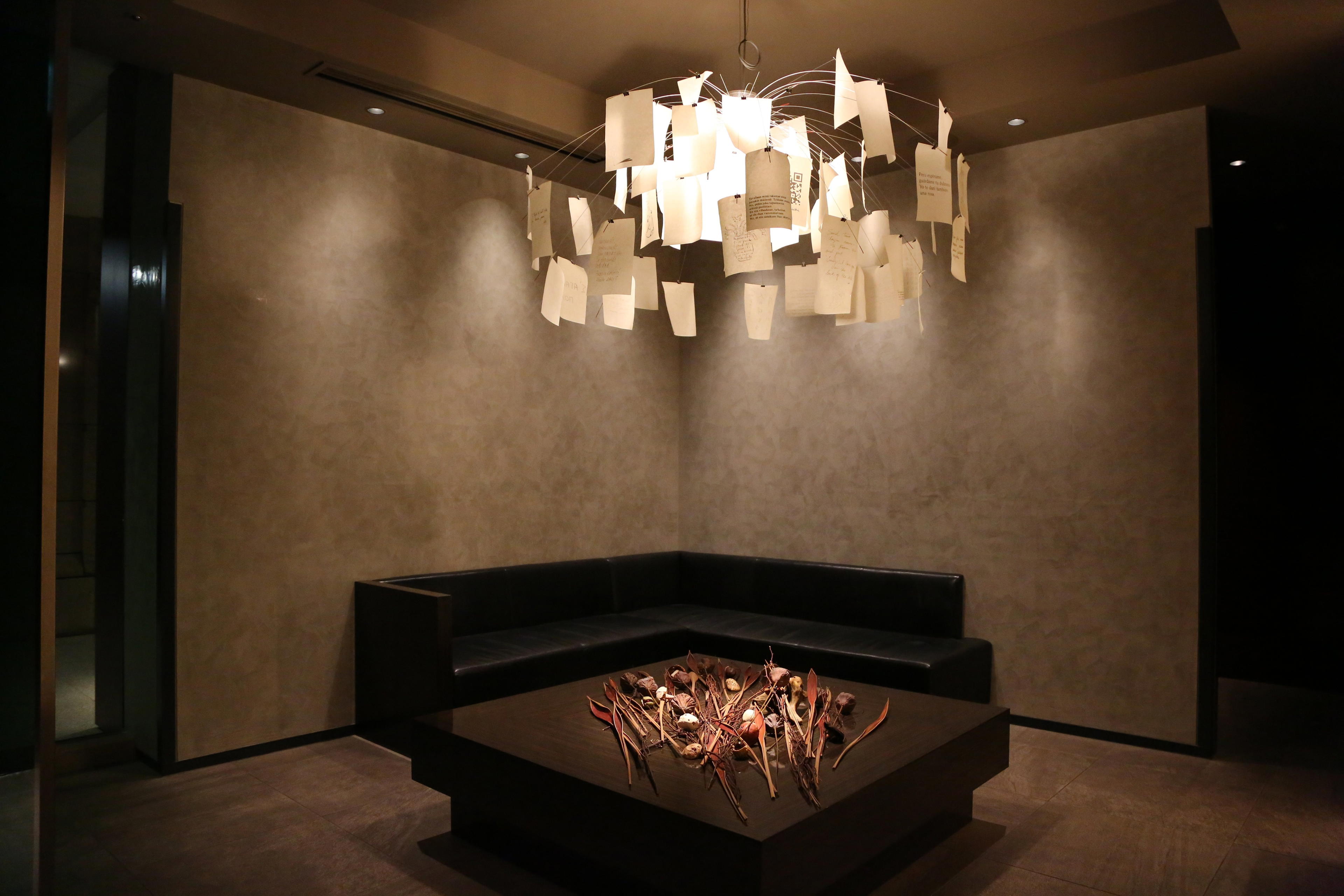
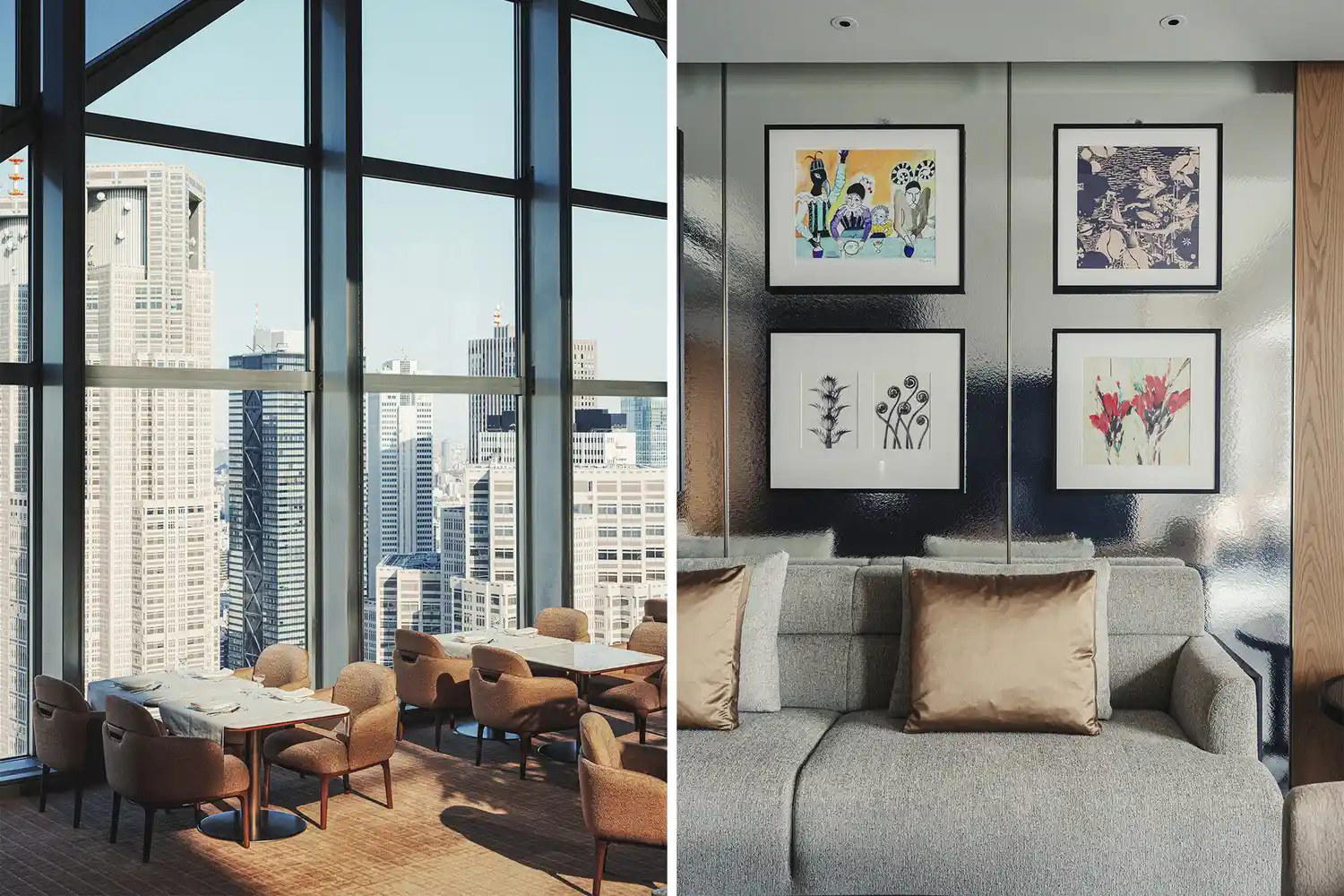
The address places the restaurant on the ground floor of a low-rise residential building in Okusawa 2-chome, a neighbourhood of tree-lined streets and single-family houses in Okusawa, Setagaya City. The exterior does nothing to announce itself, a format that, across Tokyo's smaller serious restaurants, functions less as false modesty and more as a filter. The room itself is consistent with this register: small, without theatrical lighting rigs or imported materials meant to signal European provenance. Italian dining in Tokyo at this level tends to reject replica interiors; the design language here aligns with that tendency, letting the proximity of the kitchen to the table carry the spatial argument rather than any decorative statement. In a city where tableside theatre is available in abundance, a plain room puts weight on what arrives in the bowl.
Ingredients as the Editorial Frame
The name L'Alchimia Astratta translates as 'the abstract alchemist', and the philosophy it encodes is specific: the four classical elements of fire, air, water, and earth read here as gratitude for working with natural produce, not as conceptual decoration. That framing matters because the sourcing practice is where the philosophy becomes operational. Seafood arrives from Uwajima in Ehime Prefecture, a bay town on the southwestern tip of Shikoku whose aquaculture reputation, particularly for sea bream and oysters farmed in some of Japan's cleanest tidal waters, has made it a preferred source for Italian-aligned kitchens in Tokyo that want ingredient purity without French intermediary prestige. Vegetables come from Yachimata in Chiba, an agricultural district within reach of Tokyo's wholesale system but positioned to supply chefs who deal directly with producers rather than through market intermediaries. Both sourcing choices reflect a wider pattern in Tokyo's mid-to-upper Italian tier: Italian technique applied to Japanese ingredient geography, with provenance functioning as the menu's first course of information.
Pasta as the Core Discipline
The chef's formative time in Emilia-Romagna gives the pasta program a specific lineage. Emilia-Romagna is the region that codifies what most of the world thinks of as Italian pasta tradition: tortellini, tagliatelle, lasagne, tortelli, the entire canon of egg-enriched sfoglia work. Within Tokyo's Italian restaurant comparable set, Emilia-Romagna training signals precision over improvisation, a preference for form integrity and texture fidelity over free-form fusion. The pasta shapes on record here, tortelli and tagliolini, are both technically demanding: tortelli requires consistent folding and seal pressure; tagliolini demands even sheeting and controlled cut width to hold under sauce without losing structure. These are not garnish pastas. They are central dishes that carry the full argument for the kitchen's competence. Comparing this to Principio or AlCeppo, which occupy similar or adjacent positions in Tokyo's Italian scene, the Emilia-Romagna orientation at L'Alchimia Astratta represents a distinct regional commitment rather than a general Italian posture.
Where It Sits in Tokyo's Italian Tier
Tokyo holds more Italian restaurants than any city outside Italy, and the Michelin guide's treatment of them has produced a stratified market. At the upper end, operations like Gucci Osteria da Massimo Bottura Tokyo and PRISMA operate with brand weight and high-profile kitchen credentials. The Michelin Plate tier, one step below star recognition, typically contains restaurants the guide has assessed as cooking with care and consistency, worthy of attention but not yet within the star conversation. For Italian restaurants at this tier, the competitive set is large: Tokyo's Michelin Plate Italian pool runs into dozens of entries. What distinguishes those that hold returning guests is usually a combination of sourcing specificity, technical focus in one area (in this case, fresh pasta), and a spatial intimacy that makes the meal feel directed rather than broadcast. The restaurant carries all three markers.
For a sense of how Italian cooking reads differently in other Japanese cities, cenci in Kyoto applies Italian technique against the seasonal precision of the Kansai calendar, while 8½ Otto e Mezzo Bombana in Hong Kong represents the Italian fine dining model transplanted into high-rise luxury. Within Japan's broader dining conversation, HAJIME in Osaka, Gion Sasaki in Kyoto, akordu in Nara, Goh in Fukuoka, 1000 in Yokohama, and 6 in Okinawa each illustrate how regional ingredients and cultural context shape European-influenced cooking across the archipelago. The comparison is useful: the restaurant operates with that same local-ingredient logic, filtered through a specifically Italian regional grammar.
Planning a Visit
Okusawa is accessible via the Tokyu Den-en-toshi Line to Midorigaoka Station or the Oimachi Line; the restaurant is a short walk from either stop. The ¥¥¥ pricing bracket suggests a dinner commitment in the mid-to-upper range for Tokyo's non-starred Italian tier, appropriate for a tasting-format meal anchored by handmade pasta courses. Reservations are advisable, as small rooms at this price point in Setagaya typically run at close to full capacity on weekend service.
Recognition, Side-by-Side
Comparable venues nearby, for context on price, style, and recognition.
| Venue | Cuisine | Price | Awards | Notes |
|---|---|---|---|---|
| L'ALCHIMIA ASTRATTAThis venue — the venue you are viewing | Modern Italian-Japanese Fusion | $$$ | Michelin Plate | Not listed |
| 400℃ PIZZA TOKYO | Tokyo-style Neapolitan Pizza | $$$ | Not listed | Shinjuku |
| PONTE DEL PIATTO | Modern Italian | $$$ | Michelin Plate | Shibuya |
| TRATTORIA SICILIANA Don Ciccio | Authentic Sicilian Trattoria | $$$ | Michelin Plate | Minato |
| BRAMASOLE | Authentic Italian Regional | $$$ | Bib Gourmand | Shibuya |
| Arva | Modern Italian with Japanese Influences | $$$$ | Michelin Plate | Chiyoda |
Recognition history
Dated appearances from independent guides and award organizations, with the underlying list record or original source where available.
Michelin Plate
Michelin
Michelin Plate
Michelin












At a Glance
- Intimate
- Elegant
- Sophisticated
- Date Night
- Special Occasion
- Chefs Counter
- Extensive Wine List
- Local Sourcing
Current opening hours
- Monday
- Closed
- Tuesday
- 6–11 PM
- Wednesday
- 11:45 AM–2:30 PM, 6–11 PM
- Thursday
- 11:45 AM–2:30 PM, 6–11 PM
- Friday
- 11:45 AM–2:30 PM, 6–11 PM
- Saturday
- 11:45 AM–2:30 PM, 6–11 PM
- Sunday
- 11:45 AM–2:30 PM, 6–11 PM
Hours can change for holidays and private events. Last verified .
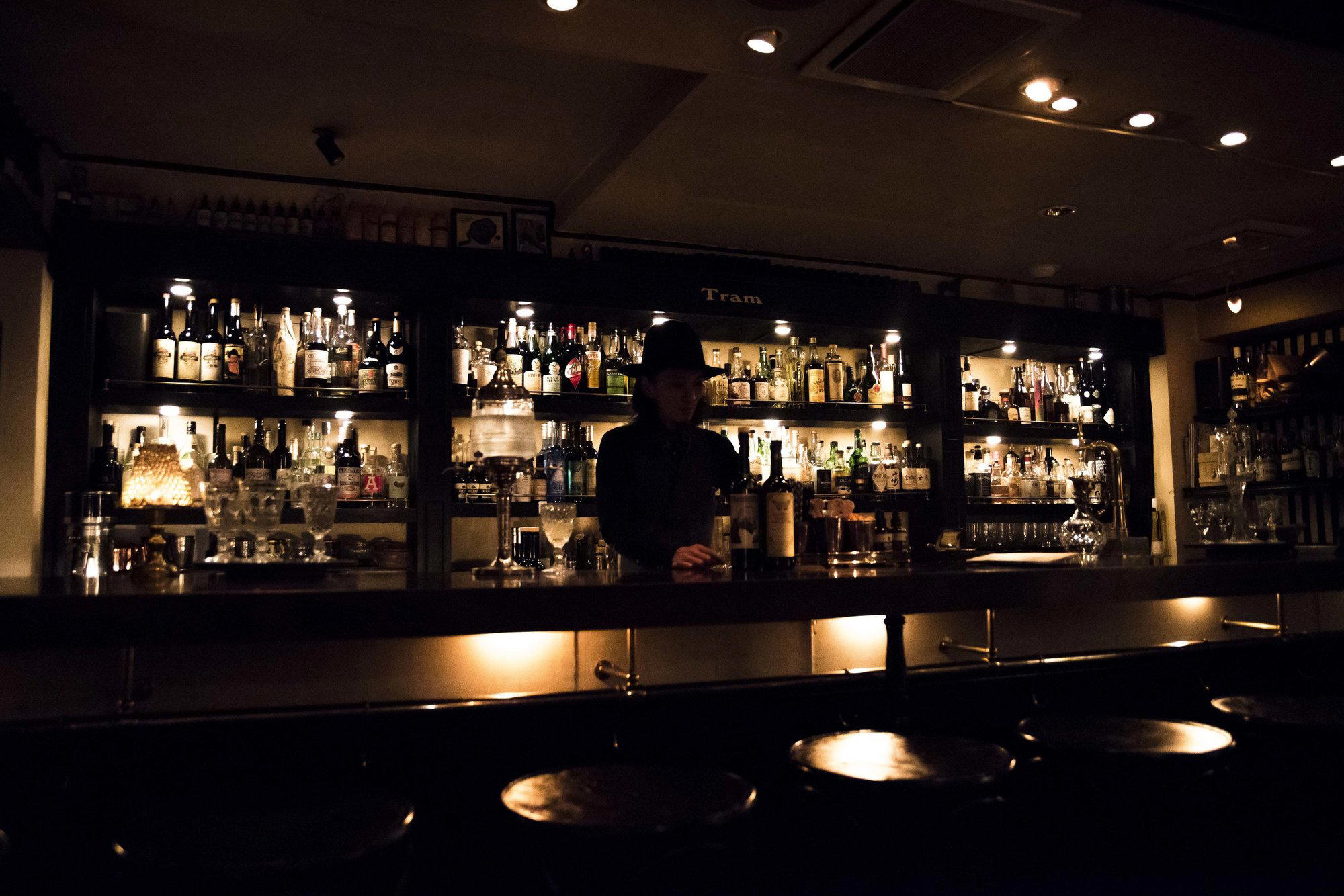
Intimate and nuanced atmosphere where elemental forces are transformed into contemporary culinary art, fostering a harmonious and spiritual dining experience.