A Neapolitan-rooted restaurant in Ebisu, Partenope sits within Tokyo's quietly competitive Italian dining tier, where serious regional cooking coexists with the city's more prominent French and kaiseki establishments. The Ebisu address places it in a neighbourhood known for mid-to-upper dining density, drawing a local professional crowd rather than destination tourists.
 Discover on Pearl
Pearl is the En Primeur Club membership app — saves, bookings, and concierge access live there. Same editors, same standards.
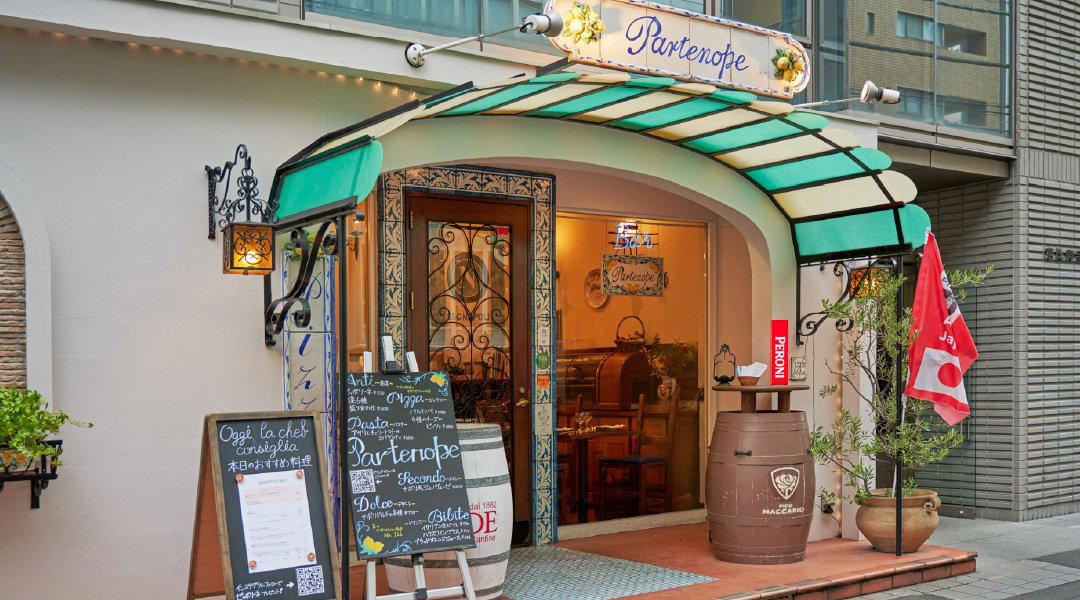
The Room Before the Plate
Ebisu's dining character has always been shaped by its geography: close enough to Shibuya to absorb foot traffic, far enough to cultivate a slower, residential pace. The streets around Ebisu 1-chome carry that duality. Buildings are low-rise and functional, the signage modest, and the restaurants that occupy them tend to serve a clientele that returns rather than one that hunts. Partenope (パルテノペ), on the ground floor of the Ebisu Kowako Building at 1-22-20, sits inside that pattern. Partenope (パルテノペ) is an Authentic Neapolitan Pizza restaurant in Ebisu, Tokyo, priced at about $50 per person. Finding it requires attention, not luck, and that threshold experience sets the register for what follows.
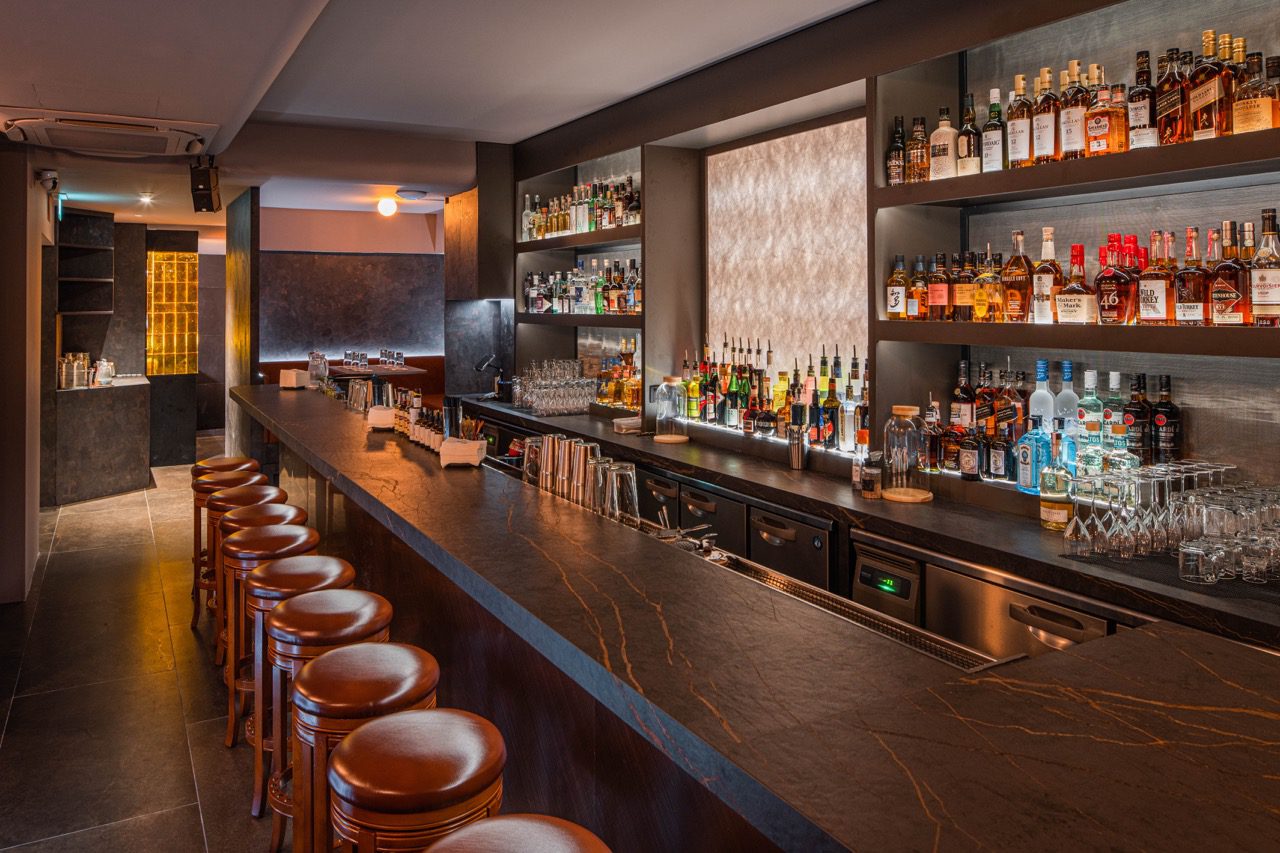
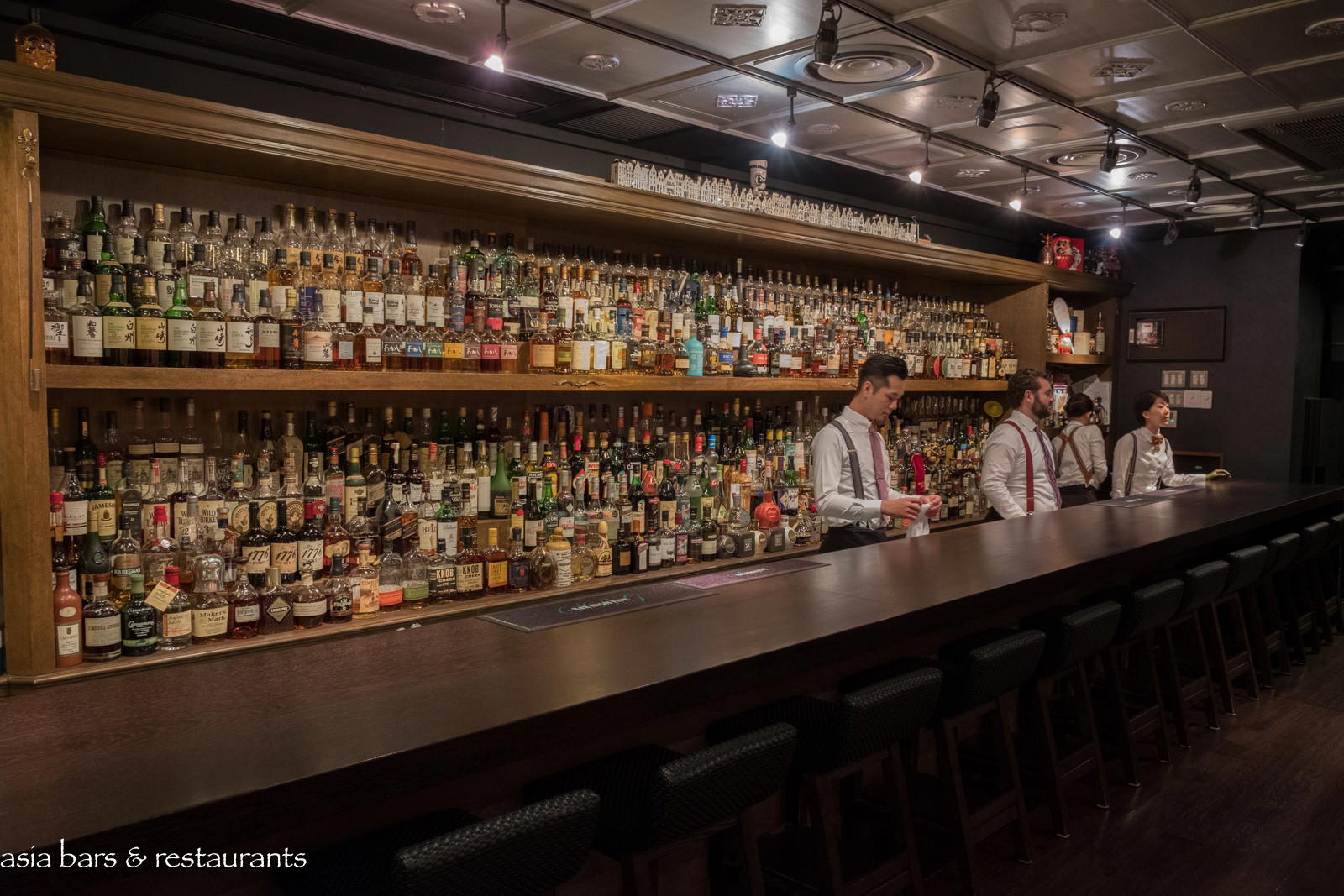
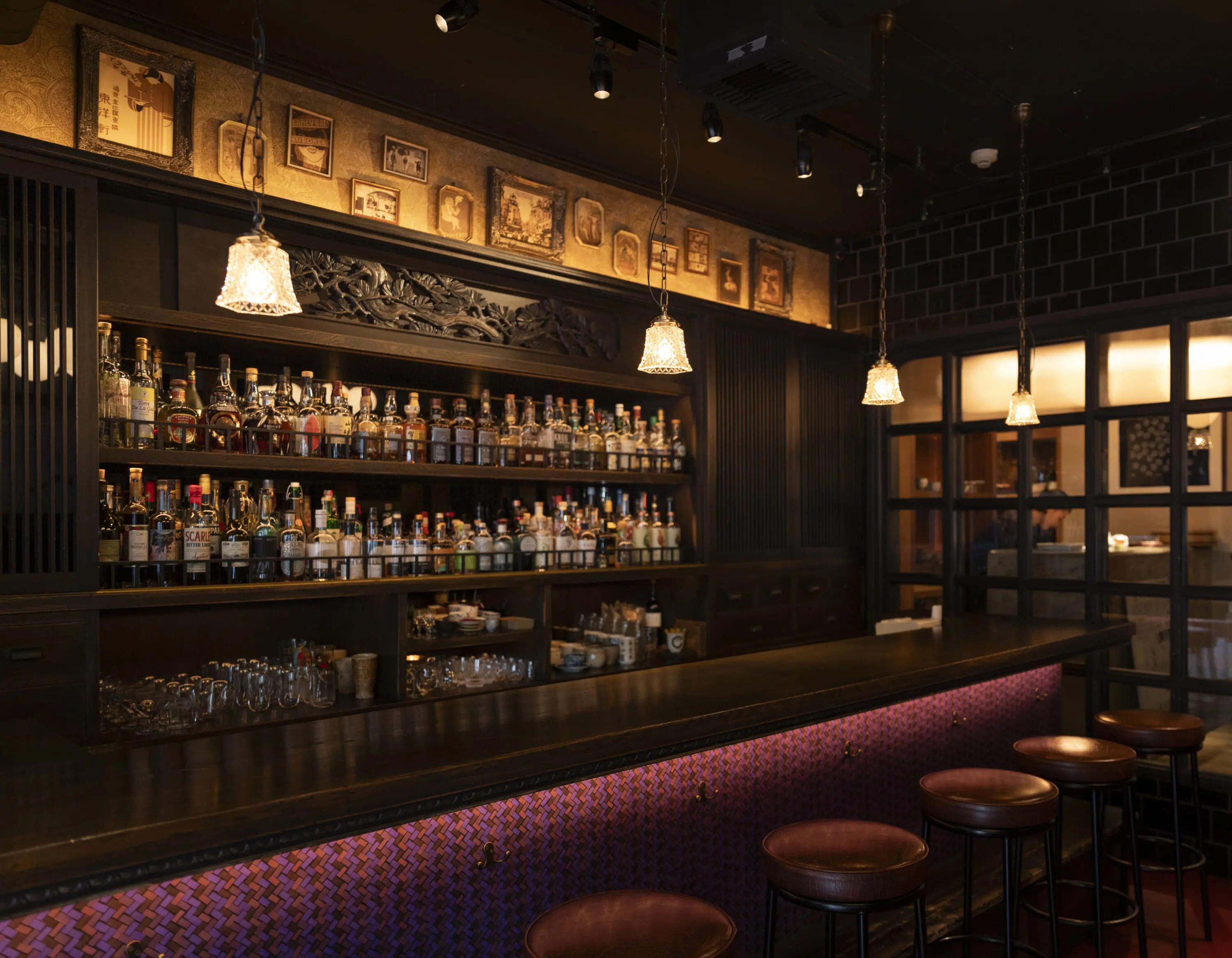
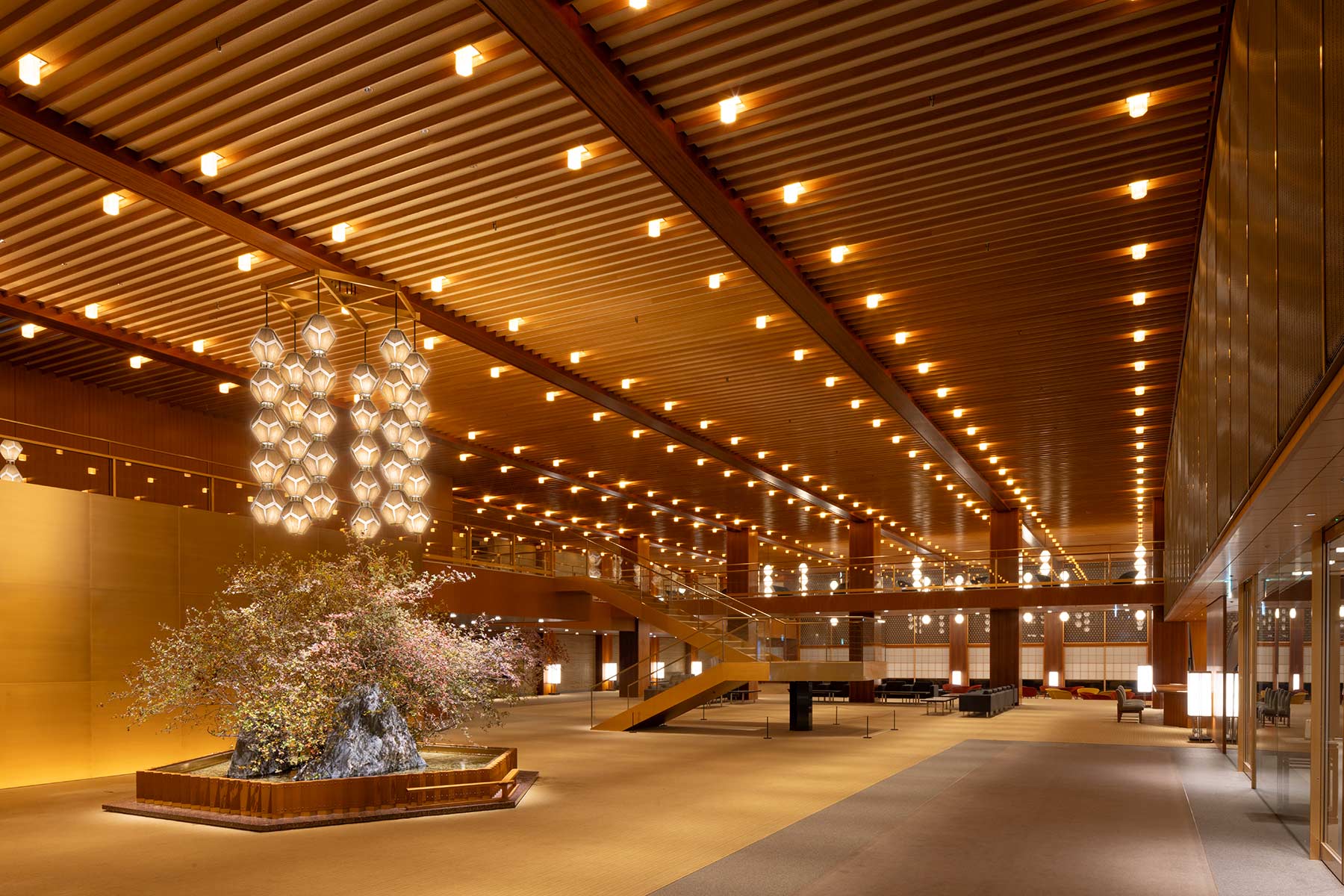
Interior architecture at Italian restaurants in Tokyo occupies a narrower range than the cuisine itself. Many rooms in this tier default to the same formula: terracotta-toned walls, exposed brick or its simulation, and lighting calibrated to feel warm without feeling designed. The more interesting spaces in Tokyo's Italian dining scene have moved away from that pastiche, treating the room as a frame rather than a stage set. Where Partenope's interior falls on that spectrum matters because the physical container shapes the pacing of a meal: how long guests stay, how the courses breathe, whether the conversation competes with the room or runs alongside it.
Italian Cooking in a City That Takes It Seriously
Tokyo's relationship with Italian cuisine is longer and more considered than most outside observers assume. The first wave of serious Italian restaurants arrived in the 1980s, initially serving a corporate expense-account clientele, but by the 1990s a second generation of Japanese chefs had begun training in Italy directly, particularly in Naples, Rome, and the northern regions, before returning to open smaller, more personal rooms. That accumulated expertise is now decades deep. Tokyo holds more pizza and pasta establishments per capita than most Italian cities, and at the upper tier, the technical discipline applied to Italian cooking here compares with anything produced in its country of origin.
The name Partenope is specifically Neapolitan in its reference: Parthenope is the ancient Greek name for the settlement that preceded Naples, carried by the mythological siren said to have founded it. Restaurants in Tokyo that invoke that name are positioning themselves inside a specific regional tradition rather than a generic Italian one. Neapolitan cooking in Tokyo sits in interesting tension with the broader premium dining scene. While L'Effervescence and Sézanne command the French tasting-menu tier at four price symbols each, and RyuGin holds three Michelin stars for its kaiseki programme, Italian regional cooking in Tokyo often operates at a more accessible price point while demanding equivalent sourcing discipline. That positioning gives restaurants like Partenope a different kind of value argument.
The Ebisu Neighbourhood and Its Dining Logic
Ebisu's restaurant concentration is denser than its residential character suggests. The area between Ebisu Garden Place and the station pulls a reliable weeknight crowd of professionals from the surrounding offices and apartments. Italian restaurants here compete with each other more directly than they compete with the French or Japanese formats two train stops away. The question for any Italian room in Ebisu is whether it reads as a neighbourhood fixture or as something that would sustain a deliberate trip from Shinjuku or Marunouchi.
That distinction matters more in Tokyo than in most cities because the commute logic here is real: Tokyoites will travel thirty minutes each way for a dinner reservation they believe in, but they expect the room and the food to justify the asymmetry. For Italian cooking in this area, the analogues to track are the mid-tier French rooms that have cultivated loyal regulars rather than pursuing award cycles. Crony represents one version of that approach in the innovative-French register. Partenope's equivalent play is a Neapolitan one.
How This Fits the Broader Japan Dining Circuit
Tokyo functions as the anchor of Japan's premium dining map, but the circuit has widened considerably. HAJIME in Osaka holds three Michelin stars for a French-influenced tasting programme that matches anything the capital produces. Gion Sasaki in Kyoto operates in a kaiseki tradition that makes Tokyo's equivalent rooms look recent by comparison. akordu in Nara and Goh in Fukuoka represent regional programmes with serious culinary ambitions outside the obvious destinations. Across that wider map, Italian cooking remains predominantly a Tokyo phenomenon. Regional Italian restaurants in Osaka and Kyoto exist but have not generated the same critical mass as the capital. That concentration means Tokyo holds most of the comparison points for anyone trying to assess where a room like Partenope sits in the national picture.
For completeness across Japan's dining spread, rooms like Nanao, Sapporo, Takashima, Nishikawa Machi, Birdland in Sakai, and Bistro Ange in Toyohashi illustrate how far Japan's serious dining culture extends beyond the three main cities. Italian regional cooking has not yet embedded itself as deeply in those secondary markets, which reinforces Tokyo's position as the reference point for this cuisine in Japan.
Internationally, the comparison set for rigorous Italian cooking shifts to American cities. Le Bernardin in New York defines one pole of European-rooted precision in that market, while Atomix represents the Korean fine-dining axis that competes for the same reservation window. Neither is Italian, but both illustrate the price-tier and ambition level at which serious European-tradition cooking operates in global cities.
Planning Your Visit
The table below contextualises this against comparable Tokyo rooms where data exists.
| Venue | Cuisine | Price Tier | Key Note |
|---|---|---|---|
| Partenope (パルテノペ) | Italian (Neapolitan) | Not confirmed | Ebisu, Shibuya-ku |
| L'Effervescence | French | ¥¥¥¥ | Two Michelin stars |
| Sézanne | French | ¥¥¥¥ | Two Michelin stars |
| Harutaka | Sushi | ¥¥¥¥ | Three Michelin stars |
| Crony | Innovative French | ¥¥¥¥ | Neighbourhood anchor |
The Ebisu address is accessible from Ebisu Station on the JR Yamanote Line or the Tokyo Metro Hibiya Line, with the building a short walk from either exit.
Price and Recognition
Comparable venues nearby, for context on price, style, and recognition.
| Venue | Cuisine | Price | Awards | Notes |
|---|---|---|---|---|
| Partenope (パルテノペ)This venue — the venue you are viewing | Ebisu, Authentic Neapolitan Pizza | $$$ | , | |
| バンデルオーラ | Shibuya, Sicilian Italian Trattoria | $$$ | , | |
| Sicilia Ya | Bunkyō, Traditional Sicilian restaurant | $$$ | , | |
| Casita | $$$ | , | Minato, Modern Italian with Japanese Influences | |
| PEGASO | $$$ | , | Minato, Modern Italian with Japanese influences | |
| TARANTELLA da luigi | $$$ | , | Minato, Traditional Southern Italian & Neapolitan Pizzeria |





At a Glance
- Cozy
- Elegant
- Intimate
- Date Night
- Group Dining
- Casual Hangout
- Open Kitchen
- Sake Program
- Local Sourcing
Tranquil and welcoming with a cozy, elegant atmosphere favored by locals.