
Sicilia Ya puts Sicilian cooking into a compact Hakusan room where counter seating, wine focus, and regional specificity matter more than Tokyo dining theatre. Its selection for Tabelog Italian TOKYO 100 in 2021, 2023, and 2025 places it among the city’s serious Italian addresses, but the appeal is narrower and more physical: a small room built for close-range eating, conversation, and island-driven wine.
Pearl is the En Primeur Club membership app — saves, bookings, and concierge access live there. Same editors, same standards.
- Address
- Japan, 〒113-0001 Tokyo, Bunkyo City, Hakusan, 1 Chome−5−5 MC白山ビル 1F
- Phone
- +81 80-2780-0486
- Website
- instagram.com
 Saves & bookings on Pearl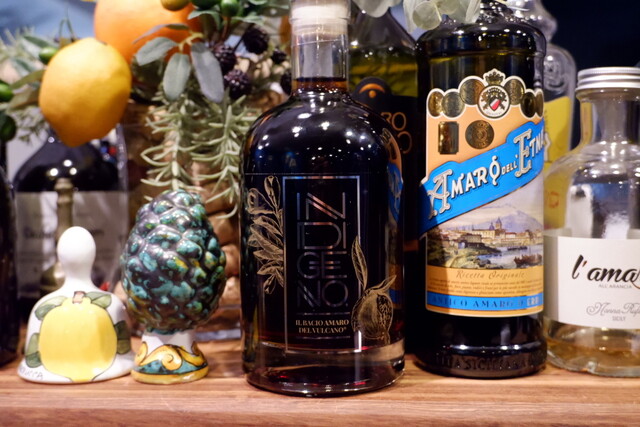
Hakusan changes the register before dinner: north of Tokyo Dome and west of Ueno, quieter than the restaurant corridors of Ginza or Ebisu, with university streets, residential blocks, and smaller independent rooms instead of hotel-lobby polish. Here, Sicilia Ya belongs to another Tokyo Italian tradition: compact, regional, wine-led, and closer to a neighbourhood dining room than a formal ristorante.
Tokyo has long absorbed Italian cooking with unusual seriousness, but its Italian scene is plural: luxury tasting-menu rooms, trattorias built around pasta and grilled meat, natural-wine counters, and regional specialists. Sicilian cooking matters because it resists the butter-and-truffle shorthand that can flatten Italian dining abroad. The island’s food culture is shaped by ports, wheat, citrus, capers, seafood, Arab influence, and strong flavours made domestic rather than ornamental. That frames this Hakusan address.
A small Sicilian room in a city of polished Italian dining
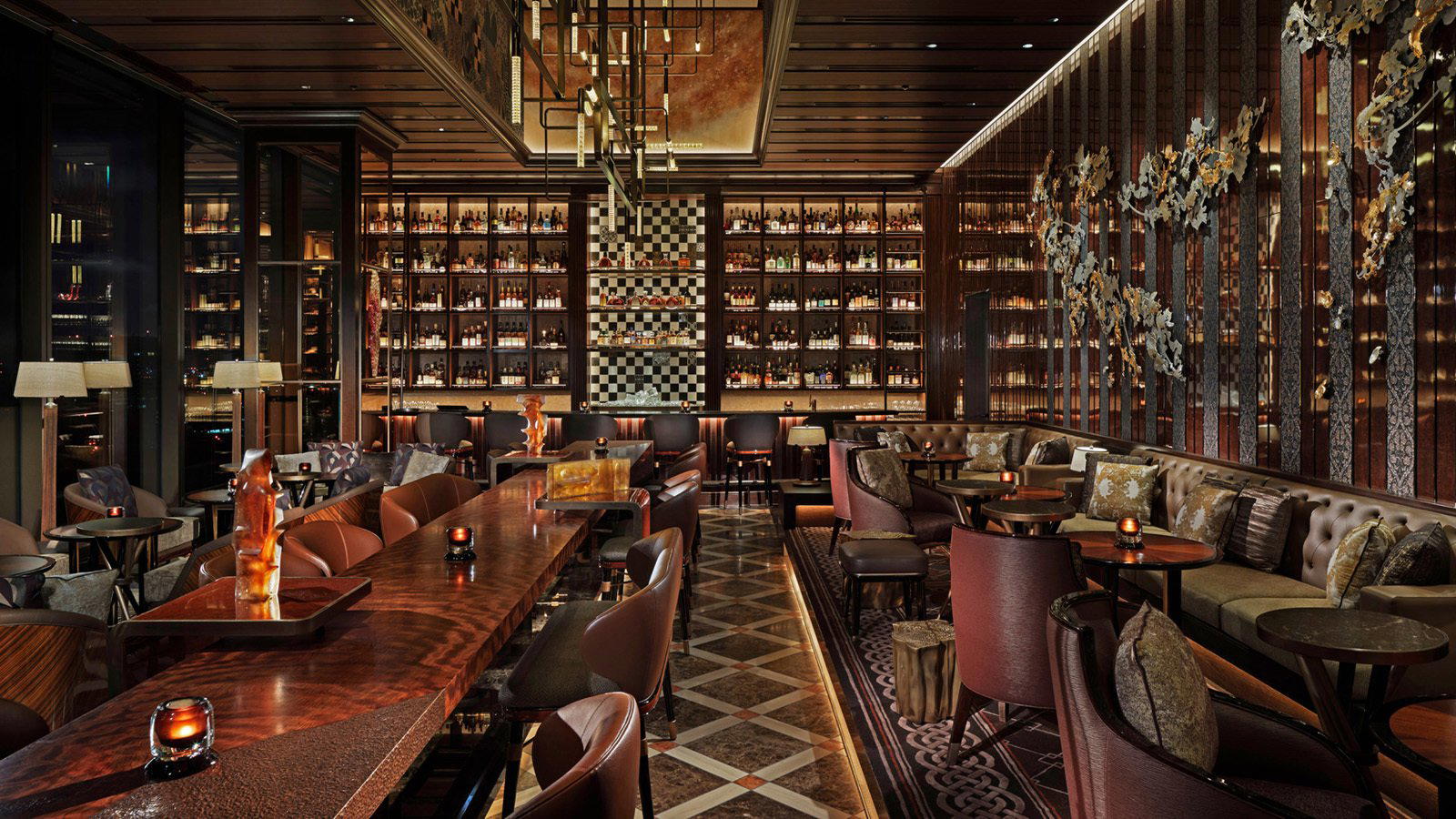
Scale matters. A 16-seat room with counter seating changes the meal before the first plate lands: pacing tightens, the room reads quickly, and wine becomes part of the evening rather than a separate performance. Tokyo has many Italian restaurants that sell ceremony through linen, distance, and long menus. This sits in the smaller-room category: part wine shop, part neighbourhood counter, part regional kitchen.
That design gives the restaurant its editorial interest. Sicilian food benefits from proximity because it is rarely about architectural plating. Its vocabulary is direct: acidity, preserved ingredients, grilled or braised elements, pasta, seafood, vegetables, and wine that can handle salt and sun rather than only oak and power. The public description points to Sicilian cuisine and a wine-shop identity, with wines sourced from Sicily, separating it from Tokyo Italian rooms that treat Italy as a broad luxury category rather than a region with internal borders.
The Tabelog Italian TOKYO 100 selections in 2021, 2023, and 2025 are the trust signal, but read them carefully. This is not a claim that the restaurant competes with every grand Italian dining room in spectacle. It signals durability within Tokyo’s Italian category and recognition from a local dining platform whose lists tend to reward consistency, category fit, and diner enthusiasm. For travellers, repeated category selection distinguishes a focused neighbourhood specialist from a pleasant but interchangeable pasta stop.
Comparison clarifies the lane. Yoshoku Wine Fritz belongs to Tokyo’s Western-inflected comfort-and-wine register at a lower published spend. Ma Poule sits in a French bracket, not an Italian one. Watabe’s eel focus makes it a single-ingredient Japanese meal, while Morikawa’s kaiseki format follows a different grammar of season, sequence, and service. Sicilia Ya does not compete by luxury code. It competes by concentration: narrow Italian regional identity, small room, and a wine program oriented around the same island as the kitchen.
Why Hakusan changes the meal
Location is not neutral in Tokyo dining. A Sicilian restaurant in Marunouchi or Roppongi would imply business dinners, polished service choreography, higher table-turnover pressure, or hotel-adjacent formality. Hakusan lets the format behave more like a local address. The slower tempo makes a 16-seat Italian room feel less like a destination staged for visitors and more like a serious small restaurant that rewards diners willing to travel slightly off the usual circuit.
The counter is especially important. In Tokyo, counter seating is often associated with sushi, tempura, yakitori, and kappo, but Italian counters have become one of the city’s quiet strengths. They borrow Japanese spatial discipline without making the cuisine Japanese by default. A small counter shortens the distance between kitchen rhythm and diner, makes wine service less formal, and suits regional Italian food driven by timing and appetite rather than luxury signalling.
For Tokyo itinerary planning, Sicilia Ya suits an evening for regional Italian cooking with a compact-room feel, not a large group, infant-friendly dinner service, or a late-week spontaneous plan. The published seating count and private-room status place it firmly in the small-format category; the public family guidance makes clear that dinner is structured around full meals and limited space rather than casual drop-in flexibility.
The wine angle is not decorative. Sicily’s wine scene has changed dramatically over the past two decades, with Etna, Vittoria, Marsala’s dry revival, and island whites giving sommeliers a vocabulary beyond generic southern Italian warmth. A Tokyo room tying its wine identity to Sicily can do more than pour safe Chianti or Barolo by default. It can make the island the organizing principle, the kind of specificity Tokyo diners tend to reward.
How it fits into a sharper Tokyo itinerary
Tokyo rewards diners who choose by format rather than vague cuisine cravings. For a seafood-and-charcoal mood around Akihabara, . 鮪と炭火焼き うお炭 秋葉原店 points elsewhere. Shinjuku’s density suits compact urban meals such as 12/10 Shinjuku ten, while Kagurazaka’s dining identity fits specialist Japanese formats like 124. KAGURAZAKA (Yakitori). Cafés and casual visual concepts sit elsewhere in the city’s taxonomy, including 2D Cafe and 3 Chome no Curry Ya San.
For planning beyond one dinner, Our full Tokyo restaurants guide gives the broader restaurant map, while Our full Tokyo hotels guide, Our full Tokyo bars guide, Our full Tokyo wineries guide, and Our full Tokyo experiences guide separate the trip by category. Regional detours change the equation again: -Grilled beef Sukiyaki- KAMAKURA TANUKIAN 鎌倉 たぬき庵 in Kamakura.cafe in Osaka.know in Kumamoto, (Shoku) Vietnam in Kawasaki, [Curry Senmon Ten] Maruyama Kyoju. in Sapporo, and [ki:] in Kyoto all serve different travel purposes. For readers extending the Japanese food thread across the Pacific, Jōdo Saké Bar in Los Angeles and Onigiri Time in Pasadena belong to another conversation entirely.
The reason to keep the restaurant on the Tokyo list is not scale, but the opposite: a controlled, small-room interpretation of Sicilian cooking in a neighbourhood that lets the format breathe. In a city where Italian dining can tilt toward luxury theatre or casual pasta convenience, this address occupies the more rewarding middle ground: regional focus, limited seats, and enough recognition to make the detour defensible.
Cuisine-First Comparison
Comparable venues in the metro at similar price points.
| Venue | Cuisine | Price | Notes |
|---|---|---|---|
| Sicilia YaThis venue — the venue you are viewing | Traditional Sicilian restaurant | $$$ | Not listed |
| Kurodino | Italian-Japanese Fusion Fine Dining | $$$ | Chūō |
| Trattoria Mari e Monti | Authentic Italian Trattoria | $$$ | Minato |
| neo | Italian Standing Bar | $$$ | Shibuya |
| Orlando | Italian enoteca & restaurant | $$$ | Meguro |
| Sala Amabile | Italian Fine Dining | $$$ | Chūō |
Recognition history
Dated appearances from independent guides and award organizations, with the underlying list record or original source where available.
Tabelog 100 #31 · No. 31
Tabelog · Tabelog 100 - Italian - TOKYO - 2025








At a Glance
- Cozy
- Intimate
- Classic
- Date Night
- Group Dining
- Casual Hangout
- Special Occasion
- After Work
- Standalone
- Extensive Wine List
Current opening hours
- Monday
- Closed
- Tuesday
- Closed
- Wednesday
- 6–10:30 PM
- Thursday
- Closed
- Friday
- 6–10:30 PM
- Saturday
- 5–10 PM
- Sunday
- 12–2:30 PM, 5–10 PM
Hours can change for holidays and private events. Last verified .
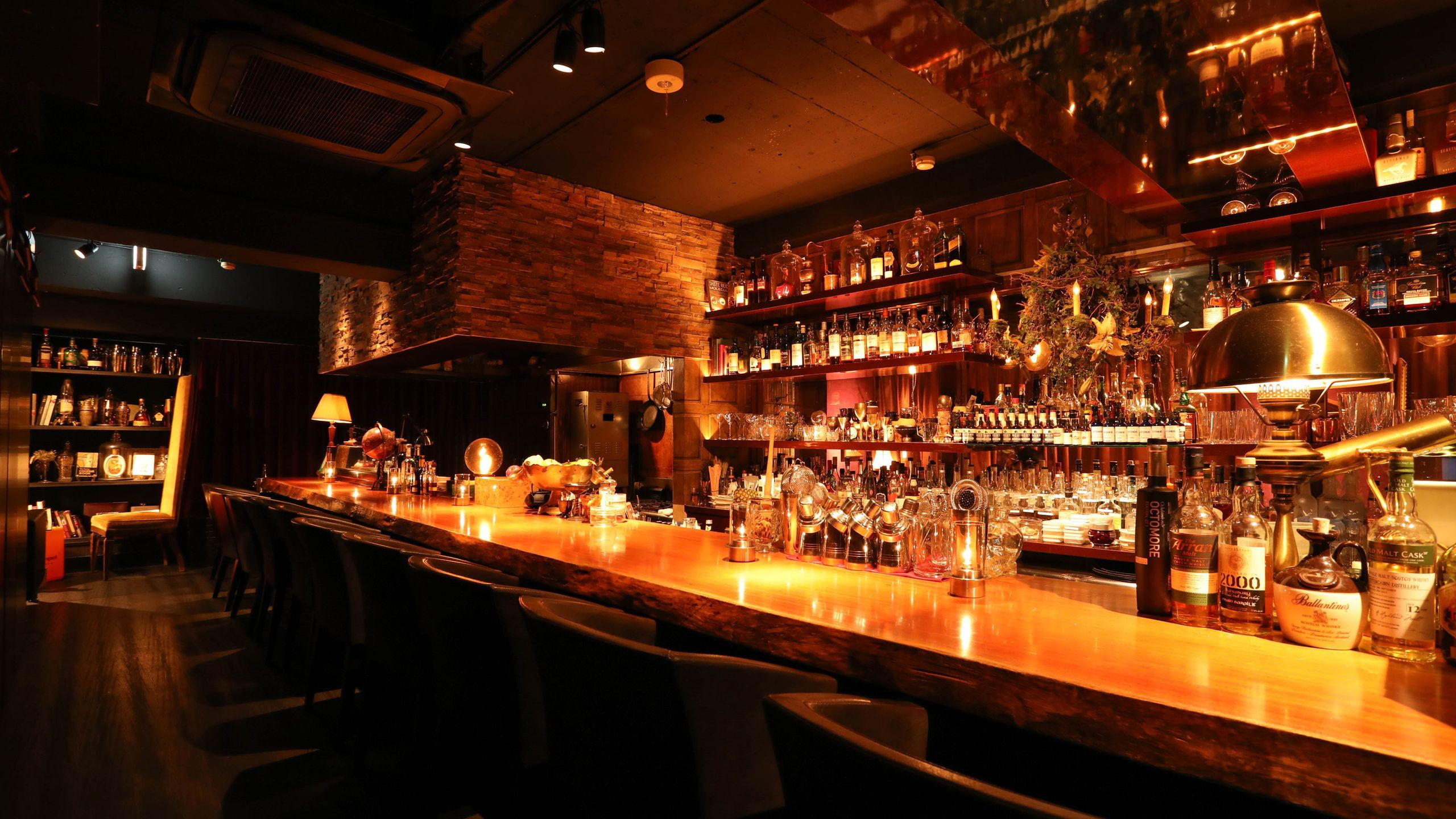
Guest reviews describe a subdued, warm, and refined atmosphere that feels like stepping from Tokyo into Sicily, with a humble neighborhood setting, cozy 20-seat room including a counter, and a focus on relaxed, conversational dining rather than a flashy design.