
Tabelog 100 #66
Our verdict
PEGASO occupies a quiet address in Minami-Aoyama, one of Tokyo's most considered dining neighbourhoods, where European technique and Japanese precision frequently converge. The restaurant sits within a district that has produced some of the city's most closely watched tasting-menu formats. Booking details and further practical information are best confirmed directly on arrival or through current local listings.

Pearl is the En Primeur Club membership app, where members save venues, book tables and use the concierge.
Minami-Aoyama and the Architecture of the Long Meal
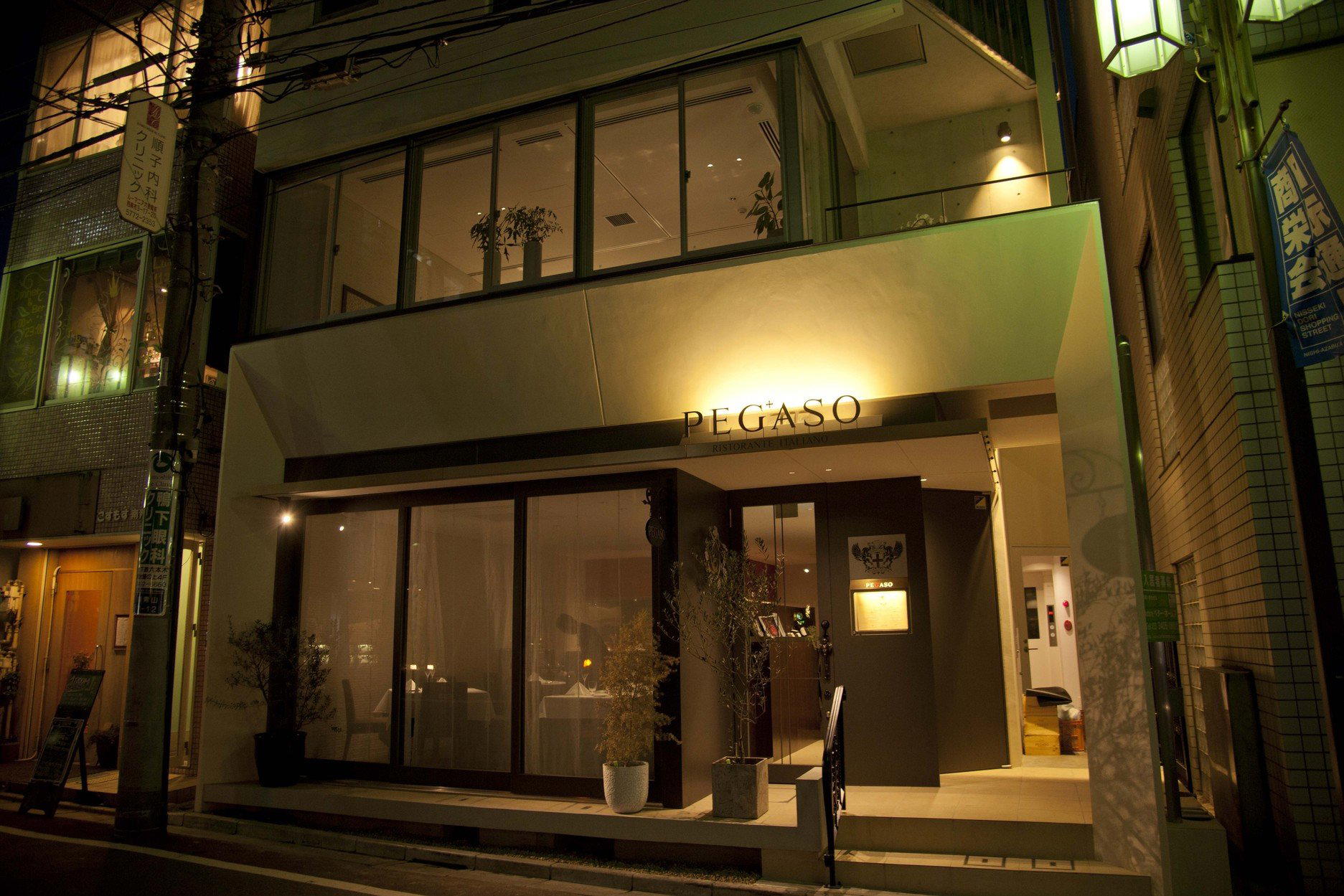
Minami-Aoyama has a specific gravitational pull on Tokyo's European-inflected fine dining. The neighbourhood runs south from Omotesando along a corridor of galleries, architecture studios, and low-lit restaurants whose formats tend toward restraint: fixed menus, small rooms, no walk-ins. The dining tradition here is not about spectacle. It rewards the guest who arrives with time and pays attention to sequence. PEGASO sits within this neighbourhood, on a 7-chome address that places it in the quieter, residential-facing part of Aoyama rather than the commercial frontage near the station.
That address matters more than it might first appear. In Tokyo's fine dining geography, sub-neighbourhood positioning often signals format and pace before you have seen a menu. The further south you move in Aoyama, the more the scene tilts toward intimate, counter-forward or small-room operations that structure the meal as a deliberate progression rather than a collection of individual plates. PEGASO is consistent with that pattern.
The Tasting Progression as the Central Argument
Tokyo's multi-course formats have matured significantly over the past decade. What began as a direct import of French and European tasting-menu logic has been absorbed, reworked, and in many cases improved by Japanese chefs and operators who applied the country's characteristic attention to sequence, temperature, and material quality. The best of these menus now function less like a list of dishes and more like an argument: each course shifts the register of the meal, building toward a resolution that makes the earlier courses retrospectively coherent.
This approach is visible across the ¥¥¥¥ tier of Tokyo dining. At L'Effervescence, the progression moves through fermented and foraged Japanese ingredients inside a French architectural frame. At Sézanne, the sequence reflects Daniel Calvert's classical French training refracted through Tokyo's seasonal calendar. RyuGin uses kaiseki's intrinsic seasonal logic to drive its arc. Each of these venues commits to the meal as a single structured experience rather than a modular set of choices. The category is defined by that commitment.
PEGASO operates within this broader context. The name and address point toward a European reference point applied to a Minami-Aoyama setting, which places it in a lineage that Tokyo's dining scene has refined over many years. Whether the specific format leans toward French classicism, Italian influence, or a hybrid approach is something leading determined through current booking channels, as the venue's operational details have not been confirmed in available public records at time of writing. What the neighbourhood and format context suggest is a kitchen oriented toward intentional sequencing rather than à la carte assembly.
Where PEGASO Sits in Tokyo's Competitive Tasting-Menu Field
Tokyo has more restaurants per capita in the upper tasting-menu tier than almost any other city. The competitive set is dense. Aoyama and the adjacent Azabu district alone contain multiple operations that would rank among the most serious in any other global city. Crony represents the innovative French approach that has taken hold across this zone, pairing technical ambition with a slightly more relaxed room format. Harutaka anchors the counter-sushi side of the same premium tier, where the progression is built around fish temperature and nigiri sequence rather than classical courses.
Beyond Tokyo, Japan's fine dining infrastructure extends across a set of cities where the tasting-menu tradition is equally serious. HAJIME in Osaka and Gion Sasaki in Kyoto represent the range available to visitors building a broader Japan itinerary. Further afield, akordu in Nara and Goh in Fukuoka have established themselves in cities that receive fewer international visitors but maintain serious culinary operations. Regional Japan also surfaces compelling formats at venues such as 一本杉川嶋 in Nanao, 古往今来 in Sapporo, 湖隣庵 in Takashima, and 鶴羽屋 in Nishikawa Machi. For a broader view of how Tokyo's own scene maps across neighbourhoods and price tiers, the EP Club Tokyo guide covers the full range.
The international comparison point for this type of structured European-influenced tasting menu also extends to New York, where Le Bernardin represents the most sustained classical French commitment in the American market, and Atomix has developed its own Korean-rooted progression format with considerable international recognition. Other Japan-based references worth tracking include Birdland in Sakai and Bistro Ange in Toyohashi, both of which demonstrate that serious cooking in Japan is not confined to the major metropolitan centres.
Planning a Visit
The venue's Minami-Aoyama address on the 7-chome of Minamiaoyama places it within easy reach of Omotesando Station on the Tokyo Metro Ginza, Chiyoda, and Hanzomon lines, which is the practical entry point for this part of the neighbourhood. Visitors should confirm current booking arrangements and format directly before planning, as small tasting-menu operations in this district frequently operate on reservation-only bases with limited walk-in availability.
Frequently asked questions
Where is PEGASO located?
PEGASO is located at Japan, 〒107-0062 Tokyo, Minato City, Minamiaoyama, 7 Chome−12−12 ã ジカーサ南青山, Tokyo.
How does PEGASO's Minami-Aoyama location compare to other Tokyo fine dining neighbourhoods?
Minami-Aoyama runs south from Omotesando and has developed a specific concentration of European-influenced tasting-menu operations distinct from the Ginza counter format or the Shinjuku hotel-dining circuit. The 7-chome address puts PEGASO at the quieter residential end of that corridor, which typically translates to smaller rooms and more contained sightlines than the neighbourhood's main-strip venues. For tasting-menu formats specifically, Aoyama competes directly with Nishi-Azabu and Hiroo rather than with central Tokyo's sushi or kaiseki clusters.
What's the best thing to order at PEGASO?
PEGASO operates within Minami-Aoyama's established multi-course format, where the set tasting progression is the kitchen's primary statement. Ordering à la carte is unlikely to be an option at this tier of Tokyo fine dining. Commit to the full sequence rather than seeking individual dishes.
Do I need a reservation for PEGASO?
Reservation-only formats are the operating standard across Aoyama's upper tasting-menu tier, and PEGASO's Minami-Aoyama address places it firmly in that category. Walk-in availability at this level in Tokyo is rare. check the venue's official channels or use a concierge booking service to secure a table in advance.
What's PEGASO best at?
PEGASO's position in Minami-Aoyama, a corridor that has sustained European-rooted, sequenced dining formats longer than most Tokyo neighbourhoods, suggests the kitchen's strength is in the architecture of a long meal rather than single-dish showmanship. The neighbourhood itself attracts operators who treat pacing, progression, and course structure as the core discipline.
Can PEGASO adjust for dietary needs?
Dietary accommodation across Tokyo's tasting-menu tier varies sharply by venue. Some kitchens build flexibility into their sequences as standard practice; others require advance notice of several days. Contact PEGASO directly when booking to confirm what adjustments the kitchen can accommodate and how much lead time is required.
A Pricing-First Comparison
Comparable venues nearby, for context on price, style, and recognition.
| Venue | Cuisine | Price | Awards | Notes |
|---|---|---|---|---|
| PEGASOThis venue (the venue you are viewing) | Modern Italian with Japanese influences | $100–150 | Tabelog 100 #66 | Not listed |
| SAVOY Azabujuban | Modern Neapolitan Pizza | $50–100 | Not listed | Minato, Modern Neapolitan Pizza |
| Piatti Castellina | Italian Course Dining | $30–50 | Tabelog 100 #33 | Shinjuku, Italian Course Dining |
| La Barrique Tokyo | Italian Fine Dining | $200–300 | Tabelog 100 #16 | Bunkyō, Italian Fine Dining |
| Vino della Pace | Classic Regional Italian with Extensive Wine Pairings | $100–150 | Star Wine List | Nishiazabu, Classic Regional Italian with Extensive Wine Pairings |
| Partenope (パルテノペ) | Authentic Neapolitan Pizza | Not listed | Tabelog 100 #62 | Ebisu, Authentic Neapolitan Pizza |
Recognition history
Dated appearances from independent guides and award organizations, with the underlying list record or original source where available.
Tabelog 100 #66 · No. 66
Tabelog · Tabelog 100 - Italian - TOKYO - 2025
Continue exploring
More in Tokyo
Restaurants in Tokyo
All restaurants in Tokyo →








Details
- Elegant
- Sophisticated
- Date Night
- Business Dinner
- Special Occasion
- Private Dining
- Open Kitchen
- Craft Cocktails
- Prix Fixe
- A La Carte
- Wine
- Cocktails
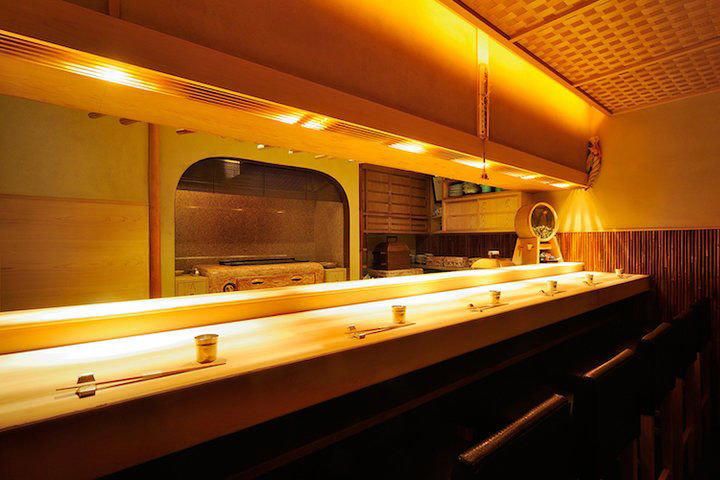
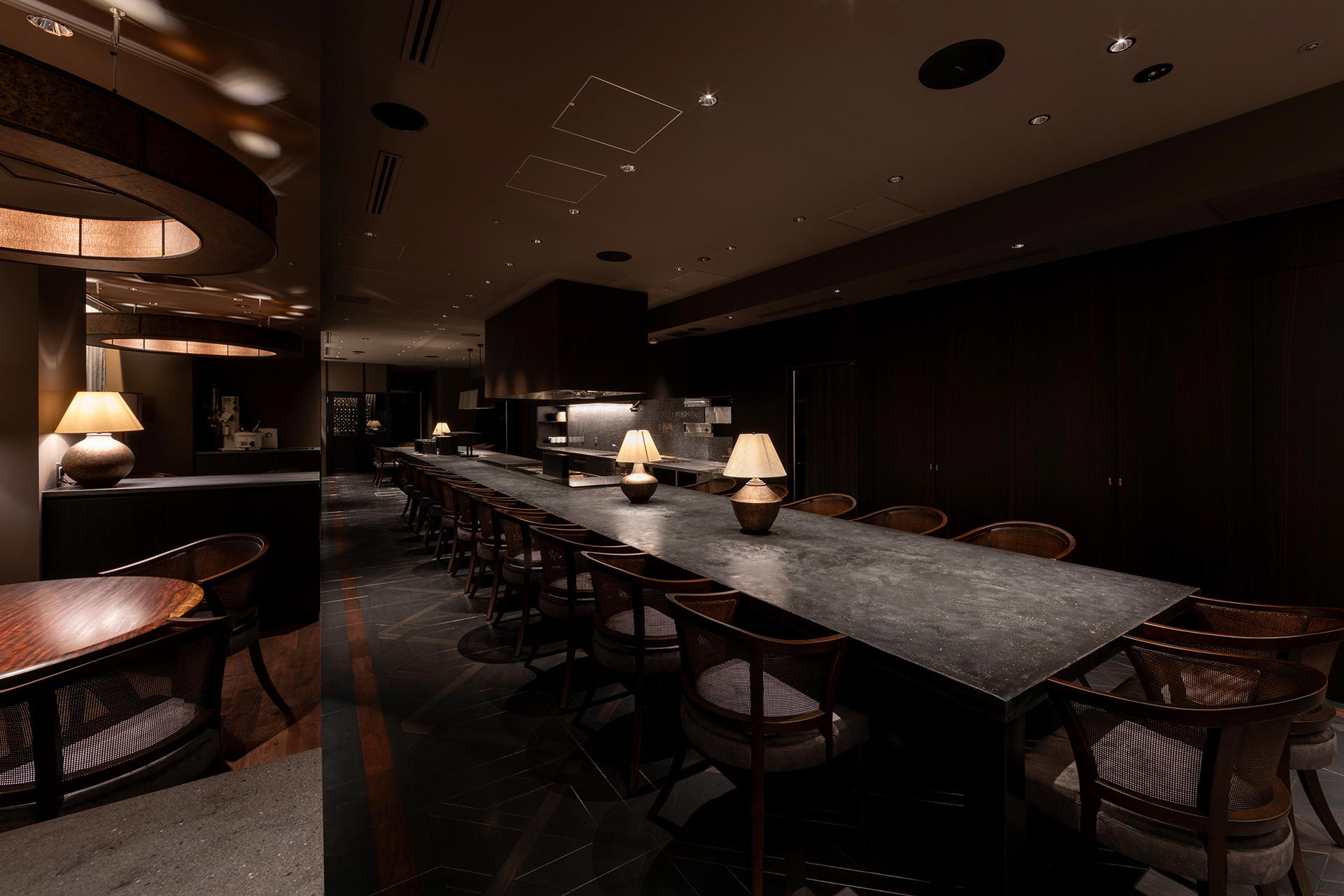
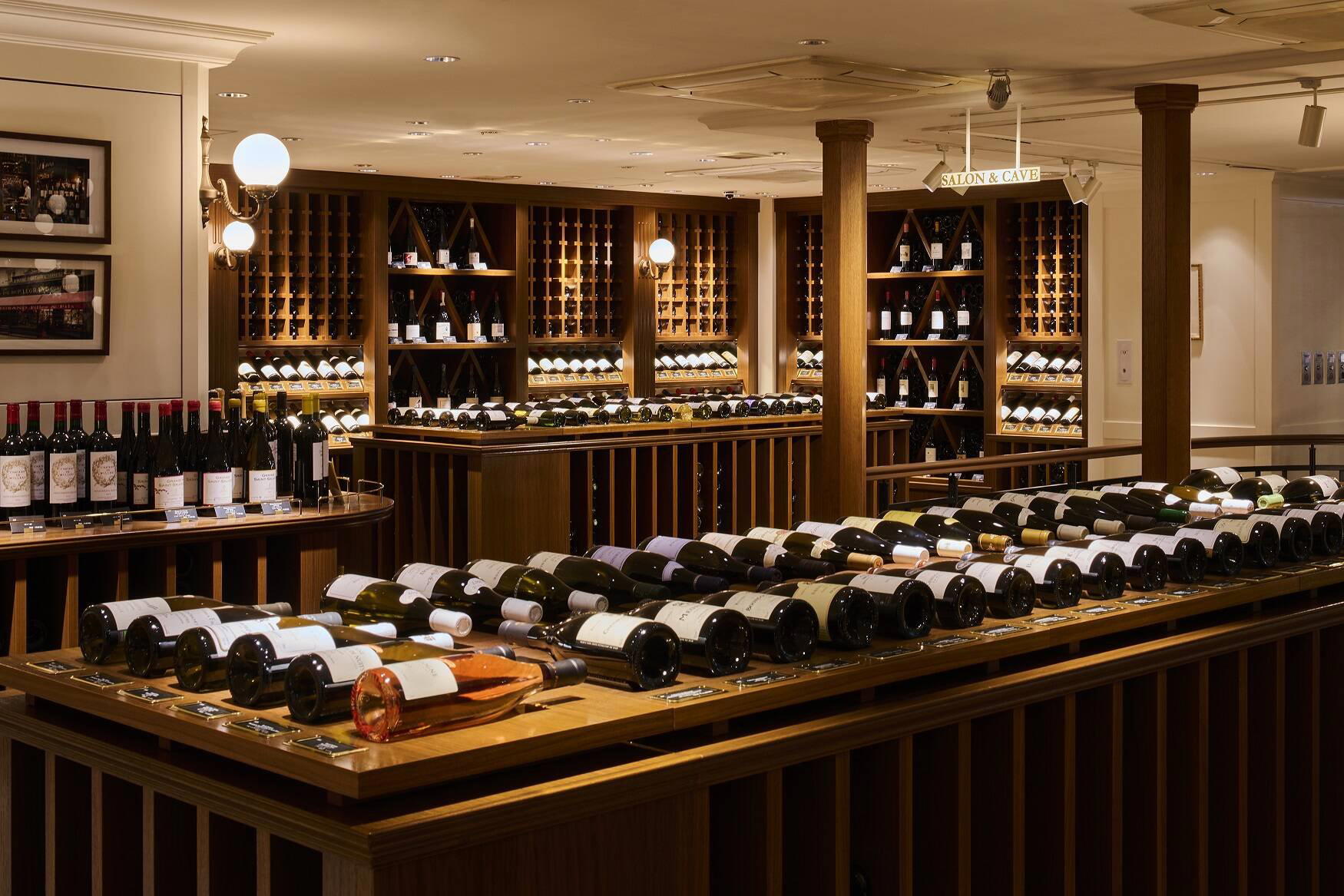
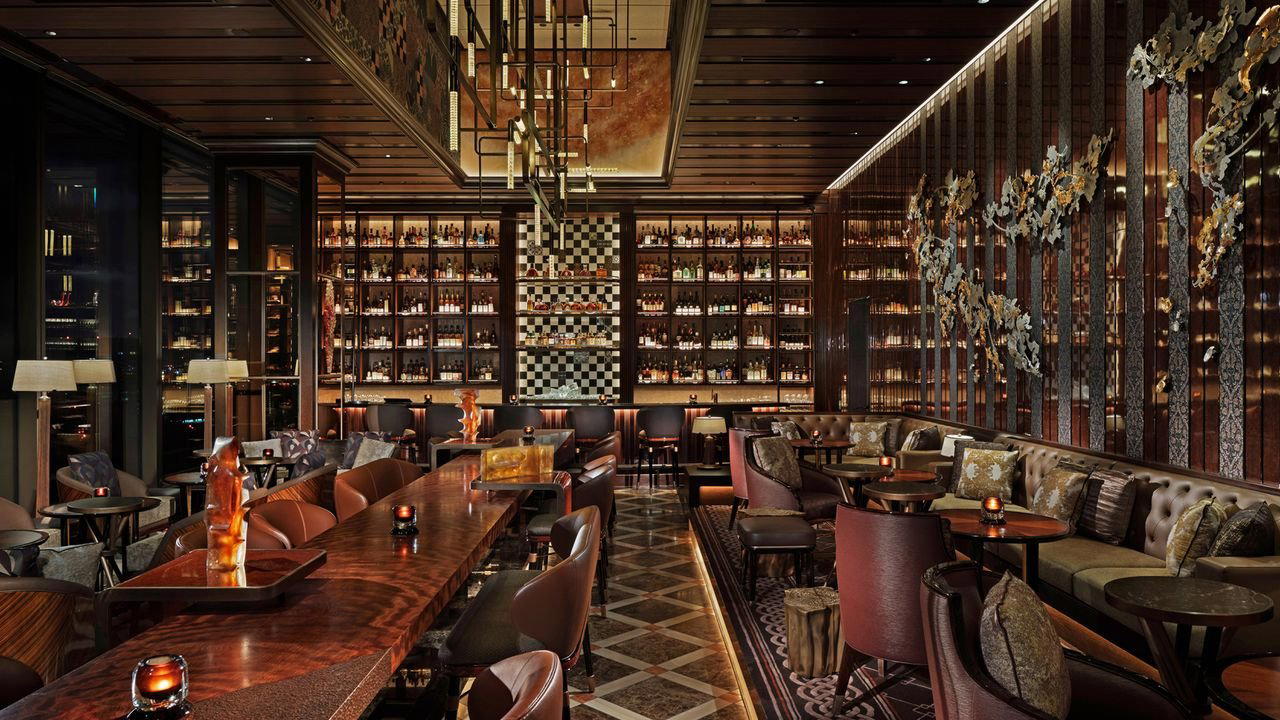
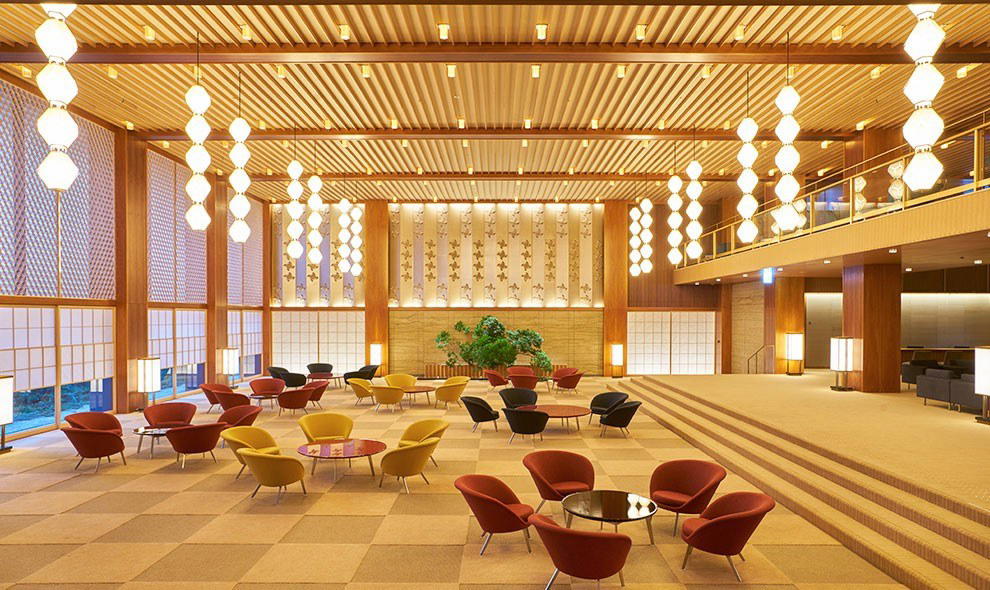
Stylish interior with a sophisticated and elegant atmosphere.