Parc Seoul
Parc Seoul serves traditional Korean home-style comfort food in Yongsan, with a beer program, casual dress code, and lunch or dinner fit.
Pearl is the En Primeur Club membership app — saves, bookings, and concierge access live there. Same editors, same standards.
- Address
- 26-5 Itaewon-ro 55ga-gil, Yongsan District, Seoul, South Korea
- Phone
- +82 2 792 2022
- Website
- parcseoul.com
- Directions
- Get directions
 Saves & bookings on Pearl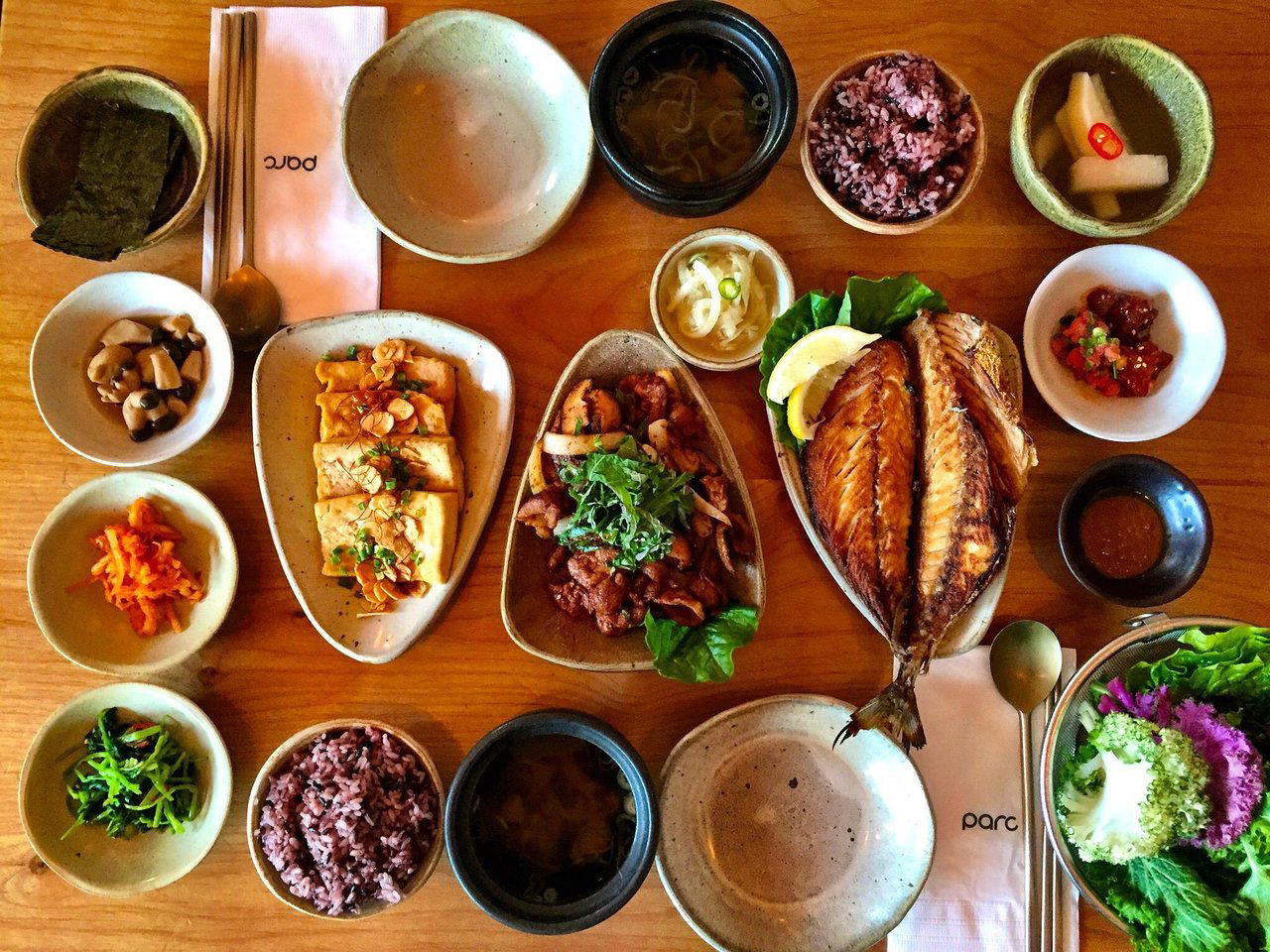
Itaewon's Evolving Dining Scene and Where Parc Seoul Sits Within It
Itaewon has spent the last decade shedding its reputation as Seoul's foreigner district and building a more complex identity: one part neighbourhood restaurant corridor, one part design-conscious dining destination. The streets running off Itaewon-ro now hold some of the city's more considered small-format restaurants, and 26-5 Itaewon-ro 55ga-gil places Parc Seoul inside that quieter residential web rather than on the main commercial strip. That address matters. Venues that operate a step removed from the pedestrian traffic of the main road tend to draw a more deliberate crowd, which in turn shapes how a room feels from the first moment you arrive.
The Physical Container: Space as Editorial Statement
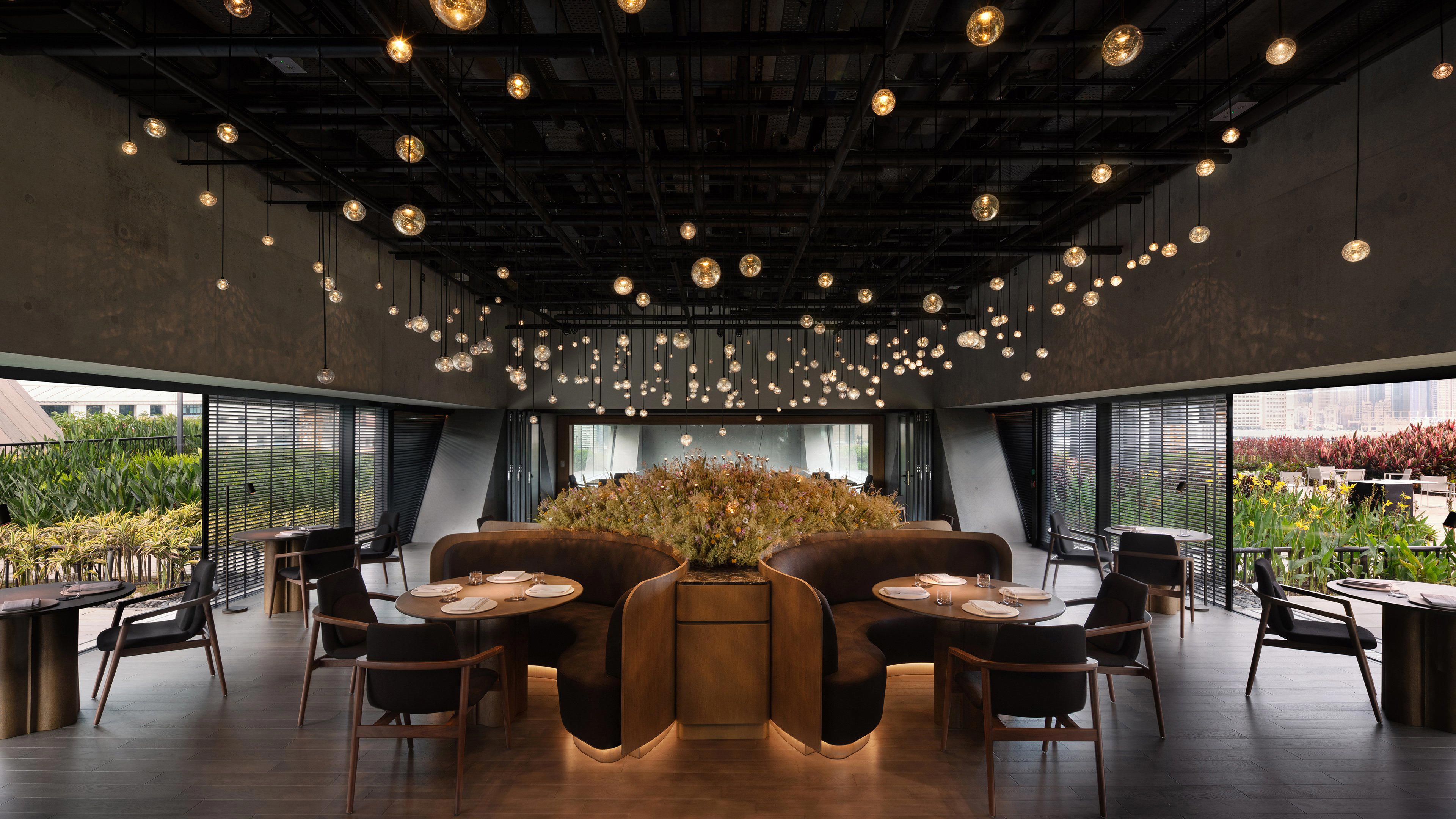
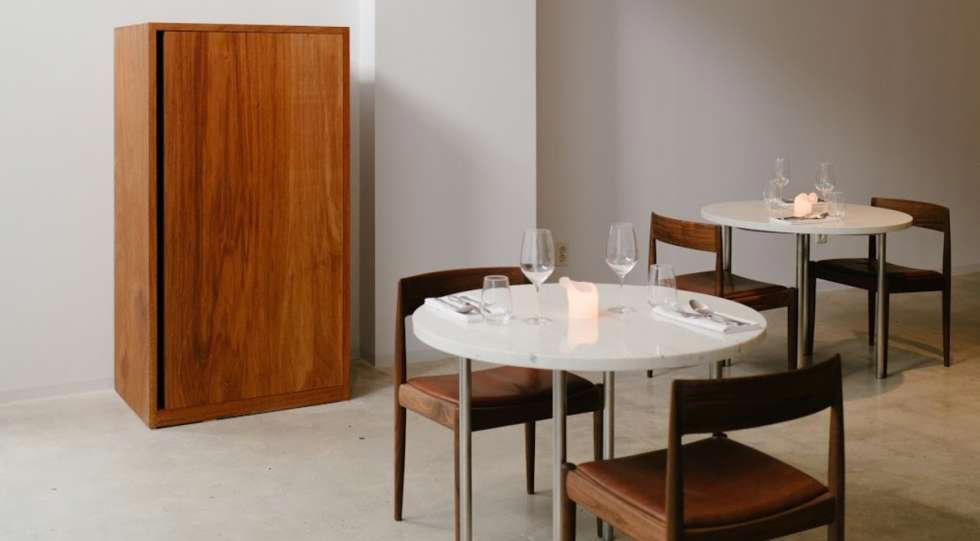
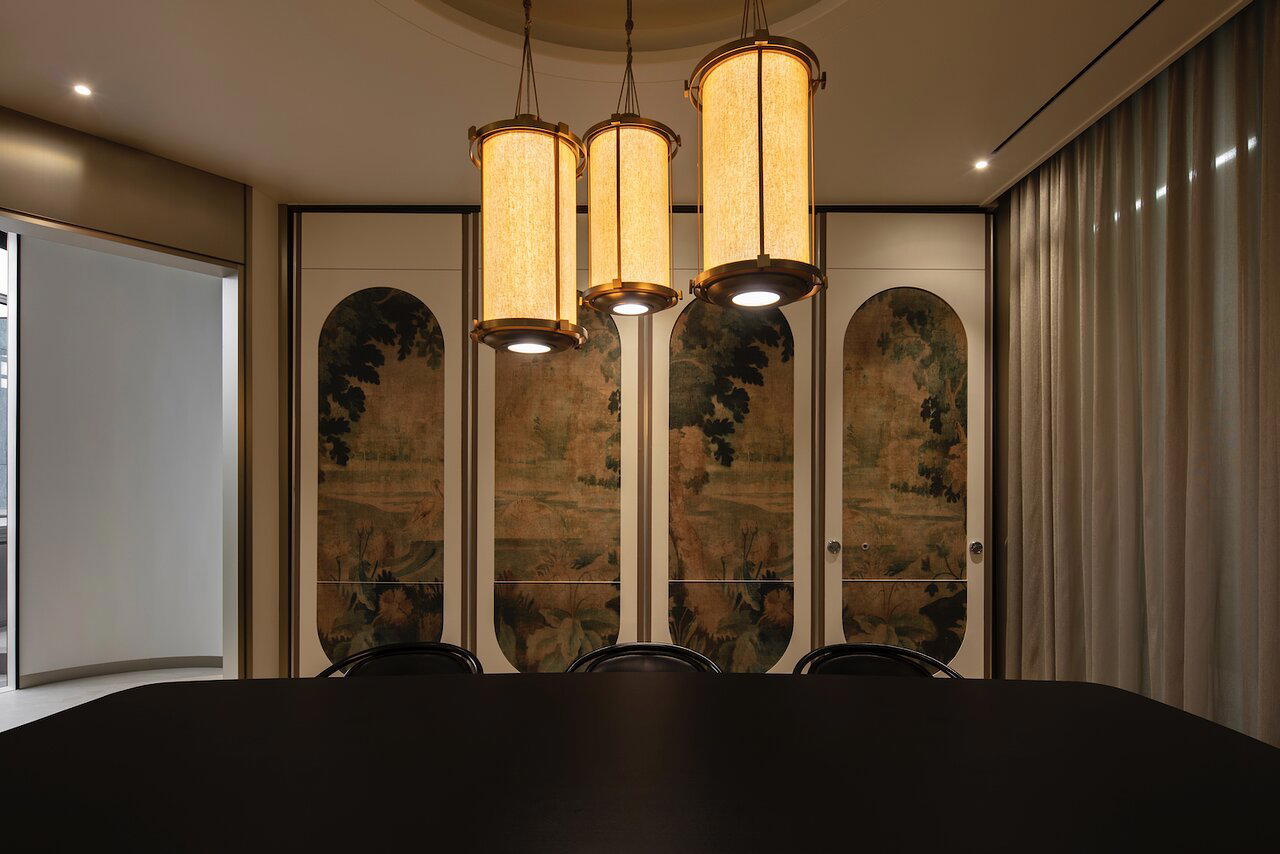
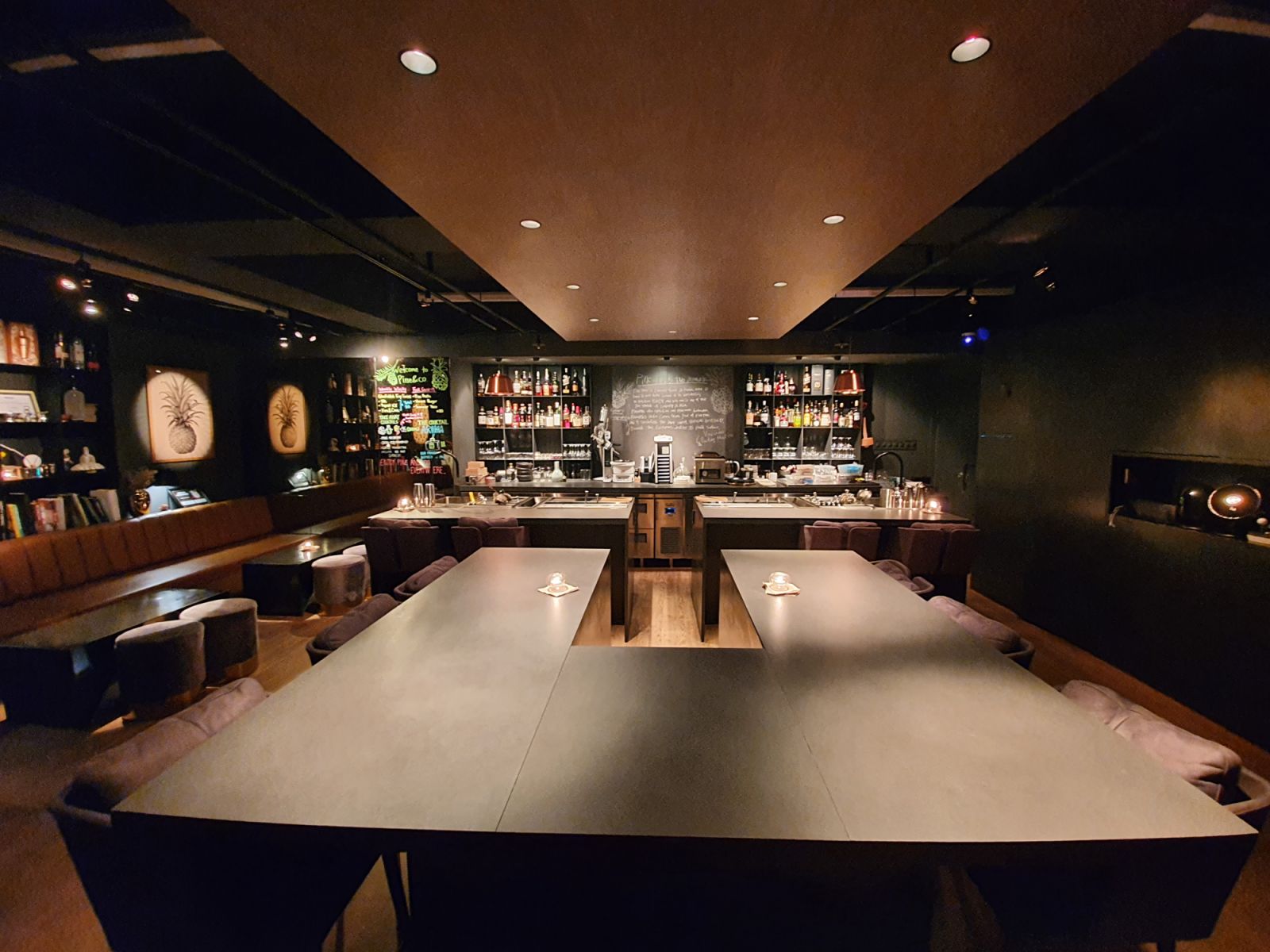
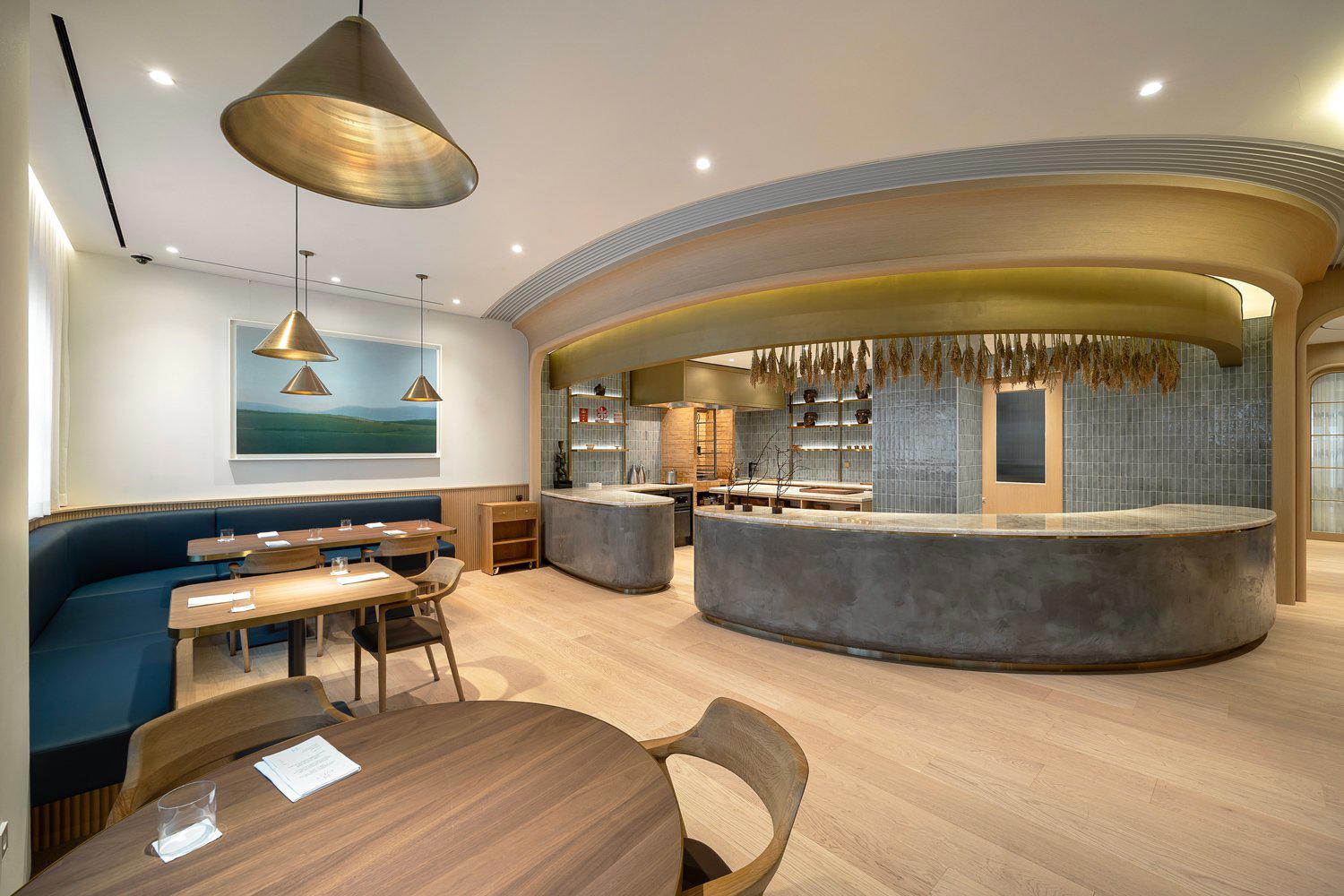
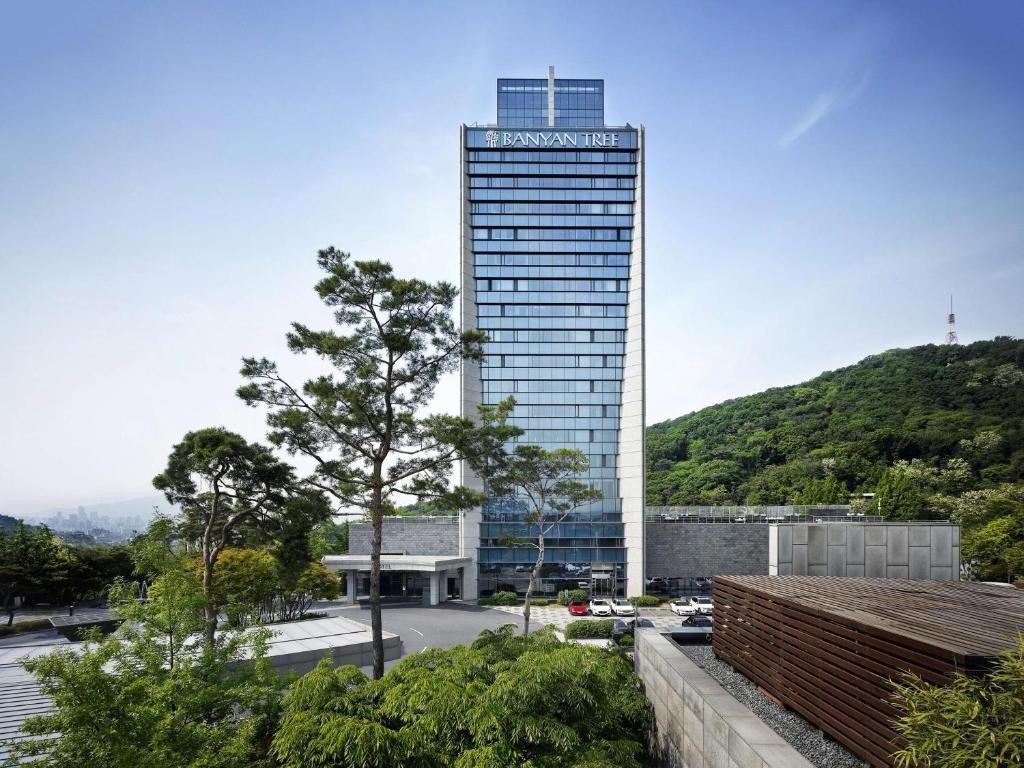
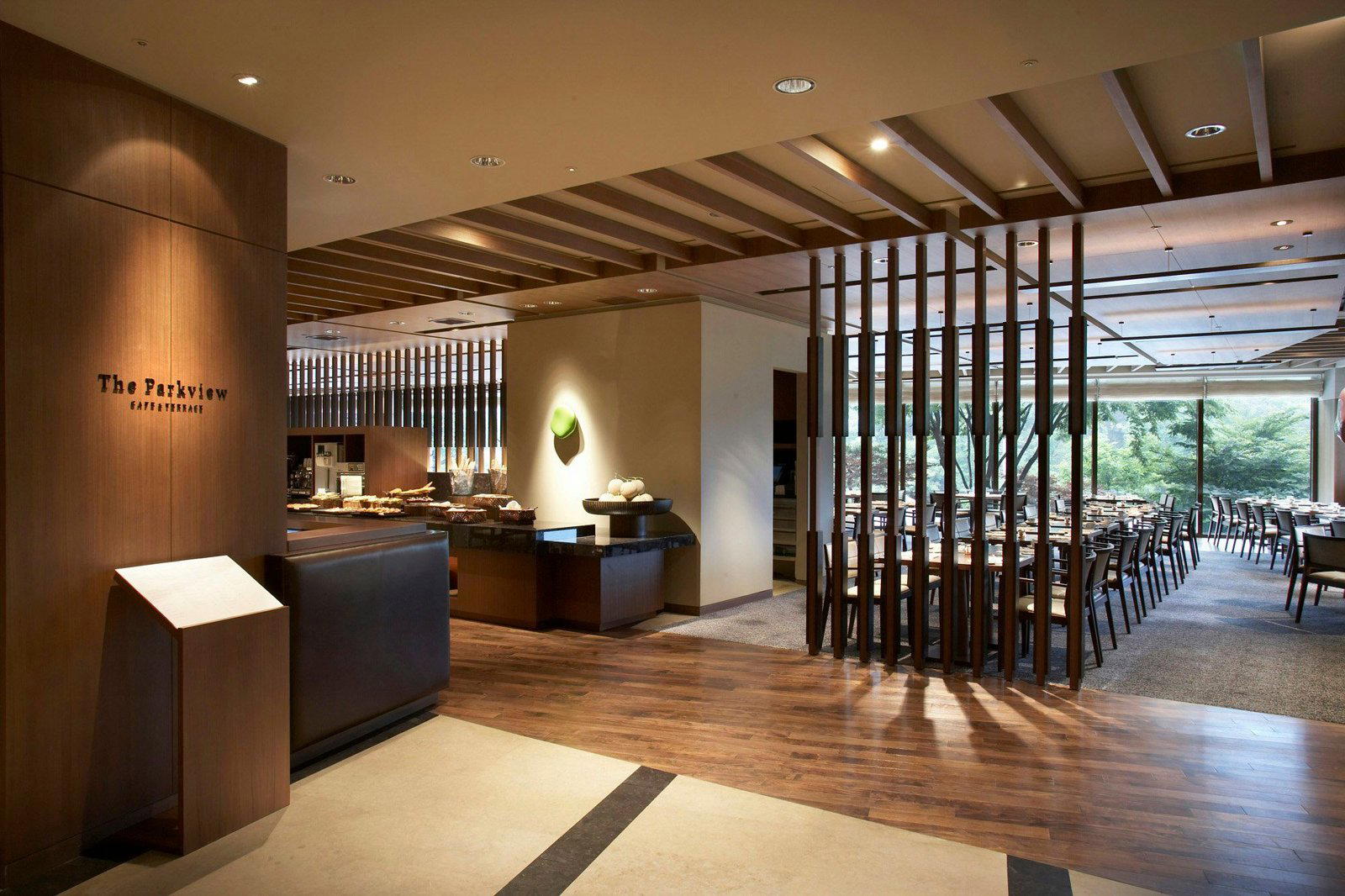
In Seoul's premium dining tier, the architectural choices a restaurant makes have become as legible as its menu format. The city's most discussed rooms in recent years, from the clean lines of contemporary Korean counters to the material-heavy interiors of French-influenced tasting venues, treat the space itself as a communicative layer. A room that uses natural light carefully, keeps seat counts low, and controls sound tends to signal a particular kind of pacing, one where the meal is meant to unfold rather than be consumed. Parc Seoul's positioning in the Yongsan District, a neighbourhood with a density of design-aware residents and international visitors, suggests an interior approach consistent with that broader sensibility in the area.
The Itaewon and Hannam corridor has attracted venues that invest in spatial design precisely because the clientele there has international reference points. Diners who have sat in considered rooms at places like Le Bernardin in New York City or Lazy Bear in San Francisco bring expectations about how a room should function architecturally, and local Seoul operators in this pocket have responded to that.
Seoul's Competitive Dining Tier: The Context for Parc Seoul
Seoul's high-end restaurant scene has matured into distinct clusters. There are the Michelin-recognised Korean fine dining rooms, represented by addresses like Mingles and Kwonsooksoo, which draw heavily on traditional Korean culinary architecture reframed through a contemporary lens. There are the internationally-trained chefs running innovative tasting formats, such as Soigné and alla prima. And there is Jungsik, which occupies its own tier as one of the venues that helped establish Seoul's credibility as a destination for contemporary Korean cuisine on an international stage.
Within that framework, a restaurant in Itaewon operates in a neighbourhood that has historically attracted venues interested in cross-cultural exchange, whether that means Korean-French hybrids, ingredient-driven contemporary formats, or spaces that prioritise a particular kind of hospitality atmosphere over category purity. The comparison set in Seoul's ₩₩₩₩ tier, which includes venues like Zero Complex and 7th Door, reflects how the city's top-end dining has split: some rooms lead with deep Korean culinary identity, others with technique-forward formats that borrow freely across traditions.
Beyond Seoul: The Regional Picture
Understanding Parc Seoul also means understanding where it sits within South Korea's broader restaurant geography. Seoul concentrates the highest density of recognised fine dining, but there are serious rooms operating outside the capital. Mori in Busan and Double T Dining in Gangneung represent a regional tier that is gaining attention, and destinations like Doosoogobang in Suwon and temple food experiences such as Baegyangsa Temple in Jangseong-gun speak to the depth of Korean food culture outside metropolitan fine dining. For visitors constructing an itinerary around food, Seoul is the logical anchor but not the only point of interest. The Injegol in Inje County and regional Jeju addresses like Cheon Jee (천지) and The Flying Hog in Seogwipo confirm that the peninsula's food culture has breadth, not just capital-city depth.
Planning a Visit: Practical Intelligence for Itaewon
The Yongsan District is accessible by subway from central Seoul, with Itaewon station on Line 6 serving as the main transit point. The side streets off the main road, where Parc Seoul's address sits, are typically a short walk from the station. Itaewon's dining corridor tends to operate across lunch and dinner services, though premium rooms in this neighbourhood often run tighter seatings than their more casual counterparts. Visitors planning around Seoul's premium dining circuit, which also includes venues across Gangnam and the Hannam-dong strip, should build in time to cross the city; Seoul's traffic and geography mean that clustering reservations by neighbourhood on different days makes logistical sense. For a fuller view of what Seoul's restaurant scene offers at every price tier and format, the EP Club Seoul guide maps the city's dining character neighbourhood by neighbourhood. Additional addresses worth noting in the region include Market Café in Incheon for travellers passing through the airport corridor, and 권숙수 - Kwon Sook Soo in Gangnam-gu as a Gangnam-side alternative to the Itaewon cluster. The Cheoin area also has options like 에버리움펜션 for those seeking accommodation-adjacent dining further from the capital.
How Parc Seoul, Seoul compares with similar nearby venues.
| Venue | Cuisine | Price |
|---|---|---|
| Kyoyang Siksa | Barbecue | ₩ |
| Borgo Hannam | Italian | ₩₩₩ |
| Teppan | Teppanyaki | ₩₩₩ |
| RMW Carne | Steakhouse | ₩₩ |
At a Glance
- Cozy
- Quiet
- Modern
- Casual Hangout
- Group Dining
- Family
- Standalone
- Beer Program
- Local Sourcing
Current opening hours
- Monday
- 11:30 AM–3:30 PM, 5:30–9 PM
- Tuesday
- 11:30 AM–3:30 PM, 5:30–9 PM
- Wednesday
- 11:30 AM–3:30 PM, 5:30–9 PM
- Thursday
- 11:30 AM–3:30 PM, 5:30–9 PM
- Friday
- 11:30 AM–3:30 PM, 5:30–9 PM
- Saturday
- 11:30 AM–3:30 PM, 5:30–9 PM
- Sunday
- 11:30 AM–3:30 PM, 5:30–9 PM
Hours can change for holidays and private events. Last verified .
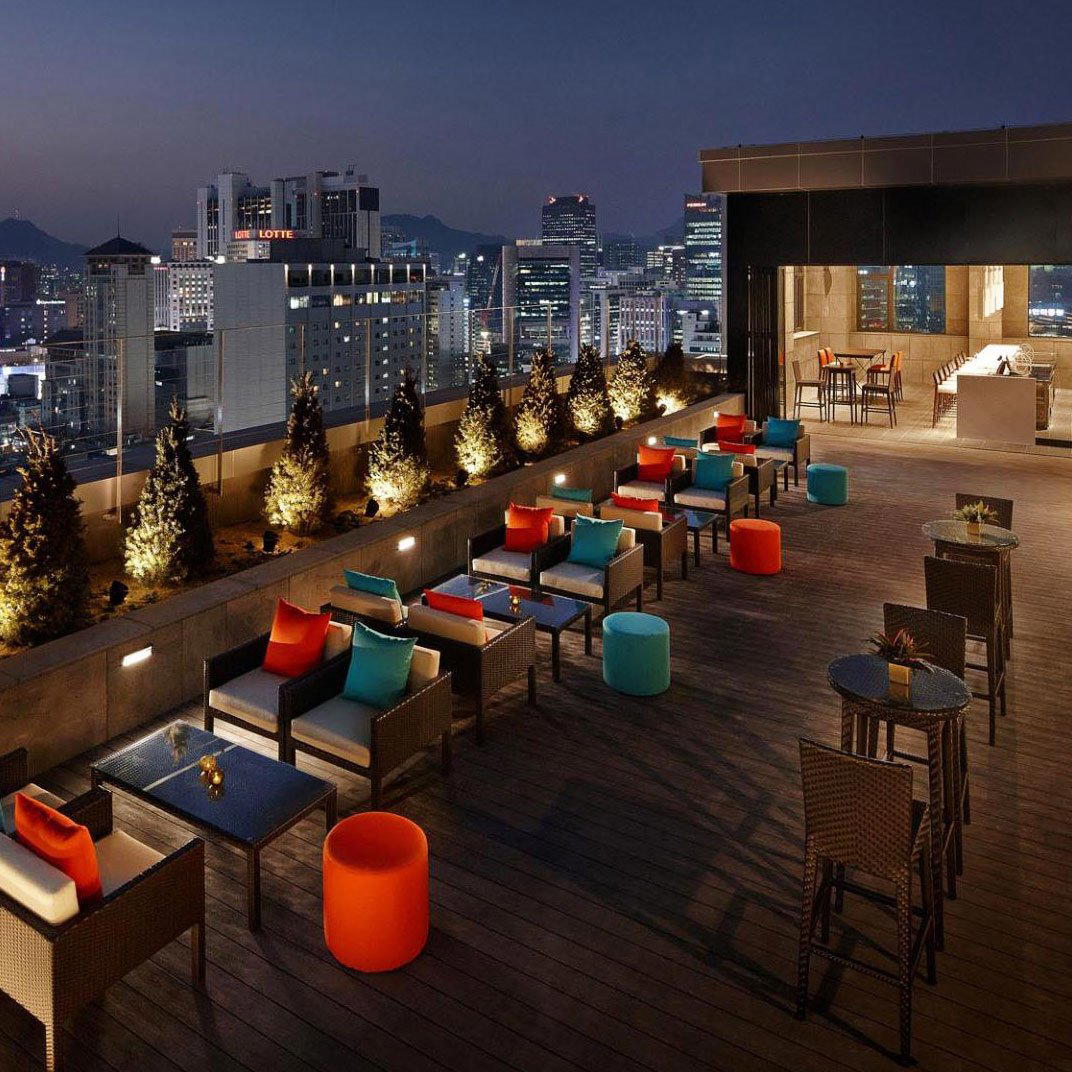
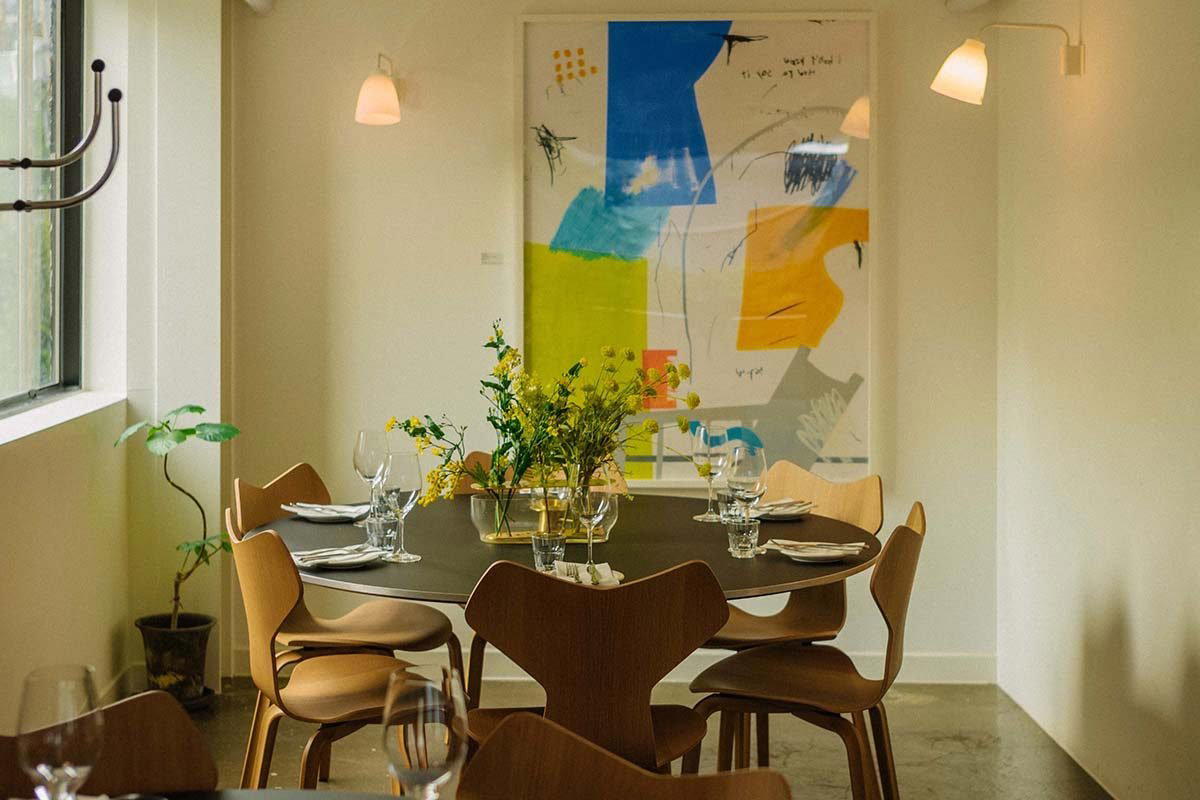
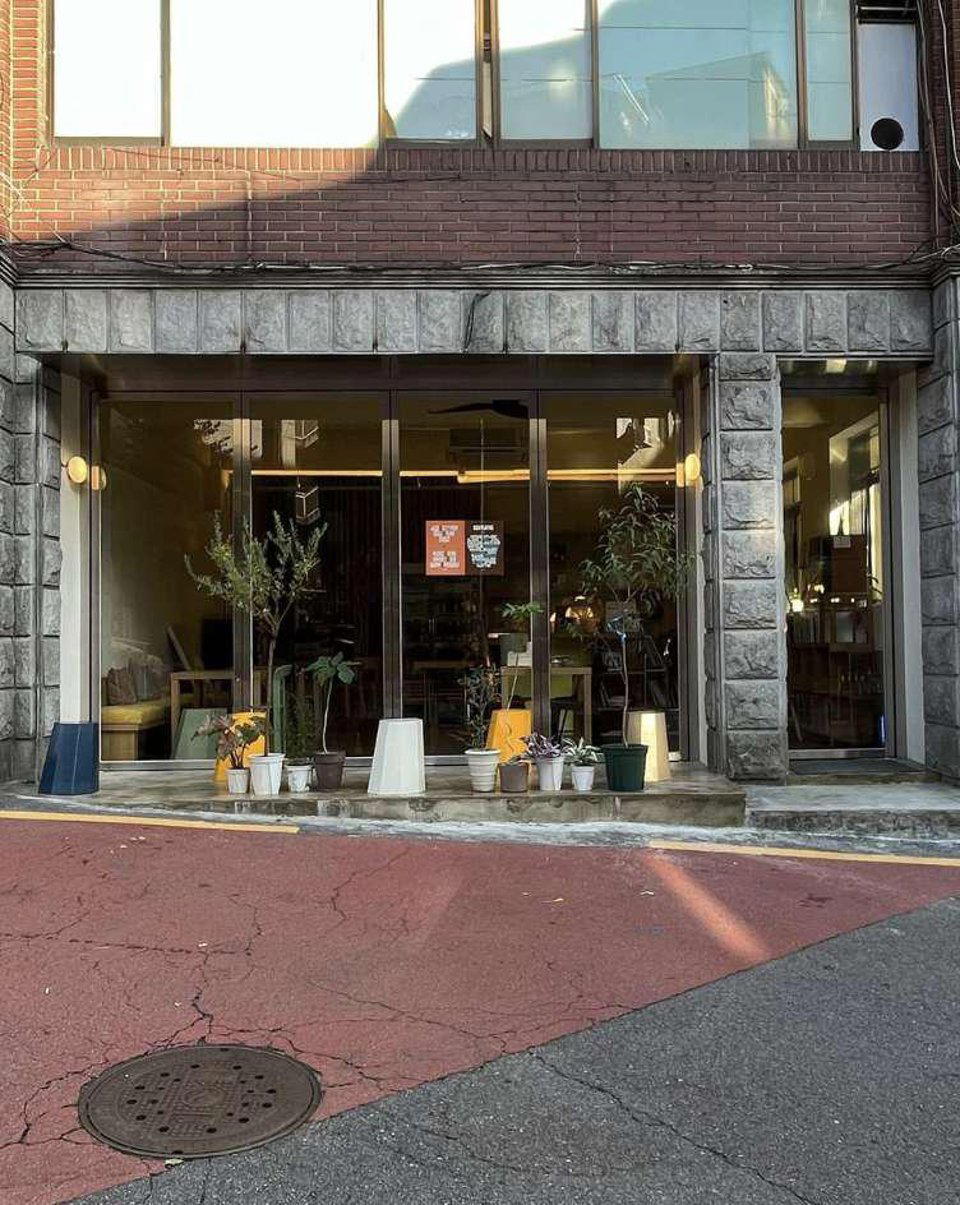
Warmly-lit, cozy corner spot with a calm and welcoming atmosphere designed to feel like a relaxed park amidst the busy city.
Know Before You Go
- Getting there
- 26-5 Itaewon-ro 55ga-gil, Yongsan District, Seoul, South Korea