Eunjujeong (은주정)
Eunjujeong sits in Junggu, one of Seoul's older residential and commercial corridors, occupying the kind of low-profile address that rewards those who pay attention to neighbourhood-level dining. The space carries the understated physical language common to serious Korean establishments that have no interest in foot-traffic discovery. Reserve ahead, arrive with context, and the address at 창경궁로8길 32 delivers accordingly.
Pearl is the En Primeur Club membership app — saves, bookings, and concierge access live there. Same editors, same standards.
- Address
- 중구 창경궁로8길 32, 서울특별시, 서울특별시, 04546
- Directions
- Get directions
 Saves & bookings on Pearl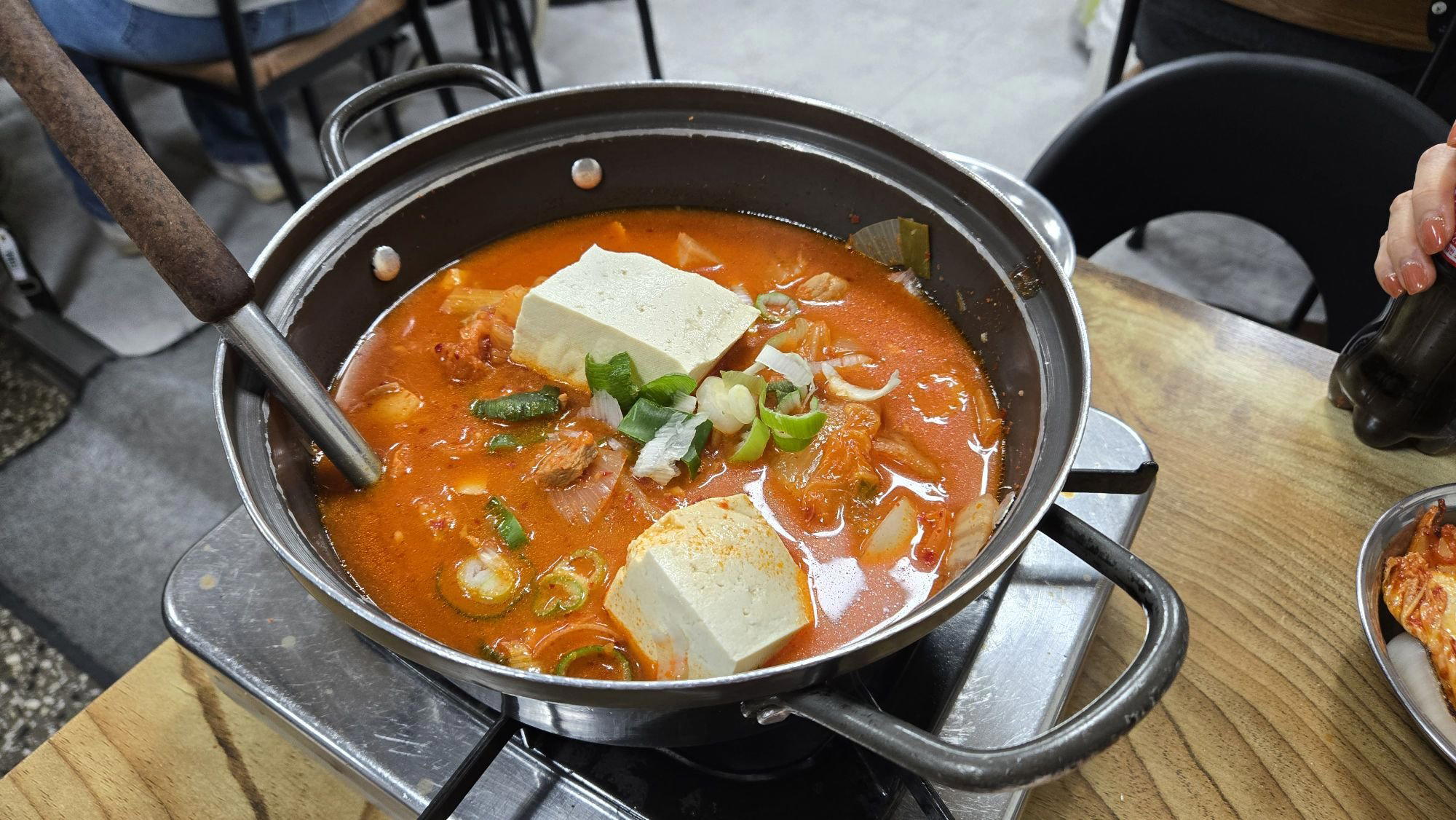
The Physical Logic of a Seoul Dining Room That Refuses to Signal
Seoul's serious dining rooms divide along a clear axis. On one side sit the destination-format restaurants, the ones that announce themselves through design budgets, ground-floor visibility, and press-ready interiors. On the other sit establishments whose physical containers do the opposite: they compress, they recede, they ask the guest to close the distance rather than the other way around. Eunjujeong (은주정), at 창경궁로8길 32 in Junggu, belongs to that second category. The address alone is a kind of editorial statement. Junggu carries a different atmospheric register than Gangnam-gu's polished restaurant corridors or the density of Mapo-gu's newer dining clusters, and a room positioned here is not competing on location prestige. It is competing on the meal itself.
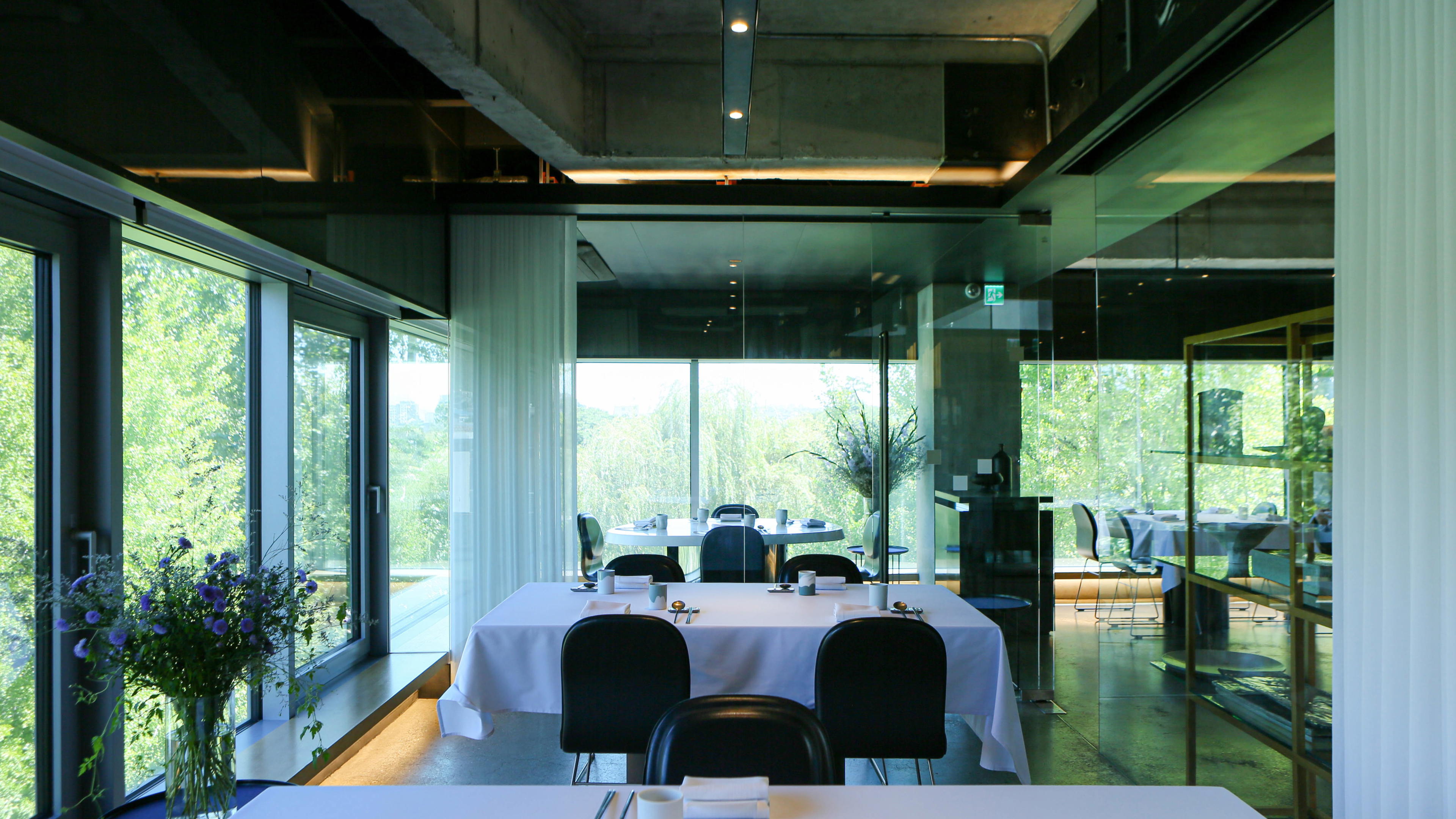
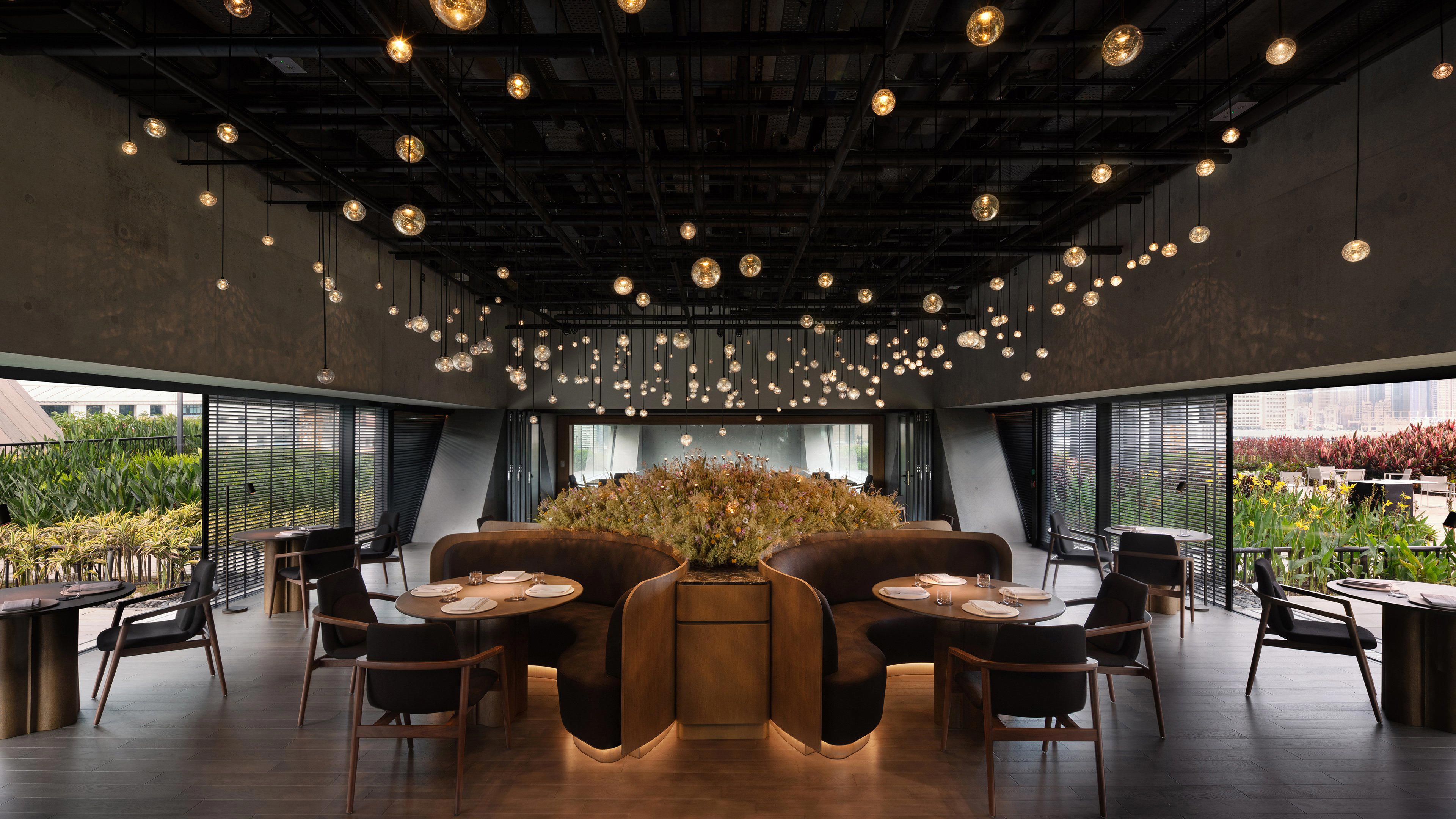
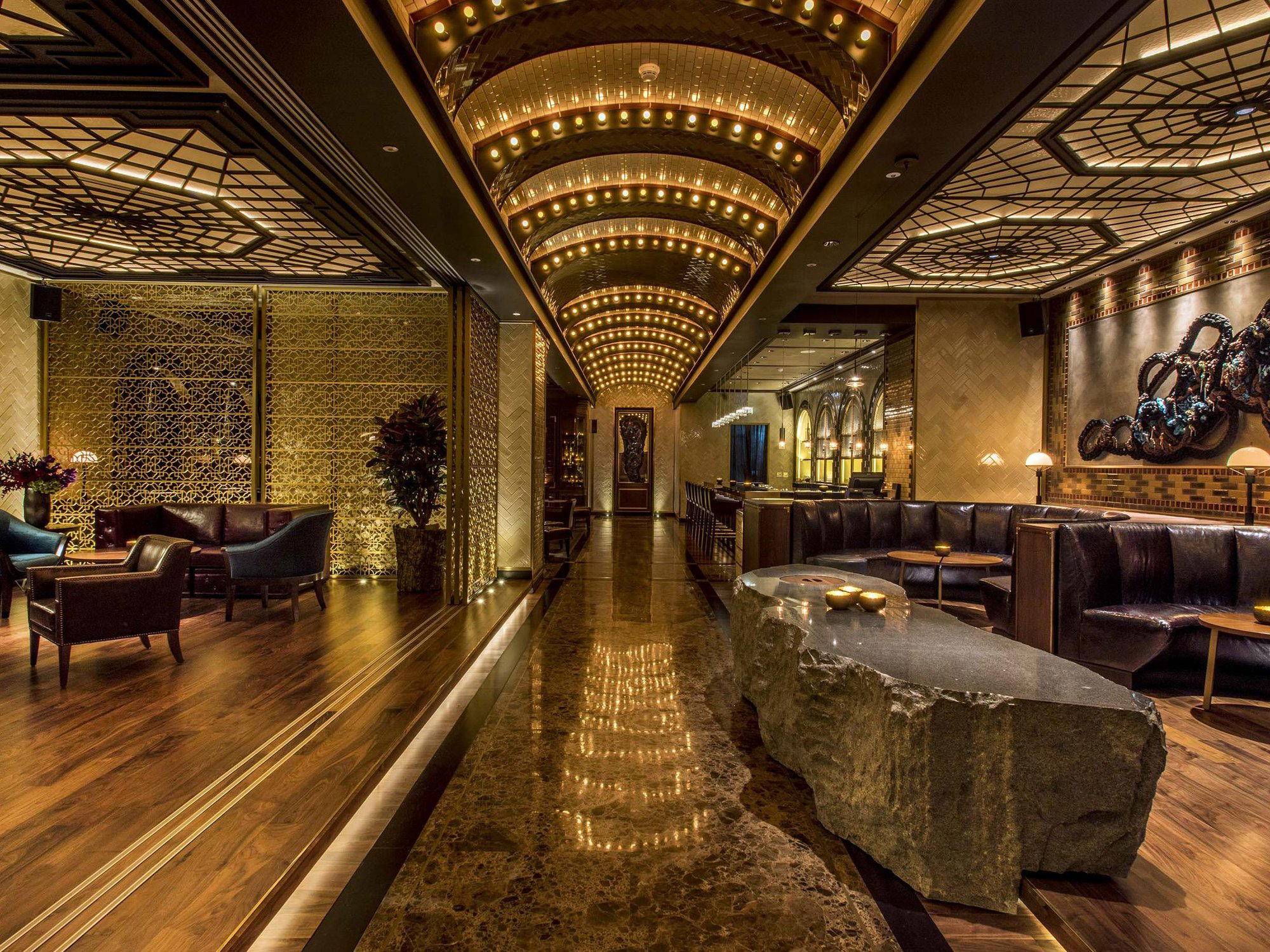
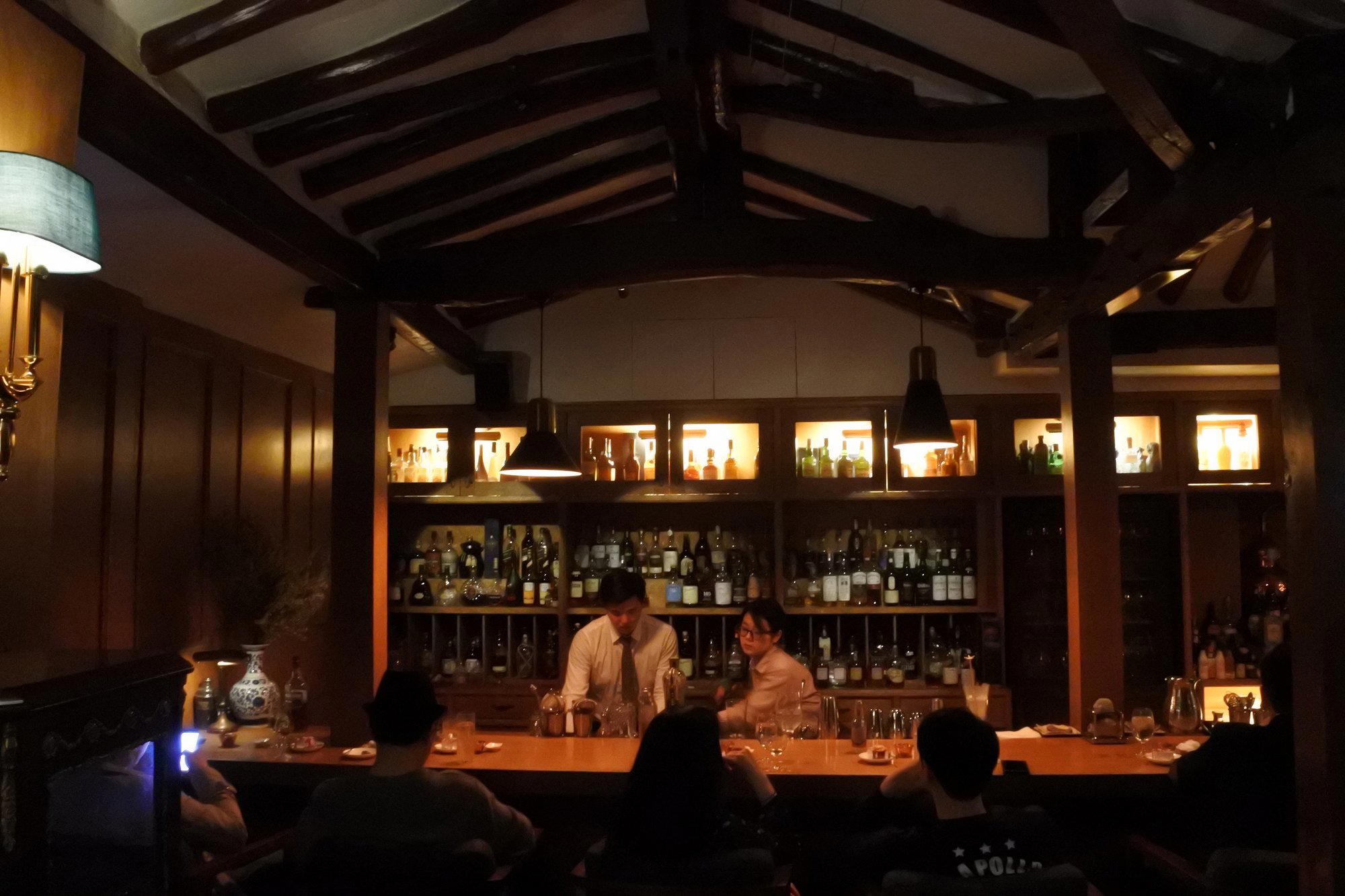
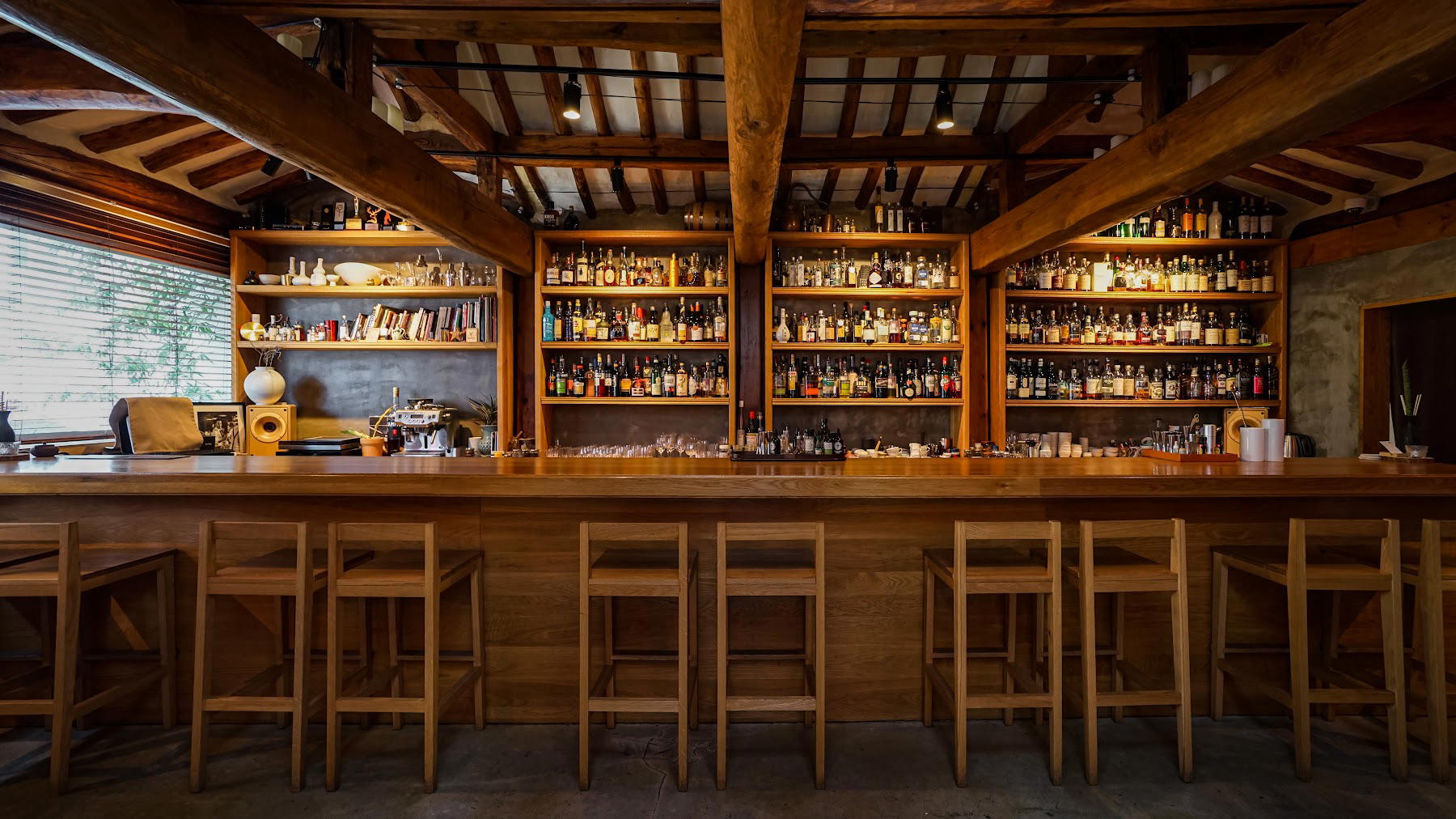
That choice of physical positioning matters because it shapes how the interior reads. Spaces that don't rely on neighbourhood cachet tend to invest more deliberately in the room itself, in proportion, material weight, and the quality of silence between tables. Seoul's most considered dining environments often share this characteristic: the building exterior gives nothing away, and the transition from street to interior carries its own theatrical function. You cross a threshold and the register changes. The room does its work not through grand gesture but through accumulation of small, calibrated decisions about light, surface, and seat placement.
Where Junggu Fits in Seoul's Dining Geography
Junggu is one of the city's older central districts, with a grain that runs more commercial and civic than the curated restaurant-destination zones further south. That context makes a serious dining address here something worth examining. The establishments that work in neighbourhoods like this tend to draw a local professional clientele, repeat visitors who discovered the place through word of mouth rather than press coverage, and the occasional informed traveller working from a specific list. It is a different guest profile than you find at the benchmark Korean tasting-menu addresses, the Michelin-circuit venues like Mingles or Kwonsooksoo, which have been absorbed into the international dining itinerary in a way that venues in Junggu have not.
That separation from the international circuit is worth treating as a data point rather than a limitation. Across Seoul's broader dining scene, the most interesting meals are often happening in exactly this kind of removed address, where the kitchen is cooking for guests who come back rather than guests who are checking a box. For context on how Seoul's wider restaurant offer maps across neighbourhoods and price tiers, the full Seoul restaurants guide provides useful orientation before committing to a specific area.
The Korean Dining Tradition This Space Inhabits
Seoul's mid-tier and upper-mid Korean restaurant category is broader and less legible to outside visitors than the Michelin-tracked fine dining tier. Venues like Jungsik or Soigné have established clear international reference points. The category below and adjacent to that tier, which includes traditional Korean formats, neighbourhood specialists, and establishments that operate closer to the rhythm of daily Korean food culture, is where Eunjujeong's address places it. This is a significant and often underread part of the Seoul dining picture. Korean cuisine's depth in fermentation, seasonal vegetable preparation, grilled formats, and banchan culture does not require a tasting menu format to be serious, and many of the most technically rigorous kitchens in Seoul work outside the omakase or modern-Korean structures that attract international attention.
That broader Korean dining tradition, represented in places from Kwon Sook Soo in Gangnam-gu to the temple food practices at Baegyangsa Temple in Jangseong-gun, is the wider context in which Eunjujeong operates. Korean culinary seriousness has never been exclusively tied to formal dining formats, and the most instructive comparison set for a Junggu address is not necessarily the ₩₩₩₩ contemporary venues but the mid-register establishments that serve as the load-bearing structure of the city's food culture.
What the Sparse Public Record Actually Tells You
The absence of a digital footprint, no confirmed website, no listed phone number in the public record, no verified price range or booking method, is itself informative. In a city where venues at the international-reputation tier maintain active online presences and multi-language reservation infrastructure, an establishment with this level of public opacity is almost certainly relying on a different kind of visibility. Seoul has a substantial layer of dining culture that operates through domestic word of mouth, neighbourhood loyalty, and local food media that does not translate into English-language coverage. Venues in this layer often have more stable, repeat-heavy guest profiles than the internationally legible tier.
For visitors, that opacity creates a practical planning challenge. The approach that works for alla prima or comparable venues with multilingual booking infrastructure does not necessarily apply here. Local knowledge, a Korean-speaking contact, or direct in-person enquiry at the address in Junggu are the more reliable paths. The address at 중구 창경궁로8길 32, postal code 04546, is confirmed. Everything else requires on-the-ground verification.
For reference on how other serious Korean dining experiences handle the gap between local and international visibility, Mori in Busan and Double T Dining in Gangneung represent different regional examples of how Korean dining culture extends well beyond Seoul's most-mapped corridors. Further afield, Doosoogobang in Suwon and Injegol in Inje County illustrate how the full spectrum of Korean culinary seriousness distributes across the peninsula.
Planning Your Visit
Given the absence of confirmed booking infrastructure in the public record, the practical approach is to allow extra lead time and to confirm operational details directly before travelling from another district or from outside Seoul. Junggu is accessible from central Seoul without significant transit friction, but making a dedicated journey to an address without confirmed hours or reservation capacity is a risk worth managing in advance. For travellers building a broader Seoul itinerary, anchoring confirmed reservations at venues with established booking infrastructure, such as those listed in the full Seoul guide, and using Eunjujeong as a flexible addition, is the more reliable sequencing.
Cuisine Context
Comparable venues nearby, for context on price, style, and recognition.
| Venue | Cuisine | Price | Notes |
|---|---|---|---|
| Eunjujeong (은주정)This venue — the venue you are viewing | Traditional Korean Kimchi Jjigae | $$ | Not listed |
| 백년토종삼계탕 | Traditional Korean Samgyetang | $$ | 북촌 (Bukchon) |
| Wangbijib Myeongdong Central | Traditional Korean BBQ | $$ | 소공동 |
| Myeongdong Yeongyang Center | Traditional Korean Rotisserie Chicken & Samgyetang | $$ | Myeongdong |
| 옛날농장 | Korean BBQ | $$ | Gangnam |
| Jinju Jip | Traditional Korean Kongguksu & Noodle Soup | $$ | 용강동 |
Continue exploring
More in Seoul
Restaurants in Seoul
Browse all →
At a Glance
- Classic
- Cozy
- Casual Hangout
- Street Scene
Know Before You Go
- Getting there
- 중구 창경궁로8길 32, 서울특별시, 서울특별시, 04546